
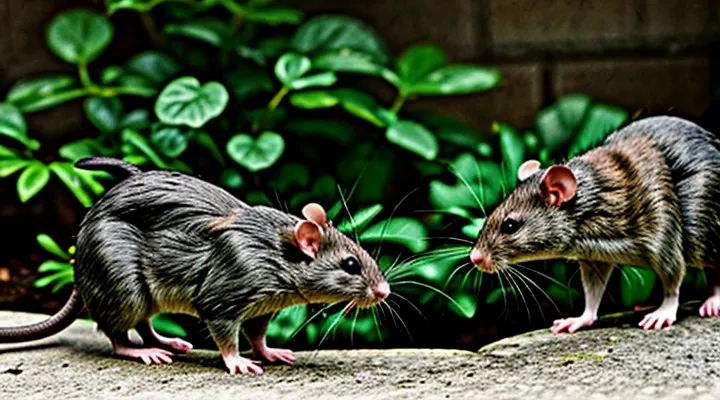
Understanding Rat Behavior
Why Knowing What Rats Dislike Matters
Rats' aversions provide a practical framework for designing effective pest‑control strategies. When a species consistently avoids specific stimuli—such as strong odors, certain textures, or bright lights—those stimuli become reliable deterrents. Applying this knowledge reduces reliance on toxic baits, limits secondary poisoning, and aligns with integrated pest‑management principles.
Understanding these repellent factors also informs laboratory research. Experiments that unintentionally introduce disliked elements can skew behavioral data, leading to inaccurate conclusions about cognition, disease models, or drug efficacy. Controlling for aversive cues ensures reproducibility and ethical compliance.
Key benefits of identifying rat repellents include:
- Targeted exclusion in residential and commercial settings, lowering infestation rates.
- Development of non‑chemical deterrent products, supporting regulatory compliance.
- Enhanced accuracy in scientific studies by minimizing confounding stressors.
- Improved animal‑welfare outcomes through reduced exposure to harmful control methods.
Common Misconceptions About Rat Repellents
Rats are attracted to food, shelter, and warmth; they avoid conditions that threaten their health or safety. Many commercial and DIY repellents claim to exploit these aversions, yet several assumptions about their effectiveness are inaccurate.
- Strong scent equals universal deterrence. Not all odors repel every rat. Some individuals become habituated, reducing the scent’s impact over time.
- Ultrasonic devices eradicate infestations. Frequencies often diminish with distance and may be inaudible through walls, providing only a temporary discomfort rather than a lasting barrier.
- Peppermint oil offers permanent protection. The oil evaporates quickly; without frequent reapplication, its concentration falls below the threshold that deters rodents.
- Rodent‑proof packaging guarantees safety. Improper sealing or unnoticed damage can still allow entry, rendering the repellent irrelevant.
Effective control relies on integrated strategies: sealing entry points, eliminating food sources, maintaining clean environments, and using repellents as supplementary measures rather than sole solutions. Regular monitoring and prompt remediation of new activity prevent rats from adapting to any single deterrent.
Things Rats Actively Avoid
Strong Scents and Aromas
Peppermint Oil
Peppermint oil contains menthol and other volatile compounds that produce a strong, aromatic scent. Rats possess a highly sensitive olfactory system; the sharp menthol odor overwhelms their sensory receptors, causing discomfort and prompting avoidance of treated areas.
Research indicates that direct exposure to undiluted peppermint oil can impair a rat’s ability to locate food and shelter. Laboratory trials have shown a significant reduction in rodent activity when surfaces are coated with a thin layer of the oil, suggesting its efficacy as a short‑term deterrent.
Practical application guidelines:
- Dilute peppermint oil with water or a mild carrier (e.g., ethanol) at a ratio of 1 %–5 % before use.
- Apply the solution to entry points, walls, and potential nesting sites using a spray bottle.
- Reapply every 48–72 hours or after heavy rain to maintain potency.
- Combine with other non‑toxic repellents for broader coverage, ensuring no adverse chemical interactions.
Safety considerations: Peppermint oil is generally non‑hazardous to humans and pets when used as directed, but ingestion in large quantities can be toxic. Store the concentrate out of reach of children and animals, and test a small area for material compatibility before widespread application.
Citronella
Citronella, a plant‑derived essential oil, emits a strong, citrusy scent that rats find repulsive. The volatile compounds, primarily citronellal and geraniol, interfere with the rodents’ olfactory receptors, causing discomfort and prompting them to vacate treated areas.
Key characteristics that make citronella effective against rats:
- Rapid evaporation creates an ongoing odor barrier.
- Low toxicity to humans and pets when applied according to label instructions.
- Compatibility with other deterrents, allowing integrated pest‑management strategies.
Application methods include:
- Spraying diluted oil on entry points, walls, and storage containers.
- Soaking cotton balls or fabric strips in undiluted oil and placing them in concealed corners.
- Incorporating citronella into commercial rodent‑repellent products such as plug‑in diffusers.
Limitations to consider:
- Effect diminishes as the oil degrades; reapplication every few days is required for sustained protection.
- Strong odor may be unpleasant for occupants, especially in confined indoor spaces.
- Rats may habituate if exposure is constant without periodic rotation of deterrent agents.
Overall, citronella offers a non‑lethal, environmentally friendly option for discouraging rats from inhabiting homes, warehouses, or gardens, provided it is used with proper dosing and regular renewal.
Ammonia
Ammonia is a volatile compound that creates a sharp, irritating odor. Rats detect it through highly sensitive olfactory receptors and respond with avoidance behavior. Exposure to even low concentrations (above 25 ppm) triggers nasal irritation, while levels exceeding 50 ppm cause respiratory distress. Prolonged contact at higher concentrations (over 200 ppm) leads to mucosal damage, impaired breathing, and possible mortality.
Key physiological impacts on rats:
- Olfactory overload: strong smell overwhelms scent detection, prompting immediate retreat.
- Mucosal irritation: ammonia contacts nasal passages, causing inflammation and discharge.
- Respiratory compromise: inhalation reduces lung efficiency, limiting oxygen uptake.
- Toxicity: elevated levels disrupt cellular metabolism, potentially resulting in organ failure.
Because these effects compromise survival, ammonia ranks among the most aversive chemical cues for rats. Its presence in a habitat reliably deters infestation and reduces activity.
Mothballs
Mothballs consist primarily of naphthalene or paradichlorobenzene, substances that sublimate at room temperature and emit pungent vapors. The vapors irritate the highly sensitive olfactory receptors of rodents, causing aversion and, at sufficient concentrations, respiratory distress. Laboratory observations confirm that exposure to mothball vapors reduces rat activity in confined spaces within minutes.
Effectiveness depends on airtight conditions, dosage, and exposure time. In sealed containers, a single 0.5‑gram ball can maintain repellent concentrations for several weeks; in ventilated areas, the volatile compounds dissipate rapidly, diminishing efficacy. Mothballs do not eliminate infestations; they only discourage movement through treated zones.
Human and non‑target animal safety imposes strict limits on mothball use. Inhalation of naphthalene vapors may cause hemolytic anemia; paradichlorobenzene exposure is linked to liver toxicity. Both chemicals are classified as flammable and are prohibited in many residential settings. Proper handling requires gloves, protective ventilation, and storage away from foodstuffs.
Practical guidelines for employing mothballs as a rodent deterrent:
- Place balls in sealed, inaccessible containers near entry points.
- Limit exposure to a maximum of 2 grams per 10 square meters.
- Replace balls every 30 days to maintain vapor pressure.
- Avoid use in occupied rooms, kitchens, or areas with children and pets.
- Combine with physical exclusion methods (door sweeps, mesh) for comprehensive control.
When regulatory restrictions or health concerns preclude mothball use, alternatives such as ultrasonic emitters, peppermint oil-soaked cotton, or commercial rodent repellents provide comparable deterrence without volatile toxicants.
Chili Peppers and Capsaicin
Chili peppers contain capsaicin, a compound that activates the transient receptor potential vanilloid 1 (TRPV1) receptors in mammalian sensory neurons. In rats, TRPV1 activation generates a strong burning sensation, leading to immediate avoidance behavior. Capsaicin binds to the same receptors that detect high temperatures, causing a rapid influx of calcium ions and triggering pain signals that are interpreted as extreme heat.
The physiological response includes:
- Increased heart rate and respiratory rate as the nervous system reacts to perceived thermal stress.
- Release of substance P and other neuropeptides, which intensify pain perception.
- Temporary hyperalgesia, making even mild stimuli feel painful for several minutes after exposure.
These effects make capsaicin an effective repellent in rodent control. Studies show that rats exposed to capsaicin‑treated surfaces or food sources exhibit reduced foraging activity and increased latency before re‑entering the area. The compound’s volatility also creates an olfactory deterrent; the pungent aroma signals the presence of a harmful agent, reinforcing avoidance.
Practical applications exploit these properties:
- Spraying capsaicin solutions on entry points deters entry without lethal impact.
- Incorporating powdered chili into bait reduces consumption by target rodents while remaining safe for non‑target species.
- Using capsaicin‑infused barriers around storage facilities prevents contamination by rodents.
Capsaicin’s specificity for TRPV1 receptors ensures that the deterrent effect is consistent across rodent populations, while the compound degrades naturally, minimizing environmental persistence. Consequently, chili peppers and their active ingredient provide a biologically grounded, non‑toxic method for reducing rat activity in settings where their presence is undesirable.
Unpleasant Textures and Surfaces
Rough or Abrasive Materials
Rats possess highly sensitive whiskers and foot pads that detect surface texture. When a substrate feels uneven, gritty, or sharply fibrous, the tactile receptors trigger discomfort and avoidance behavior. This reaction is consistent across both wild and laboratory populations.
Rough or abrasive materials interfere with the smooth gait rats rely on for rapid movement. The irritation caused by minute abrasions can lead to skin micro‑injuries, prompting immediate retreat from the area.
Typical substances that produce this effect include:
- Coarse sandpaper or emery cloth
- Fibrous steel wool with a gritty finish
- Crushed walnut shells blended into a paste
- Roughened concrete or aggregate gravel
- Abrasive polymer mesh (e.g., polypropylene scrub pads)
Applying such textures to entry points, nesting zones, or feeding stations creates a physical barrier that rats are unlikely to cross. The method complements chemical controls by exploiting the animals’ innate aversion to uncomfortable surfaces, reducing the need for repeated pesticide applications.
Sticky Surfaces
Rats avoid surfaces that become tacky underfoot because the adhesive texture interferes with their ability to maintain balance and swift movement. The friction created by sticky coatings triggers a sensory response that signals an unsafe substrate, prompting immediate retreat.
Key characteristics that make a surface repellent to rats include:
- High coefficient of friction that exceeds the grip rats can generate with their pads.
- Chemical composition that remains tacky after exposure to moisture, preventing the formation of a dry walking path.
- Lack of loose debris, which eliminates hiding spots and reduces the likelihood of rats testing the surface.
- Rapid loss of adhesion when contaminated with oil or grease, ensuring the deterrent effect persists in typical indoor environments.
Implementing sticky barriers in entry points, crawl spaces, and along walls creates a physical obstacle that rats cannot easily bypass, reducing the probability of intrusion without relying on toxic substances.
Loud Noises and Vibrations
Ultrasonic Devices
Ultrasonic devices generate sound waves beyond the range of human hearing, typically between 20 kHz and 70 kHz. Rats detect these frequencies with acute sensitivity, causing discomfort that prompts them to vacate treated areas.
The effectiveness of such devices depends on several technical parameters:
- Frequency range: higher frequencies (above 30 kHz) reach deeper into rodent auditory perception.
- Power output: sufficient intensity ensures penetration through walls and insulation.
- Coverage area: manufacturers specify square footage; overlapping units may be required for large spaces.
- Timing controls: programmable cycles reduce habituation by varying exposure periods.
Installation guidelines maximize deterrent impact:
- Position units at ceiling height, facing open pathways where rats travel.
- Mount devices away from reflective surfaces that could distort sound propagation.
- Verify continuous power supply; intermittent outages diminish efficacy.
- Combine with exclusion methods—sealing entry points, eliminating food sources—to prevent re‑infestation.
Empirical studies report a reduction in rodent activity of 60 %–80 % within three weeks of continuous operation, provided that devices are correctly placed and environmental conditions remain stable. Persistent monitoring and periodic adjustment of unit placement sustain long‑term deterrence.
Sudden Loud Sounds
Rats possess highly sensitive auditory systems that detect rapid increases in sound pressure. Sudden loud noises trigger the cochlear hair cells, causing an immediate neural surge that the animal interprets as a potential threat.
The physiological reaction includes a spike in adrenaline, accelerated heart rate, and activation of the sympathetic nervous system. These changes prepare the rodent for a fight‑or‑flight response, which often results in rapid escape or freezing behavior.
Typical responses to abrupt acoustic stimuli are:
- Immediate cessation of foraging or grooming activities
- Quick retreat to concealed burrows or hidden corners
- Heightened vigilance with frequent scanning of the environment
Understanding this aversion aids in designing humane pest‑control methods and in interpreting laboratory data where auditory stressors may influence experimental outcomes.
Bright Lights
Consistent Illumination
Rats thrive in environments where light levels fluctuate between bright periods and darkness. Continuous illumination eliminates the dark phase that their physiology expects, creating a condition they actively avoid.
Constant light interferes with the circadian system that regulates hormone release, metabolism, and activity cycles. The disruption produces measurable physiological and behavioral changes:
- Elevated corticosterone concentrations, indicating chronic stress.
- Decreased locomotor activity during the normally active nocturnal window.
- Impaired reproductive function, including reduced sperm quality and estrous cycle irregularities.
- Lowered foraging efficiency and increased hesitation to explore novel areas.
In laboratory housing, unvarying light schedules lead to reduced experimental reliability because stress‑induced variables mask treatment effects. In urban pest management, installing lighting that maintains a regular dark interval deters infestation more effectively than perpetual illumination.
Designers of rodent‑free facilities should therefore incorporate timed lighting systems that provide a clear dark phase each 24‑hour cycle. This approach aligns with rats’ innate preferences and minimizes the adverse outcomes associated with uninterrupted brightness.
Flashing Lights
Rats possess a visual system tuned to low‑intensity, steady illumination. Sudden, high‑frequency light pulses exceed the threshold of their retinal ganglion cells, producing a neural overload that triggers a stress response.
- Rapid changes in luminance activate the suprachiasmatic nucleus, disrupting circadian regulation.
- Intense flicker stimulates the amygdala, resulting in heightened anxiety and avoidance behavior.
- Photoreceptor adaptation mechanisms cannot compensate for brief, recurring bursts, leading to visual fatigue.
Behavioral studies record increased locomotor activity, elevated cortisol levels, and a preference for dark shelters when flashing lights are present. These observations indicate that intermittent illumination constitutes a potent aversive stimulus for rats, impairing welfare and influencing experimental outcomes.
Creating an Unappealing Environment for Rats
Maintaining Cleanliness and Sanitation
Eliminating Food Sources
Rats are drawn to readily available nourishment; removing such resources deprives them of a primary incentive to occupy a building. Effective elimination of food sources involves three critical actions.
- Secure all food containers with tight‑fitting lids. Plastic or metal bins that close completely prevent rats from chewing entry points.
- Store dry goods off the floor and away from walls. Shelving at least six inches above surfaces eliminates climbing routes.
- Remove waste promptly. Compost, garbage bags, and pet food should be placed in sealed receptacles and taken out daily.
In addition, eliminate residual crumbs and spills by cleaning surfaces with a detergent solution after each meal preparation. Regularly inspect hidden areas—under appliances, inside cabinets, and behind equipment—to ensure no unnoticed crumbs remain. By systematically denying rats access to edible material, the likelihood of infestation declines sharply.
Proper Waste Management
Proper waste management eliminates the primary resources rats seek. Secure containers with tight-fitting lids prevent access to food residues. Regular removal of trash reduces accumulation that can sustain rodent populations.
Key practices include:
- Sealing all waste bins with metal or heavy‑duty plastic lids.
- Disposing of organic waste in compost systems that are rat‑proof.
- Scheduling daily collection for high‑traffic areas such as restaurants and markets.
- Cleaning spillages immediately and sanitizing surfaces to remove scent trails.
- Storing bulk waste in locked, elevated compartments away from ground level.
These measures remove the attractants that rodents find appealing. By denying food, shelter, and water, waste management creates an environment that rats avoid. Consistent enforcement of these protocols sustains a low‑risk setting for rodent intrusion.
Securing Entry Points
Sealing Cracks and Holes
Rats enter buildings through minute openings in foundations, walls, and utility penetrations. These gaps provide shelter, food access, and travel routes. When the openings are eliminated, the environment becomes unsuitable for infestation.
Sealing cracks and holes removes the primary entry points. The barrier created is impermeable, preventing rodents from exploiting structural weaknesses. The method also reduces indoor noise, drafts, and potential damage caused by gnawing.
Effective sealing requires:
- Inspection of all exterior and interior surfaces for gaps larger than ¼ inch.
- Use of durable materials such as steel wool, copper mesh, and high‑grade silicone or polyurethane caulk.
- Application of expanding foam for larger voids, followed by a hard‑shell filler to resist chewing.
- Verification of seal integrity after curing, ensuring no gaps remain around pipes, vents, and electrical conduits.
Regular maintenance, including visual checks after seasonal weather changes, sustains the barrier and deters future rodent activity.
Repairing Damaged Structures
Rats avoid buildings that have been restored to a solid condition. Cracks, gaps, and loose materials provide entry points and nesting sites; repairs eliminate these vulnerabilities.
A repaired structure offers the following deterrent effects:
- Tightened seams and sealed openings block access routes.
- Reinforced walls and floors prevent burrowing.
- Cleaned interiors remove food residues and scent trails that attract rodents.
- Proper drainage and moisture control eliminate damp environments favored by rats.
When planning repairs, follow these steps:
- Inspect all exterior and interior surfaces for structural damage.
- Prioritize sealing gaps larger than a quarter inch, the minimum size a rat can exploit.
- Use durable, rodent‑resistant materials such as metal flashing, concrete, or hardened polymer sealants.
- Install flashing and weatherstripping around doors, windows, and utility penetrations.
- Verify that waste disposal areas are isolated from the building envelope.
- Conduct a final audit to confirm that no entry points remain.
Consistently maintaining repaired conditions sustains a hostile environment for rats, reducing the likelihood of infestation and the associated health risks.
Natural Predators
Cats
Rats instinctively evade felines because cats are efficient predators. The predator‑prey relationship shapes rat movement, foraging, and shelter choices.
Cats emit a strong musky odor that signals danger to rats. Their low‑frequency vocalizations and sudden, silent pounces are also detected by a rat’s acute hearing and whisker system. These sensory cues trigger immediate flight responses.
- Rapid, unpredictable locomotion
- Silent stalking followed by swift capture
- Sharp claws capable of inflicting fatal wounds
- High‑frequency hearing that detects subtle rustling
When rats encounter these traits, they increase vigilance, relocate to burrows with limited feline access, and limit activity during peak cat hunting periods. The presence of cats therefore reduces rat population density in shared environments.
Dogs
Rats instinctively avoid dogs because dogs represent a primary predator in most environments. The presence of a dog triggers a cascade of sensory and behavioral responses in rats that reduce the likelihood of encounter.
- Olfactory cues: canine scent contains pheromones and waste products that rats recognize as danger signals.
- Auditory signals: barking and low-frequency growls alert rats to an imminent threat, prompting rapid flight.
- Visual detection: the size and gait of a dog differ markedly from neutral stimuli, causing rats to freeze or retreat.
- Learned avoidance: rats that have experienced predation attempts develop lasting memory of canine aggression, reinforcing avoidance patterns.
These factors combine to create a strong, innate aversion in rats toward dogs, shaping their foraging routes, nesting sites, and social organization.
Birds of Prey
Rats exhibit strong aversion to aerial predators, especially members of the raptor family. Their survival strategies prioritize detection and avoidance of these threats.
- Red-tailed hawk (Buteo jamaicensis)
- Great horned owl (Bubo virginianus)
- Bald eagle (Haliaeetus leucocephalus)
- Peregrine falcon (Falco peregrinus)
Visual cues dominate the rats’ response. The silhouette of a bird of prey against the sky triggers immediate alarm. Rapid wingbeats and the characteristic silhouette of outstretched talons are recognized as danger signals. Auditory cues, such as the hoot of an owl or the high‑pitched scream of a hawk, reinforce the threat. Olfactory cues play a lesser role but can supplement recognition when feathers or excreta are present.
When a raptor is detected, rats adopt a sequence of defensive behaviors: they freeze to reduce movement, retreat to underground burrows, and limit foraging activity to concealed areas. These actions decrease exposure time and reduce the likelihood of capture.
The relationship between rats and birds of prey informs pest‑management practices. Deploying realistic models of hawks or broadcasting recorded calls can exploit rats’ innate aversion, lowering infestation levels without chemical interventions.
Effective Rat Deterrence Strategies
Combining Multiple Repellents
Rats respond poorly to several sensory deterrents, and strategic layering of these agents can improve control outcomes. When multiple repellents are applied together, each one targets a different perception channel—olfactory, gustatory, or tactile—making it harder for rodents to habituate.
Effective combinations typically include:
- A strong-smelling oil (e.g., peppermint, eucalyptus) to overwhelm the rat’s nose.
- A bitter-tasting substance (e.g., capsaicin, bitter apple) applied to surfaces where gnawing occurs.
- A physical barrier (e.g., steel wool, mesh) that prevents access while the chemical agents work.
Key considerations for a successful blend:
- Select repellents that do not neutralize each other; oil‑based scents should not be mixed with water‑soluble bitterants in the same solution.
- Apply each component at the manufacturer‑recommended concentration; overdilution reduces potency, while excess can cause environmental damage.
- Rotate the mixture every two weeks to prevent sensory adaptation; replace the oil component with a different aromatic if rats show reduced avoidance.
- Ensure safe placement away from food preparation areas and pets; use sealed containers for volatile oils to limit inhalation risk.
Monitoring results involves checking for fresh gnaw marks, droppings, or nesting material. A noticeable decline within a week indicates the blend is effective; persistent activity suggests the need to adjust concentrations or introduce an additional deterrent, such as ultrasonic emitters, to complement the chemical approach.
Regular Monitoring and Maintenance
Regular monitoring and maintenance directly affect conditions that rats find unappealing. Consistent inspections reveal signs of infestation early, allowing swift corrective actions before populations establish. Prompt removal of food residues, water sources, and shelter eliminates primary attractants, reducing the likelihood of rodent activity.
Key practices include:
- Inspecting exterior walls, foundations, and roof eaves for gaps larger than ¼ inch; seal all openings with steel wool, caulk, or metal flashing.
- Cleaning storage areas daily; eliminate spilled grain, seed, or waste that could serve as food.
- Maintaining drainage systems; repair leaks and ensure gutters direct water away from the building envelope.
- Trimming vegetation within two feet of structures; dense foliage offers cover and easy entry points.
- Rotating pest‑control devices such as snap traps or electronic deterrents; replace batteries and inspect functionality weekly.
Documentation of each inspection creates a traceable record, facilitates trend analysis, and supports timely adjustments to preventive measures. When monitoring schedules are adhered to without interruption, the environment remains hostile to rodents, discouraging settlement and activity.
Professional Pest Control Considerations
Professional pest‑control programs focus on conditions that rats instinctively avoid. Effective strategies begin with eliminating food sources, water, and shelter that attract rodents. Sanitation measures include secure storage of waste, regular removal of debris, and prompt repair of leaks.
Key considerations for practitioners:
- Physical exclusion: Install steel‑welded mesh, seal gaps larger than ¼ in., and reinforce doors and windows to prevent entry.
- Habitat disruption: Remove vegetation, trim overgrown landscaping, and clear clutter that provides nesting sites.
- Bait management: Deploy rodenticides in tamper‑resistant stations, rotate active ingredients to counter resistance, and follow label‑specified dosage.
- Trap placement: Position snap or electronic traps along walls, near runways, and in concealed areas where activity is highest.
- Monitoring: Conduct regular inspection of signs such as gnaw marks, droppings, and burrows; use motion‑activated cameras for verification.
- Regulatory compliance: Adhere to local health codes, maintain documentation of pesticide use, and ensure staff certification.
Integrating these elements creates an environment that deters rats, reduces infestation risk, and supports long‑term control outcomes.