
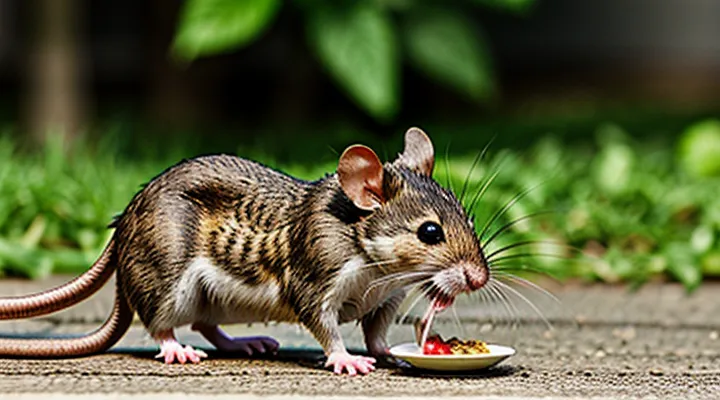
Understanding Mouse Diet Basics
Natural Mouse Diet
Mice thrive on a diet that mirrors their wild foraging habits. Their natural intake consists primarily of:
- Whole grains such as wheat, oats, and barley
- Seeds from grasses, legumes, and sunflowers
- Fresh fruits including berries, apples, and grapes
- Vegetables like carrots, leafy greens, and peas
- Insects and small arthropods, providing essential protein
These items supply the carbohydrate, fiber, protein, and micronutrient balance required for optimal metabolism, dental health, and immune function. Grain and seed kernels deliver sustained energy, while fruits and vegetables contribute vitamins and antioxidants. Insect consumption offers amino acids and fatty acids absent from plant sources.
When formulating a feeding regimen, replace processed or sugary treats with the above natural components. This approach ensures mice receive nutrition comparable to their wild counterparts and reduces the risk of health complications associated with inappropriate foods.
Why Proper Nutrition Matters
Proper nutrition determines a mouse’s physiological stability. Balanced diets supply essential amino acids, vitamins, and minerals that support immune function, organ development, and metabolic efficiency. Deficiencies weaken resistance to pathogens, reduce growth rates, and shorten lifespan.
Feeding prohibited items disrupts nutritional equilibrium. High‑fat, sugary, or toxic foods replace nutrients needed for bone formation, neural signaling, and reproductive health. The resulting imbalances manifest as obesity, dental decay, liver damage, and impaired breeding performance.
Key reasons to maintain adequate nutrition:
- Sustains robust immune response, lowering infection risk.
- Enables normal skeletal and muscular development.
- Preserves cognitive function and sensory acuity.
- Supports reproductive cycles and litter viability.
- Prevents chronic conditions such as fatty liver disease and metabolic syndrome.
Adhering to a diet free of harmful substances ensures that mice receive the precise nutrient profile required for optimal health and longevity.
Forbidden Foods: A Comprehensive List
High-Sugar Foods and Their Dangers
Candies and Sweets
Candies and sweets should be excluded from a mouse’s diet because they contain high concentrations of sugars, artificial additives, and sometimes toxic ingredients that can disrupt digestive function and lead to obesity, insulin resistance, and dental problems. Mice lack the metabolic capacity to process large amounts of refined carbohydrates, and the rapid rise in blood glucose can induce stress on the pancreas and kidney.
Common confectionery items that must not be offered to mice include:
- Hard candies (e.g., lollipops, jawbreakers) – pose choking hazards and contain concentrated sugars.
- Gummy sweets – often contain gelatin, artificial colors, and high fructose corn syrup.
- Chocolate products – contain theobromine, a stimulant toxic to rodents.
- Caramel and toffee – stick to teeth, promote plaque buildup, and are rich in butterfat.
- Marshmallows – consist mainly of sugar and gelatin, providing negligible nutrition.
- Sugar-coated nuts and candied fruits – add excess sugar and may contain preservatives.
Providing any of these items compromises health, reduces lifespan, and interferes with normal feeding behavior.
Sugary Drinks
Sugary drinks pose a serious health risk to mice and must be excluded from their diet. The high concentration of simple sugars overwhelms the rodent’s metabolic capacity, leading to rapid weight gain and increased fat deposition. Excessive sugar intake disrupts insulin regulation, precipitating glucose intolerance and diabetes‑like conditions.
Dental health suffers as well; sugary liquids coat the teeth, fostering bacterial growth and accelerating enamel erosion. Gastrointestinal distress is common, with mice experiencing diarrhea and dehydration after ingesting sweetened beverages. The rapid rise in blood glucose also induces lethargy, reducing activity levels and impairing natural foraging behavior.
Key consequences of sugary drink consumption:
- Obesity and associated cardiovascular strain
- Insulin resistance and elevated blood glucose
- Dental decay and oral infections
- Diarrhea, dehydration, and electrolyte imbalance
- Decreased locomotor activity and weakened immune response
Provide only fresh water and, when appropriate, low‑sugar vegetable juices. These alternatives supply hydration without the metabolic hazards linked to sugary beverages.
Certain Fruits in Excess
Certain fruits become hazardous for rodents when offered in large quantities. High natural sugar content overwhelms the mouse’s limited insulin capacity, leading to hyperglycemia and potential development of diabetes. Excessive fiber from fruit skins can cause gastrointestinal blockage and diarrhoea, while acidic compounds in citrus fruits irritate the stomach lining.
- Apples: seeds contain cyanogenic glycosides; overconsumption of flesh raises blood glucose.
- Grapes and raisins: high fructose load precipitates renal failure in susceptible individuals.
- Citrus (oranges, lemons): citric acid disrupts digestive pH balance; excessive intake causes ulceration.
- Bananas: abundant potassium and sugar can induce cardiac arrhythmias and metabolic imbalance.
- Stone fruits (peaches, plums): pits contain amygdalin, a cyanide precursor; flesh’s sugar load adds metabolic stress.
Limit fruit treats to no more than 5 % of the total diet by weight, distribute portions across multiple days, and remove seeds, pits, and skins that pose choking or toxic risks. Replace fruit supplements with low‑sugar vegetables or formulated rodent pellets to maintain nutritional stability.
High-Fat and Oily Foods
Processed Meats
Processed meats pose serious health risks to mice because they are rich in sodium, saturated fat, and chemical preservatives. Excess sodium can disrupt electrolyte balance, leading to dehydration and kidney strain. High fat levels increase the likelihood of obesity, hepatic lipidosis, and gastrointestinal disturbances. Additives such as nitrates, nitrites, and artificial flavorings may be toxic to rodent physiology, while the curing process often encourages bacterial growth that mice cannot tolerate.
Typical processed meat items that should never be offered to mice include:
- Bacon
- Sausages (including hot dogs and bratwurst)
- Deli ham and turkey slices
- Salami and pepperoni
- Canned meat products (e.g., spam, canned chicken)
- Jerky and meat sticks
- Cooked lunch meats with added sauces or seasonings
Providing any of these foods can compromise a mouse’s health and reduce its lifespan.
Fried Foods
Fried foods should never be offered to pet or laboratory mice. The cooking process creates a combination of high fat, excessive salt, and potentially toxic compounds that mice cannot metabolize safely.
- Saturated and trans fats increase the risk of obesity and cardiovascular strain.
- Salt concentrations typical of fried snacks cause electrolyte imbalance and renal stress.
- Oil residues contain free radicals that damage cellular membranes.
- Acrylamide and other by‑products formed at high temperatures are carcinogenic in rodents.
- Aromatic additives and breading agents may trigger digestive irritation or allergic reactions.
Feeding fried items can lead to rapid weight gain, impaired digestion, and shortened lifespan. Consequently, any diet plan for mice must exclude all forms of deep‑fried or pan‑fried products.
Avocados
Avocados are unsuitable for rodent consumption. The fruit contains persin, a toxin that can cause respiratory distress, cardiac failure, and liver damage in small mammals. Additionally, the high fat content may lead to obesity, hepatic lipidosis, and pancreatitis.
Key hazards include:
- Persin toxicity: irritates lungs and heart tissue.
- Elevated fat levels: promote weight gain and metabolic disorders.
- Pit ingestion: poses choking risk and releases cyanogenic compounds.
- Skin and leaf residues: may contain pesticide residues that exacerbate toxicity.
Feeding avocados, whether fresh flesh, oil, or processed products, introduces these risks and should be avoided in any mouse diet.
Toxic and Harmful Substances
Chocolate and Caffeine
Chocolate contains theobromine and caffeine, compounds that mice metabolize far more slowly than humans. Even small amounts can cause rapid heart rate, tremors, and seizures. The toxic threshold for theobromine in rodents is approximately 100 mg per kilogram of body weight; a single piece of dark chocolate can exceed this limit for a typical laboratory mouse. Symptoms appear within 30 minutes and may progress to fatal arrhythmias if untreated.
Caffeine, present in coffee, tea, and many energy drinks, acts as a potent stimulant of the central nervous system. Mice are highly sensitive; doses as low as 20 mg per kilogram can induce hyperactivity, loss of coordination, and respiratory distress. Chronic exposure interferes with normal sleep cycles and can impair growth and reproductive performance.
Key risks associated with these substances:
- Cardiovascular acceleration leading to arrhythmias
- Neuromuscular tremors and convulsions
- Elevated body temperature and metabolic stress
- Potential liver and kidney strain from toxin processing
Avoid offering any foods or beverages that contain chocolate or caffeine. Ensure that treats, snacks, and waste are screened for these ingredients before they become accessible to rodents. If accidental ingestion occurs, monitor the animal closely and seek veterinary assistance immediately.
Alcoholic Beverages
Alcoholic beverages are unsuitable for mice and must be excluded from their diet. Ethanol in these drinks interferes with normal metabolic processes, leading to rapid intoxication, loss of coordination, and increased mortality risk.
Ethanol depresses the central nervous system, causing respiratory distress and hypothermia. Mice lack efficient mechanisms to metabolize alcohol, resulting in accumulation of toxic metabolites that damage liver tissue and impair kidney function. Chronic exposure reduces reproductive capacity and shortens lifespan.
- Beer (including light, amber, and stout varieties)
- Wine (red, white, rosé, and fortified)
- Spirits (vodka, whiskey, rum, gin, tequila, etc.)
- Liqueurs and flavored alcoholic drinks
- Cocktails containing any proportion of ethanol
Any product containing ethanol, regardless of concentration, poses a health hazard to mice. Immediate removal of such items from the environment prevents accidental ingestion and protects colony welfare.
Raw Beans
Raw beans pose a serious health risk to mice. They contain high levels of lectins, especially phytohaemagglutinin, which bind to the intestinal lining and disrupt nutrient absorption. In addition, trypsin inhibitors interfere with protein digestion, leading to gastrointestinal distress and potential malnutrition. Even small quantities can cause vomiting, diarrhea, and dehydration; larger amounts may result in organ failure or death.
- Lectins damage intestinal cells, causing bleeding and inflammation.
- Trypsin inhibitors reduce enzyme activity, impairing protein breakdown.
- Uncooked beans retain antinutrients that remain toxic until heat‑treated.
Mice cannot detoxify these compounds effectively. To protect them, store all bean products in sealed containers and remove any stray raw beans from cages. Substitute safe snacks such as fresh vegetables, fruits, or commercially formulated rodent treats. If accidental ingestion occurs, monitor the animal closely and seek veterinary care promptly.
Onion and Garlic
Onion and garlic are among the most hazardous foods for rodents. Both contain thiosulfate compounds that damage red blood cells, leading to hemolytic anemia. Even minimal exposure can cause weakness, jaundice, and rapid breathing. The toxic effect does not require cooking; raw or processed forms remain dangerous.
Key points:
- Toxic agents: Thiosulfates and disulfides.
- Physiological impact: Destruction of erythrocytes, reduced oxygen transport.
- Symptoms: Lethargy, pale gums, dark urine, elevated heart rate.
- Risk level: Low dosage sufficient to induce illness; cumulative exposure increases severity.
If a mouse ingests onion or garlic, immediate veterinary assessment is necessary. Supportive care may include fluid therapy and blood transfusion, depending on symptom severity. Prevention relies on strict exclusion of any onion‑ or garlic‑containing products from the animal’s diet, including flavored feeds, human leftovers, and seasoning blends. Alternative flavor enhancers, such as safe vegetable pieces (e.g., carrot or cucumber), provide variety without health risk.
Rhubarb
Rhubarb should be excluded from any mouse diet. The plant’s stalks contain substantial oxalic acid, a compound that interferes with calcium absorption and can cause metabolic disturbances in rodents. Even small amounts may lead to renal impairment, gastrointestinal irritation, and, in severe cases, fatal electrolyte imbalance.
Key hazards associated with rhubarb ingestion:
- High oxalic acid content → potential kidney stone formation and calcium deficiency.
- Presence of anthraquinone glycosides → laxative effect, resulting in dehydration.
- Bitter leaf compounds → aversive taste may cause stress and reduced food intake.
Symptoms to watch for after accidental consumption include:
- Excessive thirst and urination.
- Blood in urine or reduced urine output.
- Diarrhea, abdominal cramping, or lethargy.
Preventive measures:
- Store rhubarb away from cages and feeding areas.
- Dispose of plant waste in sealed containers.
- Educate caretakers that rhubarb belongs on the list of foods prohibited for mice.
Eliminating rhubarb from the environment eliminates a predictable source of toxicity and supports the health and longevity of laboratory or pet mice.
Apple Seeds
Apple seeds contain amygdalin, a cyanogenic glycoside that converts to hydrogen cyanide when metabolized. Even minute quantities can produce toxic effects in small rodents, whose body mass provides limited capacity to detoxify cyanide.
- Acute symptoms: respiratory distress, rapid heart rate, convulsions, loss of consciousness.
- Sub‑lethal exposure: lethargy, reduced appetite, impaired growth, weakened immune response.
- Cumulative risk: repeated ingestion of low doses can lead to chronic toxicity and organ damage.
Mice lack the enzymatic pathways required to efficiently break down cyanide, making them especially vulnerable. Removing seeds before offering apple flesh eliminates this hazard. Providing only seed‑free fruit ensures that the nutritional benefits of apples are retained without exposing the animal to the poison contained in the pits.
Processed Human Foods
Processed human foods pose significant health risks to mice. High levels of salt, sugar, artificial additives, and unhealthy fats can cause dehydration, obesity, organ damage, and digestive disturbances. Mice lack the metabolic mechanisms to process many compounds found in commercial food products, leading to rapid toxicity.
Typical processed items that must be excluded from a mouse’s diet include:
- Salty snacks (chips, pretzels, seasoned nuts)
- Sugary treats (candies, chocolate, pastries, ice cream)
- Processed meats (bacon, sausage, deli slices, hot dogs)
- Fried foods (fried chicken, french fries, onion rings)
- Canned soups and sauces containing high sodium or preservatives
- Instant noodles and flavored rice mixes with seasoning packets
- Dairy products with added sugars or flavorings (flavored yogurts, sweetened milk)
- Packaged desserts (cookies, cake mixes, brownies)
- Energy drinks and sodas with caffeine, artificial sweeteners, or high acidity
- Condiments in large quantities (ketchup, mustard, mayonnaise, barbecue sauce)
Feeding any of these items can lead to immediate illness or long‑term health decline. Only nutritionally balanced rodent feed should be provided to ensure safe and adequate nutrition.
Dairy Products
Dairy products should not be offered to pet mice. Their digestive systems lack sufficient lactase, making lactose difficult to process and leading to rapid gastrointestinal distress. High‑fat dairy items also contribute to obesity and can overload a mouse’s liver, while the presence of molds or bacterial cultures in some products raises the risk of infection.
Common dairy items that belong on the forbidden list include:
- Whole milk
- Low‑fat or skim milk
- Cheese (soft, hard, processed)
- Yogurt (plain and flavored)
- Butter
- Cream and heavy cream
- Ice cream
- Sour cream
- Cottage cheese
- Cream cheese
Feeding any of these can cause diarrhea, bloating, or severe dehydration. Even small quantities may trigger an adverse reaction, so they must be excluded from a mouse’s diet entirely.
Foods Causing Digestive Issues
Citrus Fruits
Citrus fruits belong on the list of foods that should never be offered to pet or laboratory mice. Their high acidity disrupts the delicate balance of a mouse’s digestive system, leading to gastrointestinal irritation and potential ulceration. The natural bitterness of citrus also discourages regular intake, causing mice to reject balanced nutrition in favor of more palatable, safer foods.
Key reasons to avoid citrus:
- Acidic pH – damages stomach lining and interferes with nutrient absorption.
- Essential oil content – compounds such as limonene act as mild toxins, affecting liver function.
- Low caloric value – provides minimal energy while occupying stomach capacity, reducing consumption of essential protein and grain sources.
- Risk of dehydration – high water content can dilute electrolytes, especially in young or ill mice.
Symptoms of citrus ingestion include loose stools, reduced activity, and signs of oral discomfort. If exposure occurs, replace the offending food immediately and monitor for persistent digestive upset.
Safer alternatives for vitamin C and flavor variety are leafy greens (e.g., kale, spinach) and fortified rodent pellets, which supply necessary nutrients without the hazards associated with citrus fruits.
Grains in Large Quantities
Grains offered in excess can cause severe health problems for laboratory and pet mice. High carbohydrate loads lead to rapid weight gain, insulin resistance, and fatty liver disease. Overconsumption also disrupts the balance of essential nutrients, resulting in deficiencies despite an overall caloric surplus. Moisture trapped in bulk grain stores promotes mold growth, exposing mice to mycotoxins that impair kidney and immune function.
Common issues associated with large‑quantity grain feeding:
- Obesity and related metabolic disorders
- Elevated blood glucose and insulin spikes
- Fatty infiltration of the liver
- Nutrient dilution, especially of protein, vitamins, and minerals
- Increased risk of respiratory and gastrointestinal infections from dust and mold spores
- Reduced lifespan and reproductive performance
Limiting grain portions to recommended levels, or replacing them with balanced formulated diets, prevents these complications and supports optimal mouse health.
Uncooked Starches
Uncooked starches pose a serious health risk to mice. Their raw form contains anti‑nutritional factors such as lectins and trypsin inhibitors, which can damage the gastrointestinal lining and impair nutrient absorption. Additionally, raw grains have a high moisture‑binding capacity, leading to intestinal blockage when consumed in solid form.
- Raw potatoes (including sprouted pieces)
- Uncooked rice grains
- Whole raw wheat kernels
- Uncooked corn kernels or cornmeal
- Raw oats or barley groats
Feeding any of these items in their uncooked state can cause vomiting, diarrhea, and, in severe cases, fatal digestive obstruction. Provide only cooked or processed starches that have been thoroughly softened, as they are safe and digestible for rodents.
The Impact of Improper Feeding
Health Risks and Symptoms
Mice that ingest foods outside their natural diet encounter acute and chronic health problems. Toxic compounds, excessive fats, sugars, and salts disrupt digestive, metabolic, and neurological functions, often leading to rapid deterioration.
- Chocolate and cocoa products: contain theobromine, which can cause tremors, rapid breathing, and seizures.
- Citrus peels and juices: high acidity damages oral mucosa and may induce vomiting and diarrhea.
- Processed meats (e.g., bacon, deli slices): saturated fats and preservatives trigger pancreatitis, hepatic inflammation, and lethargy.
- Cheese and other dairy items: lactose intolerance results in bloating, gas, and dehydration.
- Sugary candies and sodas: spike blood glucose, leading to hyperglycemia, excessive thirst, and eventual renal failure.
- Salty snacks (chips, pretzels): sodium overload produces hypertension, edema, and convulsions.
- Raw beans and legumes: contain lectins that irritate the intestine, causing severe cramping and malabsorption.
- Alcoholic beverages: depress central nervous system, causing loss of coordination, respiratory depression, and coma.
- Artificial sweeteners (e.g., xylitol): can cause hypoglycemia, weakness, and cardiac arrhythmias.
Symptoms typically appear within hours of ingestion but may develop gradually with repeated exposure. Early indicators include loss of appetite, abnormal stool consistency, excessive drooling, and changes in activity level. Progression leads to weight loss, organ failure, and, without intervention, death. Immediate removal of the offending food and veterinary assessment are essential to mitigate damage.
Long-Term Consequences
Feeding mice items that belong on the prohibited‑food list can produce irreversible health damage that appears months after the initial exposure.
- High‑fat snacks (e.g., chips, cheese) overload the liver, leading to steatosis and chronic inflammation. Over time, these conditions progress to fibrosis and reduced detoxification capacity.
- Sugary products (candy, soda) cause persistent hyperglycemia, prompting insulin resistance and eventual type 2‑like diabetes. The metabolic shift also accelerates atherosclerotic plaque formation in arterial walls.
- Processed meats and cured items contain nitrates and nitrites that accumulate in muscle tissue, impairing oxygen transport and increasing the risk of hemolytic anemia.
- Citrus fruits and other acidic foods erode enamel, resulting in chronic dental wear. Persistent dental loss compromises the ability to gnaw, leading to malnutrition and weight loss.
Long‑term exposure to these substances also disrupts reproductive function. Studies show reduced sperm count, altered estrous cycles, and lower offspring viability after continuous ingestion of forbidden foods. Immune competence declines as chronic inflammation diverts resources from pathogen defense, making mice more susceptible to bacterial and viral infections.
Gut microbiota composition shifts dramatically when rodents consume artificial additives and high‑sugar diets. Dysbiosis persists even after diet correction, fostering chronic gastrointestinal disorders and reduced nutrient absorption.
Overall, the cumulative effect of prohibited dietary items shortens lifespan, diminishes physical performance, and predisposes mice to multiple organ failures. Eliminating these foods from the diet is essential for maintaining long‑term health and reproductive success.
Safe Alternatives and Best Practices
Recommended Foods for Mice
Feeding laboratory or pet mice a balanced diet supports growth, reproduction, and overall health. Commercial mouse pellets formulated to meet rodent nutritional standards provide essential protein, fat, fiber, vitamins, and minerals in a single source. When supplementing pellets, choose items that complement the base diet without introducing excess sugars, fats, or toxins.
- Whole grains: rolled oats, barley, wheat berries, and brown rice. Serve dry or lightly cooked; avoid added salt or butter.
- Fresh vegetables: carrots, broccoli florets, cucumber slices, and leafy greens such as kale or romaine lettuce. Wash thoroughly to remove pesticide residues.
- Fruit pieces: apple (core removed), banana, blueberries, and grapes (seedless). Offer in small quantities to limit natural sugars.
- Protein sources: boiled egg white, plain cooked chicken breast, or low‑fat cottage cheese. Provide no more than a teaspoon per mouse per day.
- Nuts and seeds (sparingly): unsalted sunflower seeds, pumpkin seeds, and almonds. Limit to a few kernels weekly to prevent obesity.
- Treats for enrichment: small pieces of plain popcorn (no butter or salt) or a pinch of dried mealworms for occasional stimulation.
Maintain a consistent feeding schedule, replenishing fresh foods daily and discarding uneaten perishables after 24 hours. Monitor body condition and adjust portions to prevent weight gain. Access to clean water at all times remains a non‑negotiable requirement.
Feeding Guidelines
Mice require a diet that avoids substances known to cause toxicity, digestive distress, or rapid weight gain. Feeding practices should exclude any item that compromises their health or interferes with normal metabolism.
- Chocolate and cocoa products – contain theobromine, which is lethal to rodents.
- Caffeinated beverages or foods – stimulant effect stresses the cardiovascular system.
- Processed sweets, candy, and sugary snacks – lead to obesity and dental decay.
- High‑fat foods such as fried items, bacon, and greasy leftovers – cause liver strain and pancreatitis.
- Dairy products, including milk, cheese, and yogurt – most adult mice lack lactase, resulting in diarrhea.
- Raw or undercooked beans, especially kidney beans – contain phytohaemagglutinin, a potent toxin.
- Citrus fruits and their juices – acidity irritates the gastrointestinal tract.
- Salty snacks, chips, and pretzels – excess sodium disrupts electrolyte balance.
- Alcoholic drinks and foods containing alcohol – depress the central nervous system and can be fatal.
- Spicy or heavily seasoned foods – irritate the mucous membranes and may cause chronic inflammation.
Adhering to these restrictions ensures that mouse nutrition remains balanced, supports normal growth, and prevents avoidable health emergencies. Regularly consult reputable rodent care guidelines to verify that any new food item complies with safe feeding standards.
When to Consult a Veterinarian
Mice that ingest prohibited items may develop acute or delayed health issues. Prompt veterinary assessment prevents complications and supports recovery.
Consult a veterinarian if any of the following occur:
- Rapid breathing, wheezing, or labored respiration
- Persistent vomiting or diarrhea lasting more than 12 hours
- Blood in stool, urine, or vomit
- Swelling, discoloration, or ulceration in the mouth, gums, or skin
- Lethargy, tremors, or loss of coordination
- Sudden weight loss or failure to gain weight after a known exposure
- Signs of pain when handling the abdomen or limbs
- Unusual behavior such as aggression, excessive hiding, or loss of appetite lasting more than 24 hours
Even without obvious symptoms, a professional evaluation is advisable when a mouse has consumed a toxic ingredient from the prohibited foods list, especially if the amount ingested is unknown or the animal is very young, pregnant, or already has chronic health conditions. Early intervention increases the likelihood of a full recovery.