
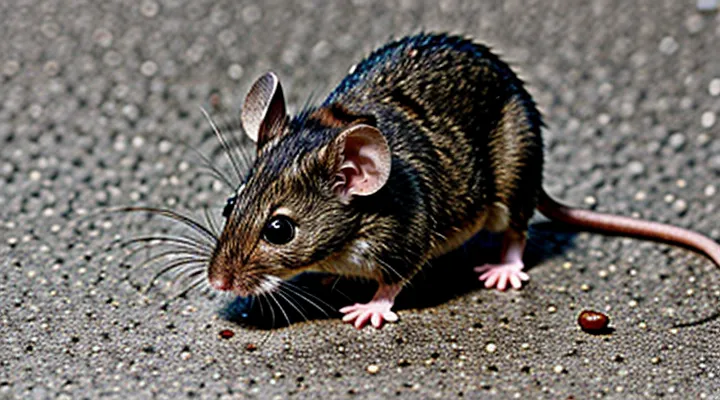
Recognizing Mouse Droppings
Key Characteristics
Shape and Size
Mouse feces are typically narrow, elongated pellets with a slightly pointed front and a rounded rear. The profile is flat on one side and convex on the other, giving a lens‑like cross‑section.
Typical dimensions fall within a narrow range:
- Length: 3 mm to 6 mm (approximately 0.12 in to 0.24 in)
- Width: 1 mm to 2 mm (approximately 0.04 in to 0.08 in)
- Thickness: 0.5 mm to 1 mm (approximately 0.02 in to 0.04 in)
These measurements apply to common house mice; larger rodent species produce longer, thicker pellets. Diet influences consistency—high‑fiber foods yield slightly bulkier droppings, while protein‑rich diets result in firmer, more compact pellets. Environmental factors such as humidity can affect moisture content, but the fundamental shape and size remain consistent enough for reliable identification.
Color and Texture
Mouse droppings are small, tapered pellets that reveal distinct visual cues. Color and texture provide reliable information for identification and sanitation decisions.
Color variations include:
- Dark brown to black: indicates fresh feces, high moisture content, and recent activity.
- Light brown or tan: suggests aging, reduced moisture, and exposure to air.
- Grayish or whitish: often results from dried droppings or contamination with dust and debris.
- Red or pink tinge: may signal the presence of blood, typically associated with injury or disease.
Texture characteristics are equally informative:
- Moist, slightly sticky: typical of recent deposits, easy to smear when touched.
- Firm, crumbly: denotes drying, particles break apart with light pressure.
- Powdery surface: indicates prolonged exposure, where the exterior dries while interior remains slightly softer.
- Gelatinous coating: rare, may appear when droppings are mixed with urine or other fluids, creating a slick layer.
Observing these attributes enables accurate assessment of rodent activity and informs appropriate pest‑control measures.
Distinguishing from Other Pests
Rat Droppings
Rat droppings are typically larger and more robust than those of house mice. An adult rat produces feces measuring ¼ to ½ inch (6–12 mm) in length, with a diameter of about ¼ inch (6 mm). The shape is cylindrical, often slightly tapered at one end, and the surface may appear glossy when fresh, becoming dull as it dries.
Key visual indicators:
- Size: 6–12 mm long, 6 mm wide.
- Color: Dark brown to black; fresh droppings may show a reddish tint from blood.
- Texture: Firm, with a smooth exterior; may crack or crumble when desiccated.
- Arrangement: Found in clusters or scattered along walls, in cabinets, or near food sources; often accompanied by gnaw marks or urine stains.
Unlike mouse feces, which are ¼ inch (6 mm) long and slender, rat droppings are noticeably thicker and retain a more solid consistency. Their presence signals a mature infestation, as rats require larger territories and produce more substantial waste. Identifying these characteristics enables accurate assessment and targeted pest‑control measures.
Cockroach Droppings
Cockroach feces are small, dark, and cylindrical, usually measuring 1 mm to 4 mm in length. The droppings appear as solid, glossy pellets that may be slightly curved, resembling tiny coffee grounds. Color ranges from black to dark brown, and the surface is smooth without a visible rim. These remnants are commonly found near food sources, in kitchen cabinets, behind appliances, and along baseboards where insects travel.
Mouse feces differ markedly. Typical mouse droppings are about 3 mm to 6 mm long, slender, and have a pointed tip. They are dry, crumbly, and light brown to black, often with a faint sheen. The shape is more elongated and less rounded than cockroach pellets.
Key visual distinctions:
- Length: cockroach droppings ≤ 4 mm; mouse droppings ≥ 3 mm.
- Shape: cockroach pellets cylindrical and slightly curved; mouse droppings tapered and pointed.
- Texture: cockroach excrement solid and glossy; mouse feces dry and crumbly.
- Color: cockroach droppings consistently dark; mouse droppings may vary from light brown to black.
- Location: cockroach remnants near food preparation areas and warm, humid spots; mouse droppings along walls, in hidden corners, and near nesting sites.
Recognizing these characteristics assists in accurate pest identification, enabling targeted remediation. Prompt removal of cockroach droppings and thorough sanitation reduce bacterial contamination and discourage further infestation.
Bat Guano
Bat guano consists of compacted, dark‑brown to black pellets that range from 0.2 to 0.5 inches in length. Individual fragments crumble easily when pressed, revealing a fine, dust‑like interior. The material emits a strong, ammonia‑laden odor, especially when moist.
Mouse droppings differ markedly. Typical rodent feces are small, dry, and rod‑shaped, measuring about 0.1 inches long and 0.03 inches wide. The color varies from gray‑white to brown, and the surface remains smooth rather than crumbly. Unlike bat guano, mouse droppings lack a pronounced smell unless accumulated in large numbers.
Key distinguishing characteristics:
- Size: bat guano 0.2‑0.5 inches; mouse feces ≤0.1 inch.
- Shape: pellet‑like, rounded for guano; elongated, pointed for mouse droppings.
- Texture: crumbly, friable for guano; dry, firm for mouse feces.
- Color: dark brown/black for guano; gray‑white to brown for mouse droppings.
- Odor: strong ammonia for guano; faint or absent for mouse droppings.
Identification relies on location. Bat guano accumulates beneath roosting sites such as caves, attics, or ceiling beams, often in visible piles. Mouse droppings appear along walls, behind appliances, or near food sources, typically in scattered lines or clusters.
Both substances pose health risks. Bat guano can harbor histoplasma spores, causing respiratory infection upon inhalation of aerosolized particles. Mouse droppings may contain hantavirus, salmonella, or leptospira, which spread through direct contact or dust inhalation. Proper protective equipment and thorough cleaning are essential when handling either material.
Why Identification Matters
Health Risks
Disease Transmission
Mouse feces are typically small, dark brown to black, measuring 3–6 mm in length and 1–2 mm in width, with pointed ends and a tapered shape. Fresh droppings appear glossy, while older specimens become matte and may crumble when disturbed. Recognizing these characteristics allows rapid identification of rodent contamination in residential, commercial, or laboratory environments.
When mouse droppings accumulate, they become reservoirs for a range of pathogens. Bacteria, viruses, and parasites survive on the moist surface of the fecal material, facilitating indirect transmission to humans and other animals through inhalation of aerosolized particles, ingestion of contaminated food, or contact with skin lesions.
- Hantavirus – inhaled aerosols from dried droppings can cause severe respiratory illness.
- Salmonella spp. – ingestion of contaminated food leads to gastrointestinal infection.
- Leptospira interrogans – contact with urine‑mixed droppings may result in leptospirosis, affecting kidneys and liver.
- Yersinia pestis – historical agent of plague; transmission occurs when fleas feed on infected rodents and later bite humans.
- Lymphocytic choriomeningitis virus (LCMV) – exposure to droppings or nesting material can cause febrile illness and meningitis.
Control strategies focus on eliminating sources of droppings and reducing exposure. Seal entry points, maintain sanitation, use appropriate personal protective equipment when cleaning, and apply rodent control measures. Regular monitoring for the described fecal morphology supports early detection and mitigates the risk of disease spread.
Allergen Presence
Mouse feces are typically small, dark brown to black pellets measuring 3‑6 mm in length. The surface is smooth, often with a slightly glossy sheen, and the edges may appear rounded or slightly tapered. When fresh, droppings may retain a faint moisture, making them slightly pliable; as they age, they become brittle and may crumble into powdery fragments.
These pellets contain proteins capable of triggering allergic reactions. The primary allergens include:
- Mus m 1, the major mouse urinary protein, present in both urine and fecal matter.
- Serum albumin fragments that leach from the mouse’s blood into the droppings.
- Minor epithelial proteins shed from the gastrointestinal tract.
Exposure to these proteins can provoke respiratory symptoms such as sneezing, wheezing, and asthma exacerbations, especially in sensitized individuals. The allergenic potential increases when droppings accumulate in concealed areas, where dust particles can carry protein fragments into the air. Regular cleaning, proper ventilation, and sealing entry points reduce the concentration of these allergens and mitigate health risks.
Infestation Severity
Fresh vs. Old Droppings
Fresh mouse droppings are small, about the size of a grain of rice, with smooth, tapered ends and a slightly curved shape. Their color ranges from dark brown to black, and the surface appears moist and glossy. A faint, musky odor may be detectable, especially in confined spaces. The droppings retain a cohesive structure and do not crumble easily when handled.
Old droppings differ markedly. They become drier, turning lighter in color—often grayish or brownish—and develop a matte, brittle texture. Edges become more rounded as moisture evaporates, and the droppings may fragment into smaller pieces. The odor diminishes over time, sometimes becoming barely perceptible. Accumulated deposits may show layering, with newer, darker pellets on top of older, lighter ones.
Key distinctions:
- Color: Fresh – dark brown/black; Old – grayish/light brown.
- Moisture: Fresh – glossy, slightly damp; Old – dry, matte.
- Shape: Fresh – tapered, curved; Old – rounded, fragmented.
- Odor: Fresh – noticeable musky scent; Old – faint or absent.
- Integrity: Fresh – cohesive; Old – brittle, crumbles easily.
Recognizing these attributes enables accurate identification of mouse activity and informs appropriate pest‑management decisions.
Quantity and Location
Mouse droppings appear in small, dark, cylindrical pellets measuring 3‑5 mm long. A single mouse produces roughly 40‑50 pellets each night; an active colony can leave several hundred in a week. The total count collected from a single room often reflects the size of the population: fewer than 20 pellets suggest occasional activity, while several hundred indicate a well‑established infestation.
The distribution of feces follows the animal’s movement patterns. Droppings accumulate in areas where mice travel, forage, or nest, providing a reliable indicator of activity zones.
- behind appliances (refrigerator, stove, dishwasher)
- inside wall voids and ceiling joists
- under sinks and cabinets
- along baseboards and wall corners
- in pantry shelves and food storage containers
- near entry points such as holes in foundations or gaps around pipes
Clusters are typically spaced 6‑12 inches apart along a linear path, mirroring the mouse’s stride. Larger piles often form near food sources or nesting sites, where mice deposit waste while feeding or resting. The presence of droppings on elevated surfaces (top of cabinets, ceiling) suggests climbing behavior and a broader range of activity.
What to Do After Identification
Safety Precautions
Personal Protective Equipment
Mouse feces are small, approximately 1‑3 mm long, tapered at the ends, and often dark brown to black. Fresh deposits may appear moist and slightly glossy, while older droppings dry to a crumbly texture. Clusters are commonly found along baseboards, behind appliances, and in concealed nesting areas.
Exposure to rodent droppings can transmit hantavirus, leptospira, and salmonella. Direct contact or inhalation of aerosolized particles poses a measurable health risk, therefore protective barriers are mandatory during inspection, collection, and disposal.
- Disposable nitrile gloves, puncture‑resistant, changed after each sampling session.
- N95 or higher respirator, sealed to prevent inhalation of dust and aerosolized pathogens.
- Disposable coveralls or lab coats, fluid‑resistant, with sealed cuffs.
- Eye protection: safety goggles or full‑face shield to block splashes.
- Footwear covers or dedicated shoes to avoid contaminating surrounding areas.
Wear each item before entering infested zones, maintain a sealed removal protocol, and discard all PPE in biohazard bags. Decontaminate work surfaces with an EPA‑registered disinfectant after removal of protective gear.
Ventilation
Ventilation determines the condition of rodent feces found in buildings. Air movement dries droppings, making them harder, lighter in color, and more likely to crumble into fine particles. Stagnant air preserves moisture, resulting in darker, softer pellets that retain shape.
Drying speed influences appearance. Rapid airflow reduces moisture content within hours, producing dry, flaky fragments that may detach from surfaces. Slow ventilation allows moisture to linger, keeping droppings moist and glossy for several days.
Airflow also affects distribution. Strong ventilation can carry small particles away from the source, depositing them on walls, ceilings, and HVAC filters. Weak ventilation keeps droppings near the nest, concentrating evidence in localized areas.
Key ventilation impacts:
- Moisture reduction → lighter color, brittle texture
- Particle transport → wider spread of fine debris
- Surface accumulation → deposition on filters, ducts, and vents
Understanding these effects aids inspectors in locating rodent activity and selecting appropriate cleaning methods. Properly designed airflow can limit droplet spread, while inadequate ventilation may conceal evidence behind moist, intact pellets.
Cleaning and Disposal
Recommended Cleaning Agents
Mouse droppings are small, dark, capsule‑shaped pellets, typically 3–6 mm long. Effective removal requires agents that destroy pathogens and eliminate residue without damaging surfaces.
- Diluted bleach (1 part chlorine bleach to 10 parts water). Rapidly kills bacteria, viruses, and parasites; safe on most non‑porous materials. Rinse surface after 10 minutes to prevent discoloration.
- Hydrogen peroxide (3 % solution). Oxidizes organic matter, leaves no toxic residue. Apply, let stand for 5 minutes, then wipe clean.
- Enzymatic cleaners. Contain proteases that break down protein‑based waste; ideal for porous surfaces such as wood or fabric. Follow manufacturer’s contact time.
- Commercial disinfectants labeled “rodent‑safe.” Formulations often combine quaternary ammonium compounds with surfactants; ensure product specifies efficacy against Salmonella and Hantavirus.
- White vinegar (undiluted or 1:1 with water). Acidic environment denatures proteins; useful for quick spot cleaning on tiles and countertops.
Safety precautions: wear disposable gloves and a N‑95 respirator; avoid inhaling dust released during sweeping. After treatment, place contaminated materials in sealed bags and dispose of them according to local hazardous‑waste guidelines. Ventilate the area for at least 15 minutes before reoccupying the space.
Proper Disposal Methods
Identifying mouse feces is only the first step; safe removal prevents disease spread and contaminates none of the living spaces. Follow these procedures to eliminate droppings without risk.
- Wear disposable nitrile gloves and a face mask before handling any material.
- Moisten droppings with a disinfectant solution (e.g., 10 % bleach, EPA‑registered sanitizer) to prevent aerosolization.
- Collect the saturated material using a disposable paper towel or a sealable plastic bag; avoid sweeping or vacuuming dry debris.
- Place the bag in a second, larger bag, expel excess air, and seal both ends securely.
- Dispose of the double‑bagged waste in an outdoor trash container that is emptied regularly.
- Clean the contaminated surface with the same disinfectant, allowing a contact time of at least 10 minutes before wiping dry.
- Discard gloves and masks in the sealed bag; wash hands thoroughly with soap and water after removal.
If the infestation is extensive, repeat the process daily until all traces vanish, then consider professional pest control to address the source.
Preventing Future Infestations
Sealing Entry Points
Sealing entry points is essential for preventing mouse droppings from appearing in homes and businesses. Mice locate food, shelter, and water through gaps as small as a quarter‑inch; each opening provides a pathway for fecal deposits to spread. Identifying and eliminating these pathways stops new droppings from being introduced.
Begin by inspecting the building envelope. Look for cracks around foundation walls, gaps beneath doors, openings around utility penetrations, and damaged vent covers. Use a flashlight to reveal hidden cracks in baseboards, cabinets, and behind appliances. Mark each opening with a piece of tape for reference.
Apply appropriate sealing materials based on the location and size of the gap:
- Steel wool combined with expanding foam for gaps larger than ¼ in.
- Copper mesh and silicone caulk for openings around pipes and ducts.
- Weather‑stripping for door thresholds and window frames.
- Concrete patch or mortar for cracks in foundation or exterior walls.
After sealing, clean any existing droppings with a disinfectant solution to remove residual odor that could attract rodents. Dispose of contaminated materials in sealed bags and wash hands thoroughly.
Regularly monitor sealed areas for signs of re‑entry, such as gnaw marks or fresh droppings. Reapply sealant promptly if deterioration occurs. Consistent maintenance of all entry points maintains a droppings‑free environment.
Food Storage Practices
Mouse droppings are typically 3‑6 mm long, dark brown to black, and have a tapered shape with a pointed tip. Fresh specimens may appear moist and glossy, while older ones become dry, crumbly, and may develop a powdery surface. The presence of these deposits signals rodent activity and potential contamination of stored food.
Improper food storage creates environments where droppings can accumulate unnoticed, increasing the risk of bacterial growth and cross‑contamination. Secure storage eliminates access points and reduces the likelihood that droppings will contact consumables.
- Use airtight containers made of metal or heavy‑wall plastic; avoid open‑top bags or cardboard boxes.
- Store items on shelving that is elevated at least 12 inches off the floor to deter rodents from climbing.
- Keep storage areas clean; sweep and vacuum regularly to remove debris that can conceal droppings.
- Seal cracks, gaps, and openings in walls, floors, and ceilings with steel wool or caulk.
- Install doors or lids that latch securely; verify that hinges and latches are intact.
Regular inspection of storage zones should include visual checks for droppings on surfaces, packaging, and shelving. Any detection warrants immediate removal of affected food, thorough sanitation of the area, and reinforcement of barriers to prevent recurrence.
Consistent application of these practices maintains food integrity, limits exposure to rodent feces, and supports a hygienic environment.
Trapping and Baiting
Mouse droppings provide the first clue that a rodent is present; once confirmed, trapping and baiting become the primary response. Successful control depends on matching trap type to the environment, selecting bait that attracts the specific species, and placing devices where droppings have been observed.
Snap traps, either wooden or plastic, deliver rapid kill and require minimal maintenance. Live‑catch traps allow relocation but demand frequent checks to prevent suffering. Glue boards capture without killing but may cause distress and should be used only as a secondary measure. Electronic traps emit a high‑voltage shock and are reusable after cleaning.
Effective bait choices include:
- Peanut butter – strong odor, adheres to trap surface.
- Sunflower seeds – preferred by many house mice.
- Dried fruit pieces – sweet scent attracts foraging individuals.
- Commercial rodent attractants – formulated to release volatile compounds.
Placement guidelines:
- Position traps perpendicular to walls, with the trigger side facing the expected travel route.
- Locate devices within 12–18 inches of droppings, gnaw marks, or nesting material.
- Avoid clutter that can obscure movement; clear debris to improve detection.
- Set traps in dark, concealed areas such as behind appliances, under cabinets, or within baseboard gaps.
After deployment, inspect traps daily, dispose of captured rodents according to local regulations, and reset devices with fresh bait. Continuous monitoring of droppings density helps gauge effectiveness; a decline indicates successful reduction, while persistent deposits signal the need for additional traps or alternative bait formulations.