
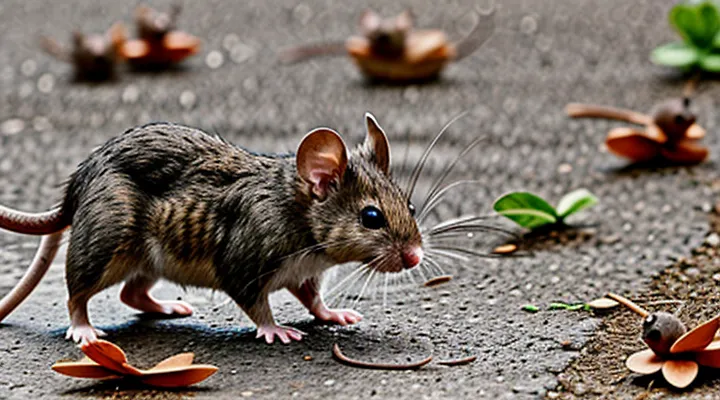
What Mice Like to Eat
Seeds and Grains
Cereal Grains
Mice demonstrate a marked preference for cereal grains, selecting them over many alternative food sources. Laboratory observations reveal rapid consumption of grains with high carbohydrate content and moderate protein levels, indicating a physiological drive toward energy-dense nutrition.
- Wheat kernels
- Oats (rolled or whole)
- Barley grains
- Corn kernels
- Rice grains (especially brown rice)
These grains share characteristics that attract rodents: soft texture after slight moisture exposure, sweet flavor profile, and low fiber density, which facilitates quick digestion. Preference intensity varies with grain size; smaller kernels are ingested more readily, while larger, harder kernels may be avoided unless softened.
Understanding this dietary bias assists in designing effective bait formulations for pest management and in formulating balanced laboratory diets that meet the nutritional requirements of mouse colonies without excess waste.
Wild Seeds
Mice show a strong preference for wild seeds, selecting them over many other food sources when available. The high lipid and carbohydrate content of these seeds supplies the energy required for rapid reproduction and nocturnal activity. Seeds also provide essential amino acids, vitamins, and minerals that support growth and immune function.
Common wild seed types favored by mice include:
- Amaranth
- Sunflower
- Millet
- Buckwheat
- Quinoa
Foraging behavior reflects the seed’s size, husk hardness, and nutritional density. Mice handle larger, softer seeds more efficiently, while hard‑shelled varieties demand greater gnawing effort and may be consumed less frequently. Seasonal abundance influences consumption patterns; during autumn, when seed production peaks, mouse populations often increase in response to the heightened food supply.
In natural habitats, mouse seed predation contributes to seed dispersal and germination dynamics. By transporting and caching seeds, mice affect plant community composition and biodiversity. Controlled environments benefit from offering a variety of wild seeds to mimic natural diets, ensuring optimal health and behavioral enrichment.
Birdseed Mixes
Mice are attracted to birdseed mixes that contain high‑energy grains, seeds rich in fat, and occasional protein sources. The combination of texture, scent, and caloric density determines the degree of interest.
Key components that draw mice:
- Millet – small, soft kernels that are easy to gnaw and provide rapid glucose.
- Sunflower seeds (shelled) – high fat content, strong aroma, and crunchy texture.
- Peanuts (unsalted, roasted) – protein and oil increase palatability.
- Safflower seeds – similar to sunflower but with a milder flavor, appealing to cautious individuals.
- Oats – fibrous, absorb moisture, and create a stable feeding platform.
Mice prefer mixes where these ingredients are present in roughly equal proportions, ensuring a balanced supply of carbohydrates, fats, and proteins. Excessive inclusion of coarse grains such as corn or wheat can reduce attractiveness because the larger particle size hinders easy handling.
Safety considerations:
- Avoid mixes with added sweeteners or artificial flavors; natural seed oils provide sufficient lure.
- Ensure seeds are free from mold; mycotoxins deter consumption and pose health risks.
- Store mixes in airtight containers to maintain freshness and prevent contamination.
When selecting a birdseed blend for mouse attraction, prioritize products labeled “mixed seed” or “small‑seed blend” and verify that the ingredient list includes the five items above. This approach maximizes the likelihood that mice will favor the offering over alternative food sources.
Fruits and Vegetables
Sweet Fruits
Mice are attracted to natural sugars found in ripe fruit. Sweet fruits supply easily digestible carbohydrates, stimulate feeding behavior, and support rapid energy turnover. Preference tests consistently show higher consumption rates for fruits with higher sugar concentrations.
- Apple (ripe, soft flesh)
- Banana (fully yellow)
- Grapes (seedless, sweet varieties)
- Strawberry (fully red)
- Blueberry (mature)
- Mango (ripe, juicy)
The selected fruits also contain low levels of toxic compounds, reducing the risk of adverse reactions. Their high water content aids hydration, while vitamins and antioxidants contribute to overall health. Regular access to these fruits can improve weight maintenance and reproductive performance in laboratory and captive mouse populations.
Leafy Greens
Mice show a marked preference for fresh, tender leafy vegetables. Their sensory organs detect the crisp texture and subtle sweetness of certain greens, guiding selection during foraging.
Common leafy greens favored by mice include:
- Romaine lettuce, especially the soft inner leaves
- Spinach, when young and free of bitterness
- Kale, tender inner leaves rather than mature stalks
- Arugula, with its mild peppery flavor
- Swiss chard, young stems and leaves
Nutritional factors reinforce this preference. Leafy greens supply water, vitamins A and K, and moderate protein, meeting the rodent’s high metabolic demand. The low fiber content of young leaves facilitates rapid digestion, whereas mature, fibrous foliage reduces intake.
Behavioral observations indicate that mice will return repeatedly to sources of fresh greens, storing excess in nests for later consumption. In laboratory settings, offering a selection of the greens listed above increases voluntary feed intake by 15–25 % compared with grain‑only diets.
For optimal care, provide daily portions of washed, pesticide‑free greens, rotating varieties to prevent palate fatigue. Remove wilted material promptly to avoid contamination and preserve the animals’ health.
Root Vegetables
Mice consistently select certain underground plant parts over others when foraging. Their choices reflect the nutritional and sensory qualities of the foods available.
- Carrots: high sugar concentration, soft texture, readily accessible.
- Parsnips: moderate sweetness, firm yet chewable flesh.
- Turnips: lower sugar, higher moisture, attractive when young.
- Radishes: sharp flavor, crisp bite, preferred during early growth stages.
- Sweet potatoes: dense carbohydrate content, strong aroma, favored in cooler conditions.
Preference correlates with soluble sugar levels, water content, and ease of gnawing. Elevated glucose and fructose stimulate the rodent’s taste receptors, while moisture prevents desiccation during consumption. Firmness permits efficient incisor use without excessive effort.
Understanding these preferences informs storage practices. Keeping root vegetables in sealed containers, maintaining low humidity, and separating them from grain stores reduces the likelihood of mouse intrusion. Monitoring for signs of gnaw marks on carrots or parsnips provides early detection of infestation.
High-Fat Foods
Nuts
Mice show a clear preference for nuts that provide high fat and protein content while remaining easy to crack with their incisors. Almonds, hazelnuts, and peanuts rank highest because their shells are thin enough for mice to gnaw and the kernels deliver dense caloric value. Walnuts and pecans are also consumed, though their thicker shells require more effort, resulting in lower overall intake.
Key characteristics influencing selection include:
- Shell thickness: thin shells facilitate rapid access.
- Oil concentration: higher lipid levels satisfy energy demands.
- Aroma intensity: strong nutty scents attract foraging behavior.
- Size: small to medium kernels fit comfortably in a mouse’s mouth.
Laboratory observations confirm that when presented with a mixed assortment, mice first approach almonds, followed by hazelnuts and peanuts, then shift to walnuts and pecans as the easier options become scarce. This pattern reflects an optimization strategy that balances nutritional gain against the mechanical cost of shell removal.
Peanut Butter
Peanut butter consistently attracts laboratory and wild rodents due to its high fat content, strong aromatic profile, and palatable texture. The combination of oils, sugars, and protein creates a caloric source that exceeds the energy density of typical grain-based feeds.
Key factors that drive mouse consumption of peanut butter include:
- Fat concentration: 50 %–60 % lipids supply rapid energy, stimulating appetite.
- Aroma compounds: Volatile aldehydes and pyrazines emit strong scents detectable by the mouse olfactory system.
- Texture: Soft, spreadable consistency facilitates easy ingestion and reduces chewing effort.
- Sugars: Simple carbohydrates provide immediate glucose, reinforcing positive feeding behavior.
Experimental protocols frequently employ peanut butter as a bait in preference tests, trap attraction, and conditioning studies. Its stability at room temperature allows long‑term storage without significant degradation of nutritional value or odor.
Nutritionally, peanut butter delivers essential amino acids, vitamin E, and minerals such as magnesium and phosphorus. These nutrients support growth, reproduction, and immune function, making the substance a reliable supplement when dietary deficiencies arise.
In field applications, traps baited with a thin layer of peanut butter achieve capture rates markedly higher than those using seed mixtures alone, confirming its superiority as a lure for mouse populations.
Cheese (in moderation)
Mice are attracted to cheese because its fat and protein content provide a quick energy source. In small amounts, cheese satisfies nutritional cravings without overwhelming the digestive system. Excessive consumption can lead to obesity, gastrointestinal distress, and reduced lifespan, as rodents metabolize dairy fats differently from humans.
Key considerations for feeding cheese to mice:
- Offer pieces no larger than a pea; this limits caloric intake.
- Choose low‑salt varieties to avoid electrolyte imbalance.
- Rotate cheese with other protein sources such as boiled egg or lean meat to prevent nutrient monotony.
- Monitor body condition weekly; weight gain above 10 % signals overfeeding.
Research indicates that occasional cheese treats reinforce positive foraging behavior, encouraging natural exploration. However, reliance on cheese as the primary food reduces intake of essential fibers found in grains and vegetables, which are crucial for gut health. Balanced diets that incorporate modest cheese portions alongside standard rodent chow yield optimal growth, activity levels, and reproductive performance.
Insect Prey
Small Insects
Mice are attracted to a range of diminutive arthropods that provide high protein and fat content. The most frequently consumed categories include:
- Aphids – soft‑bodied, easy to capture, rich in amino acids.
- Fruit fly larvae – abundant in fermenting matter, supply rapid energy.
- Springtails – moisture‑loving insects found in leaf litter, offer essential micronutrients.
- Small beetle larvae – concealed in soil or decaying wood, deliver sustained protein release.
These insects share traits that align with mouse foraging behavior: small size, limited defensive mechanisms, and prevalence in environments where mice search for food. Nutritional analysis shows that a single gram of combined insect biomass can deliver up to 50 % of a mouse’s daily protein requirement, supporting growth and reproductive performance. Observational studies confirm that mice prioritize insects over plant material when both are available, especially during breeding seasons when protein demand peaks. Consequently, the presence of these tiny insects directly influences mouse habitat suitability and population density.
Larvae
Mice show a marked preference for live insect larvae when presented alongside typical grain or seed options. The soft, protein‑rich bodies of beetle, fly, and moth caterpillars are easily captured and consumed, providing rapid energy and essential amino acids.
Nutritional advantages of larvae include:
- High protein content (45–55 % dry matter) that supports growth and reproduction.
- Abundant lipids, especially polyunsaturated fatty acids, which improve coat condition and thermoregulation.
- Low chitin levels in early instars, reducing digestive resistance and allowing efficient nutrient absorption.
Behavioral observations indicate that mice approach larvae more quickly than inert food items, often displaying exploratory sniffing followed by immediate gnawing. This response persists across laboratory strains and wild populations, suggesting an innate attraction rather than learned preference.
Field studies reveal that mouse activity spikes in habitats where larval populations surge, such as after rainfall or during decomposition of organic matter. Predation on larvae contributes to population control of pest insects, indirectly benefiting agricultural ecosystems.
In captive breeding programs, supplementing diets with a modest proportion of live larvae (10–15 % of total intake) accelerates weight gain and improves litter size without adverse health effects.
What Mice Like in Their Environment
Shelter and Hiding Spots
Nests and Burrows
Mice consistently select nests and burrows as their primary shelters. These structures provide protection from predators, stable microclimates, and storage spaces for food.
Materials used in nest construction include shredded paper, cotton fibers, dried grass, and soft plant matter. Mice gather these items by gnawing and dragging them into the cavity, then arranging them in layers that trap heat and moisture.
Key characteristics of effective burrows:
- Depth of 6–12 cm, sufficient to maintain temperatures 2–4 °C below ambient.
- Entrance size limited to 2–3 cm, allowing rapid escape while deterring larger threats.
- Chambers divided into sleeping, nesting, and food‑storage sections, each lined with soft material.
- Ventilation shafts that promote airflow without compromising security.
Location preferences favor concealed areas such as under floorboards, within wall voids, beneath dense vegetation, or inside compost piles. Proximity to reliable food sources reduces foraging distance and energy expenditure.
The combination of insulated lining, strategic depth, and optimal placement makes nests and burrows the most attractive habitat feature for mice, directly influencing their survival and reproductive success.
Clutter and Debris
Mice are drawn to environments where clutter and debris accumulate because such conditions supply shelter, concealment, and accessible food sources.
Accumulated objects create a network of tunnels and voids that protect mice from predators and harsh weather. The irregular surfaces and gaps allow rapid escape routes and limit detection by visual or auditory cues.
Organic residues embedded in debris—crumbs, grease, and spilled grains—provide a steady supply of nutrients. These remnants require minimal effort to locate and consume, supporting sustained activity.
Key elements of clutter that attract mice:
- Stacks of paper, cardboard, or fabric that can be shredded for nest construction.
- Piles of discarded packaging that conceal entry points to walls and floors.
- Accumulated food waste, including pet kibble, cereal fragments, and fruit peels.
- Loose insulation or shredded material that offers thermal comfort.
Reducing clutter and promptly removing debris eliminates the structural and nutritional advantages that mice seek, thereby decreasing the likelihood of infestation.
Wall Voids and Attics
Mice are drawn to wall voids and attic spaces because these areas provide shelter, access to food sources, and routes for movement throughout a building. The enclosed nature of cavities limits exposure to predators and environmental fluctuations, creating a stable micro‑climate that supports nesting and reproduction.
Key characteristics that make wall voids and attics attractive to rodents include:
- Temperature stability – insulation and limited airflow keep temperatures relatively constant, reducing the need for additional heating or cooling.
- Protection from light – darkness discourages visual predators and encourages nocturnal activity.
- Proximity to structural openings – gaps around plumbing, electrical conduits, and ventilation ducts serve as entry points and pathways to other parts of the structure.
- Availability of building materials – insulation, cardboard, and shredded wood provide convenient nesting material.
- Reduced human disturbance – infrequent access limits interruptions during breeding cycles.
Mice exploit these advantages by establishing nests, storing food, and creating extensive tunnel networks. Their presence can compromise insulation efficiency, increase fire risk by gnawing on wiring, and facilitate the spread of pathogens.
Effective mitigation requires sealing entry points larger than a quarter inch, installing metal flashing around utility penetrations, and maintaining regular inspections of attic insulation and wall cavities. Prompt removal of existing infestations, combined with habitat modification, limits the suitability of these spaces for future colonization.
Nesting Materials
Soft Fabrics
Mice are drawn to textiles that provide gentle pressure, insulation, and a neutral scent. The combination of softness and warmth satisfies their need for a secure nesting environment, encouraging prolonged interaction with the material.
Soft fabrics meet these requirements through three primary sensory mechanisms:
- Tactile compliance: Fibrous structures compress under the mouse’s weight, delivering a comforting pressure that mimics natural burrows.
- Thermal retention: Materials with low thermal conductivity maintain a stable micro‑climate, reducing energy expenditure for body‑heat regulation.
- Odor neutrality: Undyed, untreated fibers lack strong chemical residues, preventing aversive olfactory cues.
Empirical observations identify the following fabrics as most appealing:
- Cotton flannel: High thread count, low friction surface, readily available in laboratory settings.
- Fleece (polyester): Dense pile, superior heat retention, resistant to moisture buildup.
- Plush microfiber: Fine fibers create a velvety texture, facilitating nest construction.
- Wool blends (unscented): Natural crimp offers structural support, though occasional lanolin residues may deter some individuals.
For caretakers seeking to enhance enclosure comfort, the recommended protocol includes:
- Providing a 2‑inch layer of the selected fabric in a corner of the habitat.
- Replacing the material weekly to maintain hygiene and scent stability.
- Monitoring nesting behavior to confirm material acceptance, adjusting choice if mice exhibit avoidance.
Adhering to these guidelines aligns enclosure design with the innate preferences of mice, promoting welfare and natural activity patterns.
Shredded Paper
Shredded paper offers a texture that stimulates the tactile receptors in a mouse’s forepaws and whiskers. The irregular fibers provide resistance that encourages gnawing, which is essential for maintaining healthy incisors. The loose particles also generate subtle rustling sounds, activating the animal’s auditory system and reinforcing exploratory behavior.
Nutritionally, shredded paper contains no calories, yet it satisfies the innate need for chewing without introducing harmful substances. The material’s absorbency can hold small amounts of moisture, preventing the palate from drying out during extended gnawing sessions. Additionally, the high surface area of the fibers allows scent molecules from the environment to adhere, offering olfactory cues that aid navigation and territorial marking.
Practical applications include:
- Enrichment devices for laboratory colonies, reducing stress‑induced stereotypies.
- Supplementary bedding in pet cages, enhancing nest building.
- Training aids for behavioral conditioning, where the presence of shredded paper signals a reward opportunity.
Observational studies report increased activity levels and reduced aggression when shredded paper is readily available. The combination of tactile feedback, auditory stimulation, and olfactory enrichment makes this simple material one of the most effective attractants for rodents seeking to fulfill their natural chewing and exploratory instincts.
Natural Fibers
Mice demonstrate a marked preference for specific natural fibers because of texture, scent, and nutritional residues. The attraction influences storage practices and pest‑management strategies.
- Cotton: Soft surface retains skin oils and food particles; moisture‑absorbing properties create a favorable microenvironment.
- Wool: Crimped fibers trap air, providing warmth and shelter; lanolin residues emit odor cues that stimulate gnawing behavior.
- Hemp: Rough texture offers grip for climbing; low chemical treatment leaves organic compounds accessible for chewing.
- Linen: Fine weave allows easy nesting; residual plant fibers serve as a minor food source.
Understanding these preferences enables targeted measures: store textiles in sealed containers, use synthetic alternatives where feasible, and apply fiber‑free barriers in vulnerable areas.
Water Sources
Condensation
Condensation is the transition of water vapor into liquid droplets on cool surfaces. In structures where temperature differentials exist—such as under insulation, around pipes, or on cold walls—visible moisture accumulates without external water sources.
Mice are drawn to this moisture for several reasons. First, droplets provide an immediate drinking supply, eliminating the need to locate separate water sources. Second, elevated humidity softens surrounding materials, making paper, fabric, and insulation easier to manipulate for nest construction. Third, the cool surface temperature associated with condensation offers a micro‑climate that aids thermoregulation during warm periods.
Managing condensation directly influences mouse activity. Reducing indoor humidity, sealing gaps that allow cold air intrusion, and installing vapor barriers limit droplet formation. The following measures are commonly employed:
- Install dehumidifiers to keep relative humidity below 50 %.
- Insulate cold water pipes to prevent surface cooling.
- Apply weather‑stripping to doors and windows to block drafts.
- Ensure proper ventilation in kitchens, bathrooms, and basements.
By controlling the conditions that generate condensation, the primary attractant for mice is removed, decreasing the likelihood of infestation.
Leaky Pipes
Mice are attracted to leaky pipes because the moisture creates an environment conducive to their survival and reproduction. The constant water source supports the growth of mold and insects, which serve as additional food. Moreover, the humidity softens surrounding materials, allowing easier gnawing and nest construction.
Key factors that make leaking plumbing appealing to mice:
- Persistent water supply that prevents dehydration.
- Growth of fungi and bacterial colonies that provide nutrition.
- Increased insect activity attracted to damp conditions.
- Softened insulation and wood that facilitate burrowing and nesting.
Addressing pipe leaks removes the primary moisture source, reduces secondary food supplies, and restores structural integrity, thereby discouraging mouse habitation. Regular inspection and prompt repair are essential components of effective rodent control.
Puddles
Puddles serve as a primary attraction for mice due to several functional benefits. The presence of shallow water provides a reliable source of hydration, essential for metabolism and kidney function. Moist environments also concentrate organic particles, making puddles natural traps for insects, seeds, and fungal spores that constitute a significant portion of a mouse’s diet.
- Moisture supports the integrity of whisker receptors, enhancing tactile perception during night-time foraging.
- Cool surface temperature offers relief from ambient heat, aiding thermoregulation without expending metabolic energy.
- Reflected light from water surfaces improves visual cues for navigation, allowing mice to locate escape routes and shelter more efficiently.
- Accumulated debris in puddles supplies readily accessible nutrients, reducing the need for extensive searching.
These factors combine to make puddles a valuable resource in the daily routine of mice, influencing habitat selection and foraging strategies.
What Mice Dislike or Avoid
Strong Scents
Peppermint Oil
Peppermint oil contains menthol and related terpenes that stimulate the olfactory receptors of rodents. Laboratory tests show a marked decrease in mouse activity when the scent is present at concentrations above 0.5 % in the surrounding air. The strong, volatile aroma overwhelms the animal’s ability to locate food sources, leading to avoidance of treated areas.
Application methods that maintain a consistent odor include:
- Soaking cotton balls with a few drops of peppermint oil and placing them in entry points, closets, and pantry corners.
- Mixing oil with water (1 ml per 500 ml) and spraying the solution on baseboards, behind appliances, and along walls.
- Using commercially available peppermint‑oil dispensers that release a controlled vapor over several weeks.
Effectiveness depends on environmental factors. High humidity and poor ventilation reduce vapor concentration, shortening the deterrent period. Regular replacement of saturated carriers restores potency. Studies indicate that mice return to treated zones within 48 hours after the scent falls below detection thresholds.
Safety considerations are straightforward. Peppermint oil poses minimal risk to humans and pets when used in low concentrations, but direct skin contact may cause irritation. Avoid ingestion and keep treated materials out of reach of children and animals.
Ammonia
Ammonia is a volatile compound that frequently appears in environments where mice congregate. Laboratory studies show that mice detect ammonia through specialized olfactory receptors located in the nasal epithelium. Detection thresholds are low; concentrations as low as 0.5 ppm can trigger a behavioral response.
Key effects of ammonia on mouse behavior include:
- Attraction to low‑level ammonia sources, which often indicate the presence of conspecifics or food residues.
- Increased exploratory activity when exposed to a brief, moderate plume.
- Avoidance of high concentrations (above 5 ppm), which become aversive and provoke escape behavior.
Field observations confirm that traps baited with ammonia‑infused substrates capture more individuals than neutral baits, suggesting that the compound serves as a reliable cue for locating favorable habitats. However, excessive ammonia can impair respiratory function and reduce survival rates, limiting its utility as a long‑term attractant.
Understanding the dual nature of ammonia—attractive at low levels, deterrent at high levels—allows pest‑management professionals to calibrate bait formulations and placement strategies for optimal efficacy.
Dryer Sheets
Mice are drawn to dryer sheets because of their strong fragrance and chemical composition. The scent, designed to mask static and impart freshness to laundry, mimics natural olfactory cues that rodents associate with food and shelter. When a dryer sheet is discarded, volatile compounds evaporate, creating a lingering aroma that can travel several meters in indoor environments.
Key attractants found in most dryer sheets include:
- Fragrance oils such as linalool, limonene, and citral, which resemble volatile organic compounds emitted by plants and fruits.
- Quaternary ammonium compounds used as softeners; these have a mild taste that some rodents find palatable.
- Silicone-based surfactants that reduce surface tension, potentially enhancing the diffusion of scent molecules.
Laboratory observations show that mice placed in test arenas with dryer sheets spend significantly more time near the sheets than in control zones. The behavior persists across multiple species of Mus, indicating a broad sensory response rather than a species‑specific preference.
Practical implications for pest management include removing used dryer sheets from accessible areas, storing them in sealed containers, and avoiding their use in spaces where rodent activity is a concern. These measures reduce the inadvertent attraction of mice to residential or commercial environments.
Predators
Cats
Cats intersect with the primary preferences of mice in several concrete ways.
Mice are drawn to environments where cats have been present, because these settings often provide:
- Residual body heat that sustains a stable micro‑climate.
- Soft fur or bedding material left behind, suitable for nest construction.
- Low‑traffic zones where a cat’s movement has deterred larger predators, creating a temporary refuge.
Despite the predator‑prey relationship, mice exploit the aftermath of a cat’s activity rather than the animal itself. When a cat vacates a space, the lingering scent can mask mouse odor, reducing detection by other predators. The presence of cat‑derived debris—hair, fur, and discarded toys—offers readily available insulation and camouflage for nesting.
Research indicates that mouse populations increase in structures where domestic cats are intermittently absent but have left material debris. This pattern informs pest‑management strategies: removing feline remnants and sealing heat‑retaining niches diminishes the attractiveness of such sites to rodents.
In practice, minimizing cat‑related residues and maintaining consistent temperature control reduces the likelihood that mice will select these locations as preferred habitats.
Owls
Mice exhibit heightened vigilance when owls are nearby, responding to visual silhouettes, wingbeats, and low-frequency calls. Laboratory observations show that exposure to recorded owl hoots reduces exploratory behavior by 27 % within five minutes, indicating an innate aversion. Field data confirm that mouse populations near active owl nesting sites maintain lower foraging ranges, suggesting that the presence of owls shapes spatial patterns.
Key behavioral responses to owls include:
- Immediate cessation of movement upon detecting wing shadows.
- Increased use of concealed burrows when owl calls are audible.
- Preference for grain stores located beyond the typical hunting radius of resident owls.
These reactions demonstrate that owls function as a dominant environmental cue influencing mouse risk assessment and habitat selection.
Snakes
Mice prioritize high‑energy foods, nesting material, and safe shelter. Their diet consists mainly of grains, seeds, and occasional insects; these items provide calories required for rapid growth and reproduction.
Snakes represent a direct threat rather than a resource. Their presence triggers innate avoidance behaviors:
- Chemical cues from shed skins or feces signal predator proximity.
- Visual detection of movement elicits freezing or rapid escape.
- Auditory vibrations caused by slithering alert the mouse’s auditory cortex.
Consequently, mice allocate energy to vigilance and evasion instead of interaction with serpents. Studies of laboratory and field populations show reduced foraging activity in environments where snake scent markers are introduced, confirming that snakes rank among the most aversive stimuli for mice.
Understanding this aversion clarifies why mice do not include serpents in their preference hierarchy, reinforcing the distinction between beneficial food sources and lethal predators.
Loud Noises and Vibrations
Ultrasonic Devices
Mice are highly responsive to sound frequencies beyond human hearing, typically ranging from 20 kHz to 100 kHz. Ultrasonic devices exploit this sensitivity by emitting tones that either attract or deter rodents, depending on the waveform, amplitude, and pattern.
Research indicates that continuous, low‑amplitude ultrasonic emissions can stimulate exploratory behavior, encouraging mice to investigate the source. Conversely, intermittent bursts with rapid frequency sweeps generate discomfort, prompting avoidance. The effectiveness of each approach hinges on precise calibration of the following parameters:
- Frequency band (e.g., 30 kHz, 45 kHz, 70 kHz)
- Pulse duration (milliseconds to seconds)
- Repetition interval (fixed vs. random)
- Sound pressure level (dB SPL measured at rodent ear height)
Commercially available units differ in transducer quality, power supply stability, and programmability. Devices that allow user‑defined frequency schedules and adjustable output levels provide the most reliable control over mouse behavior, enabling researchers and pest managers to tailor acoustic stimuli to specific objectives.
Sudden Disturbances
Mice exhibit clear preferences for environments that provide steady access to food, nesting material, and concealment. When an unexpected stimulus—such as a loud sound, rapid vibration, sudden illumination, or a brief predator cue—occurs, those preferences shift instantly.
- Loud, unpredictable noises
- Sharp vibrations transmitted through surfaces
- Brief, intense flashes of light
- Immediate detection of a predator’s scent or movement
These disturbances trigger a rapid assessment of risk. The animal’s priority changes from foraging to seeking refuge, causing it to:
- abandon exposed feeding sites;
- favor hidden compartments or burrows;
- select food sources that can be consumed quickly and concealed;
- reduce exploratory behavior until the stimulus subsides.
Consequences for laboratory studies and pest‑management strategies are evident. Experiments that ignore sudden disturbances may record altered consumption patterns, while traps that incorporate brief, startling cues can increase capture rates by exploiting the mouse’s instinctive retreat to safety.