
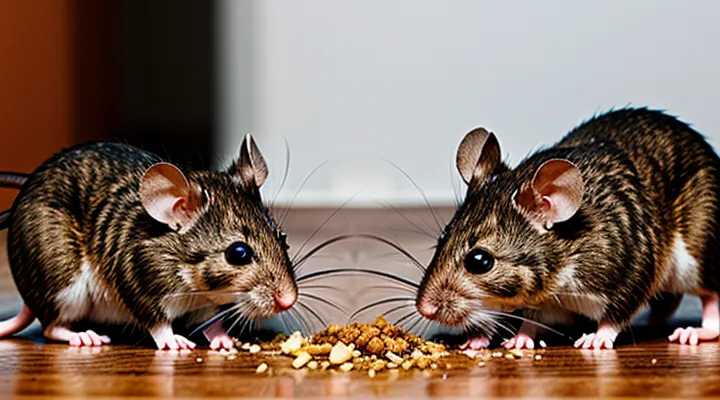
Natural Diet in the Wild
Seeds and Grains
Seeds and grains constitute a significant portion of a mouse’s diet, offering essential carbohydrates, proteins, fats, vitamins, and minerals. Their digestibility and energy density support growth, reproduction, and daily activity.
Nutrient profile
- Carbohydrates: rapid energy source, primarily starch.
- Protein: 10–15 % of dry weight, supplying amino acids for tissue repair.
- Fat: 4–7 % of dry weight, delivering essential fatty acids and caloric concentration.
- Vitamins: B‑complex (thiamine, riboflavin, niacin) and vitamin E.
- Minerals: calcium, phosphorus, magnesium, zinc.
Preferred varieties
- Whole oat groats – high fiber, moderate protein.
- Millet – easily digestible, low allergen potential.
- Barley – balanced starch and protein.
- Wheat kernels – source of gluten, suitable in limited amounts.
- Sunflower seeds (unshelled) – rich in linoleic acid, provide calcium.
Feeding guidelines
- Offer seeds and grains as 20–30 % of total daily intake, measured by weight.
- Provide fresh, dry material each day; discard leftovers after 24 hours to prevent spoilage.
- Soak larger kernels briefly (5–10 minutes) to soften shells and reduce choking risk.
- Rotate varieties weekly to prevent nutrient imbalances.
Potential concerns
- Mycotoxin contamination in stored grains can impair liver function; use airtight containers and rotate stock.
- High‑fat seeds (e.g., peanuts) may lead to obesity; limit to occasional treats.
- Unshelled corn kernels pose dental wear; offer only in small quantities.
- Excess calcium from certain seeds can disturb the calcium‑phosphorus ratio; balance with phosphorus‑rich foods.
Fruits and Vegetables
Mice require a balanced intake of carbohydrates, vitamins, and minerals to support growth, reproduction, and immune function. Fresh fruits and vegetables supply these nutrients while providing hydration. Offer items in small, bite‑size portions to prevent spoilage and limit excess sugar or fiber that can disrupt gastrointestinal health.
Suitable options include:
- Apples (core removed, skin thinly sliced)
- Blueberries (whole, limited to a few per day)
- Carrots (shredded, raw)
- Broccoli florets (steamed briefly to soften)
- Peas (cooked, unsalted)
- Spinach (chopped, offered sparingly)
Unsuitable choices consist of citrus fruits, avocado, raw onions, and high‑acid vegetables, which can cause toxicity or digestive upset. Introduce new produce gradually, observe for adverse reactions, and remove uneaten portions within 24 hours to maintain a sanitary environment. Regular inclusion of the listed fruits and vegetables enhances micronutrient diversity without compromising the overall dietary formula designed for laboratory or pet mice.
Insects and Small Invertebrates
Mice readily consume insects and small invertebrates when these prey are accessible. The consumption provides a rapid source of high‑quality protein, essential amino acids, and lipids required for growth, reproduction, and immune function. Invertebrate tissue also supplies micronutrients such as iron, zinc, and B‑vitamins that complement the mineral profile of plant‑based foods.
Typical prey items include:
- Housefly larvae (maggots) – rich in protein and fat, easy to culture.
- Mealworms (Tenebrio molitor) – high protein, moderate chitin content.
- Crickets – balanced amino acid profile, notable calcium levels.
- Earthworms – abundant in moisture, amino acids, and trace minerals.
- Small beetle larvae – variable nutrient density, often high in lipids.
Chitin, the structural component of exoskeletons, is indigestible for mice but can function as dietary fiber, promoting gut motility. Excessive chitin may reduce nutrient absorption; therefore, soft‑bodied or freshly molted insects are preferable for captive feeding.
Seasonal availability influences wild mouse diets. In temperate regions, insect abundance peaks in late spring and summer, coinciding with increased breeding activity. During colder months, mice shift toward stored seeds and plant material, reducing reliance on invertebrate protein.
For laboratory or pet mice, supplementation with commercially prepared insect products ensures consistent nutrient delivery. Recommended inclusion rates range from 5 % to 10 % of total diet mass, adjusted for age and physiological status. Over‑reliance on insects can lead to imbalanced calcium‑to‑phosphorus ratios; monitoring mineral supplementation mitigates this risk.
Potential hazards include pathogen transmission and pesticide residues. Sourcing insects from certified, pesticide‑free cultures and applying heat treatment (e.g., brief blanching at 80 °C) eliminates most microbial threats without substantially degrading nutritional value.
In summary, insects and small invertebrates serve as a concentrated protein and micronutrient source for mice, supplementing plant‑derived components, supporting physiological demands, and enhancing dietary diversity when incorporated responsibly.
Other Plant Matter
Mice supplement their diet with a variety of plant materials that are not typically classified as seeds, fruits, or leafy greens. These items provide additional sources of fiber, moisture, and micronutrients that support digestive health and overall metabolism.
- Stalks of grasses and cereals
- Shoots of young herbaceous plants
- Tender roots and tuberous structures
- Bark strips and cambium from woody species
- Fallen leaves and decaying foliage
Fiber from these sources aids peristalsis, reduces intestinal transit time, and fosters a balanced gut microbiota. Moisture content contributes to hydration, especially in arid environments. Micronutrients such as potassium, calcium, and various phytonutrients are present in modest amounts, enhancing electrolyte balance and antioxidant capacity.
In laboratory or pet settings, offering small, clean portions of these materials can prevent boredom, encourage natural foraging behavior, and reduce the risk of gastrointestinal disorders. Quantity should be limited to avoid excessive bulk, which may impair nutrient absorption. Monitoring for mold or pesticide residues is essential to maintain safety.
Domestic Mice Diet
Commercial Mouse Food
Commercial mouse food is formulated to meet the specific dietary requirements of laboratory and pet rodents. Products typically consist of a balanced blend of proteins, carbohydrates, fats, vitamins, and minerals, designed to support growth, reproduction, and immune function. Formulations are standardized to ensure reproducibility across experiments and consistent health outcomes for pet colonies.
Key nutritional components include:
- Protein sources such as soy, casein, or fish meal, providing essential amino acids.
- Carbohydrate matrices of corn, wheat, or barley, supplying energy.
- Fat blends of vegetable oils delivering essential fatty acids.
- Vitamin premixes covering A, D, E, K, B‑complex, and C.
- Mineral mixes with calcium, phosphorus, magnesium, zinc, and trace elements.
Selection criteria focus on purity, absence of allergens, and compliance with regulatory standards. Certified rodent diets undergo rigorous testing for microbial contamination, mycotoxin levels, and nutrient stability. Specialized formulations address specific life stages—juvenile, adult, breeding—or experimental needs such as low‑fat or high‑energy regimes.
Proper storage preserves nutritional integrity. Bulk containers should remain sealed, stored in a cool, dry environment, and rotated to prevent oxidation. Regular inspection for moisture, clumping, or discoloration prevents compromised feed from entering the diet.
Approved Human Foods
Mice can safely consume a limited selection of foods that are also part of the human diet, provided the items are fresh, unseasoned, and offered in modest quantities. These foods supply essential nutrients such as protein, carbohydrates, fats, vitamins, and minerals that complement a balanced rodent diet.
- Cooked, skinless chicken breast – lean protein, low in fat; serve a pea‑sized piece three times per week.
- Plain boiled eggs – complete protein and choline; offer a small fragment (about the size of a grain of rice) twice weekly.
- Low‑fat plain yogurt – source of calcium and probiotics; provide a teaspoon once or twice a week, ensuring no added sugars.
- Fresh fruits (apple, banana, blueberries) – vitamins and natural sugars; give a few small bite‑sized pieces no more than three times weekly, removing seeds and cores.
- Vegetables (carrot, peas, broccoli, spinach) – fiber, vitamins, and minerals; present a tablespoon of finely chopped pieces two to three times per week.
- Whole‑grain cooked pasta or rice – carbohydrates for energy; limit to a teaspoon per serving, without sauces or butter.
When introducing any human food, observe the mouse for signs of digestive upset. Foods should be cleaned of pesticides, trimmed of skins or pits, and served at room temperature. Avoid processed items containing salts, sugars, spices, or artificial additives, as these can cause dehydration, obesity, or organ stress. Consistency in portion size and frequency helps maintain a stable nutrient intake without displacing the primary laboratory or commercial rodent chow.
Foods to Avoid
Mice require a balanced diet to maintain health, growth, and reproductive performance. Certain foods compromise digestive function, nutrient absorption, and overall well‑being, and should be excluded from their regimen.
- Processed human snacks (chips, crackers, candy) contain excess salt, sugars, and artificial additives that can lead to dehydration and metabolic disturbances.
- High‑fat items such as fried foods, bacon, and oily pastries overload the liver and promote obesity.
- Dairy products, especially cheese and milk, are poorly digested by rodents and may cause gastrointestinal upset.
- Citrus fruits and acidic juices irritate the oral mucosa and stomach lining, increasing the risk of ulceration.
- Raw beans, particularly red kidney beans, contain lectins that are toxic to mice when uncooked.
- Seeds coated with pesticide residues or flavored with sweeteners introduce harmful chemicals and excessive sugars.
- Mold‑contaminated grains or nuts produce mycotoxins that impair liver function and suppress the immune system.
- Alcoholic beverages, even in trace amounts, are neurotoxic and can cause rapid respiratory depression.
Eliminating these items from a mouse’s feed ensures that the diet remains nutrient‑dense, supports proper organ function, and reduces the likelihood of disease. Regularly inspect commercial rodent chow for spoilage and replace any questionable components promptly.
High-Sugar Items
Mice are naturally attracted to sweet flavors, which makes high‑sugar items a common temptation in laboratory and household environments. Excessive sugar intake can disrupt normal glucose metabolism, accelerate weight gain, and increase the risk of dental decay. In experimental settings, uncontrolled consumption of sugary substances may confound results by altering energy balance and behavior.
Key points regarding sugary foods for mice:
- Typical sources: honey, fruit jam, condensed milk, candy, sugary cereal, and fruit syrups.
- Physiological impact: rapid spikes in blood glucose, elevated insulin secretion, potential insulin resistance with chronic exposure.
- Behavioral effect: heightened activity followed by lethargy, increased grooming, and possible aggression due to fluctuating energy levels.
- Research considerations: inclusion of high‑sugar items must be quantified, with precise measurement of grams per kilogram of body weight, to ensure reproducibility.
Guidelines for managing sugar in mouse diets:
- Limit sweet treats to less than 5 % of total caloric intake.
- Provide balanced chow that meets protein, fat, vitamin, and mineral requirements without reliance on added sugars.
- Substitute natural fruits with low‑glycemic varieties (e.g., berries) when occasional sweetness is needed.
- Monitor body weight and blood glucose regularly when any sugary supplement is introduced.
By controlling the presence of high‑sugar foods, caretakers can maintain stable metabolic conditions and avoid unintended experimental variables.
Dairy Products
Dairy products can be incorporated into a mouse’s diet as a source of protein, calcium, and fat, but their use requires careful management.
The primary nutrients in milk, cheese, and yogurt include high‑quality casein protein, readily absorbable calcium, and varying levels of lactose. Lactose provides a quick energy source, while calcium supports bone development. Fat content contributes to caloric density and essential fatty acids.
Mice possess limited lactase activity, which reduces their ability to digest lactose efficiently. Excessive consumption may lead to gastrointestinal upset, diarrhea, or weight gain. Over‑supplementation of calcium can cause urinary tract stones. Therefore, dairy should complement, not dominate, the overall nutrient profile.
Practical guidelines:
- Offer low‑fat, plain yogurt or kefir in quantities not exceeding 1 g per 10 g of body weight per week.
- Provide small cubes of hard cheese (e.g., cheddar) as an occasional treat, limited to 0.5 g per mouse per day.
- Use pasteurized milk diluted 1:4 with water if a liquid source is needed; restrict to a single small sip every other day.
- Monitor each mouse for signs of digestive disturbance and adjust portions accordingly.
Toxic Plants
Mice readily nibble on fresh foliage, but many attractive plants contain toxins that can cause severe illness or death. Identifying hazardous species allows caretakers to eliminate accidental ingestion and maintain safe nutrition for laboratory or pet rodents.
Common toxic plants include:
- Oleander (Nerium oleander) – cardiac glycosides produce rapid heart failure.
- Foxglove (Digitalis purpurea) – similar glycosides induce arrhythmias and gastrointestinal distress.
- Lily of the valley (Convallaria majalis) – contains convallatoxin, leading to vomiting, seizures, and cardiac complications.
- Rhododendron and azalea (Rhododendron spp.) – grayanotoxins cause hypotension, weakness, and respiratory depression.
- Yew (Taxus spp.) – taxine alkaloids result in cardiac arrest and central nervous system suppression.
- Castor bean (Ricinus communis) – ricin precipitates multi‑organ failure after ingestion of seeds or leaves.
- Hemlock (Conium maculatum) – alkaloids produce paralysis and respiratory collapse.
Symptoms typically appear within minutes to several hours and may include drooling, tremors, loss of coordination, abdominal pain, vomiting, diarrhea, and irregular heartbeat. Prompt veterinary intervention is critical; supportive care often involves fluid therapy, anti‑emetics, and monitoring of cardiac function.
Prevention strategies focus on environment control: remove identified plants from cages and surrounding areas, store feed in sealed containers, and supervise outdoor access. When introducing new vegetation, verify safety through reputable horticultural references before allowing mice to explore.
Nutritional Needs of Mice
Macronutrients
Mice require three primary macronutrients—protein, fat, and carbohydrate—to sustain growth, reproduction, and daily activity. Each component supplies energy and supplies building blocks for physiological processes.
Protein supplies essential amino acids, supports tissue repair, and fuels enzyme production. Laboratory mouse diets typically contain 18–22 % protein on a dry‑matter basis. Common protein sources include casein, soy isolate, fish meal, and dried insects. Adequate protein levels prevent muscle wasting and promote optimal litter size.
Fat delivers concentrated energy and facilitates absorption of fat‑soluble vitamins. Recommended fat content ranges from 4 to 7 % of dry matter. Sources such as corn oil, soybean oil, and lard provide polyunsaturated and monounsaturated fatty acids essential for membrane integrity and hormone synthesis.
Carbohydrate serves as the principal energy substrate and supplies dietary fiber that promotes gastrointestinal health. Diets usually contain 55–65 % carbohydrate, derived from grains (wheat, corn), starches, and sugars. Inclusion of soluble fiber (e.g., oat bran) helps maintain normal bowel function.
Typical macronutrient composition for adult laboratory mice
- Protein: 18–22 % (dry matter)
- Fat: 4–7 % (dry matter)
- Carbohydrate: 55–65 % (dry matter)
Balancing these macronutrients according to the percentages above ensures that mice receive sufficient calories, amino acids, and essential fatty acids while maintaining digestive health. Adjustments may be necessary for specific life stages, such as gestation or rapid growth, where protein and fat requirements increase.
Proteins
Proteins provide the amino acids required for tissue growth, enzyme synthesis, and immune function in mice. Adult laboratory mice typically need 14‑18 % of their caloric intake from protein, while growing or breeding individuals may require up to 20 % to support rapid cell proliferation.
Common protein sources in mouse diets include:
- Soybean meal – high‑quality plant protein with a balanced amino‑acid profile.
- Fish meal – rich in essential amino acids such as lysine and methionine.
- Whey protein concentrate – highly digestible, useful for supplemental formulations.
- Egg white powder – source of albumin, beneficial for lactating females.
Amino‑acid composition matters as mice cannot synthesize certain residues. Lysine, methionine, threonine, and tryptophan must be supplied in sufficient quantities; deficiency leads to reduced growth rates and compromised reproductive performance.
Formulating a diet involves balancing protein with carbohydrates and fats to maintain a stable energy density. Excess protein increases nitrogen waste, stressing renal function, while insufficient protein impairs muscle development and immune response. Regular analysis of feed composition ensures that protein levels remain within the target range for the specific life stage and experimental condition.
Carbohydrates
Carbohydrates serve as the primary energy source for laboratory and pet mice, fueling rapid metabolism and supporting growth. Mice efficiently convert simple sugars and complex polysaccharides into glucose, which circulates in the bloodstream and supplies immediate energy to muscles and the nervous system. Excess carbohydrate intake can lead to adipose tissue accumulation and increased risk of glucose intolerance; therefore, dietary formulations balance carbohydrate levels with protein and fat to maintain optimal body condition.
Typical carbohydrate content in mouse chow ranges from 40 % to 60 % of total dry matter. Formulations often combine:
- Corn starch – readily digestible, low in fiber
- Wheat bran – provides soluble and insoluble fiber, modest starch
- Sucrose – quick‑acting sugar for short‑term energy
- Oats – source of complex carbohydrates and beta‑glucan
Fiber, while technically a carbohydrate, is included to promote gastrointestinal motility and microbial health. Soluble fiber ferments in the cecum, producing short‑chain fatty acids that contribute to colonocyte nutrition. Insoluble fiber adds bulk, reducing transit time and preventing constipation.
Metabolic studies indicate that mice consuming diets with 45 % carbohydrate and 20 % protein exhibit stable weight gain and normal glucose tolerance. Adjustments are necessary for specific research models: diabetic mouse strains require reduced simple sugars, while breeding colonies benefit from slightly higher carbohydrate percentages to support gestation and lactation.
Quality control of carbohydrate sources includes testing for moisture, ash, and contaminant levels. Consistent particle size ensures uniform mixing and prevents selective feeding, which could skew experimental outcomes. Commercial mouse diets undergo rigorous analysis to meet these standards, providing reliable nutrition across diverse research and husbandry settings.
Fats
Fats supply the dense energy mice require for rapid growth and thermoregulation. Their caloric value exceeds that of carbohydrates and proteins, providing approximately 9 kcal per gram. In laboratory and pet settings, dietary fat typically represents 4–10 % of the total feed weight, adjusted according to strain, age, and reproductive status.
Essential fatty acids, notably linoleic (omega‑6) and α‑linolenic (omega‑3) acids, cannot be synthesized by mice and must be supplied. Deficiency manifests as impaired skin barrier function, reduced fertility, and compromised immune response. Adequate inclusion of these polyunsaturated fats supports cell membrane fluidity, hormone synthesis, and inflammatory regulation.
Common fat sources for mouse diets include:
- Soybean oil – rich in linoleic acid, widely used in standard rodent chow.
- Fish oil – provides eicosapentaenoic and docosahexaenoic acids, beneficial for neurodevelopment and anti‑inflammatory effects.
- Lard – high in saturated fatty acids, useful for increasing energy density without altering fatty‑acid profile dramatically.
- Flaxseed – delivers α‑linolenic acid, a plant‑based omega‑3 source.
When formulating diets, balance between saturated, monounsaturated, and polyunsaturated fats influences metabolic outcomes. Excess saturated fat can elevate plasma cholesterol and promote hepatic steatosis, while appropriate levels of omega‑3 fatty acids improve cognitive performance and reduce inflammation.
Stability considerations are critical. Unsaturated fats oxidize rapidly; inclusion of antioxidants such as vitamin E mitigates rancidity and preserves nutrient quality. Storage at low temperature and protection from light further extend shelf life.
Monitoring intake involves measuring feed consumption and analyzing body composition. Adjustments to fat content should be based on observed weight gain, adiposity, and physiological markers rather than fixed percentages alone.
Micronutrients
Micronutrients are indispensable components of a balanced mouse diet, supplying vitamins and minerals required for metabolic regulation, immune competence, and skeletal integrity.
Mice require specific vitamins in measurable quantities: vitamin A supports retinal function and epithelial health; vitamin D facilitates calcium absorption; vitamin E acts as an antioxidant; the B‑complex vitamins (B1, B2, B3, B5, B6, B7, B9, B12) participate in energy metabolism, nucleic acid synthesis, and neural transmission. Deficiencies manifest as growth retardation, impaired reproduction, or altered behavior.
Essential minerals include calcium, phosphorus, magnesium, potassium, sodium, and chloride, which maintain electrolyte balance, bone formation, and enzymatic activity. Trace elements such as iron, zinc, copper, manganese, selenium, and iodine serve as cofactors for enzymes involved in oxidative stress mitigation, DNA synthesis, and thyroid hormone production. Insufficient intake leads to anemia, compromised immunity, and enzymatic dysfunction.
Typical laboratory chow formulations achieve recommended micronutrient levels through fortified premixes. Natural sources—seed mixes, leafy greens, and fortified pellets—contribute additional vitamins and minerals. When formulating custom diets, adhere to established rodent nutrition guidelines:
- Vitamin A: 1,000–1,500 IU/kg diet
- Vitamin D3: 1,000–1,500 IU/kg diet
- Vitamin E: 30–40 mg/kg diet
- Calcium: 0.5–1.0% of diet (dry weight)
- Phosphorus: 0.5–0.9% of diet (dry weight)
- Zinc: 30–50 mg/kg diet
Regular monitoring of body weight, coat condition, and reproductive performance provides practical indicators of micronutrient adequacy. Adjustments to dietary formulations should be based on observed deficiencies or specific experimental requirements.
Vitamins
Mice require a specific set of vitamins to maintain physiological functions, support growth, and prevent disease. Deficiencies can impair immune response, reproduction, and metabolic health.
- Vitamin A (retinol, beta‑carotene) – 0.2–0.5 IU g⁻¹ diet; sources include carrots, sweet potatoes, liver; deficiency leads to poor vision and epithelial damage.
- Vitamin D₃ (cholecalciferol) – 1,000–2,000 IU kg⁻¹ feed; fortified rodent chow, ultraviolet‑exposed fish oil; insufficient levels cause hypocalcemia and bone deformities.
- Vitamin E (α‑tocopherol) – 30–50 mg kg⁻¹ diet; wheat germ, nuts, vegetable oils; low intake results in oxidative stress and muscle degeneration.
- Vitamin K₁ (phylloquinone) – 0.5 mg kg⁻¹ diet; leafy greens, soybean oil; deficiency produces prolonged clotting times.
- Vitamin B₁ (thiamine) – 1–2 mg kg⁻¹ diet; whole grains, yeast; lack manifests as neurological deficits and reduced appetite.
- Vitamin B₂ (riboflavin) – 2–4 mg kg⁻¹ diet; dairy, eggs, leafy vegetables; deficiency impairs energy metabolism.
- Vitamin B₃ (niacin) – 15–30 mg kg⁻¹ diet; meat, fish, peanuts; shortage leads to dermatitis and lethargy.
- Vitamin B₅ (pantothenic acid) – 10–15 mg kg⁻¹ diet; legumes, whole grains; deficiency is rare but may cause growth retardation.
- Vitamin B₆ (pyridoxine) – 2–4 mg kg⁻¹ diet; bananas, potatoes, fish; low levels affect neurotransmitter synthesis.
- Vitamin B₉ (folic acid) – 2–5 mg kg⁻¹ diet; leafy greens, beans; deficiency reduces fertility and impairs DNA synthesis.
- Vitamin B₁₂ (cobalamin) – 0.02–0.05 mg kg⁻¹ diet; animal proteins, fortified feeds; inadequate intake causes anemia and neurological signs.
- Vitamin C (ascorbic acid) – not required for most strains; however, some genetically modified lines benefit from 50–100 mg kg⁻¹ supplementation; deficiency may increase oxidative damage.
Supplementation should align with established rodent nutrition guidelines to avoid hypervitaminosis. Over‑supplemented fat‑soluble vitamins (A, D, E, K) can accumulate in liver tissue, leading to toxicity. Water‑soluble B‑complex and vitamin C are excreted rapidly; excess generally poses minimal risk but may alter gut flora.
Accurate formulation of mouse diets, whether commercial pellets or custom mixes, ensures that each vitamin meets the quantitative thresholds required for optimal health and experimental reliability.
Minerals
Minerals constitute a non‑negotiable component of a mouse’s diet, supporting skeletal development, enzyme function, nerve transmission, and electrolyte balance.
Key minerals and their primary physiological contributions include:
- Calcium – bone mineralization, muscle contraction, blood clotting.
- Phosphorus – energy metabolism, DNA synthesis, bone formation.
- Magnesium – co‑factor for over 300 enzymatic reactions, stabilizes nucleic acids.
- Potassium – cell‑membrane potential, renal function.
- Sodium – fluid balance, nerve impulse propagation.
- Chloride – gastric acid production, osmotic regulation.
- Sulfur – component of certain amino acids, detoxification pathways.
- Iron – hemoglobin synthesis, oxygen transport.
- Zinc – immune competence, wound healing, protein synthesis.
- Copper – iron metabolism, antioxidant enzymes.
- Manganese – bone formation, metabolic regulation.
- Selenium – antioxidant protection, thyroid hormone metabolism.
Recommended inclusion rates for laboratory‑grade mouse feed typically fall within these ranges (percentage of total diet weight):
- Calcium: 0.5–1.0 %
- Phosphorus: 0.3–0.5 %
- Magnesium: 0.1–0.2 %
- Potassium: 0.5–1.0 %
- Sodium: 0.1–0.2 %
- Trace elements (combined): 0.01–0.05 %
Natural feed ingredients that supply these minerals include:
- Whole grains (wheat, corn, barley) – calcium, phosphorus, magnesium.
- Seeds (sunflower, sesame) – zinc, copper, manganese.
- Legumes (soy, peas) – iron, potassium.
- Insects (mealworms, crickets) – calcium, phosphorus, trace minerals.
- Commercial rodent chow – formulated blends that meet precise mineral specifications.
Deficiency manifestations are readily observable:
- Calcium/Phosphorus shortage – skeletal deformities, reduced growth, fragility.
- Magnesium deficit – neuromuscular tremors, impaired glucose regulation.
- Iron lack – pallor, lethargy, anemia.
- Zinc insufficiency – compromised immunity, delayed wound healing, rough fur.
Excess intake poses distinct risks:
- Hypercalcemia – kidney calcification, reduced appetite.
- Elevated phosphorus – mineral imbalance, bone resorption.
- Sodium overload – hypertension, fluid retention.
- Trace element toxicity – copper poisoning (liver damage), selenium oversupply (respiratory distress).
Effective mineral management for laboratory or pet mice involves:
- Selecting feed formulated to meet established mineral percentages.
- Supplementing with mineral‑rich natural foods only when dietary analysis confirms a shortfall.
- Avoiding high‑mineral treats (e.g., excessive cheese, salty snacks) that could skew ratios.
- Periodically testing feed batches for mineral content to ensure consistency.
A balanced mineral profile, integrated with appropriate protein, carbohydrate, and fat levels, underpins optimal health, reproductive performance, and experimental reliability in mice.
Feeding Practices and Tips
Feeding Schedule
Mice require a consistent feeding routine to maintain metabolic stability and support growth, reproduction, and disease resistance. A regular schedule minimizes stress, prevents overeating, and aligns food intake with natural activity peaks.
- Young (pre‑weaning) mice: Offer ad libitum access to a softened diet, replenished every 12 hours to ensure moisture and nutrient integrity.
- Juvenile (3–6 weeks) mice: Provide fresh pellets twice daily, spaced 8–10 hours apart, with supplemental water refreshed at each feeding.
- Adult (6 weeks–6 months) mice: Supply dry laboratory chow in two equal portions, delivered at 07:00 h and 19:00 h. Maintain continuous water availability, changing it at least once daily.
- Breeding pairs: Increase feeding frequency to three times daily (morning, afternoon, evening) to meet elevated energy demands; monitor body condition and adjust portions accordingly.
- Aged mice (over 12 months): Reduce portion size by 10–15 % while preserving nutrient density; continue twice‑daily feeding and monitor for signs of reduced appetite.
Adjust the schedule when introducing novel foods, such as high‑fat treats or specialized supplements. Begin with a single small portion, observe acceptance for 24 hours, then integrate into the regular timetable without exceeding the established total caloric intake.
Record feeding times, quantities, and any deviations. Consistent documentation enables detection of early health issues, facilitates reproducibility in research, and supports optimal husbandry practices.
Portion Control
Portion control is a critical component of maintaining optimal health in mice. Adult laboratory mice require approximately 3–5 g of dry food per day, delivering 13–15 kcal. Juvenile mice need 1.5–2 g daily, providing 6–8 kcal. Overfeeding leads to rapid weight gain, increased adiposity, and metabolic disturbances; underfeeding causes stunted growth and impaired immune function.
Caloric requirements vary with body mass, activity level, and reproductive status. A mouse weighing 25 g typically consumes 0.12 g of food per gram of body weight each day. Pregnant or lactating females may require up to 150 % of the standard intake. Seasonal temperature shifts affect metabolic rate; colder environments increase energy demand by 10–20 %.
Factors influencing portion size include:
- Food composition (protein, fat, fiber content)
- Water availability, which can alter dry‑food consumption
- Cage density, as competition may reduce individual intake
- Health status, with illness often reducing appetite
Effective management strategies:
- Weigh food portions with a precision scale before each feeding.
- Record daily consumption by subtracting leftover weight.
- Adjust quantities weekly based on weight measurements of the mice.
- Provide fresh food daily to prevent spoilage and discourage selective feeding.
- Monitor body condition scores and modify portions promptly if deviations appear.
Consistent measurement and adjustment of feed amounts ensure that mice receive sufficient nutrients without excess caloric load, supporting growth, reproduction, and experimental reliability.
Water Access
Mice require continuous access to clean, fresh water to maintain metabolic functions, thermoregulation, and kidney health. Dehydration reduces feed intake, slows growth, and can increase mortality, especially in breeding colonies and laboratory settings.
Typical consumption ranges from 4 ml to 7 ml per mouse per day, varying with ambient temperature, diet composition, and activity level. Water should be supplied at room temperature, free from contaminants, and replenished at least twice daily to prevent stagnation.
Practical guidelines:
- Use stainless‑steel or polypropylene bottles with sipper tubes to minimize leakage.
- Provide water in a location separate from food to reduce spillage and contamination.
- Monitor daily intake; a sudden drop signals health issues or equipment failure.
- Replace water sources weekly for large colonies; more frequently in humid environments.
- Ensure water is free of chlorine or heavy metals; treat with activated carbon if municipal supply is used.
Enrichment through Foraging
Enrichment through foraging directly influences the dietary quality and behavioral health of laboratory and pet mice. Providing manipulable food items compels rodents to search, select, and process nutrients, thereby mirroring natural feeding patterns and reducing stereotypic behaviors.
Foraging items must meet three criteria: nutritional relevance, safety for ingestion, and suitability for manipulation. Commonly used substrates include:
- Small pieces of whole‑grain cereal mixed with dried herbs; deliver complex carbohydrates, fiber, and phytochemicals.
- Hardened agar blocks infused with vegetable puree; provide moisture, vitamins, and a textural challenge.
- Seed pods or cracked nuts placed in PVC tubes; encourage gnawing, promote dental health, and supply healthy fats.
Implementation guidelines:
- Introduce foraging material once daily for 10–15 minutes to prevent overconsumption.
- Rotate food types weekly to maintain novelty and prevent nutrient imbalances.
- Monitor intake by weighing food before and after sessions; adjust portions to align with caloric targets for the specific strain.
Research demonstrates that mice engaged in foraging exhibit lower cortisol levels and improved weight regulation compared to those receiving static feed. Integrating these practices into husbandry protocols enhances both physiological outcomes and experimental reliability.
Health Implications of Diet
Obesity and Related Issues
Mice readily develop obesity when exposed to energy‑dense diets that exceed their metabolic requirements. High‑fat chow, typically containing 45–60 % calories from fat, accelerates adipose tissue accumulation within weeks. Excess calories are stored as triglycerides in white fat depots, leading to increased body mass and altered hormone profiles.
Key physiological changes associated with murine obesity include:
- Elevated leptin concentrations that fail to suppress appetite due to leptin resistance.
- Hyperinsulinemia and impaired glucose tolerance, mirroring type‑2 diabetes in humans.
- Increased circulating triglycerides and cholesterol, predisposing to hepatic steatosis.
- Chronic low‑grade inflammation characterized by heightened cytokines such as TNF‑α and IL‑6.
Obesity influences experimental outcomes. Elevated body weight modifies drug pharmacokinetics, reduces locomotor activity, and alters behavioral test performance. Researchers must adjust dosing calculations, monitor metabolic markers, and consider stratifying subjects by adiposity level to avoid confounding results.
Preventive strategies focus on diet composition and feeding protocols. Switching to low‑fat, high‑fiber diets reduces caloric density and promotes satiety. Implementing pair‑feeding schedules limits daily intake to a predetermined percentage of the control group’s consumption. Providing regular access to running wheels or other forms of voluntary exercise further mitigates weight gain and improves insulin sensitivity.
When studying nutrition in mice, careful selection of diet formulation, monitoring of body composition, and documentation of metabolic parameters are essential to distinguish genuine dietary effects from obesity‑related artifacts.
Dental Health
Mice possess continuously growing incisors that require constant wear to maintain proper length and sharpness. Adequate nutrition directly influences enamel strength, bite alignment, and the rate of tooth eruption. Insufficient mineral intake leads to weakened enamel, increasing susceptibility to fractures and infections.
Key dietary components supporting dental health include:
- Calcium: essential for enamel mineralization; sources such as powdered milk and calcium‑rich vegetables provide bioavailable forms.
- Phosphorus: works synergistically with calcium to reinforce dentin; legumes and whole‑grain seeds are effective contributors.
- Vitamin D: enhances calcium absorption; fortified feeds or controlled exposure to ultraviolet light meet this requirement.
- Fiber: promotes natural gnawing behavior, facilitating mechanical wear; high‑fiber pellets, shredded wheat, and safe wood blocks satisfy this need.
- Low simple sugars: excessive sucrose accelerates bacterial growth and acid production, leading to demineralization; diets should limit sugary treats.
Overgrowth of incisors, known as malocclusion, occurs when mice lack sufficient abrasive material or when diets are overly soft. Regular provision of gnawable objects—such as untreated wooden chew sticks—prevents this condition by encouraging continuous grinding. Monitoring tooth length during routine health checks allows early detection of abnormal growth, enabling timely trimming or dietary adjustment.
In summary, maintaining optimal dental health in mice requires a balanced intake of minerals, vitamins, and fiber, coupled with consistent mechanical wear from appropriate chew items. Failure to meet these nutritional and behavioral criteria results in enamel degradation, malocclusion, and associated health complications.
Digestive Problems
Mice are highly susceptible to digestive disturbances that stem directly from the composition and quality of their food. Low‑fiber diets accelerate gastrointestinal transit, resulting in soft stools and occasional diarrhea. Excessive simple carbohydrates ferment rapidly, producing gas and bloating, while diets lacking essential fatty acids can impair mucosal integrity and lead to ulceration.
Key digestive disorders observed in laboratory and pet mice include:
- Diarrhea – caused by high‑sugar or low‑fiber feeds, sudden diet changes, or bacterial overgrowth.
- Constipation – linked to insufficient roughage, dehydration, or excessive protein.
- Gastric ulceration – associated with chronic high‑fat intake, stress, or exposure to irritants such as certain spices.
- Enteritis – triggered by contaminated feed, mycotoxins, or imbalanced mineral ratios.
Preventive measures focus on balanced nutrient profiles: adequate fiber (5–7 % of diet dry matter), moderate carbohydrate levels (30–40 % of calories), controlled fat content (4–6 % of calories), and consistent water availability. Regular monitoring of fecal consistency and body condition enables early detection, allowing dietary adjustments before severe pathology develops.
Impact on Lifespan
The dietary composition of laboratory mice directly influences longevity. Research consistently shows that variations in calorie intake, macronutrient ratios, and micronutrient availability produce measurable differences in survival curves.
- Calorie restriction of 10‑30 % below ad libitum levels extends median lifespan by 15‑30 % in multiple strains.
- Low‑protein, high‑carbohydrate diets delay age‑related decline, whereas excess protein accelerates mortality after early adulthood.
- Dietary fat quality matters; diets enriched with omega‑3 fatty acids improve survival, while saturated‑fat–heavy regimens shorten it.
Micronutrients modulate oxidative stress and immune function, affecting lifespan. Adequate levels of vitamins E and C, selenium, and zinc reduce cellular damage and correlate with longer life expectancy. Deficiencies in these elements increase susceptibility to neoplasia and metabolic disorders.
Dietary patterns also shape disease incidence. High‑glycemic diets promote insulin resistance and early onset of diabetes, shortening lifespan. Conversely, fiber‑rich formulations improve gut microbiota diversity, which associates with reduced inflammation and extended survival.
Overall, precise manipulation of caloric load, protein content, fat composition, and essential micronutrients can increase mouse longevity by up to one third, demonstrating the profound impact of nutrition on lifespan.