
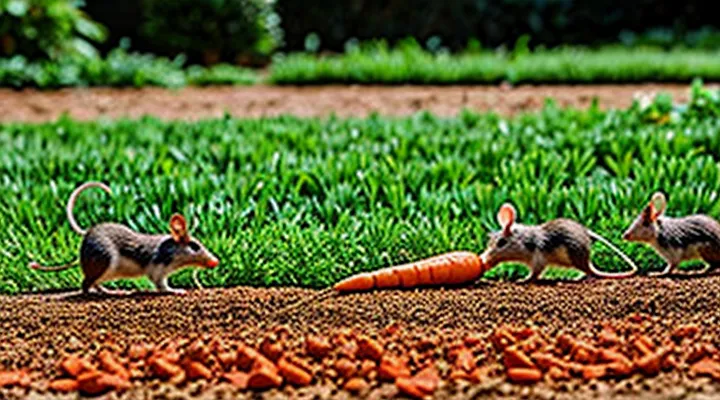
General Dietary Habits of Garden Mice
Omnivorous Nature
Mice display omnivorous feeding behavior, consuming plant material, seeds, insects, and occasional carrion. In cultivated spaces, their diet expands to include crops and ornamental vegetables, which influences both pest management and garden biodiversity.
Key components of a garden‑based omnivorous diet:
- Seeds from grasses, legumes, and cereals
- Fresh foliage such as lettuce, spinach, and kale
- Root vegetables, notably carrots, which provide carbohydrates and moisture
- Invertebrates like aphids, beetle larvae, and spider eggs
- Small amounts of decaying organic matter
Carrots attract mice for several reasons. The high sugar content supplies immediate energy, while the tender root tissue is easy to gnaw. Additionally, carrot foliage offers cover and foraging opportunities, supporting nocturnal activity. When carrots are abundant, mice may prioritize them over other vegetables, resulting in increased foraging pressure on adjacent crops.
Omnivorous flexibility enables mice to shift between food sources as availability changes. Seasonal variations in seed production or insect populations prompt reliance on stored roots, including carrots, to sustain growth and reproduction. Consequently, garden managers must consider the broad dietary range of these rodents when designing pest‑reduction strategies, such as crop rotation, physical barriers, and habitat modification.
Common Food Sources
Mice that forage in garden environments rely on a predictable set of edible resources. Their diet includes seeds, leafy greens, fruit remnants, and root vegetables. Carrots, as a sweet, high‑water root, attract mice when exposed, especially during cooler months when other foods are scarce.
Typical food sources observed in gardens are:
- Seed heads of grasses and cereals
- Fallen strawberries, raspberries, and other soft fruits
- Leafy vegetables such as lettuce, spinach, and kale
- Root crops: carrots, radishes, turnips, and beets
- Insect larvae and small arthropods found in soil debris
Carrots present a dual function: they supply readily available carbohydrates and serve as a moisture source. When carrots are partially buried or left uncovered, mice can access the nutrient‑rich interior with minimal effort. This behavior increases the likelihood of carrot damage, prompting gardeners to employ protective measures such as mesh covers or underground planting.
Understanding the hierarchy of food preferences helps in designing garden management strategies that reduce mouse impact. Prioritizing the removal of fallen fruit, securing seed stores, and limiting exposure of root vegetables can shift mouse foraging toward less valuable plant parts, thereby preserving crop yields.
Carrots as a Food Source for Mice
Nutritional Value of Carrots for Rodents
Carrots are a common component of garden foraging by mice, offering a distinct nutritional profile that influences their health and behavior.
Carrots supply essential macro‑ and micronutrients. Key elements include:
- Beta‑carotene – converts to vitamin A, supporting retinal function and immune response.
- Vitamin K1 – contributes to blood clotting and bone mineralization.
- Vitamin B6 – participates in amino‑acid metabolism and neurotransmitter synthesis.
- Dietary fiber – promotes gastrointestinal motility and supports a balanced gut microbiota.
- Simple sugars (glucose, sucrose) – provide rapid energy for nocturnal activity.
- Minerals – potassium aids electrolyte balance; calcium and phosphorus assist skeletal development.
These nutrients collectively enhance visual acuity, skeletal strength, and metabolic efficiency, which are critical for small rodents that rely on acute sight and agile movement to locate food and evade predators.
Potential concerns accompany the benefits. High sugar content may lead to rapid blood‑glucose fluctuations, while excessive fiber could cause digestive upset if carrots dominate the diet. Moreover, residual pesticides on garden‑grown carrots pose toxicity risks; thorough washing or cultivation without chemicals mitigates this hazard.
Balanced inclusion of carrots—supplemented with protein‑rich seeds, grains, and occasional insects—optimizes nutrient intake without overexposing mice to carbohydrate overload or contaminant exposure.
Signs of Carrot Consumption by Mice
Mice that target carrot plants leave distinct evidence. Observation of the following indicators confirms carrot consumption:
- Fresh bite marks on carrot foliage, especially on the lower leaves where mice can reach from the ground.
- Chewed or partially eaten carrot roots, often with a clean, cylindrical removal that matches a mouse’s incisors.
- Small, dark droppings clustered near the base of carrot rows, typically 2‑3 mm in length and rod‑shaped.
- Fine, paired footprints in soft soil adjacent to carrot beds, showing a characteristic four‑toed pattern.
- Burrow entrances or tunnels opening close to the carrot patch, often concealed by leaf litter.
- Residual carrot fibers or shredded tissue in the surrounding soil, indicating gnawing activity.
- Presence of mouse scent marks or urine stains on carrot stems, detectable by a faint, musky odor.
These signs, when recorded together, provide reliable confirmation that mice are feeding on carrots in a garden environment.
Impact of Mice on Garden Carrots
Damage to Growing Carrots
Mice frequently target carrot seedlings and mature roots, causing direct loss of harvestable produce. Their sharp incisors sever young foliage, while repeated gnawing on taproots creates entry points for soil‑borne pathogens.
Typical damage includes:
- Chewed leaf edges that impede photosynthesis.
- Hollowed or frayed taproots, reducing marketable size.
- Burrows near carrot rows that destabilize soil structure and promote weed invasion.
- Secondary infection by fungi and bacteria entering through bite wounds.
Preventive measures focus on habitat modification and physical barriers. Removing dense ground cover limits shelter, while fine‑mesh hardware cloth buried 6 inches deep around each row deters tunneling. Traps positioned near carrot beds reduce mouse populations without contaminating the crop.
If damage occurs, inspect roots promptly, discard compromised specimens, and apply a copper‑based fungicide to prevent disease spread. Re‑planting in rotated sections of the garden reduces the likelihood of repeat infestations.
Damage to Stored Carrots
Mice frequently attack carrots kept in garden storage, causing significant loss of edible product and increased risk of spoilage. Their small size allows entry through minute gaps in wooden bins, plastic containers, or fabric sacks, while their strong incisors gnaw through soft carrot skins and even thin cardboard.
Damage manifests as bite marks, shredded tops, and exposed flesh that accelerates microbial growth. Infested carrots often develop hollow tunnels, discoloration, and a foul odor, indicating contamination by mouse saliva and feces. Such degradation reduces market value and may render the entire batch unsuitable for consumption.
Preventive actions focus on exclusion, sanitation, and monitoring:
- Seal storage units with metal mesh or fine-screen doors; inspect seams weekly.
- Elevate containers off the ground using pallets to eliminate easy access.
- Store carrots in airtight, rigid containers rather than loosely packed bags.
- Maintain a clean perimeter by removing plant debris and fallen fruit that attract rodents.
- Place snap traps or electronic deterrents near entry points, checking and resetting them daily.
Early detection relies on routine visual inspections and the presence of gnaw marks or droppings. Prompt removal of compromised carrots prevents the spread of decay to unaffected portions. Implementing these measures reduces losses and preserves the quality of harvested carrots.
Deterring Mice from Carrot Patches
Physical Barriers and Fencing
Physical barriers protect carrot crops from mouse foraging by creating a continuous obstacle that mice cannot breach without expending significant effort.
Common barrier materials include:
- Fine‑mesh hardware cloth (minimum 1/4‑inch openings) secured to a frame that surrounds the planting area.
- Rigid plastic or metal edging buried 6–8 inches deep to prevent burrowing beneath the perimeter.
- Raised beds fitted with a sealed bottom of fine mesh, eliminating ground contact.
Installation guidelines require overlapping mesh seams by at least 2 inches and fastening them with rust‑resistant staples or wire ties. All gaps at the base must be sealed with soil‑grade caulk or a layer of compacted sand.
Fencing solutions differ from low‑lying barriers by extending vertically, typically 18–24 inches high, to deter climbing. Effective fence designs incorporate:
- A smooth, non‑grippable surface such as PVC or treated wood.
- A bottom skirt of mesh extending 6 inches underground to block entry from below.
- Reinforced posts set in concrete to resist gnawing and displacement.
Maintenance involves monthly inspection for mesh tears, rodent chew marks, and soil erosion that could expose the base. Prompt repair restores integrity and maintains deterrence.
When physical barriers are correctly installed and regularly inspected, they significantly reduce mouse damage to carrots, preserving yield without chemical intervention.
Repellents and Natural Deterrents
Mice are attracted to the sugars and moisture in carrot roots, making these vegetables a frequent target in vegetable beds. Effective management relies on substances that disrupt the rodents’ sensory cues or create an inhospitable environment.
- Strong-smelling herbs such as mint, rosemary, and thyme deter rodents when interplanted with carrots.
- Commercial rodent repellents containing predator urine or capsaicin create a chemical barrier that mice avoid.
- Physical deterrents, including fine mesh row covers and copper tape around planting beds, prevent access without affecting plant growth.
- Soil amendments with diatomaceous earth introduce abrasive particles that damage the insects’ exoskeletons, reducing foraging activity near carrots.
Implementing a combination of aromatic plants, targeted repellents, and physical barriers reduces mouse damage while preserving the quality and yield of carrot crops.
Garden Hygiene Practices
Mice are attracted to carrot crops when garden debris, loose soil and unsecured storage provide easy access to food and shelter. Maintaining strict garden hygiene reduces the likelihood that rodents will locate and consume carrots, thereby protecting yields without resorting to chemical controls.
- Remove fallen fruit, vegetable scraps, and dead plant material daily.
- Keep compost bins sealed and positioned away from carrot beds.
- Store harvested carrots in airtight containers or refrigerated units rather than on open surfaces.
- Apply a thin layer of coarse mulch to deter burrowing; replace it regularly to avoid accumulation of rodent nests.
- Conduct routine inspections for gnaw marks, burrow entrances and droppings; record findings and act promptly.
- Rotate carrot planting locations each season to interrupt rodent foraging patterns.
- Install physical barriers such as fine mesh or hardware cloth around garden beds, ensuring edges are buried at least six inches deep.
Implementing these measures creates an environment where mice find fewer food sources and fewer hiding places, limiting their interaction with carrot plants. Consistent sanitation, secure storage, and physical exclusion together form a comprehensive strategy that directly influences mouse feeding behavior in garden ecosystems.
Managing Mouse Populations in Gardens
Trapping Methods
Garden mice frequently target carrot crops, prompting gardeners to adopt trapping strategies that reduce damage while preserving ecological balance. Effective traps rely on proper placement, appropriate bait, and regular monitoring.
Placement should focus on pathways between planting rows and near known burrow entrances. Traps positioned at ground level capture rodents that move along the soil surface, while elevated devices intercept climbing individuals seeking foliage.
Bait selection enhances capture rates. Fresh carrot tops, shredded carrot pulp, or a mixture of carrot and grain attract mice due to their natural preference for sweet, fibrous material. Combining carrot bait with a small amount of peanut butter increases scent strength without deterring the primary target.
Regular inspection prevents trap saturation and reduces the risk of non‑target captures. Emptying traps daily, resetting the bait, and rotating trap locations disrupt mouse habituation and maintain high efficiency.
Common trapping methods include:
- Snap traps – mechanical devices that deliver immediate kill; suitable for rapid population reduction.
- Live‑catch traps – cage‑style enclosures that allow relocation; require prompt release to avoid stress.
- Electronic traps – battery‑powered units delivering a quick, humane shock; effective in humid garden conditions.
- Mulch‑integrated traps – concealed devices buried within mulch layers, exploiting mice’s tendency to forage close to ground cover.
Each method demands adherence to local wildlife regulations and consideration of humane practices. Combining multiple trap types with proper bait and strategic placement offers the most reliable control of carrot‑feeding mice in garden settings.
Understanding Mouse Behavior
Mice navigating garden ecosystems exhibit selective foraging that frequently includes root vegetables. Carrot crops provide a high‑carbohydrate source, aligning with the rodent’s preference for readily metabolizable sugars. Observational data reveal that mice locate carrots primarily through volatile compounds released by the plant’s foliage and root exudates, while visual contrast between the orange root and surrounding soil enhances detection during low‑light periods.
Temporal analysis indicates peak carrot consumption during dusk and pre‑dawn intervals, coinciding with reduced predator activity. Individual intake averages 2–4 g per foraging bout, with repeat visits observed in areas where residual foliage remains. Preference intensity correlates with root size; larger specimens sustain longer feeding sessions and generate more extensive gnaw marks.
Understanding these behavioral drivers informs garden protection measures. Effective tactics include:
- Installing physical barriers such as fine‑mesh fencing around carrot beds.
- Applying non‑toxic repellents that mask olfactory cues (e.g., peppermint oil sprays).
- Maintaining clean garden margins to eliminate shelter opportunities.
- Scheduling regular harvests to reduce root exposure time.
By integrating knowledge of mouse foraging patterns with targeted interventions, gardeners can minimize carrot loss while preserving ecological balance.
Integrated Pest Management Strategies
Garden mice frequently target carrot crops, creating a direct conflict between plant productivity and rodent pressure. Integrated Pest Management (IPM) addresses this conflict through a coordinated set of actions that reduce mouse populations while preserving garden health.
- Cultural controls: Rotate planting zones to disrupt mouse foraging patterns; space carrots to limit dense cover that shelters rodents; remove fallen fruit and debris that provide food and nesting sites.
- Mechanical barriers: Install fine‑mesh fencing or buried perimeter screens to prevent burrowing; use raised beds with smooth sides to hinder climbing; place snap traps or live‑capture devices along established runways.
- Biological agents: Encourage predatory birds, such as owls and hawks, by installing perches and nest boxes; introduce beneficial nematodes that infect rodent larvae in soil; maintain habitats for ground‑dwelling mammals that compete with mice for resources.
- Chemical options: Apply rodenticides only as a last resort, selecting low‑toxicity formulations and placing bait stations away from non‑target organisms; follow label instructions to avoid environmental contamination.
- Monitoring and record‑keeping: Conduct weekly inspections for gnaw marks, burrow entrances, and droppings; map activity hotspots to focus interventions; adjust tactics based on observed effectiveness.
By combining these measures, gardeners can suppress mouse damage to carrot plants without relying on a single, potentially harmful method. The systematic evaluation of each component ensures that control efforts remain efficient, environmentally responsible, and adaptable to changing rodent behavior.