
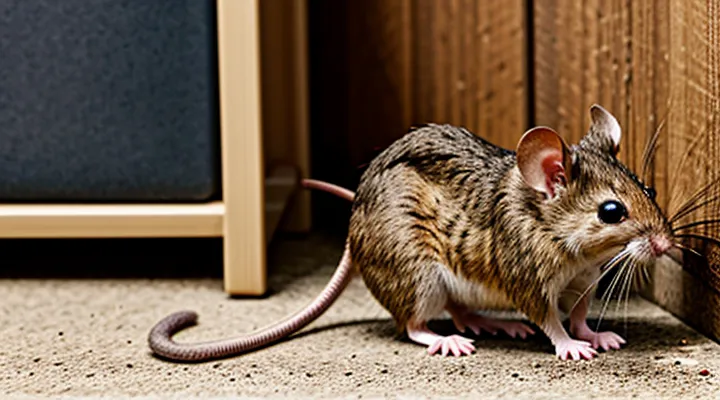
Understanding What Mice Dislike
Sensory Aversions
Olfactory Repellents
Mice rely heavily on scent to locate food, shelter, and mates; disrupting this chemical communication deters their activity. Olfactory repellents exploit this sensitivity by emitting odors that mice find unpleasant or overwhelming, prompting avoidance of treated areas.
Common olfactory agents include:
- Peppermint oil (Mentha piperita) – strong menthol scent interferes with rodent olfactory receptors.
- Ammonia solution – volatile ammonia vapors create a harsh environment.
- Clove oil (Syzygium aromaticum) – eugenol component repels rodents.
- Citronella oil – citrus aroma masks food odors and discourages entry.
- Naphthalene crystals – sublimating fumes produce a toxic, malodorous atmosphere.
Effective deployment requires saturation of target zones: soak cotton balls in essential oils and place them behind appliances, within wall cavities, and near entry points; refresh every 2–3 weeks to maintain potency. For ammonia, dilute 1 part concentrate with 3 parts water, apply with a spray bottle, and reapply after rain or cleaning. Naphthalene should be positioned in sealed containers to prevent unintended exposure to humans and pets.
Safety considerations dictate proper ventilation, avoidance of direct skin contact, and storage out of reach of children and domestic animals. Overreliance on scent alone may be insufficient; combine olfactory repellents with physical barriers, sanitation, and trapping for comprehensive control.
Auditory Deterrents
Mice respond strongly to high‑frequency sounds that fall outside human hearing range. Ultrasonic devices emit tones between 20 kHz and 65 kHz, creating an environment that mice find uncomfortable. Continuous operation forces rodents to avoid treated areas, while intermittent cycles reduce habituation.
Key characteristics of ultrasonic deterrents:
- Frequency: 20 kHz – 65 kHz, adjustable in most models.
- Coverage radius: typically 15 – 30 feet, dependent on unit power.
- Power source: plug‑in, battery, or solar; battery models allow placement in remote locations.
- Safety: no chemicals, no risk of poisoning pets or humans when used as directed.
Effectiveness hinges on proper placement. Units should be positioned at mouse entry points—gaps under doors, vent openings, and baseboard cracks—facing outward to project sound into the interior. Overlapping fields ensure seamless coverage; gaps between zones allow mice to bypass the deterrent.
Limitations include:
- Diminished impact after several weeks as mice may acclimate to a constant tone.
- Obstacles such as thick walls, furniture, and metal surfaces absorb ultrasonic waves, reducing range.
- Ineffectiveness against rodents that have already established nests; physical removal or trapping remains necessary.
Combining ultrasonic deterrents with sealing of entry points and trapping yields the most reliable reduction in mouse activity. Regular monitoring of device performance—checking for audible humming, power loss, or reduced coverage—maintains optimal conditions.
Tactile Sensitivities
Mice rely heavily on their sense of touch to navigate confined spaces, locate food, and assess potential threats. Their whiskers detect minute vibrations, while the pads on their feet sense texture and temperature. Any surface that feels unusually rough, sticky, or excessively cold triggers an avoidance response.
Common tactile deterrents include:
- Fine sandpaper or textured mats placed near entry points; the abrasive feel discourages movement.
- Adhesive films with a low‑tack surface; the slight resistance underfoot creates discomfort without trapping the animal.
- Cold metal plates set at temperatures just above freezing; the chill activates thermoreceptors in the paws, prompting retreat.
To apply these methods effectively, follow a systematic approach:
- Identify high‑traffic zones such as gaps under appliances, baseboard cracks, and pantry shelves.
- Install the chosen tactile barrier directly on the floor or surface where mice travel.
- Monitor activity for a reduction in sightings; adjust placement if rodents continue to use alternative routes.
Combining tactile obstacles with other sensory deterrents—such as strong odors or ultrasonic emitters—enhances overall efficacy. Regular inspection ensures barriers remain intact and prevents mice from adapting to a single stimulus.
Environmental Dislikes
Cleanliness and Hygiene
Clean environments deny mice the resources they seek, making sanitation a primary deterrent. Food residues, spilled liquids, and unsealed containers provide scent trails and nourishment; eliminating these elements removes the incentive for rodents to explore a space.
- Store all food in airtight containers made of metal or heavy‑wall plastic.
- Dispose of garbage daily in bins with tight‑fitting lids.
- Sweep and mop floors after each meal preparation, focusing on corners and under appliances.
- Clean countertops and shelves with a mild detergent, then rinse to remove lingering odors.
Clutter and structural gaps create hidden pathways and nesting sites. Regularly declutter storage areas, keeping boxes off the floor and arranging items to allow visual inspection. Seal cracks, gaps around pipes, and openings around doors with steel wool, caulk, or metal mesh; these materials resist gnawing and block entry.
Implement a weekly inspection routine:
- Examine kitchen cabinets, pantry shelves, and behind appliances for crumbs or droppings.
- Check baseboards, wall voids, and utility rooms for signs of gnaw marks or nesting material.
- Verify that all waste containers remain sealed and that traps or bait stations are positioned correctly.
Consistent application of these hygiene measures reduces attractants, limits shelter options, and supports long‑term rodent exclusion.
Lack of Shelter
Mice require protected areas to rest, breed, and hide from predators. When a building or storage space offers no concealed corners, crevices, or insulated pockets, the environment becomes unattractive, prompting rodents to search elsewhere.
Typical conditions that indicate a lack of suitable refuge include sealed walls, smooth metal or plastic surfaces, and the absence of stacked boxes, fabric piles, or other objects that could serve as temporary nests. Open floor plans and well‑ventilated attics also reduce hiding opportunities.
Practical measures to eliminate shelter options:
- Inspect exterior walls, foundations, and rooflines; install steel wool or silicone‑based sealant in gaps larger than ¼ inch.
- Remove debris, cardboard boxes, and unused furniture from basements, garages, and crawl spaces.
- Keep stored items off the floor; use shelving with solid backs to prevent mice from nesting underneath.
- Trim vegetation, vines, and overhanging branches that touch structures, denying rodents a bridge to interior spaces.
- Install metal or concrete barriers under utility lines and pipes to block access points.
Eliminating shelter reduces the likelihood of infestation, but optimal results arise when combined with food‑source control and active trapping. Continuous monitoring ensures that new gaps or clutter do not reappear, maintaining an environment that mice find inhospitable.
Limited Food Sources
Mice survive by seeking abundant, easily accessible food. When food supplies are scarce, their activity declines, making starvation a natural deterrent.
Limited food sources affect mouse behavior in three ways:
- Reduced foraging trips lower the likelihood of entry into new areas.
- Decreased energy reserves diminish breeding rates and litter size.
- Competition for the remaining crumbs intensifies, prompting mice to abandon heavily contested zones.
Effective control measures focus on eliminating accidental food availability:
- Store dry goods in airtight containers; metal or heavy‑duty plastic prevents gnawing.
- Clean countertops, floors, and appliances after each meal; remove crumbs and spills immediately.
- Seal garbage cans with tight‑fitting lids; empty them regularly to avoid buildup.
- Install door sweeps and window screens to block entry points that could deliver external food sources.
In addition to sanitation, strategic reduction of food can be combined with other tactics, such as trapping or baiting, to accelerate population decline. By maintaining an environment where sustenance is consistently limited, mouse presence becomes unsustainable, leading to natural migration away from the premises.
Effective Methods for Mouse Control
Prevention Strategies
Sealing Entry Points
Sealing entry points is a fundamental step in rodent deterrence. Mice can squeeze through openings as small as a quarter‑inch, so every potential gap must be inspected and closed.
Identify all possible entry routes. Check foundations, walls, windows, doors, utility penetrations, and vent covers. Look for cracks, gaps around pipes, and spaces under appliances. Use a flashlight and a mirror to reveal hidden openings.
Select appropriate sealing material. Expanding polyurethane foam works for irregular gaps, while steel wool combined with caulk blocks larger holes. For structural cracks, apply cement or mortar. Metal flashing or steel mesh is required for areas subject to chewing.
Apply the sealants in a systematic process:
- Clean the opening to remove debris and dust.
- Insert steel wool or mesh into the gap to create a barrier.
- Fill remaining space with caulk, foam, or mortar, ensuring full coverage.
- Smooth the surface and allow the material to cure fully before exposing it to moisture or pressure.
Inspect the sealed areas regularly. Reapply material if signs of damage appear, such as gnaw marks or new cracks. Maintaining an airtight envelope around the building eliminates the primary means by which mice gain access, thereby reducing the need for traps or poisons.
Food Storage Best Practices
Proper food storage removes a primary lure for rodents, reducing the likelihood of infestation. Secure containers prevent scent diffusion and block access, making the environment inhospitable to mice.
- Use airtight, heavy‑wall containers made of metal or thick plastic; avoid cardboard or thin plastic that can be chewed.
- Store all dry goods—cereals, grains, nuts, pet food—inside these containers; never leave them exposed on shelves or countertops.
- Keep storage areas clean; sweep crumbs, vacuum regularly, and wipe surfaces with a mild disinfectant.
- Position containers on raised platforms or shelves; avoid floor placement where rodents can gnaw directly.
- Implement a “first‑in, first‑out” system; rotate stock to use older items before they become stale, limiting the time food remains vulnerable.
- Seal entry points around cabinets, pantry doors, and utility openings with steel wool or caulking; rodents cannot penetrate reinforced barriers.
- Conduct monthly inspections; look for signs of gnaw marks, droppings, or compromised seals, and replace damaged containers immediately.
By eliminating accessible food sources and maintaining a sealed, orderly storage environment, the attraction for mice diminishes, supporting long‑term pest control.
Regular Sanitation
Regular sanitation removes food sources, nesting material, and water that attract rodents. By eliminating crumbs, spills, and improperly stored provisions, the environment becomes unsuitable for mouse activity.
Key practices include:
- Store dry goods in sealed containers made of metal or thick plastic.
- Clean countertops, floors, and appliances after each use; wipe away residues immediately.
- Dispose of garbage in containers with tight‑fitting lids; empty them frequently.
- Repair leaks, dry damp areas, and ensure proper ventilation to reduce humidity.
- Rotate pantry stock, discarding items past their expiration date.
Consistent implementation reduces the likelihood of mouse infestation and supports other control measures. Maintaining a clean, orderly space deprives rodents of the conditions they seek, thereby limiting their presence.
Repellent Techniques
Natural Repellents
Rodents avoid strong scents, sharp tastes, and irritating textures; natural substances that provide these characteristics can serve as effective deterrents without hazardous chemicals.
- Peppermint oil: concentrated extract creates an aroma rodents find overwhelming; apply a few drops on cotton balls and place them near entry points.
- Cayenne pepper: capsaicin irritates the nasal passages; sprinkle the powder along walls, baseboards, and pantry shelves.
- Cloves and clove oil: strong, pungent odor repels; soak cotton swabs in the oil or scatter whole cloves in cabinets.
- Ammonia: vapor mimics predator urine; place shallow containers with a small amount in concealed corners.
- Steel wool: dense fibers block small openings; insert into gaps to prevent passage.
For optimal results, replace scented materials every one to two weeks, as potency diminishes with exposure to air. Focus placement on known travel routes, feeding stations, and potential nesting sites. Combine several repellents to create overlapping barriers, reducing the chance of habituation.
Safety considerations include avoiding direct contact with eyes and skin when handling concentrated oils or powders; use gloves and ensure adequate ventilation. Natural repellents deter but rarely eliminate established infestations; persistent populations may require trapping or professional intervention. Continuous monitoring and prompt removal of food sources reinforce the effectiveness of botanical and mineral deterrents.
Commercial Repellents
Commercial repellents are formulated to exploit sensory aversions that rodents experience. The most common active agents include peppermint oil, ammonia, capsaicin, and ultrasonic emitters. Peppermint oil products rely on strong menthol odor to overwhelm the mouse’s olfactory system; studies show a marked reduction in activity within a 10‑foot radius when applied to entry points. Ammonia‑based sprays generate a pungent vapor that irritates mucous membranes, discouraging nesting in treated areas. Capsaicin, the active component of chili peppers, creates a burning sensation upon contact, making treated surfaces unsuitable for travel or gnawing. Ultrasonic devices emit frequencies above 20 kHz, producing an audible disturbance for rodents while remaining inaudible to humans.
Effectiveness varies with application method and environmental conditions. Direct contact agents, such as capsaicin gels, provide immediate deterrence but require reapplication after cleaning or moisture exposure. Volatile compounds like peppermint oil lose potency within 2–3 weeks, necessitating regular replenishment. Ultrasonic units operate continuously but may lose efficacy if obstacles block sound propagation or if rodents become habituated after several weeks.
Safety considerations include proper ventilation when using strong odors, avoidance of direct skin contact with capsaicin gels, and compliance with local regulations regarding ultrasonic emissions. Products intended for indoor use should carry certification from relevant health agencies; outdoor formulations often contain higher concentrations of irritants and must be applied away from pets and children.
Typical commercial options:
- Peppermint oil spray, 30 ml bottle, reapply every 7 days.
- Ammonia‑based liquid repellent, 500 ml, apply to cracks and baseboards.
- Capsaicin gel stick, 10 g, place near entry points.
- Ultrasonic plug‑in unit, 2 W, cover up to 800 sq ft, replace after 12 months.
Selecting a product aligns with the infestation’s severity, the layout of the affected space, and any health restrictions of occupants. Consistent application, combined with sealing entry points, yields the most reliable reduction in mouse presence.
Trapping Solutions
Snap Traps
Snap traps are a mechanical solution designed to kill mice instantly through a spring‑loaded bar that releases when the animal triggers a pressure plate. The sudden, violent motion exploits mice’s natural aversion to sudden forces, causing immediate mortality and preventing the possibility of escape.
Effective deployment requires strategic placement. Position traps along walls, behind appliances, and near known entry points, because mice travel close to surfaces. Align the trigger end toward the wall to match their typical movement direction. Use a small amount of attractive bait—peanut butter, dried fruit, or cheese—applied directly to the trigger to increase capture rates.
Key considerations for safe and successful use include:
- Bait selection: Choose strong-smelling foods that mice cannot resist; avoid low‑odor options.
- Trap density: Install one trap per 10‑15 square feet in heavily infested zones.
- Maintenance: Check traps daily, dispose of carcasses in sealed bags, and reset with fresh bait.
- Safety: Keep traps out of reach of children and pets; wear gloves when handling to prevent scent transfer.
Advantages of snap traps:
- Immediate kill eliminates suffering.
- No reliance on chemicals or electricity.
- Low cost and reusable after each capture.
Limitations:
- Requires regular monitoring to prevent odor buildup.
- May be less effective in cluttered environments where mice can avoid contact.
When combined with exclusion measures—sealing cracks, removing food sources, and maintaining cleanliness—snap traps become a core component of a comprehensive rodent control strategy. Their simplicity, rapid action, and affordability make them a preferred choice for homeowners seeking a direct method to deter and eliminate mice.
Live Traps
Live traps provide a humane alternative for removing rodents while exploiting the same aversions that drive mice away from harmful environments. The devices consist of a cage or tube with a trigger mechanism that closes the entrance once the animal steps on a pressure plate. Because the interior offers no escape, the mouse experiences confinement, which it instinctively avoids after a brief encounter.
Effective deployment hinges on three factors: placement, bait, and monitoring. Place traps along walls, behind appliances, or near known gnawing sites; mice travel close to surfaces and rarely cross open space. Use high‑protein attractants such as peanut butter, sunflower seeds, or small pieces of cooked meat. Apply a pea‑sized amount directly on the trigger platform to ensure contact without contaminating the trap interior. Check traps at least twice daily; prolonged confinement can cause stress and increase mortality risk.
Advantages of live traps include:
- No lethal chemicals or poisons, eliminating secondary poisoning hazards.
- Ability to relocate captured mice far from the property, preventing re‑infestation.
- Reusable construction reduces long‑term costs compared to disposable snap traps.
Limitations involve:
- Requirement for frequent inspection to avoid humane concerns.
- Potential for escaped releases if the trap is not secured properly.
- Necessity for proper disposal of captured animals in accordance with local regulations.
When releasing captured mice, select a site at least one mile from the residence, preferably in a wooded area with natural cover and food sources. Wear gloves to prevent scent transfer that could attract other rodents to the trap location. After release, clean the trap with mild detergent and disinfectant to remove residual odors that might deter future captures.
Incorporating live traps into an integrated pest‑management plan enhances control effectiveness while respecting animal welfare. By aligning trap placement with mouse movement patterns and employing appropriate bait, homeowners can reduce rodent presence without resorting to toxic methods.
Glue Traps
Glue traps consist of a flat surface coated with a strong adhesive that immobilizes rodents on contact. The adhesive remains effective for several weeks, allowing the trap to capture multiple individuals without replacement.
Key characteristics:
- Immediate capture; no waiting period for poison to act.
- No requirement for bait if placement targets known pathways.
- Visible evidence of success, useful for monitoring infestation levels.
Advantages:
- Low cost per unit, making large‑scale deployment economical.
- Compact design fits into narrow cracks, wall voids, and behind appliances.
- No risk of secondary poisoning for pets or wildlife that might ingest poisoned bait.
Disadvantages:
- Considered inhumane by many animal‑welfare organizations because death can be prolonged.
- Risk of accidental contact by non‑target species, including children and pets.
- Adhesive loses potency in humid environments, reducing reliability.
Effective deployment guidelines:
- Identify high‑traffic routes by observing droppings, gnaw marks, and grease trails.
- Place traps perpendicular to the wall, with the adhesive side facing the expected direction of travel.
- Use a thin layer of food‑grade attractant, such as peanut butter, only when rodents avoid unbaited traps.
- Replace traps after capturing a mouse or when adhesive becomes dirty.
- Seal captured rodents in a plastic bag and dispose of them according to local regulations.
Safety precautions:
- Wear disposable gloves when handling traps to avoid skin contact with adhesive.
- Store unused traps out of reach of children and domestic animals.
- Dispose of trapped rodents promptly to prevent odor buildup and secondary health hazards.
Alternatives include snap traps, electronic devices, and exclusion methods such as sealing entry points. When choosing a control method, weigh efficacy, cost, and humane considerations against the specific conditions of the infestation.
Professional Extermination Services
When to Consider Professional Help
Mice infestations can become unmanageable when they cause structural damage, compromise food safety, or resist DIY measures. If you observe any of the following conditions, professional pest control should be engaged immediately:
- Continuous droppings or gnaw marks despite traps and repellents.
- Evidence of nesting in walls, attics, or insulated spaces.
- Persistent odors of urine or urine stains spreading beyond localized areas.
- Damage to wiring, insulation, or stored goods that threatens health or safety.
- Inability to locate entry points after thorough inspection.
Professional services provide certified inspection, targeted baiting, and exclusion techniques that exceed the capabilities of household tools. They also ensure compliance with local regulations regarding rodent control substances. Promptly contacting experts reduces the risk of secondary problems such as fire hazards from chewed wiring or disease transmission through contaminated food supplies.
What to Expect from Exterminators
Professional exterminators begin with a thorough inspection of the property. They identify entry points, locate nests, and assess the severity of the infestation. The inspector records evidence such as droppings, gnaw marks, and damage to structural components.
After the assessment, the exterminator presents a treatment plan that may include one or more of the following methods:
- Snap traps or electronic traps placed strategically to maximize capture rates.
- Bait stations containing rodenticides, secured to prevent access by children or pets.
- Exclusion measures, such as sealing gaps, installing door sweeps, and reinforcing vent covers.
- Environmental modifications, including removal of food sources and reduction of clutter that provides shelter.
Clients receive a written estimate outlining labor costs, material fees, and any applicable service guarantees. Most companies offer a warranty period during which they will return for additional treatment at no extra charge if mouse activity persists.
Safety protocols are strictly observed. Exterminators wear personal protective equipment, follow label instructions for chemicals, and comply with local regulations regarding pesticide application. They also provide instructions for homeowners on post‑treatment practices, such as proper waste disposal and maintaining a clean environment to deter re‑infestation.
A follow‑up visit is scheduled after the initial treatment to verify effectiveness. During this visit, the technician checks trap counts, inspects bait stations, and confirms that exclusion work remains intact. If necessary, adjustments are made to ensure long‑term control.