
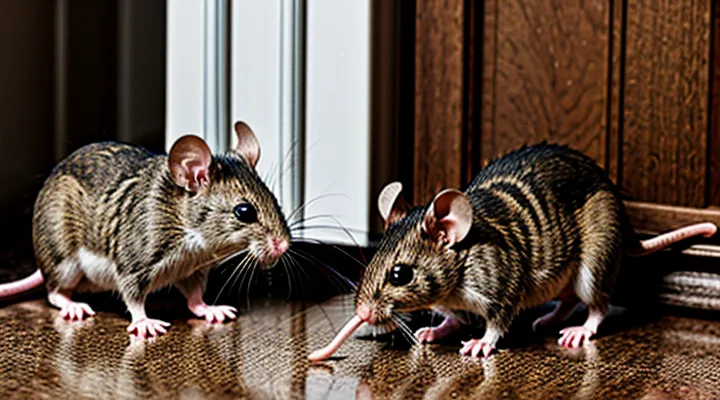
Understanding Rodent Behavior
Innate Fears and Instincts
Predator Aversion
Rodents in residential settings display a pronounced aversion to typical predators. Laboratory and field observations confirm that scent, movement, and auditory signals associated with feline, canine, avian, and reptilian hunters trigger immediate avoidance responses.
Key sensory cues that elicit fear include:
- Urine and fecal odor from cats and dogs, which rodents detect at concentrations as low as 10 ppb.
- Low‑frequency vocalizations of owls and hawks, audible through floor structures.
- Rapid, shadowed movement patterns resembling a predatory bird’s dive.
- Visual silhouettes of snakes or lizards, especially when presented against contrasting backgrounds.
Behavioral outcomes manifest as altered foraging routes, reduced activity in rooms where predator cues are present, and increased use of elevated pathways. The avoidance is not merely reflexive; repeated exposure to predator signals reinforces spatial memory, leading to long‑term changes in nest placement.
Control strategies that exploit this aversion rely on synthetic predator odors, motion‑activated sound emitters, and visual deterrents mimicking predator shapes. Effectiveness correlates with the authenticity of the cue and the frequency of reinforcement. Studies show a 45‑60 % reduction in rodent activity when authentic feline urine is applied to entry points, while ultrasonic devices produce inconsistent results due to habituation.
Neophobia
Neophobia, the innate aversion to novel stimuli, dominates the behavioral repertoire of house‑bound rodents. When a mouse or rat encounters an unfamiliar object, scent, or texture within a residence, the brain activates the amygdala and hippocampus, prompting heightened vigilance and avoidance. This response reduces exposure to potential predators or toxic substances, thereby increasing survival odds in an environment where human activity constantly introduces new elements.
Key manifestations of neophobic behavior in domestic settings include:
- Sudden retreat to concealed burrows or wall voids upon discovery of a new item.
- Reduced foraging activity near unfamiliar food containers or waste bins.
- Increased grooming and stereotypic pacing as stress markers.
Research on laboratory‑bred and wild‑caught specimens demonstrates that repeated, low‑intensity exposure to the same novel cue can attenuate the response over several days, a process termed habituation. However, the rate of habituation varies with age, prior experience, and the sensory modality of the stimulus; younger individuals and those with limited prior exposure exhibit slower adaptation.
Effective management of rodent presence therefore requires minimizing the introduction of unexpected objects in areas where they are likely to seek shelter. Strategies such as maintaining consistent placement of furniture, using scent‑neutral cleaning agents, and limiting sudden rearrangements can lessen neophobic triggers, reducing the likelihood of concealment and the subsequent difficulty of detection.
Common Rodent Deterrents
Natural Predators
Cats and Dogs
Cats and dogs represent the most immediate predators for rodents that have entered a residence. Their presence triggers instinctive avoidance responses, reducing the likelihood of infestation.
Cats rely on acute hearing, whisker sensitivity, and rapid reflexes to detect the subtle movements of mice and rats. Once a feline detects a rodent, it typically initiates a chase that may involve:
- Low‑frequency prowling to locate the source of sound.
- Sudden bursts of speed to close the distance.
- Precise paw strikes aimed at immobilizing the prey.
Dogs, while less specialized for hunting small rodents, employ scent tracking and territorial aggression. Their contribution to rodent deterrence includes:
- Persistent sniffing that disrupts the animal’s sense of safety.
- Barking or growling that creates auditory stress.
- Physical barriers created by the animal’s movement through potential hiding spots.
Both species alter the environment in ways that discourage rodent activity. Their scent marks, fur shedding, and occasional deposits of waste create chemical cues that rodents interpret as signs of a hostile territory. Consequently, mice and rats tend to avoid rooms where cats or dogs spend significant time, favoring concealed areas farther from the pets’ usual routes.
Birds of Prey
Birds of prey create a potent deterrent for house‑bound rodents. Their keen eyesight, swift flight, and predatory instincts trigger an innate avoidance response in mice and rats, prompting them to seek shelter farther from potential attack zones.
- Owls: nocturnal hunters that can locate prey by sound, forcing rodents to remain motionless in dark corners.
- Hawks: diurnal predators that patrol open windows and skylights, compelling small mammals to avoid exposed perches.
- Falcons: agile flyers that pursue moving targets, causing rats to limit activity near entryways.
- Kites: soaring birds that glide over rooftops, prompting mice to retreat deeper into wall voids.
The presence of these raptors, even as occasional sightings or recorded calls, reduces rodent foraging ranges, limits nesting sites, and diminishes overall indoor populations. Their reputation as apex hunters sustains a continuous state of vigilance among household pests.
Scents and Odors
Peppermint Oil
Peppermint oil is a volatile essential oil containing menthol and menthone, compounds that produce a strong, sharp scent. Rodents possess highly developed olfactory systems; the aroma overwhelms sensory receptors, prompting avoidance of treated zones.
The deterrent effect relies on the oil’s ability to mask food odors and create an inhospitable environment. When the scent is present near potential entry points, mice and rats typically reroute their movements, reducing activity in the affected rooms.
Application guidelines
- Soak cotton balls with undiluted oil and place them behind appliances, under sinks, and in wall cavities.
- Prepare a 10 % solution (one part oil to nine parts water) in a spray bottle; mist baseboards, door frames, and cracks.
- Refresh cotton balls and re‑spray every 5‑7 days, or sooner if the scent diminishes.
- Keep oil away from food preparation surfaces and direct contact with skin.
Field observations report a 50‑80 % decline in rodent sightings after consistent use for two weeks. Effectiveness drops when infestations are severe or when the oil evaporates rapidly in warm, well‑ventilated spaces.
Human health risks are minimal; the oil is non‑toxic at recommended concentrations. Pets tolerate low exposure, though direct contact may cause skin or eye irritation. Use protective gloves when handling undiluted oil.
Limitations include rapid volatilization, the need for regular reapplication, and inability to seal structural gaps. Peppermint oil should complement, not replace, physical exclusion methods such as sealing holes and maintaining a clean environment.
Ammonia and Bleach
Ammonia and bleach are among the most effective chemical deterrents against rodents inside a residence. Both substances emit strong, irritating vapors that interfere with the highly developed olfactory system of mice and rats, causing immediate discomfort and prompting avoidance of treated areas.
-
Ammonia
- Volatile nitrogen‑based compound; odor resembles strong cleaning agent.
- Irritates nasal passages and respiratory tract of rodents, leading to rapid withdrawal.
- Concentrations of 5‑10 % solution are sufficient to create an inhospitable environment without damaging typical household surfaces.
-
Bleach
- Aqueous solution of sodium hypochlorite; produces chlorine gas and sharp, acrid smell.
- Causes mucosal irritation and disrupts the scent trails rodents use for navigation.
- Dilution to 1‑2 % retains deterrent effect while minimizing corrosion of fabrics and finishes.
Application guidelines:
- Apply solutions to entry points, corners, and pathways where rodent activity is observed.
- Reapply after cleaning or when the odor fades, typically every 48‑72 hours in high‑traffic zones.
- Ensure adequate ventilation to protect human occupants; avoid direct contact with skin or eyes.
- Store containers out of reach of children and pets to prevent accidental ingestion.
Safety considerations:
- Prolonged exposure to high concentrations can damage painted surfaces, wood, and metal fixtures.
- Mixing ammonia with bleach generates toxic chloramine vapors; never combine the two in the same container.
- Use protective gloves and eye protection when handling concentrated forms.
The combined sensory assault of ammonia’s pungent ammonia vapor and bleach’s chlorine odor creates a hostile microenvironment that rodents quickly learn to avoid, reducing the likelihood of infestation without relying on traps or poisons.
Other Strong Smells
Rodents rely heavily on their sense of smell to locate food, shelter, and potential threats. Certain potent aromas disrupt their olfactory navigation, prompting avoidance of areas where those scents are present.
- Ammonia: Concentrated ammonia vapors irritate nasal passages, causing discomfort that deters entry. Application near entry points or in corners creates an inhospitable environment.
- Vinegar: Acetic acid emits a sharp, lingering odor that masks food scents. Spraying a solution on surfaces or in crevices reduces attraction to the area.
- Citrus oils (lemon, orange, bergamot): High concentrations of limonene overwhelm rodent receptors. Soaking cotton balls or using a diffuser in storage spaces limits movement.
- Peppermint oil: Menthol and menthone produce a cooling, intense fragrance. Saturating cloth strips and placing them behind appliances maintains a barrier.
- Eucalyptus oil: Eucalyptol creates a strong, medicinal smell that rodents find repellent. Applying a few drops to wooden trims or baseboards sustains deterrence.
- Clove oil: Eugenol’s pungent profile interferes with sensory cues. Mixing with water and spraying around pantry edges reduces incursions.
Effective use requires periodic renewal of the scent source, as volatility diminishes potency within days. Combining multiple strong odors can enhance coverage, especially in concealed spaces where rodents hide. Continuous monitoring ensures that the chosen aromas remain at levels sufficient to discourage activity without compromising human comfort.
Sounds and Vibrations
Ultrasonic Devices
Ultrasonic devices emit sound waves above 20 kHz, a range inaudible to humans but distressing to rodents. The emitted frequencies trigger a nervous‑system response that causes discomfort, leading mice and rats to avoid the area.
Effectiveness depends on several technical factors:
- Frequency spectrum: 20–65 kHz covers most species; higher frequencies may lose potency over distance.
- Sound pressure level: 90–110 dB SPL ensures penetration through furniture and wall gaps.
- Coverage area: devices rated for 500–1 200 ft² require strategic placement to eliminate dead zones.
- Continuous vs. intermittent emission: intermittent cycles conserve power while preventing habituation.
Proper installation maximizes impact. Position units at least 12 inches above the floor, near entry points, along walls, and behind appliances where rodents travel. Ensure unobstructed line of sight; objects such as cabinets and curtains absorb ultrasonic energy and reduce range.
Limitations are inherent. Rodents can become desensitized after prolonged exposure, especially if the sound pattern remains static. Solid walls and dense insulation block transmission, creating safe pockets. Devices do not eliminate existing infestations; they complement traps, sealing, and sanitation measures.
Safety considerations are straightforward. Human exposure remains below the audible threshold, and pets such as dogs and cats typically tolerate the frequencies without adverse effects. Regular cleaning of speaker grills prevents dust accumulation that could diminish output.
In practice, ultrasonic deterrents provide a non‑chemical, low‑maintenance option for reducing rodent activity inside residential spaces when integrated with comprehensive pest‑management protocols.
Sudden Loud Noises
Mice and rats exhibit a pronounced startle reflex when exposed to abrupt, high‑intensity sounds. The sudden rise in acoustic pressure triggers the auditory nerve, causing immediate muscular contraction and rapid escape behavior. In a domestic setting, common sources include door slams, dropping objects, vacuum cleaners, and alarm devices.
The physiological response involves:
- Activation of the sympathetic nervous system, releasing adrenaline.
- Acceleration of heart rate and respiration.
- Immediate locomotor burst toward concealed routes such as wall voids, under furniture, or floor openings.
Repeated exposure to unpredictable loud bursts leads to chronic stress, which can suppress reproductive cycles and reduce foraging efficiency. Consequently, rodents may abandon previously occupied shelters, increasing the likelihood of migration to neighboring structures.
Mitigation strategies focus on noise reduction and habitat stabilization:
- Install soft‑close mechanisms on doors and cabinets to eliminate sharp impacts.
- Use rubber pads under heavy appliances to dampen vibrations.
- Schedule vacuuming and cleaning during periods when rodent activity is minimal, typically during daylight hours.
- Employ white‑noise generators at low volume to mask occasional spikes, thereby preventing abrupt auditory contrasts.
Implementing these measures diminishes the perceived threat level, encouraging rodents to remain in established hideouts rather than seeking alternative refuge within the residence.
Light
Bright, Unexpected Flashes
Bright, sudden flashes trigger an immediate escape response in house mice and rats. Their eyes are highly sensitive to rapid changes in illumination; a sudden burst of light overloads photoreceptors, causing disorientation and loss of balance. The visual shock interferes with their innate nocturnal navigation, forcing them to abandon foraging routes and seek shelter.
- Overstimulation of retinal cells produces a momentary blindness that hampers predator detection.
- Rapid light pulses mimic the flash of an approaching predator’s eyes, reinforcing an instinctive flight reaction.
- Disruption of circadian cues interrupts feeding cycles, leading to reduced activity in illuminated zones.
- The startled animal emits high‑frequency vocalizations, alerting conspecifics to potential danger and prompting collective retreat.
These physiological and behavioral reactions make unexpected bright flashes an effective deterrent in residential settings.
Human Intervention and Prevention
Habitat Modification
Eliminating Food Sources
Mice and rats are driven away when they cannot locate sustenance. Removing all potential food supplies deprives them of the primary incentive to enter a dwelling, forcing them to seek alternative habitats.
Secure storage eliminates exposure. Keep all pantry items in airtight containers made of metal or heavy‑duty plastic. Seal cracks around cabinets, baseboards, and behind appliances to block access to crumbs. Regularly clean countertops, floors, and sink areas to prevent residue accumulation.
Implement a systematic approach:
- Conduct a thorough inspection of kitchen and dining spaces; note any open packages or spills.
- Transfer dry goods, pet food, and bulk items into containers with lockable lids.
- Dispose of expired or unsealed products; replace them with freshly sealed supplies.
- Schedule daily wiping of surfaces with a disinfectant solution to remove trace particles.
- Place garbage cans with tight‑fitting lids; empty them nightly to avoid buildup.
Eliminating food sources also reduces the likelihood of secondary infestations, such as insects attracted to leftover crumbs, which in turn provide additional nourishment for rodents. Consistent enforcement of these measures creates an environment where mice and rats find no viable sustenance, thereby minimizing the risk of intrusion.
Blocking Entry Points
Rodents avoid homes where they cannot gain access. Identifying and sealing all potential openings eliminates the primary invitation for mice and rats.
Typical entry points include gaps around pipes, vents, doors, windows, and foundation cracks. Even openings as small as a quarter‑inch allow mice; rats require larger spaces but will exploit any weakness.
Effective sealing methods:
- Install steel wool or copper mesh in gaps before applying caulk or expanding foam; rodents cannot chew through these metals.
- Use silicone‑based sealant for flexible joints around windows and doors; it adheres to wood, plaster, and metal.
- Apply concrete patch or mortar to foundation cracks larger than ½ inch; smooth the surface to prevent future fissures.
- Fit weatherstripping on exterior doors; choose a durable, compressible material that maintains contact when the door is closed.
- Cover vent openings with metal screens of appropriate mesh size; secure with screws to prevent displacement.
Regular maintenance reinforces protection. Inspect exterior walls, attic eaves, and crawl spaces quarterly; repair any new damage promptly. Replace deteriorated sealant and verify that screens remain intact. Consistent vigilance keeps entry points closed, denying rodents the ability to enter and establishing a long‑term deterrent.
Maintaining Cleanliness
Clean environments diminish the cues that draw rodents into residential spaces. Food particles, spilled liquids, and accumulated debris provide scent trails and visual signals that mice and rats exploit to locate nourishment and shelter. By eliminating these indicators, a homeowner reduces the likelihood that rodents will enter or remain in the dwelling.
Key cleaning actions that directly affect rodent deterrence include:
- Storing all edible items in sealed containers made of glass, metal, or heavy‑duty plastic.
- Sweeping and mopping floors daily, especially in kitchens and dining areas, to remove crumbs and spills.
- Emptying trash cans each night and using bins with tight‑fitting lids.
- Vacuuming carpets, upholstery, and corners weekly to eradicate hidden food residues and droppings.
- Wiping down countertops, cabinet interiors, and appliance exteriors after each use.
- Maintaining dry surfaces; promptly drying sinks, dishwashers, and bathroom fixtures to eliminate water sources.
- Organizing pantry shelves, discarding expired products, and keeping aisles free of boxes and packaging.
Consistently applying these practices deprives rodents of essential resources and disrupts their ability to establish foraging routes. The resulting scarcity of attractants and hiding places makes private homes far less appealing to mice and rats.
Traps and Baits
Snap Traps
Snap traps consist of a spring‑loaded bar that releases instantly when a rodent applies pressure to a trigger plate. The rapid motion severs the animal’s spinal cord, producing immediate death and eliminating the scent of prolonged suffering that can attract other pests.
Rodents recognize snap traps as lethal threats because the device delivers a sudden, high‑force impact that they cannot anticipate. The audible snap, combined with the swift collapse of the bar, creates a sensory cue that most mice and rats associate with fatal danger, prompting avoidance after a single encounter.
Effective deployment requires strategic placement:
- Along walls where rodents travel, typically within 2 inches of the baseboard.
- Behind appliances, under sinks, and inside cabinets where food residues accumulate.
- In concealed pathways such as behind furniture or within crawl spaces, ensuring the trigger plate remains unobstructed.
- At least one trap per 10 sq ft of active infestation zone, adjusted for severity of the problem.
Safety measures include securing traps out of reach of children and pets, using protective gloves during set‑up, and disposing of captured specimens in sealed containers. Modern snap traps often feature tamper‑resistant housings that reduce accidental activation.
Advantages:
- Immediate result, no lingering odor.
- Low cost per unit, reusable after each catch.
- No chemical exposure for occupants.
Disadvantages:
- Requires regular monitoring to maintain effectiveness.
- May cause distress to observers if not concealed.
- Ineffective against highly trap‑shy individuals without proper bait selection.
When integrated into a comprehensive rodent‑control program, snap traps serve as a primary deterrent that exploits the innate fear rodents have of sudden, lethal forces within a private dwelling.
Live Traps
Live traps present a direct threat to mice and rats that enter a household. The device confines the animal inside a cage once it steps onto a trigger plate, preventing escape and exposing the creature to a sudden loss of freedom. This loss triggers an instinctive flight response, making the trap an effective deterrent.
Effective deployment relies on strategic placement and appropriate bait.
- Position traps along walls, behind appliances, and near known droppings, because rodents travel close to surfaces.
- Use high‑protein or oily baits such as peanut butter, bits of bacon, or dried fruit to attract the most cautious individuals.
- Secure traps to prevent accidental disturbance by pets or children, ensuring the trigger mechanism remains functional.
Live traps also influence rodent behavior beyond the captured individual. The presence of a visible cage can cause other occupants to avoid the area, reducing overall activity. Releasing captured animals far from the residence eliminates the source of infestation while adhering to humane standards.
Regular monitoring is essential. Check traps at least twice daily, reset the mechanism after each capture, and replace bait that has lost scent. Consistent use of these practices maintains pressure on the rodent population and reinforces the perception of danger within the home environment.
Poison Baits
Poison baits are the primary chemical deterrent used against house‑bound rodents. They consist of attractants blended with anticoagulant or neurotoxic compounds that cause rapid physiological failure after ingestion. Rodents encounter these products as soon as they explore food sources, leading to immediate aversion and mortality.
Effectiveness depends on several factors:
- Palatability – bait must mimic natural food to encourage consumption.
- Dosage – concentration must exceed the lethal threshold for the target species while remaining safe for non‑target occupants.
- Placement – positioning near walls, behind appliances, and in concealed corners maximizes exposure.
- Resistance management – rotating active ingredients prevents adaptation.
Safety measures are mandatory. Seal bait stations to restrict access by children, pets, and beneficial wildlife. Use tamper‑resistant containers and label each station with hazard warnings. Regularly monitor stations for depleted units and replace them promptly to maintain consistent pressure on the infestation.
Common formulations include:
- First‑generation anticoagulants (e.g., warfarin) – require multiple doses, suitable for low‑level problems.
- Second‑generation anticoagulants (e.g., brodifacoum) – single‑dose lethal, effective against resistant populations.
- Neurotoxins (e.g., bromethalin) – act on the central nervous system, useful where anticoagulant resistance is documented.
Integration with sanitation and exclusion tactics enhances overall control. Removing food residues, sealing entry points, and maintaining structural integrity reduce the incentive for rodents to seek bait, thereby accelerating eradication.
Psychological Aspects of Rodent Control
Creating an Unwelcoming Environment
Rodents avoid spaces that lack shelter, food, and water while offering obstacles to movement. To deter mice and rats inside a dwelling, eliminate entry points, reduce attractants, and introduce physical barriers.
- Seal cracks, gaps around pipes, and openings under doors with steel wool, caulk, or metal flashing.
- Store food in airtight containers; clean crumbs and spills immediately.
- Repair leaky faucets and eliminate standing water in sinks, basins, and pet dishes.
- Remove clutter such as piles of paper, fabric, or cardboard that provide nesting material.
- Install door sweeps and screen vents to block access while preserving airflow.
- Place heavy, non‑chewable objects (e.g., metal shelving) near potential entry zones to limit passage.
Each measure reduces the habitat suitability that rodents seek, creating an environment they perceive as hostile and prompting them to seek alternative locations.
Consistency in Deterrence
Consistency in deterrence means applying the same preventive actions at regular intervals, without gaps that allow rodents to re‑establish activity. When a homeowner repeats cleaning, sealing, and trapping on a predictable schedule, mice and rats receive clear signals that the environment is hostile.
Interruptions in the routine create periods of safety for the pests. A single missed inspection or an unsealed crack can become a foothold, after which previous efforts lose impact and reinfestation accelerates.
- Conduct daily inspections for droppings, gnaw marks, and new entry points.
- Seal gaps with steel wool and silicone sealant every month, or whenever new openings appear.
- Deploy bait stations or snap traps in the same locations for at least three weeks, checking and resetting them weekly.
- Maintain a strict cleaning regimen: remove food residues, store perishables in airtight containers, and dispose of garbage nightly.
- Record observations in a log to verify that each task occurs on schedule.
Measured results—fewer sightings, reduced damage, and lower population estimates—correlate directly with the adherence to this schedule. The more uniform the application of deterrent measures, the stronger the aversion rodents develop toward the residence.