
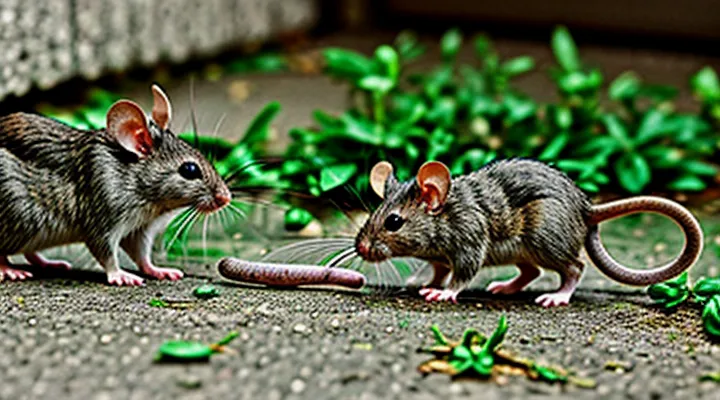
«Sensory Aversions»
«Olfactory Dislikes»
«Strong Scents»
Rodents have a keen sense of smell and avoid environments saturated with powerful odors. Strong aromatic compounds interfere with their olfactory receptors, creating an unpleasant sensory experience that discourages entry and nesting.
Commonly used potent odors include:
- Peppermint oil (Mentha piperita) – applied on cotton balls or diluted spray; concentrations of 10‑15 % repel for several days.
- Ammonia – placed in open containers; vapor irritates nasal passages, but requires ventilation to protect humans and pets.
- Eucalyptus oil – similar to peppermint; effective when diffused or soaked into fabric.
- Citrus extracts (lemon, orange) – high citral content; splashed on surfaces or mixed with water for periodic reapplication.
- Clove oil – contains eugenol; acts as a neurotoxic deterrent at 5‑10 % dilution.
- Predator urine (fox, coyote) – synthetic analogs mimic natural fear cues; applied near entry points.
Application guidelines:
- Target potential entry points, such as gaps, vents, and shelving.
- Reapply every 3‑5 days, as volatility reduces potency.
- Use sealed containers to prevent accidental inhalation by occupants.
- Combine multiple scents to broaden coverage and reduce habituation.
Effectiveness varies with concentration, environmental humidity, and rodent species. Consistent use of strong odors, coupled with exclusion methods, markedly reduces rodent activity in residential and commercial settings.
«Natural Repellents»
Rodents are highly sensitive to strong odors, volatile compounds, and substances that interfere with their sensory systems. Natural repellents exploit these sensitivities, providing a non‑chemical method to deter mice and rats from inhabiting indoor or outdoor spaces.
Peppermint oil contains menthol, a volatile that overwhelms rodent olfactory receptors. Soaking cotton balls and placing them near entry points creates an environment rodents avoid. Replace the cotton every few days to maintain potency.
Citrus peels release limonene, a compound that irritates rodent nasal passages. Discarded orange, lemon, or grapefruit skins can be scattered around potential nesting sites. The scent dissipates quickly, requiring regular replacement.
Eucalyptus oil, rich in eucalyptol, produces a pungent aroma that rodents find unpleasant. Diluting a few drops in water and spraying the mixture on baseboards or cracks deters entry. Reapply after cleaning or rain.
Garlic and onion release sulfur compounds that act as irritants. Crushed cloves or minced garlic placed in strategic locations generate a lingering odor that discourages rodents. Avoid direct contact with food surfaces to prevent flavor transfer.
Predator urine, obtained from feral cats, foxes, or owls, mimics the scent of a natural threat. Applying a few drops on cotton pads near suspected pathways triggers avoidance behavior. Refresh the scent weekly for sustained effect.
Castor oil, when mixed with water and sprayed on walls, creates a slippery surface that hampers rodent movement. The oil also emits a faint odor that rodents dislike. Ensure thorough coverage of seams and gaps.
These natural agents function without toxic residues, making them suitable for homes with children or pets. Effectiveness depends on consistent application and proper placement near access points, food storage areas, and potential nesting sites.
«Auditory Repulsions»
«High-Frequency Sounds»
High‑frequency acoustic emissions above 20 kHz trigger innate avoidance responses in rodents. Auditory receptors in mice and rats detect ultrasonic waves with peak sensitivity between 30 kHz and 80 kHz, allowing rapid perception of frequencies that lie beyond human hearing. When exposed to sustained ultrasonic tones, the animals exhibit freezing, rapid retreat, or attempts to escape the source.
Key characteristics of effective ultrasonic deterrents include:
- Frequency range: 30–80 kHz, matching the peak auditory sensitivity of common rodent species.
- Intensity: 80–100 dB SPL at the emission point, sufficient to activate the startle reflex without causing permanent hearing damage.
- Modulation: Pulsed or sweeping tones prevent habituation, maintaining aversive impact over extended periods.
- Coverage: Overlap of sound fields ensures no safe zones within the treated area.
Laboratory studies confirm that exposure to 40 kHz pulses for 5 seconds reduces entry into treated zones by 70 % compared to silent controls. Field trials with ultrasonic devices report similar reductions in activity around stored grain, waste containers, and building foundations, provided the devices are positioned to avoid acoustic shadows.
Implementation guidelines recommend installing emitters at ceiling height, spacing units no more than 3 m apart, and conducting periodic acoustic measurements to verify compliance with the specified intensity and frequency parameters. Maintenance of power sources and regular cleaning of speaker grills preserve output consistency, ensuring continued efficacy against rodent intrusion.
«Sudden Noises»
Sudden, sharp sounds trigger an immediate escape reaction in mice and rats. Their auditory system detects frequencies between 1 kHz and 80 kHz, with heightened sensitivity to abrupt pressure changes. When a loud, unexpected noise occurs, the startle reflex activates motor pathways that propel the animal away from the source, reducing the likelihood of continued exposure.
Key characteristics of noises that repel these rodents:
- High peak amplitude (over 80 dB) produced instantaneously
- Rapid rise time, such as a clap, door slam, or burst of an alarm
- Frequency components that intersect the species’ hearing range, especially mid‑to‑high frequencies
- Lack of preceding cues, preventing anticipatory habituation
Repeated exposure to the same sudden sound diminishes its effectiveness; the animal learns to ignore predictable events. Effective deterrence therefore relies on irregular, unpredictable auditory bursts, often combined with other sensory stimuli to maintain aversion.
«Tactile Sensitivities»
«Unpleasant Textures»
Rodents display strong aversion to specific tactile sensations that interfere with their natural foraging and nesting behaviors. Laboratory and field observations indicate that textures causing discomfort are consistently avoided.
- Rough surfaces such as coarse sandpaper or untreated wood splinters trigger heightened grooming and retreat.
- Sticky substrates, including gelatinous gels and adhesive tapes, impede locomotion and lead to rapid disengagement.
- Extremely smooth, glossy materials like polished plastic or glazed ceramic reduce traction, prompting avoidance.
- Hot or cold extremes, exemplified by heated metal plates or ice‑cold glass, elicit immediate withdrawal due to thermal stress.
- Brittle or crumbly textures, such as dry chalk or powdered cellulose, lack structural support and are rejected during exploration.
These tactile deterrents influence trap design, habitat enrichment, and pest‑management strategies by exploiting the innate sensory preferences of mice and rats.
«Unstable Surfaces»
Rodents instinctively reject surfaces that shift, wobble, or give way under their weight. The lack of firm footing interferes with their balance, heightens the risk of falling, and compromises their ability to detect predators through tactile cues.
- Uneven or moving platforms reduce traction, causing frequent slips.
- Loose substrates (e.g., shredded paper, loose grain) fail to support body weight reliably.
- Vibrating or oscillating platforms generate unpredictable motion, disrupting gait patterns.
- Surfaces that tilt or collapse under pressure eliminate stable escape routes.
«Environmental Factors»
«Cleanliness and Order»
«Lack of Hiding Spots»
Mice and rats require concealed areas to feel secure. When a environment offers no places to hide, stress levels rise sharply, leading to reduced feeding, diminished reproduction, and increased aggression. The absence of refuge also heightens exposure to predators and human disturbance, which can trigger rapid escape attempts and cause damage to structures as the animals search for shelter.
Key effects of insufficient hiding opportunities:
- Elevated cortisol concentrations, indicating chronic stress.
- Decreased nest-building activity, reflecting a reluctance to settle.
- Lowered breeding success, with fewer litters and smaller brood sizes.
- Increased exploratory behavior, resulting in more frequent contact with humans and potential property damage.
To mitigate these adverse outcomes, provide at least one concealed location per 10 square feet of floor space. Suitable options include:
- Stacked cardboard boxes with small entry holes.
- Loose mulch or shredded paper placed in corners.
- Plastic tunnels or PVC pipes cut to appropriate lengths.
Ensuring regular access to such refuges reduces stress markers, encourages natural nesting, and stabilizes population dynamics within controlled settings.
«Absence of Food Sources»
Mice and rats respond negatively when food is unavailable. The absence of edible material triggers immediate foraging behavior, increases movement across the environment, and heightens stress levels. Energy depletion forces individuals to expend more calories searching for sustenance, reducing overall health and reproductive capacity.
Key consequences of a food‑scarce setting include:
- Accelerated weight loss and weakened immune response.
- Elevated aggression toward conspecifics as competition intensifies.
- Expanded home‑range size, leading rodents to explore new structures and potential entry points.
- Increased likelihood of contact with traps or toxic baits due to desperation.
Control strategies exploit this aversion by removing accessible food sources and limiting accidental spillages. Regular sanitation, sealed storage, and prompt waste disposal deny rodents the incentive to remain, driving populations toward decline without direct lethal measures.
«Predatory Presence»
«Natural Enemies»
Rodents instinctively avoid a range of natural predators and biological threats that reduce their survival prospects. The presence of these antagonists influences foraging patterns, nesting choices, and movement corridors.
- Felines (domestic cats, wildcats) detect rodent scent and movement, often ambushing in concealed locations.
- Avian raptors (barn owls, hawks, kestrels) hunt rodents from perches or during low‑light flights, relying on acute vision and silent approach.
- Serpents (grass snakes, rat snakes) track rodent trails with heat‑sensitive pits, striking from concealed positions.
- Mustelids (weasels, stoats, ferrets) pursue rodents through burrows and tight spaces, using rapid bursts of speed.
- Insect parasites (fleas, mites, lice) inflict blood loss and transmit pathogens, weakening host vigor and encouraging avoidance of infested habitats.
- Pathogenic microorganisms (hantavirus, leptospira, Salmonella) proliferate in rodent colonies, prompting individuals to leave contaminated sites.
- Larger mammals (foxes, coyotes, raccoons) scavenge and actively hunt rodents, adding pressure to avoid open foraging areas.
These natural enemies generate a landscape of risk that rodents mitigate by selecting shelter with limited predator access, reducing activity during peak hunting times, and maintaining low population densities in areas with high predator density. Understanding these antagonistic relationships assists in designing environments that naturally deter rodent presence without reliance on chemical controls.
«Pet Deterrents»
Pet deterrents aim to create an environment that rodents find intolerable, thereby protecting domestic animals and property. Effective solutions combine sensory disruption, physical obstruction, and behavioral conditioning without harming the pets.
Key deterrent categories include:
- Scent repellents – essential oils (peppermint, citronella, clove) applied to cotton balls or diffusers release volatile compounds that rodents avoid. Concentrations must be sufficient to maintain potency for several weeks.
- Auditory devices – ultrasonic emitters generate frequencies above 20 kHz, a range audible to rodents but imperceptible to most pets. Continuous operation ensures consistent exposure.
- Physical barriers – steel mesh (¼‑inch openings) or copper foil around entry points blocks gnawing. Seal cracks with expanding foam reinforced with metal mesh for durability.
- Taste aversion agents – powdered capsaicin or bitter compounds mixed into bait discourage chewing. Apply sparingly to prevent irritation of pets.
- Predator cues – synthetic ferret or owl scent strips mimic natural threats, prompting avoidance behavior.
Implementation guidelines:
- Identify all potential ingress locations; prioritize gaps under doors, utility openings, and vent covers.
- Install scent sources near identified points, refresh every 30 days to counter volatilization.
- Position ultrasonic units at ceiling height, covering overlapping zones; test for consistent coverage with a handheld detector.
- Apply physical barriers before introducing scent or auditory devices to eliminate direct access.
- Monitor pet reactions; relocate any deterrent that provokes stress or allergic response.
Combining multiple deterrent types produces synergistic effects, reducing rodent activity while safeguarding pets. Regular inspection and maintenance sustain efficacy over time.
«Physical Barriers»
«Sealed Entry Points»
Rodents cannot pass through fully sealed openings; this simple barrier eliminates a primary avenue for interior access.
Typical vulnerabilities include gaps around pipes, vents, door frames, and foundation cracks. Applying materials such as steel mesh, cement, expanding foam, or silicone caulk creates an impermeable seal that rodents cannot gnaw or squeeze through.
Common sealing solutions:
- Steel wool packed into small openings, covered with caulk for durability.
- Sheet metal or hardware cloth (¼‑inch mesh) installed over larger gaps.
- Concrete mortar to fill foundation cracks and foundation-wall joints.
- Expanding polyurethane foam for irregular crevices, followed by a rigid cover.
Regular inspection identifies new gaps caused by settling, weathering, or renovation work. Prompt repair maintains the barrier’s integrity and prevents re‑entry.
Maintaining sealed entry points provides a reliable, low‑maintenance method to deter mice and rats from establishing a presence inside structures.
«Obstacles and Traps»
Rodents quickly avoid environments that impede movement or trigger discomfort. Physical barriers that block access, such as sealed gaps, metal flashing, and smooth PVC piping, create impassable zones. Surfaces with steep angles or vertical drops prevent climbing, while textured flooring that lacks traction discourages traversal.
- Snap traps deliver instantaneous lethal force.
- Live‑capture cages confine without injury.
- Electronic devices administer a high‑voltage shock.
- Adhesive boards immobilize on contact.
- Pressure‑activated plates trigger a rapid closing mechanism.
Each device relies on a sudden, unavoidable stimulus that overrides the animal’s instinct to flee. Effective deployment demands placement along established runways, regular inspection, and prompt disposal of captured specimens. Proper positioning maximizes contact probability while minimizing exposure to non‑target species and human occupants.