
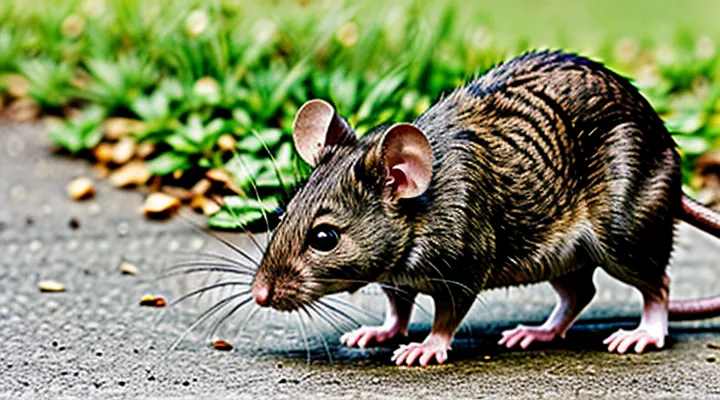
Common Terms and Their Meanings
«Pest Control»
The industry term for treating rats and mice falls under the broader category of pest control, specifically “rodent control” or “rodent management.” This designation distinguishes activities aimed at eliminating or deterring rodent populations from other pest‑related services.
Rodent control involves several core components:
- Inspection: Identify entry points, nesting sites, and activity signs.
- Exclusion: Seal gaps, install door sweeps, and repair structural deficiencies.
- Sanitation: Remove food sources, store waste properly, and maintain cleanliness.
- Population reduction: Deploy traps, bait stations, or rodenticides according to regulatory guidelines.
- Monitoring: Track activity levels with detection devices or periodic inspections.
Effective programs integrate these elements into a systematic plan, ensuring compliance with health and safety regulations while minimizing non‑target impacts. The term “rodent control” therefore serves as the precise label for professional treatments targeting rats and mice within the pest‑control sector.
«Rodent Control»
Rodent control refers to the systematic process of reducing or eliminating rat and mouse populations in residential, commercial, or industrial settings. The objective is to prevent damage to structures, protect food supplies, and mitigate health risks associated with rodent-borne pathogens.
Typical strategies include:
- Chemical control – application of rodenticides in bait stations or perimeter treatments, selected for potency and reduced non‑target impact.
- Mechanical control – deployment of snap traps, electronic traps, or live‑capture devices, providing immediate removal of individual animals.
- Biological control – encouragement of natural predators such as barn owls or the use of rodent‑specific viruses, integrated where ecological balance permits.
- Environmental control – sealing entry points, removing food sources, and maintaining sanitation to deny rodents shelter and sustenance.
Effectiveness is measured by reduction in sightings, damage reports, and infestation indices. Safety considerations encompass operator protection, compliance with local pesticide regulations, and prevention of accidental poisoning of pets or wildlife. Documentation of actions and periodic monitoring support long‑term management.
Professional services label the practice as pest management, rodent mitigation, or integrated rodent management. These terms denote a coordinated approach that combines multiple tactics, risk assessment, and ongoing evaluation to achieve sustained control.
«Extermination»
Extermination refers to the systematic removal of rats and mice through chemical, mechanical, or biological means. The process involves identifying infestation sites, selecting appropriate agents, and applying them according to established safety protocols.
Key components of rodent extermination include:
- Inspection: thorough survey of interior and exterior spaces to locate nesting, feeding, and travel routes.
- Sealing: closure of entry points using steel wool, concrete, or metal flashing to prevent re‑entry.
- Baiting: placement of anticoagulant or non‑anticoagulant rodenticides in tamper‑resistant stations, calibrated to target species while minimizing non‑target exposure.
- Trapping: deployment of snap, live‑catch, or glue traps in high‑activity zones, monitored and serviced regularly.
- Sanitation: removal of food residues, clutter, and waste that sustain rodent populations.
Regulatory frameworks govern the use of toxicants, requiring licensed professionals to maintain records of product types, concentrations, and application dates. Integrated pest management (IPM) principles emphasize the combination of exclusion, sanitation, and targeted extermination to achieve long‑term control while reducing reliance on chemicals.
Effective extermination eliminates current infestations and establishes barriers that deter future colonization, thereby protecting health, property, and structural integrity.
«Integrated Pest Management (IPM)»
Integrated Pest Management (IPM) provides a systematic framework for controlling rats and mice while minimizing reliance on chemicals. The approach combines several tactics that address the biology of rodents, the environment, and human activity.
Key elements of IPM for rodent control include:
- Inspection and monitoring: Regular surveys identify infestation levels, activity patterns, and entry points. Data guide the selection and timing of interventions.
- Exclusion: Physical barriers such as sealed openings, door sweeps, and reinforced foundations prevent entry. Maintenance of building integrity reduces re‑infestation risk.
- Sanitation: Removal of food sources, water, and shelter eliminates attractants. Proper waste management and storage practices limit rodent access to sustenance.
- Population reduction: Traps, bait stations, and, when necessary, targeted rodenticides are deployed based on monitoring results. Placement follows established guidelines to maximize efficacy and limit non‑target exposure.
- Evaluation: Post‑treatment assessments verify success and inform adjustments. Continuous feedback loops ensure that measures remain effective over time.
By integrating these components, IPM delivers a comprehensive, evidence‑based strategy for managing rodent populations. The method emphasizes prevention, targeted action, and ongoing assessment, reducing the need for broad‑scale chemical applications and supporting long‑term pest suppression.
«Rodenticide Application»
Rodenticide application refers to the systematic use of chemical agents specifically formulated to eliminate rats and mice. Practitioners select products based on active ingredients, target species, and infestation severity, then apply them according to manufacturer instructions and regulatory guidelines.
Key components of effective rodenticide application include:
- Product selection – anticoagulant baits, neurotoxic powders, or zinc phosphide formulations matched to the pest’s biology.
- Placement strategy – bait stations positioned along walls, near nesting sites, and in concealed areas to maximize exposure while limiting non‑target access.
- Dosage control – calibrated amounts that achieve lethal intake without excessive waste, reducing environmental impact.
- Safety protocols – personal protective equipment, child‑proof containers, and clear signage to prevent accidental ingestion.
- Monitoring and documentation – regular inspection of bait stations, recording of consumption rates, and adjustment of tactics based on observed efficacy.
Compliance with local pesticide regulations and adherence to integrated pest management principles ensure that rodenticide application remains a controlled, responsible method for managing rat and mouse populations.
«Trapping»
Trapping refers to the physical capture of rats and mice as a primary component of rodent management. The method employs devices designed to restrain or kill the animal upon contact, thereby reducing population density and preventing damage to property and food supplies.
Common trap categories include:
- Snap traps: spring‑loaded mechanisms that deliver instantaneous lethal force.
- Live‑catch traps: cages that confine the rodent for relocation or humane euthanasia.
- Glue boards: adhesive surfaces that immobilize the pest for subsequent disposal.
- Electronic traps: circuits that administer a high‑voltage shock, resulting in rapid death.
Effective trapping programs follow these principles:
- Placement along established runways, walls, and near entry points.
- Use of appropriate bait, such as peanut butter, grain, or commercial attractants.
- Regular inspection and removal of captured rodents to maintain trap efficacy.
- Rotation of trap types to prevent habituation and ensure continued success.
Regulatory guidelines often require sealed disposal of dead rodents and prohibit the use of unapproved toxic baits in conjunction with traps. Compliance with local health codes ensures that trapping remains a safe and legally acceptable approach to rodent control.
«Proofing»
Proofing refers to the systematic process of making a building or area resistant to rodent intrusion. It involves identifying potential entry points, sealing gaps, and installing barriers that prevent rats and mice from accessing interior spaces.
The procedure begins with a thorough inspection to locate openings as small as a quarter‑inch, which rodents can exploit. Common vulnerabilities include gaps around utility penetrations, cracks in foundations, unsealed door sweeps, and openings around vents or pipes.
Key components of an effective proofing program:
- Sealant application: Use steel‑wool, copper mesh, or silicone caulk to close cracks and holes in walls, floors, and ceilings.
- Door and window protection: Install tight‑fitting sweeps, weather stripping, and screen mesh to block entry.
- Utility penetration shielding: Fit metal plates or conduit sleeves around pipes, cables, and ducts.
- Vent and chimney barriers: Fit wire mesh of appropriate gauge over openings while maintaining airflow.
- Structural maintenance: Repair deteriorated siding, foundation cracks, and roof defects promptly.
Proofing is distinct from extermination; it eliminates the environmental conditions that allow rodent populations to establish, thereby reducing reliance on chemical or trapping methods. Regular re‑inspection ensures that new gaps, caused by settlement or renovation, are addressed before infestations recur.
Methods and Approaches to Rodent Management
Chemical Control Methods
The standard designation for a treatment aimed at eliminating rats and mice through chemicals is rodenticide application or chemical rodent control. This term encompasses the use of toxic agents specifically formulated to kill or suppress rodent populations.
Rodenticides are classified by active ingredient and mode of action. Common categories include:
- Anticoagulants (e.g., warfarin, bromadiolone) that disrupt blood clotting.
- Metal phosphides (e.g., zinc phosphide) that release phosphine gas in the digestive tract.
- Acute neurotoxins (e.g., bromethalin) that impair nervous system function.
- Cholecalciferol (vitamin D3) that induces hypercalcemia leading to organ failure.
Selection of a chemical agent depends on target species, infestation level, bait acceptance, resistance patterns, and regulatory restrictions. Safety considerations require sealed bait stations, restricted access for non‑target organisms, and compliance with label directions. Rotating active ingredients mitigates resistance development.
Effective implementation follows a structured protocol: conduct a site inspection, identify entry points and harborage areas, place bait stations strategically, monitor consumption and activity, and document results. After control, remove unused bait, decontaminate stations, and evaluate the need for follow‑up treatments.
«Rodenticides»
Rodenticides are chemical agents specifically formulated to eradicate rats and mice. They operate by delivering toxic doses of active substances that interfere with essential physiological processes of the target rodents.
Common categories include:
- Anticoagulant rodenticides, which inhibit blood clotting and cause internal hemorrhage.
- Non‑anticoagulant rodenticides, such as bromethalin, cholecalciferol, and zinc phosphide, which disrupt cellular respiration or metabolic pathways.
Active ingredients frequently encountered are warfarin, brodifacoum, bromadiolone, and diphacinone for anticoagulants; bromethalin and zinc phosphide for non‑anticoagulants. Formulations range from solid baits and pellets to liquid concentrates and dusts, each designed for specific infestation levels and environmental conditions.
Effective application requires placement of bait stations in concealed locations, ensuring accessibility for rodents while minimizing exposure to non‑target species. Integrated pest‑management programs combine rodenticides with sanitation, exclusion, and habitat modification to sustain long‑term control.
Regulatory agencies impose strict limits on concentration, labeling, and disposal to protect public health and wildlife. Compliance with these standards, coupled with proper handling procedures, reduces the risk of accidental poisoning and environmental contamination.
«Anticoagulants»
Anticoagulants are chemical agents employed to manage rat and mouse populations by disrupting the animals’ blood‑clotting mechanisms. When ingested, these substances inhibit the synthesis of vitamin K‑dependent clotting factors, leading to internal hemorrhage and death.
Common anticoagulant formulations include:
- First‑generation compounds (e.g., warfarin, chlorophacinone) – effective at low concentrations but often require multiple feedings.
- Second‑generation compounds (e.g., brodifacoum, bromadiolone) – potent at a single dose, suitable for resistant infestations.
- Long‑acting derivatives (e.g., difenacoum) – persist in the environment, providing extended control but demanding careful placement to avoid non‑target exposure.
Application methods involve bait stations or sealed containers that protect the product from weather and unauthorized access. Proper placement targets high‑traffic pathways, feeding zones, and nesting sites, maximizing encounter rates while minimizing risks to wildlife and domestic animals.
Resistance management relies on rotating active ingredients and integrating non‑chemical measures such as sanitation, exclusion, and trapping. Monitoring bait consumption and rodent activity informs adjustments to dosage or product selection.
Safety protocols require personal protective equipment during handling, adherence to label instructions, and compliance with local regulatory standards governing hazardous substances. Disposal of unused bait follows hazardous waste guidelines to prevent environmental contamination.
«Non-anticoagulants»
The treatment used to manage rats and mice without employing anticoagulant chemicals is commonly referred to as non‑anticoagulant rodent control. This approach relies on active ingredients that affect the nervous system, metabolic pathways, or physical integrity of the pest, rather than disrupting blood clotting.
Typical agents classified as non‑anticoagulants include:
- Bromethalin – a neurotoxin that interferes with mitochondrial function, leading to paralysis and death.
- Cholecalciferol (Vitamin D₃) – induces hypercalcemia, causing cardiac failure.
- Zinc phosphide – reacts with stomach acid to release phosphine gas, a potent respiratory toxin.
- Strychnine – a central nervous system stimulant that produces rapid convulsions.
In addition to chemical formulations, non‑anticoagulant strategies encompass mechanical and biological methods such as snap traps, electronic devices, exclusion techniques, and habitat modification. These measures reduce reliance on anticoagulant rodenticides, mitigate secondary poisoning risks, and comply with regulatory restrictions on anticoagulant use.
«Fumigation»
Fumigation refers to the process of applying gaseous pesticides to enclosed spaces for the purpose of eliminating rodents, including rats and mice. The method involves releasing a volatile toxicant—commonly phosphine, hydrogen cyanide, or sulfuryl fluoride—into a sealed environment where the gas penetrates crevices, nests, and burrows inaccessible to conventional traps or baits.
Key characteristics of rodent fumigation:
- Comprehensive coverage – gas disperses uniformly, reaching hidden infestations.
- Rapid action – lethal concentrations are achieved within a few hours, depending on the agent and temperature.
- Residue‑free outcome – most fumigants decompose or dissipate, leaving no persistent chemicals on surfaces.
Implementation steps typically include:
- Inspection of the infestation area to determine the required dosage.
- Sealing of all openings to prevent gas escape and ensure safety.
- Introduction of the fumigant using calibrated equipment.
- Monitoring of gas concentration throughout the exposure period.
- Ventilation and aeration after the prescribed time, followed by clearance testing.
Safety considerations mandate trained personnel, personal protective equipment, and strict adherence to regulatory exposure limits. Failure to isolate the treated space can result in hazardous exposure to occupants and non‑target organisms.
Effective fumigation eliminates existing rodent populations and reduces the likelihood of immediate re‑infestation, making it a recognized term for professional rat and mouse control treatment.
Non-Chemical Control Methods
Non‑chemical rodent management refers to strategies that eliminate or deter rats and mice without the use of pesticides. These approaches rely on physical barriers, mechanical devices, and biological agents to achieve control.
- Snap and live traps positioned along active runways
- Glue boards placed in concealed locations
- Mechanical bait stations that deliver non‑toxic attractants
- Structural exclusion: sealing cracks, gaps, and utility openings
- Habitat modification: removing food sources, trimming vegetation, and managing waste
- Biological control: encouraging predatory birds, feral cats, or introducing nematodes that target rodents
- Ultrasonic emitters that generate frequencies uncomfortable to rodents
Advantages include absence of chemical residues, reduced risk to humans and non‑target species, and compliance with strict regulatory limits on pesticide applications.
Effective implementation follows a systematic process: conduct a site inspection to identify entry points and activity zones; apply exclusion measures to block access; deploy appropriate mechanical devices; monitor trap performance and adjust placement; maintain sanitation to prevent reinfestation. Consistent documentation of findings and actions supports long‑term success and facilitates regulatory reporting.
«Trapping»
Trapping refers to the mechanical method used to capture and remove rodents such as rats and mice from infested areas. It involves devices that either kill the animal instantly or hold it alive for later disposal.
Common trap types include:
- Snap traps: spring‑loaded mechanisms that deliver a lethal blow to the rodent’s neck or spine.
- Live‑catch traps: enclosed cages with a trigger plate that closes the door when the animal enters.
- Glue boards: adhesive surfaces that immobilize the rodent, typically used for monitoring rather than long‑term control.
Effective trapping requires proper placement, bait selection, and regular inspection. Baits such as peanut butter, cheese, or commercial rodent attractants increase capture rates. Traps should be positioned along walls, near droppings, and in dark corners where rodents travel.
Legal considerations vary by jurisdiction; some regions restrict the use of certain live‑catch traps or require humane killing methods. Users must follow local regulations and manufacturer instructions to ensure compliance and safety.
When integrated with sanitation measures—sealing entry points, removing food sources, and reducing clutter—trapping becomes a reliable component of an overall rodent management program.
«Snap Traps»
Snap traps are a mechanical method employed to eliminate rats and mice by delivering a rapid, lethal strike to the animal’s neck. The device consists of a spring‑loaded bar, a trigger mechanism, and a bait platform. When a rodent contacts the trigger, the spring releases, snapping the bar shut with sufficient force to cause immediate death.
Key characteristics of snap traps include:
- Immediate action: The kinetic energy of the spring ensures a swift kill, reducing suffering.
- Reusable design: After disposal of the captured rodent, the trap can be reset for continued use.
- Low cost: Materials and manufacturing processes keep the price per unit modest.
- No chemical exposure: The absence of poisons eliminates risks to non‑target species and humans.
Variants of snap traps address specific environments and user preferences:
- Wooden base models: Traditional, lightweight, suitable for indoor placement.
- Plastic base models: Resistant to moisture, ideal for damp areas such as basements or sewers.
- Heavy‑duty steel models: Built for larger rodents or outdoor use where durability is essential.
- Bait‑free designs: Rely on motion sensors rather than attractants, useful where food contamination is a concern.
Effective deployment follows a systematic approach:
- Position traps along walls, behind objects, and near known activity pathways.
- Use attractive bait such as peanut butter, dried fruit, or soy protein.
- Set traps with the trigger in a sensitive state, ensuring the spring is fully tensioned.
- Inspect traps daily, remove deceased rodents, and reset or replace traps as needed.
Snap traps remain the standard term for the mechanical control technique used to manage rat and mouse populations, offering a reliable, economical, and environmentally safe solution for pest eradication.
«Glue Boards»
Glue boards, also called adhesive traps, constitute a widely recognized method for managing rats and mice. The device consists of a flat surface coated with a strong, non‑toxic adhesive that immobilizes rodents upon contact. Immediate capture eliminates the need for poison or bait, allowing rapid assessment of infestation levels.
Advantages include:
- Immediate, visible results without chemical exposure
- Low purchase price and minimal storage requirements
- Discreet design that fits in concealed locations
- Simple deployment without specialized training
Limitations involve:
- Ethical concerns regarding prolonged suffering of captured animals
- Ineffectiveness against larger rodents or species that avoid contact
- Necessity for regular inspection to prevent odor buildup
- Potential risk to non‑target wildlife, including insects and small reptiles
Effective application requires placement along established rodent pathways, such as walls, behind appliances, and near entry points. Secure the board to prevent displacement, and inspect it at least once daily. Upon capture, dispose of the board in a sealed container following local regulations to avoid secondary exposure. Integrating glue boards with complementary measures—exclusion, sanitation, and structural repairs—enhances overall control outcomes.
«Live Traps»
Live traps are a recognized method for managing rat and mouse populations without lethal means. The devices consist of a cage or enclosure that secures the animal alive when it enters to obtain bait. This approach aligns with humane pest‑control standards and enables relocation or release after capture.
Key characteristics of live trapping include:
- Bait selection: Peanut butter, cheese, or grain attract rodents effectively.
- Trap placement: Position near walls, pathways, or known activity sites to increase capture rates.
- Monitoring frequency: Check traps at least once daily to prevent stress or injury to captured animals.
- Release protocol: Transport rodents to a suitable, distant habitat, complying with local regulations.
Advantages over lethal alternatives encompass reduced public concern about cruelty, avoidance of poison hazards, and the ability to identify species for targeted management. Limitations involve the need for consistent supervision, potential for trap shyness, and the requirement for appropriate release sites. Proper implementation of live traps delivers an ethical and controlled solution for rodent management.
«Exclusion or Proofing»
Exclusion, also known as proofing, refers to the systematic sealing of all potential entry routes that rodents use to gain access to buildings. The approach eliminates the underlying cause of infestations rather than relying solely on traps or poisons.
The process begins with a thorough inspection of the structure. Inspectors identify gaps around doors, windows, utility penetrations, foundation cracks, vent openings, and roof eaves. Each opening is measured, and the appropriate material—metal flashing, cement, expanding foam, or steel wool—is applied to create a durable barrier.
Key elements of an effective exclusion program include:
- Sealing of foundation and crawl‑space walls with cement or steel mesh.
- Installation of door sweeps and weatherstripping on all exterior doors.
- Replacement of damaged screens and repair of vent covers with rodent‑proof mesh.
- Application of metal flashing around utility lines, pipes, and conduit entries.
- Regular maintenance schedule to inspect and reinforce barriers after weather events or renovations.
Exclusion works in tandem with monitoring devices and, when necessary, targeted baiting or trapping to address any rodents that may have entered before the barriers were installed. By removing access points, the method reduces the likelihood of future infestations, minimizes chemical usage, and protects property integrity.
In practice, the success of exclusion depends on meticulous execution and ongoing verification. Property owners benefit from lower long‑term control costs and improved hygiene when entry routes are continuously managed.
«Sanitation and Habitat Modification»
The professional designation for strategies that eliminate rats and mice through environmental measures is “integrated rodent management.” This approach emphasizes sanitation and habitat modification as primary components.
Sanitation reduces the availability of food, water, and shelter. Effective actions include:
- Securing all food in sealed containers.
- Promptly cleaning spills and crumbs.
- Storing waste in tightly closed bins and removing it regularly.
- Repairing leaks and eliminating standing water.
Habitat modification limits access and nesting sites. Key steps are:
- Sealing cracks, gaps, and utility openings larger than ¼ inch.
- Installing door sweeps and window screens.
- Removing clutter, debris, and overgrown vegetation near structures.
- Elevating stored items off the ground.
Together, these measures lower attractant levels, prevent re‑infestation, and enhance the efficacy of any supplemental chemical or trapping interventions.
«Biological Control»
Biological control refers to the use of living organisms to suppress rat and mouse populations. This approach replaces chemical rodenticides with natural enemies that reduce pest numbers through predation, parasitism, or disease transmission.
Typical biological agents include:
- Carnivorous mammals such as feral cats or weasels that hunt rodents.
- Avian predators, for example, owls and hawks, which capture rats and mice.
- Entomopathogenic fungi (e.g., Metarhizium anisopliae) that infect rodent hosts.
- Bacterial pathogens like Yersinia pestis strains engineered for limited virulence to target rodents.
Implementation involves assessing the target environment, selecting compatible agents, establishing populations, and monitoring outcomes. Effective programs integrate habitat modification—such as providing nesting boxes for predatory birds—with the release or encouragement of biological agents.
Advantages comprise reduced chemical residues, lower risk of resistance development, and alignment with integrated pest management principles. Limitations consist of variable efficacy under differing climatic conditions, potential non‑target impacts, and the need for ongoing ecological monitoring.
Professional Services and Their Designations
«Pest Management Professional (PMP)»
Pest Management Professional (PMP) denotes a certified specialist who designs, implements, and monitors rodent control programs. Certification requires documented experience, completion of an accredited training curriculum, and successful passage of a comprehensive examination covering rodent biology, sanitation practices, baiting protocols, and regulatory compliance.
A PMP’s duties include:
- Conducting site inspections to identify infestation sources and structural vulnerabilities.
- Selecting appropriate rodenticides, traps, and exclusion methods based on species behavior and local regulations.
- Developing integrated pest management (IPM) plans that combine chemical, mechanical, and environmental controls.
- Maintaining records of application dates, product formulations, and efficacy assessments for audit purposes.
- Providing client education on preventive measures such as waste management and building maintenance.
By adhering to standardized guidelines, a PMP ensures that rat and mouse control treatments achieve measurable reduction of populations while minimizing non‑target impacts and legal liability.
«Exterminator»
The professional designation for services that eliminate rats and mice is “exterminator.” An exterminator specializes in identifying infestations, applying control measures, and preventing recurrence. Certification requirements vary by jurisdiction, but most regions demand a pest‑control license, documented training, and compliance with safety regulations.
Typical responsibilities include:
- Inspection of premises to locate entry points and nesting sites.
- Selection of appropriate control agents, such as rodenticides, traps, or bait stations.
- Implementation of integrated pest‑management strategies that combine sanitation, exclusion, and population reduction.
- Documentation of treatment methods, chemicals used, and follow‑up schedules.
Clients engage exterminators for rapid reduction of rodent populations, compliance with health codes, and protection of property integrity. The term conveys both the technical expertise and legal authority required to conduct rodent control safely and effectively.
«Rodent Control Specialist»
The professional designation for individuals who administer treatments aimed at eliminating rats and mice is Rodent Control Specialist. This title identifies experts who assess infestations, select appropriate control methods, and execute interventions in residential, commercial, and industrial environments.
Key responsibilities of a Rodent Control Specialist include:
- Conducting site inspections to determine species, population size, and entry points.
- Designing integrated pest management plans that combine sanitation, exclusion, and chemical or mechanical control.
- Applying baits, traps, and rodenticides according to regulatory standards.
- Monitoring results, documenting actions, and adjusting strategies as needed.
- Advising clients on preventative measures to reduce future infestations.
Qualifications typically required are certification from recognized pest‑management organizations, knowledge of rodent biology, familiarity with local health and safety regulations, and experience with both conventional and eco‑friendly control techniques. The term underscores the specialized nature of the service and differentiates it from general pest control.
«Wildlife Control Operator»
Rodent control, often labeled as rodent management or pest control for rats and mice, refers to the systematic process of reducing or eliminating rodent populations in residential, commercial, or industrial settings. The professional who executes this process is identified as a wildlife control operator.
A wildlife control operator assesses infestation levels, selects appropriate control methods, implements treatment plans, and monitors outcomes. Certification, knowledge of local regulations, and proficiency with traps, baits, and exclusion techniques are standard requirements. Operators must also maintain records of pesticide application and adhere to safety protocols.
Typical services provided by a wildlife control operator include:
- Inspection of structures to locate entry points and nesting sites
- Installation of mechanical traps and live-capture devices
- Application of rodenticides in compliance with environmental guidelines
- Sealing of gaps, vents, and cracks to prevent re‑entry
- Ongoing monitoring and follow‑up visits to confirm eradication
These actions constitute the professional term for rat and mouse control treatment, aligning with industry standards for effective rodent management.
Factors Influencing Terminology Choice
«Scope of Service»
The scope of service for a professional rodent management program defines the tasks, deliverables, and responsibilities undertaken to eliminate and prevent rat and mouse infestations. It includes a systematic approach that begins with a thorough site inspection, followed by identification of species, activity signs, and entry points. The inspection report outlines the severity of the problem and recommends a tailored intervention plan.
Key components of the service are:
- Initial assessment – detailed survey of premises, documentation of findings, and risk evaluation.
- Treatment implementation – placement of bait stations, traps, or exclusion devices according to regulatory standards; application of rodenticides where legally permitted.
- Monitoring and verification – regular follow‑up visits to check trap efficacy, replenish bait, and confirm reduction of rodent activity.
- Exclusion work – sealing of structural gaps, repair of utility openings, and installation of physical barriers to deny future access.
- Reporting – provision of written records after each visit, including actions taken, observations, and recommendations for ongoing prevention.
The agreement typically specifies the duration of the program, frequency of service visits, emergency response provisions, and the client’s obligations, such as maintaining cleanliness and reporting new signs of activity. Compliance with local health and safety regulations is mandatory throughout the engagement.
«Environmental Considerations»
Rodent control, commonly identified as rodent management or pest mitigation, involves chemical, mechanical, and biological tactics. Each tactic interacts with the surrounding ecosystem, demanding careful assessment of environmental impact.
Key environmental factors include:
- Non‑target species exposure – Bait stations and fumigants can affect birds, mammals, and beneficial insects if not properly positioned or sealed.
- Persistence and degradation – Active ingredients that resist breakdown accumulate in soil and water; biodegradable formulations reduce long‑term residues.
- Resistance development – Repeated use of the same toxicant selects for resistant populations, prompting higher doses and broader ecological disturbance.
- Regulatory compliance – Federal and state guidelines dictate permissible concentrations, application methods, and record‑keeping to protect wildlife and water quality.
- Integrated pest management (IPM) integration – Combining habitat modification, exclusion, and monitoring with limited chemical use minimizes ecological footprint.
- Disposal of dead rodents – Improper disposal spreads pathogens and toxins; composting or incineration under controlled conditions mitigates these risks.
Effective rodent mitigation balances efficacy with stewardship, selecting low‑impact products, employing precise delivery systems, and adhering to monitoring protocols that safeguard surrounding habitats.
«Regulatory Compliance»
Rodent control treatment is commonly referred to as a rodent management program. Such programs must adhere to regulatory compliance standards that govern the use of chemicals, equipment, and personnel practices.
Compliance obligations stem from federal, state, and local statutes. The Environmental Protection Agency (EPA) regulates pesticide registration, labeling, and application methods. State agricultural or health departments issue permits and enforce usage limits. Occupational Safety and Health Administration (OSHA) requirements address worker protection, including personal protective equipment and exposure monitoring.
Key compliance elements include:
- Certified pesticide registration and label compliance.
- Licensed applicator qualifications and documented training.
- Written standard operating procedures for bait placement, trapping, and disposal.
- Accurate recordkeeping of product quantities, application dates, and site locations.
- Mandatory reporting of adverse incidents or violations to regulatory agencies.
Failure to meet these obligations can result in fines, suspension of licensing, and civil or criminal liability. Maintaining up‑to‑date documentation and routine audits minimizes risk and ensures the rodent management program operates within legal parameters.
«Client Preferences»
Clients often request specific language when describing rodent mitigation services. Clear terminology helps align expectations, ensures compliance with regulations, and facilitates accurate billing. When a homeowner or business owner discusses pest control for rats and mice, they typically prefer terms that convey effectiveness, safety, and professionalism.
Key factors shaping client preferences include:
- Safety perception: Terms that emphasize non‑toxic or low‑risk methods attract customers concerned about children, pets, or food‑handling areas.
- Guarantee language: Phrases such as “full‑service eradication” or “complete removal guarantee” reassure clients of thorough results.
- Regulatory compliance: References to “licensed rodent management” or “EPA‑approved treatment” satisfy legal and insurance requirements.
- Environmental impact: Descriptors like “eco‑friendly” or “integrated pest management” appeal to environmentally conscious clients.
- Cost clarity: Simple cost‑related wording—“fixed‑price program” or “transparent pricing” —reduces ambiguity and builds trust.
Service providers should adopt the preferred terminology in proposals, contracts, and marketing materials. By mirroring client language, professionals reinforce credibility, minimize misunderstandings, and streamline the decision‑making process.
The Importance of Accurate Terminology
«Clarity in Communication»
Clear communication of the specific term used for rat and mouse control prevents misunderstandings between pest‑management professionals, regulators, and clients. The industry standard label is “rodent control,” which encompasses all methods aimed at reducing or eliminating rat and mouse populations. Alternative designations that convey the same scope include:
- Rodent management
- Rodent extermination
- Rodent pest control
Each term implies a systematic approach that may involve traps, baits, habitat modification, or chemical treatments. Selecting one of these precise expressions in contracts, safety data sheets, and public notices ensures that all parties recognize the intended service without ambiguity. Consistent terminology also facilitates compliance with local health codes and supports accurate record‑keeping for monitoring and reporting purposes.
«Effective Treatment Planning»
Effective rodent management relies on a structured treatment plan that addresses the biology of rats and mice, the environment they occupy, and the regulatory constraints governing chemical use. The professional designation for such a program is a rodent control strategy, often incorporated within an integrated pest management (IPM) framework.
A successful plan follows a sequential process:
- Site assessment – Document entry points, food sources, shelter locations, and infestation intensity.
- Species identification – Confirm whether rats, mice, or both are present to select appropriate control agents.
- Risk analysis – Evaluate health hazards, non‑target exposure, and compliance with local pesticide regulations.
- Method selection – Choose from bait stations, traps, exclusion techniques, or habitat modification based on the risk profile.
- Implementation schedule – Establish timing, placement density, and rotation of control measures to prevent resistance.
- Monitoring and verification – Conduct regular inspections, record capture or mortality data, and adjust tactics as needed.
- Documentation – Maintain detailed records of actions taken, product labels, and disposal procedures for audit purposes.
Each element must be measurable, repeatable, and aligned with the overarching objective of reducing rodent populations to acceptable levels while minimizing environmental impact. Continuous evaluation ensures that the strategy remains effective as conditions evolve.
«Safety and Regulations»
The professional designation for treatment aimed at eliminating rats and mice is commonly referred to as rodent control or rodent management. This activity is subject to strict safety protocols and regulatory oversight to protect human health, non‑target organisms, and the environment.
Regulatory authority in the United States includes the Environmental Protection Agency (EPA), which governs pesticide registration, labeling, and permissible residues. State pesticide boards enforce additional requirements, while the Occupational Safety and Health Administration (OSHA) sets workplace safety standards for handlers. Federal and local agencies may impose licensing, inspection, and reporting obligations specific to rodent control operations.
Safety measures mandated for practitioners comprise:
- Use of personal protective equipment (gloves, goggles, respirators) appropriate to the chemical class.
- Adherence to label directions regarding dosage, application method, and re‑entry intervals.
- Implementation of integrated pest management (IPM) techniques to minimize chemical reliance.
- Secure storage of rodenticides in locked containers, with child‑resistant features.
- Immediate spill containment and disposal procedures compliant with hazardous waste regulations.
Compliance procedures typically require:
- Registration of all rodenticidal products with the EPA before use.
- Maintenance of detailed treatment logs, including product name, concentration, location, and date of application.
- Periodic training certification for applicators, demonstrating knowledge of toxicology, PPE, and emergency response.
- Submission of annual reports to state agencies outlining usage volumes and any adverse incidents.
Failure to observe these regulations can result in civil penalties, loss of licensure, and potential liability for injury or environmental damage. Continuous monitoring, documentation, and adherence to prescribed safety standards ensure that rodent control remains both effective and legally compliant.