
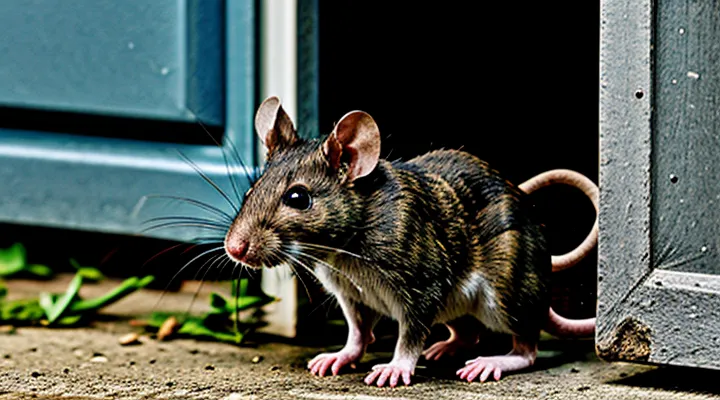
Defining Muriphobia
What is Muriphobia?
Muriphobia, also known as musophobia when it involves mice, designates an intense, persistent dread of rats and mice. It is classified as a specific phobia in diagnostic manuals, falling under the category of animal‑type phobias. The condition manifests when ordinary exposure to rodents triggers disproportionate anxiety, avoidance, or panic attacks.
Typical manifestations include rapid heartbeat, sweating, trembling, shortness of breath, and an overwhelming urge to flee the presence or even the thought of rodents. Behavioral signs often involve deliberate avoidance of areas where rodents may appear, such as basements, attics, or kitchens, and may extend to refusal to enter buildings with known infestations.
Key factors contributing to the development of muriphobia are:
- Traumatic encounters with rats or mice during childhood or adulthood.
- Observational learning, where fear is acquired by watching others react anxiously to rodents.
- Genetic predisposition to anxiety disorders.
- Cultural influences that portray rodents as disease carriers or symbols of uncleanliness.
Prevalence estimates suggest that a small but significant portion of the population experiences clinically relevant fear of rodents, with higher rates reported in urban environments where rodent sightings are more common.
Effective interventions comprise:
- Cognitive‑behavioral therapy (CBT) employing systematic desensitization or exposure techniques to reduce fear responses.
- Pharmacological support, such as selective serotonin reuptake inhibitors (SSRIs), when anxiety symptoms are severe.
- Relaxation training and mindfulness practices to manage physiological arousal during exposure.
Early identification and targeted treatment can prevent the escalation of muriphobia into broader avoidance behaviors that interfere with daily activities and occupational functioning.
Common Misconceptions
Musophobia, also known as suriphobia, is frequently misunderstood. Many people assume that the phobia is limited to a dislike of rodents, but the condition involves an intense, irrational dread that can trigger panic attacks, avoidance behavior, and physiological symptoms such as rapid heartbeat and sweating.
Common misconceptions include:
- The fear is merely a preference for cleanliness. The reaction is not a simple aversion to dirt; it is a specific anxiety disorder triggered by the presence or even the thought of rats and mice.
- Exposure to harmless rodents will quickly cure the condition. Gradual exposure may help some individuals, but success depends on professional guidance and varies widely.
- Only children develop the phobia. Adults can acquire musophobia after a traumatic encounter or through learned anxiety, and prevalence is comparable across age groups.
- The disorder is rare. Epidemiological studies indicate that rodent-related fear ranks among the more common specific phobias, affecting a significant portion of the population.
- Medication alone resolves the issue. Pharmacological treatment can alleviate symptoms, yet comprehensive therapy typically combines medication with cognitive‑behavioral techniques.
Understanding these inaccuracies prevents misdiagnosis and supports effective treatment strategies.
Symptoms of Muriphobia
Physical Symptoms
Rodent phobia, medically classified as musophobia, triggers a distinct set of somatic reactions when an individual encounters or anticipates contact with rats or mice. The autonomic nervous system activates, producing observable physical effects that can impair daily functioning.
- Rapid heartbeat (tachycardia) and palpitations
- Shortness of breath, hyperventilation, or a feeling of choking
- Sweating, especially on the palms, forehead, and upper body
- Tremors or shaking of the hands, legs, or entire body
- Nausea, abdominal discomfort, or vomiting
- Dizziness, light‑headedness, or a sense of faintness
- Muscle tension, particularly in the neck, shoulders, and jaw
- Cold, clammy skin or a sudden drop in peripheral temperature
- Pupil dilation (mydriasis) and blurred vision
These physiological responses arise from the fight‑or‑flight cascade, mediated by adrenaline and cortisol release. Persistent exposure to the trigger can reinforce the pattern, leading to heightened baseline anxiety and increased sensitivity to related stimuli. Early identification of these symptoms enables targeted interventions, such as cognitive‑behavioral therapy or exposure techniques, to mitigate the impact of rodent‑related fear.
Emotional and Psychological Symptoms
The specific phobia directed at rodents, commonly identified as musophobia, produces a distinct set of emotional and psychological reactions. Individuals experience intense dread when confronted with, or even anticipating, the presence of rats or mice. This dread manifests as persistent anxiety that interferes with daily functioning.
Typical psychological manifestations include:
- Heightened fear of encountering rodents in any environment.
- Intrusive thoughts centered on the possibility of infestation.
- Anticipatory anxiety that arises before entering spaces where rodents might be present.
- Avoidance of locations such as basements, kitchens, or outdoor areas known for rodent activity.
- Persistent feeling of unease that does not subside after the perceived threat is removed.
Emotional responses are equally pronounced. Affected persons often report:
- Sudden panic attacks triggered by visual or auditory cues related to rodents.
- Overwhelming sense of terror that can lead to trembling, sweating, and shortness of breath.
- Persistent feelings of helplessness and loss of control when the phobic stimulus is imagined.
These symptoms combine to create a chronic state of hypervigilance, where the mind remains on high alert for any sign of rats or mice, reinforcing the cycle of fear.
Behavioral Symptoms
Rodent phobia, clinically known as muriphobia, manifests through distinct behavioral patterns that differentiate it from general anxiety. Individuals typically avoid environments where rats or mice might appear, such as basements, attics, or agricultural settings. This avoidance can extend to refusing entry into buildings perceived as infested, even when evidence of infestation is absent.
Common observable actions include:
- Rapid departure from rooms or outdoor areas at the first sign of a rodent, regardless of actual danger.
- Repeated checking of doors, windows, and storage spaces for potential entry points, often accompanied by sealing or blocking attempts.
- Excessive cleaning rituals aimed at eliminating perceived contamination, such as scrubbing surfaces or disposing of food items prematurely.
- Reluctance to engage in activities that might expose one to rodents, including gardening, hiking, or dining in certain restaurants.
- Seeking reassurance from others about the presence or absence of rodents, frequently requesting verification or confirmation.
These behaviors reflect an underlying need to control perceived threats, often resulting in significant disruption to daily routines, social interactions, and occupational responsibilities.
Causes and Risk Factors
Traumatic Experiences
Musophobia, also known as muriphobia, describes an intense aversion to rats and mice. The condition appears in diagnostic manuals under specific phobias, characterized by persistent anxiety, avoidance behavior, and physiological reactions such as rapid heartbeat and sweating when confronted with the animals or related cues.
Traumatic experiences frequently trigger the development of this fear. Direct encounters that involve injury, disease transmission, or sudden attacks create strong negative memory traces. Observational learning, where a child witnesses a caregiver’s distress around rodents, reinforces the association. Repeated exposure to distressing media depictions can also embed fear responses without direct contact.
Key factors linking trauma to the phobia include:
- Early-life exposure to harmful rodent incidents
- Witnessing another person’s panic or injury involving rats or mice
- Chronic stress that heightens threat perception
- Genetic predisposition toward anxiety disorders
Assessment relies on clinical interviews and standardized questionnaires that quantify avoidance, fear intensity, and functional impairment. Treatment protocols combine cognitive‑behavioral techniques with exposure therapy. Strategies involve:
- Psychoeducation about the nature of the fear
- Gradual, controlled exposure to rodent‑related stimuli
- Cognitive restructuring to challenge catastrophic thoughts
- Relaxation training to manage physiological arousal
Successful intervention reduces avoidance, diminishes anxiety symptoms, and restores normal functioning in environments where rodents may be present.
Observational Learning
The fear of rats and mice constitutes a specific phobia of rodents, most often termed musophobia.
Observational learning describes the acquisition of responses through the observation of another’s behavior and its consequences. When a person watches a caregiver, peer, or media figure exhibit anxiety, avoidance, or verbal warnings about rodents, the observer records the association between rodents and danger.
The process unfolds through four stages:
- Attention – the observer focuses on the model’s reaction to rodents.
- Retention – the observer encodes the observed fear response in memory.
- Reproduction – the observer replicates the fear response when encountering rodents.
- Motivation – the observer maintains the response because it appears to protect against a perceived threat.
Repeated exposure to such modeled fear strengthens the neural pathways that underlie the phobic reaction, making the fear of rodents persistent even without direct negative experience.
Therapeutic interventions that aim to reduce musophobia must therefore target the learned components, for example by providing alternative models that display calm interaction with rodents or by employing systematic desensitization that replaces the observed fear pattern with a non‑threatening response.
Genetic Predisposition
Rodent phobia, clinically termed musophobia, is a specific anxiety disorder characterized by intense, irrational dread of rats and mice. Research indicates that susceptibility to this condition is not solely environmental; genetic factors contribute substantially to its development.
Twin studies reveal higher concordance rates for musophobia among monozygotic pairs than dizygotic pairs, suggesting heritability estimates between 30 % and 50 %. Family aggregation analyses demonstrate increased prevalence of the phobia in first-degree relatives of affected individuals, reinforcing the genetic component.
Key genetic findings include:
- Polymorphisms in the COMT gene, influencing dopamine metabolism, correlate with heightened fear responses to rodent stimuli.
- Variants of the BDNF gene, affecting neurotrophic signaling, are associated with altered amygdala reactivity during exposure to rat or mouse cues.
- SLC6A4 (serotonin transporter) alleles linked to broader anxiety disorders also show elevated frequency in musophobic cohorts.
Neuroimaging studies support these molecular associations, reporting hyperactivation of the amygdala and insular cortex in genetically predisposed individuals when confronted with rodent images. Epigenetic mechanisms, such as DNA methylation changes in stress‑response genes, may mediate the interaction between genetic risk and early life experiences.
Understanding the hereditary basis of rodent phobia informs diagnostic assessment, risk stratification, and personalized therapeutic approaches, including pharmacogenetic selection of anxiolytic agents and targeted exposure therapy.
Cultural and Societal Influences
Musophobia, also known as rodent phobia, denotes an intense, irrational aversion to rats and mice. The condition manifests as heightened anxiety, avoidance behavior, and physical symptoms when individuals encounter or anticipate contact with these animals.
Historical narratives embed rodents within symbolic frameworks that reinforce fear. Ancient Egyptian texts associate mice with disease, while Greek mythology portrays rats as agents of plague. Religious traditions frequently link rats to impurity, reinforcing negative perceptions across generations.
Literary works amplify the dread of rodents. Classical literature describes rats as harbingers of ruin; contemporary horror novels depict them as malevolent entities. Visual arts often portray rats in shadowy settings, reinforcing their association with danger and decay.
Modern media perpetuates rodent aversion through film, television, and advertising. Horror movies feature swarming rats as climactic threats; cartoons exaggerate squeaking sounds and rapid movements, establishing lasting visual cues that trigger fear responses.
Societal conditions further shape the phobia:
- Urban density increases visible rodent populations, elevating public awareness of infestation risks.
- Public health campaigns emphasize disease transmission, linking rats to leptospirosis, hantavirus, and historical plagues.
- Pest‑control legislation mandates extermination practices, normalizing aggressive removal and reinforcing negative attitudes.
- Economic disparities affect exposure levels; neighborhoods with limited sanitation infrastructure report higher rodent encounters, intensifying community fear.
Collectively, mythic heritage, artistic representation, media amplification, and contemporary urban realities converge to sustain and amplify the fear of rats and mice across cultures.
Impact on Daily Life
Social Isolation
Social isolation can intensify the anxiety associated with rodents. Individuals who lack regular interpersonal contact often experience heightened vigilance toward perceived threats, and small animals such as rats and mice become focal points for that vigilance. The absence of supportive relationships reduces opportunities for exposure to safe encounters with rodents, reinforcing avoidance behaviors.
Research indicates several mechanisms linking solitary living conditions to increased rodent fear:
- Heightened stress hormones amplify threat perception, making minor stimuli appear dangerous.
- Limited social modeling removes examples of calm reactions to rodents, preventing the development of coping strategies.
- Reduced access to shared spaces limits desensitization opportunities, preserving the novelty and unpredictability of rodent encounters.
Therapeutic approaches that address both phobic reactions and isolation tend to produce better outcomes. Interventions often combine gradual exposure to rodent-related cues with group-based activities that rebuild social networks, thereby lowering overall anxiety levels.
Understanding the interplay between solitary environments and rodent-specific phobia informs clinical assessment and treatment planning, ensuring that both the fear itself and its social context receive appropriate attention.
Impaired Functioning
Rodent phobia can disrupt normal activities, limiting personal and professional performance. Individuals may avoid environments where rats or mice might appear, such as public transportation, restaurants, or certain workplaces. This avoidance reduces exposure to opportunities, potentially hindering career advancement and social interaction.
Physical reactions often include rapid heartbeat, sweating, and shortness of breath, which interfere with concentration and decision‑making. When these symptoms arise during routine tasks, productivity declines and error rates increase. Repeated episodes may also lead to chronic stress, contributing to sleep disturbances and diminished immune response.
The disorder frequently impairs academic achievement. Students who fear rodents might skip laboratory sessions, field trips, or campus housing, resulting in missed instruction and lower grades. In severe cases, the fear extends to any location perceived as infested, restricting mobility and limiting access to essential services.
Management strategies that restore functional capacity include:
- Cognitive‑behavioral therapy focused on exposure and anxiety reduction.
- Pharmacological support for acute panic symptoms.
- Structured relaxation techniques to control physiological arousal.
Effective treatment restores confidence in previously avoided settings, allowing individuals to resume regular schedules and maintain performance standards.
Psychological Distress
The fear of rodents, commonly labeled musophobia or rodentophobia, falls under the DSM‑5 category of specific phobia. Diagnosis requires persistent, excessive fear triggered by the presence or anticipation of rats or mice, leading to immediate anxiety and an urge to escape.
Psychological distress manifests as intense apprehension, rapid heartbeat, sweating, and intrusive thoughts when rodents are encountered or imagined. The reaction often extends beyond the stimulus, producing generalized anxiety that interferes with routine activities.
Avoidance behavior may restrict travel, limit residence options, and impede occupational duties that involve laboratory work or pest control. Studies report higher rates of depressive symptoms and social isolation among individuals with this phobia.
Assessment typically involves a structured clinical interview, the Fear of Rodents Questionnaire, and, when appropriate, physiological monitoring such as heart‑rate variability during exposure to rodent‑related cues.
Effective interventions include:
- Cognitive‑behavioral therapy focused on restructuring catastrophic beliefs.
- Gradual exposure, progressing from imagined scenarios to controlled real‑world contact.
- Pharmacotherapy with selective serotonin reuptake inhibitors or benzodiazepines for acute symptom relief.
- Mindfulness‑based stress reduction to lower baseline arousal.
Combination of exposure techniques with cognitive restructuring yields the most reliable reduction in fear intensity and associated distress.
Diagnosis of Muriphobia
Professional Assessment
Musophobia, also termed rodent phobia, is classified in the DSM‑5 as a Specific Phobia, Animal type. The disorder manifests as an excessive, persistent fear of rats and mice that provokes immediate anxiety and leads to avoidance of situations where rodents may be present. Diagnosis requires that the fear be disproportionate to actual danger, cause significant distress or functional impairment, and endure for at least six months.
Professional assessment combines several instruments. A structured clinical interview establishes the history of the fear, its onset, and impact on daily activities. Standardized questionnaires such as the Fear Survey Schedule–III and the Specific Phobia Questionnaire quantify severity. Behavioral observation during simulated exposure tasks records avoidance patterns and physiological responses (heart rate, skin conductance). In complex cases, a psychophysiological assessment may supplement self‑report data.
Epidemiological surveys indicate that musophobia affects roughly 2–7 % of adults, with higher prevalence among individuals with a broader anxiety disorder profile. The condition shows no consistent gender disparity but may be more common in urban populations where rodent encounters are frequent.
Evidence‑based interventions focus on cognitive‑behavioral techniques. Primary modalities include:
- Graduated exposure therapy, progressing from imagined scenarios to real‑world contact with rodents.
- Systematic desensitization, pairing relaxation training with incremental exposure.
- Cognitive restructuring, challenging irrational beliefs about rodent danger.
Adjunct pharmacotherapy (e.g., selective serotonin reuptake inhibitors) is reserved for cases with comorbid anxiety or when exposure alone yields insufficient symptom reduction. Treatment outcomes are measured by post‑intervention scores on the same questionnaires used for initial assessment, with remission defined as a below‑threshold rating on both fear intensity and avoidance behavior.
Diagnostic Criteria
Rodent phobia, also known as musophobia, is classified as a specific phobia in the DSM‑5. Diagnosis requires that all of the following conditions be met:
- Marked fear or anxiety about encountering rats, mice, or other rodents, which is disproportionate to the actual danger.
- Immediate panic‑type reaction upon exposure to the stimulus, or strong anticipation of such exposure.
- Persistent avoidance of situations where rodents might be present, or enduring the situation with intense distress.
- The fear, anxiety, or avoidance causes clinically significant distress or impairment in social, occupational, or other important areas of functioning.
- The pattern has been present for at least six months, or is expected to persist for a comparable duration.
- The reaction is not better explained by another mental disorder, such as obsessive‑compulsive disorder, post‑traumatic stress disorder, or a mood disorder.
These criteria ensure that the condition is distinguished from transient discomfort and from other anxiety‑related diagnoses.
Treatment and Management
Cognitive Behavioral Therapy (CBT)
Cognitive Behavioral Therapy (CBT) is a structured, time‑limited approach that targets maladaptive thoughts and behaviors. In the context of a rodent‑related phobia, CBT combines several evidence‑based techniques to reduce anxiety and improve functional coping.
The treatment typically follows these steps:
- Assessment: Clinician gathers detailed history of the fear, identifies triggers, and measures severity with standardized scales.
- Psychoeducation: Patient learns how thoughts, feelings, and physical reactions interact, establishing a framework for change.
- Cognitive restructuring: Automatic catastrophizing thoughts (“rats will bite me”) are examined, challenged, and replaced with realistic alternatives.
- Gradual exposure: Hierarchical list of feared situations (seeing a picture of a mouse, hearing rodent sounds, entering a basement) is created. Patient confronts each item repeatedly, starting with the least threatening, until anxiety diminishes.
- Skills training: Relaxation, breathing control, and coping statements are practiced to manage physiological arousal during exposure.
- Relapse prevention: Patient develops a maintenance plan, including periodic self‑exposure and monitoring of thought patterns.
Research shows that CBT with exposure components yields significant reduction in rodent phobia symptoms, often surpassing medication alone. Success rates increase when sessions are delivered by therapists trained in anxiety disorders and when patients adhere to home practice assignments.
Potential obstacles include avoidance of exposure tasks, comorbid conditions, and limited access to qualified providers. Strategies such as virtual reality simulations and guided self‑help modules can mitigate these barriers, allowing broader implementation of CBT for this specific fear.
Exposure Therapy
Rodent phobia, often labeled musophobia or muriphobia, triggers intense anxiety when individuals encounter rats or mice. Exposure therapy addresses this condition by systematically reducing the fear response through controlled contact with the feared stimulus.
The therapeutic process follows a graduated hierarchy:
- Imaginal exposure: Patients visualize rats or mice while practicing relaxation techniques.
- In‑vivo exposure: Gradual interaction begins with pictures, progresses to videos, then to observing live rodents in a secure environment, and finally to direct handling under supervision.
- Interoceptive exposure: Clients confront bodily sensations (e.g., increased heart rate) associated with the fear, learning to tolerate them without avoidance.
Key components ensure effectiveness:
- Assessment: Identify specific triggers, severity, and avoidance patterns.
- Psychoeducation: Explain the conditioning mechanisms that maintain the phobia.
- Structured sessions: Maintain consistent duration and frequency, typically weekly for 8–12 weeks.
- Response prevention: Prohibit safety behaviors that reinforce anxiety.
- Progress monitoring: Use standardized scales (e.g., Fear of Rats Questionnaire) to track symptom reduction.
Research demonstrates that repeated, predictable exposure diminishes amygdala activation and strengthens prefrontal regulation, resulting in lasting attenuation of rodent‑related fear. Properly administered, exposure therapy offers a reliable pathway to reclaim safety and functional freedom for individuals afflicted by this specific animal phobia.
Medication
Medication for rodent‑related anxiety includes several pharmacologic classes. Selective serotonin reuptake inhibitors (e.g., sertraline, fluoxetine) are first‑line agents; they raise serotonin levels, reducing persistent fear responses. Typical daily doses start at low milligrams and increase gradually under physician supervision. Common adverse effects are nausea, insomnia, and sexual dysfunction; discontinuation syndrome may occur if stopped abruptly.
Serotonin‑norepinephrine reuptake inhibitors (e.g., venlafaxine, duloxetine) provide an alternative when SSRIs are ineffective. They act on both serotonin and norepinephrine pathways, offering broader anxiolytic coverage. Side‑effects include elevated blood pressure, dizziness, and sweating. Monitoring blood pressure is recommended during titration.
Benzodiazepines (e.g., clonazepam, lorazepam) deliver rapid symptom relief by enhancing GABA activity. They are suitable for acute spikes of fear but carry risks of tolerance, dependence, and cognitive impairment. Short‑term use, typically a few weeks, is advised.
Beta‑adrenergic blockers (e.g., propranolol) attenuate peripheral symptoms such as tachycardia and tremor. They are useful for performance‑related anxiety during exposure exercises. Contraindications include asthma and certain cardiac conditions; dosage adjustments may be necessary for older adults.
When prescribing, clinicians evaluate medical history, potential drug interactions, and patient preference. Combining medication with cognitive‑behavioral techniques, such as systematic desensitization, yields higher remission rates than pharmacotherapy alone. Regular follow‑up appointments assess efficacy, side‑effect burden, and the need for dosage modification.
Relaxation Techniques
Musophobia, the specific phobia of rodents such as rats and mice, triggers intense anxiety that can impair daily functioning. Effective management relies on systematic reduction of physiological arousal and cognitive restructuring, both achievable through targeted relaxation methods.
Relaxation techniques lower sympathetic activation, diminish the fight‑or‑flight response, and create a mental environment conducive to confronting feared stimuli. Regular practice builds tolerance to anxiety cues, enabling gradual exposure without overwhelming distress.
- Diaphragmatic breathing – slow, deep inhalations through the nose followed by controlled exhalations, repeated for several minutes.
- Progressive muscle relaxation – sequential tensing and releasing of major muscle groups, fostering awareness of tension patterns.
- Guided imagery – visualization of safe, calm scenes while maintaining steady respiration, redirecting focus from the phobic trigger.
- Mindfulness meditation – non‑judgmental observation of thoughts and bodily sensations, reducing reactivity to intrusive fear thoughts.
- Autogenic training – self‑suggested statements about warmth and heaviness in body parts, promoting a sense of physical calm.
- Body‑scan meditation – systematic attention to each body region, identifying and releasing subtle stress accumulations.
Consistent application, preferably twice daily for 10–15 minutes, enhances efficacy. Begin sessions in a quiet, distraction‑free setting; progress to brief exposure exercises while maintaining the chosen relaxation anchor. Consultation with a licensed therapist ensures individualized adaptation and integration with cognitive‑behavioral strategies.
Support Groups
Support groups for individuals who experience a pronounced aversion to rodents provide a structured environment where participants can share experiences, learn coping strategies, and receive validation from peers who understand the intensity of the fear. These groups typically operate under the guidance of mental‑health professionals trained in anxiety‑disorder treatment, ensuring that discussions remain focused on evidence‑based techniques such as exposure therapy, cognitive restructuring, and relaxation training.
Common formats include:
- In‑person meetings held at community health centers or therapist offices, scheduled weekly or bi‑weekly.
- Virtual sessions conducted via secure video platforms, allowing participants to join from any location.
- Hybrid models that combine occasional face‑to‑face gatherings with regular online check‑ins.
- Self‑help forums moderated by clinicians, offering asynchronous discussion threads and resource libraries.
Benefits reported by members encompass reduced isolation, increased motivation to confront avoidance behaviors, and access to practical tools such as graded exposure plans and anxiety‑tracking worksheets. Group members often exchange referrals to qualified specialists, enabling seamless transition from peer support to individualized therapy when needed.
To join a suitable network, individuals should search for terms like “rodent phobia support,” consult local mental‑health clinics, or explore national anxiety‑disorder associations that list certified groups. Verifying the facilitator’s credentials and reviewing group guidelines before participation helps ensure a safe, confidential, and productive environment.
Living with Muriphobia
Coping Strategies
Musophobia, the intense fear of rodents such as rats and mice, can disrupt daily activities and trigger severe anxiety. Effective management combines psychological techniques, pharmacological support, and practical adjustments to the living environment.
- Cognitive‑behavioral therapy (CBT) restructures irrational thoughts about rodents, replacing catastrophic predictions with realistic assessments.
- Systematic desensitization pairs gradual exposure to rodent‑related cues with relaxation exercises, reducing physiological arousal over repeated sessions.
- Virtual‑reality simulations provide controlled, incremental exposure when live animals are unavailable or impractical.
- Mindfulness‑based stress reduction teaches attention‑focusing and breath control, lowering baseline anxiety before confronting feared stimuli.
- Prescription of selective serotonin reuptake inhibitors or benzodiazepines may alleviate acute panic symptoms, pending psychiatric evaluation.
- Environmental modifications, such as sealing entry points and maintaining a clean, rodent‑free home, diminish accidental encounters that reinforce fear.
- Participation in support groups offers peer validation and shared coping tactics, fostering resilience through collective experience.
Successful treatment typically integrates several of these strategies under professional supervision, tailoring intensity and duration to the individual’s severity level and response patterns. Continuous monitoring ensures progress, adjusts interventions, and prevents relapse.
Seeking Professional Help
Musophobia, also known as rodent phobia, involves intense anxiety when encountering or even thinking about rats or mice. The condition can trigger rapid heartbeat, sweating, shortness of breath, and avoidance of environments where rodents may appear.
Professional intervention becomes necessary when symptoms interfere with work, education, social activities, or personal safety. Indicators include frequent panic attacks, inability to enter basements, kitchens, or public transit, and persistent thoughts about rodents that disrupt concentration.
Steps to obtain qualified assistance:
- Locate a mental‑health provider with experience in specific phobias; search directories, referrals, or professional association listings.
- Schedule an initial assessment to confirm the diagnosis and evaluate severity.
- Discuss evidence‑based treatments such as cognitive‑behavioral therapy, systematic desensitization, or exposure therapy; ask about the therapist’s protocol and duration.
- Inquire whether pharmacological support (e.g., selective serotonin reuptake inhibitors or beta‑blockers) is appropriate for short‑term symptom relief.
- Agree on a treatment schedule, progress markers, and contingency plans for setbacks.
During the first session, expect the clinician to gather a detailed history, identify triggers, and outline a personalized plan. Regular attendance and active participation in assigned exercises increase the likelihood of symptom reduction within weeks to months. If progress stalls, request a review of the therapeutic approach or a referral to a specialist.