
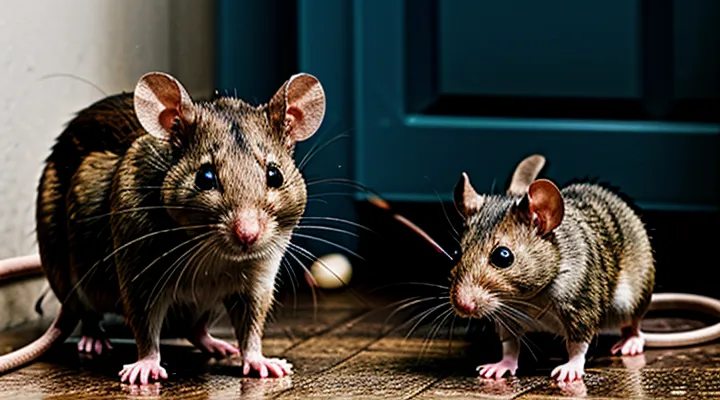
What Is Musophobia?
Defining the Specific Phobia
The intense, persistent dread of rodents, particularly mice and rats, is clinically identified as musophobia when directed at mice and muriphobia when focused on rats. Both conditions fall under the broader classification of «specific phobia», a mental‑health disorder characterized by disproportionate fear of a distinct object or situation.
According to diagnostic criteria, a «specific phobia» requires:
- Marked anxiety triggered by the presence or anticipation of the feared animal;
- Immediate physiological response, such as elevated heart rate, sweating, or trembling;
- Recognition that the fear is excessive relative to the actual danger;
- Avoidance behavior that interferes with daily activities;
- Persistence of symptoms for six months or longer;
- Absence of another mental disorder that better explains the reaction.
Individuals with musophobia or muriphobia often experience avoidance of environments where rodents may appear, including basements, kitchens, or outdoor spaces. The anxiety may extend to visual or auditory cues, such as pictures of rodents or the sound of squeaking.
Effective interventions include cognitive‑behavioral therapy with exposure techniques, which gradually diminish fear responses, and pharmacological options such as selective serotonin reuptake inhibitors for symptom relief. Early identification and structured treatment improve functional outcomes and reduce the risk of chronic impairment.
Distinguishing from General Aversion
The specific fear of mice and rats constitutes a recognized phobia rather than a simple dislike of rodents. This condition, medically termed «musophobia», involves intense anxiety, avoidance behavior, and physiological responses triggered by the mere presence or thought of these animals. In contrast, a general aversion reflects a mild, rational discomfort without the debilitating symptoms characteristic of a phobia.
Key distinctions include:
- Intensity of emotional reaction – Phobic response produces panic, trembling, or nausea; aversion yields only mild unease.
- Scope of avoidance – Individuals with the phobia may refuse to enter rooms, refuse to eat foods that might contain rodent traces, and seek professional treatment; those with aversion may simply keep a distance.
- Psychological pattern – Phobia is persistent, often irrational, and may develop without prior negative experience; aversion typically stems from learned, logical concerns such as hygiene.
- Impact on daily functioning – Phobic symptoms can interfere with work, travel, and social activities; aversion does not impair routine tasks.
Understanding these differences guides appropriate diagnosis and intervention, ensuring that treatment targets the pathological fear rather than a normal, manageable discomfort.
Symptoms of Musophobia
Psychological and Emotional Responses
The fear of rodents, clinically termed «musophobia», triggers a distinct set of psychological and emotional reactions. Individuals experience intense anxiety that arises rapidly upon visual, auditory, or olfactory cues associated with mice or rats. This anxiety often escalates into panic, characterized by a sudden surge of dread and loss of control.
Physiological manifestations accompany the emotional response. Common signs include accelerated heart rate, trembling, hyperventilation, and sweating. These somatic symptoms reinforce the fear cycle, prompting avoidance of environments where rodents might be present.
Cognitive patterns further sustain the condition. Overestimation of danger, catastrophizing potential encounters, and persistent intrusive thoughts dominate mental processing. Such distortions amplify perceived threat and limit rational assessment of risk.
Behavioral outcomes reflect the underlying emotional state. Typical actions comprise:
- Immediate retreat from locations suspected of harboring rodents
- Rigorous cleaning routines aimed at eliminating perceived infestations
- Reluctance to engage in activities involving basements, attics, or agricultural settings
Comorbidity with other anxiety disorders, such as specific phobias or generalized anxiety, frequently occurs, intensifying overall distress. Treatment approaches target the emotional and cognitive components through exposure therapy, cognitive restructuring, and, when appropriate, pharmacological support.
Physical Manifestations
Physical manifestations of the fear of rodents emerge from activation of the sympathetic nervous system. The body responds with measurable changes that signal acute anxiety.
Typical signs include:
- Elevated heart rate and palpitations.
- Profuse sweating, particularly on the palms and forehead.
- Tremor or shaking of the hands and limbs.
- Shortness of breath or rapid, shallow breathing.
- Nausea, stomach upset, or a feeling of tightness in the chest.
- Dizziness or light‑headedness, sometimes leading to faintness.
- Muscle tension, especially in the neck and shoulders.
These responses can intensify during direct exposure to mice or rats, or even when anticipating their presence. In severe cases, the physiological surge may trigger a full panic attack, characterized by overwhelming fear, loss of control, and the urge to flee the environment. The observable nature of these symptoms enables clinicians to differentiate rodent‑related phobia from generalized anxiety disorders and to tailor appropriate therapeutic interventions.
Behavioral Reactions
Individuals who experience intense aversion to rodents exhibit a distinct set of behavioral responses. These reactions are triggered by visual, auditory, or tactile cues associated with mice or rats and often persist despite rational awareness of the low actual threat.
Typical observable actions include:
- Immediate withdrawal from the source of the stimulus, often accompanied by rapid stepping backward or turning away.
- Physical avoidance of environments where rodents are likely to appear, such as basements, attics, or agricultural settings.
- Hypervigilance, manifested as frequent scanning of the surrounding area for signs of movement.
- Startle reflexes, characterized by sudden flinching or jerking motions when a rodent is unexpectedly sighted.
- Escape behaviors, ranging from sprinting to seeking refuge behind doors, furniture, or other barriers.
Physiological correlates frequently accompany these behaviors, such as accelerated heart rate, sweating, and heightened respiratory frequency. In severe cases, individuals may experience panic attacks, resulting in disorientation, trembling, and an overwhelming urge to flee the vicinity.
Coping strategies employed by affected persons often involve preemptive measures, including the use of rodent repellents, installation of sealed barriers, and reliance on third‑party assistance for pest control. Cognitive‑behavioral interventions aim to diminish avoidance patterns by gradually exposing individuals to controlled, low‑intensity rodent cues, thereby reducing the automatic fear response.
Causes and Risk Factors
Traumatic Experiences
The fear of rodents, medically classified as musophobia for mice and suriphobia for rats, often originates from traumatic encounters. A single painful bite, a sudden infestation, or witnessing a rodent causing injury can embed a lasting emotional imprint. The brain’s amygdala records the distress, linking the animal’s presence with danger, which later triggers an automatic anxiety response.
Key mechanisms behind such phobias include:
- Classical conditioning: a neutral stimulus (a mouse) paired with an aversive event (pain, shock) becomes a trigger for fear.
- Observational learning: witnessing another person’s panic or injury involving a rodent reinforces the association.
- Memory consolidation: intense emotional arousal during the incident strengthens neural pathways, making recall vivid and persistent.
Common symptoms manifest when a rodent is sighted or even imagined:
- Rapid heartbeat, sweating, trembling.
- Shortness of breath, choking sensation.
- Urge to flee or immobilization.
Therapeutic approaches targeting trauma‑derived rodent phobia focus on exposure, cognitive restructuring, and stress‑inoculation techniques. Gradual, controlled exposure to images or live rodents diminishes the conditioned fear response. Cognitive strategies challenge catastrophic beliefs, replacing them with realistic assessments. Stress‑inoculation training equips individuals with coping skills to manage physiological arousal during unavoidable encounters.
Successful treatment often requires collaboration between mental‑health professionals and medical practitioners to address both psychological and physiological components of the fear.
Observational Learning
Observational learning, a process whereby individuals acquire new behaviors by watching others, explains how the specific phobia of rodents can develop without direct experience. When a person repeatedly observes another’s anxious reactions to mice or rats—such as startled movements, vocal expressions of distress, or avoidance—the observer internalizes these responses as appropriate cues for danger. The observer’s nervous system registers the observed emotional state, leading to the formation of a conditioned fear response toward the animal.
Key mechanisms involved in this acquisition include:
- Attention to the model’s behavior, especially when the model is perceived as knowledgeable or authoritative.
- Retention of the observed reaction in memory, allowing later retrieval when a rodent is encountered.
- Replication of the response, manifested as heightened vigilance, physiological arousal, or avoidance.
- Reinforcement through social feedback, where others validate the fear, strengthening its persistence.
Experimental evidence demonstrates that children who watch adults exhibit fear toward a harmless mouse develop comparable anxiety, even when the animal poses no real threat. This pattern extends to adults who witness peers display terror in laboratory settings; the observers subsequently report increased discomfort and avoidance of similar stimuli.
Therapeutic interventions exploit the reverse of this process. Controlled exposure models, in which a calm, non‑fearful individual interacts with rodents, provide a corrective observational template. By repeatedly observing a relaxed response, the observer can overwrite the previously acquired fear association, reducing the intensity of the phobia over time.
Genetic Predisposition
Genetic predisposition refers to inherited biological factors that increase the likelihood of developing a specific phobia, such as the intense fear of mice and rats often termed musophobia. Twin and family studies reveal higher concordance rates among monozygotic twins compared with dizygotic pairs, indicating a heritable component. Genome‑wide association analyses have identified several loci related to anxiety‑related traits that also correlate with rodent‑specific fear responses.
Key genetic mechanisms include:
- Polymorphisms in the serotonin transporter gene (5‑HTTLR) that modulate serotonergic signaling and heighten threat perception.
- Variants of the COMT gene influencing dopamine metabolism, affecting emotional regulation under stress.
- Alterations in the BDNF gene that impact neural plasticity within the amygdala and hippocampus, regions central to fear conditioning.
Epigenetic modifications, such as DNA methylation patterns triggered by early‑life stress, can amplify the expression of these genetic risk factors, leading to heightened sensitivity to rodent cues. Consequently, individuals with a familial history of anxiety disorders exhibit a statistically significant increase in the prevalence of musophobia, underscoring the interplay between inherited DNA sequences and environmental influences.
Cultural and Societal Influences
The fear of mice and rats, clinically identified as «musophobia» or «muriphobia», persists across societies due to deep‑rooted cultural narratives and collective experiences.
Historical religious texts often associate rodents with impurity and disease, reinforcing aversion through doctrinal teachings. Ancient mythologies portray rats as omens of disaster, embedding negative symbolism in communal memory.
Literature and visual media amplify the phobia by depicting rodents as threats or grotesque antagonists. Horror films and cartoons regularly exploit the animal’s rapid movements and nocturnal habits, creating vivid associations between rodents and danger.
Public health campaigns emphasize rodents as vectors of plague and sanitation hazards, linking fear to practical concerns about disease transmission. Urban development intensifies exposure to rodent infestations, prompting municipal policies that prioritize eradication and control, thereby normalizing fear as a protective response.
Cross‑cultural surveys reveal variation in intensity and expression of the phobia:
- Societies with agricultural traditions report heightened sensitivity due to crop damage.
- Regions with strong folklore featuring rats as tricksters exhibit amplified mythic fear.
- Communities prioritizing cleanliness and pest‑free environments demonstrate institutional reinforcement of the aversion.
These cultural and societal factors collectively shape the prevalence and manifestation of rodent‑related fear, sustaining its relevance in contemporary attitudes toward mice and rats.
Impact on Daily Life
Social Implications
The fear of rodents, clinically identified as «musophobia», affects a notable segment of the population and generates measurable social consequences. Individuals experiencing this phobia often avoid environments where mice or rats may be present, influencing residential choices and interpersonal interactions.
Social stigma emerges when affected persons are perceived as irrational or overly cautious. This perception can lead to exclusion from communal activities, reduced participation in shared housing, and strained relationships with peers who lack awareness of the condition.
Public health strategies incorporate rodent control measures that intersect with mental‑health considerations. Funding allocations for pest‑management programs increasingly include provisions for counseling services, recognizing that untreated phobia may hinder cooperation with eradication efforts.
Workplace policies address safety and productivity by offering reasonable accommodations, such as modified workspaces free from rodent exposure and access to employee assistance programs. Compliance with occupational health regulations ensures that fear‑related impairments do not compromise operational standards.
Cultural narratives perpetuate attitudes toward rodent fear through media portrayals and folklore. These representations shape public opinion, reinforcing negative stereotypes and affecting policy discourse.
Key social implications:
- Heightened avoidance of shared living spaces
- Increased demand for mental‑health resources linked to pest control
- Implementation of workplace accommodations under health‑safety regulations
- Influence of media depictions on public perception and legislative priorities
Occupational Challenges
Musophobia, the specific phobia of rodents, creates distinct occupational challenges across several sectors. In laboratory environments, technicians handling animal models must confront anxiety that can impair precision in procedures such as cage cleaning, sample collection, and equipment sterilization. Failure to manage this fear may increase error rates, compromise data integrity, and elevate injury risk.
Pest‑control professionals encounter rodents routinely. Fear can limit willingness to enter infested structures, delay interventions, and reduce overall effectiveness. Companies often require psychological screening and provide coping‑strategy training to maintain service continuity.
Veterinary staff treating small mammals must perform examinations, surgeries, and euthanasia. Musophobic practitioners may experience heightened stress, leading to reduced patient handling proficiency and potential occupational burnout.
Food‑processing facilities employ workers in areas where rodents are a contamination threat. Employees with rodent phobia may avoid inspection zones, hindering compliance with safety standards and increasing the likelihood of regulatory violations.
Warehouse and storage personnel handling shipments containing live or dead rodents confront similar anxieties. Persistent fear can diminish productivity and elevate turnover, prompting managers to implement accommodation measures such as task reassignment or exposure‑therapy programs.
Key mitigation strategies include:
- Mandatory training on desensitization techniques.
- Access to mental‑health resources specializing in specific phobias.
- Flexible job design allowing reassignment away from direct rodent contact.
- Use of protective barriers and remote‑handling tools to reduce exposure.
Employers who integrate these measures reduce risk of performance degradation, safeguard workplace safety, and sustain operational efficiency despite the prevalence of rodent‑related fear.
Personal Well-being
The fear of small rodents, clinically identified as «musophobia» or «muriphobia», manifests as intense anxiety when encountering mice or rats. Symptoms include rapid heartbeat, sweating, and avoidance behavior, which can disrupt routine activities and sleep patterns.
Physiological stress responses triggered by this phobia elevate cortisol levels, impairing immune function and increasing susceptibility to illness. Persistent avoidance may limit social interactions, reduce exposure to outdoor environments, and diminish overall life satisfaction.
Effective interventions include:
- Cognitive‑behavioral therapy focused on restructuring threat perceptions.
- Gradual exposure exercises conducted under professional guidance.
- Relaxation techniques such as diaphragmatic breathing and progressive muscle relaxation.
- Environmental modifications that minimize rodent visibility, for example sealing entry points and maintaining cleanliness.
Addressing the phobic response restores autonomic balance, enhances emotional resilience, and promotes healthier lifestyle choices. Reduction of fear‑induced stress correlates with improved mood stability and greater capacity to engage in daily responsibilities.
Diagnosis and Assessment
Clinical Criteria for Specific Phobias
Musophobia, the intense fear of mice and rats, falls under the diagnostic category of specific phobia, a disorder characterized by persistent, excessive anxiety triggered by a distinct object or situation.
The diagnostic framework requires the presence of all the following elements:
- Marked fear or anxiety when encountering rodents or even thinking about them.
- Immediate anxiety response that is disproportionate to the actual danger.
- Recognition that the fear is unreasonable or excessive.
- Avoidance or endureance of the stimulus accompanied by marked distress.
- The fear, avoidance, or distress persists for six months or longer.
- The condition causes clinically significant impairment in social, occupational, or other important areas of functioning.
Assessment involves clinical interview, standardized questionnaires, and, when appropriate, behavioral observation. The disorder must be distinguished from other anxiety conditions, obsessive‑compulsive disorder, and post‑traumatic stress disorder, which may present with overlapping symptoms but differ in focus and etiology.
Self-Assessment Tools
Self‑assessment instruments enable individuals to identify a specific aversion to rodents without professional consultation. The condition, commonly referred to as musophobia, is measured through standardized questionnaires, brief screening scales, and digital questionnaires designed for rapid evaluation.
The most frequently employed tools include:
- The « Rodent Phobia Inventory » — a 20‑item self‑report measure that rates fear intensity on a five‑point Likert scale.
- The « Specific Phobia Screening Questionnaire » — a concise form covering multiple animal phobias; a high score on the rodent items suggests musophobia.
- Online platforms such as « PhobiaCheck » — interactive assessments that generate an immediate risk profile based on user responses.
- Mobile applications offering brief quizzes and symptom trackers, allowing users to monitor fluctuations in fear levels over time.
Each instrument provides a quantitative score indicating severity, from mild discomfort to debilitating anxiety. Scores can guide decisions about seeking professional evaluation, selecting appropriate therapeutic interventions, or tracking progress during self‑directed exposure exercises.
Professional Evaluation
The fear of mice and rats, identified in clinical literature as «musophobia» or «rodentophobia», falls under the DSM‑5 category of specific phobia. Classification requires a persistent, excessive fear of the animal, accompanied by avoidance behavior, marked distress, and functional impairment lasting at least six months.
Professional assessment begins with a structured clinical interview to confirm diagnostic criteria and rule out comorbid conditions. Standardized instruments frequently employed include:
- Fear Survey Schedule–III (FSS‑III)
- Specific Phobia Questionnaire (SPQ)
- Beck Anxiety Inventory (BAI)
Behavioral observation during controlled exposure tasks provides objective data on avoidance and physiological response. Supplemental measures such as heart‑rate monitoring or skin‑conductance recording quantify autonomic arousal.
Diagnostic thresholds demand that the fear be recognized as unreasonable by the clinician, that it provoke immediate anxiety, and that it result in significant impairment in occupational, social, or other important areas of functioning. Absence of similar symptoms in other anxiety disorders, obsessive‑compulsive disorder, or post‑traumatic stress disorder must be verified.
Evidence‑based treatment protocols prioritize cognitive‑behavioral therapy with graded exposure, allowing gradual desensitization to rodent stimuli. Adjunctive pharmacotherapy, typically selective serotonin reuptake inhibitors, may be indicated for severe cases or when comorbid anxiety hampers therapeutic progress. Ongoing evaluation through repeated questionnaire administration and behavioral testing monitors treatment efficacy and guides adjustments.
Treatment Options for Musophobia
Cognitive Behavioral Therapy «CBT»
Musophobia, the specific phobia of mice and rats, commonly triggers intense anxiety and avoidance behaviors. Effective intervention frequently relies on structured psychotherapy that targets maladaptive thought patterns and behavioral responses.
«CBT» addresses musophobia through three interrelated phases. First, psychoeducational sessions clarify the nature of anxiety, physiological arousal, and the role of irrational beliefs. Second, cognitive restructuring challenges catastrophizing thoughts such as “all rodents will harm me,” replacing them with realistic appraisals. Third, systematic exposure gradually desensitizes the individual by confronting the feared stimulus in controlled settings, progressing from imagined scenarios to direct contact with live rodents.
Key steps in a typical CBT protocol for rodent phobia include:
- Identification of trigger cues and associated automatic thoughts.
- Development of a hierarchy of exposure tasks, ranging from viewing pictures to handling a mouse.
- Implementation of relaxation techniques (e.g., diaphragmatic breathing) to manage acute anxiety during exposure.
- Monitoring of thought records to track cognitive shifts and reinforce adaptive interpretations.
- Regular review of progress, with adjustments to the exposure hierarchy as tolerance increases.
Empirical studies consistently demonstrate that participants completing a full course of «CBT» experience significant reductions in fear intensity, avoidance, and physiological reactivity. Long‑term follow‑up indicates sustained improvement, underscoring the therapy’s durability and its status as a first‑line treatment for rodent‑related phobias.
Exposure Therapy
Musophobia, the specific phobia of mice and rats, generates intense anxiety when individuals encounter or anticipate these rodents. Exposure therapy addresses this condition by systematically confronting the feared stimulus, thereby weakening the conditioned fear response.
The therapeutic process follows a structured sequence:
- Initial assessment identifies the severity of the phobia and establishes baseline anxiety levels.
- A fear hierarchy ranks situations involving rodents from least to most distressing.
- Gradual exposure proceeds according to the hierarchy, beginning with minimal contact (e.g., viewing photographs) and advancing to direct interaction (e.g., handling a live mouse).
- Repeated sessions reinforce habituation, allowing the autonomic response to diminish.
- Progress is monitored through self‑report scales and physiological measures, ensuring adaptation of the exposure plan.
In‑vivo exposure, where real rodents are presented, yields the highest success rates for musophobia. Imaginal exposure, involving vivid mental imagery, serves as an adjunct when direct contact is impractical. Virtual‑reality simulations provide a controlled environment that bridges the gap between imagined and real exposure.
Empirical studies report remission rates of 70 %–90 % for specific rodent phobias treated with exposure protocols. Adverse effects are limited to temporary discomfort; systematic desensitization mitigates risk of heightened anxiety. Professional guidelines recommend integrating exposure therapy with cognitive restructuring to address maladaptive beliefs about rodents.
«Exposure therapy is a well‑established technique for specific phobias», confirms the consensus of leading anxiety‑disorder specialists. Implementing the outlined steps offers a reliable pathway to reduce fear of mice and rats and to restore functional interaction with environments where rodents may appear.
Medication
Musophobia, the clinical term for an intense fear of mice and rats, can be managed with pharmacotherapy when exposure‑based therapies alone are insufficient.
Commonly prescribed agents include:
- Selective serotonin reuptake inhibitors (SSRIs) such as sertraline or fluoxetine, initiated at low doses and titrated to therapeutic levels.
- Benzodiazepines (e.g., clonazepam, alprazolam) for acute anxiety reduction, limited to short‑term use due to dependence risk.
- Beta‑adrenergic antagonists (e.g., propranolol) to mitigate peripheral symptoms of panic during exposure sessions.
- Antihistamines with sedative properties (e.g., hydroxyzine) for situational relief when rapid onset is required.
Prescribing guidelines emphasize gradual dose escalation, monitoring for adverse effects, and assessing contraindications such as cardiovascular disease, hepatic impairment, or concurrent psychotropic medication. Regular evaluation determines the necessity of continued pharmacological support versus transition to solely behavioral interventions.
Integration of medication with cognitive‑behavioral strategies enhances overall treatment efficacy, reducing avoidance behaviors and facilitating desensitization to rodent‑related stimuli.
Relaxation Techniques
Fear of rodents, classified as a specific phobia, triggers heightened autonomic activity. Effective reduction of this response relies on systematic relaxation methods that target muscle tension, breathing patterns, and mental focus.
- Diaphragmatic breathing: slow, deep inhalations through the nose, followed by controlled exhalations, lower heart rate and diminish panic signals.
- Progressive muscle relaxation: sequential tensing and releasing of major muscle groups, fosters awareness of physiological calm.
- Guided imagery: visualization of safe, tranquil scenes, redirects attention from threatening stimuli.
- Mindfulness meditation: non‑judgmental observation of breath and bodily sensations, interrupts automatic fear cycles.
- Autogenic training: self‑suggested statements of warmth and heaviness, induces a state of physical relaxation.
- Combined exposure with relaxation: gradual, controlled contact with rodent cues while maintaining the above techniques, strengthens coping confidence.
Regular practice of these strategies, preferably under professional guidance, cultivates resilience against rodent‑related anxiety and promotes sustained emotional equilibrium.
Support Groups
Musophobia, the clinical term for the fear of rodents such as mice and rats, often leads individuals to seek structured peer assistance. Support groups provide a regulated environment where participants share experiences, learn coping strategies, and receive encouragement from others facing similar anxieties.
Key characteristics of effective groups include:
- Regular meetings, typically weekly or bi‑weekly, to maintain continuity.
- Facilitators with professional training in anxiety disorders, ensuring accurate information and safe discussion.
- Confidentiality policies that protect personal disclosures.
- Structured activities, such as guided exposure exercises, cognitive‑behavioral techniques, and stress‑reduction practices.
- Resource sharing, including referrals to therapists, literature, and online tools.
Benefits reported by members encompass reduced isolation, increased confidence in confronting rodent triggers, and enhanced understanding of therapeutic methods. Both in‑person gatherings at community centers and virtual sessions via secure platforms are available, expanding accessibility for those with limited mobility or geographic constraints.
To locate a suitable group, individuals may:
- Consult mental‑health directories that list anxiety‑focused peer networks.
- Contact local hospitals or universities, which often host specialty support circles.
- Explore reputable online forums that moderate discussions on rodent‑related phobias.
- Inquire with national anxiety‑disorder associations for certified group listings.
Participation in a well‑organized support community complements professional treatment, fostering sustained progress toward managing musophobia.
Coping Strategies
Self-Help Approaches
Musophobia, the specific anxiety triggered by mice and rats, can be managed through structured self‑help techniques that target thoughts, physiological responses, and behavioral patterns.
Effective self‑help methods include:
- Cognitive restructuring: Identify irrational beliefs about rodents and replace them with realistic assessments.
- Gradual exposure: Begin with low‑intensity contact, such as viewing pictures, then progress to controlled interaction with live animals.
- Relaxation training: Practice diaphragmatic breathing, progressive muscle relaxation, or guided imagery to reduce acute tension during exposure.
- Systematic desensitization: Combine relaxation with stepwise exposure, maintaining a calm state while confronting increasingly challenging stimuli.
- Mindfulness meditation: Observe anxiety sensations without judgment, diminishing the automatic fear response.
- Self‑monitoring: Record triggers, intensity levels, and coping actions to track progress and adjust strategies.
When self‑directed efforts stall, consulting a mental‑health professional for cognitive‑behavioral therapy or pharmacological support may enhance outcomes. Regular practice of the outlined techniques fosters resilience and diminishes the impact of rodent‑related fear.
Building Resilience
The specific phobia concerning rodents, often labeled «musophobia», generates intense anxiety that can impair daily functioning. Resilience refers to the capacity to recover from stressors and maintain psychological stability despite recurring triggers.
Developing resilience against rodent‑related fear involves systematic modification of thought patterns, controlled exposure, physiological regulation, and social reinforcement. Each component targets a distinct aspect of the fear response, fostering adaptive coping mechanisms.
Key techniques include:
- Cognitive restructuring to challenge catastrophic interpretations of rodent encounters;
- Gradual exposure, beginning with visual stimuli and progressing to controlled physical proximity;
- Relaxation training such as diaphragmatic breathing and progressive muscle relaxation to diminish autonomic arousal;
- Routine physical activity to enhance overall stress tolerance;
- Structured support, including peer groups or professional counseling, to provide accountability and shared experience.
Implementation proceeds in stages. First, assess baseline anxiety levels using validated scales. Second, design an exposure hierarchy aligned with personal thresholds. Third, integrate relaxation exercises before each exposure session. Fourth, monitor progress through periodic reassessment, adjusting the hierarchy as tolerance increases. Finally, reinforce successes with positive feedback and encourage maintenance of healthy lifestyle habits.
Sustained application of these practices strengthens the individual’s ability to confront rodent cues without overwhelming distress, thereby converting fear into manageable discomfort and preserving functional autonomy.
Seeking Professional Help
Musophobia, the specific phobia of rodents, produces intense anxiety when individuals encounter or anticipate mice or rats. The condition interferes with daily activities, especially in environments where rodents may be present.
Professional intervention provides evidence‑based strategies that reduce fear responses and improve functional coping. Clinicians assess symptom severity, identify triggers, and design personalized treatment plans.
- Schedule an appointment with a licensed mental‑health provider experienced in anxiety disorders.
- Undergo a diagnostic interview to confirm the phobia and rule out related conditions.
- Participate in cognitive‑behavioral therapy, which may include exposure techniques and cognitive restructuring.
- Consider pharmacological support if symptoms persist despite psychotherapy, following a physician’s prescription.
Successful treatment often results in diminished physiological arousal, increased tolerance of rodent‑related situations, and restored quality of life. Regular follow‑up appointments ensure maintenance of therapeutic gains.
Living with Musophobia
Managing Triggers
Musophobia, also known as muriphobia, denotes an intense, irrational fear of mice and rats. The condition often manifests when individuals encounter specific cues that signal the presence of rodents.
Typical cues include the sight of a rodent, the sound of squeaking, the smell of droppings, and the awareness of infestation in a given environment. These cues act as triggers that provoke immediate anxiety, rapid heart rate, and avoidance behavior.
Effective management of triggers relies on systematic approaches:
- Gradual exposure to rodent‑related stimuli under controlled conditions, progressing from low‑intensity images to real‑world encounters.
- Cognitive restructuring to challenge exaggerated threat beliefs associated with rodents.
- Relaxation training, such as diaphragmatic breathing or progressive muscle relaxation, applied before and during exposure.
- Environmental modification to reduce accidental exposure, including sealed food storage, regular sanitation, and pest‑proof sealing of entry points.
- Use of protective gear (gloves, masks) when unavoidable contact with rodent habitats occurs.
Implementation of these measures in daily life reduces the frequency and intensity of trigger activation, facilitating long‑term desensitization and functional improvement for individuals affected by «musophobia».
Improving Quality of Life
The anxiety triggered by rodents is clinically identified as «musophobia», sometimes extended to include rats under the label «rat phobia». Classification places this condition among specific phobias, characterized by intense, irrational fear that arises on sight or anticipation of mice or rats.
Symptoms often manifest as avoidance of environments where rodents may appear, heightened physiological arousal, and persistent distress. Such reactions limit daily activities, disrupt sleep, and impair social participation, thereby reducing overall well‑being.
Effective measures to enhance life quality include:
- Cognitive‑behavioral therapy focused on gradual exposure and restructuring of threat perception.
- Pharmacological support, such as selective serotonin reuptake inhibitors, to mitigate acute anxiety episodes.
- Environmental control, involving sealing entry points, maintaining cleanliness, and employing humane deterrents to minimize rodent encounters.
- Psychoeducation programs that provide factual information about rodent behavior and risk, reducing misconceptions that fuel fear.
Implementation of these interventions results in decreased avoidance, lower stress levels, and restored engagement in routine tasks, contributing to measurable improvements in personal and occupational functioning.