
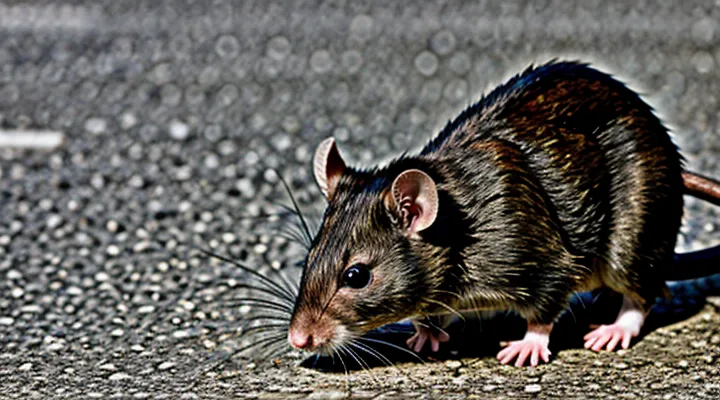
Understanding Rodenticides
What Are Rodenticides?
The Purpose of Rodenticides
Rodenticides are chemical agents formulated to control populations of rats, mice, and other gnawing mammals that threaten food supplies, structural integrity, and public health. Their primary function is to induce lethal toxicity after ingestion, thereby reducing the reproductive capacity of infestations and preventing further damage.
The effectiveness of a rodenticide depends on several factors:
- Active ingredient – anticoagulants (e.g., bromadiolone, difenacoum) disrupt blood clotting; neurotoxins (e.g., bromethalin) impair nervous system function; metal phosphides release phosphine gas that interferes with cellular respiration.
- Palatability – attractants such as grain, fruit, or protein enhance bait acceptance.
- Dosage – concentrations are calibrated to deliver a lethal dose in a single feeding while minimizing risk to non‑target species.
- Formulation – pellets, blocks, or liquid baits allow placement in diverse environments.
Regulatory agencies require that rodenticides be labeled with precise application instructions, protective measures for humans and pets, and disposal guidelines for unused product and deceased rodents. Compliance with these standards reduces accidental poisoning and environmental contamination.
In practice, rodenticides serve three operational purposes:
- Eradication – rapid removal of established colonies in warehouses, farms, or urban settings.
- Prevention – strategic placement in perimeters to deter new infestations.
- Monitoring – bait stations equipped with tracking mechanisms reveal activity levels and guide follow‑up actions.
Proper deployment integrates rodenticide use with sanitation, structural repairs, and exclusion techniques to achieve sustainable control while respecting ecological considerations.
Common Active Ingredients
Rodent control products are identified by their active chemical agents. The most frequently encountered compounds belong to two categories: anticoagulant rodenticides and non‑anticoagulant rodenticides.
- First‑generation anticoagulants: warfarin, chlorophacinone, diphacinone. These agents interfere with vitamin K recycling, causing delayed internal bleeding.
- Second‑generation anticoagulants: bromadiolone, difenacoum, brodifacoum. They possess higher potency and longer biological half‑life, allowing single‑dose efficacy.
- Non‑anticoagulant agents: zinc phosphide, bromethalin, cholecalciferol (vitamin D₃). Zinc phosphide releases phosphine gas upon ingestion; bromethalin disrupts neuronal mitochondria; cholecalciferol induces hypercalcemia leading to organ failure.
Manufacturers label products with the active ingredient name, often followed by the concentration. Regulatory agencies require precise identification to ensure proper handling, dosage, and disposal. Understanding these chemicals enables accurate selection of rodent control solutions and compliance with safety standards.
Types of Rodenticides
Anticoagulants
Anticoagulant rodenticides are the primary class of chemicals used to control rats and mice. These compounds interfere with the blood‑clotting cascade, causing internal hemorrhage after ingestion. The effect is delayed, allowing the poisoned rodent to return to its nest and share the toxin with conspecifics, a phenomenon known as secondary poisoning.
The most frequently encountered agents belong to two groups:
- First‑generation anticoagulants (e.g., warfarin, chlorophacinone, diphacinone). Require multiple feeding events to achieve lethal doses.
- Second‑generation anticoagulants (e.g., brodifacoum, bromadiolone, difenacoum). Possess higher potency, act after a single dose, and persist longer in animal tissue.
Mechanistically, these substances inhibit vitamin K epoxide reductase, preventing regeneration of reduced vitamin K, an essential cofactor for clotting factor synthesis. Without functional clotting factors II, VII, IX, and X, hemorrhage ensues.
Regulatory agencies classify anticoagulant rodenticides as restricted-use products because of their toxicity to non‑target wildlife and domestic animals. Safe handling mandates personal protective equipment, proper storage, and disposal according to local hazardous‑waste guidelines. Monitoring of bait stations and prompt removal of dead rodents reduce the risk of accidental exposure.
First-Generation Anticoagulants
First‑generation anticoagulant rodenticides are chemicals that interrupt the blood‑clotting process by inhibiting vitamin K recycling. The inhibition prevents synthesis of clotting factors II, VII, IX, and X, leading to internal bleeding and death in rodents after several days of consumption.
Common compounds in this class include warfarin, chlorophacinone, diphacinone, and coumafuryl. Warfarin was the original product introduced for pest control; it remains in use because of its low cost and rapid degradation in the environment. Chlorophacinone and diphacinone provide a slightly longer duration of action, allowing a single bait to remain effective for up to 10 days.
These agents are characterized by:
- Oral administration in bait matrices.
- Requirement of multiple feedings to reach a lethal dose in target species.
- High susceptibility of non‑target wildlife when secondary exposure occurs.
- Regulatory classification as “anticoagulant rodenticides” in most jurisdictions.
Regulators categorize first‑generation compounds as “low‑hazard” relative to newer, second‑generation products that require only a single feeding. Consequently, many agencies restrict the use of second‑generation anticoagulants while permitting first‑generation formulations under specific labeling and placement guidelines.
Understanding the chemical profile and toxicology of first‑generation anticoagulants clarifies the terminology commonly applied to rat poison, distinguishing it from other rodent control agents such as bromethalin or zinc phosphide.
Second-Generation Anticoagulants
Second‑generation anticoagulants represent the most widely used class of rodenticide for controlling rat populations. They function by inhibiting vitamin K epoxide reductase, disrupting the synthesis of clotting factors II, VII, IX and X, and causing fatal internal bleeding after a single dose.
Typical compounds in this group include:
- Brodifacoum
- Difenacoum
- Bromadiolone
- Difethialone
These substances are characterized by high lipid solubility, which allows accumulation in the liver and prolonged anticoagulant effect. A single ingestion can be lethal for weeks, reducing the need for repeated baiting. Their potency also raises concerns about secondary poisoning of non‑target wildlife and pets; therefore, strict placement guidelines and bait stations are mandated in many jurisdictions.
Regulatory agencies classify second‑generation anticoagulants as restricted‑use products. Users must follow label instructions, wear protective equipment, and dispose of unused bait according to local hazardous waste procedures. Monitoring programs often require reporting of mortality incidents to assess environmental impact.
In summary, second‑generation anticoagulants are potent, single‑dose rodenticides that inhibit clotting through vitamin K antagonism, offering effective rat control while demanding careful handling to mitigate risks to other animals.
Non-Anticoagulant Rodenticides
Non‑anticoagulant rodenticides are chemical agents used to control rats and mice without interfering with blood clotting. They complement anticoagulant baits by targeting different physiological pathways, reducing the risk of resistance development.
Common commercial and generic designations include:
- Bromethalin baits
- Cholecalciferol (vitamin D₃) formulations
- Zinc phosphide pellets
- Sodium nitrite blocks
- Phosphine‑based dusts
Bromethalin disrupts neuronal mitochondrial function, causing cerebral edema and death. Cholecalciferol induces hypercalcemia, leading to cardiac and renal failure. Zinc phosphide reacts with stomach acid to release phosphine gas, a potent cellular toxin. Sodium nitrite generates methemoglobin, impairing oxygen transport. Phosphine gas penetrates cell membranes, inhibiting respiration enzymes.
Regulatory agencies classify these products as restricted‑use pesticides; application requires certified personnel, proper labeling, and adherence to dosage limits. Personal protective equipment, exclusion of non‑target species, and secure storage are mandatory to prevent accidental exposure.
Environmental impact assessments show limited persistence for bromethalin and cholecalciferol, while zinc phosphide residues may affect soil microorganisms. Integrated pest‑management programs recommend rotating anticoagulant and non‑anticoagulant baits to mitigate resistance and preserve ecosystem balance.
Cholecalciferol
Cholecalciferol, also known as vitamin D₃, is marketed as a rodenticide under names such as “D‑Vitam” or “Vitamin D‑based bait.” The compound acts as a hypercalcemic agent: ingestion triggers uncontrolled calcium absorption, leading to cardiac arrest and organ failure in rodents. Toxicity thresholds are low; a single 0.5 mg dose per kilogram of body weight can be lethal for a typical rat.
Key characteristics of cholecalciferol rodenticides:
- Active ingredient: synthetic vitamin D₃, chemically identical to the natural hormone.
- Mode of action: induces hypercalcemia, disrupting cellular processes and causing fatal arrhythmias.
- Formulation: presented in pelleted or liquid bait, often flavored to attract gnawing mammals.
- Regulatory status: classified as a second‑generation anticoagulant alternative; usage requires licensing in many jurisdictions.
Safety considerations for non‑target species include:
- Placement: locate bait stations away from pets, livestock, and wildlife corridors.
- Dosage control: adhere strictly to label‑specified concentrations to avoid accidental poisoning.
- Personal protection: wear gloves when handling, and wash hands thoroughly after contact.
Cholecalciferol remains a preferred option where anticoagulant resistance is prevalent, offering rapid mortality with minimal secondary poisoning risk when applied correctly.
Bromethalin
Bromethalin is a second‑generation anticoagulant‑free rodenticide used to control rats and mice. The compound belongs to the class of neurotoxic brominated diphenyl ether derivatives and causes lethal swelling of the brain by disrupting mitochondrial oxidative phosphorylation.
The substance interferes with cellular energy production, leading to cerebral edema, loss of motor coordination, and death within 24–48 hours after ingestion. Because it does not rely on blood clotting inhibition, resistance to traditional anticoagulant poisons does not affect its efficacy.
Commercial products containing bromethalin are sold under several brand names, including:
- D‑Con
- Diphen
- Ratex
- Pindone‑B
Formulations are typically offered as solid blocks, pellets, or bait stations, designed for placement in concealed locations where target rodents can access the poison without exposing non‑target species. Recommended application rates range from 0.025 % to 0.05 % bromethalin by weight, depending on the product and local regulatory guidelines.
Regulatory agencies classify bromethalin as a restricted-use pesticide in many jurisdictions. Users must follow label instructions, wear protective equipment during handling, and prevent access by children, pets, and wildlife. Disposal of unused bait must comply with hazardous waste protocols to avoid environmental contamination.
Zinc Phosphide
Zinc phosphide (Zn₃P₂) is a widely employed rodenticide, commonly marketed under names such as “ZP” or “Phostoxin.” It appears as a gray‑black powder that releases phosphine gas when it contacts acidic conditions.
The compound consists of three zinc atoms bonded to two phosphorus atoms. Its low solubility in water limits environmental spread, while its volatility in acidic environments underlies its toxicity.
When a rodent ingests zinc phosphide‑treated bait, stomach acid converts the compound to phosphine (PH₃). Phosphine interferes with cellular respiration, causing rapid respiratory failure. The lethal dose for rats typically ranges from 2 to 5 mg of phosphine per kilogram of body weight.
Bait formulations include granular, pelleted, and coated options. Application rates depend on target species, habitat, and local regulations. Baits are placed in tamper‑resistant stations to reduce access by non‑target animals.
Safety measures:
- Wear gloves and eye protection during handling.
- Store in sealed containers away from heat and moisture.
- Keep bait stations out of reach of children, pets, and wildlife.
- Dispose of unused product according to hazardous‑waste guidelines.
Regulatory agencies classify zinc phosphide as a restricted-use pesticide. Registration requires a licensed applicator, and many jurisdictions impose label restrictions to limit exposure to non‑target species. Compliance with label instructions and local law is mandatory for lawful use.
How Rodenticides Work
Mechanisms of Action
Internal Bleeding
Anticoagulant rodenticides, often labeled as second‑generation warfarin analogues, include bromadiolone, brodifacoum, difenacoum, and difethialone. First‑generation compounds such as warfarin and chlorophacinone also belong to this class. Non‑anticoagulant options comprise zinc phosphide and sodium fluoroacetate, which act through metabolic disruption rather than clotting interference.
Internal bleeding represents the principal toxic manifestation of anticoagulant rodenticides. The chemicals block vitamin K epoxide reductase, preventing regeneration of active vitamin K. Without functional vitamin K, hepatic synthesis of clotting factors II, VII, IX, and X declines, impairing the coagulation cascade. Resulting hemorrhage occurs in tissues, cavities, and the gastrointestinal tract.
Typical signs of hemorrhage in poisoned rodents and accidental victims include:
- Blood‑tinged urine or feces
- Swollen abdomen from internal fluid accumulation
- Weakness, ataxia, and rapid breathing
- Sudden collapse or death without external wounds
Diagnosis relies on prolonged prothrombin time, reduced clotting factor activity, and detection of the specific rodenticide in biological samples. Treatment centers on high‑dose vitamin K1 administration, repeated until coagulation parameters normalize, combined with fluid therapy and, when necessary, blood transfusion to replace lost volume.
Understanding that internal bleeding stems directly from the anticoagulant mechanism clarifies why prompt vitamin K1 therapy is essential for survival after exposure to these poisons.
Neurological Effects
Rodenticide formulations are commonly identified by their active ingredients, such as anticoagulant compounds (warfarin, brodifacoum, bromadiolone) or acute toxicants (zinc phosphide, strychnine). These agents produce neurological disturbances that can be fatal if exposure is sufficient.
Anticoagulant rodenticides impair vitamin K recycling, leading to reduced synthesis of clotting factors. The resulting intracranial hemorrhage manifests as:
- Headache or facial pain
- Confusion and disorientation
- Seizure activity
- Loss of consciousness
Acute toxicants act directly on the nervous system. Zinc phosphide releases phosphine gas, a potent cellular poison that disrupts mitochondrial respiration. Neurological signs include:
- Tremors and muscle rigidity
- Ataxia and impaired coordination
- Respiratory depression secondary to central nervous system depression
Strychnine, though less common in modern formulations, blocks glycine receptors in the spinal cord, causing uncontrolled motor neuron firing. Symptoms are characterized by:
- Hyperreflexia and exaggerated startle response
- Violent convulsions with preserved consciousness
The severity of these effects depends on dose, route of exposure, and individual susceptibility. Early detection relies on recognizing the specific neurological pattern associated with each class of rodenticide, enabling timely medical intervention.
Organ Damage
Rat poison, often classified as anticoagulant rodenticide, contains active ingredients such as warfarin, brodifacoum, and bromadiolone. These compounds interfere with the vitamin K cycle, preventing clot formation and leading to uncontrolled hemorrhage.
The resulting organ damage includes:
- Liver: impaired synthesis of clotting factors, hepatic necrosis, and elevated transaminases.
- Kidneys: filtration of blood clots causes tubular obstruction, acute renal failure, and hematuria.
- Heart: myocardial bleeding leads to arrhythmias, reduced contractility, and possible cardiac tamponade.
- Lungs: alveolar hemorrhage produces respiratory distress and hypoxemia.
- Gastrointestinal tract: mucosal erosion and bleeding cause anemia and abdominal pain.
Systemic exposure may also trigger disseminated intravascular coagulation, compounding organ injury. Early detection of elevated prothrombin time and reduced platelet count is essential for prompt treatment. Vitamin K1 administration reverses anticoagulant effects, while supportive care addresses organ-specific complications.
Risks and Safety
Hazards to Non-Target Animals
Secondary Poisoning
Rodenticide, commonly referred to as rat poison, contains anticoagulant compounds such as bromadiolone, brodifacoum, and difenacoum. These agents disrupt blood clotting in target rodents, leading to fatal internal bleeding.
Secondary poisoning occurs when non‑target animals ingest the poison indirectly. This can happen through:
- Consumption of a dead or dying rodent that still contains active toxic residues.
- Predation on a poisoned rodent, allowing the toxin to transfer to the predator’s bloodstream.
- Scavenging of carcasses left in the environment, exposing birds, foxes, or other wildlife.
The risk extends to domestic pets. Dogs and cats that chew on bait stations, swallow a poisoned rodent, or investigate a contaminated carcass may develop the same anticoagulant effects seen in the intended pest. Symptoms include lethargy, bruising, nosebleeds, and prolonged bleeding from minor wounds.
Detection relies on laboratory analysis of blood clotting parameters (elevated prothrombin time) and confirmation of anticoagulant residues in tissue samples. Prompt veterinary intervention with vitamin K1 therapy can reverse coagulopathy if administered early.
Preventive measures include:
- Securing bait stations to restrict access by non‑target species.
- Using low‑toxicity formulations designed to minimize secondary exposure.
- Removing carcasses promptly to eliminate food sources for scavengers.
- Educating pet owners about the dangers of allowing animals to roam near rodent control zones.
Understanding secondary poisoning is essential for responsible pest management and for protecting wildlife and companion animals from unintended toxic effects.
Accidental Ingestion
Rat poison is commonly identified by its active ingredients, such as anticoagulants (warfarin, bromadiolone, brodifacoum) or metal phosphides (zinc phosphide). These compounds are marketed under names like “rodenticide,” “rat bait,” or specific product brands, each formulated to disrupt blood clotting or produce toxic gases within the target animal.
Accidental consumption of rodenticide poses a serious health risk to humans, especially children and pets. Early symptoms often include unexplained bruising, nosebleeds, gum bleeding, blood in urine or stool, and fatigue. As toxicity progresses, patients may develop severe internal bleeding, shock, or organ failure. Prompt recognition of these signs is critical for effective intervention.
Immediate steps after suspected ingestion:
- Call emergency services or a poison‑control center without delay.
- Provide details about the product name, amount ingested, and time of exposure.
- Do not induce vomiting unless instructed by a medical professional.
- If the person is conscious, keep them still and monitor vital signs.
Medical treatment typically involves administration of vitamin K₁ to restore clotting function, blood transfusions for severe hemorrhage, and supportive care in a hospital setting. Preventive measures include storing rodenticide in locked containers, using tamper‑resistant bait stations, and keeping the substance out of reach of children and animals.
Human Health Concerns
Symptoms of Exposure
Rat poison, commonly referred to as anticoagulant rodenticide, interferes with blood clotting mechanisms. Ingestion, inhalation, or dermal contact can produce a recognizable pattern of clinical signs.
Initial manifestations often appear within hours to days. Nausea, vomiting, and abdominal cramping are frequent early complaints. Appetite loss and weight reduction follow as gastrointestinal distress persists.
Progressive bleeding represents the hallmark of toxicity. Observable signs include:
- Nosebleeds or spontaneous bleeding from gums
- Blood in urine or stool, producing a reddish or black discoloration
- Bruising or petechiae on skin, especially around joints and extremities
- Prolonged bleeding from minor cuts or wounds
Neurological effects may develop as the condition advances. Patients report dizziness, weakness, and occasional fainting episodes. Severe cases can lead to shock, rapid heart rate, and collapse due to massive blood loss.
Laboratory evaluation typically reveals prolonged prothrombin time and elevated international normalized ratio, confirming impaired coagulation. Prompt medical intervention, often involving vitamin K1 therapy, is essential to halt hemorrhage and restore normal clotting function.
Emergency Procedures
Rat poison, commonly classified as anticoagulant rodenticide, contains chemicals such as bromadiolone, brodifacoum, or difenacoum. Exposure can cause severe internal bleeding and requires immediate medical intervention.
If a person ingests or contacts the substance, follow these actions without delay:
- Call emergency services (e.g., 911) and provide the product name, concentration, amount ingested, and time of exposure.
- Contact the national poison‑control center for specific guidance.
- Remove contaminated clothing; place it in a sealed bag to prevent further contact.
- Rinse skin or eyes with running water for at least 15 minutes. Do not induce vomiting unless instructed by a medical professional.
- If the person is unconscious but breathing, place them in the recovery position and monitor airway and breathing.
Professional treatment typically includes:
- Administration of activated charcoal to limit gastrointestinal absorption.
- Intravenous vitamin K₁ therapy to counteract the anticoagulant effect.
- Serial measurement of prothrombin time (PT) and international normalized ratio (INR) to assess clotting status.
- Blood transfusion or clotting factor replacement if severe hemorrhage occurs.
After emergency care, retain the product container and any remaining material for analysis. Observe the patient for delayed symptoms such as bruising, gum bleeding, or blood in urine, and report any changes to healthcare providers promptly.
Safe Handling and Storage
Proper Placement
When dealing with rodent control products, the correct positioning of the bait determines both efficacy and safety. Place the formulation in concealed, low‑traffic areas where rodents travel, such as behind appliances, within wall voids, or along baseboard seams. Ensure the site is inaccessible to children, pets, and non‑target wildlife; use tamper‑resistant stations or sealed containers where required by regulations.
Key considerations for placement include:
- Proximity to activity – locate bait within 2–3 feet of observed gnaw marks, droppings, or burrow entrances.
- Environmental conditions – avoid direct sunlight, moisture, or extreme temperatures that could degrade the active ingredient.
- Secure containment – employ lockable bait stations that meet local pest‑management guidelines.
- Strategic distribution – space multiple stations 10–15 feet apart in larger infestations to create a continuous control zone.
- Regulatory compliance – follow label instructions regarding indoor versus outdoor use and permissible distances from food preparation areas.
Regularly inspect stations, replenish depleted bait, and rotate placement if activity shifts. Properly positioned rodent toxicants maximize population reduction while minimizing accidental exposure.
Preventing Accidental Exposure
Rat poison, commonly referred to as rodenticide or anticoagulant bait, contains chemicals that disrupt blood clotting and can cause rapid internal bleeding. The substances are highly toxic to mammals, birds, and aquatic life, making accidental ingestion or dermal contact a serious health hazard.
Children, pets, and wildlife are most vulnerable to unintended exposure. Even small amounts can produce lethal effects, and secondary poisoning may occur when a predator consumes a poisoned animal.
- Keep all containers tightly sealed and stored in a locked cabinet out of reach of non‑target species.
- Use tamper‑resistant bait stations that prevent removal of the product.
- Label storage areas with clear warnings and the specific active ingredient.
- Dispose of expired or unused bait according to local hazardous‑waste regulations.
- Educate household members about the presence of the product and the consequences of mishandling.
When handling rodenticide, wear disposable gloves and avoid direct skin contact. Apply bait only in areas inaccessible to children and pets, such as crawl spaces, attics, or sealed outdoor traps. Clean any spills immediately with absorbent material, then wash the area with soap and water.
If ingestion or exposure is suspected, seek medical assistance without delay. Provide responders with the product name, active ingredient, and amount involved. While awaiting professional care, induce vomiting only if instructed by a poison‑control center, and keep the victim calm and still to reduce circulation of the toxin.
Regulatory Aspects and Alternatives
Regulations on Rodenticide Use
EPA Classifications
Rat poison is formally identified as a rodenticide, and the United States Environmental Protection Agency (EPA) assigns each product to a specific regulatory class. The EPA classification system distinguishes rodenticides by active ingredient type, mode of action, and toxicity level.
The primary EPA classes for rodenticides include:
- Anticoagulant rodenticides – compounds that inhibit blood clotting, such as warfarin, brodifacoum, and bromadiolone. Subdivided into first‑generation (short‑acting) and second‑generation (long‑acting) agents.
- Metal phosphide rodenticides – typically zinc phosphide, which releases phosphine gas when ingested. Classified as acute toxicants with rapid lethal effect.
- Neurotoxic rodenticides – agents like bromethalin that disrupt neuronal function, placed in a separate toxicity category due to distinct physiological impact.
- Hypercalcemic rodenticides – compounds such as calciferol that cause lethal calcium overload; grouped under chronic toxicity classifications.
Each class carries a specific EPA registration number and label requirements, including mandatory hazard statements, precautionary measures, and disposal instructions. The classification determines permissible use settings (e.g., residential, commercial, or agricultural) and dictates required personal protective equipment for handlers.
Regulatory documentation lists the chemical name, EPA registration number, and class designation on product labeling. This information enables users to identify the exact type of rodenticide, assess risk, and comply with federal safety standards.
Restricted Use Pesticides
Rat poison is classified as a rodenticide that falls under the category of restricted‑use pesticides. Federal regulations require the product to carry a “restricted use” label, limiting sale to individuals who hold a certified applicator license. The designation signals that the formulation poses heightened risks to non‑target species, humans, and the environment, and therefore demands special training and record‑keeping.
The most common chemical families used in these products include:
- Anticoagulants such as warfarin, bromadiolone, and brodifacoum.
- Metal phosphides, primarily zinc phosphide.
- Neurotoxins, exemplified by bromethalin.
Each of these active ingredients is listed on the EPA’s Restricted Use Pesticide (RUP) database. The database assigns a unique product code and specifies label directions, personal protective equipment requirements, and disposal procedures.
Registration of a restricted‑use rodenticide mandates submission of toxicology data, environmental impact assessments, and a detailed usage plan. Certified applicators must complete a training program, maintain a log of applications, and store the product in a locked container. Violations of these provisions can result in civil penalties and revocation of licensing.
In practice, the term most frequently encountered on product labels is “restricted‑use rodenticide.” This label replaces generic references such as “rat poison,” providing a precise regulatory classification that informs purchasers and users of the legal and safety obligations attached to the material.
Non-Chemical Rodent Control
Trapping Methods
Rodent control programs frequently combine chemical agents with physical capture techniques. While anticoagulant compounds such as bromadiolone or brodifacoum serve as the primary toxicants, effective trapping remains essential for immediate population reduction, verification of infestation levels, and compliance with regulations that limit poison usage.
Mechanical traps operate on the principle of rapid incapacitation. Snap traps, constructed from hardened steel, deliver a swift blow to the cervical vertebrae, ensuring quick death. These devices require precise placement along rodent pathways, regular inspection, and secure disposal of carcasses to prevent secondary exposure. Live‑catch traps, often fashioned from wire mesh or plastic cages, immobilize the animal without lethal injury. This approach permits relocation or humane euthanasia, but demands strict sanitation to avoid disease transmission.
Electronic traps employ high‑voltage pulses to induce instantaneous cardiac arrest. Models equipped with safety interlocks reduce accidental activation, while built‑in sensors minimize false triggers. Maintenance involves periodic battery replacement and cleaning of the contact surfaces.
Glue boards constitute a passive capture method. Adhesive surfaces immobilize rodents that traverse the board, allowing for later removal. Their use is discouraged in settings where non‑target species may encounter the boards, and disposal must follow local waste guidelines.
Effective trapping programs incorporate the following steps:
- Conduct a thorough inspection to identify active runways, gnaw marks, and droppings.
- Select trap type based on target species, environment, and regulatory constraints.
- Position traps perpendicular to walls, with the trigger end facing the anticipated travel direction.
- Bait traps with high‑energy attractants such as peanut butter, dried fruit, or commercial rodent lures.
- Check traps at least twice daily; remove, record, and dispose of captured rodents promptly.
- Rotate trap locations weekly to prevent habituation and maximize coverage.
Integration of these mechanical, electronic, and adhesive capture methods with judicious use of rodenticidal compounds yields a comprehensive strategy that reduces rodent populations, limits poison exposure, and aligns with best‑practice pest management standards.
Exclusion Techniques
The chemical agents used to control rats are commonly referred to as rodenticides. Identifying the correct product name is essential for safe handling, regulatory compliance, and effective pest management.
Exclusion techniques complement the use of rodenticides by preventing rodents from accessing treated areas and reducing the need for chemical intervention. Key methods include:
- Sealing entry points: Install steel wool, copper mesh, or concrete around gaps in walls, floors, and foundations.
- Installing door sweeps: Fit brushes or rubber strips on exterior doors to block small openings.
- Maintaining landscaping: Trim vegetation away from building foundations and remove debris that could provide shelter.
- Using physical barriers: Place metal or heavy-duty plastic sheeting under crawl spaces and around utility penetrations.
- Implementing trap stations: Position snap or live traps in high-traffic zones to capture intruders before they encounter bait.
By combining precise product identification with rigorous exclusion practices, pest control programs achieve higher efficacy while minimizing reliance on toxic substances.
Sanitation Practices
Sanitation practices are essential for limiting rodent infestations and reducing reliance on chemical control agents commonly identified as anticoagulant rodenticides such as bromadiolone, difenacoum, brodifacoum, warfarin, and chlorophacinone. Maintaining a clean environment removes food sources, shelters, and pathways that attract rats, thereby decreasing the probability of exposure to toxic baits.
Key measures include:
- Securing all food storage in sealed containers; eliminating spillage on floors, countertops, and waste receptacles.
- Removing clutter, debris, and vegetation that provide nesting sites; trimming overgrown landscaping near building foundations.
- Regularly inspecting and repairing structural gaps, cracks, and utility entry points; installing metal or concrete barriers where necessary.
- Managing waste by using tightly fitting lids on dumpsters, scheduling frequent collection, and keeping disposal areas away from building entryways.
Implementing these practices creates a hostile environment for rodents, limits the circulation of anticoagulant compounds, and supports compliance with health and safety regulations. Proper sanitation thus serves as a proactive, non‑chemical strategy that complements any necessary use of rodent control products.