
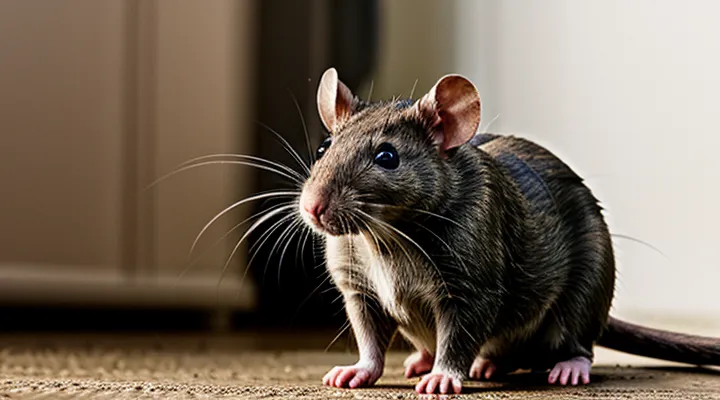
The Natural Habitat and Behavior of Rats
Social Structure in Wild Rats
Wild rats live in structured colonies that consist of a dominant male, several subordinate males, and multiple females. The dominant individual secures priority access to food, nesting sites, and mating opportunities, while subordinates occupy peripheral positions and assist in foraging and predator vigilance. Female rats typically form a breeding core, producing litters throughout the year, and maintain close proximity to one another to facilitate communal nursing and pup protection.
Colony composition influences the health and behavior of captive rodents. When housing multiple rats, provide enough space to accommodate a clear hierarchy; overcrowding can trigger aggression and stress. Recommended practices include:
- Allocate at least 0.5 square foot per rat in the enclosure, with additional area for shelters and climbing structures.
- Offer multiple nesting boxes to allow subordinate individuals to establish separate sleeping quarters.
- Supply abundant food and water stations to reduce competition for resources.
- Introduce enrichment objects (tunnels, chew toys, foraging puzzles) that enable natural exploration and reduce dominance‑driven conflict.
Observing social interactions helps identify health issues early. Signs of chronic stress—such as excessive grooming, weight loss, or reduced activity—often correlate with disrupted hierarchy. Prompt separation of aggressive individuals or restructuring of group composition restores stability and supports overall welfare.
Understanding the natural social order of wild rats informs responsible care, ensuring that captive environments replicate essential aspects of their communal life while adhering to humane husbandry standards.
Foraging Habits and Dietary Needs
Rats instinctively explore their surroundings for food, using whiskers, scent, and tactile cues to locate edible items. In the wild they consume a varied diet that includes grains, seeds, fruits, vegetables, insects, and occasional protein sources such as small invertebrates. This diversity reflects their omnivorous nature and supports balanced nutrition.
Key nutritional requirements include:
- Protein: 14‑16 % of daily intake, supplied by cooked eggs, lean meat, or soy products.
- Fat: 5‑7 % of calories, provided by small amounts of nuts, seeds, or fortified rodent pellets.
- Carbohydrates: 45‑55 % of diet, sourced from whole grains, oats, and fresh vegetables.
- Fiber: 3‑5 % of diet, essential for gastrointestinal health, obtained from leafy greens and root vegetables.
- Vitamins and minerals: calcium, phosphorus, vitamin C, and B‑complex vitamins must be present; fortified mixes or occasional fruit can meet these needs.
Safe foraging items:
- Fresh broccoli, kale, and spinach (wash thoroughly).
- Apples, berries, and pears (remove seeds).
- Cooked chicken, turkey, or boiled eggs (no seasoning).
- Whole‑grain pasta or rice (cooled, unsalted).
- Small quantities of unsalted nuts (almonds, peanuts) for enrichment.
Foods to avoid:
- Citrus fruits in large amounts (acidic irritation).
- Raw beans or potatoes (contain toxic glycoalkaloids).
- Chocolate, caffeine, alcohol, and nicotine (lethal at low doses).
- Processed snacks high in salt, sugar, or artificial additives.
- Bones or hard shells (risk of splintering).
Feeding schedule should consist of two measured meals per day, supplemented with fresh water changed daily. Provide a constant supply of high‑quality laboratory‑grade pellets as a nutritional baseline; use fresh foods to mimic natural foraging and encourage activity. Rotate vegetable selections to prevent nutrient deficiencies and to maintain interest.
Enrichment through scatter feeding—dispersing small portions of food across bedding or inside tunnels—stimulates natural digging behavior and reduces boredom. Monitoring body condition and adjusting portions accordingly ensures healthy weight maintenance and prevents obesity.
Essential Housing Requirements
Cage Size and Material Considerations
A suitable cage provides enough space for a rat to explore, exercise, and exhibit natural behaviors. Minimum dimensions should allow at least 0.5 sq ft of floor area per adult rat; larger groups require proportionally more space, ideally 1 sq ft per two rats. Height must accommodate climbing, with a minimum clearance of 12 inches. Vertical enrichment such as ladders, platforms, and tunnels should be securely attached to prevent collapse.
Material selection influences durability, hygiene, and safety. Preferred construction includes:
- Stainless steel – resists rust, easy to disinfect, and withstands chewing.
- Powder‑coated metal – offers corrosion protection, but inspect for chips that could expose raw metal.
- Hard‑plastic panels – lightweight and chew‑resistant, provided they are BPA‑free and can be cleaned with mild detergents.
- Wire mesh – suitable for the cage’s upper portion to ensure ventilation; mesh size must be ≤¼ inch to prevent escape.
Flooring should be solid, not wire, to avoid foot injuries. Use a removable, washable base lined with paper bedding or aspen shavings; avoid cedar or pine, which release aromatic oils harmful to rodents’ respiratory systems. All materials must be non‑toxic, free of sharp edges, and capable of withstanding regular cleaning cycles to maintain a healthy environment.
Bedding and Substrate Choices
Choosing the right bedding is a fundamental aspect of rat husbandry. The material must absorb moisture, control odor, and remain safe if ingested. Natural fibers such as shredded paper, aspen shavings, and hemp provide a balance of absorbency and low dust levels. Commercial rodent mixes often contain corn cob or wood pulp; these can generate excessive dust and may cause respiratory irritation. Avoid pine or cedar, whose aromatic oils can damage respiratory tissues.
When selecting a substrate, consider the following characteristics:
- Absorbency: High capacity reduces the frequency of complete cage changes.
- Dust production: Low‑dust options minimize the risk of respiratory problems.
- Chewability: Safe, digestible fibers prevent gastrointestinal blockages if gnawed.
- Ease of cleaning: Materials that clump or separate simplify spot cleaning.
- Cost and availability: Economically viable choices support long‑term maintenance.
Typical substrates and their profiles:
- Shredded paper – excellent absorbency, minimal dust, inexpensive, biodegradable.
- Aspen shavings – low resin content, moderate dust, good chewability, readily available.
- Hemp bedding – high absorbency, very low dust, natural antimicrobial properties, slightly higher price.
- Corn cob – decent absorbency, higher dust, potential for mold if not changed regularly.
- Wood pulp – moderate absorbency, low dust, may compact over time, requires regular turning.
Maintain a depth of 1–2 inches to allow nesting behavior while ensuring the surface remains dry. Replace the entire substrate weekly or sooner if it becomes soiled, and spot‑clean daily to remove waste and wet spots. Consistent monitoring of bedding condition supports health, hygiene, and overall well‑being of pet rats.
Enrichment Items and Toys
Enrichment items and toys are essential components of a rat’s environment, providing mental stimulation, physical exercise, and opportunities for natural behaviors. Proper selection and rotation of these objects reduce stress, prevent boredom, and promote overall health.
Effective enrichment includes:
- Chewable objects such as untreated wooden blocks, natural branches, and cardboard tubes to satisfy dental wear requirements.
- Puzzle feeders that dispense treats when manipulated, encouraging problem‑solving skills.
- Climbing structures like ladders, platforms, and hammocks to enable vertical movement and muscle development.
- Tunnel systems made from flexible plastic or fabric to simulate burrowing pathways.
- Manipulable toys such as plastic beads, crinkly paper, and small balls that can be rolled or tossed.
Safety criteria must be applied to every item: non‑toxic materials, no small detachable parts that could be ingested, and surfaces free of sharp edges. Items should be cleaned regularly to prevent bacterial growth, and any damaged objects must be removed immediately.
A rotation schedule—introducing a new toy every one to two weeks and retiring the previous one—maintains novelty and encourages exploration. Monitoring the rat’s interaction with each object helps identify preferences and detect potential health issues, such as over‑chewing or reluctance to engage, which may signal dental or muscular problems.
Location of the Cage
Place the cage in a quiet, low‑traffic area of the home. Avoid rooms with loud appliances, frequent foot traffic, or direct sunlight. The environment should remain stable in temperature (18‑24 °C) and humidity (40‑60 %). Ensure the location is free from drafts, heating vents, and air‑conditioner blow‑outs.
Choose a surface that can support the cage’s weight and prevent wobbling. A sturdy table, cabinet shelf, or dedicated stand works best. The floor should be level; use a non‑slip mat if the cage sits on a hard surface.
Provide easy access for cleaning and feeding while keeping the cage out of reach of children and other pets. Maintain at least a 30‑centimetre clearance on all sides to allow ventilation and to reduce the risk of accidental knocks.
Key considerations for optimal placement:
- Quiet room or corner, away from televisions, radios, and kitchen appliances.
- Stable temperature and humidity; avoid direct sunlight and drafts.
- Solid, level support surface; use a non‑slip mat if needed.
- Minimum 30 cm clearance on each side for airflow and safety.
- Accessibility for routine maintenance without exposing the cage to hazards.
Dietary Guidelines: What Rats Can Eat
Approved Commercial Rat Foods
Commercial rat diets must meet specific nutritional standards to support growth, reproduction, and overall health. Products labeled as “rat chow” or “rodent feed” are formulated to provide balanced protein, fat, fiber, vitamins, and minerals. Acceptable commercial foods include:
- Complete pelleted diets specifically designed for rats, containing 18‑22 % protein and adequate calcium‑phosphorus ratios.
- Grain‑based mixes enriched with essential amino acids, vitamin A, D, E, and B‑complex complex.
- Freeze‑dried or dehydrated formulations that retain nutrient integrity when rehydrated according to manufacturer instructions.
- Specialized reproductive or senior formulas that adjust protein and fat levels to meet life‑stage requirements.
All commercial feeds must carry a USDA or equivalent certification indicating compliance with animal nutrition regulations. Labels should list ingredient percentages, guaranteed analysis, and expiration dates. Products lacking this information are not considered approved.
Feeding guidelines recommend offering a measured portion twice daily, adjusting quantity to maintain a stable body condition score. Excess uneaten food should be removed within four hours to prevent spoilage and rodent waste buildup. Storage in a cool, dry environment preserves nutrient quality; airtight containers are preferred.
When selecting a brand, verify that the manufacturer conducts regular quality‑control testing and provides a batch‑specific analysis sheet. Reliable suppliers often include laboratory results confirming the absence of contaminants such as mycotoxins, heavy metals, and pathogens.
Safe Fruits and Vegetables
Rats thrive on a varied diet that includes fresh produce. Incorporating safe fruits and vegetables supplies essential vitamins, minerals, and fiber, supporting digestive health and preventing nutritional deficiencies.
Suitable fruits are limited to those low in sugar and free of seeds or pits that could cause blockages. Recommended options include:
- Apple slices (core removed)
- Blueberries
- Strawberries
- Raspberries
- Pear slices (seedless)
- Bananas (small portions)
- Melon chunks (cantaloupe, honeydew)
Vegetables should be offered raw, washed, and cut into bite‑size pieces. Acceptable varieties are:
- Carrot sticks or grated carrots
- Bell pepper strips (any color)
- Broccoli florets
- Cauliflower florets
- Spinach leaves (in moderation)
- Kale leaves (finely chopped)
- Zucchini slices
- Cucumber slices
Avoid citrus fruits, grapes, raisins, avocado, and any produce with high acidity or toxic compounds. Introduce new items gradually, monitoring for signs of digestive upset. Provide fresh water alongside fresh produce to encourage hydration.
Healthy Proteins and Treats
Rats require high‑quality protein to support rapid growth, tissue repair, and immune function. Commercial rodent blocks formulated for rats typically contain 18–20 % protein from soy, fish, or egg sources; these formulations meet nutritional standards and provide a balanced amino‑acid profile. Supplementary protein can be offered safely in small portions, ensuring that overall diet composition remains stable.
- Cooked chicken breast, skinless and unseasoned (1–2 g per day)
- Hard‑boiled egg, finely chopped (½ g per day)
- Low‑fat cottage cheese, plain (1 g per day)
- Cooked lentils or split peas, rinsed and cooled (1 g per day)
Treats should complement, not replace, the staple diet. Preferred options contain natural protein and limited sugar:
- Small pieces of freeze‑dried mealworms (≤0.5 g per serving)
- Unsalted, low‑fat cheese cubes (≤1 g per serving)
- Plain, unsweetened yogurt (a dab, 0.5 g)
Avoid treats high in fat, salt, or artificial additives, such as processed meats, cheese spreads, and sugary snacks. Excessive protein can strain kidneys, while imbalanced treats may lead to obesity or digestive upset. Regularly monitor body condition and adjust portions to maintain a lean, active rat.
Foods to Avoid: A Comprehensive List
Rats require a diet that excludes many common human foods. Toxic or indigestible items can cause digestive upset, organ damage, or death. The following substances should never be offered to pet rodents.
- Chocolate, coffee, caffeine‑containing products – contain methylxanthines that affect heart rate and nervous system.
- Citrus fruits and juices – high acidity can irritate stomach lining.
- Raw or undercooked beans, especially kidney beans – contain lectins that are poisonous to rodents.
- Avocado flesh and pit – persin toxin damages heart and respiratory tissues.
- Onion, garlic, leeks, chives – sulfur compounds cause hemolytic anemia.
- Salt and salty snacks – lead to electrolyte imbalance and kidney strain.
- Sugary candies, soda, and artificial sweeteners – promote obesity, dental disease, and may cause toxic reactions (e.g., xylitol).
- Processed meats, fatty foods, and fried items – high fat content overwhelms rat metabolism and can cause pancreatitis.
- Dairy products – many rats are lactose intolerant, resulting in diarrhea.
- Moldy or spoiled food – mycotoxins cause liver and neurological damage.
In addition to the items listed, avoid any food that is heavily seasoned, contains spices, or is coated with sauces. These additives introduce compounds that rats cannot metabolize efficiently. When providing treats, select plain, fresh vegetables, fruits in moderation, and commercially formulated rat pellets. Consistent adherence to this exclusion list supports healthy digestion, maintains optimal weight, and reduces the risk of acute poisoning.
Water Provision and Freshness
Providing rats with clean, fresh water is a non‑negotiable element of responsible rodent husbandry. Water must be readily accessible at all times, free from contaminants, and maintained at a temperature that encourages regular drinking.
- Use stainless‑steel or heavy‑gauge plastic bottles with sipper tubes; avoid glass containers that can break.
- Replace water daily; if the bottle is not emptied, clean and refill it at least every 24 hours.
- Clean the bottle, sipper, and any tubing with mild, unscented detergent; rinse thoroughly to remove residue before refilling.
- Inspect the water source for signs of cloudiness, debris, or odor before each refill; discard any compromised supply.
- Position the bottle at a height that allows the rat to drink comfortably without stretching or straining.
- Monitor daily consumption; a sudden decrease may indicate illness, equipment failure, or contamination.
- Store spare water containers in a cool, dark place to prevent bacterial growth; avoid direct sunlight and extreme temperatures.
Health and Hygiene Protocols
Daily Cleaning and Cage Maintenance
Daily cleaning and cage maintenance are essential components of responsible rodent husbandry. A clean environment reduces the risk of disease, controls odor, and supports the health of the animals.
Cleaning should follow a consistent schedule. Spot‑clean the cage at least once daily by removing uneaten food, droppings, and wet bedding. Perform a thorough deep clean weekly: empty the cage, discard all bedding, wash all accessories with hot water, and disinfect with a rodent‑safe solution such as a dilute bleach mixture (1 part bleach to 30 parts water) or an enzymatic cleaner. Rinse thoroughly and allow all items to dry completely before reassembly.
When selecting bedding, choose absorbent, dust‑free material that can be changed regularly. Replace the entire bedding layer during each deep clean and add fresh bedding after the cage is fully reassembled. Monitor humidity levels; excessive moisture encourages mold growth and can compromise the cage’s structural integrity.
Cage accessories—food dishes, water bottles, tunnels, and toys—require separate attention. Scrub food dishes with mild detergent after each refill. Clean water bottles by flushing with warm water and replacing the bottle or tubing weekly. Inspect tunnels and toys for wear or damage; discard any items that show signs of deterioration.
Ventilation and enclosure design affect cleanliness. Ensure the cage has adequate airflow to prevent buildup of ammonia from urine. Position the cage away from direct sunlight and drafts to maintain stable temperature and humidity, which aids in keeping the substrate dry.
Record-keeping supports consistency. Maintain a log noting the dates of spot cleaning, deep cleaning, bedding replacement, and accessory maintenance. This documentation helps identify patterns, ensures compliance with best‑practice standards, and facilitates quick response to any health concerns.
Recognizing Signs of Illness
Rats conceal discomfort, making early detection essential for proper care. Observe the following indicators and act promptly.
- Reduced activity or reluctance to explore the enclosure.
- Noticeable weight loss or a thin appearance despite adequate feeding.
- Abnormal breathing sounds, such as wheezing, clicking, or labored respiration.
- Discharge from eyes, nose, or ears, especially if thick, colored, or foul‑smelling.
- Changes in fur condition: dull coat, excessive grooming, bald patches, or clumped hair.
- Unusual posture: hunching, arching the back, or holding the tail stiffly.
- Decreased appetite or refusal to consume favorite foods and water.
- Diarrhea, loose stools, or blood in feces.
- Swelling or lumps on the body, particularly around the abdomen or limbs.
- Sudden aggression or heightened fearfulness, deviating from normal temperament.
When any of these signs appear, isolate the affected rat, minimize stress, and consult a veterinarian experienced with small rodents. Prompt treatment reduces the risk of complications and supports the animal’s recovery, aligning with responsible rat stewardship.
Common Rat Ailments
Rats commonly suffer from several health problems that owners must recognize and address promptly.
Respiratory infections
- Symptoms: sneezing, nasal discharge, wheezing, lethargy.
- Causes: poor ventilation, high humidity, exposure to drafts.
- Management: improve airflow, keep enclosure dry, consult a veterinarian for antibiotics.
Dental disease
- Symptoms: excessive chewing, difficulty eating, drooling, weight loss.
- Causes: overgrown incisors, inadequate gnawing material.
- Management: provide continuous chew toys, schedule regular dental checks, trim teeth if necessary.
Skin parasites (mites, fleas)
- Symptoms: itching, hair loss, scabs, redness.
- Causes: infrequent cleaning, contact with contaminated bedding.
- Management: maintain clean habitat, use veterinarian‑approved topical treatments, wash bedding regularly.
Gastrointestinal issues (bloat, diarrhea)
- Symptoms: swollen abdomen, reduced appetite, watery stools, dehydration.
- Causes: sudden diet changes, high‑fat foods, stress.
- Management: introduce new foods gradually, feed balanced diet, provide fresh water, seek veterinary care for severe cases.
Tumors (especially mammary and pituitary)
- Symptoms: visible lumps, abnormal growth, changes in behavior.
- Causes: genetic predisposition, age-related factors.
- Management: regular health examinations, early surgical removal when indicated, monitor for recurrence.
Urinary tract infections and bladder stones
- Symptoms: frequent urination, blood in urine, straining, discomfort.
- Causes: dehydration, high‑protein diet, bacterial infection.
- Management: ensure constant access to clean water, provide low‑calcium diet, obtain veterinary diagnosis and appropriate medication.
Ear infections (otitis)
- Symptoms: head shaking, scratching at ears, discharge, foul odor.
- Causes: moisture retention, trauma, bacterial or fungal invasion.
- Management: keep ears dry, inspect regularly, treat with prescribed drops.
Recognizing these conditions early, maintaining optimal cage hygiene, providing a balanced diet, and scheduling routine veterinary check‑ups constitute the core strategy for preventing and treating common rat ailments.
The Importance of Veterinary Care
Regular veterinary examinations constitute a core responsibility for anyone who keeps rats as pets. Professional assessment verifies that the animal meets health standards required by regulations governing rodent care and prevents violations that could result in legal consequences.
- Early detection of respiratory, gastrointestinal, and skin conditions
- Administration of approved vaccines and parasite preventatives
- Monitoring of incisors to avoid over‑growth and related injuries
- Guidance on balanced diets and appropriate supplements
- Documentation of health history for future reference
Owners must arrange annual check‑ups, maintain up‑to‑date medical records, and contact a qualified small‑animal practitioner promptly when symptoms such as lethargy, loss of appetite, or abnormal discharge appear. Adhering to these practices sustains the well‑being of rats and aligns with established standards for responsible rodent stewardship.
Grooming and Nail Trimming
Rats require regular grooming to maintain healthy skin and coat. Brushing once or twice a week with a soft, animal‑safe brush removes loose hair, reduces matting, and stimulates circulation. Inspect the fur for signs of parasites, bald patches, or excessive oil; address any issue promptly with a veterinarian’s guidance.
Nail trimming is essential because overgrown claws can impede movement, cause foot injuries, and damage cage furnishings. Check nail length weekly; the quick—a pink vascular area—should remain untouched. Trim only the transparent tip, using a small animal nail clipper or a human manicure clipper with a fine, sharp edge. If a quick is accidentally cut, apply a styptic powder or cornstarch to stop bleeding.
Safe grooming routine:
- Gather a soft brush, nail clippers, styptic powder, and a towel.
- Secure the rat gently on a towel, supporting the body to prevent stress.
- Brush in the direction of hair growth, starting from the neck and moving toward the tail.
- Hold each paw, locate the nail tip, and clip a small portion, avoiding the quick.
- Reward the animal with a treat to reinforce cooperation.
Bathing rats is rarely necessary; a damp cloth can clean localized dirt. If a full bath is required, use lukewarm water (≈30 °C) and a mild, fragrance‑free pet shampoo, limiting exposure to five minutes. Dry thoroughly with a towel and keep the cage warm until the animal is completely dry.
Proper grooming and nail care reduce the risk of infection, improve mobility, and contribute to overall well‑being. Regular observation and timely maintenance are integral components of responsible rodent husbandry.
Socialization and Handling
The Importance of Companionship
Companionship fulfills a fundamental need for rats, whose natural behavior is highly social. Isolated individuals exhibit increased aggression, reduced activity, and heightened susceptibility to disease. Providing a conspecific partner satisfies the species‑typical drive for group interaction and stabilizes physiological functions.
Benefits of keeping rats together include:
- Lower cortisol levels, indicating reduced stress.
- More consistent grooming, which helps prevent skin infections.
- Enhanced cognitive stimulation through play and hierarchy formation.
- Greater longevity, as studies correlate social housing with extended lifespan.
Owners should ensure each rat has at least one compatible cage mate. Regular handling, gentle voice tones, and varied enrichment objects reinforce the bond between companions and human caregivers. Monitoring interactions allows early detection of incompatibility, enabling timely re‑housing before injuries occur.
Regulatory guidelines for rodent care explicitly require social housing as a standard practice. Compliance not only meets legal expectations but also aligns with best‑practice recommendations for animal welfare. Implementing these measures creates a stable, healthy environment that supports the well‑being of each rat.
Proper Handling Techniques
Proper handling minimizes stress, prevents injury, and promotes a healthy relationship with pet rats. Approach each animal calmly, allowing it to become accustomed to your scent before contact. Support the rat’s body with both hands; one hand cradles the torso while the other stabilizes the hindquarters. Avoid gripping the tail, which can cause pain and reflexive biting.
Key techniques for safe interaction:
- Gentle scoop: Slide one hand under the chest, lift smoothly, and keep the rat close to your palm.
- Secure hold: Maintain a light, steady grip around the torso; keep the forelimbs free to move.
- Controlled release: Lower the rat onto a flat surface, allowing it to step down voluntarily.
- Consistent routine: Handle the animal at the same time each day to build familiarity and reduce anxiety.
When moving rats between cages or transporting them, use a ventilated carrier with a soft liner. Place a hand inside the carrier to guide the rat gently into the opening; do not force entry. Ensure the carrier remains upright to avoid disorientation.
Hand hygiene is mandatory before and after each session. Wash hands with soap and water, or use an alcohol‑based sanitizer if soap is unavailable. Inspect nails for sharp edges that could harm the animal’s delicate skin.
Handling sessions should be brief for young or timid rats—no longer than two minutes initially—gradually extending as confidence grows. Observe body language: flattened ears, rapid breathing, or attempts to flee indicate distress and require immediate cessation of contact.
By adhering to these practices, caretakers comply with established standards for rodent welfare while fostering cooperative behavior and robust health in their pets.
Training and Interaction
Rats respond well to consistent, positive reinforcement. Use small food rewards such as cereal bits or commercial rodent treats to mark desired behaviors. Deliver the reward immediately after the action to create a clear association.
- Clicker or gentle tap signals the correct response.
- Short, 5‑minute sessions prevent stress and maintain focus.
- Rotate tasks (target touching, coming when called, simple obstacle navigation) to keep mental stimulation high.
- Record progress in a notebook to adjust difficulty and reward size.
Interaction should be calm and predictable. Hand‑taming begins with slow, deliberate movements; allow the rat to sniff the hand before attempting a grip. Support the animal’s body fully, avoiding pressure on the spine. Regular handling sessions, performed daily, build trust and reduce defensive bites. Provide enrichment items—tunnels, chew toys, climbing structures—within the cage to encourage natural exploration and reinforce training outcomes.
Addressing Behavioral Issues
Rats may develop aggression, excessive chewing, or repetitive pacing when environmental needs are unmet. Recognizing the signs early prevents escalation and improves welfare.
Observe the animal’s routine, note changes in activity, vocalizations, or interactions with cage mates. Record frequencies of undesirable behaviors to identify patterns and possible stressors such as noise, temperature fluctuations, or insufficient enrichment.
- Provide a variety of chewable items (wood blocks, cardboard tunnels) to satisfy natural gnawing instincts.
- Rotate toys weekly to maintain novelty and prevent boredom.
- Ensure a balanced diet; nutritional deficiencies can manifest as irritability.
- Maintain a stable cage temperature (18‑24 °C) and low humidity to avoid discomfort.
- Offer regular handling sessions, starting with brief, gentle contact and gradually extending duration.
- Separate aggressive individuals temporarily to reduce tension, then reintroduce under supervised conditions.
- Use scent swapping (mixing bedding from different cages) to promote social cohesion after introductions.
Consistent application of these measures reduces problem behaviors and supports a stable, healthy colony. Regular health checks by a qualified veterinarian complement behavioral management, ensuring that underlying medical issues are not mistaken for temperament problems.
Safety and Environmental Factors
Temperature and Humidity Control
Maintaining stable temperature and humidity is essential for the health of pet rats. Deviations can stress the immune system, impair digestion, and increase susceptibility to respiratory infections.
- Ideal ambient temperature: 65 °F – 75 °F (18 °C – 22 °C).
- Acceptable humidity: 40 % – 60 % relative humidity.
- Temperature spikes above 80 °F (27 °C) or drops below 60 °F (16 °C) should be corrected within an hour.
- Humidity above 70 % promotes mold growth and bacterial proliferation; below 30 % causes dry skin and irritated respiratory passages.
Use a digital thermometer with a probe inside the cage and a hygrometer placed at rat head height. Record readings twice daily; adjust with a thermostat‑controlled heater or air‑conditioner and a humidifier or dehumidifier as needed. Insulate the enclosure from drafts and direct sunlight to reduce rapid fluctuations.
Seasonal changes often require supplemental heating in winter and ventilation in summer. A small ceramic heat emitter with a thermostatic controller provides consistent warmth without raising cage temperature excessively. For humidity control, a low‑output ultrasonic humidifier can raise levels during dry periods, while a vented cage design or a desiccant pack can lower humidity when excess moisture is detected.
Regularly inspect cage bedding for signs of dampness or clumping, which indicate uncontrolled humidity. Replace wet bedding promptly and ensure proper airflow by spacing cages at least six inches apart and using a circulating fan set on low speed. These practices keep the environment within the recommended parameters, supporting optimal growth, reproduction, and overall well‑being of rats.
Protecting Against Household Hazards
Rats are vulnerable to many everyday dangers in homes. Identifying and neutralizing these risks is essential for safe pet ownership.
Common household hazards include:
- Exposed electrical cords that can be chewed, leading to shock or fire.
- Toxic substances such as cleaning agents, pesticides, and rodent poisons.
- Small objects (e.g., rubber bands, beads) that can be swallowed or cause choking.
- Open windows or vents that allow escape or expose the animal to drafts and predators.
- Loose wires, nails, and sharp edges that can puncture paws or skin.
- Unsecured food containers that attract pests and encourage unsanitary feeding habits.
Mitigation strategies:
- Cover or route cords through protective tubing; inspect regularly for wear.
- Store chemicals in locked cabinets, out of reach, and keep lids sealed.
- Conduct daily cage inspections to remove stray items and debris.
- Install fine mesh screens on windows and vents; use pet‑safe barriers.
- Seal gaps in walls, floors, and furniture with appropriate filler material.
- Use sealed, pet‑grade containers for food and treats; discard leftovers promptly.
Regularly audit the living area, focusing on potential entry points and material durability. Prompt correction of identified issues reduces the likelihood of injury, illness, and escape, ensuring a healthier environment for the rat.
Pest Control Considerations
When rats are kept as domestic animals, owners must address pest‑control issues to prevent the animals from becoming a public health concern. Proper enclosure design, sanitation practices, and monitoring protocols are essential components of responsible rodent stewardship.
- Secure cages with lockable lids eliminate accidental escapes that could lead to population establishment in surrounding areas.
- Regular cleaning removes urine, feces, and food residues that attract insects and wild rodents.
- Waste should be disposed of in sealed containers and removed from the premises promptly.
- Routine health checks detect parasites or diseases that could spread to other animals or humans.
- Local ordinances often require notification of municipal authorities if a pet rat escapes or is found in public spaces.
Compliance with these measures reduces the risk of infestation, protects community health, and aligns pet ownership with regulatory expectations.
Introduction to Other Pets
Rats often coexist with other household animals, but successful integration depends on species behavior, enclosure design, and health protocols.
Compatible companions include:
- Cats – only if the cat is calm, trained not to chase, and the rat’s cage remains securely locked.
- Small dogs – permissible when the dog is leashed or confined during interactions and the rat’s habitat is out of reach.
- Other rodents – such as hamsters or gerbils, provided they are housed separately to prevent territorial aggression and disease transmission.
Pets that pose significant risk:
- Predatory birds – natural hunters that can cause fatal injuries.
- Reptiles that view rodents as prey – including snakes and monitor lizards.
- Large, aggressive mammals – such as ferrets or untrained dogs that may attack.
Key precautions:
- Keep the rat’s enclosure sealed and elevated to prevent accidental entry.
- Conduct veterinary screenings for all animals before introducing them to a shared environment.
- Observe initial meetings closely; terminate contact if stress signals appear, such as rapid breathing, vocalizations, or defensive posturing.
By adhering to these measures, owners can expand their pet family while preserving the welfare and safety of their rats.
Responsible Ownership Practices
Ethical Sourcing of Rats
Ethical sourcing of rats requires verification that each animal originates from a reputable, licensed breeder or research‑approved supplier. Breeders must maintain health records, genetic documentation, and compliance with animal welfare regulations. Purchasers should request certificates of origin and inspect facilities for cleanliness, appropriate housing, and humane handling practices.
Key criteria for responsible acquisition:
- Documentation confirming the breeder’s license and adherence to national animal welfare laws.
- Health screening results covering common rodent pathogens (e.g., Salmonella, Mycoplasma).
- Evidence of humane transport, including temperature control, ventilation, and minimal stress handling.
- Transparent breeding practices that avoid inbreeding and ensure genetic diversity.
- Availability of a return or quarantine policy for animals showing signs of illness after delivery.
Selecting suppliers that meet these standards reduces the risk of disease, supports humane treatment, and aligns with legal obligations for rodent care. Continuous monitoring of supplier performance and periodic audits reinforce ethical practices throughout the procurement process.
Lifespan and End-of-Life Care
Rats typically live 2 to 3 years, with some individuals reaching 4 years under optimal conditions. Longevity depends on genetics, diet, housing, and preventive health measures.
Regular health checks extend the useful life of a pet rat. Monitor weight, coat condition, and activity levels weekly. Schedule veterinary examinations at least twice yearly, focusing on dental health, respiratory function, and tumor screening. Prompt treatment of infections, injuries, or metabolic disorders prevents premature loss.
Nutrition influences both lifespan and quality of life. Provide a balanced pellet base supplemented with fresh vegetables, limited fruit, and occasional protein treats. Avoid high‑fat or sugary foods that accelerate obesity and related complications.
Environmental enrichment reduces stress and supports cognitive function in older rats. Rotate toys, tunnels, and climbing structures to maintain interest. Ensure bedding is dust‑free and changed regularly to prevent respiratory irritation.
When a rat shows irreversible decline—marked weight loss, severe respiratory distress, or unmanageable pain—humane end‑of‑life decisions become necessary. Follow these steps:
- Consult a veterinarian experienced with rodents to confirm prognosis.
- Discuss euthanasia options, emphasizing a quick, painless method.
- Prepare a calm, familiar environment for the procedure.
- Offer grief support resources for caretakers.
Palliative care can improve comfort during the final weeks. Administer prescribed analgesics, maintain easy access to food and water, and keep the cage temperature stable. Reduce handling if the animal becomes fragile, but provide gentle interaction to alleviate loneliness.
By adhering to these practices, caretakers maximize the healthy years of their rats and ensure a dignified transition when the end of life arrives.
The Commitment of Rat Ownership
Owning a rat demands a sustained, responsible approach that extends beyond occasional feeding. Daily tasks include providing fresh water, nutritionally balanced food, and regular cage cleaning to prevent disease. Environmental stability matters; temperature should remain within 18‑24 °C, and the enclosure must offer solid flooring, nesting material, and chewable items to protect teeth.
Financial obligations arise from routine veterinary visits, vaccinations where required, and replacement of supplies such as bedding, cages, and enrichment toys. Anticipating these costs prevents neglect and ensures the animal receives appropriate medical attention at the first sign of illness.
Social considerations are integral. Rats are highly social creatures; solitary housing often leads to stress and aggression. Pairing compatible individuals or maintaining a small group satisfies their need for interaction and reduces behavioral problems. Monitoring group dynamics and providing separate hideaways support harmonious coexistence.
Compliance with local regulations completes the commitment. Many jurisdictions require permits for keeping rodents, and some prohibit specific breeds or impose limits on the number of animals per household. Verifying and adhering to these rules avoids legal penalties and safeguards the welfare of the pets.