
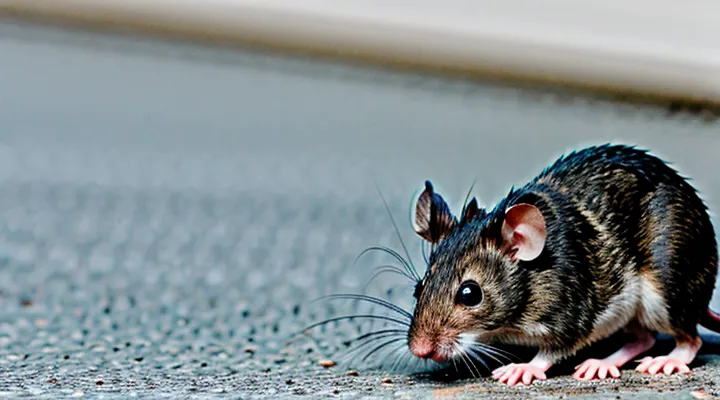
Rodentia Order and Family Muridae
General Characteristics
Size and Appearance
Mice are small rodents with body lengths ranging from 6 to 10 cm (2.4–4 in) and tail lengths of comparable size, often extending 5 to 9 cm (2–3.5 in). Adult weight typically falls between 15 and 30 g (0.5–1 oz), although variation occurs among species and populations.
Key physical characteristics include:
- Fur: dense, short, and soft; coloration varies from light brown to gray, with some individuals displaying a reddish hue on the dorsal surface and a paler ventral side.
- Ears: proportionally large, round, and hairless, measuring roughly 1–1.5 cm (0.4–0.6 in) in length.
- Eyes: relatively large, positioned laterally to provide a wide field of vision.
- Whiskers (vibrissae): long, highly sensitive tactile organs extending outward from the snout.
- Tail: naked or sparsely haired, prehensile, aiding balance and thermoregulation.
Lifespan
Mice exhibit a relatively short life cycle, with most individuals surviving between 1 and 3 years under natural conditions. Laboratory strains often exceed this range, reaching 2 to 4 years when provided with controlled temperature, sterile bedding, and a nutritionally balanced diet.
- Wild house mouse (Mus musculus domesticus): 10–12 months average; occasional individuals survive up to 18 months.
- Common field mouse (Apodemus sylvaticus): 12–24 months, limited by seasonal food availability and predation.
- Laboratory mouse strains (e.g., C57BL/6): 24–48 months, reflecting reduced exposure to pathogens and environmental stressors.
Longevity is modulated by genetics, diet quality, ambient temperature, and disease burden. Caloric restriction and enrichment of the living environment consistently extend lifespan in experimental cohorts. Conversely, high pathogen load, aggressive intra‑species competition, and extreme weather conditions truncate survival in wild populations.
Habitat and Distribution
Geographic Range
Mice occupy a broad geographic spectrum that encompasses most terrestrial biomes. Their presence is documented on every continent except Antarctica, reflecting adaptability to diverse climates and habitats.
- North America: Species such as the house mouse (Mus musculus) and deer mouse (Peromyscus maniculatus) thrive in urban centers, agricultural fields, and forested regions.
- South America: The Brazilian mouse (Kunsia tomentosus) and various Akodon species inhabit tropical rainforests, grasslands, and high‑altitude páramo ecosystems.
- Europe: The common house mouse and the wood mouse (Apodemus sylvaticus) are widespread from Mediterranean coasts to boreal forests.
- Asia: Populations of Mus musculus dominate densely populated areas, while the Himalayan field mouse (Apodemus gurkha) occupies mountainous zones.
- Africa: The African pygmy mouse (Mus minutoides) and several Mastomys species are found across savannas, deserts, and wetlands.
- Australia and Oceania: Introduced house mice have established populations in coastal settlements, whereas native murid rodents such as the Australian hopping mouse (Notomys alexis) reside in arid interior regions.
Urban environments, agricultural landscapes, and natural ecosystems each support distinct mouse communities. Human-mediated transport has extended the range of commensal species, particularly Mus musculus, enabling colonization of remote islands and isolated settlements. Native species often exhibit limited distributions tied to specific ecological niches, whereas invasive mice demonstrate broad tolerance for varied temperature ranges, humidity levels, and food resources.
Preferred Environments
Mice thrive in environments that provide shelter, abundant food, and moderate humidity. Natural habitats such as grasslands, temperate forests, and scrublands offer dense ground cover, leaf litter, and burrowable soil, which satisfy these requirements. In these settings, mice construct nests from shredded vegetation and use underground tunnels to evade predators and extreme weather.
Human‑associated spaces also rank among the most favorable locations. Buildings, grain storage facilities, and waste‑rich areas supply consistent food sources and warm microclimates. Structural gaps, insulation material, and clutter serve as effective nesting sites, allowing mice to establish colonies with minimal exposure.
Key characteristics of preferred environments include:
- Soft, friable soil or loose debris for burrowing.
- Access to seeds, insects, and discarded food items.
- Temperatures ranging from 15 °C to 30 °C, with higher humidity levels supporting fur health.
- Presence of concealed spaces such as crawl‑spaces, wall voids, or dense vegetation.
Seasonal shifts influence habitat selection. During colder months, mice migrate toward heated interiors or deeper subterranean chambers, while warmer periods see increased activity in open fields and garden borders. The ability to exploit both natural and anthropogenic niches underlies the species’ widespread distribution.
Anatomy and Physiology
Skeletal System
The mouse skeleton provides structural support, protects internal organs, and facilitates locomotion. It consists of approximately 230 bones, a number that varies slightly with age and strain.
The axial skeleton includes the skull, vertebral column, ribs, and sternum. The skull houses the brain and sensory organs, while the vertebral column is divided into cervical, thoracic, lumbar, sacral, and caudal regions, allowing flexibility and strength. Ribs and sternum protect the thoracic cavity.
The appendicular skeleton comprises the forelimbs, hindlimbs, and their respective girdles. Each forelimb contains a scapula, humerus, radius, ulna, carpal bones, metacarpals, and phalanges. Hindlimbs feature a pelvis, femur, tibia, fibula, tarsal bones, metatarsals, and phalanges. The arrangement enables rapid, precise movements essential for foraging and escape.
Key characteristics of mouse bone tissue include:
- High proportion of trabecular bone in long bones, reducing weight while maintaining strength.
- Cortical bone thickness adapted for the animal’s small size.
- Rapid remodeling cycle, allowing swift repair after injury.
Growth plates at the ends of long bones remain active until sexual maturity, driving longitudinal growth. Ossification follows a pattern of endochondral development, beginning in the embryonic stage and completing shortly after birth.
Overall, the skeletal framework of Mus musculus integrates lightweight construction with durability, supporting the species’ high metabolic rate and agile behavior.
Muscular System
The mouse muscular system consists of three primary categories of tissue: skeletal muscle, cardiac muscle, and smooth muscle. Skeletal muscle fibers attach to bones via tendons, enabling locomotion, grooming, and the rapid escapes characteristic of this species. Cardiac muscle forms the myocardium of the mouse heart, providing continuous, rhythmic contraction to sustain circulation throughout the body. Smooth muscle lines the walls of hollow organs such as the gastrointestinal tract, bladder, and blood vessels, regulating peristalsis, urine storage, and vascular tone.
Muscle organization follows a hierarchical structure. Individual muscle fibers group into fascicles, which are bounded by connective tissue sheaths. Fascicles combine to create whole muscles, each supplied by a specific nerve branch that coordinates contraction through motor endplates. The mouse genome encodes a wide array of myosin heavy chain isoforms, allowing fine-tuned adjustments of contraction speed and endurance across different muscles.
Key functional attributes of mouse musculature include:
- Rapid twitch contraction in limb muscles, supporting swift sprinting and climbing.
- High oxidative capacity in cardiac muscle, maintaining a basal heart rate of 500–600 beats per minute.
- Precise autonomic control of smooth muscle, facilitating digestion of diverse food sources and efficient thermoregulation.
These characteristics reflect evolutionary adaptations that enable mice to thrive in varied environments while maintaining the metabolic efficiency required for their small size and high reproductive rate.
Digestive System
Diet
Mice are omnivorous rodents whose diet reflects opportunistic feeding behavior and physiological requirements. In natural habitats they consume a broad spectrum of foods, including:
- Seeds and grains rich in carbohydrates and essential fatty acids.
- Insects, larvae, and other arthropods providing protein and micronutrients.
- Fresh vegetation such as leaves, stems, and buds offering fiber and vitamins.
- Fungi and detritus that supply additional nutrients and aid digestive processes.
Domestic and laboratory mice receive formulated chow that balances macronutrients, typically containing 18–20 % protein, 4–5 % fat, and 50–55 % carbohydrate, supplemented with vitamins, minerals, and trace elements. Water is available ad libitum; dehydration rapidly impairs thermoregulation and renal function.
Dietary composition varies with season, habitat, and reproductive status. Breeding females increase protein intake to support gestation and lactation, while juveniles require higher caloric density for rapid growth. In arid environments, mice may rely more on moisture-rich seeds and succulent plants to meet water needs.
Nutrient deficiencies manifest as stunted growth, impaired immune response, or reproductive failure. Excessive intake of high‑fat or low‑fiber foods can lead to obesity, hepatic steatosis, and altered gut microbiota. Proper dietary management, whether in the wild or captivity, is essential for maintaining physiological homeostasis and overall health.
Respiratory System
The mouse respiratory system consists of a nasal cavity lined with olfactory epithelium, a larynx that connects to a short trachea, and paired lungs divided into multiple lobes. Air enters through the nostrils, passes the turbinates where humidity and temperature are adjusted, then moves down the trachea into the bronchi that branch into bronchioles and terminate in alveolar sacs. Alveoli are surrounded by a dense capillary network; diffusion across the thin alveolar membrane transfers oxygen into blood and removes carbon dioxide.
Ventilation in mice operates at a high frequency due to their small body mass. Resting breathing rates range from 80 to 150 breaths per minute, and tidal volume—approximately 0.2 ml per gram of body weight—provides sufficient airflow for metabolic demands. The diaphragm and intercostal muscles contract cyclically, generating negative intrathoracic pressure that draws air into the lungs.
Key physiological features include:
- Rapid gas exchange: Thin alveolar walls and extensive capillary perfusion maximize diffusion efficiency.
- High metabolic turnover: Elevated respiration rates support the mouse’s fast growth and active lifestyle.
- Adaptable airway resistance: Smooth muscle tone can adjust bronchial diameter in response to environmental stimuli, regulating airflow.
Comparative studies show that mouse lungs possess a greater proportion of respiratory surface area relative to body size than larger mammals. This scaling relationship aligns with the need to maintain adequate oxygen delivery despite the constraints imposed by small thoracic dimensions.
Circulatory System
The circulatory system of the laboratory mouse provides a compact yet fully functional network that supports rapid metabolic processes and serves as a model for vertebrate physiology. Blood is propelled by a four‑chambered heart, circulates through a hierarchical arrangement of arteries, arterioles, capillaries, venules, and veins, and returns to the right atrium via the vena cava. Cardiac output averages 0.2 ml min⁻¹ g⁻¹, reflecting the high basal metabolic rate typical of small mammals.
Key anatomical features include:
- Right atrium and ventricle: receive deoxygenated blood from systemic veins and pump it to the lungs.
- Left atrium and ventricle: collect oxygenated blood from pulmonary veins and deliver it to the systemic circulation.
- Aortic arch: distributes blood to the head, neck, and forelimbs; branches include the carotid and subclavian arteries.
- Pulmonary artery and vein: constitute the pulmonary circuit, enabling gas exchange in alveolar capillaries.
- Superior and inferior vena cava: merge systemic venous return into the right atrium.
Blood composition mirrors that of other mammals: erythrocytes (≈8–10 × 10⁶ cells µL⁻¹), leukocytes (≈4 × 10³ cells µL⁻¹), and plasma containing albumin, globulins, electrolytes, and clotting factors. Hemoglobin concentration averages 14–16 g dL⁻¹, providing efficient oxygen transport despite the mouse’s small blood volume (≈1.5–2 ml).
Physiological regulation relies on autonomic innervation, baroreceptor feedback, and hormonal signals such as angiotensin II and atrial natriuretic peptide. Vascular resistance adjusts via smooth‑muscle tone, allowing rapid redistribution of flow during exercise, thermoregulation, or stress.
Comparative studies exploit the mouse circulatory system to investigate genetic mutations, drug effects, and disease models. Transgenic lines with fluorescent reporters enable real‑time imaging of blood flow, while knockout strains reveal the impact of specific proteins on cardiac development and vascular integrity. Data derived from these models inform translational research on hypertension, atherosclerosis, and heart failure in humans.
Nervous System
Brain Structure
The mouse brain, weighing approximately 0.4 g in adult laboratory strains, comprises distinct anatomical regions that parallel those of other mammals while exhibiting species‑specific adaptations. The forebrain contains the olfactory bulbs, which dominate the dorsal surface and process volatile chemical cues essential for foraging and social communication. The cerebral cortex, organized into six layers, supports sensory integration, motor planning, and higher‑order cognition; in mice, the somatosensory barrel field maps whisker input with precise topography.
The limbic system includes the hippocampus, a curved structure extending from the dorsal to ventral axis, responsible for spatial navigation and memory consolidation. Adjacent structures such as the amygdala mediate emotional responses to threats and reward. The basal ganglia, comprising the striatum and globus pallidus, regulate voluntary movement and procedural learning.
The cerebellum, occupying the posterior cranial cavity, contains a highly regular arrangement of Purkinje cells and granule cells that fine‑tune motor coordination and timing. Beneath the cerebellum, the brainstem houses the midbrain, pons, and medulla, which control autonomic functions, sensory relay, and reflex pathways. Each brainstem nucleus exhibits a conserved neurotransmitter profile, facilitating comparative studies across vertebrates.
Key structural components can be summarized as follows:
- Olfactory bulbs: primary chemosensory processing
- Cerebral cortex: six‑layered neocortex, somatosensory barrel field
- Hippocampus: dorsal–ventral axis, spatial memory
- Amygdala: emotional processing
- Striatum: motor and habit formation
- Cerebellum: Purkinje‑cell circuitry, motor precision
- Brainstem: autonomic regulation, sensory relay
These elements together define the mouse’s neural architecture, providing a foundation for experimental investigations into genetics, behavior, and disease models.
Sensory Organs («Vision», «Hearing», «Smell», «Touch»)
Mice rely on a compact set of sensory structures to navigate complex environments, locate food, and avoid predators.
-
Vision: Large, laterally positioned eyes provide a wide field of view. Retina contains a high proportion of rods, granting sensitivity to low‑light conditions typical of nocturnal activity. Cone density is limited, resulting in reduced color discrimination and visual acuity compared with diurnal rodents. Pupil dilation expands the retinal image during darkness.
-
Hearing: External pinna directs sound waves to an elongated cochlea tuned to frequencies between 1 kHz and 100 kHz, with peak sensitivity around 15–20 kHz. Hair cells in the organ of Corti transduce acoustic vibrations into neural signals. The auditory brainstem circuitry enables rapid localization of ultrasonic vocalizations used in social communication.
-
Smell: Olfactory epithelium lines the nasal cavity and houses millions of receptor neurons, each expressing a single odorant receptor. The vomeronasal organ detects pheromonal cues that influence mating and territorial behavior. Signal amplification through the olfactory bulb yields a highly discriminative odor map.
-
Touch: Facial whiskers (vibrissae) and body hair are innervated by mechanoreceptive follicles. Deflection of whiskers generates precise spatial information about nearby objects, supporting obstacle avoidance and texture assessment. Cutaneous receptors in the skin respond to pressure, temperature, and pain, completing the tactile repertoire.
Behavior and Ecology
Social Structure
Colony Dynamics
Mice live in structured groups that fluctuate in size, composition, and spatial arrangement. Within a colony, individuals assume positions along a dominance hierarchy, with dominant males and females controlling access to resources and breeding opportunities. Subordinate members typically assist in nest maintenance and pup care, contributing to overall colony stability.
Reproductive output drives population changes. Breeding females produce litters of 5–12 offspring after a gestation period of approximately three weeks. Rapid turnover, combined with high juvenile survival under favorable conditions, can double colony size within a month. Conversely, resource scarcity, predation pressure, or disease outbreaks trigger mortality spikes that reduce numbers sharply.
Colony dynamics are influenced by:
- Territory boundaries that limit expansion and define resource zones.
- Dispersal events, wherein young adults leave natal groups to establish new colonies.
- Social grooming and communal nesting, which enhance thermoregulation and pathogen resistance.
- Seasonal variations that alter food availability and reproductive cycles.
Monitoring these parameters provides insight into mouse ecology, informs pest management strategies, and supports laboratory research that relies on predictable population behavior.
Reproduction
Mating Habits
Mice reproduce throughout the year, with peak activity in warmer months when food is abundant. Females reach sexual maturity at 5–6 weeks, males slightly earlier. Estrous cycles last 4–5 days; females are receptive only during the brief proestrus phase, which lasts roughly 12 hours.
Mating is initiated by male courtship behavior. The male approaches the female, emits ultrasonic vocalizations, and engages in whisker‑to‑whisker contact. If the female accepts, she adopts a lordosis posture, facilitating copulation. A single copulatory bout typically lasts 3–5 minutes and may be followed by multiple intromissions over several hours.
Key reproductive parameters:
- Litter size: 4–8 pups on average, with variation among species and environmental conditions.
- Gestation period: 19–21 days.
- Post‑natal development: pups become weaned at 21 days and reach sexual maturity within 6 weeks.
- Frequency: females can produce up to 10 litters per year under optimal conditions.
Male mice exhibit a dominance hierarchy that influences access to receptive females. Dominant individuals secure more mating opportunities, while subordinate males may employ alternative tactics such as sneaking or delayed reproduction. Hormonal regulation, primarily testosterone in males and estrogen in females, orchestrates the timing of sexual readiness and behavior.
Gestation and Offspring
Mice reach sexual maturity within six to eight weeks, enabling rapid population turnover. After mating, the female undergoes a gestation period of approximately 19 to 21 days, during which embryonic development proceeds through the classic stages of cleavage, gastrulation, organogenesis, and fetal growth. Placental exchange supplies oxygen and nutrients, while hormonal regulation—primarily progesterone and prolactin—maintains uterine environment and supports embryo viability.
A typical litter comprises three to twelve neonates, with an average of six to eight. Newborns are altricial: hairless, blind, and dependent on maternal care. Pups gain weight steadily, doubling their birth mass by day five and reaching 70 % of adult weight by the third week. The mother provides nourishment through lactation; milk composition shifts from high‑protein colostrum to lipid‑rich mature milk, matching the pups’ metabolic demands.
Weaning occurs around postnatal day 21, when pups transition to solid food and exhibit independent thermoregulation. At this stage, they acquire foraging skills and begin establishing social hierarchies within the litter. Reproductive readiness returns rapidly: females can enter estrus as early as five weeks, allowing successive breeding cycles without seasonal constraints.
Key reproductive parameters:
- Gestation length: 19–21 days
- Litter size: 3–12 (average 6–8)
- Neonatal development: altricial, blind, hairless
- Weaning age: ~21 days
- Post‑weaning growth: reaches adult size by 6–8 weeks
These characteristics underpin the mouse’s capacity for swift generational turnover, making it a model organism for genetic, physiological, and behavioral research.
Communication
Vocalizations
Mice communicate primarily through vocal sounds that span the audible and ultrasonic spectra. Ultrasonic emissions, typically ranging from 30 to 110 kHz, are inaudible to humans but convey critical information about social status, reproductive condition, and environmental threats. Audible calls, below 20 kHz, occur less frequently and are associated with distress or predator encounters.
- Ultrasonic contact calls: brief, high‑frequency bursts exchanged during close‑range interactions; facilitate nest cohesion.
- Ultrasonic mating songs: complex, patterned sequences emitted by males to attract females; exhibit strain‑specific variations.
- Distress chirps: broadband sounds produced when individuals experience pain or confinement; trigger immediate attention from conspecifics.
- Aggressive growls: low‑frequency components added to ultrasonic calls during territorial disputes; signal dominance.
Vocal production originates in the laryngeal apparatus, where rapid airflow through the vocal folds generates oscillations. In ultrasonic calls, the vocal folds vibrate at exceptionally high rates, aided by specialized neuromuscular control. Respiratory muscles modulate pressure to shape call duration and amplitude.
Researchers exploit mouse vocalizations as quantitative biomarkers. High‑resolution microphones capture ultrasonic streams, allowing automated classification of call types. Correlations between vocal patterns and genetic mutations, pharmacological treatments, or environmental manipulations provide insight into neurobehavioral mechanisms and disease models.
Scent Marking
Scent marking is a primary method by which mice communicate through chemical signals deposited on the environment. Specialized exocrine glands, such as the flank and preputial glands, secrete a complex mixture of volatile and non‑volatile compounds. These secretions contain pheromones, fatty acids, and proteins that persist on surfaces and convey information to conspecifics.
Mice transfer scent marks by rubbing their bodies against objects, urinating, and depositing glandular secretions. The resulting chemical trails provide immediate cues about the individual’s identity, reproductive status, and recent activity. Detection occurs through the vomeronasal organ and main olfactory epithelium, enabling rapid behavioral responses.
Key functions of scent marking include:
- Establishment of territorial boundaries
- Attraction of potential mates and indication of estrus status
- Reinforcement of social hierarchy within groups
- Warning of predator presence or disease risk
The effectiveness of scent marking depends on the stability of the compounds, the spatial distribution of marks, and the frequency of renewal. Mice adjust marking intensity according to population density, resource availability, and seasonal breeding cycles, ensuring that chemical communication remains aligned with ecological demands.
Predation and Defense Mechanisms
Predators
Mice are small, nocturnal rodents occupying a wide range of habitats, from forests to agricultural fields. Their high reproductive rate and omnivorous diet enable rapid population growth, making them a common prey item for many carnivorous species.
- Owls (e.g., barn owl, great horned owl) – aerial hunters that locate mice by sound and vision during nighttime.
- Raptors (e.g., hawks, falcons) – daytime predators that capture mice in open fields or near perches.
- Snakes (e.g., garter snake, rattlesnake) – ground-dwelling hunters that use chemical cues to track mouse movements.
- Mammalian carnivores (e.g., foxes, domestic cats, weasels) – opportunistic feeders that pursue mice in burrows or on the surface.
- Larger carnivorous mammals (e.g., coyotes, bobcats) – occasional predators that seize mice when other prey are scarce.
Predator pressure shapes mouse behavior and physiology. Mice exhibit heightened vigilance, rapid sprint bursts, and agile climbing to evade capture. Their cryptic fur coloration provides camouflage across diverse substrates, while keen whisker sensitivity detects airflow changes caused by approaching predators. Reproductive strategies, such as short gestation periods and large litter sizes, offset frequent mortality caused by predation.
Continuous predator–prey interactions drive evolutionary adaptations in both parties. Predators develop refined hunting techniques, whereas mice evolve enhanced escape responses and reproductive output, sustaining their role as a pivotal food source within terrestrial ecosystems.
Escape Strategies
Mice rely on a suite of rapid, sensory‑driven behaviors to avoid predation and environmental hazards. Their small size and high metabolic rate demand immediate responses to threats, integrating visual, auditory, and olfactory cues to select the most effective escape route.
- Sprint bursts lasting 1–2 seconds, reaching speeds up to 8 km h⁻¹, enable quick distance from a predator’s strike zone.
- Zigzag locomotion disrupts pursuit trajectories, reducing capture probability.
- Immediate entry into subterranean burrows exploits the protective architecture of the nest system.
- Freezing behavior, characterized by cessation of movement for 0.5–2 seconds, minimizes motion cues detectable by predators.
- Release of alarm pheromones alerts conspecifics, prompting collective retreat or heightened vigilance.
- Nocturnal activity patterns shift foraging to low‑light periods, decreasing exposure to diurnal hunters.
These strategies are encoded in the mouse’s nervous system, where the midbrain periaqueductal gray and the amygdala coordinate motor output with threat assessment. Muscular adaptations, such as enhanced fast‑twitch fibers in hind limbs, support the explosive acceleration required for sprinting. Burrow architecture, featuring multiple escape tunnels and concealed chambers, provides physical refuge and a network for rapid relocation. The integration of sensory detection, neural processing, and morphological features constitutes a comprehensive escape repertoire essential for mouse survival.
Ecological Role and Human Interaction
Role in Ecosystems
Food Chain Dynamics
Mice occupy a central position in terrestrial ecosystems, linking primary producers and higher trophic levels. As herbivores, they convert plant biomass into animal tissue, providing a nutrient source for a variety of carnivores and omnivores. Their consumption of seeds, grains, and vegetation influences plant population dynamics, seed dispersal, and soil composition.
Predators that rely on mice include:
- Small raptors (e.g., hawks, owls)
- Reptiles such as snakes and lizards
- Mammalian carnivores (e.g., foxes, weasels, domestic cats)
- Larger mammals (e.g., coyotes, bobcats)
These consumers obtain energy and essential nutrients by ingesting mouse tissue, which in turn supports reproductive success and population stability of the predators.
Mice also serve as prey for invertebrate scavengers and parasites, which extract resources from mouse carcasses and living hosts. This interaction contributes to the flow of organic matter through detrital pathways and sustains microbial communities that decompose organic material.
Fluctuations in mouse abundance directly affect predator population density. An increase in mouse numbers can lead to higher reproductive rates among predators, while a decline may trigger predator migration, dietary shifts, or reduced reproductive output. Consequently, mouse population cycles can generate cascading effects throughout the food web, altering species composition and ecosystem productivity.
Human activities intersect with mouse-mediated food chains. Agricultural practices that provide abundant grain stores can boost mouse populations, subsequently attracting higher numbers of rodent predators. Conversely, pest control measures that reduce mouse densities may diminish food availability for native predators, potentially destabilizing local ecological balance.
Seed Dispersal
Mice contribute to plant reproduction by transporting seeds away from parent plants. When foraging, they collect seeds in cheek pouches, relocate them to burrows, and often discard remnants in refuse piles, creating new germination sites.
The dispersal process involves several steps:
- Seed selection based on size, coat hardness, and nutritional content.
- Temporary storage in underground chambers, where moisture and temperature differ from surface conditions.
- Partial consumption that removes seed coat, enhancing water uptake for germination.
- Deposition of intact seeds in nutrient‑rich caches that escape predation by larger herbivores.
Empirical studies show that mouse‑mediated movement increases seedling survival rates by up to 30 % compared with passive gravity dispersal. Species with elaiosomes or aromatic compounds attract mice, resulting in higher cache densities and broader spatial distribution.
By altering seed fate, mice shape plant community composition, influence succession patterns, and affect biodiversity at local scales. Their activity integrates animal behavior with vegetation dynamics, reinforcing the feedback loop between rodent populations and habitat structure.
Agricultural Pests
Mice are small, omnivorous rodents with rapid reproductive cycles; a single female can produce several litters each year, each containing up to a dozen offspring. Their keen sense of smell and ability to gnaw through various materials enable them to infiltrate fields, silos, and processing facilities with ease.
In agricultural settings, mice consume seeds, seedlings, and mature crops, directly reducing yield. Their presence in storage areas leads to grain loss through consumption, contamination with urine and feces, and spoilage caused by increased moisture. Additionally, mice serve as vectors for pathogens such as Salmonella and Leptospira, posing health risks to livestock and humans.
Economic assessments attribute millions of dollars in annual losses to mouse-related damage, especially in cereal, vegetable, and fruit production. Damage rates intensify during post‑harvest periods when stored products provide abundant food sources.
Effective control relies on a combination of practices:
- Cultural measures: regular removal of weed hosts, timely harvesting, and proper sanitation to eliminate shelter.
- Mechanical barriers: sealed storage containers, metal‑clad walls, and trap installations along known travel routes.
- Biological agents: introduction of predatory birds or barn owls, and the use of rodent‑specific pathogens under regulated conditions.
- Chemical interventions: application of rodenticides following integrated pest management (IPM) guidelines to minimize non‑target impacts.
Monitoring programs employ snap traps, tracking boards, and motion‑activated cameras to assess population levels and guide timely interventions. Integrating these tactics within an IPM framework reduces reliance on chemicals, sustains crop productivity, and limits ecological disruption.
Disease Vectors
Mice serve as natural reservoirs for a range of pathogens that can be transmitted to humans and domestic animals. Their close association with human habitats, high reproductive rates, and ability to thrive in diverse environments increase the likelihood of contact with susceptible hosts. When infected, mice shed microorganisms through urine, feces, saliva, or ectoparasites, creating multiple pathways for disease spread.
Key diseases linked to murine carriers include:
- Hantavirus pulmonary syndrome – transmitted via aerosolized rodent excreta.
- Lymphocytic choriomeningitis – spread through direct contact with contaminated secretions.
- Salmonellosis – results from ingestion of food or water contaminated with mouse feces.
- Plague – fleas feeding on infected mice act as vectors to humans and other mammals.
- Leptospirosis – bacteria excreted in urine enter water sources accessed by people or livestock.
Transmission dynamics depend on factors such as population density, seasonal fluctuations, and habitat disturbance. High-density colonies amplify pathogen load, while climate conditions influence ectoparasite activity. Urban environments often concentrate mice near food storage and waste, elevating exposure risk.
Effective mitigation combines habitat modification, population control, and sanitation. Strategies include sealing entry points, reducing food and shelter availability, employing bait stations or traps, and implementing regular cleaning protocols to remove contaminant reservoirs. Monitoring rodent populations and testing for pathogen prevalence support early detection and targeted interventions.
Research Models
Mice serve as primary vertebrate models for investigating biological mechanisms and testing therapeutic interventions. Their genome is fully sequenced, enabling precise manipulation of genes through knockout, knock‑in, and CRISPR technologies. Inbred strains provide reproducible phenotypes, while outbred populations allow assessment of genetic variability.
Common research applications include:
- Modeling hereditary diseases such as cystic fibrosis, Duchenne muscular dystrophy, and Alzheimer’s disease.
- Evaluating drug efficacy and toxicity in preclinical pharmacology.
- Studying immune responses and vaccine development in immunology.
- Mapping neural circuits and behavior in neuroscience.
- Exploring developmental processes and organogenesis.
Advantages of mouse models are short reproductive cycles, large litter sizes, and compatibility with high‑throughput experimental designs. Genetic tools and extensive phenotypic databases facilitate rapid hypothesis testing and data sharing across laboratories.
Constraints arise from physiological differences between rodents and humans, which can limit translational relevance. Ethical regulations require adherence to welfare standards, and specialized facilities are necessary to maintain controlled environments and prevent pathogen contamination.
Overall, mouse research models provide a balance of genetic tractability, experimental efficiency, and relevance to human biology, making them indispensable in biomedical investigation.