
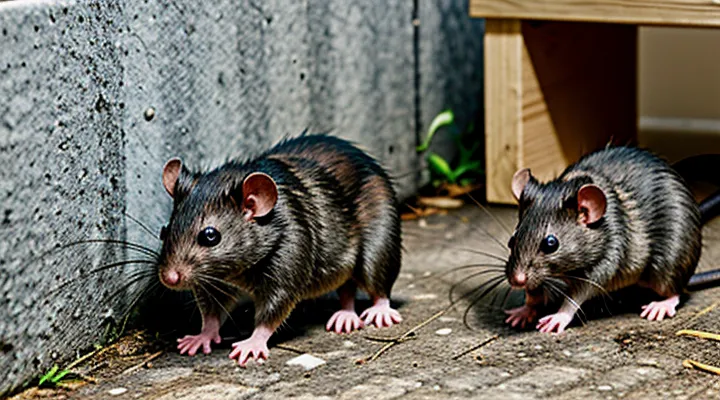
Understanding Rat Infestations
Identifying Rat Presence
Signs of Rats
Rats reveal their presence through several distinct indicators that precede noticeable damage. Recognizing these signs enables timely intervention and improves the success of control measures.
• Droppings resembling small, dark grains appear near food sources, along walls, or in concealed corners.
• Gnaw marks on wood, plastic, or insulation display clean, incisive cuts characteristic of rodent teeth.
• Fresh tracks become visible in dust, flour, or soft soil, often forming parallel lines with a distinctive heel‑pad pattern.
• Burrows or nesting chambers form in insulation, wall voids, or stored‑goods piles, leaving loose material and shredded fibers.
• Scratching sounds emerge from ceilings, attics, or behind appliances, especially during nocturnal hours.
• A strong, musky odor, sometimes described as «a pungent, ammonia‑like scent», indicates urine accumulation in confined spaces.
• Direct sightings of live or dead rats confirm activity and suggest an established population.
Each of these observations warrants immediate inspection and the implementation of targeted eradication tactics. Prompt response reduces the risk of disease transmission, structural compromise, and food contamination.
Common Hiding Spots
Rats select concealed locations that provide easy access to food, water and protection from predators. Recognizing these areas is essential for any rat eradication strategy.
• Spaces behind appliances, especially refrigerators and stoves, where heat and moisture accumulate.
• Gaps under sinks, inside cabinets and behind wall voids, offering direct routes to plumbing and stored provisions.
• Overhead attics and ceiling joists, where insulation creates a warm, undisturbed environment.
• Crawl spaces and basement foundations, featuring cracks, vents and drainage pipes that connect to the exterior.
• Outdoor debris piles, compost heaps and dense vegetation, serving as initial entry points before rodents infiltrate structures.
Each spot presents a combination of shelter and proximity to sustenance. Regular inspection of these zones, sealing of entry points and prompt removal of food residues reduce the likelihood of infestation. Targeted bait placement and trapping within identified hiding places increase the effectiveness of control measures.
Why Rats Are a Problem
Health Risks Posed by Rats
Rats serve as carriers of numerous pathogens that threaten human health. Direct contact with rodent urine, feces, or saliva can transmit bacterial infections such as leptospirosis, salmonellosis, and rat‑bite fever. Inhalation of aerosolized particles from dried rodent droppings may lead to hantavirus pulmonary syndrome, a serious respiratory condition. Parasites, including fleas and mites, proliferate on rat hosts and can spread plague, typhus, and other vector‑borne diseases to people.
Contamination of food supplies represents another significant hazard. Rodent activity in kitchens, pantries, and storage areas introduces droppings and hair into consumables, creating conditions for food poisoning and gastrointestinal illness. Improperly sealed containers and cracked walls provide entry points for rats, increasing the likelihood of widespread contamination.
Allergic reactions and asthma exacerbations arise from exposure to rodent allergens. Proteins present in rat urine and dander become airborne, provoking immune responses in sensitive individuals. Persistent exposure can contribute to chronic respiratory problems and heightened sensitivity to other indoor pollutants.
Structural damage inflicted by gnawing rodents compromises building integrity. Chewed electrical wiring raises the risk of fire, while damaged insulation and ventilation systems promote mold growth. Mold spores, in turn, aggravate respiratory conditions and may produce mycotoxins harmful to occupants.
Key health threats associated with rodent infestation
- Leptospirosis – bacterial infection transmitted through contaminated water or soil.
- Hantavirus – viral disease contracted by inhaling aerosolized droppens.
- Salmonellosis – gastrointestinal infection from ingesting contaminated food.
- Rat‑bite fever – bacterial infection following bites or scratches.
- Plague and typhus – vector‑borne diseases spread by fleas and lice.
- Allergic sensitization – respiratory issues triggered by rodent proteins.
- Mold‑related illnesses – respiratory irritation and mycotoxin exposure.
Mitigating these risks requires prompt identification of infestation signs, sealing of entry points, and implementation of effective control measures. Eliminating rodent populations reduces pathogen reservoirs, safeguards food safety, and preserves indoor air quality, thereby protecting public health.
Damage Caused by Rats
Rats cause extensive structural and health-related damage that motivates the search for effective eradication methods. Their gnawing habit compromises building integrity, while their presence introduces pathogens that threaten occupants.
- gnawed electrical wiring leads to short circuits, fire hazards, and costly repairs
- damaged insulation reduces energy efficiency and increases heating or cooling expenses
- chewed plumbing results in leaks, water loss, and potential mold growth
- contaminated food stores cause spoilage, financial loss, and attract additional pests
- droppings and urine carry diseases such as leptospirosis, hantavirus, and salmonellosis, creating public‑health risks
Understanding these impacts underscores the urgency of implementing reliable rodent‑control strategies.
Prevention Strategies
Sealing Entry Points
Inspecting Your Home
Inspecting a property is a critical step in eliminating rodent infestations. Identify all entry points by examining foundations, walls, and roof eaves for gaps larger than a quarter‑inch. Seal cracks with steel wool and caulk, or install metal flashing where needed. Verify that doors and windows close tightly; replace weatherstripping that shows wear.
Check interior spaces for signs of activity. Look for droppings along walls, behind appliances, and in pantry corners. Examine food storage areas for unsealed containers; transfer bulk items to airtight bins. Inspect insulation, wiring, and ventilation ducts for gnaw marks or nesting material.
Maintain a record of findings. Create a checklist that includes:
- Exterior gaps and their remediation status
- Interior evidence of rodents
- Food protection measures implemented
- Structural repairs scheduled
Regularly repeat the inspection cycle, especially after seasonal changes, to ensure that new vulnerabilities are detected promptly. Prompt remediation prevents re‑infestation and supports long‑term rodent control.
Materials for Sealing
Sealing entry points eliminates the primary route rodents use to infiltrate structures. Identifying gaps around pipes, vents, foundation cracks, and door frames is the first step toward a durable barrier.
- Steel wool, tightly packed, resists chewing.
- Copper mesh offers corrosion resistance and flexibility.
- Hardware cloth (½‑inch or smaller) provides a rigid, chew‑proof screen.
- Concrete or mortar fills larger cracks and settles permanently.
- Expanding polyurethane foam expands to fill irregular voids, then hardens.
- Silicone caulk seals small seams around windows and fixtures.
- Metal flashing covers roof‑to‑wall transitions and roof vent openings.
- Epoxy sealant bonds to wood and metal, creating a seamless coat.
- Weatherstripping strips close gaps beneath doors and sliding panels.
Material selection depends on gap size, exposure to moisture, and structural considerations. Rigid options such as hardware cloth or concrete suit openings larger than a quarter inch, while flexible fillers like steel wool or foam address narrow crevices. Choose corrosion‑resistant metals for outdoor applications to prevent degradation.
Application requires a clean surface, proper tool use, and layered reinforcement. Insert filler material, then apply a sealing compound to cover the entire area. Allow curing time specified by the manufacturer before exposing the seal to traffic or weather. Periodic inspection detects new breaches, enabling prompt repair before rodents re‑establish access.
Eliminating Food and Water Sources
Proper Food Storage
Proper food storage directly reduces the availability of sustenance that attracts rodents, thereby weakening population growth and encouraging migration away from inhabited areas. By eliminating accessible food sources, the environment becomes inhospitable, prompting rats to seek alternative habitats.
Key practices for secure storage include:
- Use airtight, metal or heavy‑plastic containers with reinforced lids; avoid cardboard, paper, or loosely sealed bags.
- Store bulk items on elevated shelves, away from walls and floor level, to prevent gnawing access.
- Implement a “first‑in, first‑out” system, rotating stock to avoid spoilage that creates odor and attracts pests.
- Clean spills immediately; maintain a dry, crumb‑free surface in pantries and kitchens.
- Seal garbage bins with tight‑fitting lids and place them outside regular storage areas.
Consistent application of these measures removes a primary incentive for rats, supporting broader pest‑control strategies and fostering a healthier, rodent‑free environment.
Managing Waste
Effective waste control reduces the availability of food and shelter for rodents, thereby limiting population growth.
- Store refuse in containers with tight-fitting lids.
- Position bins away from building foundations and walls.
- Empty waste receptacles at least daily in high‑traffic areas.
- Compact or bag kitchen scraps before disposal to prevent odor attraction.
- Separate organic material for composting; maintain compost piles at temperatures above 55 °C and cover them with a barrier to deter entry.
Regular cleaning of spill zones, prompt removal of dropped food, and inspection of drainage systems prevent accidental feeding sources. Implementing these practices creates an environment hostile to rats, supporting broader pest‑reduction strategies.
Addressing Leaks and Moisture
Moist environments create ideal conditions for rats, providing easy access to drinking water and facilitating the growth of insects and mold that serve as additional food sources. Persistent leaks in plumbing, roofs, or foundations attract rodent activity and enable nests to thrive in damp insulation or wall cavities.
Effective mitigation includes:
- Repairing all visible leaks in pipes, faucets, and appliances promptly.
- Sealing cracks and gaps around windows, doors, and utility penetrations to prevent water ingress.
- Installing proper drainage away from building foundations to reduce surface moisture.
- Using dehumidifiers in basements and crawl spaces to maintain relative humidity below 50 %.
- Inspecting roofing and flashing for damage, correcting any points where rainwater can enter.
Eliminating excess moisture deprives rats of a reliable water source, reduces the availability of insect prey, and diminishes the suitability of structural voids for nesting. Consequently, the overall attractiveness of the premises to rodent populations declines, supporting long‑term pest‑management objectives.
Maintaining a Clean Environment
Decluttering
Decluttering removes the hiding places and food sources that make indoor environments attractive to rodents. By eliminating stacked boxes, piles of paper, and unused items, the opportunities for rats to nest and travel are drastically reduced.
Clutter creates dark, insulated spaces where rats can build burrows, store food, and evade traps. Open, organized areas deny the pests shelter and limit their ability to establish a colony.
- Remove cardboard boxes and recycle or store them in sealed containers.
- Discard broken appliances, furniture, and other debris that could serve as nesting material.
- Keep storage rooms and basements well‑lit; install shelving that leaves no floor space exposed.
- Store pet food, grains, and garbage in airtight containers.
- Regularly sweep floors and vacuum corners to eliminate droppings and residual crumbs.
A tidy environment forces rats to seek shelter elsewhere, increasing the effectiveness of traps and bait stations. Consistent decluttering supports long‑term rodent control and reduces the likelihood of reinfestation.
Yard Maintenance
Effective yard upkeep reduces rat activity by eliminating food sources, shelter, and travel routes. Regular mowing prevents tall grass and weeds that provide cover for rodents. Removing leaf piles, brush, and discarded building materials eliminates potential nesting sites.
- Trim vegetation to a height of 4‑6 inches, especially near building foundations.
- Collect fallen fruit, nuts, and seeds daily; store them in sealed containers.
- Maintain compost bins with tight‑fitting lids; turn compost frequently to discourage burrowing.
- Clear debris, old pallets, and firewood stacks; keep them elevated off the ground.
Inspect perimeter structures for gaps larger than ½ inch and seal them with steel wool or caulk. Install hardware‑claw or smooth‑metal fencing to deter climbing. Ensure drainage systems function properly; standing water attracts insects that serve as rat prey and creates humid conditions favorable to nesting.
During autumn, gather and dispose of fallen leaves before they accumulate. In spring, monitor new growth and adjust mowing schedules accordingly. Consistent yard management creates an environment hostile to rats, limiting their ability to establish colonies.
Extermination Methods
Trapping
Types of Traps
Effective rodent control relies on selecting appropriate capture devices. Different trap designs target specific behaviors and environments, allowing precise intervention.
Snap traps deliver rapid lethal force. Steel jaws close within milliseconds when a rodent activates a trigger. Models vary from traditional wooden frames to plastic housings with adjustable sensitivity. Placement near walls or known runways maximizes success.
Electronic traps emit a high‑voltage shock that instantly incapacitates the animal. Sensors detect contact and initiate a controlled discharge. These units often include a compartment for easy disposal and reduce risk of accidental injury to non‑target species.
Live‑capture traps confine rodents without killing them. Spring‑loaded doors close once the animal enters to reach bait. Designs range from single‑catch cages to multi‑catch systems that hold several individuals before requiring emptying. Proper handling and release protocols are essential to prevent disease transmission.
Glue boards consist of adhesive surfaces that immobilize rodents upon contact. They are useful for monitoring activity in concealed areas. Adhesive strength and board size influence retention rates; regular inspection prevents prolonged suffering.
Bait stations combine poison with a secure enclosure that allows only small rodents to enter. Although not a mechanical trap, the enclosure functions as a delivery mechanism, protecting pets and humans while ensuring consumption by target pests.
Choosing a trap type depends on factors such as infestation level, location, desired outcome (lethal vs. humane), and safety considerations. Combining multiple devices often improves overall effectiveness.
Baiting Strategies
Effective rodent control relies on well‑planned baiting strategies. Selecting an appropriate bait type is the first step. Anticoagulant blocks, such as bromadiolone or difenacoum, provide long‑acting action; non‑anticoagulant options like bromethalin deliver rapid mortality. Choosing a formulation that matches the target population’s feeding habits increases uptake.
Proper placement maximises exposure while minimising non‑target risks. Key principles include:
- Positioning baits along established runways, near walls, and close to food sources.
- Securing stations at a height of 2–3 inches off the floor to deter larger animals.
- Using tamper‑resistant containers in areas accessible to children or pets.
Monitoring and adjustment are essential. Replace spent or contaminated baits promptly, and rotate active ingredients every 30 days to prevent resistance. Record observations of bait consumption and signs of activity to evaluate effectiveness.
Safety measures protect humans and domestic animals. Wear gloves when handling baits, store them in locked containers, and label stations clearly with warning signs. Dispose of unused bait according to local hazardous‑waste regulations.
Integrating baiting with sanitation and exclusion creates a comprehensive approach. Eliminate food spillage, seal entry points, and maintain regular inspections to sustain long‑term results.
Trap Placement
Effective rodent control relies heavily on strategic trap positioning. Proper placement maximizes capture rates while minimizing wasted effort.
- Position traps along walls, behind appliances, and in corners where rats travel.
- Target known runways: narrow pathways adjacent to baseboards, under sinks, and near food storage areas.
- Install traps perpendicular to the wall, with the trigger end facing the wall, forcing the rodent to approach from the side.
- Place multiple traps at intervals of 2–3 feet along a suspected route to create a barrier.
- Avoid open floor spaces; rats prefer concealed routes close to surfaces.
Bait selection influences placement success. Use a small amount of attractive food, such as peanut butter or dried fruit, placed directly on the trigger mechanism. Ensure the bait does not extend beyond the trap, preventing premature detection.
Safety considerations include securing traps out of reach of children and pets, and checking them regularly to remove captured rodents promptly. Proper disposal of trapped rats prevents disease spread and maintains hygiene.
Baits and Rodenticides
Types of Rodenticides
Rodenticides are chemical agents formulated to reduce rat populations in residential, commercial, and agricultural settings. They function by delivering a toxic dose to the target species while minimizing exposure to non‑target organisms.
Anticoagulant rodenticides constitute the most widely employed class. First‑generation compounds, such as warfarin and chlorophacinone, require multiple feedings to achieve lethality. Second‑generation agents, including bromadiolone, difenacoum and brodifacoum, act after a single ingestion and are effective against populations that have developed resistance to earlier formulations.
Non‑anticoagulant rodenticides provide alternatives when resistance or secondary poisoning concerns limit the use of anticoagulants. Representative products include:
- Bromethalin – disrupts mitochondrial function, leading to rapid neurological failure.
- Cholecalciferol – induces hypercalcemia, causing cardiac arrest.
- Zinc phosphide – reacts with gastric acid to release phosphine gas, producing acute respiratory toxicity.
- Sodium fluoroacetate – interferes with the citric acid cycle, resulting in cellular energy depletion.
Selection of an appropriate rodenticide depends on several factors. Resistance patterns dictate whether a second‑generation anticoagulant or a non‑anticoagulant is required. Target specificity influences the risk to wildlife and domestic animals. Environmental persistence and regulatory status guide compliance with local pest‑management regulations.
Safety measures mandate the use of tamper‑resistant bait stations, proper labeling, and adherence to recommended application rates. Personal protective equipment protects handlers, while disposal procedures prevent unintended contamination of water sources and soil. Compliance with integrated pest‑management principles ensures that chemical control complements sanitation, exclusion, and habitat modification to achieve sustainable rat reduction.
Safe Usage and Placement
Effective rodent control relies on proper handling and strategic positioning of devices and substances. Safety considerations begin with selecting products approved by regulatory agencies. Only use traps, baits, and repellents that carry current certifications, and store them in sealed containers away from food preparation areas.
Placement guidelines:
- Position snap traps along walls, behind appliances, and near known runways; avoid high‑traffic human zones.
- Deploy bait stations at ground level, anchored to prevent displacement by pets or children; locate them at least 2 meters from food storage and cooking surfaces.
- Install electronic deterrents in attics, crawl spaces, and basements; ensure power sources are protected from moisture.
- Keep poison granules in tamper‑resistant boxes, spaced at least 1 meter apart to reduce accidental ingestion.
- Maintain a clear perimeter of at least 30 centimeters around each device to allow unobstructed operation and inspection.
Regular inspection confirms functionality and detects wear. Replace damaged traps promptly, and replenish bait only after confirming depletion. Record placement coordinates to track coverage and avoid redundant deployment.
Disposal procedures require sealed bags for used traps and expired baits, followed by disposal in designated hazardous‑waste facilities. Adhering to these practices minimizes risk to non‑target species and ensures compliance with health‑safety standards.
Risks to Pets and Children
Rats attract attention because control measures can endanger non‑target animals. Toxic baits often contain anticoagulants or neurotoxins that pets may ingest accidentally. Young children are drawn to bright pellets or placed traps, increasing the likelihood of accidental exposure.
Key hazards include:
- Poison ingestion leading to internal bleeding or neurological symptoms in dogs, cats, and small mammals.
- Secondary poisoning when a pet consumes a poisoned rat, transferring the toxin through the food chain.
- Mechanical injury from snap‑type traps, which can cause severe lacerations or amputations if triggered by a child’s hand.
- Respiratory irritation from rodent‑derived allergens released during extermination activities, affecting children with asthma.
Mitigation strategies require secure bait stations that deny access to pets and children, placement of traps in concealed locations, and the use of non‑chemical methods such as ultrasonic devices or professional exclusion techniques. Continuous monitoring of control sites and immediate removal of hazardous materials after successful eradication reduce the probability of unintended harm.
Adherence to manufacturer guidelines and local regulations ensures that rodent management does not compromise the safety of vulnerable household members.
Natural and Repellent Methods
Essential Oils
Essential oils constitute a natural option for controlling rodent activity. Their strong, volatile compounds interfere with the sensory receptors that rats rely on for navigation and foraging, prompting avoidance of treated areas.
Commonly employed oils and their primary effects include:
- «Peppermint oil» – high menthol content creates an unpleasant scent and irritates nasal passages.
- «Eucalyptus oil» – contains eucalyptol, which disrupts olfactory cues.
- «Cinnamon oil» – possesses phenolic compounds that act as a repellent.
- «Clove oil» – rich in eugenol, which deters feeding behavior.
- «Citronella oil» – emits a sharp aroma that masks food odors.
Application methods involve soaking cotton balls or cloth strips in the selected oil and placing them near entry points, nesting sites, and food storage areas. Alternatively, a diluted solution can be sprayed onto surfaces, ensuring regular reapplication to maintain potency as the volatile components evaporate.
Ultrasonic Devices
Ultrasonic devices emit high‑frequency sound waves that are inaudible to humans but uncomfortable for rodents. The emitted frequencies typically range from 20 kHz to 65 kHz, creating a hostile acoustic environment that discourages nesting and foraging.
The technology operates by generating continuous or pulsed signals that interfere with the auditory and nervous systems of rats. Exposure triggers stress responses, leading to avoidance of treated areas. Effectiveness varies with species, age, and habituation; younger rodents exhibit greater sensitivity, while older individuals may acclimate after prolonged exposure.
Successful deployment requires strategic positioning. Devices should be placed at least one meter apart, avoiding obstacles that block sound propagation such as thick walls or furniture. Coverage maps supplied by manufacturers indicate the effective radius, often between 30 and 50 feet in open spaces. Regular battery replacement or connection to a stable power source ensures consistent output. Periodic testing with a calibrated detector verifies that the intended frequency range remains active.
Key points:
-
Advantages
• Non‑chemical, no residue
• Silent to occupants, safe for pets when used according to specifications
• Easy installation, minimal maintenance -
Limitations
• Diminished efficacy in cluttered environments
• Potential habituation after several weeks of continuous exposure
• Limited range; multiple units may be necessary for large infestations
Combining ultrasonic repellers with physical barriers, such as sealed entry points and bait stations, enhances overall control. Integrated approaches reduce reliance on any single method and improve long‑term suppression of rodent populations.
Homemade Repellents
Homemade repellents constitute a practical component of rodent‑control strategies, offering inexpensive alternatives to commercial chemicals. Their effectiveness relies on creating an environment that rodents find unattractive, thereby discouraging entry and nesting.
- Peppermint oil: concentrate oil on cotton balls, place near entry points and suspected pathways; strong menthol scent repels rodents.
- Ammonia solution: mix equal parts water and ammonia, spray in corners, closets, and under appliances; harsh odor deters activity.
- Vinegar: dilute white vinegar with water, apply to surfaces where droppings appear; acidity creates an unpleasant atmosphere.
- Cayenne pepper or hot sauce: sprinkle powder or spray mixture along baseboards and gaps; capsaicin irritates sensory receptors.
- Garlic and onion: crush cloves, disperse fragments in attics and basements; sulfur compounds act as natural deterrents.
Application guidelines emphasize regular renewal of repellents, as potency diminishes within days. Placement should target known travel routes, openings, and food storage areas. Sealing cracks, removing clutter, and maintaining cleanliness amplify the impact of homemade solutions.
Safety considerations include ventilation when using volatile substances, avoidance of direct contact with skin, and keeping preparations away from children and pets. Laboratory assessments indicate that while repellents reduce rodent activity, they rarely achieve complete eradication; integration with trapping or professional extermination yields optimal results. «Rats avoid strong odors», reinforcing the rationale for employing aromatic homemade agents as part of a comprehensive control plan.
Professional Pest Control
When to Call an Expert
Signs of a Severe Infestation
Severe rat infestation manifests through observable evidence that indicates a rapidly expanding population and heightened health risks. Recognizing these indicators allows prompt implementation of decisive control measures.
- Extensive gnaw marks on structural timber, insulation, or wiring; damage appears in multiple locations and shows repeated patterns.
- Large quantities of droppings, often concentrated near food sources, storage areas, or along walls; droppings are dark, pellet‑shaped, and may emit a strong ammonia odor.
- Persistent squeaking, scurrying, or scratching noises, especially at night, emanating from walls, ceilings, or attic spaces.
- Visible nests constructed from shredded paper, fabric, or insulation, typically situated in concealed corners, behind appliances, or within crawl spaces.
- Significant burrowing activity in gardens, basements, or outdoor structures, leaving multiple entry holes spaced less than a foot apart.
- Unexplained gnawed food packaging, stored grains, or pet food, with evidence of consumption across a wide area.
When these signs appear concurrently, the infestation has likely surpassed early detection thresholds. Immediate professional assessment becomes essential, as delayed action increases the probability of structural damage, disease transmission, and costly remediation. Identifying severe indicators directs resources toward comprehensive eradication strategies, ensuring long‑term protection of the premises.
Persistent Rat Problems
Persistent rat infestations arise when food sources, shelter, and access points remain unmanaged. Failure to seal gaps, store waste improperly, or maintain cleanliness allows populations to thrive despite occasional control attempts. Continuous monitoring of activity signs—droppings, gnaw marks, and audible noises—identifies hotspots that require immediate attention.
Effective elimination relies on an integrated approach combining environmental modification, exclusion techniques, and targeted baiting. Reducing attractants limits reproductive capacity, while physical barriers prevent re‑entry. Proper placement of rodenticide stations, calibrated to local regulations, delivers lethal doses to visiting individuals without exposing non‑target species.
Key actions include:
- Inspect and seal cracks, holes, and utility openings with steel wool, metal flashing, or concrete.
- Store food in airtight containers; remove pet food after feeding periods.
- Maintain regular garbage collection; use bins with tight‑fitting lids.
- Install snap traps or electronic devices along established runways; check and replace daily.
- Deploy tamper‑resistant bait stations in concealed locations; rotate active sites to avoid bait aversion.
- Conduct quarterly professional inspections to verify exclusion integrity and adjust control measures as needed.
What to Expect from Professionals
Inspection Process
An accurate inspection establishes the baseline for any rodent‑removal effort. Inspectors examine interior and exterior zones, noting gnaw marks, droppings, burrows, and pathways. Visual verification confirms the presence of active infestations and reveals structural vulnerabilities that facilitate entry.
- Identify evidence of activity in kitchens, storage areas, and concealed spaces.
- Trace pathways from entry points to nesting sites using infrared cameras or flashlights.
- Evaluate sanitation practices, waste management, and moisture sources that attract rodents.
- Record structural defects such as gaps, cracks, and unsealed openings.
Documentation includes photographs, measured dimensions of openings, and a prioritized list of remediation actions. Recommendations address immediate sealing of entry points, removal of food and water sources, and scheduling of follow‑up inspections to verify the effectiveness of interventions. Continuous monitoring ensures that the eradication program remains responsive to any resurgence. «Effective inspection forms the foundation of successful rodent control».
Treatment Plans
Effective rat control requires a structured treatment plan that integrates inspection, intervention, and follow‑up. Initial assessment identifies infestation extent, entry points, and attractants. Data from the inspection guide selection of appropriate control measures and allocation of resources.
Key components of a treatment plan include:
- Comprehensive site survey to map activity zones and nesting sites.
- Identification of food and water sources contributing to population growth.
- Selection of control methods, such as baiting, trapping, and habitat modification.
- Implementation schedule detailing frequency, placement, and safety precautions.
- Documentation of chemical agents, dosage, and compliance with local regulations.
The chosen approach often follows the principles of « Integrated Pest Management », emphasizing minimal reliance on toxicants and prioritizing preventive actions. Traps are positioned along established runways, while bait stations are placed in concealed locations to reduce non‑target exposure. Habitat modification eliminates shelter by sealing gaps, removing clutter, and managing waste.
Post‑treatment monitoring verifies efficacy. Regular inspections record activity signs, capture rates, and bait consumption. Adjustments to bait density or trap locations are made based on observed trends. Continuous documentation ensures accountability and supports long‑term prevention strategies.
Follow-up and Prevention Advice
Effective rat eradication requires systematic follow‑up and long‑term prevention. After an initial control operation, the property owner should verify that traps and bait stations remain functional, record any new activity, and adjust placement if signs of rodents reappear. Documentation of findings supports timely intervention and reduces the risk of infestation resurgence.
Follow‑up actions
- Inspect all entry points weekly for fresh gnaw marks or droppings.
- Replace exhausted bait and reset malfunctioning traps within 24 hours.
- Conduct a visual sweep of storage areas, basements, and attics at least once a month.
- Maintain a log of observations, dates, and corrective measures taken.
Prevention measures
- Seal cracks, gaps, and utility openings with steel wool, cement, or metal flashing.
- Store food in sealed containers; keep waste in tightly lidded bins.
- Trim vegetation away from building foundations; eliminate debris that offers shelter.
- Install gutter guards and ensure proper drainage to discourage moisture‑attracted rodents.
- Schedule periodic professional inspections to assess structural vulnerabilities and reinforce barriers.
Consistent monitoring combined with rigorous exclusion practices creates conditions hostile to rats, ensuring lasting control and protecting health and property.