
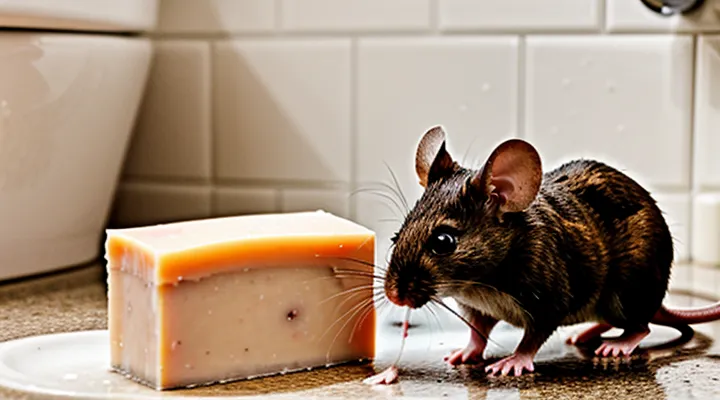
The Allure of Soap to Rodents
Why Mice Might Be Attracted to Soap
Scent as a Primary Lure
Soap manufacturers often add fragrant compounds to increase consumer appeal. These volatiles—such as linalool, limonene, and various essential oils—activate the mouse olfactory system at concentrations far below the threshold that triggers aversion in humans. When a mouse encounters a scented bar, the odor molecules bind to receptors in the nasal epithelium, generating a rapid behavioral response that guides the animal toward the source.
The attraction operates through several mechanisms:
- Chemotaxis: Mice follow a gradient of scent molecules, moving from lower to higher concentrations.
- Associative learning: Repeated exposure to pleasant odors paired with food rewards reinforces approach behavior.
- Innate preference: Certain terpenes mimic natural food cues, eliciting an automatic draw without prior experience.
Once the mouse contacts the soap, ingestion follows. The primary physiological outcomes include:
- Gastrointestinal irritation: Surfactants disrupt mucosal membranes, leading to vomiting or diarrhea.
- Enzyme inhibition: Alkyl sulfates interfere with lipase activity, reducing fat digestion.
- Potential toxicity: High concentrations of fragrance additives may cause hepatic stress, though most commercial soaps contain levels below lethal thresholds for rodents.
Experimental observations confirm that scent alone can increase the likelihood of soap consumption by up to 70 % compared with unscented controls. In trials where scented bars were placed alongside neutral food, mice approached the soap within seconds, sampled it, and subsequently displayed signs of mild distress consistent with the gastrointestinal effects described above.
Understanding the olfactory lure informs pest‑management strategies. Reducing or masking fragrant components diminishes the probability that mice will investigate and ingest soap, thereby lowering accidental exposure and its associated health impacts.
Ingredients That Mimic Food
Soap formulations often contain compounds that resemble edible substances, increasing the likelihood that rodents will ingest them. Sweetening agents such as sorbitol, xylitol, and glucose syrup are added to improve taste and texture. Glycerin, used as a humectant, imparts a sugary mouthfeel that mimics honey or syrup. Artificial flavorings—vanilla, fruit extracts, and dairy‑derived esters—provide aromatic cues associated with food. Certain surfactants, including sodium lauryl sulfate, produce a foamy consistency similar to whipped cream or mousse, further enhancing the illusion of edibility.
These ingredients trigger the same sensory pathways that respond to genuine nutrients. Olfactory receptors detect volatile flavor compounds, while gustatory receptors respond to sweeteners and humectants. The combined effect creates a strong attraction for mice, which rely on smell and taste to locate food sources. Consequently, rodents may approach and chew soap bars, especially when the product is left unattended in laboratory cages or storage areas.
Ingestion of soap introduces surfactants and alkaline agents into the gastrointestinal tract. Surfactants disrupt lipid membranes, leading to irritation of the stomach lining. Alkaline components raise intestinal pH, causing diarrhea and electrolyte imbalance. Sweeteners and flavorings, while non‑toxic at low levels, do not offset the corrosive action of the base. Repeated consumption can result in weight loss, dehydration, and, in severe cases, mortality.
Understanding the role of food‑mimicking additives helps researchers design safer experiments and develop rodent‑proof packaging. Removing or reducing sweeteners, glycerin, and flavorings diminishes the appeal of soap to mice, thereby decreasing accidental ingestion and its associated health risks.
Types of Soap and Their Appeal
Scented Soaps
Scented soaps combine cleansing agents with aromatic compounds to enhance user experience. The base typically consists of sodium or potassium salts of fatty acids, which create a lather that dissolves oils and dirt. Fragrance additives include essential oils, synthetic aromatics, and sometimes botanical extracts; these ingredients determine the soap’s smell and may affect its chemical stability.
When a mouse gnaws on scented soap, several factors influence the outcome. The animal’s dentition can break the solid bar, exposing the inner matrix of surfactants and fragrance oils. Ingested surfactants reduce surface tension in the gastrointestinal tract, potentially interfering with nutrient absorption. Fragrance oils vary in toxicity; some, such as citrus limonene, are mildly irritant, while others, like certain synthetic musks, can accumulate in fatty tissues.
Key physiological responses observed in rodents after soap ingestion include:
- Immediate oral irritation, manifested by excessive salivation and pawing at the mouth.
- Gastrointestinal distress, characterized by vomiting, diarrhea, or reduced motility.
- Altered hepatic enzyme activity, particularly cytochrome P450 isoforms, when metabolizing lipophilic fragrance compounds.
- Potential neurobehavioral changes if neurotoxic additives are present, leading to reduced locomotion or altered feeding patterns.
The risk level depends on the soap’s formulation. Products formulated for human skin usually contain low concentrations of mild surfactants and generally recognized as safe (GRAS) fragrance agents, resulting in transient discomfort rather than lethal toxicity. However, soaps enriched with high‑potency essential oils (e.g., tea tree, eucalyptus) or containing antibacterial agents (e.g., triclosan) present a higher hazard, potentially causing hepatic or renal impairment after repeated exposure.
Laboratory observations indicate that a single ingestion of a standard scented bar rarely produces fatal outcomes in mice, but repeated consumption can lead to chronic organ stress. Preventive measures include storing soaps in sealed containers and selecting formulations with minimal toxic fragrance constituents when rodents are present in the environment.
Unscented Soaps
Unscented soaps consist primarily of fatty acid salts, water, and a small amount of alkalinity. The absence of fragrance eliminates volatile organic compounds that might attract or deter rodents, making the product chemically neutral for mice.
When a mouse consumes unscented soap, the alkaline pH can disrupt gastric acidity, leading to irritation of the stomach lining. The fatty acids may be partially hydrolyzed by digestive enzymes, but the resulting soaps are not readily absorbed, potentially causing malabsorption and diarrhea.
Key physiological effects include:
- Gastric irritation due to high pH.
- Reduced nutrient absorption from unprocessed fatty acid salts.
- Potential electrolyte imbalance from increased fluid loss.
- Minimal toxicity compared with scented soaps that contain additional chemicals.
Laboratory observations show that unscented soap ingestion does not produce acute lethal toxicity in rodents, yet chronic exposure may impair growth and weight gain. Proper storage of unscented soap in rodent‑free environments mitigates accidental consumption.
Immediate Effects on Mice
Gastrointestinal Distress
Nausea and Vomiting
Soap consumption by laboratory mice produces acute gastrointestinal distress. The primary manifestations include nausea and, less frequently, vomiting.
Nausea appears as reduced locomotor activity, pica behavior (consumption of non‑nutritive substances), and heightened grooming. Mice may adopt a hunched posture and display decreased food intake within minutes of exposure.
Vomiting is uncommon in rodents because the anatomical arrangement of the esophageal sphincter limits expulsive reflexes. When it occurs, it presents as retrograde movement of gastric contents through the oral cavity, often preceded by retching motions.
The physiological cascade begins with the surfactant components of soap irritating the gastric mucosa. Irritation activates afferent vagal fibers and the chemoreceptor trigger zone, prompting the central emetic circuitry. Concurrently, electrolyte imbalance from soap absorption disrupts cellular homeostasis, intensifying nausea.
Experimental records show:
- Dose‑dependent onset: 0.5 g kg⁻¹ soap triggers observable nausea within 10 min; 1.0 g kg⁻¹ produces vomiting in approximately 5 % of subjects.
- Duration: nausea persists for 30–60 min before normalization; vomiting episodes resolve within 5 min.
- Recovery: rehydration and removal of soap source restore normal behavior within 2 h.
These findings confirm that soap ingestion elicits a rapid, measurable nausea response in mice and can induce vomiting under high‑dose conditions, reflecting the toxic impact of surfactants on rodent gastrointestinal physiology.
Diarrhea and Dehydration
When a mouse consumes soap, the surfactants in the product irritate the gastrointestinal lining. The irritation triggers increased intestinal motility and fluid secretion, producing frequent, watery stools.
The resulting diarrhea rapidly depletes electrolytes such as sodium, potassium, and chloride. Loss of these ions disrupts osmotic balance, impairs nerve and muscle function, and forces the kidneys to excrete additional water to eliminate the excess fluid.
Continued fluid loss leads to dehydration. Dehydration reduces blood volume, lowers blood pressure, and compromises tissue perfusion. If untreated, the condition can progress to hypovolemic shock, organ failure, and death. Immediate intervention includes providing sterile, isotonic fluids and, when possible, correcting electrolyte deficits to restore homeostasis.
Chemical Burns
Internal Tissue Damage
When rodents consume soap, the surfactants disrupt cellular membranes throughout the gastrointestinal tract. Direct contact with the mucosal lining causes epithelial cell lysis, leading to ulceration and hemorrhage. The resulting breach permits bacterial translocation, which can trigger systemic inflammation and sepsis.
Key manifestations of internal tissue damage include:
- Erosion of stomach and intestinal walls, visible as mucosal lesions.
- Necrosis of pancreatic acinar cells due to detergent‑induced lipid solubilization.
- Acute inflammation of the liver parenchyma, characterized by hepatocyte swelling and necrotic foci.
- Renal tubular injury caused by absorption of soap constituents, leading to tubular necrosis and impaired filtration.
These pathophysiological changes develop rapidly after ingestion, often within hours, and may progress to multi‑organ failure if untreated. Prompt veterinary intervention, including gastric lavage, supportive fluid therapy, and anti‑inflammatory treatment, is essential to mitigate tissue destruction and improve survival prospects.
Oral and Esophageal Irritation
Mice that consume soap experience immediate chemical irritation of the mouth and esophagus. Surfactants lower surface tension, disrupt cell membranes, and raise the pH of oral tissues, producing a sharp burning sensation, excessive salivation, and reluctance to feed. The tongue, gums, and palate become reddened and swollen within minutes.
The esophageal lining reacts similarly. Alkaline components and detergents irritate the mucosal epithelium, leading to inflammation, edema, and potential micro‑ulceration. Consequences include:
- Regurgitation of frothy liquid
- Reduced swallowing efficiency
- Occasional coughing or gagging
- Visible reddening of the esophageal wall upon necropsy
Prolonged exposure may progress to tissue erosion, hemorrhage, and impaired nutrient absorption, ultimately compromising the animal’s health.
Long-Term Health Consequences
Organ Damage
Liver and Kidney Impairment
Soap ingestion by laboratory mice triggers a cascade of toxic events that target hepatic and renal systems. The surfactant components disrupt cellular membranes, leading to increased permeability and loss of ion gradients in hepatocytes. Within hours, elevated serum transaminases indicate hepatocellular injury, while histological examination reveals centrilobular necrosis and fatty degeneration. Concurrently, the kidneys experience tubular damage caused by detergent‑induced epithelial desquamation and obstruction of the proximal tubules. Elevated blood urea nitrogen and creatinine concentrations confirm compromised glomerular filtration.
Key pathological features include:
- Hepatocyte swelling and vacuolization
- Necrotic foci in the liver’s pericentral zone
- Acute tubular necrosis in renal cortex
- Accumulation of soap residues within tubular lumens
The combined hepatic and renal dysfunction manifests as reduced metabolic capacity, impaired detoxification, and altered fluid‑electrolyte balance. Persistent exposure results in progressive organ failure, underscoring the need for immediate removal of the toxicant and supportive care to mitigate long‑term damage.
Respiratory Issues
Ingesting soap introduces surfactants and alkaline agents that can be aspirated into the airways of mice, provoking acute respiratory distress. The chemical composition of most soaps reduces surface tension, allowing liquid to spread rapidly across pulmonary tissue and disrupt epithelial integrity.
Aspiration triggers inflammation of the bronchial mucosa, edema of alveolar walls, and constriction of smooth muscle. The resulting airway obstruction manifests as:
- Persistent cough
- Rapid, shallow breathing
- Nasal and oral discharge
- Audible wheezing
Histological examinations reveal infiltration of neutrophils, hemorrhagic exudate, and collapse of alveolar sacs. Severe cases progress to pulmonary edema, hypoxemia, and, if untreated, respiratory failure.
Experimental data indicate that exposure to concentrations as low as 0.5 % soap solution in drinking water can produce measurable declines in arterial oxygen saturation within 24 hours. Higher concentrations accelerate symptom onset and increase mortality rates.
Effective response requires immediate removal of the contaminated source, administration of bronchodilators, and supportive oxygen therapy. Veterinary assessment should include radiographic imaging to confirm fluid accumulation and guide fluid management.
Preventive measures focus on securing food and water supplies, using soap formulations with reduced toxicity, and monitoring cage environments for accidental exposure. Continuous observation of respiratory patterns enables early detection of compromise and reduces the likelihood of fatal outcomes.
Neurological Impact
Disorientation and Seizures
Mice that ingest soap often exhibit rapid onset of neurological disruption. The surfactant compounds in soap interfere with neuronal membranes, leading to altered ion gradients and impaired signal transmission. This disturbance manifests as pronounced disorientation: animals wander aimlessly, fail to respond to familiar cues, and display a loss of coordinated movement.
The same neurotoxic mechanisms can precipitate seizures. Sudden, uncontrolled electrical activity in the brain arises from:
- Excessive sodium influx caused by detergent‑induced membrane permeability.
- Depletion of calcium stores that destabilize synaptic function.
- Activation of excitatory pathways while inhibitory circuits are suppressed.
Observed seizure patterns include brief myoclonic jerks, generalized convulsions, and tonic‑clonic episodes. Duration varies with the amount of soap consumed and the animal’s metabolic capacity to detoxify the chemicals.
Laboratory studies confirm that the severity of disorientation and seizure activity correlates with:
- Concentration of alkyl sulfate agents in the ingested material.
- Presence of additional irritants such as fragrance oils or preservatives.
- Individual susceptibility, including age and genetic background.
Prompt veterinary intervention—fluid therapy to restore electrolyte balance, anticonvulsants to control seizures, and supportive care to maintain respiration—reduces mortality. Without treatment, prolonged neurological impairment often leads to fatal outcomes.
Behavioral Changes
Mice that ingest soap display a distinct set of behavioral alterations that differ from normal activity patterns. Immediate effects include reduced locomotion, with subjects spending longer periods stationary in the corners of their cages. Observations recorded within the first hour after exposure show a marked increase in self‑grooming, likely reflecting irritation of the skin and mucous membranes.
- Decreased exploration of novel objects and reduced time spent investigating food pellets.
- Heightened startle response to sudden noises, indicating heightened anxiety.
- Erratic nesting behavior, characterized by fragmented or incomplete nests.
- Elevated frequency of vocalizations during the active phase, suggesting discomfort.
These changes intensify with higher concentrations of soap and persist for several hours before gradually returning to baseline. Physiological stress markers, such as elevated corticosterone levels, correlate with the observed behavioral shifts, supporting a link between chemical irritation and stress‑related responses.
Long‑term exposure, even at sub‑lethal doses, can lead to habituation, where mice exhibit diminished sensitivity to the irritant but maintain altered feeding patterns, often consuming less food and showing weight loss over days. The combination of reduced activity, increased grooming, and altered social interactions provides a reliable behavioral signature for researchers studying the toxicological impact of surfactant compounds in rodent models.
The Severity of the Outcome
Factors Influencing Toxicity
Type of Soap Ingested
Rodents that ingest soap encounter a range of chemical formulations, each producing distinct physiological effects. The outcome depends primarily on the soap’s composition rather than the act of consumption itself.
- Bar soap (traditional fatty‑acid base) – contains sodium or potassium salts of fatty acids; mild irritation of the gastrointestinal lining is common, with occasional vomiting.
- Liquid castile soap – formulated from vegetable oils and potassium hydroxide; low toxicity, limited digestive upset, rapid clearance from the system.
- Antibacterial soap – incorporates agents such as triclosan, benzalkonium chloride, or chlorhexidine; these compounds can suppress gut microbiota and cause hepatic stress at higher doses.
- Scented or fragranced soap – includes essential oils, synthetic fragrances, and preservatives like parabens; some aromatics are neurotoxic to small mammals, leading to tremors or seizures.
- Detergent‑based cleaning agents – high concentrations of surfactants (e.g., sodium lauryl sulfate) and alkaline builders; cause severe mucosal damage, electrolyte imbalance, and potentially fatal dehydration.
The toxic potential of each type correlates with its active ingredients. Surfactants disrupt cell membranes, leading to fluid loss and electrolyte disturbances. Antimicrobial additives interfere with metabolic pathways, while certain fragrance constituents act as neurotoxins. Ingestion of concentrated liquid soaps or detergent solutions accelerates these effects, often resulting in rapid onset of diarrhea, abdominal cramping, and systemic toxicity.
Researchers evaluating rodent behavior or toxicology must identify the soap category before exposure, adjust dosage to reflect realistic environmental contact, and monitor clinical signs such as weight loss, abnormal locomotion, and changes in fecal consistency. Proper documentation of the soap’s chemical profile ensures reproducible results and safeguards animal welfare.
Amount Consumed
Mice will ingest soap when it is presented as a solid or liquid source. In laboratory settings, voluntary intake rarely exceeds a few milligrams per animal per day. For example, a 25‑gram mouse offered a 2‑centimeter soap bar consumes approximately 0.5 g of material over a 24‑hour period, whereas the same mouse presented with a diluted soap solution drinks no more than 0.2 ml (≈0.2 g) in the same timeframe.
Experimental protocols use precise dosing to assess toxicity. Researchers typically administer soap in the following ranges:
- Low dose: 10 mg kg⁻¹ body weight, delivered in a single oral gavage; results in transient gastrointestinal irritation without systemic effects.
- Moderate dose: 50 mg kg⁻¹; produces measurable changes in liver enzyme activity and mild weight loss over 48 hours.
- High dose: 200 mg kg⁻¹; leads to severe dehydration, electrolyte imbalance, and mortality in 60–80 % of subjects within 72 hours.
The lethal dose 50 (LD₅₀) for common household soap in mice is approximately 250 mg kg⁻¹ when administered orally. This value reflects the amount required to cause death in half of the test population under controlled conditions. Sub‑lethal exposure, defined as ingestion below 100 mg kg⁻¹, generally results in reversible mucosal damage and temporary appetite suppression.
Therefore, the quantity of soap consumed determines the severity of physiological response, ranging from minor irritation at milligram levels to fatal outcomes at several hundred milligrams per kilogram of body weight.
Size and Health of the Mouse
Mice that consume soap experience immediate physiological stress that can alter growth patterns and overall condition. Soap components, primarily surfactants and fragrances, disrupt gastrointestinal function, leading to reduced nutrient absorption. Chronic exposure lowers caloric efficiency, which manifests as slower weight gain and, in severe cases, weight loss.
The toxic effects of soap ingestion extend to organ systems. Liver enzymes often rise, indicating hepatic strain, while kidney function may deteriorate due to increased metabolic waste. Respiratory irritation from inhaled vapors can compound stress, reducing activity levels and contributing to muscle atrophy. These factors collectively diminish the animal’s health profile.
Key outcomes for size and health:
- Decreased body mass relative to untreated peers.
- Impaired growth rate during developmental stages.
- Elevated liver enzyme concentrations (ALT, AST).
- Reduced renal clearance markers (creatinine, BUN).
- Diminished muscle tone and endurance.
- Higher mortality risk under prolonged exposure.
Potential for Fatality
Lethal Dose Considerations
Soap ingestion presents a toxicological challenge because surfactants disrupt cell membranes and interfere with gastrointestinal absorption. Determining a lethal dose for mice requires quantitative metrics such as LD₅₀, which represents the dose that kills 50 % of a test population under controlled conditions. Reported LD₅₀ values for common household soaps range from 300 mg kg⁻¹ to 1,200 mg kg⁻¹, reflecting variation in formulation, pH, and added chemicals.
Key variables influencing lethal dose calculations include:
- Surfactant concentration: Higher levels of anionic or non‑ionic surfactants increase membrane permeability and toxicity.
- pH of the soap solution: Alkaline preparations cause greater mucosal irritation, reducing the dose needed to produce fatal outcomes.
- Presence of additives: Fragrances, dyes, and preservatives contribute additional toxicants that may act synergistically.
- Age and weight of the mouse: Younger or lighter animals exhibit lower tolerance, shifting the LD₅₀ downward.
- Route of exposure: Oral ingestion delivers the dose directly to the gastrointestinal tract, whereas dermal contact yields markedly higher tolerable amounts.
Experimental protocols standardize dose administration by preparing aqueous suspensions of the soap, delivering precise volumes via gavage, and observing mortality over a 24‑hour period. Data analysis employs probit regression to extrapolate LD₅₀ values and confidence intervals. Researchers must account for inter‑strain variability; for example, C57BL/6 mice often display higher resistance compared with BALB/c counterparts.
Safety guidelines for laboratory work with soap‑containing substances recommend maintaining exposure levels at least tenfold below the determined LD₅₀. This margin ensures humane treatment of test animals and reduces the risk of accidental overdose. When novel soap formulations are introduced, a preliminary acute toxicity test—using a stepwise dose escalation—establishes a provisional lethal threshold before full‑scale studies commence.
Delayed Onset of Symptoms
Mice that consume soap often show no immediate reaction, but clinical signs may emerge hours to days later. The delay results from the time required for surfactants to disrupt gastrointestinal membranes, allowing systemic absorption of fatty acids and alkyl sulfates. Once these compounds enter circulation, they interfere with cellular metabolism and trigger inflammatory pathways.
Typical delayed manifestations include:
- Reduced locomotor activity, observable 12–24 hours after exposure.
- Decreased food and water intake, developing within 24–48 hours.
- Weight loss of 5–10 % of body mass over a 72‑hour period.
- Elevated plasma liver enzymes, detectable after 48 hours, indicating hepatic stress.
- Histopathological lesions in the intestinal epithelium, evident upon necropsy at 72 hours.
Experimental data show that the latency correlates with the soap’s fatty acid chain length and the presence of added fragrances or detergents. Short‑chain surfactants are absorbed more rapidly, shortening the latency, whereas long‑chain formulations extend it. Dose‑response studies reveal a threshold of approximately 0.5 g of soap per kilogram of body weight, below which delayed symptoms are sporadic.
Understanding this latency is essential for designing toxicology protocols. Researchers must schedule observations beyond the initial 24‑hour window to capture the full spectrum of effects, ensuring accurate risk assessment for rodent models and for potential environmental exposure scenarios.
Preventing Soap Ingestion by Mice
Storage Strategies
Securing Soap Products
Rodents attracted to soap can compromise product integrity, spread contaminants, and create safety hazards. Preventing access to soap requires controlling both the environment and the packaging.
Key measures include:
- Sealed, tamper‑evident containers made of rigid material that rodents cannot gnaw through.
- Storage in rodent‑proof rooms equipped with metal shelving and sealed doors.
- Installation of steel mesh barriers around shelving units and entry points.
- Regular inspection for chew marks, droppings, and signs of infestation.
- Integrated pest‑management program that combines bait stations, traps, and routine monitoring.
- Documentation of sanitation procedures and corrective actions when breaches are detected.
Implementing these controls minimizes the risk of rodents ingesting soap, preserves product quality, and protects consumer health.
Using Rodent-Proof Containers
Using containers that prevent rodent access is a critical control when soap products are stored in environments where mice may forage. Unsecured packaging allows mice to chew through soft materials, ingest soap, and potentially spread contaminants. Rodent-proof containers eliminate this pathway, protecting both product integrity and laboratory safety.
Effective containers share several characteristics:
- Material: hard plastics, stainless steel, or thick glass that resists gnawing.
- Seal: screw‑on lids with a silicone gasket or latch mechanisms that maintain a tight closure.
- Design: smooth interior surfaces without crevices where rodents can hide.
- Durability: resistance to chemical degradation from soap residues.
Implementing rodent-proof storage involves selecting containers that meet the criteria above, labeling each unit with a tamper‑evident seal, and positioning them on elevated shelves away from walls. Regular inspection for damage and replacement of compromised units sustain protection against mouse intrusion and the associated risks of soap ingestion.
Alternative Pest Control Measures
Trapping and Repellents
Mice are attracted to soap because its scent can mask food odors and its greasy surface provides a convenient travel path. When rodents ingest soap, the chemicals irritate their gastrointestinal tract, often leading to vomiting or diarrhea, which can reduce the local population but also spread pathogens. Effective control therefore combines capture devices with deterrent strategies.
- Snap traps positioned near soap storage or along walls where mice travel.
- Electronic traps delivering a quick, humane kill without chemicals.
- Live‑catch traps for relocation, placed in concealed areas to avoid non‑target capture.
Repellents complement trapping by discouraging entry and feeding:
- Strong citrus or peppermint oils applied to door frames and shelving; rodents avoid these volatile compounds.
- Ultrasonic emitters placed in kitchens and pantries; frequencies exceed mouse hearing thresholds, causing discomfort.
- Commercially formulated rodent‑repellent granules spread around cabinets; active ingredients interfere with scent trails.
Integrating the methods creates a layered defense: traps remove individuals that have already encountered soap, while repellents prevent further exposure and reduce the likelihood of ingestion. Regular inspection of trap placement and replenishment of repellent agents sustain efficacy.
Maintaining a Clean Environment
Mice that encounter soap often consume it while foraging for food or nesting material. Soap contains surfactants that can irritate the gastrointestinal tract, leading to vomiting, diarrhea, and dehydration. The presence of soap in a mouse‑infested area also signals inadequate sanitation, which encourages rodent activity and increases the risk of disease transmission to humans and pets.
Maintaining a clean environment reduces the likelihood that rodents will find soap or other hazardous substances. Effective sanitation eliminates food residues, water sources, and shelter that attract mice, thereby limiting their exposure to harmful chemicals.
- Remove food scraps and store perishables in sealed containers.
- Clean spills promptly and disinfect surfaces to eliminate scent trails.
- Store cleaning agents, including soap, in locked cabinets or high shelves.
- Seal entry points such as gaps around pipes, doors, and vents.
- Conduct regular inspections to identify and correct sanitation lapses.
These practices create conditions that deter rodents, protect their health, and safeguard human occupants from accidental ingestion of toxic substances.