
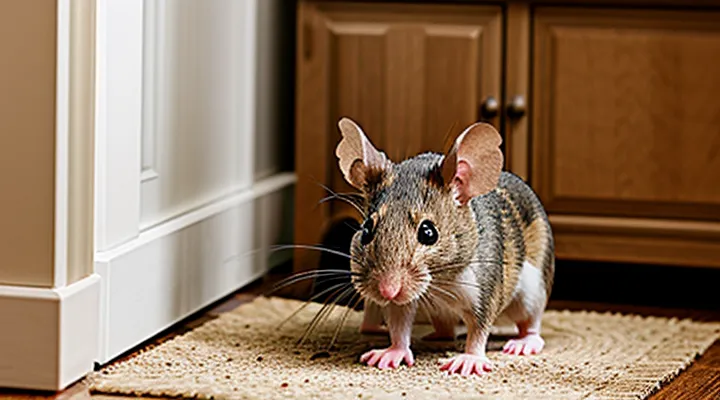
Understanding Mouse Behavior and Sensitivities
The Olfactory World of Mice
Acute Sense of Smell
Mice rely on an exceptionally sensitive olfactory system to locate food, shelter, and potential threats. Their nasal receptors detect volatile compounds at concentrations far below human thresholds, allowing them to perceive subtle changes in the environment.
When strong, unpleasant smells are present, the neural signals trigger avoidance behavior. Natural substances that generate such odors include:
- Peppermint oil – high concentration of menthol and menthone overwhelms olfactory receptors, causing rapid retreat.
- Eucalyptus – eucalyptol creates a sharp, camphoraceous scent that interferes with scent‑tracking pathways.
- Clove oil – eugenol produces a pungent, spicy aroma that disrupts normal foraging cues.
- Citronella – citronellal and related terpenes emit a citrus‑like odor intolerable to rodents.
- Garlic – allicin releases a sulfide‑rich smell that masks food odors and signals danger.
The effectiveness of these irritants depends on maintaining a persistent vapor gradient. Regular reapplication ensures that the concentration remains above the detection limit for mice, preventing habituation. Placement near entry points, nesting sites, and food storage areas maximizes exposure.
Because mice cannot distinguish between harmful and merely strong odors, any persistent natural scent that exceeds their olfactory tolerance will deter movement through the treated zone. Consequently, leveraging the acute sense of smell with potent botanical extracts offers a non‑chemical strategy for reducing rodent activity inside residential spaces.
Role of Pheromones
Pheromones act as chemical cues that can provoke avoidance behavior in house mice. When a mouse detects an alarm pheromone released by a conspecific under threat, it interprets the signal as a warning and retreats from the area. Predator-derived pheromones, such as those emitted by cats or snakes, stimulate the same sensory pathways, prompting rapid escape or heightened vigilance.
The detection process relies on the olfactory epithelium and the vomeronasal organ, which translate volatile compounds into neural signals. These signals travel to the amygdala and hypothalamus, regions that coordinate fear responses and locomotor activity. Consequently, exposure to specific pheromonal profiles can reduce mouse presence in treated zones without physical barriers.
Key pheromonal factors influencing mouse aversion include:
- Alarm substances produced by stressed or injured mice
- Predator urine or glandular secretions
- Synthetic analogs mimicking natural fear cues
Effective application involves dispersing these compounds in strategic locations such as entry points, nesting sites, and food storage areas. Regular replenishment maintains concentration levels above the detection threshold, ensuring sustained deterrence.
Natural Deterrents for Mice
Botanical Repellents
Peppermint Oil
Peppermint oil contains menthol and strong aromatic compounds that mice find overwhelming. The scent interferes with their highly developed olfactory system, causing avoidance behavior and disrupting foraging patterns.
- Apply a few drops on cotton balls and place them near entry points, pantry shelves, and hidden corners.
- Refresh the cotton balls every 3–4 days to maintain potency.
- Combine with other natural repellents, such as citrus peels, for broader coverage.
Direct skin contact should be avoided; dilute with water or a carrier oil when spraying surfaces. Small quantities pose no risk to humans or pets, but excessive inhalation may cause irritation. Studies show a reduction in mouse activity in treated areas, though complete eradication requires integrated pest management, including sealing gaps and removing food sources.
Clove Oil
Clove oil is a potent botanical repellent that deters mice through its strong aromatic compounds, chiefly eugenol. The scent overwhelms the rodent’s highly developed olfactory system, creating an environment that mice avoid when seeking shelter or food.
When applied correctly, clove oil can be integrated into a broader strategy of natural irritants for rodent control. Its volatility ensures rapid dispersion, while its low toxicity to humans and pets makes it suitable for indoor use.
Practical ways to employ clove oil include:
- Soaking cotton balls in the oil and placing them in entry points, cabinets, and pantry corners.
- Diluting a few drops in water and spraying the mixture along baseboards, under appliances, and around stored grain containers.
- Adding a few drops to sachets or fabric pouches and positioning them in areas where mouse activity has been observed.
Effectiveness diminishes over time as the scent evaporates; reapplication every 2‑3 days maintains deterrent pressure. Strong odors may also affect household members, so placement should avoid direct contact with food preparation surfaces.
Eucalyptus Oil
Eucalyptus oil contains a high concentration of phenolic compounds, primarily eucalyptol, which produce a strong, sharp aroma that mice find intolerable. When the oil is applied to entry points, cracks, or surfaces where rodents travel, the vapour interferes with their olfactory receptors, causing disorientation and prompting avoidance of the treated area.
The irritant effect persists for several hours because the volatile constituents evaporate slowly, maintaining a detectable scent gradient. This characteristic makes eucalyptus oil suitable for short‑term exclusion strategies in kitchens, pantries, and basement storage zones.
Practical application methods include:
- Dropping a few drops onto cotton balls and placing them near suspected pathways.
- Mixing a dilute solution (approximately 5 ml eucalyptus oil per 250 ml water) and spraying it around door frames and baseboards.
- Adding a small amount to cleaning solutions for routine floor or countertop wipes.
Safety considerations are straightforward: the oil is non‑toxic to humans and pets when used in recommended concentrations, but it should be kept away from open flames due to its flammability. Regular replacement of the oil‑impregnated media every 2–3 days sustains the repellent effect, as the scent diminishes with exposure to air.
Citronella Oil
Citronella oil is a plant‑derived essential oil commonly employed as a natural repellent against house‑bound rodents. Its strong, citrus‑like aroma overwhelms the sensitive olfactory system of mice, prompting avoidance behavior.
The oil’s primary active constituents—citronellal, citronellol, and geraniol—act as volatile irritants. When released into indoor air, they bind to olfactory receptors, creating a sensory overload that discourages entry and foraging.
Research on rodent deterrence reports reduced mouse activity in test chambers treated with citronella concentrations of 2‑5 %. Field observations corroborate laboratory findings, noting fewer signs of gnawing and droppings near treated zones.
Practical application methods include:
- Soaking cotton pads with undiluted oil and placing them in corners, cabinets, and entry points.
- Adding a few drops to ultrasonic diffusers for continuous vapor release.
- Spraying a 1 % solution on surfaces where mice travel, followed by reapplication every 48 hours.
Safety considerations require limiting exposure to pets and children. Direct skin contact may cause irritation; protective gloves are advisable during handling. Ensure adequate ventilation to prevent buildup of strong odors.
Effectiveness diminishes if mice become habituated to the scent. Citronella oil works best as part of an integrated pest‑management strategy that combines sealing entry points, eliminating food sources, and maintaining cleanliness.
Bay Leaves
Bay leaves (Laurus nobilis) emit a potent aromatic profile that mice find aversive. The leaves contain essential oils, chiefly eucalyptol and linalool, which irritate the rodents’ sensitive olfactory receptors. When the scent is present in a confined space, mice typically avoid entry or retreat from areas where the odor concentration exceeds their tolerance threshold.
Effective deployment of bay leaves involves placing dried specimens in locations where mice are likely to travel: behind appliances, inside pantry shelves, and at the base of cabinets. A practical guideline is to arrange a small stack of three to five leaves per spot and replace them weekly to maintain fragrance potency. The leaves should be kept in dry condition; moisture diminishes volatile compounds and reduces deterrent strength.
Advantages of bay leaves include low toxicity to humans and most household pets, ease of acquisition, and negligible cost. The deterrent effect is passive; it does not require mechanical devices or chemical sprays. However, efficacy varies with infestation level. In severe cases, the scent alone may not prevent entry, and supplemental measures—such as sealing entry points and employing traps—are advisable.
Safety considerations: Ensure leaves are stored out of reach of small children and avoid ingestion by pets. The plant material is non‑allergenic for most individuals, but prolonged exposure to the oil vapors may cause mild respiratory irritation in sensitive persons.
In summary, bay leaves serve as a natural, inexpensive mouse repellent that leverages strong aromatic compounds to create an unwelcome environment for rodents, best used as part of an integrated pest‑management strategy.
Other Plant-Based Solutions
Chili Peppers
Chili peppers contain capsaicin, a compound that irritates the sensory nerves of rodents. When mice encounter capsaicin‑laden surfaces, the burning sensation triggers an avoidance response, reducing the likelihood of entry into treated areas.
The strong, pungent odor of fresh or dried peppers also functions as a sensory deterrent. Mice rely heavily on olfactory cues; the sharp smell overwhelms their ability to locate food sources, prompting them to move elsewhere.
Practical applications for domestic use include:
- Sprinkling dried chili flakes along baseboards, entry points, and behind appliances.
- Mixing powdered cayenne with water to create a spray; apply to cracks, vents, and the underside of cabinets.
- Placing whole dried peppers in pantry corners or near stored grain to maintain a persistent odor barrier.
These methods exploit both the chemical irritation and the aromatic properties of chili peppers, providing an effective, non‑chemical means to discourage mouse activity in residential settings.
Dryer Sheets (Scented)
Scented dryer sheets contain volatile fragrance compounds that act as sensory irritants for rodents. When placed in concealed locations such as cabinets, under appliances, or within wall voids, the chemicals evaporate slowly, creating a persistent odor that mice find unpleasant.
The deterrent effect relies on two mechanisms. First, the strong aroma overloads the olfactory receptors of mice, disrupting their ability to locate food and shelter. Second, certain additives, such as quaternary ammonium salts, possess mild toxic properties that discourage repeated exposure.
Practical deployment:
- Cut sheets into small squares (approximately 2 × 2 cm).
- Position one square in each potential entry point: gaps under sinks, behind baseboards, and inside pantry shelves.
- Replace sheets every two weeks to maintain potency.
- Avoid placement near food preparation surfaces to prevent flavor transfer.
Field observations report reduced mouse activity within 48 hours of initial placement, with continued suppression as long as the scent remains detectable. The method offers a low‑cost, non‑chemical alternative that integrates easily into routine household maintenance.
Fabric Softener Sheets
Fabric softener sheets release volatile fragrance compounds that mice find unpleasant. The sheets contain quaternary ammonium salts, essential oils, and synthetic fragrances, all of which act as olfactory irritants. When dispersed in a confined space, the scent intensity overwhelms the mouse’s sensitive nasal receptors, prompting avoidance behavior.
The deterrent effect relies on continuous emission. Placing a sheet in a drawer, cabinet, or under a pantry shelf creates a micro‑environment where the odor persists for several weeks. Mice entering the area encounter the scent, retreat, and rarely re‑enter, establishing a barrier without physical traps.
Key considerations for effective use:
- Choose sheets with strong, non‑food‑based fragrances (e.g., citrus, lavender, pine).
- Replace sheets every 2–3 weeks to maintain potency.
- Position sheets away from direct contact with food surfaces to avoid contamination.
- Combine with other natural repellents (e.g., peppermint oil) for broader coverage.
Potential drawbacks include sensitivity of humans or pets to strong scents and the possibility of residue on fabrics. Evaluate the balance between odor intensity and household comfort before widespread deployment.
Predator Scents
Cat Hair or Litter
Cat hair introduces a complex odor profile and unfamiliar texture that mice instinctively avoid. The scent of feline dander signals predator presence, triggering heightened alertness and flight responses. Additionally, the fine, tangled fibers interfere with a mouse’s whisker navigation, creating sensory disorientation that discourages exploration of areas where cat hair is deposited.
Litter, particularly clumping or scented varieties, presents both chemical and tactile deterrents. Ammonia and other decomposition products emit volatile compounds that mice associate with danger. The granular structure of litter impedes smooth movement, increasing the risk of entrapment or exposure to harmful substances. Consequently, mice tend to bypass zones treated with litter, reducing the likelihood of nesting or foraging within those spaces.
Fox Urine (Commercial Products)
Fox urine is marketed as a natural repellent that mimics the scent of a predator, creating an environment mice perceive as unsafe. Commercial formulations typically contain a synthetic or extracted version of the compound, packaged in sprays, granules, or liquid concentrates for indoor use.
The active component, 2‑phenylethylamine, triggers a fear response in rodents. When applied to entry points, nesting sites, and pathways, the odor interferes with the animal’s olfactory cues, reducing the likelihood of habitation. Studies indicate a measurable decline in mouse activity within 24–48 hours of treatment, provided the scent remains potent.
Effectiveness depends on proper placement and regular re‑application. Mice habituate quickly if the concentration diminishes, so manufacturers recommend:
- Apply to cracks, gaps, and behind appliances every 7–10 days.
- Use a light mist; excessive saturation can saturate the air and diminish the odor’s potency.
- Combine with physical barriers (steel wool, door sweeps) for optimal results.
- Store in a cool, dark area to preserve the volatile compounds.
Safety considerations include keeping the product away from food preparation surfaces and ensuring ventilation during application. The substances are generally non‑toxic to humans and pets at label‑recommended levels, but ingestion of concentrated material should be avoided.
Limitations involve potential odor complaints from occupants and reduced efficacy in highly ventilated spaces. Selecting a product with a documented concentration of 2‑phenylethylamine and a reputable safety data sheet enhances reliability.
Sound and Vibrational Deterrents
Ultrasonic Devices (Effectiveness Debated)
Ultrasonic repellents emit sound waves between 20 kHz and 65 kHz, a range inaudible to most humans. The devices claim that the rapid pressure changes cause discomfort for rodents, prompting them to leave the area.
Laboratory experiments demonstrate that mice exposed to continuous ultrasonic bursts reduce activity within a confined arena. Field observations in residential settings report mixed outcomes: some households notice a decline in sightings, while others detect no change despite identical device placement.
- Controlled studies: short‑term avoidance behavior recorded in 60 % of test subjects.
- Long‑term field trials: 30 % of participants report sustained reduction; 70 % observe no measurable effect after two weeks.
- Habituation tests: mice re‑exposed after a 48‑hour interval resume normal foraging, indicating rapid acclimation.
Effectiveness depends on several physical factors. Ultrasonic waves attenuate sharply when passing through furniture, drywall, and insulation, creating blind spots. Optimal coverage requires multiple units positioned at ceiling height, unobstructed by objects. Frequency drift or low‑power output can further diminish the deterrent field.
The sound spectrum poses no health risk to humans, but some pet species—particularly cats and small dogs—detect frequencies up to 70 kHz. Manufacturers advise placement away from animal resting areas to avoid stress.
Practical guidance recommends integrating ultrasonic devices with proven control measures: seal entry points, eliminate food sources, and employ mechanical traps. Relying solely on sound emission rarely yields consistent rodent suppression.
Natural Noise Sources
Mice possess acute hearing that detects frequencies from roughly 1 kHz to 100 kHz, making them highly responsive to environmental sounds that signal danger. Natural acoustic cues that trigger avoidance behavior include:
- Predator vocalizations such as owl hoots, hawk screeches, and cat mews, which fall within the upper part of the mouse hearing range.
- Ultrasonic emissions produced by insects (e.g., certain beetles) or by water flowing over rocks, typically above 20 kHz, which are imperceptible to humans but startling to rodents.
- Sudden high‑frequency clicks generated by snapping twigs, falling leaves, or wind‑driven objects; the abrupt onset creates a startle reflex.
- Low‑frequency rumblings from distant thunderstorms or heavy traffic vibrations that convey the presence of large moving masses.
- Rustling of dry vegetation, grass, or paper, delivering irregular broadband noise that mimics the movement of larger mammals.
The effectiveness of these sounds derives from mice’s reliance on auditory cues for predator avoidance. Frequencies above 30 kHz cause immediate retreat, while broadband noises with rapid onset and irregular patterns prevent habituation. Continuous exposure to a single tone reduces impact as mice adapt; varied sources sustain deterrent effect.
Application in residential settings can involve:
- Installing wind‑driven chimes made of metal or bamboo to produce intermittent high‑frequency clatter.
- Maintaining a small indoor water fountain that emits a constant stream of ultrasonic splashing.
- Playing short recordings of owl calls or cat mews at intervals of several minutes, ensuring volume remains below levels that disturb occupants.
- Placing dry foliage or shredded paper in corners where mice travel, allowing natural rustling when disturbed by airflow.
Safety considerations require keeping sound levels below 50 dB SPL at human ear height to avoid auditory discomfort. Devices should be positioned away from sleeping areas and pets, and power sources must be protected from rodent chewing. Regular rotation of sound sources prevents desensitization and maintains efficacy over time.
Physical Barriers and Hygiene
Sealing Entry Points
Sealing entry points eliminates the pathways mice use to explore indoor spaces, directly reducing the likelihood of infestation. By blocking access, homeowners create an environment that mice perceive as unsafe, prompting them to seek alternative shelter.
- Gaps around pipes and cables – apply steel wool or copper mesh, then cover with expanding foam.
- Cracks in foundation walls – fill with hydraulic cement or epoxy sealant.
- Openings under doors and windows – install weatherstripping or threshold seals.
- Holes in siding or exterior trim – use exterior-grade caulk or fiberglass mesh patches.
- Vents and utility openings – fit metal screens with a fine mesh aperture.
Materials must resist gnawing; steel wool, copper mesh, and hardware cloth are preferred over soft foam alone. Sealants should cure to a hard, non‑porous finish to prevent later damage. When applying expanding foam, trim excess after curing to maintain a smooth surface that does not attract debris.
Regular inspection is essential. Check for new cracks after seasonal temperature shifts, verify that existing seals remain intact, and replace any compromised material promptly. Consistent maintenance sustains the barrier, keeping the indoor environment inhospitable to mice.
Eliminating Food Sources
Mice are driven by the availability of edible material; removing that incentive creates an environment they avoid. When food is inaccessible, rodents expend energy searching for sustenance, increasing exposure to predators and natural deterrents, ultimately reducing their presence.
Effective elimination of food sources involves several practical steps:
- Store dry goods in airtight containers made of glass, metal, or heavy‑wall plastic.
- Clean kitchen surfaces after each meal; wipe crumbs and sweep floors promptly.
- Empty trash cans daily and use lids that seal tightly.
- Keep pet feeding stations empty at night; store pet food in sealed containers.
- Repair leaks and eliminate standing water, as moisture supports mold and attracts insects that mice also consume.
Consistent application of these measures removes the primary attractant, forcing mice to seek alternative habitats where natural irritants are more likely to affect them.
Maintaining Cleanliness
Cleanliness directly reduces the appeal of a dwelling to mice. Food residues, crumbs, and spills provide a reliable food source; removing them eliminates the primary incentive for rodents to explore interior spaces.
- Sweep and vacuum floors daily to capture fallen grain, seeds, and pet food.
- Wipe countertops and tables after each meal; use a disinfectant that leaves no odor.
- Store dry goods in sealed containers made of glass, metal, or heavy‑wall plastic.
- Empty garbage bins nightly; line them with tight‑fitting lids to prevent odor leakage.
- Clean pet feeding areas after each use; rinse dishes and remove stray kibble.
A tidy environment also removes hiding places. Cluttered shelves, stacked newspapers, and piles of laundry create sheltered zones where mice can nest undetected. Regularly declutter, keep storage areas organized, and maintain smooth surfaces to deny rodents any cover.
Ventilation contributes to a hostile atmosphere for mice. Stale, humid air encourages mold growth, which attracts insects that in turn draw rodents. Use exhaust fans, dehumidifiers, or open windows to keep humidity below 50 % and ensure fresh airflow throughout the home.
By consistently applying these practices, homeowners create a hostile setting that naturally discourages mouse activity without resorting to chemicals or traps.
Implementing Natural Mouse Control
Strategic Placement of Deterrents
Entry Points
Entry points are the smallest openings through which mice penetrate a dwelling. Cracks in foundation walls, gaps around pipes, and unsealed vents provide direct routes to interior spaces. Mice detect these apertures with their keen sense of smell and tactile whiskers, allowing rapid infiltration even when the openings measure less than a centimeter.
Common sources of access include:
- Gaps beneath doors and windows
- Openings around electrical conduit and plumbing
- Unfinished attic or crawl‑space vents
- Cracks in exterior siding or brickwork
- Holes in foundation or slab perimeter
- Damaged or missing weatherstripping
Sealing these passages eliminates the environmental cues that encourage rodent movement. Materials such as steel wool, copper mesh, expanding foam, and silicone caulk create durable barriers that mice cannot gnaw through. Installing tight‑fitting door sweeps and repairing damaged screens further reduce entry opportunities.
When entry points are removed, mice encounter a hostile interior lacking safe pathways, prompting avoidance behavior and decreasing population establishment. Maintaining a sealed envelope around the structure therefore serves as a natural deterrent, limiting the likelihood of infestation without reliance on chemical agents.
Food Storage Areas
Food storage zones often become focal points for rodent activity because they combine scent, moisture, and easy access. When these areas are organized to limit odors and eliminate entry points, mice perceive them as hostile environments and avoid them.
Key deterrent factors include:
- Airtight containers that block scent transmission.
- Shelving positioned away from walls, creating a gap that prevents mice from climbing directly onto food.
- Regular cleaning that removes crumbs and spills, reducing attractive food traces.
- Placement of storage units on smooth, non‑porous surfaces, which hinder nesting material accumulation.
Materials such as metal tins, heavy‑wall plastic bins, and glass jars provide physical barriers that mice cannot gnaw through. Using these containers for all dry goods, especially grains, cereals, and nuts, deprives rodents of the olfactory cues they rely on to locate sustenance.
Maintaining a dry environment further discourages mice. Moisture attracts insects, which in turn draw rodents. Sealing leaks, employing dehumidifiers near pantry spaces, and storing items in low‑humidity containers remove this secondary lure.
Consistent inspection of storage areas for damage, torn packaging, or signs of gnawing enables early intervention. Replacing compromised containers and repairing structural gaps eliminates potential hideouts, reinforcing the area’s deterrent effect.
Nesting Sites
Mice seek concealed, insulated locations to build nests; the presence of such sites directly influences their willingness to occupy a residence. When a structure offers abundant, undisturbed cavities—behind appliances, within wall voids, or under stored items—the rodents perceive a safe environment, reducing the effectiveness of deterrent measures.
- Cluttered storage creates tight gaps for nesting material.
- Warm, humid zones near plumbing or heating ducts retain moisture favorable for nest construction.
- Accumulated dust and shredded paper provide ready‑made bedding.
- Food residues left in corners or pantry shelves attract mice and supply material for nests.
Disrupting these conditions constitutes a natural irritant strategy. Regularly declutter rooms, sealing gaps around pipes and vents, and maintaining low humidity diminish suitable nesting spots. Replace soft debris with hard, non‑absorbent surfaces; install metal or sealed containers for food. Applying strong scents such as peppermint oil or crushed dried herbs near potential cavities can further deter mice from establishing nests, as the volatile compounds irritate their olfactory receptors. Consistent removal of nesting substrates, combined with environmental modifications, creates an inhospitable setting that discourages mouse habitation without resorting to chemical poisons.
Combining Multiple Methods
Scent and Sound
Mice respond sharply to specific odors that signal danger or uninhabitable conditions. Natural compounds such as peppermint oil, clove oil, and eucalyptus oil contain menthol and eugenol, which irritate the rodents’ respiratory system and disrupt their scent trails. Ground cinnamon, dried lavender, and citrus peels release volatile acids that are aversive to mice and reduce their willingness to explore treated areas. Applying a few drops of essential oil to cotton balls, placing citrus rinds in corners, or sprinkling cinnamon along baseboards creates a chemical barrier without toxic residues.
Auditory cues also deter rodents by mimicking predator presence or creating disorienting frequencies. Ultrasonic emitters generate sounds above 20 kHz, a range audible to mice but inaudible to humans; continuous emission prevents habituation. Recordings of owl hoots, hawk calls, or cat purrs, played intermittently, trigger innate fear responses. Positioning speakers near entry points or nesting sites establishes a hostile acoustic environment that discourages settlement.
Physical and Olfactory
Mice respond sharply to tangible disturbances that disrupt their sense of safety. Rough surfaces, such as coarse sandpaper or steel wool, create uncomfortable contact and encourage avoidance. Sudden vibrations from appliances, ultrasonic pest‑repellent devices, or mechanical timers generate a perception of predator movement, prompting rapid retreat. Bright, flickering light sources interfere with nocturnal navigation, forcing mice to seek darker refuges. Extreme temperature shifts—brief blasts of cold air or localized heat—cause physiological stress and drive relocation.
Odor cues trigger equally strong aversion. Strongly scented substances like peppermint oil, eucalyptus, or citrus extracts activate olfactory receptors linked to danger detection. Ammonia or vinegar vapors produce a sharp, irritating smell that overwhelms the mouse’s nasal epithelium. Natural predator scents, such as ferret or owl urine, simulate the presence of a hunter and elicit immediate flight responses. Concentrated concentrations of these aromas, applied to entry points and pathways, maintain an environment that mice instinctively reject.
Key natural deterrents
- Coarse materials (sandpaper, steel wool) on gaps and seams
- Continuous low‑frequency vibrations from devices or timers
- High‑intensity, intermittent lighting in dark corners
- Brief temperature extremes (cold blasts, localized heat)
- Peppermint, eucalyptus, citrus essential oils
- Ammonia or vinegar vapors
- Predator urine extracts (ferret, owl)
Implementing a combination of physical barriers and potent olfactory agents creates a multi‑sensory deterrent that reduces mouse activity without reliance on chemical poisons.
Safety Considerations
Pets and Children
Pets and children create an environment that mice perceive as threatening. The presence of a cat, dog, or other small animal introduces predator scent and unpredictable movement, while the activity of children generates noise and foot traffic that disrupts rodent foraging patterns.
- Feline and canine odor interferes with mouse olfactory navigation.
- Sudden sounds from play or conversation trigger startle responses.
- Frequent rearrangement of furniture and toys removes established hideouts.
- Direct contact or accidental stepping eliminates safe pathways.
Households that rely on these natural irritants should maintain consistent animal care and supervise child activity to preserve the deterrent effect. Regular cleaning of pet bedding and prompt removal of food waste prevent mice from adapting to the scent cues. Introducing a pet that is comfortable indoors and encouraging active play for children enhance the overall repellency without additional chemicals.
Proper Ventilation
Proper ventilation creates an environment that mice find uncomfortable. Continuous airflow reduces stagnant air pockets where rodents can hide and lowers indoor humidity to levels that discourage nesting. Drafts interfere with the sensory cues mice rely on for navigation, prompting them to avoid ventilated spaces.
Mice are sensitive to temperature fluctuations and moisture. High air exchange rates keep temperatures stable and prevent condensation, eliminating the cool, damp conditions preferred for burrowing. Fresh air also dilutes scent trails, making it harder for mice to locate food sources.
- Install exhaust fans in kitchens, bathrooms, and laundry areas; run them daily for at least 30 minutes.
- Use window vents or trickle vents to introduce a steady stream of outdoor air.
- Maintain HVAC filters; replace them every three months to ensure unobstructed airflow.
- Deploy dehumidifiers in basements and bathrooms to keep relative humidity below 50 %.
- Seal gaps around vents, ducts, and window frames to prevent mice from entering through ventilation openings.
Consistent airflow, combined with moisture control, transforms indoor spaces into unsuitable habitats for mice, reducing the likelihood of infestation without chemical interventions.
When Natural Methods Aren't Enough
Recognizing Infestation Levels
Droppings and Gnaw Marks
Droppings and gnaw marks serve as both signals and deterrents within a household environment. The presence of mouse feces creates a strong, musky odor that many rodents find repulsive; the scent indicates a populated area, prompting individuals to avoid further exploration. Additionally, the visual evidence of gnawed materials—such as wood, plastic, or insulation—provides tactile cues that trigger avoidance behavior. The combination of olfactory and visual stimuli activates the mice’s innate wariness, reducing the likelihood of continued foraging in the same space.
Key effects include:
- Odor disruption: Fecal scent masks food aromas, making the area less attractive.
- Territorial warning: Visible bite marks signal competition, encouraging relocation.
- Stress induction: Continuous exposure to waste and damage heightens anxiety, leading to decreased activity levels.
By recognizing and managing these natural irritants, homeowners can exploit the mice’s sensitivity to waste and damage, encouraging them to vacate infested zones without chemical intervention.
Sightings of Live Mice
Live‑mouse sightings provide the most direct evidence of rodent activity inside a residence. When a mouse is observed moving across a floor, climbing a wall, or exploring a pantry, the presence is confirmed without reliance on indirect signs such as droppings or gnaw marks. This immediate confirmation allows homeowners to assess the severity of an infestation quickly and to implement targeted deterrent measures.
Key observations derived from live sightings include:
- Movement patterns: Mice prefer concealed routes along baseboards, behind appliances, and within wall voids. Spotting a mouse in these zones indicates accessible pathways that may need sealing.
- Time of activity: Evening and early‑morning appearances suggest nocturnal foraging behavior, highlighting periods when natural irritants like strong scents or ultrasonic devices are most effective.
- Group size: Encountering more than one individual typically signals an established population, warranting comprehensive exclusion strategies rather than isolated traps.
Accurate interpretation of these observations informs the selection and placement of natural repellents—such as peppermint oil, crushed red pepper, or predator urine—optimizing their impact on the observed rodents.
Professional Pest Control
Integrated Pest Management
Integrated Pest Management (IPM) provides a systematic framework for reducing mouse activity in residential settings by combining preventive measures, monitoring, and targeted interventions. The approach begins with sanitation: eliminating food residues, storing perishables in sealed containers, and promptly cleaning crumbs prevent rodents from locating reliable nutrition sources. Structural exclusion follows, involving the sealing of gaps larger than ¼ inch around foundations, utility penetrations, and door frames; steel wool or copper mesh act as durable barriers that mice cannot gnaw through.
Monitoring components include strategically placed snap traps or live‑capture devices that record presence and movement patterns. Data from these devices guide the timing and placement of deterrents, ensuring that effort concentrates on active zones rather than unused areas.
Natural irritants function as non‑chemical deterrents within the IPM scheme. Effective options comprise:
- Peppermint oil‑infused cotton balls placed near entry points; the strong volatile compounds trigger sensory aversion in rodents.
- Predator urine extracts (e.g., fox or ferret) applied to perimeter zones; scent cues simulate predation risk and discourage foraging.
- Ultrasonic emitters positioned in concealed locations; frequencies above human hearing cause discomfort without harming pets or occupants.
- Strongly scented herbs such as dried lavender, clove, or cayenne pepper scattered around potential nesting sites; the pungent aromas act as repellent barriers.
When natural irritants reduce activity but do not achieve complete control, IPM permits the selective use of low‑toxicity bait stations, positioned away from children and pets. These stations are integrated only after verification of mouse presence through monitoring, thereby limiting exposure and minimizing resistance development.
Continuous evaluation completes the cycle: regular inspection of exclusion points, assessment of trap captures, and observation of irritant effectiveness inform adjustments. By maintaining this feedback loop, homeowners achieve lasting suppression of mouse incursions while relying primarily on environmentally benign methods.
Humane Trapping Options
Humane traps provide a non‑lethal alternative for managing unwanted rodents while preserving the integrity of a household environment. These devices capture mice alive, allowing relocation away from living spaces without causing suffering.
Key features of effective humane traps include:
- Live‑capture mechanism – a trigger releases a door that seals once the mouse enters, preventing escape.
- Easy release – a simple latch opens the chamber, enabling safe transfer of the animal outdoors.
- Reusable construction – durable plastic or metal components withstand repeated use, reducing waste.
- Bait compatibility – small amounts of peanut butter, cheese, or sunflower seeds attract mice without contaminating the trap interior.
Proper placement maximizes success. Position traps along walls, behind appliances, or near known foraging routes, as mice prefer concealed pathways. Check traps daily to avoid prolonged confinement, which can cause stress or injury. After capture, relocate the mouse at least 200 meters from the residence, preferably in a wooded or grassy area where shelter is available.
Maintenance routines extend trap lifespan. Clean the interior with mild soap and water after each use, and inspect moving parts for wear. Replace worn springs or latches promptly to maintain reliable operation.
Humane trapping aligns with integrated pest‑management strategies that emphasize prevention, monitoring, and targeted control. By combining live capture with environmental deterrents—such as sealing entry points and eliminating food sources—homeowners can reduce mouse populations while adhering to ethical standards.