
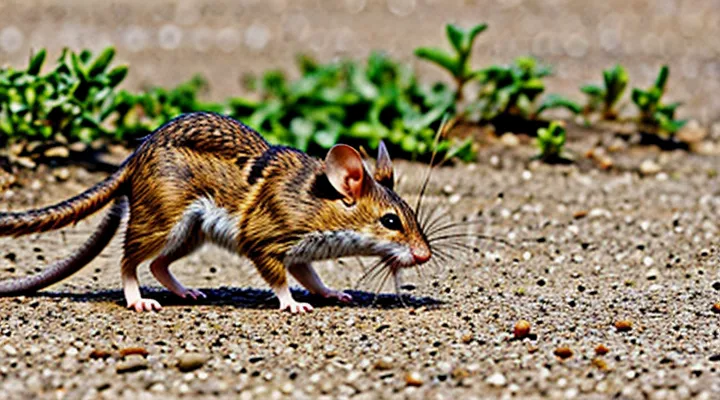
Understanding the Field Mouse Diet
General Dietary Classification
Omnivore Tendencies
Field mice display flexible feeding habits that incorporate both plant and animal matter, classifying them as opportunistic omnivores. Their natural diet in wild habitats reflects the availability of resources and the energetic demands of growth, reproduction, and thermoregulation.
Typical food items include:
- Seeds and grains such as wheat, barley, and grass kernels.
- Fresh vegetation, including herbaceous shoots and tender leaves.
- Invertebrates: beetle larvae, springtails, and small arachnids.
- Fungal spores and mycelium when present in moist microhabitats.
- Occasional carrion fragments or eggs of other small animals.
Seasonal shifts influence dietary composition. Spring and summer favor abundant plant material, while autumn sees increased consumption of seeds and stored grains. Winter scarcity prompts greater reliance on high‑protein invertebrates and stored food caches. This adaptive omnivory supports survival across diverse ecological conditions and contributes to the species’ role as both seed disperser and predator of soil arthropods.
Herbivore Dominance
Field mice in natural habitats exhibit a diet overwhelmingly composed of plant matter, establishing herbivore dominance within their trophic niche. Seasonal availability of seeds, grasses, and herbaceous vegetation dictates the primary intake, while occasional consumption of insects remains marginal. This pattern reflects an adaptive strategy that maximizes energy extraction from abundant, low‑risk resources.
Key components of the plant‑based diet include:
- Seeds of grasses and cereals, providing high carbohydrate content.
- Fresh shoots and leaves of meadow species, supplying fiber and micronutrients.
- Bulbs and underground storage organs, offering seasonal energy reserves.
Supplementary items such as arthropods appear primarily during periods of food scarcity, yet their contribution to overall intake remains limited. The predominance of herbivory reduces interspecific competition with omnivorous rodents and aligns field mice with the primary productivity of their ecosystems. Consequently, the ecological impact of field mice centers on seed dispersal and vegetation dynamics, reinforcing their role as principal consumers of plant resources.
Primary Food Sources
Plant-Based Consumption
Seeds and Grains
Field mice in natural habitats rely heavily on seeds and grains as a primary energy source. Small, high‑calorie seeds provide rapid metabolic fuel, while larger grains supply sustained nourishment and essential nutrients such as protein, carbohydrates, and trace minerals.
Key seed and grain types consumed include:
- «grasshopper seed» and other grass‑derived kernels, abundant in meadow ecosystems;
- «millet» and «wheat» grains, often scattered by wind or harvested from surrounding crops;
- «acorn» fragments, especially in woodland edges where oak trees dominate;
- «sunflower» and «canola» seeds, attracted by their oily composition;
- «barley» and «rye» kernels, found in agricultural margins and hedgerows.
Selection criteria are driven by availability, size, and nutritional density. Mice favor seeds that are easy to manipulate with their incisors and that can be stored in cheek pouches for transport to concealed burrows. Grain kernels larger than the mouse’s mouth are typically broken into smaller pieces before consumption.
Seasonal variation influences intake patterns. During autumn, seed abundance increases, prompting intensified foraging and cache building. In winter, reliance shifts toward stored grains and residual seeds that remain unfrozen, ensuring continuous energy intake when vegetation is scarce.
Digestive adaptation supports this diet. Enzymatic activity in the small intestine efficiently processes starches from grains, while the cecum ferments fiber from seed coats, extracting additional nutrients. This dual capability maximizes energy extraction from the limited resources typical of wild environments.
Roots and Tubers
Field mice regularly incorporate underground plant parts into their diet, especially when surface seeds are scarce. Roots and tubers provide a reliable source of carbohydrates, moisture, and essential minerals, supporting energy requirements during winter and early spring.
Commonly consumed underground structures include:
- Small tuberous bulbs of wild onions (Allium spp.).
- Starchy roots of dandelion (Taraxacum officinale) and plantain (Plantago lanceolata).
- Fibrous roots of chickweed (Stellaria media) and clover (Trifolium spp.).
- Miniature tubers of meadow sorrel (Oxalis acetosella).
Foraging behavior centers on tactile and olfactory cues. Mice detect subtle soil vibrations and scent compounds released by growing roots, allowing extraction without extensive digging. Seasonal availability dictates reliance: early autumn sees increased consumption of dandelion roots, while late winter prompts use of onion bulbs that remain viable beneath leaf litter.
Nutritional contributions of these subterranean foods complement seed intake. Carbohydrate concentration ranges from 10 % to 30 % dry weight, while water content can exceed 70 % in fresh specimens, reducing the need for separate drinking sources. Mineral analysis reveals elevated potassium and calcium levels, supporting muscle function and bone health.
Predation risk influences selection. Roots located near dense vegetation offer cover, decreasing exposure to avian hunters. Consequently, field mice prioritize foraging sites where root density aligns with protective ground cover.
Overall, underground plant parts constitute a flexible dietary component, enabling field mice to maintain metabolic stability across fluctuating seasonal resource landscapes.
Stems and Leaves
Field mice incorporate vegetative plant parts into their diet, with stems and leaves providing a reliable source of energy and nutrients throughout the year.
Stems supply structural carbohydrates, while leaves contribute proteins, vitamins, and minerals essential for growth and reproduction. Seasonal shifts affect availability: spring and early summer deliver tender shoots and fresh foliage, whereas autumn offers dried stems and senescent leaves that retain sufficient caloric content.
Commonly consumed plant families include:
- Poaceae: young grass stems and leaf blades
- Asteraceae: herbaceous leaves of dandelion and thistle species
- Fabaceae: tender shoots of clover and vetch
Foraging behavior favors young, moist tissue; mice preferentially select newly emerged growth over mature, lignified stems. When preferred resources are scarce, individuals expand their range to include woody shrub twigs and bark, demonstrating dietary flexibility.
Overall, stems and leaves constitute a vital component of the wild diet of field mice, supporting metabolic demands and enhancing survival across diverse habitats.
Fruits and Berries
Field mice incorporate a variety of fruits and berries into their natural diet, supplementing the protein‑rich intake from seeds and insects. Consumption peaks during late summer and autumn when ripened produce is abundant on the forest floor and meadow edges.
Typical items include:
- Wild strawberries (Fragaria vesca) – high in simple sugars and vitamin C, often found near hedgerows.
- Bilberries (Vaccinium myrtillus) – rich in anthocyanins and antioxidants, present in heathland and woodland understoreys.
- Raspberries (Rubus idaeus) – provide carbohydrates and trace minerals, frequently harvested from low shrubs.
- Blackberries (Rubus fruticosus) – supply fiber and phenolic compounds, accessible in bramble patches.
- Crabapples (Malus sylvestris) – small, tart fruits offering a mix of sugars and organic acids, located on young trees.
Seasonal availability dictates foraging patterns. During peak fruiting periods, mice increase intake of these items to build fat reserves for winter survival. Preference studies indicate a bias toward sweeter, softer fruits, with selection influenced by ripeness and proximity to shelter. Consumption of berries also contributes essential micronutrients that support immune function and reproductive health.
Fungi and Lichens
Field mice obtain a measurable portion of their protein and carbohydrate intake from fungal fruiting bodies and lichen thalli encountered in grassland and woodland margins. These resources supplement seed and insect consumption, especially when primary foods decline.
Commonly consumed fungi include:
- «Mycena» species, small caps rich in simple sugars.
- «Agaricus» mushrooms, providing moderate protein.
- «Lactarius» varieties, offering lipid‑laden mycelium.
- «Marasmius» forms, noted for rapid growth after rain.
Lichens incorporated into the diet are typically:
- Crustose lichens such as «Rimularia», containing polysaccharides.
- Foliose lichens like «Parmelia», offering secondary metabolites that may deter parasites.
- Fruticose lichens exemplified by «Cladonia», supplying trace minerals.
Nutritional analysis shows that fungal carbohydrates complement seed starches, while lichen polysaccharides aid digestion through prebiotic effects. Seasonal availability drives foraging patterns: after autumn rains, mushroom abundance peaks, prompting increased collection; during early spring, lichen surfaces become the dominant non‑seed resource as ground cover remains sparse.
Field mice locate fungi and lichens by scent cues and tactile exploration. Preference is expressed for specimens with higher moisture content and lower bitter compound concentrations, reducing ingestion of potentially toxic secondary metabolites. This selective behavior enhances overall energy efficiency and supports reproductive success in fluctuating environments.
Invertebrate Prey
Insects
Field mice regularly capture and consume a variety of arthropods, supplementing plant material with high‑protein prey. Insect intake rises during the reproductive period, when caloric demands increase.
Typical insect prey includes:
- Ground beetles (Carabidae)
- Caterpillars of noctuid moths
- Houseflies and other dipteran larvae
- Ants and other hymenopterans
- Crickets and grasshoppers (Orthoptera)
Seasonal fluctuations affect availability: spring and early summer favor abundant caterpillars, while autumn sees greater beetle activity. Moist habitats provide higher densities of aquatic larvae, which field mice exploit opportunistically.
Protein from insects supports rapid growth of offspring, contributes essential amino acids, and supplies micronutrients such as iron and zinc. Digestive enzymes adapt to the chitinous exoskeleton, enabling efficient nutrient extraction.
Larvae and Worms
Field mice obtain a significant portion of protein from invertebrate prey, especially during breeding periods when energetic demands increase. Larvae and worms constitute readily accessible sources of nutrients that complement seed and plant material.
Commonly consumed forms include:
- Lepidopteran larvae such as caterpillars of noctuid and geometrid moths;
- Coleopteran larvae, notably beetle grubs found in decaying wood;
- Dipteran larvae, including fly maggots inhabiting moist soil;
- Earthworms (Lumbricus spp.) that surface after rainstorms;
- Nematodes and other microscopic worms present in leaf litter.
These organisms provide high levels of amino acids, lipids, and micronutrients essential for growth and reproduction. Seasonal fluctuations affect availability: larval abundance peaks in late spring and early summer, while earthworm activity intensifies after precipitation events. Field mice exhibit opportunistic foraging, capturing prey by rapid darting movements and employing whisker‐mediated detection of vibrations in the substrate. This behavior maximizes intake of high‑quality protein during periods when plant resources are limited.
Seasonal Variations in Diet
Spring Foraging
Spring marks a period of intensive foraging for field mice, as emerging vegetation and insect activity provide abundant resources. During this season, individuals expand their diet beyond the seed‑dominated intake typical of winter, incorporating a wider array of protein and carbohydrate sources.
Key food items accessed in spring include:
- Fresh green shoots of grasses and sedges
- Young leaves of herbaceous plants such as clover and dandelion
- Emerging insects, notably aphids, beetle larvae, and springtails
- Early‑season seeds from annuals like mustard and chickweed
- Fungal sporocarps appearing after the first rains
Protein from insects supports rapid growth and reproductive development, while green vegetation supplies essential vitamins and minerals absent from stored seed reserves. The increased moisture content of fresh plant material also aids hydration, reducing reliance on free water sources.
Seasonal shifts in foraging behavior reflect changes in habitat structure. As canopy cover expands, ground cover becomes denser, prompting mice to adjust movement patterns and exploit microhabitats that retain higher humidity and lower predation risk. Consequently, diet composition transitions gradually back toward seed reliance as summer progresses and insect populations decline.
Summer Abundance
During the warm months, field mice encounter a marked increase in food resources. The surge in seed production from grasses, clover, and annual herbs supplies a reliable carbohydrate source. Simultaneously, the proliferation of insects such as beetles, aphids, and larvae offers protein-rich meals that support rapid growth and reproductive effort.
Key components of the summer diet include:
- Fresh seeds from grasses and herbaceous plants
- Green foliage of low-growing vegetation, especially young shoots and leaves
- Invertebrates, primarily beetles, moth larvae, and soft-bodied arthropods
- Small quantities of nectar and pollen from flowering plants
The abundance of high‑energy seeds reduces the need for extensive foraging, allowing mice to allocate more time to nest building and offspring care. Protein from insects accelerates juvenile development, leading to earlier weaning and higher survival rates. Access to tender vegetation adds moisture and vitamins, which complements the dry diet of stored seeds.
Overall, the seasonal bounty of midsummer creates optimal conditions for field mice to maximize body condition, increase litter size, and enhance population stability within their natural habitats.
Autumn Stockpiling
Autumn represents a critical period for field mouse foraging, during which individuals accumulate food reserves to sustain winter fasting. The behavior involves selective gathering of high‑energy items and strategic placement of caches within secure microhabitats.
Typical provisions include:
- Seeds of grasses and cereals, rich in carbohydrates.
- Nuts such as hazelnuts and acorns, providing fats and proteins.
- Insect larvae and beetles, offering supplemental protein.
- Dry plant material, used for nest insulation and moisture regulation.
Cache construction follows a pattern of dispersal and concealment. Mice deposit food in shallow chambers of burrow systems, under leaf litter, or within crevices of stones. Dispersed stores reduce the risk of complete loss to competitors or predators. Moisture content influences selection; dry seeds are favored to prevent spoilage, while occasional moist items are stored in deeper, cooler sections of the burrow to preserve viability.
Environmental cues trigger intensified foraging. Shortening daylight and declining ambient temperatures correlate with increased activity levels, as documented in field observations: «Field mice exhibit peak collection rates during the final month of summer». Nutrient density drives preference: high‑fat nuts are prioritized when available, whereas abundant seed crops dominate in agricultural margins.
The accumulated reserves directly affect overwinter survival rates. Individuals with diversified caches experience lower mortality, reflecting the adaptive advantage of mixed‑diet storage. This behavior also impacts seed dispersal dynamics, contributing to plant regeneration patterns across temperate ecosystems.
Winter Survival Strategies
Field mice confront severe reductions in food availability and lower ambient temperatures during the cold months, requiring rapid adjustments to sustain body mass and reproductive potential.
Adaptations focus on three interrelated mechanisms:
- Food caching – individuals collect and bury seeds, grains, and small invertebrates in shallow depressions, creating a reserve that can be accessed when surface resources disappear.
- Dietary shift – consumption expands from preferred grasses and herbs to woody plant parts, bark, cambium, and stored arthropods, providing higher caloric density and essential nutrients.
- Increased foraging efficiency – activity concentrates during brief warm intervals, and movement patterns become more linear to minimize exposure while locating hidden stores.
Physiological responses complement behavioral tactics. Metabolic rate declines to reduce energy expenditure, while brown adipose tissue generates heat without extensive shivering. Social huddling in insulated burrows further conserves warmth and limits heat loss.
Collectively, these strategies enable field mice to endure prolonged periods of scarcity, maintaining population stability until spring vegetation resumes.
Factors Influencing Food Choices
Habitat and Availability
Field mice occupy diverse environments that directly influence the accessibility of nutritional resources. Typical settings include temperate grasslands, hedgerows bordering cultivated fields, mixed‑deciduous woodlands, and low‑lying wetlands. Within each locale, the abundance of seeds, grasses, insects, and occasional fungi fluctuates according to seasonal cycles and micro‑climatic conditions.
Key habitat characteristics affecting food availability:
- Open grasslands: high seed density during late summer, limited insect prey in early spring.
- Hedgerows: continuous supply of fallen seeds, shelter for arthropods throughout the year.
- Woodlands: mixed diet of fallen nuts, leaf litter insects, and fungal spores, especially in autumn.
- Wetland margins: occasional access to aquatic invertebrates and plant material during flooding periods.
Seasonal changes modulate resource distribution. Spring growth yields fresh grasses and emerging insects; summer brings seed maturation; autumn provides stored seeds and increased fungal activity; winter reduces overall availability, prompting reliance on cached stores and reduced metabolic demand. The spatial arrangement of these habitats creates a mosaic that field mice exploit to meet their energetic needs across the year.
Nutritional Needs
Field mice require a balanced intake of macronutrients to sustain rapid growth and high metabolic rates. Protein sources such as insects, seeds, and young plant shoots supply essential amino acids for tissue development. Carbohydrates are obtained from grasses, grains, and fallen fruit, providing immediate energy for foraging and escape behaviors. Limited fat consumption occurs through oily seeds and occasional arthropod prey, supporting thermoregulation during colder periods.
Micronutrients play a critical role in physiological processes. Calcium and phosphorus, derived from bone fragments and mineral-rich soil particles, contribute to skeletal formation. Iron and zinc, present in insects and root tubers, facilitate enzymatic activity and immune function. Vitamin A, sourced from leafy greens, aids vision and cellular differentiation, while B‑complex vitamins, found in seeds and fungi, support metabolic pathways.
Water balance is maintained through direct drinking and moisture absorbed from succulent vegetation. Seasonal fluctuations influence dietary composition: spring abundance of insects increases protein intake, whereas autumn reliance on stored seeds elevates carbohydrate consumption. This adaptive flexibility ensures that field mice meet energy demands throughout the year.
Predation Risk
Field mice constantly balance nutritional requirements with the need to avoid predators. Their foraging patterns shift when the likelihood of attack rises, leading to selective consumption of safer, often lower‑quality, food items.
When predation pressure intensifies, mice reduce time spent on exposed ground and prioritize concealed microhabitats. This behavior limits access to abundant seeds and insects, causing a measurable decline in protein intake and an increase in reliance on fallen leaves and fungal spores.
Key effects of predation risk on diet include:
- Preference for food located under cover such as dense vegetation, leaf litter, or burrow entrances.
- Shift toward nocturnal foraging to exploit reduced visual detection by predators.
- Increased consumption of readily available, low‑risk resources (e.g., small seeds, detritus) despite lower caloric value.
- Reduced caching activity, as frequent movement to store food heightens exposure.
Predator types influencing these choices range from aerial hunters (owls, hawks) to terrestrial carnivores (foxes, weasels). Each imposes distinct spatial constraints, prompting mice to adjust diet composition accordingly.
Overall, the presence of predators forces field mice to adopt a risk‑averse feeding strategy, resulting in a diet that reflects safety considerations as much as nutritional optimization.
Competition with Other Species
Field mice share limited food resources with a range of sympatric species, creating direct competition that shapes their foraging behavior. Overlap in diet composition with shrews, voles and ground beetles intensifies pressure on seed and insect availability, especially during autumn when seed caches diminish. This competition forces field mice to adjust intake timing, prioritize higher‑energy items, and expand microhabitat use to exploit less contested niches.
Key competitive dynamics include:
- Temporal displacement: early‐season foragers secure abundant seeds, leaving later‑season mice to rely more on arthropods.
- Spatial segregation: avoidance of territories dominated by aggressive voles leads to increased use of dense underbrush where seed density is lower.
- Resource partitioning: dietary shift toward fungi and detritus when rodents and insectivores deplete preferred seeds and larvae.
Consequences of interspecific competition manifest in altered gut content profiles, reduced body mass during peak scarcity, and heightened vigilance that limits feeding duration. Adaptive responses such as flexible diet breadth and opportunistic consumption of novel food items mitigate these effects, ensuring survival despite persistent resource rivalry.
Impact of Diet on Field Mouse Biology
Energy and Reproduction
Field mice in natural habitats require high caloric intake to sustain rapid metabolism and support breeding cycles. Primary energy sources derive from seeds, grains, and insects, each providing distinct macronutrient profiles. Seeds supply carbohydrates, grains contribute both carbohydrates and modest protein, while insects deliver protein‑rich lipids.
Energy balance directly influences reproductive timing. Adequate fat reserves enable females to initiate estrus earlier in the season, while males allocate stored energy to sperm production and territorial displays. Seasonal fluctuations in food abundance therefore modulate breeding onset and litter size.
Key dietary components affecting reproduction include:
- Protein from insects and arthropods, essential for gonadal development.
- Polyunsaturated fatty acids from seeds, critical for embryonic membrane formation.
- Micronutrients such as vitamin E and selenium, supporting antioxidant defenses during gestation.
During autumn, declining seed availability prompts increased foraging on insects, preserving body condition for winter survival and subsequent spring breeding. Conversely, abundant spring seeds accelerate weight gain, shortening the interval between successive litters.
Population Dynamics
Field mouse populations fluctuate in direct relation to the availability and quality of food resources in their natural habitats. Seasonal abundance of seeds, insects, and plant material determines reproductive output; periods of high resource density correspond with increased litter sizes and shorter inter‑birth intervals, while scarcity limits breeding frequency and reduces offspring survival.
Nutrient composition influences individual condition, which in turn affects mortality rates. Access to protein‑rich insects during spring accelerates growth and enhances immune function, decreasing predation susceptibility. Conversely, reliance on low‑energy plant matter during winter elevates stress and raises winter mortality.
Density‑dependent mechanisms regulate population size through feedback between food supply and individual performance. When consumption exceeds regeneration, resource depletion triggers reduced body condition, lower fecundity, and heightened emigration. Conversely, resource surplus supports higher carrying capacity, allowing populations to approach ecological limits without immediate decline.
Key drivers of population dynamics include:
- Seasonal resource cycles that synchronize breeding with peak food availability.
- Habitat heterogeneity providing microrefugia with stable food sources during adverse periods.
- Competitive interactions with other small mammals that alter access to preferred items.
- Predation pressure intensified by foraging behavior and habitat exposure.
Long‑term monitoring reveals multi‑year oscillations linked to mast years of trees, which produce bumper seed crops that temporarily boost mouse numbers, followed by crash phases as seed stores dwindle. Understanding these patterns informs conservation management and predicts potential impacts of habitat alteration on field mouse demographics.
Ecological Role
Field mice consume a mixed diet that includes grass seeds, herbaceous plant parts, fungi, and a variety of invertebrates such as beetles and larvae. Their foraging activity occurs primarily at ground level and often extends into crop fields and meadow edges, where food availability fluctuates seasonally.
The dietary habits of these rodents generate several ecosystem effects:
- Seed transport and burial promote germination of native flora and assist in the colonization of disturbed sites.
- Predation on soil-dwelling insects reduces populations of herbivorous pests, indirectly supporting plant health.
- Construction of shallow burrows enhances soil aeration and water infiltration, contributing to nutrient cycling.
- Continuous presence as prey supplies energy to a range of predators, including owls, foxes, and snakes, thereby sustaining higher trophic levels.
- Consumption of fungal spores facilitates mycorrhizal dispersion, influencing symbiotic relationships with plants.
Collectively, these functions integrate field mice into nutrient flow, population regulation, and vegetation dynamics across temperate grassland ecosystems.