
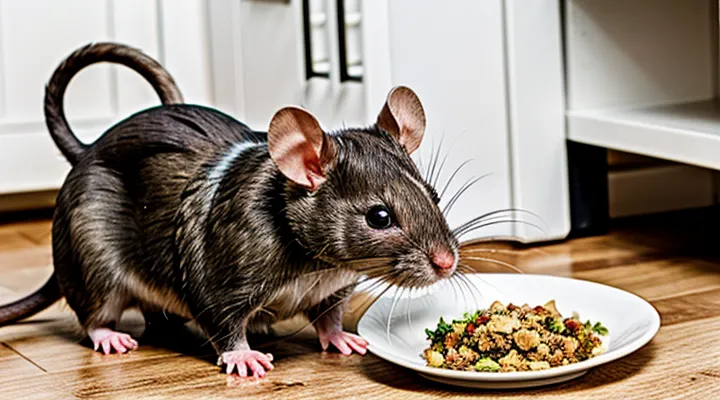
The Natural Diet of Wild Rats
Foraging Habits
Domestic rats instinctively explore their environment for edible material, a behavior that shapes their nutrition even when housed indoors. Their foraging pattern involves short, frequent bouts of sniffing, chewing, and sampling, which stimulate natural feeding rhythms and encourage mental engagement.
During a foraging session, rats prioritize items that are soft, aromatic, and easy to manipulate. Common indoor foraging targets include:
- Fresh vegetables such as carrot shreds, cucumber slices, and leafy greens
- Small fruit pieces like apple wedges, berries, or banana chunks
- Protein sources presented as tiny meat or boiled egg fragments
- Grain-based treats, including rolled oats or millet sprouts
- Insect larvae or dried mealworms for occasional enrichment
Rats also investigate non‑food objects, testing textures and scents before discarding unsuitable material. Providing a variety of safe, bite‑size foods in a maze‑like feeder or scattered across bedding mimics natural scavenging and reduces monotony. Limit sugary or fatty items to prevent obesity; balance foraged items with a stable base diet of high‑quality rodent pellets.
Monitoring consumption patterns helps identify preferences and potential deficiencies. If a rat consistently avoids a particular foraged food, replace it with an alternative offering similar nutrients. Regularly rotate options to maintain interest and support a well‑rounded diet.
Nutritional Needs
Domestic rats require a balanced intake of proteins, fats, carbohydrates, vitamins, and minerals to sustain growth, reproduction, and immune function. Protein should represent 14‑20 % of the diet, sourced from high‑quality animal or plant proteins such as boiled egg, cooked chicken, or soy-based pellets. Fat supplies essential fatty acids and should not exceed 5‑7 % of total calories; sources include small amounts of unsalted nuts or oil‑enriched feed.
Carbohydrates provide energy and fiber for gastrointestinal health. Whole grains, oats, and fresh vegetables contribute complex carbs and soluble fiber, while insoluble fiber from hay or timothy supports intestinal motility. Adequate water intake is mandatory; fresh, clean water must be available at all times.
Key micronutrients include:
- Calcium (0.5‑1 % of diet) for bone development; found in plain yogurt or fortified feed.
- Phosphorus in a 1:1 ratio with calcium; present in meat and dairy.
- Vitamin C is not required, as rats synthesize it endogenously.
- Vitamin A, D, and E must be supplied through fortified pellets or occasional egg yolk and liver.
- Trace elements such as zinc, iron, and selenium are incorporated in commercial mixes; supplementation should be limited to avoid toxicity.
Feeding schedules should consist of two to three small meals daily, preventing overconsumption and reducing waste. Monitor body condition regularly; a healthy adult rat maintains a smooth, tight coat, clear eyes, and a weight appropriate for its breed. Adjust portions and food composition promptly if weight loss, excess fat, or digestive issues arise.
The Ideal Diet for Pet Rats
Commercial Rat Food
Types of Pellets and Blocks
Pelleted feeds are the cornerstone of a balanced diet for pet rats. Commercial formulations typically fall into three categories: standard maintenance pellets, high‑protein growth pellets, and grain‑free specialty pellets. Maintenance pellets contain approximately 15–18 % protein, 3–5 % fat, and added vitamins and minerals to meet daily requirements. Growth pellets increase protein to 20–22 % and include calcium‑phosphorus ratios suitable for juveniles. Grain‑free options replace cereals with legumes or tubers, reducing carbohydrate load while preserving essential nutrients.
Hard food blocks serve a complementary purpose, offering texture and enrichment. Common block types include:
- Chew blocks: dense, mineral‑rich cylinders that promote dental wear and provide calcium.
- Fiber blocks: compressed hay or plant fibers that aid digestive health and encourage natural gnawing behavior.
- Supplement blocks: tablets infused with specific nutrients such as vitamin D, omega‑3 fatty acids, or probiotics for targeted health support.
When selecting pellets and blocks, prioritize products with transparent ingredient lists, guaranteed analysis, and third‑party testing. Rotate block varieties to prevent monotony and monitor intake to ensure rats consume the recommended 1–2 grams of pellets per 100 grams of body weight daily, supplemented by 0.5–1 gram of block material. Adjust quantities based on activity level, age, and health status to maintain optimal body condition.
Choosing Quality Brands
Selecting reputable manufacturers is essential for providing rats with a balanced, safe diet. Reliable brands disclose full ingredient lists, guarantee appropriate protein‑fat‑fiber ratios, and avoid artificial colors, flavors, and preservatives that can cause digestive upset or long‑term health issues.
Key factors to assess when evaluating a brand include:
- Transparent sourcing of ingredients, preferably from reputable farms or certified suppliers.
- Nutritional profiles that meet the specific needs of adult and juvenile rats, with adequate levels of protein (15‑20 %), fiber (5‑7 %), and essential vitamins such as A, D, and B‑complex.
- Absence of known toxins, including excessive soy, corn, or wheat gluten, which can trigger allergies.
- Compliance with recognized manufacturing standards such as ISO 22000 or HACCP, indicating rigorous quality control.
Examine packaging for clear labeling, batch numbers, and a visible expiration date. Labels that list guaranteed analysis, feeding guidelines, and any third‑party testing results provide additional confidence in product consistency.
When choosing between formats, consider that:
- Pelleted diets deliver uniform nutrition, reduce waste, and limit selective nibbling.
- Mixed grain or seed blends offer enrichment but require careful supplementation to avoid nutrient imbalances.
Prioritize brands that publish laboratory test results, maintain strict traceability, and have a history of positive feedback from veterinary professionals and experienced rat owners. This approach ensures dietary consistency, supports optimal growth, and minimizes the risk of nutritional deficiencies.
Fresh Foods: Vegetables and Fruits
Safe Vegetables
Domestic rats thrive on a varied vegetable intake that supplies essential vitamins, minerals, and fiber. Fresh produce should be washed thoroughly to remove pesticides and cut into bite‑size pieces to prevent choking. Offer vegetables in moderation; excess can cause digestive upset.
- Carrots – rich in beta‑carotene, provide a sweet treat in small cubes.
- Broccoli – high in vitamin C and calcium; serve florets sparingly to avoid gas.
- Bell peppers – supply vitamin A and antioxidants; any color is acceptable.
- Spinach – source of iron and folate; limit to a few leaves due to oxalates.
- Zucchini – low‑calorie, moist texture; slice thinly.
- Cucumber – high water content, good for hydration; remove seeds if large.
- Peas – protein and fiber; offer fresh or frozen, thawed, without added salt.
- Kale – contains vitamins K and C; provide a few shredded leaves, not daily.
- Sweet potato – vitamin A and fiber; cook briefly, cool, and serve in small cubes.
Avoid vegetables that are toxic or problematic: raw potatoes, onions, garlic, rhubarb, and cabbage families that cause gas. Rotate safe options to maintain nutritional balance and monitor the rat’s response after introducing a new vegetable.
Safe Fruits
Domestic rats thrive on a diet that includes a limited selection of fruits, which supply essential vitamins, antioxidants, and hydration. Fruit should never replace the staple of high‑quality rodent pellets; it serves only as an occasional supplement.
Safe fruit choices for pet rats:
- Apple (seedless, skin removed) – source of fiber and vitamin C.
- Blueberries – rich in anthocyanins, offered in small handfuls.
- Strawberries – provide vitamin C and folate; wash thoroughly.
- Raspberries – contain dietary fiber; limit to a few berries per week.
- Pear (seedless, peeled) – gentle on the digestive tract, supplies potassium.
- Banana – high in potassium; serve a thin slice no more than twice weekly.
- Melon (cantaloupe, honeydew) – high water content; provide a few cubes.
- Kiwi – source of vitamin C and dietary fiber; remove skin if rough.
When introducing fruit, follow these guidelines:
- Wash each piece to remove pesticide residues.
- Remove pits, seeds, and cores, as they may contain cyanogenic compounds or pose choking hazards.
- Offer only 5–10 % of the rat’s total daily intake in fruit weight; excess sugars can lead to obesity and dental problems.
- Observe for signs of digestive upset—diarrhea, reduced appetite, or lethargy—and discontinue the offending fruit immediately.
- Store fresh fruit in the refrigerator for no more than 24 hours; discard any that becomes mushy or moldy.
Incorporating these fruits responsibly enhances nutritional variety without compromising health. Regular monitoring and strict portion control keep the diet balanced and support optimal growth and longevity.
Vegetables and Fruits to Avoid
Domestic rats require a diet that excludes certain plant foods because these can cause digestive upset, toxicity, or nutritional imbalance.
Citrus fruits such as oranges, lemons, limes, and grapefruits contain high acidity and essential oils that irritate the gastrointestinal tract and may lead to diarrhea.
Nightshade family members—including tomatoes, potatoes, eggplant, and bell peppers—contain solanine, a glycoalkaloid toxic to rodents when consumed in significant amounts.
Raw onions, garlic, and chives belong to the Allium genus; their sulfur compounds can cause hemolytic anemia, a serious condition affecting red blood cells.
Avocado flesh and pit contain persin, a toxin that can induce respiratory distress and cardiac problems in rats.
Rhubarb leaves and stalks are rich in oxalic acid, which can precipitate kidney stones and interfere with calcium metabolism.
Certain berries, especially those with large seeds like blackberries and raspberries, pose a choking hazard and may contain pesticide residues if not thoroughly washed.
High‑sugar fruits such as grapes, cherries, and mangoes should be offered only sparingly because excess sugars promote obesity and dental disease.
All fruit pits and seeds—including apple cores, peach pits, and plum stones—contain cyanogenic glycosides that release cyanide when metabolized and must be removed before offering any fruit.
In summary, avoid citrus, nightshades, Allium species, avocado, rhubarb, large‑seeded berries, high‑sugar fruits, and all pits or seeds to maintain a safe and balanced diet for pet rats.
Protein Sources
Safe Animal Proteins
Domestic rats require a modest amount of animal protein to support tissue repair, immune function, and growth. Unlike obligate carnivores, rats obtain most nutrients from grains, vegetables, and fruits; however, a small protein contribution from animal sources enhances a balanced diet.
- Cooked chicken breast, skinless and unseasoned
- Boiled eggs, fully cooked, finely chopped
- Plain, low‑fat cottage cheese, limited to a teaspoon per day
- Small portions of plain, unsalted cooked fish (e.g., white fish)
- Lean turkey, cooked without additives
When offering these foods, ensure they are freshly prepared, free of salt, spices, sauces, and bones. Serve no more than 5 % of the total daily intake; for a typical adult rat, this translates to roughly 1–2 grams of protein per day. Introduce new items gradually, observing for digestive upset or allergic reactions.
Proteins that contain high levels of fat, sodium, or preservatives—such as processed meats, bacon, ham, and seasoned sausages—should be excluded. Raw meat poses bacterial hazards and must be avoided. Consistently providing safe, properly prepared animal proteins complements the primary plant‑based diet and promotes optimal health in pet rats.
Safe Plant-Based Proteins
Plant-derived proteins can complement the nutritional needs of pet rats when offered correctly. They supply essential amino acids, support growth, and contribute to overall health without the risks associated with animal-derived sources.
- Soybeans (cooked, unsalted): high-quality protein, low in fat; limit to 1 tsp per day to avoid excess phytoestrogens.
- Lentils (boiled, plain): rich in lysine and iron; serve ½ tsp daily.
- Peas (fresh or frozen, thawed): provide protein and fiber; 1 tsp per day is adequate.
- Chickpeas (cooked, rinsed): source of methionine and folate; ½ tsp daily.
- Quinoa (cooked, unsalted): complete protein with all essential amino acids; ½ tsp daily.
- Hemp seeds (raw, unsalted): high in omega‑3 and omega‑6 fatty acids; sprinkle ¼ tsp over food a few times weekly.
Preparation must eliminate anti-nutrients and hazards. Cook beans and legumes thoroughly to deactivate lectins and phytates; rinse grains and seeds to remove dust. Avoid raw soy products, seasoned legumes, and any items containing onion, garlic, or added salt. Portion sizes refer to a single adult rat; younger or smaller individuals require proportionally less.
Introduce new plant proteins gradually, observing appetite and stool consistency. Sudden changes may cause digestive upset. If a rat shows signs of bloating, diarrhea, or reduced weight, reduce or discontinue the offending source. Maintain a core diet of high-quality rat pellets, supplementing with the listed plant proteins to achieve a balanced protein intake of approximately 15–20 % of total calories.
Healthy Grains and Seeds
Whole Grains
Whole grains supply dietary fiber, complex carbohydrates, B‑vitamins, and trace minerals that support gastrointestinal health and steady energy release in domestic rats. Their fiber content promotes intestinal motility, while the slower‑digesting starches help prevent rapid blood‑sugar spikes.
Suitable whole‑grain options include:
- Rolled oats
- Brown rice
- Barley (hulled)
- Quinoa
- Whole‑wheat kernels
- Millet
These grains should constitute no more than 10 % of the total daily intake, measured by weight. A typical adult rat can receive 1–2 grams of whole grains per day, divided into two feedings to avoid excess caloric load.
Preparation requires thorough cooking or soaking to soften the kernels and eliminate anti‑nutritional factors. After cooking, allow grains to cool, then dry them on a clean surface before offering. Avoid adding salts, sugars, or flavorings; plain, unseasoned grains are safest.
Potential issues arise from stale or mold‑contaminated grains, which can introduce mycotoxins. Store grains in airtight containers at low temperature, discard any that develop odor or discoloration. Overreliance on grains may displace protein sources, leading to nutritional imbalance; balance each grain serving with adequate animal protein and fresh vegetables.
Integrating whole grains into a balanced rat diet enhances texture variety and provides essential nutrients without compromising overall health when administered according to the guidelines above.
Seeds in Moderation
Seeds provide a compact source of fats, proteins, and carbohydrates, making them a useful occasional supplement for pet rats. Their high caloric density means that even small quantities can contribute significantly to daily energy intake; therefore, portions must remain limited.
A typical serving consists of one to two teaspoons of mixed seeds per week for an adult rat weighing 300 g. Over‑feeding may lead to obesity, hepatic lipidosis, or nutrient imbalances because seeds lack the essential vitamins and minerals found in fresh vegetables and formulated pellets.
Suitable seed varieties include:
- Sunflower (unsalted, de‑hulled) – rich in vitamin E and linoleic acid.
- Pumpkin – high in zinc and magnesium.
- Flax – source of omega‑3 fatty acids; limit to a quarter teaspoon due to strong phytoestrogen content.
- Sesame – provides calcium; offer sparingly because of high fat.
Avoid seeds that are heavily salted, flavored, or roasted with added oils, as these additives increase sodium load and introduce unhealthy fats.
When incorporating seeds, distribute them evenly across several feedings rather than delivering a single large portion. Monitor the rat’s weight and coat condition; a stable body condition score indicates appropriate moderation. If weight gain or greasy fur appears, reduce or discontinue seed supplementation.
Foods to Avoid and Harmful Substances
Dangerous Human Foods
Sugary and Processed Foods
Sugary and processed foods provide high levels of simple carbohydrates, artificial additives, and unhealthy fats while offering little nutritional value for domestic rats. These items can cause rapid spikes in blood glucose, leading to insulin resistance, weight gain, and dental decay. Processed snacks often contain preservatives and flavor enhancers that may irritate the gastrointestinal tract and disrupt the natural balance of gut microbiota.
Rats thrive on a diet rich in protein, fiber, and complex carbohydrates. Introducing sugary treats reduces appetite for essential nutrients such as lean meat, legumes, and fresh vegetables. Over time, a diet dominated by sugar‑laden products can impair growth, reduce fertility, and shorten lifespan.
Recommendations for caretakers:
- Limit sugary items to occasional, small portions (e.g., a tiny piece of fruit or a single commercial rat treat).
- Avoid processed foods that list sugar, corn syrup, or artificial sweeteners among the first ingredients.
- Replace high‑sugar snacks with natural alternatives: carrot sticks, apple slices (seedless), or small amounts of whole‑grain cereal.
- Monitor weight and dental health regularly; any signs of obesity or tooth wear require immediate dietary adjustment.
- Provide constant access to fresh water to help flush excess sugars from the system.
Adhering to these guidelines maintains metabolic stability, supports oral health, and promotes overall well‑being in pet rats.
High-Fat Foods
High‑fat foods provide concentrated energy, but domestic rats require careful selection and limited quantities. Excessive fat can lead to obesity, hepatic lipidosis, and reduced lifespan.
Safe sources of dietary fat for rats include:
- Small amounts of unsalted, roasted nuts (e.g., almonds, walnuts) – no more than one‑half teaspoon per week.
- Plain, cooked eggs – one‑quarter of a hard‑boiled egg once weekly.
- Commercial rodent treats formulated with balanced fat content – follow manufacturer’s serving guidelines.
Foods to avoid because of high saturated or trans‑fat content, or added salts and sugars:
- Bacon, sausage, and other processed meats.
- Peanut butter with added sugars or hydrogenated oils.
- Fried snacks, chips, and buttery popcorn.
When incorporating fat, observe the following recommendations:
- Limit total fat contribution to no more than 5 % of the rat’s caloric intake.
- Introduce new fat sources gradually, monitoring weight and stool consistency.
- Ensure the primary diet consists of high‑quality rodent pellets and fresh vegetables, which supply essential nutrients without excess calories.
Veterinary guidance should be sought if a rat shows rapid weight gain, lethargy, or digestive disturbances after consuming fatty foods. Properly managed, modest amounts of healthy fat support coat condition and energy needs without compromising overall health.
Foods Containing Xylitol
Xylitol, a sugar alcohol used as a low‑calorie sweetener, is highly toxic to domestic rats. Even small amounts can cause a rapid release of insulin, leading to hypoglycemia, seizures, liver failure, and death. Consequently, any food that lists xylitol among its ingredients must be excluded from a rat’s diet.
Common products that contain xylitol include:
- Sugar‑free chewing gum and mints
- Diet or “light” candy, especially chocolate‑flavored varieties
- Sugar‑free baked goods such as cookies, brownies, and muffins
- Some peanut butter brands marketed as reduced‑sugar or natural
- Toothpaste, mouthwash, and other oral‑care products labeled “sugar‑free”
- Certain flavored syrups and drink mixes advertised as low‑calorie
- Fruit‑flavored gelatin desserts and sugar‑free jams
When evaluating a new treat, read the ingredient list carefully; xylitol may appear under its own name or as a component of “sorbitol blend,” “polyol blend,” or “sweetener blend.” If any doubt remains, assume the product is unsafe.
Recommendations for safe feeding:
- Offer a base diet of high‑quality rodent pellets, fresh vegetables, and occasional fruits.
- Reserve treats for items without artificial sweeteners, such as plain unsweetened yogurt, small pieces of cooked chicken, or commercially available rat treats that specify “no xylitol.”
- Store human foods containing xylitol out of reach to prevent accidental ingestion.
- In case of suspected exposure, seek immediate veterinary care; prompt treatment improves survival chances.
By eliminating all sources of xylitol, owners protect their rats from a preventable, lethal hazard while maintaining a balanced nutritional regimen.
Toxic Plants
Domestic rats require a balanced diet, yet many common houseplants contain substances that can cause severe health problems. Recognizing and eliminating these hazards is essential for safe feeding practices.
- Oleander (Nerium oleander) – cardiac glycosides cause arrhythmias and potentially fatal heart failure.
- Dieffenbachia (Dieffenbachia spp.) – calcium oxalate crystals irritate the oral cavity, leading to swelling and difficulty breathing.
- Philodendron (Philodendron spp.) – similar crystal content produces oral lesions and digestive upset.
- Peace lily (Spathiphyllum spp.) – contains calcium oxalate; ingestion results in intense oral pain and vomiting.
- Poinsettia (Euphorbia pulcherrima) – milky latex irritates the gastrointestinal tract, causing diarrhea and abdominal pain.
- Sago palm (Cycas revoluta) – cycasin is a potent hepatotoxin; even small amounts can cause liver failure and death.
- English ivy (Hedera helix) – saponins induce vomiting, abdominal cramps, and may lead to dehydration.
If a rat consumes any of these plants, immediate veterinary assessment is required. Inducing vomiting without professional guidance can worsen outcomes. Provide fresh water, monitor for symptoms such as drooling, lethargy, or abnormal stool, and transport the animal to a clinic promptly.
Preventive measures include surveying the home for toxic species, removing or securing plants, and offering only rat‑approved vegetables, fruits, and commercial feeds. Regularly inspect the enclosure for stray plant material to maintain a safe environment.
Medications and Household Chemicals
Domestic rats are attracted to a variety of substances that are not food, including over‑the‑counter medications and common household chemicals. Ingesting these items can cause acute toxicity, organ damage, or fatal outcomes.
Typical medications that pose a risk include:
- Pain relievers such as ibuprofen, acetaminophen, and aspirin. Even small doses can lead to gastrointestinal ulceration and renal failure.
- Antihistamines, decongestants, and cough syrups. Ingredients like diphenhydramine and pseudoephedrine interfere with cardiovascular function and cause tremors.
- Prescription drugs, especially antibiotics, antidepressants, and hormone therapies. These substances disrupt normal gut flora and may trigger severe metabolic disturbances.
Household chemicals frequently encountered by pet rats are:
- Cleaning agents containing bleach, ammonia, or phenols. Skin absorption or inhalation results in respiratory irritation and mucosal burns.
- Insecticides and rodenticides, even those labeled for other pests. Anticoagulant compounds such as bromadiolone cause uncontrolled bleeding.
- Detergents, soaps, and dishwasher rinse aids. Surfactants damage the gastrointestinal lining and can lead to malabsorption.
Recommendations for safe housing:
- Store all medications in locked cabinets out of reach of the cage.
- Keep cleaning supplies in sealed containers, and rinse any surfaces that may contact the animal before use.
- Use pet‑safe pest control products; avoid poisons that rely on ingestion.
- Regularly inspect the enclosure for stray crumbs, spilled pills, or drips from cleaning operations.
- If accidental ingestion is suspected, contact a veterinarian immediately and provide the product name, concentration, and estimated amount consumed.
Implementing these precautions minimizes the likelihood of accidental poisoning and supports the overall health of domestic rats.
Dietary Supplements and Treats
Occasional Healthy Treats
Domestic rats thrive on a balanced diet of commercial pellets, fresh vegetables, and limited protein. Occasionally, offering wholesome treats can enrich their nutrition and provide mental stimulation, provided the treats are used sparingly and selected for safety.
Suitable treats include:
- Small pieces of fresh fruit such as apple (seed‑free), blueberry, or banana; limit to one or two bites per week.
- Raw, unsalted nuts like almonds or walnuts, crushed and offered no more than a few fragments weekly.
- Cooked, unseasoned lean meats (chicken or turkey) or hard‑boiled egg whites; serve a single pea‑sized portion occasionally.
- Whole‑grain cereal flakes or plain, low‑sugar popcorn; restrict to a few grains per serving.
- Small, natural chew sticks made from safe woods (e.g., apple or willow) to support dental health and satisfy gnawing instinct.
When introducing a new treat, monitor the rat for any signs of digestive upset or allergic reaction. Remove uneaten portions after a few hours to prevent spoilage. Consistent moderation ensures treats complement the core diet without displacing essential nutrients.
Vitamins and Minerals
Domestic rats require a balanced supply of vitamins and minerals to support growth, reproduction, and immune function. Deficiencies manifest quickly; excesses can be toxic, so precise formulation is critical.
Key vitamins for pet rats include:
- Vitamin A (beta‑carotene): promotes vision and epithelial health; found in carrots, sweet potatoes, and fortified pellets.
- Vitamin D3: regulates calcium absorption; synthesized from sunlight exposure and supplied by fortified diets.
- Vitamin E (tocopherol): protects cell membranes from oxidative damage; present in sunflower seeds and wheat germ.
- B‑complex vitamins (B1, B2, B6, B12, niacin, pantothenic acid, folic acid): support metabolism and nervous system; abundant in whole grains, legumes, and commercial mixes.
- Vitamin K: essential for blood clotting; supplied by leafy greens such as kale and spinach.
Crucial minerals include:
- Calcium: bone development and muscle contraction; sources are dairy products (in limited amounts), calcium‑rich greens, and fortified feeds.
- Phosphorus: works with calcium for skeletal integrity; found in meat, fish, and whole‑grain products.
- Magnesium: enzyme activation and nerve transmission; available in nuts, seeds, and leafy vegetables.
- Potassium: fluid balance and cellular function; abundant in bananas, potatoes, and beet greens.
- Sodium and chloride: maintain osmotic pressure; provided by small quantities of salt in commercial diets.
- Iron: oxygen transport; present in organ meats and fortified pellets.
- Zinc: skin health and immune response; sourced from meat, shellfish, and zinc‑supplemented feeds.
- Selenium: antioxidant protection; supplied in trace amounts through fortified mixes.
Recommended practice: offer a base diet of high‑quality commercial rat pellets formulated to meet the National Research Council (NRC) nutrient specifications, supplemented with fresh vegetables and occasional fruits to fill gaps. Rotate vitamin‑rich foods to prevent monotony and ensure a comprehensive micronutrient profile. Monitor body condition and adjust portions if signs of deficiency (e.g., poor coat, lethargy) or excess (e.g., calcification, renal stress) appear. Regular veterinary check‑ups provide objective assessment of micronutrient status.
Probiotics and Gut Health
Probiotics support a balanced intestinal microbiome, which influences nutrient absorption, immune function, and overall health in pet rats. A stable microbial community reduces the risk of diarrhea, improves feed efficiency, and helps maintain a healthy weight.
Effective probiotic options for domestic rats include:
- Freeze‑dried Lactobacillus acidophilus or Lactobacillus casei (1–2 billion CFU per serving)
- Saccharomyces cerevisiae (baker’s yeast) in powdered form (0.5 g per 100 g of diet)
- Commercial rodent‑specific probiotic blends containing multiple strains, administered according to manufacturer instructions
When adding probiotics to a rat’s diet, mix the recommended amount into fresh food or water daily. Avoid excessive quantities; concentrations above 10 billion CFU per day can cause gas or mild gastrointestinal upset. Monitor each animal for changes in stool consistency, appetite, and behavior during the first week of supplementation.
Probiotic efficacy depends on regular administration and a diet that does not contain high levels of antimicrobial agents. Limit the use of broad‑spectrum antibiotics, heavy spices, and excessive citrus extracts, as these can disrupt beneficial bacteria. Pair probiotics with a fiber‑rich base—such as plain oatmeal, cooked quinoa, or small amounts of fresh vegetables—to provide substrates that promote bacterial growth.
Safety considerations: select products free from added sugars, artificial flavors, and allergens. Verify that the probiotic source is intended for small mammals, as formulations for humans or large animals may contain inappropriate excipients. Store freeze‑dried cultures in a cool, dry place to preserve viability.
Special Dietary Considerations
Age-Specific Diets
Young Rats and Growth
Young rats experience rapid skeletal and organ development during the first six weeks of life. Their nutritional requirements differ markedly from adult conspecifics, demanding higher protein, fat, and micronutrient density to sustain tissue synthesis and metabolic activity.
Protein sources must supply at least 20–24 % of the diet’s caloric content. Laboratory‑grade rodent chow formulated for weanlings, supplemented with soft, high‑quality animal protein such as boiled egg whites or low‑fat cottage cheese, meets this criterion. Fat should comprise 5–8 % of calories; essential fatty acids are supplied by small amounts of vegetable oil or fish oil emulsions. Calcium and phosphorus ratios of approximately 1.2 : 1 prevent skeletal abnormalities, while vitamin D₃ levels of 1,000–1,500 IU/kg support mineral absorption.
Key micronutrients for growth include:
- Vitamin A (5,000–10,000 IU/kg) for epithelial health.
- Vitamin E (50–100 IU/kg) to protect cellular membranes.
- B‑complex vitamins (especially B12 and folic acid) for DNA synthesis.
- Trace minerals such as zinc, copper, and manganese at breeder‑specified concentrations.
Feeding schedule influences gastrointestinal development. Offer fresh, moistened food three times daily to encourage consistent intake and prevent dehydration. Replace uneaten portions within two hours to maintain hygiene and reduce bacterial load. Provide clean water ad libitum; adding a few drops of electrolyte solution during the first week post‑weaning can offset fluid loss.
Monitoring growth metrics—body weight, length, and fur condition—allows early detection of nutritional deficiencies. An increase of 2–3 g per day is typical for healthy juveniles; deviations warrant dietary adjustment or veterinary assessment.
Adult Rats Maintenance
Adult rats require a balanced diet that supplies protein, fiber, fat, vitamins, and minerals in proportions that support growth, reproduction, and immune function. Commercially formulated rat pellets or blocks should form the foundation of every meal because they are nutritionally complete and provide consistent nutrient levels. Offer pellets in a measured amount each day—typically 10–15 g for a single adult—to prevent overeating and obesity.
Supplement the base diet with fresh vegetables and fruits that are low in sugar and high in fiber. Suitable options include carrots, broccoli, spinach, cucumber, and apple slices (seedless). Provide no more than one tablespoon of fresh produce per rat per day; excess moisture can cause diarrhea. Avoid citrus, avocado, and foods high in fat or salt, as they can lead to digestive upset and long‑term health issues.
Water must be available at all times in a clean, stainless‑steel bottle with a sipper tube. Replace the water daily and disinfect the bottle weekly to prevent bacterial growth. Rats are prone to dehydration, especially when consuming dry pellets, so monitor intake and refill promptly.
Dental health depends on continuous wear of the incisors. Include hard items such as untreated wooden blocks, mineral chews, or dried corn kernels to encourage gnawing. Rotate chew objects regularly to maintain interest and prevent overgrowth.
Enrichment contributes to physical and mental well‑being. Provide tunnels, climbing structures, and nesting material. Change the layout of the cage weekly to stimulate exploration and reduce stress.
Regular health checks are essential. Look for signs of weight loss, coat condition, abnormal feces, or respiratory sounds during brief handling sessions. Schedule veterinary examinations at least twice a year, or sooner if any symptoms appear.
Maintenance checklist for adult rats
- 10–15 g of high‑quality pellets daily
- ≤1 Tbsp fresh vegetables/fruits per rat per day
- Clean water in a stainless‑steel bottle, refreshed daily
- Hard chew items for dental wear, rotated weekly
- Enrichment objects and cage rearrangement weekly
- Visual health inspection during handling, veterinary visit biannually
Adhering to these guidelines sustains optimal nutrition, prevents common ailments, and promotes a long, healthy life for domestic adult rats.
Senior Rats and Special Needs
Senior rats require dietary adjustments that reflect slower metabolism, reduced dental wear, and increased susceptibility to health conditions. Their caloric intake should be modest to prevent obesity, while nutrient density must remain high to support organ function and bone health.
Key nutritional considerations for aging rodents include:
- Protein: Maintain 18‑20 % of daily calories from high‑quality sources such as cooked chicken, boiled egg, or commercial senior‑rat pellets formulated for reduced fat and enhanced amino acid profiles.
- Fiber: Provide 5‑7 % of diet as insoluble fiber to promote gastrointestinal motility; suitable options are small portions of shredded wheat, oat bran, or finely chopped raw vegetables (e.g., carrots, broccoli).
- Calcium and Phosphorus: Balance these minerals to protect skeletal integrity; calcium‑rich foods like low‑fat plain yogurt or fortified pellet mixes are appropriate, but avoid excess phosphorus from meat‑bone meals.
- Vitamin D: Supplement with a calibrated dose of vitamin D3, especially for rats kept indoors with limited UV exposure.
- Omega‑3 fatty acids: Include modest amounts of fish oil or flaxseed oil to mitigate inflammatory joint conditions.
Senior rats often experience dental attrition, making hard foods difficult to chew. Offer softened or finely diced items, such as steamed pumpkin, mashed sweet potato, or soaked pellets, to ensure adequate intake without excessive effort. Hydration is critical; replace water daily and consider adding a few drops of electrolyte solution during periods of illness.
Monitoring weight and body condition score weekly enables early detection of malnutrition or excess weight. Adjust portions promptly if a trend emerges. For rats with renal insufficiency, reduce protein to 14‑16 % of calories and limit phosphorus‑rich foods, while still providing essential amino acids through specialized renal diets.
Special needs may also arise from chronic conditions such as arthritis or diabetes. In arthritis cases, incorporate joint‑support supplements containing glucosamine and chondroitin, and provide warm, moist food to reduce chewing strain. Diabetic rats require low‑glycemic carbohydrates; replace sugary fruits with berries in limited quantities and prioritize complex carbs like cooked barley.
Overall, senior rats thrive on a diet that balances reduced caloric load with high nutrient density, softened textures, and targeted supplements addressing age‑related health challenges. Consistent observation and incremental dietary tweaks sustain vitality and quality of life.
Health Conditions and Diet
Obesity Management
A balanced diet is essential for preventing excess weight gain in pet rats. High‑calorie foods such as seed mixes, nuts, and sugary treats should be limited to no more than 5 % of daily intake. The primary portion of the diet should consist of a nutritionally complete pellet formulated for rodents, supplemented with fresh vegetables that provide fiber and low‑energy content.
- Offer fresh water at all times; replace daily to avoid contamination.
- Provide fresh greens (e.g., kale, broccoli, carrots) in measured amounts (approximately 10 % of the diet by weight).
- Limit fruit to small pieces no larger than a pea, no more than two servings per week.
- Eliminate processed human snacks, cheese, and fatty meats.
Regular weight monitoring enables early detection of obesity. Weigh rats weekly using a digital scale, record values, and compare against breed‑specific standards. If weight exceeds the upper limit by more than 10 % of the ideal range, adjust caloric intake by reducing pellet portions by 10‑15 % and increase the proportion of fibrous vegetables.
Physical activity supports weight control. Provide a spacious cage with multiple levels, tunnels, and chew toys to encourage climbing and foraging. Schedule daily out‑of‑cage sessions of at least 30 minutes to allow natural exploration and exercise.
Veterinary assessment should be part of an obesity‑management plan. A professional can evaluate body condition, rule out metabolic disorders, and prescribe tailored dietary regimens if necessary. Consistent application of these guidelines reduces the risk of obesity‑related health issues such as diabetes, cardiovascular disease, and joint problems in domestic rats.
Digestive Issues
Domestic rats frequently experience digestive disturbances that stem from inappropriate food choices, sudden diet changes, or excessive fiber. Common conditions include soft stools, diarrhea, constipation, and bloating. Each problem signals an imbalance in gut flora or a mechanical issue within the gastrointestinal tract.
Soft stools and diarrhea often result from high‑sugar treats, unpasteurized fruits, or sudden introduction of new items. Reducing sugary snacks, limiting fruit to occasional small portions, and transitioning new foods over a period of 5–7 days can stabilize stool consistency. Probiotic supplements formulated for rodents may help restore microbial balance.
Constipation arises when fiber intake is insufficient or when the rat consumes dry, low‑moisture foods for extended periods. Incorporate a measured amount of high‑fiber vegetables such as kale, broccoli, or carrots, and ensure constant access to fresh water. A small daily serving of plain, unsweetened cooked oatmeal can provide soluble fiber without overwhelming the digestive system.
Bloating indicates gas accumulation, frequently linked to fermentable carbohydrates or over‑feeding of legumes. Limit beans, peas, and lentils to no more than one teaspoon per week, and monitor for signs of discomfort after meals. If bloating persists, consult a veterinarian for possible obstruction assessment.
Recommendations for maintaining optimal gastrointestinal health:
- Provide a base diet of commercial rat pellets that meet nutritional standards.
- Supplement with fresh vegetables (leafy greens, bell peppers) in moderation; replace 10–15 % of the pellet portion weekly.
- Offer occasional fruit (apple, berries) no more than two small pieces per week.
- Keep treats low in sugar and fat; prioritize seeds, nuts, or small pieces of cheese as protein sources.
- Ensure continuous availability of clean drinking water; consider a water bottle with a stainless‑steel spout to prevent contamination.
- Introduce any new food gradually, observing stool quality and behavior for at least one week before adding further items.
By adhering to these guidelines, owners can reduce the incidence of digestive issues and support the long‑term health of their pet rats.
Allergies and Sensitivities
Domestic rats can develop adverse reactions to specific ingredients commonly found in their diet. Recognizing allergens and sensitivities is crucial for maintaining optimal health and preventing chronic issues.
Common allergens include:
- Soy protein – frequently present in commercial pellets and treats; may trigger gastrointestinal upset and skin irritation.
- Wheat and other grains – gluten and related proteins can cause inflammation in susceptible individuals.
- Dairy products – lactose intolerance is widespread; symptoms range from diarrhea to abdominal discomfort.
- Certain nuts and seeds – high‑fat varieties such as peanuts and sunflower seeds may provoke allergic dermatitis.
Typical signs of a reaction are:
- Persistent diarrhea or soft stools.
- Excessive scratching, hair loss, or red patches on the skin.
- Respiratory distress, including sneezing or wheezing.
- Reduced appetite and weight loss.
Management strategies:
- Conduct a systematic elimination trial: remove one suspected ingredient for two weeks, observe changes, then reintroduce to confirm the trigger.
- Switch to grain‑free, soy‑free formulations that list single protein sources like pea or lentil protein.
- Provide fresh vegetables and fruits in limited quantities; monitor for individual intolerance.
- Avoid processed treats containing added sugars, flavorings, or preservatives, which can exacerbate sensitivities.
When a specific allergy is identified, adjust the diet permanently to exclude the offending component. Regular veterinary check‑ups help verify that the new regimen resolves symptoms and supports growth. Documentation of the rat’s dietary history assists in future care and in preventing cross‑contamination with other pets.
Feeding Practices and Environment
Feeding Schedule
Domestic rats thrive on a consistent feeding routine that aligns with their natural foraging patterns. Providing food at the same times each day stabilizes metabolism, encourages regular bowel movements, and reduces stress.
A practical feeding schedule includes:
- Morning meal (07:00–09:00): Offer a measured portion of high‑quality pellet mix (approximately 1 ½ – 2 teaspoons per rat). Add a small amount of fresh vegetables such as kale or carrot, no more than ¼ of a cup.
- Midday snack (12:00–13:00): Supply a single bite‑size piece of fruit (e.g., apple or banana) or a few grains. Limit to 1 – 2 teaspoons total to avoid excess sugar.
- Evening meal (18:00–20:00): Repeat the morning pellet portion. Include a protein source—hard‑boiled egg, cooked chicken, or mealworm—about ½ teaspoon per rat.
- Water: Refresh clean drinking water twice daily, preferably at each meal time.
Adjust portions when rats gain or lose weight: increase by 10 % for underweight individuals, reduce by 10 % for overweight ones. Observe intake; a sudden decline may signal illness and warrants veterinary consultation. Maintaining this schedule supports optimal growth, dental health, and overall vitality.
Water Availability
Domestic rats require constant access to fresh water to maintain metabolic functions, kidney health, and overall wellbeing. Depriving them of water for more than a few hours leads to rapid dehydration, reduced food intake, and increased susceptibility to disease.
A typical adult house rat drinks approximately 15–30 ml of water per day, depending on ambient temperature, diet moisture content, and activity level. Young rats and lactating females have higher needs, sometimes exceeding 40 ml daily. Water consumption rises noticeably when ambient temperature exceeds 24 °C (75 °F) or when the diet consists primarily of dry pellets.
Key practices for ensuring adequate hydration:
- Provide a clean, leak‑proof bottle with a stainless‑steel or BPA‑free plastic sipper. Replace the bottle every 1–2 weeks to prevent biofilm buildup.
- Position the bottle at a height that allows the rat to reach it comfortably without stretching.
- Refresh water at least once daily; more frequently in warm environments.
- Monitor intake by checking the water level regularly; a sudden drop may indicate illness or a malfunctioning dispenser.
- Offer supplemental sources, such as small dishes of fresh fruit or vegetables, to increase fluid intake during hot weather, but remove uneaten produce within a few hours to avoid spoilage.
Water quality directly influences health. Use filtered tap water or bottled spring water; avoid chlorinated or heavily mineralized supplies that can irritate the urinary tract. If using tap water, let it sit for 24 hours to allow chlorine to dissipate before filling the bottle.
Regular observation of drinking behavior serves as an early health indicator. A marked decrease in consumption warrants immediate veterinary assessment, as it often precedes more severe conditions such as renal failure or gastrointestinal blockage.
Food Presentation and Enrichment
Presenting food in a way that stimulates a rat’s natural foraging instincts enhances both nutrition and mental health. Small, unevenly sized pieces encourage chewing and exploration, while arranging items on a varied surface prevents monotony. Use shallow dishes, wooden blocks, or silicone mats to create different textures that rats must manipulate to access the food.
Incorporate enrichment objects that double as feeding tools. Puzzle feeders, PVC tubes with grated openings, and paper rolls filled with seeds require the animal to work for each bite, promoting problem‑solving skills. Rotate these devices weekly to avoid habituation and to maintain interest.
Key practices for effective food presentation:
- Cut fruits and vegetables into bite‑size cubes (1–2 cm) to match the rat’s mouth.
- Scatter dry mixes (seed blends, pellets) across a bedding layer or within a foraging box.
- Hide treats inside rolled paper, cardboard tubes, or wooden blocks, ensuring the material is safe and free of chemicals.
- Limit the number of identical items on a plate; vary colors and shapes to stimulate visual curiosity.
- Clean and inspect enrichment items daily to prevent mold or bacterial growth.
Consistent variation in how food is offered, combined with safe, manipulable objects, supports a balanced diet while fostering natural behaviors. This approach reduces boredom, encourages activity, and contributes to overall well‑being.
Monitoring Your Rat's Health and Diet
Signs of a Healthy Rat
A healthy domestic rat displays several observable characteristics that indicate proper nutrition and overall well‑being.
- Bright, clear eyes without discharge or redness.
- Smooth, glossy fur that lies flat against the body; no bald patches, excessive shedding, or scabs.
- Alert, curious behavior; frequent exploration, climbing, and interaction with toys or companions.
- Steady, moderate weight appropriate for the rat’s age and breed; ribs are not prominently visible, yet a gentle press on the side feels firm, not overly soft.
- Well‑aligned, continuously growing incisors that are sharp and free of overgrowth; the front teeth should meet evenly when the mouth is closed.
- Consistent, firm stool that is dark brown and pellet‑shaped; no diarrhea, blood, or mucus.
- Strong, coordinated movement; the rat can run, jump, and navigate obstacles without stumbling.
- Clean, odor‑free breath; no strong, foul smell indicating dental or gastrointestinal issues.
These indicators reflect a diet that supplies adequate protein, fiber, vitamins, and minerals, while avoiding excessive fats or sugars. Regular monitoring of the listed signs helps owners adjust feeding plans promptly, ensuring the rat remains in optimal health.
Recognizing Dietary Deficiencies
Domestic rats require balanced intake of protein, fat, fiber, vitamins, and minerals to maintain growth, reproduction, and immune function. Deficiencies manifest through observable changes in appearance, behavior, and physiological processes.
Typical indicators of nutrient shortfalls include:
- Dull, thinning fur or hair loss, suggesting insufficient protein or essential fatty acids.
- Reduced activity, lethargy, or weight loss, often linked to inadequate calories or vitamin B complex.
- Dental overgrowth or malocclusion, a sign of low calcium or phosphorus levels.
- Delayed wound healing and frequent infections, reflecting deficits in vitamin C, zinc, or selenium.
- Abnormal bone development, such as leg deformities, associated with calcium, vitamin D, or magnesium insufficiency.
Laboratory analysis of feed composition can confirm suspected gaps. When a deficiency is identified, adjust the diet by incorporating targeted supplements or fortified foods. For protein deficits, add high‑quality sources like boiled egg white or lean meat. Calcium shortfalls respond to calcium‑rich treats such as plain yogurt or mineral blocks. Vitamin deficiencies are corrected with commercially available rat multivitamins, administered according to product dosage guidelines.
Regular monitoring of body condition, coat quality, and behavior enables early detection of nutritional imbalances. Maintaining a varied menu that meets established macronutrient ratios and micronutrient requirements reduces the risk of deficiencies and supports overall health.
Consulting Your Veterinarian
When a rat’s diet raises concerns, a veterinarian is the most reliable source for accurate guidance. Professional assessment identifies deficiencies, allergies, or health conditions that may influence nutritional needs. Bring a detailed record of the rat’s current feed, treats, and any recent changes; include observations of weight, coat condition, activity level, and stool consistency. This information enables precise evaluation and tailored recommendations.
Key points to discuss with the veterinarian:
- Specific nutrient requirements for the rat’s age, sex, and reproductive status.
- Appropriate portion sizes and feeding frequency to prevent obesity or malnutrition.
- Safe treat options and limits to avoid toxic ingredients.
- Signs of dietary problems, such as hair loss, dental wear, or digestive upset.
- Recommended supplements, if any, and proper dosage.
Schedule regular check‑ups, especially after introducing new foods or if the rat exhibits any health changes. Prompt veterinary input ensures the diet supports optimal growth, immune function, and overall well‑being.