
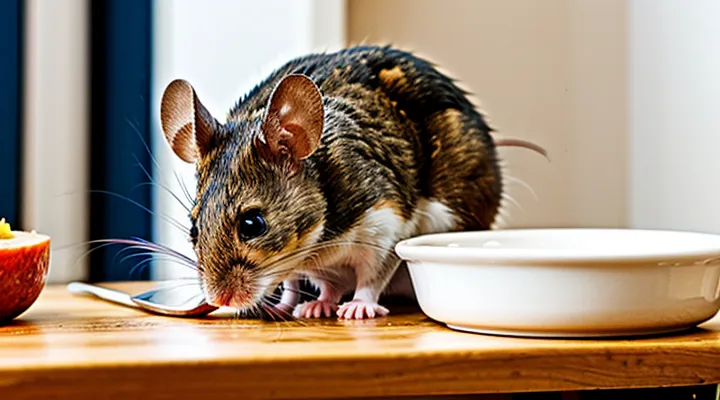
Natural Diet in the Wild
Grains and Seeds
Domestic mice readily consume a variety of grains and seeds, which supply essential carbohydrates, proteins, and fats. These foods form a core component of a balanced diet for pet mice, supporting growth, reproduction, and overall health.
- Wheat kernels
- Oats (rolled or whole)
- Barley
- Corn kernels (yellow or white)
- Rice (cooked, unsalted)
- Sunflower seeds (hulled)
- Pumpkin seeds (unsalted, de‑hulled)
- Millet
Grains deliver quick‑digesting energy, while seeds provide higher fat content and essential fatty acids. Mice prefer softer textures; soaking or lightly cooking grains improves palatability and reduces choking risk. Seeds, especially small varieties like millet, are favored for their crunch and nutrient density.
When offering grains and seeds, maintain a ratio of approximately 70 % grains to 30 % seeds to prevent excessive fat intake. Rotate items weekly to prevent monotony and to expose mice to a broader spectrum of micronutrients. Store all dry components in airtight containers at cool temperatures to inhibit mold growth and preserve nutritional quality.
Fruits and Berries
Domestic mice readily accept a variety of fruits and berries, which provide quick‑acting carbohydrates, vitamins, and antioxidants. Their natural inclination toward sweet flavors drives this preference, making fresh produce a useful supplement to a standard grain‑based regimen.
Typical fruit offerings include:
- Apple slices (seedless)
- Banana chunks
- Blueberries
- Strawberries
- Raspberries
- Small pieces of melon (cantaloupe, honeydew)
These items should be introduced in moderation; excessive sugar can disrupt gut flora and promote obesity. A serving size of 1–2 grams per mouse, offered two to three times per week, maintains nutritional balance without encouraging overconsumption.
Nutrient contributions are notable. Simple sugars supply immediate energy for activity and thermoregulation, while dietary fiber supports digestive motility. Vitamin C, abundant in strawberries and citrus, compensates for the limited synthesis capacity of rodents, and anthocyanins in berries deliver antioxidant protection.
Safety considerations are essential. Remove all pits, seeds, and stems, as they may contain cyanogenic compounds (e.g., apple seeds) or pose choking hazards. Wash produce thoroughly to eliminate pesticide residues. Avoid dried or candied fruits, which contain added sugars and preservatives that can cause gastrointestinal irritation.
When integrating fruits and berries into a mouse's diet, observe behavioral cues. Preference is indicated by rapid consumption and frequent visits to the feeding area. Reluctance or refusal suggests either an aversion to the specific item or a possible health issue requiring veterinary assessment.
Overall, fruits and berries enrich a domestic mouse’s diet by supplying essential micronutrients and diversifying palate stimulation, provided they are offered responsibly and in conjunction with a balanced staple feed.
Insects and Other Protein Sources
Domestic mice require protein for growth, reproduction, and immune function. Insects provide a dense source of essential amino acids, lipids, and micronutrients. Commonly accepted insects include:
- Mealworms (Tenebrio molitor) – high in protein (≈50 % dry weight) and chitin, readily consumed when offered live or dried.
- Crickets (Acheta domesticus) – balanced amino‑acid profile, moderate fat content, palatable when heated.
- Dark‑winged beetles – occasional inclusion in wild‑derived diets, rich in minerals such as zinc and iron.
When insects are introduced, mice typically explore by sniffing, then bite and gnaw small pieces. Preference tests show rapid habituation; after initial exposure, consumption rates increase, indicating acceptance as a regular protein source.
Other protein alternatives supplement or replace insects:
- Cooked egg whites – pure protein, low fat, safe when boiled and cooled.
- Soy‑based products (tofu, soy flakes) – plant protein with a comparable amino‑acid spectrum, digestible when softened.
- Fish flakes or dried shrimp – high in omega‑3 fatty acids, attractive scent, must be limited to avoid excess phosphorus.
- Lean cooked meat (chicken breast, turkey) – provides complete protein, recommended in small, unseasoned portions.
- Commercial rodent pellets enriched with animal protein – formulated for balanced intake, often include whey or casein.
Safety considerations:
- Ensure insects are sourced from reputable suppliers to avoid pesticide contamination.
- Provide insects in moderation; excess chitin may cause digestive irritation.
- Avoid raw meat to prevent bacterial growth; always cook and cool before offering.
- Monitor individual mice for allergic reactions, particularly when introducing novel protein sources.
Integrating insects and supplemental proteins into a mouse’s diet enhances nutritional completeness, supports physiological demands, and diversifies feeding behavior without compromising health.
Foraging Behavior
Domestic mice rely on innate foraging instincts to locate and select food, even when provided with a constant supply. These instincts drive exploration of the environment, assessment of edible items, and repeated sampling to maintain nutritional balance.
Foraging decisions depend on olfactory cues, tactile input from whiskers, and limited visual discrimination. Mice detect volatile compounds emitted by seeds, grains, and protein sources, while whisker contact confirms texture and size before ingestion.
Typical food categories encountered during foraging include:
- Whole grains such as wheat, barley, and oats
- Seed varieties like sunflower and millet
- Insect larvae or processed protein pellets
- Fresh vegetables and fruit pieces
- Small amounts of nuts or dried fruit
Environmental variables shape foraging patterns. Cage complexity, availability of hidden food, and the presence of conspecifics affect search intensity and time allocation. Nocturnal activity peaks between dusk and early night, aligning with natural crepuscular foraging periods.
Owners can channel foraging behavior through enrichment strategies:
- Scatter dry food across bedding to encourage digging
- Provide puzzle feeders that require manipulation to release kibble
- Rotate hidden treats within tunnels and nesting material
- Offer occasional live insects or frozen‑thawed protein to simulate prey capture
These practices satisfy exploratory drives, promote physical activity, and support a balanced diet without compromising health.
Common Foods for Pet Mice
Commercial Mouse Food Pellets
Commercial mouse food pellets provide a balanced source of nutrients specifically formulated for laboratory and pet mice. The pellets contain precise ratios of protein, carbohydrate, fat, fiber, vitamins, and minerals, eliminating the need for owners to calculate dietary components manually. Protein levels typically range from 18 % to 22 %, supporting growth, reproduction, and tissue repair; carbohydrate content averages 45 % to 55 % for sustained energy; fat is limited to 4 %–6 % to prevent obesity; and fiber, usually 5 %–7 %, promotes gastrointestinal health.
Key ingredients commonly found in these formulations include:
- Ground corn and wheat as primary carbohydrate sources
- Soy or casein protein isolates for high‑quality amino acids
- Sunflower or safflower oil providing essential fatty acids
- Vitamin‑mineral premix delivering A, D, E, K, B‑complex vitamins and trace elements such as zinc and selenium
- Prebiotic fibers like oat hulls or beet pulp to support gut microbiota
Feeding recommendations advise offering a daily portion equivalent to 5 %–7 % of the mouse’s body weight. For an adult mouse weighing 25 g, this translates to approximately 1.3 g to 1.8 g of pellets per day, measured with a precise scale. Fresh water must be available at all times, and uneaten pellets should be removed after 24 hours to prevent spoilage and contamination. Regular monitoring of body condition and adjusting intake accordingly helps maintain optimal health and prevents nutritional deficiencies.
Safe Fruits and Vegetables
Domestic mice thrive on a diet that includes a modest selection of fruits and vegetables, provided the items are fresh, pesticide‑free, and offered in small quantities to prevent digestive upset.
Safe fruit options include:
- Apple (seedless, skin removed)
- Blueberries
- Strawberries (cut into bite‑size pieces)
- Raspberries
- Banana (thin slice)
These fruits supply natural sugars, vitamins, and antioxidants, but should not exceed 10 % of the overall diet.
Vegetables suitable for regular feeding are:
- Carrot (shredded)
- Peas (cooked, unsalted)
- Sweet potato (cooked, plain)
- Broccoli florets (steamed)
- Spinach (fresh, washed)
Vegetables contribute fiber, minerals, and essential micronutrients. Introduce each new item gradually, monitoring for signs of intolerance such as loose stools or reduced appetite.
Avoid citrus fruits, grapes, raisins, onions, garlic, and any produce with high acidity or toxic compounds, as these can cause severe health issues in mice.
Maintain a balanced regimen by combining the listed fruits and vegetables with a high‑quality commercial mouse pellet, occasional protein sources, and constant access to clean water.
Occasional Treats and Supplements
Occasional treats and supplements enhance the nutritional variety of pet mice but must complement, not replace, a balanced staple diet.
Typical treats include:
- Small pieces of fresh fruit such as apple, banana, or berries, offered no more than two to three times per week.
- Soft vegetables like carrot, cucumber, or broccoli, limited to a few bite‑size portions weekly.
- Seed mixes or low‑fat granola, provided sparingly to avoid excess fat.
- Commercial protein treats designed for rodents, administered in minimal quantities.
Frequency and portion size matter. A single treat should not exceed 5 % of the mouse’s total daily caloric intake. Over‑feeding leads to rapid weight gain and digestive disturbances.
Supplementation addresses specific deficiencies. Common additions are:
- Calcium powder or cuttlebone fragments, essential for bone health and preventing dental problems.
- Vitamin D3, particularly for mice kept indoors with limited sunlight exposure.
- B‑complex vitamins, supporting metabolism during growth or illness.
- Probiotic powders, useful for stabilizing gut flora after antibiotic treatment.
Safety guidelines require eliminating toxic foods (chocolate, caffeine, onion, garlic, citrus peel) and monitoring for allergic reactions. Treats should be introduced gradually, observing behavior and fecal consistency. Regular weight checks confirm that supplemental calories remain within healthy limits.
Foods to Avoid
Domestic mice have specific dietary limits; certain items can cause illness, nutritional imbalance, or death. Avoid the following foods:
- Chocolate, candy, or any products containing caffeine or theobromine – toxic to rodents and can lead to seizures or cardiac failure.
- Citrus fruits and juices – high acidity irritates the gastrointestinal tract and may cause ulceration.
- Raw or undercooked beans, especially red kidney beans – contain phytohemagglutinin, a potent toxin that can induce vomiting and diarrhea.
- Processed meats, salty snacks, and foods with high sodium – elevate blood pressure and strain renal function.
- Dairy products such as milk, cheese, and yogurt – most adult mice lack lactase, resulting in severe diarrhea and dehydration.
- Avocado flesh and pit – contain persin, which can cause respiratory distress and heart damage.
- Nuts and seeds with added salt, sugar, or flavored coatings – excessive fat and additives disrupt metabolism and may lead to obesity.
- Onion, garlic, and related Allium species – contain compounds that damage red blood cells, leading to hemolytic anemia.
- Sugary beverages, including soda and fruit punches – provide empty calories, promote dental decay, and can cause rapid blood‑sugar spikes.
- Moldy or spoiled food – introduces mycotoxins that impair liver function and suppress the immune system.
Providing only safe, nutritionally balanced foods protects mouse health and supports normal growth and behavior.
Nutritional Requirements
Carbohydrates and Energy
Carbohydrates serve as the primary energy source for laboratory and pet mice. Simple sugars such as glucose and fructose are rapidly absorbed, providing immediate fuel for locomotion and thermoregulation. Complex carbohydrates—starches from grains, legumes, and tubers—are digested more slowly, sustaining blood‑sugar levels throughout the active phase of the night cycle.
Mice exhibit clear preferences for carbohydrate‑rich foods:
- Commercial rodent pellets typically contain 45–55 % carbohydrate, balancing starches and minor sugars.
- Fresh grains (e.g., wheat, oats, barley) are readily consumed and stimulate exploratory feeding.
- Small quantities of fruit or honey are highly attractive but must be limited to prevent obesity.
Metabolic considerations dictate that a mouse weighing 25 g requires approximately 13–15 kcal per day, with 60–70 % derived from carbohydrates. Excess intake of simple sugars can lead to rapid weight gain and altered gut microbiota, while a diet dominated by complex carbohydrates supports stable growth and reproductive performance.
In experimental settings, researchers adjust carbohydrate levels to investigate energy balance, glucose tolerance, and dietary preference. Consistent provision of a balanced carbohydrate profile ensures reliable physiological data and promotes animal welfare.
Protein for Growth and Repair
Protein supplies the amino acids necessary for cellular expansion and tissue regeneration in domestic mice. Adequate intake accelerates skeletal development, muscle hypertrophy, and wound healing.
Growth studies indicate that adult mice require approximately 14–18 % protein by weight, while juveniles need 18–20 % to sustain rapid somatic increase. Protein deficiency reduces body mass gain, delays tooth eruption, and impairs immune cell proliferation.
Typical protein contributors in a laboratory or pet setting include:
- Commercial rodent pellets formulated with soy, wheat, or casein protein
- Cooked eggs, hard‑boiled or scrambled without seasoning
- Low‑fat dairy products such as plain yogurt or cottage cheese
- Lean meat scraps, boiled chicken or turkey, finely chopped
- Insect larvae (e.g., mealworms) providing high‑quality animal protein
A balanced amino acid profile, particularly the presence of lysine, methionine, and threonine, supports collagen synthesis and enzymatic activity essential for repair processes. Consistent provision of these nutrients ensures healthy growth trajectories and resilience to injury.
Fats for Health and Metabolism
Dietary fats supply the majority of energy for domestic mice and support critical physiological processes. Fatty acids provide a dense caloric source, facilitate absorption of fat‑soluble vitamins, and contribute to the structural integrity of cell membranes.
- Saturated fatty acids: primarily derived from animal fats, stabilize membrane fluidity at lower temperatures.
- Monounsaturated fatty acids: abundant in olive oil and nuts, improve lipid profiles and assist in hormone synthesis.
- Polyunsaturated fatty acids: include essential linoleic (omega‑6) and alpha‑linolenic (omega‑3) acids, which mice cannot synthesize and must obtain from the diet.
Optimal fat inclusion ranges from 5 % to 10 % of total metabolizable energy. Formulations that exceed 15 % risk obesity and hepatic lipid accumulation, while levels below 3 % may lead to growth retardation and impaired coat condition.
Fats serve as substrates for β‑oxidation, generating ATP for muscle activity and thermoregulation. They also act as precursors for prostaglandins, leukotrienes, and steroid hormones, influencing immune response and reproductive function. Adequate intake of essential polyunsaturated fatty acids maintains membrane fluidity, supports neuronal development, and modulates inflammation.
Deficiency manifests as reduced body weight, poor fur quality, and diminished fertility. Excessive consumption produces adiposity, insulin resistance, and elevated serum cholesterol. Balanced fat provision therefore underpins health, growth, and metabolic efficiency in pet mice.
Vitamins and Minerals
Domestic mice require a spectrum of micronutrients to maintain growth, reproduction, and immune competence. Vitamins and minerals supplied through standard chow or natural foraging fulfill these needs when present in adequate amounts.
-
Vitamin A (retinol/β‑carotene) – supports retinal function and epithelial integrity; found in carrots, sweet potatoes, and fortified pellets.
-
Vitamin D3 (cholecalciferol) – regulates calcium absorption and bone mineralization; occurs in fortified diets and exposure‑derived synthesis.
-
Vitamin E (α‑tocopherol) – protects cellular membranes from oxidative damage; abundant in seeds and vegetable oils.
-
Vitamin K – essential for blood clotting; present in leafy greens and liver extracts.
-
B‑complex vitamins – include B1 (thiamine), B2 (riboflavin), B3 (niacin), B5 (pantothenic acid), B6 (pyridoxine), B7 (biotin), B9 (folate), and B12 (cobalamin); each participates in energy metabolism, nucleic acid synthesis, or nervous system function; sources comprise whole grains, legumes, and animal tissues.
-
Vitamin C – not required for most rodents but may be beneficial under stress; available in citrus fruits and fortified mixes.
-
Calcium – critical for skeletal development and neuromuscular signaling; supplied by dairy products, bone meal, and calcium‑rich greens.
-
Phosphorus – partners with calcium in bone formation and ATP production; present in meat, nuts, and grain‑based feeds.
-
Magnesium – co‑factor for enzymatic reactions and neuromuscular activity; found in nuts, seeds, and whole‑grain diets.
-
Potassium – maintains cellular osmotic balance and nerve impulse transmission; abundant in fruits and vegetables.
-
Sodium – required in small quantities for fluid regulation; delivered via salt or processed feeds.
-
Iron – component of hemoglobin and numerous enzymes; sourced from meat, liver, and fortified cereals.
-
Zinc – supports DNA synthesis, wound healing, and immune response; present in meat, legumes, and zinc‑supplemented chow.
-
Copper – involved in iron metabolism and antioxidant defenses; found in organ meats and whole grains.
-
Selenium – functions as an antioxidant co‑factor; supplied by fish, eggs, and selenium‑enriched feed.
Balanced micronutrient intake prevents deficiencies that manifest as growth retardation, impaired reproduction, or weakened immunity. Commercial rodent diets are formulated to meet established nutritional standards; however, supplemental sources become necessary when natural food is limited or when breeding, gestation, or disease conditions increase demand. Regular analysis of feed composition and observation of health indicators ensure that vitamin and mineral levels remain within optimal ranges.
Feeding Guidelines and Best Practices
Portion Control
Proper portion control is critical for maintaining healthy body weight and preventing metabolic disorders in pet mice. Overfeeding leads to obesity, while underfeeding causes malnutrition and reduced lifespan. Adjust portions based on age, activity level, and reproductive status.
Key guidelines for portion control:
- Measure dry food: Use a calibrated scoop (approximately 0.5 g per adult mouse per day) and adjust if the mouse is particularly active or sedentary.
- Limit fresh treats: Offer fresh vegetables or fruits in quantities not exceeding 5 % of total daily intake; provide only a few bite‑size pieces.
- Monitor water consumption: Ensure constant access to clean water; excessive drinking may indicate over‑salty or sugary foods.
- Record intake: Keep a daily log of food provided and leftovers to detect changes in appetite.
- Adjust for life stages:
- Juveniles: 0.3–0.4 g of balanced pellet mix, three feedings per day.
- Adults: 0.5 g of pellet mix, single feeding.
- Breeding females: increase to 0.7 g and add protein‑rich supplement.
Regularly weigh mice to verify that body condition aligns with target ranges. If weight deviates, modify portion size promptly. Consistent, measured feeding supports optimal growth, reproduction, and overall well‑being.
Feeding Schedule
Domestic mice thrive on a consistent feeding routine that aligns with their natural foraging behavior and metabolic needs. A typical schedule supplies fresh food twice daily, with additional access to water at all times.
- Morning provision (approximately 07:00–09:00): Offer a measured portion of a balanced pellet or mash, calibrated to the mouse’s age and weight (≈ 0.5 g per 20 g body mass). Include a small amount of fresh vegetables or fruit as enrichment, limiting high‑sugar items to 5 % of the total diet.
- Evening provision (approximately 19:00–21:00): Replenish the same base diet and replace any uneaten fresh items. Adjust portion size if the mouse exhibits excess weight gain or loss.
- Continuous access: Provide clean drinking water in a sipper bottle or shallow dish, refreshed daily to prevent contamination.
Young mice (under 4 weeks) require more frequent feeding, ideally three to four small meals spaced evenly throughout the day, to support rapid growth. Breeding females benefit from an increased protein content (up to 20 % of the diet) and may receive an extra supplemental feeding during late gestation and lactation.
Monitoring feed consumption each day helps detect health issues early. A sudden decline or increase in intake warrants a review of diet composition, cage conditions, and veterinary consultation. Maintaining the outlined schedule promotes stable body condition, optimal digestion, and reduced stress for domestic mice.
Water Requirements
Domestic mice require a reliable source of fresh water to maintain physiological balance. An adult mouse weighing 20 g typically drinks 3–5 ml of water per day; younger or smaller individuals consume proportionally less, while pregnant or lactating females may require up to 7 ml daily.
Water intake is influenced by several variables:
- Ambient temperature: higher temperatures increase evaporative loss and raise consumption.
- Dietary moisture: grain‑based feeds contain less inherent water, prompting greater drinking; moist foods such as fresh vegetables reduce the need for supplemental water.
- Activity level and health status: stressed or ill mice often exhibit altered drinking patterns.
Providing water through calibrated bottles with stainless‑steel sipper tubes ensures minimal spillage and contamination. Bottles should be inspected daily, refilled with filtered or dechlorinated water, and cleaned weekly with a mild detergent followed by thorough rinsing. Open dishes are acceptable only when the enclosure is closely monitored to prevent bacterial growth and accidental ingestion of bedding.
Dehydration manifests as:
- Sunken eyes and reduced skin turgor.
- Lethargy and loss of appetite.
- Concentrated urine and dry mucous membranes.
If any of these signs appear, increase water availability immediately, verify bottle functionality, and assess environmental conditions for excessive heat or low humidity. Persistent dehydration warrants veterinary evaluation.
Food Storage
Domestic mice require a diet that includes grains, seeds, dried fruits, and protein sources such as mealworms. Proper storage preserves nutritional value and prevents contamination, which directly influences the health of the animals.
Store dry foods in airtight containers made of high‑density polyethylene or glass. These materials block moisture and limit exposure to air, reducing oxidation and mold growth. Keep containers in a cool, dark area; ideal temperature ranges from 15 °C to 20 °C (59 °F–68 °F) with relative humidity below 50 %. Regularly inspect seals to maintain an airtight environment.
For perishable items—fresh vegetables, fruit, or live protein—use refrigeration. Place portions in sealed plastic bags or shallow containers to limit moisture loss. Consume refrigerated supplies within three to five days to avoid spoilage. If larger quantities are needed, freeze items in portion‑sized bags; thaw only the amount required for the day.
Key practices for effective food storage:
- Rotate stock: use older supplies before newer ones.
- Label containers with purchase or freeze dates.
- Separate raw protein from plant‑based foods to avoid cross‑contamination.
- Clean storage areas weekly to remove debris and prevent rodent‑attracting pests.
Implementing these measures ensures consistent access to high‑quality nutrition, supporting the dietary preferences and overall wellbeing of domestic mice.
Health Implications of Diet
Obesity and Related Issues
Domestic mice frequently develop excess body fat when provided with energy‑dense diets. Standard laboratory chow often contains 10–15 % fat, but many facilities supplement it with high‑fat pellets, sweetened water, or grain‑based treats. Continuous (ad libitum) access to such foods elevates caloric intake beyond metabolic needs, accelerating weight gain.
Key contributors to mouse obesity include:
- High‑fat formulations (≥ 20 % kcal from fat)
- Simple carbohydrate sources (sucrose, fructose) in drinking water
- Unlimited availability of palatable treats (peanut butter, cheese)
- Lack of regular body‑weight monitoring
Resulting physiological alterations encompass:
- Elevated plasma glucose and insulin levels, indicating insulin resistance
- Hepatic steatosis and increased circulating lipids
- Impaired cardiovascular function and reduced exercise capacity
- Shortened lifespan and altered responses in pharmacological or genetic studies
Researchers mitigate these issues by implementing controlled feeding regimens, selecting nutritionally balanced diets with defined macronutrient ratios, and recording body weight weekly. Restricting access to high‑calorie supplements, providing measured portions of standard chow, and using automated feeding stations help maintain target weight ranges. Consistent monitoring ensures that obesity does not confound experimental outcomes and preserves animal welfare.
Malnutrition and Deficiencies
Domestic mice require a balanced intake of protein, carbohydrates, fats, vitamins, and minerals to sustain growth, reproduction, and immune function. When the diet lacks essential nutrients, animals develop malnutrition, which manifests as reduced body weight, stunted growth, lethargy, and impaired wound healing. Chronic deficiencies also increase susceptibility to infectious disease and shorten lifespan.
Typical nutrient shortfalls in pet mouse diets include:
- Vitamin E deficiency – leads to muscular degeneration and neurological signs.
- Vitamin D insufficiency – results in hypocalcemia, bone demineralization, and skeletal deformities.
- Calcium or phosphorus imbalance – causes rickets in juveniles and osteomalacia in adults.
- Essential fatty acid deficiency – produces dry skin, alopecia, and compromised immune response.
- Trace mineral deficits (zinc, selenium) – impair enzyme activity, reduce fertility, and diminish antioxidant capacity.
Root causes often involve low‑quality commercial feeds, reliance on single‑ingredient diets, or improper supplementation. Inadequate storage can degrade vitamins, while incorrect mixing ratios dilute essential components. Over‑restriction of treats and neglect of fresh greens further limit micronutrient intake.
Preventive measures consist of selecting nutritionally complete rodent chow formulated to meet established laboratory mouse standards, supplementing with appropriate amounts of fortified vegetables, and regularly rotating fresh food sources. Monitoring body condition scores and periodic blood analyses enable early detection of deficiencies, allowing timely dietary adjustments before clinical signs emerge.
Dental Health
Domestic mice possess continuously growing incisors that require regular wear to prevent overgrowth. The texture and composition of their food directly influence the rate of enamel abrasion and the maintenance of proper tooth alignment.
Hard, fibrous items such as natural seed shells, dried grasses, and untreated wooden chew blocks provide the mechanical stimulation needed for effective grinding. These materials create friction against the enamel, encouraging consistent shortening of the incisors and reducing the risk of malocclusion.
Soft, high‑carbohydrate diets—commercial rodent pellets, processed grains, and sweetened treats—lack sufficient abrasive quality. Prolonged consumption of these foods can lead to slower tooth wear, increasing the likelihood of overgrown incisors, oral pain, and difficulty feeding.
A balanced feeding regimen that alternates between nutrient‑dense pellets and coarse, chewable components supports dental health while meeting nutritional requirements. Recommended practice includes:
- Providing a daily portion of high‑fiber chew sticks or untreated wood.
- Offering a limited amount of fresh vegetables with natural fiber (e.g., carrots, celery).
- Restricting sugary or sticky foods to prevent plaque buildup and decay.
Regular observation of tooth length, coupled with periodic veterinary examinations, ensures early detection of dental problems. Prompt trimming or corrective procedures are essential to maintain the animal’s ability to gnaw, eat, and exhibit normal behavior.
Preventing Food-Borne Illnesses
Domestic mice thrive on a diet that includes grains, seeds, fruits, and protein sources such as insects or commercial mouse feed. Each component can harbor pathogens if mishandled, making preventive measures essential for laboratory and pet environments.
- Store dry foods in airtight containers made of metal or heavy‑duty plastic; discard any packages showing moisture, mold, or pest damage.
- Keep fresh produce refrigerated at 4 °C (39 °F) or lower; wash thoroughly under running water before offering to mice.
- Use only commercially prepared mouse chow that meets established safety standards; avoid home‑mixed batches unless all ingredients are certified pathogen‑free.
- Rotate stock regularly; label containers with receipt dates to prevent prolonged storage that encourages bacterial growth.
Sanitation protocols reduce contamination risk. Clean feeding trays with hot, soapy water after each use, then rinse with a diluted bleach solution (1 % sodium hypochlorite) and allow to air‑dry. Replace water bottles daily; sterilize them by boiling for five minutes or using a dishwasher cycle with a high‑temperature setting.
When introducing new foods, observe mice for signs of gastrointestinal distress—diarrhea, lethargy, or loss of appetite. Immediate isolation of affected individuals limits pathogen spread. Record all dietary changes and health outcomes to facilitate traceability and compliance with institutional animal care guidelines.
Regular health monitoring, combined with strict storage, handling, and sanitation practices, minimizes the incidence of food‑borne illnesses in domestic mouse populations.