
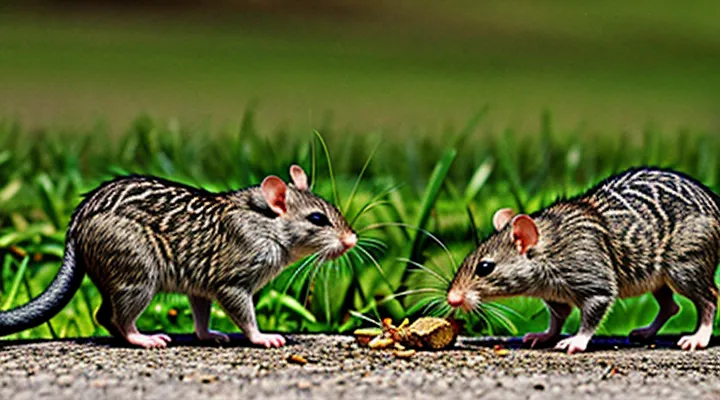
The Omnivorous Nature of Wild Rats
Defining the Rat’s Palate
Rats possess a highly adaptable palate, shaped by the environments they inhabit and the nutritional gaps they encounter. Their dentition and digestive system allow them to process a broad spectrum of organic matter, from plant material to animal protein, with a marked preference for high‑energy, low‑cost resources.
Key components of a wild rat’s diet include:
- Cereals and grains – wheat, rice, corn, and oats provide carbohydrates and calories essential for rapid growth.
- Seeds and nuts – rich in fats and proteins, these items support reproduction and fur development.
- Fruits and vegetables – berries, apples, carrots, and leafy greens supply vitamins, minerals, and water.
- Insects and carrion – beetles, larvae, and dead vertebrates deliver essential amino acids and micronutrients.
- Human refuse – discarded bread, processed foods, and sugary treats offer readily available energy, often dominating urban foraging patterns.
Seasonal shifts alter availability, prompting rats to prioritize whichever category offers the highest caloric return at the moment. In agricultural zones, grain stores dominate; near waterways, aquatic insects become prominent; in cities, garbage provides a constant supply of diverse scraps. The rat’s palate, therefore, is not fixed but continuously calibrated to exploit the most efficient food sources within its habitat.
Nutritional Requirements and Adaptability
Wild rats require a balanced intake of proteins, carbohydrates, fats, vitamins, and minerals to sustain rapid growth, high reproductive rates, and constant activity. Proteins support tissue repair and offspring development; carbohydrates provide immediate energy for foraging and escape responses; fats supply dense caloric reserves for periods of scarcity. Essential micronutrients—calcium, phosphorus, iron, zinc, vitamin B complex, and vitamin E—are obtained from diverse plant and animal sources and prevent metabolic deficiencies that could impair locomotion or immune function.
Adaptability in diet stems from a highly versatile gastrointestinal tract. A short, acidic stomach enables rapid breakdown of protein-rich prey, while a large cecum ferments fibrous plant matter, extracting sugars and short‑chain fatty acids. Enzymatic profiles shift according to available food, increasing amylase activity when carbohydrate sources dominate and elevating proteases during meat consumption. This physiological plasticity allows wild rats to exploit:
- Seeds and grains during harvest seasons
- Insects, carrion, and small vertebrates when protein is abundant
- Fruit, nuts, and leafy vegetation in forested habitats
- Human refuse, including processed foods, when urban environments are accessible
Seasonal fluctuations and habitat disturbances trigger behavioral adjustments. In winter, rats increase consumption of high‑fat seeds and stored grains to maintain body heat; during rainy periods, they favor moisture‑rich insects and amphibians to offset water loss. Metabolic rates rise when food is plentiful, promoting breeding cycles, and decline during prolonged scarcity, extending survival without compromising core functions.
Overall, the combination of broad nutrient requirements and a flexible digestive system equips wild rats with the capacity to thrive across ecosystems, from agricultural fields to urban sewers, by exploiting any caloric resource that meets their physiological demands.
Primary Food Sources in Natural Habitats
Vegetation and Plant Matter
Seeds, Grains, and Nuts
Wild rats habitually seek out plant‑based foods that provide high caloric density and essential nutrients. Among these, seeds, grains, and nuts constitute a core component of their foraging repertoire, offering fats, proteins, and carbohydrates needed for rapid growth and reproduction.
- Seeds – common varieties include millet, canary seed, and sunflower seeds; their thin shells allow easy extraction of nutrient‑rich endosperm.
- Grains – wheat, barley, oats, and rice are regularly consumed; the starch content supplies immediate energy, while the bran supplies fiber.
- Nuts – acorns, hazelnuts, and peanuts are favored for their lipid concentration; the hard shells are cracked with strong incisors, exposing the high‑energy kernels.
These items are typically encountered in agricultural fields, storage facilities, and natural habitats where they fall to the ground or are discarded. Their availability directly influences rat population density and health, making them a reliable indicator of foraging success in wild environments.
Fruits and Berries
Wild rats readily incorporate sweet plant matter into their diets, especially when fruits and berries are abundant. Their keen sense of smell and tactile exploration allow them to locate ripe produce on the forest floor, in hedgerows, and on low‑lying shrubs.
Commonly consumed fruits include:
- Apples
- Pears
- Plums
- Cherries
- Grapes
Typical berries favored by these rodents are:
- Blackberries
- Raspberries
- Blueberries
- Elderberries
- Currants
These items provide high levels of simple sugars, vitamins, and water, supporting rapid energy needs and hydration during hot periods. Seasonal spikes in fruit and berry availability often correspond with increased foraging activity and reduced competition for other food sources.
While nutritious, some fruits and berries contain secondary compounds that can be toxic in large quantities, such as cyanogenic glycosides in ripe cherries or tannins in unripe grapes. Wild rats mitigate risk by sampling small portions and discarding spoiled or overly bitter pieces.
Overall, fruit and berry consumption supplements the omnivorous diet of wild rats, offering a readily accessible source of calories and micronutrients that complements seeds, insects, and plant matter.
Animal Protein Sources
Insects and Invertebrates
Wild rats regularly incorporate a variety of arthropods into their diet. Their opportunistic foraging behavior leads them to capture prey that is abundant, easily accessed, and nutritionally dense. Insects provide high‑quality protein, essential amino acids, and micronutrients that complement the carbohydrate‑rich plant material and grain remnants typically consumed.
Common invertebrate items include:
- Beetles (Coleoptera), especially ground‑dwelling species such as darkling beetles and ladybird larvae.
- Crickets and grasshoppers (Orthoptera), which are abundant in grasslands and agricultural fields.
- Earthworms (Annelida), found in moist soils and providing rich protein and lipids.
- Woodlice and pill bugs (Isopoda), prevalent in leaf litter and under debris.
- Caterpillars and moth larvae (Lepidoptera), often encountered on low vegetation.
- Fly larvae (Diptera), particularly those developing in decaying organic matter.
Seasonal fluctuations affect availability. Summer and early autumn increase the abundance of flying insects and larvae, while cooler months see a rise in subterranean species such as earthworms and woodlice. Rats adjust their foraging routes to exploit these patterns, ensuring a consistent intake of protein throughout the year.
Small Vertebrates and Eggs
Wild rats supplement plant material with animal protein, frequently targeting small vertebrates and eggs when opportunities arise. Their opportunistic hunting behavior allows them to exploit a range of prey that provides essential nutrients such as amino acids, lipids, and minerals.
- Lizards and small snakes – captured on the ground or in crevices; provide high‑protein meat and calcium.
- Amphibians – frogs and salamanders taken from moist habitats; supply moisture and diverse nutrients.
- Fish – small, shallow‑water species trapped in puddles or streams; contribute omega‑3 fatty acids.
- Nestlings and fledglings – seized from abandoned or disturbed nests; offer tender muscle tissue.
- Bird and reptile eggs – broken open with strong incisors; yield yolk lipids and albumen proteins.
Predation peaks during warmer months when ectothermic prey are most active and when egg availability increases in breeding seasons. Rats employ rapid biting and strong jaw pressure to subdue prey, often consuming the whole animal or extracting the egg contents before discarding indigestible parts. This dietary flexibility enhances survival in varied environments and supports reproductive success.
Rats in Human Environments: Scavenging for Survival
The Urban Rat Diet
Discarded Food and Waste Products
Wild rats thrive on resources that humans leave behind, exploiting a broad spectrum of refuse to meet their energetic needs. Their foraging strategy prioritizes easily accessible, high‑calorie items that require minimal processing, allowing rapid intake and storage.
Common categories of discarded material include:
- Cooked leftovers containing fats, proteins, and carbohydrates (e.g., meat scraps, pasta, fried foods)
- Bakery waste such as stale bread, pastries, and cake crumbs
- Fruit and vegetable peelings, overripe produce, and juice residues
- Processed snacks, confectionery, and sugary beverages
- Animal by‑products, including fish heads, bone fragments, and offal
- Organic waste from restaurants, cafeterias, and street vendors
These foods supply dense energy and essential nutrients, yet they often carry pathogens, toxins, or preservatives that can affect rat health and, subsequently, human populations through disease transmission. The high moisture content of many waste items also supports bacterial growth, creating a microenvironment conducive to rapid population expansion.
Effective waste control—prompt collection, sealed containers, and regular sanitation—reduces the availability of these attractants. Limiting access to refuse directly suppresses rat activity, lowers the risk of zoonotic outbreaks, and diminishes damage to infrastructure.
Pet Food and Bird Seed
Wild rats are highly adaptable foragers that readily exploit food sources left by humans. Their diet frequently includes items intended for domesticated animals because such products provide concentrated nutrients and are easily accessible in urban and suburban environments.
Pet food presents several characteristics that attract wild rats. Dry kibble and wet formulations contain high levels of protein, fat, and carbohydrates, all of which support rapid growth and reproduction. The strong aroma of meat‑based ingredients, combined with a soft texture in wet foods, encourages gnawing and consumption. Additionally, the packaging of pet food is often insufficiently sealed, allowing rats to breach containers and access the contents.
Bird seed offers a complementary energy source. Typical mixes contain:
- Small grains (millet, canary seed) rich in carbohydrates
- Sunflower and safflower seeds providing fats and oils
- Peanuts or corn kernels that supply protein and additional calories
These components are small enough for a rat’s incisors to handle, and the bright colors of many seed varieties increase visual appeal. The high caloric density of seeds makes them an efficient supplement to the animal’s natural diet.
While pet food and bird seed can sustain wild rat populations, reliance on these items may lead to nutritional imbalances, increased disease transmission, and heightened human–rat conflicts. Effective control measures include:
- Storing food in metal containers with tight-fitting lids
- Elevating bird feeders beyond reach of climbing rodents
- Regularly cleaning spillage to remove residual crumbs
Implementing such practices reduces the attractiveness of anthropogenic food sources, limiting the opportunistic feeding behavior of wild rats.
Rural and Agricultural Targets
Stored Grains and Produce
Wild rats regularly exploit stored agricultural commodities because these items offer high caloric density and minimal processing. Grain reserves such as wheat, barley, oats, corn, and rice present easily digestible starches that support rapid growth and reproductive cycles. The animals’ incisors enable them to gnaw through packaging, while their keen sense of smell guides them to concealed stores.
Produce kept in silos, barns, or pantry spaces—including potatoes, carrots, onions, apples, and leafy greens—provides moisture, sugars, and vitamins absent from dry grains. These foods also supply essential electrolytes that sustain activity during prolonged foraging periods. Rats often prioritize items with soft skins or high sugar content, consuming them whole or nibbling pieces that are most accessible.
The presence of stored grains and produce creates a feedback loop: abundant food sources accelerate population expansion, which in turn increases the likelihood of contamination and loss. Effective management therefore relies on airtight containers, regular inspection, and prompt removal of damaged goods to interrupt the rats’ access to these nutritional resources.
Damage to Crops
Wild rats favor grains, seeds, and young plant tissues, making cultivated fields a primary food source. Their foraging behavior concentrates on high‑energy parts of crops, which accelerates loss of yield and quality.
Typical crops suffering the most damage include:
- Wheat and barley kernels
- Corn kernels and ear tips
- Rice grains
- Soybean pods
- Sunflower seeds
- Lettuce leaves and other leafy greens
Rats access fields by gnawing through protective covers, exploiting irrigation channels, and entering storage bins. Consumption reduces marketable product, while chewing creates entry points for pathogens, further compromising harvests. Effective management requires integrated monitoring, exclusion barriers, and targeted baiting to protect vulnerable growth stages.
Factors Influencing Dietary Choices
Species-Specific Preferences
Norway Rats («Rattus norvegicus»)
Norway rats (Rattus norvegicus) are opportunistic omnivores that exploit a wide range of food sources available in urban, agricultural and natural habitats. Their foraging strategy emphasizes high‑energy items, readily accessible waste, and seasonal abundance. In environments with human activity, rats often capitalize on refuse, while in more pristine settings they rely on naturally occurring plant and animal matter.
Typical components of a wild Norway rat’s diet include:
- Grains and seeds (wheat, corn, rice, barley)
- Fruit and vegetable matter (berries, apples, leafy greens)
- Invertebrates (beetles, larvae, earthworms)
- Small vertebrates and carrion (dead rodents, birds)
- Human‑derived waste (food scraps, garbage, pet food)
- Aquatic organisms when near water sources (water insects, small fish)
Nutrient intake varies with season: protein‑rich insects become prominent in spring, while stored seeds and grains dominate in autumn and winter. The species’ flexible diet contributes to its success across diverse ecosystems and supports rapid reproduction rates.
Roof Rats («Rattus rattus»)
Roof rats (Rattus rattus) are omnivorous climbers that exploit food sources located above ground level, including attic insulation, roof voids, and elevated storage areas. Their slender bodies and long tails enable rapid movement through narrow openings, allowing access to supplies that ground‑dwelling rodents cannot reach.
Typical dietary items include:
- Fresh fruits such as grapes, berries, and citrus slices
- Nuts and seeds, especially peanuts, almonds, and sunflower kernels
- Grains and cereals, including rice, wheat, and stored pet food
- Sweet baked goods, confectionery, and sugary drinks
- Insects and small arthropods found in roof spaces
- Occasionally, bird eggs and nestlings when nests are within reach
Food preferences shift with seasonal availability. In summer, fruit and insect consumption rises; during colder months, rats rely more heavily on stored grains, processed snacks, and human waste found in garbage chutes or rooftop dumpsters.
Understanding these preferences informs control measures. Sealing entry points above the eave line, securing stored food in airtight containers, and maintaining clean rooftop waste areas reduce attractants. Targeted bait stations placed in attic corners can exploit known food choices while minimizing exposure to non‑target species.
Seasonal Availability and Foraging Behavior
Wild rats adjust their foraging strategies to match the ebb and flow of natural resources. In spring, abundant green vegetation, tender shoots, and emerging insects become primary targets. Their heightened activity during this period reflects the short‑term availability of high‑protein arthropods and easily digestible plant material.
During summer, fruiting trees and ripening seeds provide dense energy sources. Rats exploit fallen berries, nuts, and grain spikes, often storing surplus in concealed caches for later use. Their foraging routes expand to include open fields where agricultural crops are exposed.
Autumn brings a shift toward carbohydrate‑rich storage foods. Acorns, chestnuts, and harvested grains dominate the diet, and rats increase nocturnal scouting to capitalize on dwindling supplies before winter. Their movements become more localized as they defend cached provisions.
Winter limits options to residual seeds, grain stores, and occasional carrion. Foraging focuses on human‑derived waste, structural crevices, and insulated burrows where residual heat preserves food. Survival hinges on the ability to locate and protect limited resources until the next growth cycle.
Seasonal food categories
- Spring: young grasses, leaf buds, insects (beetles, larvae)
- Summer: berries, nuts, cereal grains, vegetable scraps
- Autumn: acorns, chestnuts, stored grains, fallen fruit
- Winter: stored seeds, grain residues, waste, occasional carrion
Rats’ flexibility in diet and habitat use enables them to exploit each seasonal window efficiently, ensuring continuous nourishment throughout the year.
Neophobia and Food Testing
Wild rats exhibit strong neophobic responses when presented with unfamiliar food items. This instinctive caution reduces the likelihood of ingesting toxic substances, but it also complicates efforts to identify natural dietary preferences.
Researchers assess neophobia by offering a sequence of novel foods alongside familiar controls. Typical procedures include:
- Introducing a single new food item in a choice arena while maintaining a constant supply of a known staple (e.g., grain).
- Recording latency to approach, number of contacts, and consumption volume over a fixed observation period.
- Repeating trials with different food types to map acceptance thresholds across textures, odors, and nutrient profiles.
Data reveal that wild rats quickly habituate after repeated exposure, decreasing avoidance times by 30‑50 % within three to five presentations. This habituation pattern allows investigators to distinguish genuine preference from initial fear.
Food testing protocols must control for environmental variables such as lighting, temperature, and predator cues, which can amplify neophobic behavior. Standardizing these factors ensures that measured consumption reflects intrinsic taste and nutritional value rather than situational stress.
The combination of neophobia assessment and systematic food trials provides reliable insight into the dietary spectrum of free‑living rodents, informing pest management strategies and ecological studies.
The Necessity of Hydration and Water Sources
Wild rats require regular fluid intake to sustain metabolic processes, regulate body temperature, and facilitate digestion. Dehydration impairs kidney function and reduces foraging efficiency, making access to water a critical component of their overall diet.
Typical water sources for free‑living rats include:
- Natural puddles formed by rain or runoff
- Small streams or creek edges where flow is slow
- Moist soil and leaf litter that retain condensation
- Standing water in abandoned containers, tires, or discarded bottles
- Damp food items such as fresh fruit, vegetables, or carrion
The availability of these sources fluctuates with weather patterns. During dry periods, rats expand their range to locate reliable moisture, often exploiting human‑generated water points like sewer leaks, pet water dishes, or irrigation systems. Preference shifts toward sources that provide clean, low‑salinity water, as high mineral content can increase physiological stress.
Seasonal changes also affect consumption rates. In hot months, rats increase water intake proportionally to evaporative loss, while cooler conditions reduce demand but do not eliminate the need for hydration. Access to consistent water influences reproductive success; colonies with stable moisture sources exhibit higher breeding rates and larger litter sizes.
Effective management of wild rat populations therefore considers not only food availability but also the distribution and quality of water. Reducing unintended water sources—sealing containers, repairing leaks, and managing waste—limits habitat suitability and can curb population growth.