
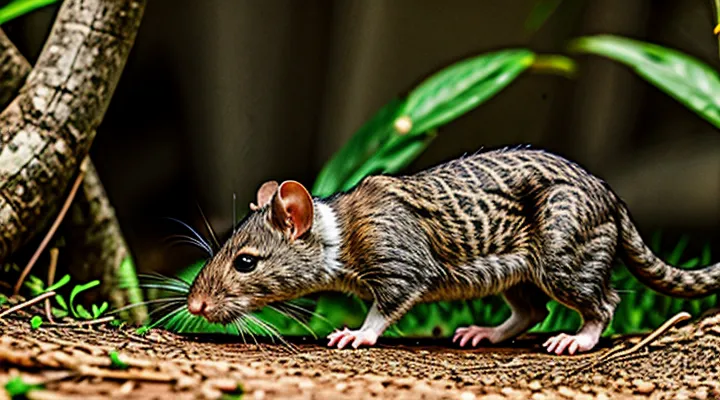
The Opportunistic Nature of Wild Rat Diets
Wild rats survive by exploiting any available food source, a strategy that maximizes energy intake while minimizing foraging risk. Their digestive systems process a broad spectrum of nutrients, allowing rapid adaptation to fluctuating environments.
- Grains, seeds, and nuts harvested from fields or stored in human structures
- Fresh fruit, vegetables, and leafy matter found in gardens or waste piles
- Invertebrates such as insects, worms, and arachnids captured opportunistically
- Carrion, discarded meat, and cooked remnants present in urban refuse
- Fungal spores and mold growing on decomposing organic material
Seasonal shifts dictate the relative importance of each category; abundant plant material dominates in spring and summer, while rodents increase consumption of animal protein and carrion during colder months. Urban populations display a higher proportion of processed waste and human-derived foods, whereas rural groups rely more on natural seeds and invertebrates. This dietary flexibility influences seed dispersal, pest control, and disease dynamics across ecosystems.
Primary Food Sources in Wild Rat Diets
Plant-Based Foods
Seeds and Grains
Wild rats regularly include seeds and grains in their diet, exploiting the high carbohydrate and protein content of these plant materials. Seeds provide essential fatty acids and vitamins, while grains supply starches that support rapid energy demands during foraging and reproduction.
Typical seed and grain items consumed are:
- Small grass seeds (e.g., wheat, barley, oat)
- Legume seeds (e.g., peas, beans, lentils)
- Wild cereal grains that fall from stalks or are stored in underground caches
- Nut shells and kernels when available
Rats locate these resources through acute olfactory cues and tactile exploration of soil and debris. Seasonal fluctuations influence availability: spring and early summer bring abundant wild grasses, while late summer and autumn increase the presence of mature grains and fallen nuts. In urban or agricultural margins, rats often exploit stored grain silos, discarded feed, and compost heaps, extending the period of access beyond natural cycles.
Nutritionally, seeds and grains contribute:
- 35–45 % carbohydrates, delivering immediate energy
- 10–15 % protein, supporting tissue growth
- 2–5 % lipids, providing essential fatty acids
- Micronutrients such as B‑vitamins, magnesium, and phosphorus
Excessive reliance on grain-rich diets can lead to weight gain and reduced dental wear, but moderate consumption balances energy needs with other food groups like insects, fruits, and vegetation. Studies show that rats with diversified diets, including a proportion of seeds and grains, exhibit higher reproductive success and lower mortality rates compared to those limited to a single food source.
Fruits and Berries
Wild rats incorporate a variety of fruits and berries into their diet when these resources are seasonally available. The intake of such plant material provides quick energy, vitamins, and antioxidants that support physiological functions and immune health.
Typical fruit items consumed include:
- Apples, often the fallen or partially rotted portions
- Grapes, especially those bruised on the ground
- Plums and cherries, both ripe and deteriorating
- Pears, primarily the soft flesh near the stem
Berries commonly eaten are:
- Blackberries, harvested from low shrubs
- Raspberries, taken from the edges of thickets
- Blueberries, collected from wild patches
- Elderberries, consumed when softened by rain or decay
Selection criteria for these foods are driven by accessibility, moisture content, and sugar concentration. Rats favor fruit that is easily reachable, partially decomposed, or exposed by wind and animal activity. The high sugar levels of ripe fruit stimulate rapid consumption, while the softer texture of overripe or damaged fruit reduces the effort required for chewing.
In addition to calories, fruits and berries supply essential micronutrients such as vitamin C, potassium, and dietary fiber. These components aid in digestion, improve water balance, and contribute to overall health, particularly during periods when insect prey is scarce. Consequently, fruit and berry consumption represents a flexible, opportunistic component of the wild rat’s foraging strategy.
Vegetables and Roots
Wild rats in natural habitats frequently incorporate plant material into their diet, supplementing animal protein with readily available vegetables and underground storage organs. Consumption of these items provides essential carbohydrates, vitamins, and minerals that support growth, reproduction, and seasonal energy demands.
Typical vegetables and roots observed in the foraging behavior of wild rats include:
- Leafy greens such as lettuce, cabbage, and spinach, offering high moisture content and folate.
- Root vegetables like carrots, turnips, and radishes, rich in beta‑carotene and soluble sugars.
- Bulbous plants including onions and garlic, which supply sulfur compounds and modest protein.
- Tubers such as sweet potatoes and yams, delivering starch reserves for prolonged periods of food scarcity.
- Fruit‑bearing vines (e.g., cucumber and squash) that provide both flesh and seeds, contributing fiber and antioxidants.
Seasonal availability dictates the prominence of each item; during spring and early summer, leafy greens dominate, while autumn sees increased intake of tubers and root crops. Nutrient analysis confirms that these plant sources collectively meet the carbohydrate and micronutrient requirements essential for the metabolic stability of wild rat populations.
Leaves and Stems
Wild rats regularly incorporate foliage into their foraging repertoire. Leaves provide a source of fiber, moisture, and micronutrients, while stems supply structural carbohydrates and occasional protein. Consumption of plant material varies with habitat, season, and resource availability.
Typical plant parts eaten include:
- Broadleaf species such as dandelion, clover, and plantain leaves.
- Grasses and sedges, where rats gnaw on young shoots and leaf sheaths.
- Shrub foliage, especially from blackberry, raspberry, and rose bushes.
- Herbaceous stems, particularly tender portions of wheat, oat, and barley seedlings.
Nutritional contributions of foliage are modest compared to animal protein but serve several functions. Fiber aids digestive transit, reducing the risk of gastrointestinal blockage. Moisture content in fresh leaves helps maintain hydration when water sources are scarce. Certain leaves contain secondary compounds (e.g., tannins, alkaloids) that can deter parasites or provide mild antimicrobial effects, though excessive intake may cause toxicity.
Seasonal patterns influence reliance on leaves and stems. In spring and early summer, abundant growth offers plentiful fresh material, leading to higher plant intake. During autumn, fallen leaves and decaying stems become more common, while winter scarcity forces rats to shift toward stored seeds, insects, and carrion.
Foraging behavior reflects opportunism. Rats often harvest leaf edges or bite off stem tips while navigating ground cover. Their incisors allow efficient clipping of tough plant tissue, and their chewing action reduces plant material to manageable fragments for ingestion.
Overall, foliage and stem consumption supplements the omnivorous diet of wild rats, providing essential nutrients, hydration, and occasional defensive compounds that support survival across diverse environments.
Animal-Based Foods
Insects and Larvae
Wild rats incorporate a wide range of arthropods into their diet, exploiting the abundance of insects and their immature stages in urban and rural habitats. Their foraging behavior targets prey that is readily accessible, nutritionally dense, and easy to capture.
Common insect groups consumed include:
- Beetles (Coleoptera), especially ground-dwelling species such as darkling beetles and rove beetles.
- Crickets and grasshoppers (Orthoptera), which provide protein and moisture.
- Ants and termites (Hymenoptera), often gathered from nests or foraging trails.
- Flies and moths (Diptera and Lepidoptera), captured at night or during daylight near lights.
Larval forms are equally important. Rats frequently eat:
- Fly maggots, which develop in decaying organic matter and offer high protein content.
- Beetle larvae (e.g., scarab and click‑beetle grubs) found in soil or compost.
- Caterpillars of moths and butterflies, encountered on foliage or in stored grain.
Insect and larval consumption supplies essential amino acids, fats, and micronutrients that complement plant material and carrion. Seasonal fluctuations in insect availability influence feeding patterns, prompting rats to shift toward alternative food sources when arthropod populations decline. Nonetheless, insects and larvae remain a reliable component of the wild rat’s omnivorous regimen.
Eggs
Eggs appear in the diet of wild rats primarily as opportunistic food items. Rats locate eggs in bird nests, discarded food waste, and refuse piles near human settlements. When an egg is accessible, a rat can breach the shell with its incisors and consume the contents within minutes.
The nutritional contribution of an egg is significant. A single large egg supplies approximately 6 g of high‑quality protein, essential amino acids, and a balanced profile of fats, including omega‑3 and omega‑6 fatty acids. Vitamins A, D, E, and B‑complex, as well as minerals such as calcium, phosphorus, and selenium, are also present. These nutrients can temporarily boost the rat’s energy reserves and support reproductive processes.
Egg consumption is not a regular component of the wild rat’s diet. Rats favor readily available plant material, seeds, insects, and carrion, which constitute the bulk of their intake. Eggs are consumed when they are encountered, often during breeding seasons when bird nests are abundant. The frequency of egg ingestion declines in habitats lacking human waste or bird colonies.
Key points about eggs in the wild rat diet:
- Opportunistic source – consumed when found in nests, trash, or refuse.
- High‑quality protein – provides essential amino acids for growth and repair.
- Rich in fats and micronutrients – supports short‑term energy needs and physiological functions.
- Seasonal occurrence – more common during bird breeding periods and in urban environments with abundant waste.
Overall, eggs serve as a valuable but infrequent supplement, enhancing the nutritional profile of a rat’s otherwise varied diet.
Small Vertebrates
Wild rats supplement their omnivorous diet with small vertebrates when opportunities arise. This predatory behavior provides protein, essential amino acids, and micronutrients not abundant in plant material.
Rats capture vertebrate prey through opportunistic hunting, scavenging, and brief ambushes. Their acute sense of smell and rapid maneuverability enable them to exploit vulnerable individuals such as nestlings or weakened amphibians.
- Juvenile mice and other small rodents
- Nestling songbirds and fledglings
- Small lizards (e.g., anoles, skinks)
- Amphibians, especially tadpoles and newly metamorphosed frogs
- Fish fry in shallow water or runoff channels
Prey selection varies with habitat and season. In agricultural fields, rat populations often increase consumption of ground‑nesting bird chicks during breeding periods. In urban sewers and drainage systems, tadpoles and fish fry become more accessible during rainy months. Conversely, arid environments limit vertebrate availability, prompting rats to rely more heavily on seeds and insects.
Incorporating small vertebrates into their diet influences local food webs. Predation pressure can affect the survival rates of vulnerable species, while the removal of excess rodents helps regulate disease vectors. This trophic interaction underscores the adaptive foraging strategies that enable wild rats to thrive across diverse ecosystems.
Carrion
Wild rats routinely incorporate carrion into their diet, exploiting dead animal tissue as a readily available protein source. Their opportunistic foraging behavior enables them to locate and consume carcasses in urban alleys, agricultural fields, and natural habitats where other scavengers are absent or scarce.
- Carrion supplies essential amino acids, vitamins, and minerals that complement the rodents’ primarily grain‑based intake.
- Consumption peaks during periods of food scarcity, such as winter or drought, when plant material and insects diminish.
- Rats prefer partially decomposed tissue; fresh carcasses pose a higher risk of pathogen exposure, while advanced decay reduces nutritional value.
- Urban environments increase carrion availability through refuse, roadkill, and improperly stored animal waste, enhancing the rodents’ reliance on this resource.
Physiological adaptations support carrion use: a robust digestive system tolerates bacterial loads, and a keen sense of smell detects volatile compounds released during decay. While carrion offers nutritional benefits, it also introduces health hazards, including parasites and diseases that can affect rat populations and, indirectly, human communities.
Human-Associated Foods
Scraps and Waste
Wild rats routinely scavenge human-generated debris, turning discarded material into a primary food source. Their opportunistic foraging behavior allows them to exploit a broad spectrum of refuse, which sustains populations in urban and suburban environments.
Typical components of this waste‑based diet include:
- Crushed or broken food packaging containing residual crumbs, sugars, and fats.
- Leftover cooked meals such as meat scraps, rice, pasta, and bakery products.
- Spoiled produce, fruit peels, and vegetable remnants rich in carbohydrates and vitamins.
- Industrial by‑products like grain husks, oil residues, and paper pulp that provide fiber and energy.
- Organic waste from garbage bins, dumpsters, and compost piles, often containing a mixture of proteins, fats, and carbohydrates.
The nutritional value of these items varies, but the high caloric density of fats and sugars found in processed waste supports rapid growth and reproduction. Access to continuous streams of discarded food reduces the need for active hunting, allowing rats to allocate more energy toward breeding and nest construction.
Pet Food
Pet food formulated for rats supplies the macronutrients and micronutrients that wild counterparts obtain from seeds, grains, insects, and plant material. Commercial blends combine protein sources, carbohydrates, fats, vitamins, and minerals in ratios that approximate the natural diet, allowing captive rats to maintain health comparable to their wild relatives.
Key nutritional elements found in high‑quality rat pet food:
- Animal‑derived protein (e.g., chicken meal, fish meal) providing essential amino acids.
- Whole grains or grain‑derived carbohydrates (e.g., oats, barley) supplying energy.
- Healthy fats from plant or animal oils to support skin, coat, and organ function.
- Vitamins A, D, E, K and B‑complex to prevent deficiency diseases.
- Minerals such as calcium, phosphorus, magnesium, and trace elements for bone development and metabolic processes.
When selecting a product, prioritize formulations that list a recognizable protein source as the first ingredient, avoid excessive filler grains, and include a balanced vitamin‑mineral premix. Verify that the feed meets the nutritional standards established by reputable rodent nutrition guidelines.
Stored Provisions
Wild rats regularly infiltrate human food stores, exploiting supplies left unsecured. Their foraging strategy prioritizes items that remain stable over time and provide high caloric value.
- Grain and cereal products (wheat, rice, oats, cornmeal)
- Processed baked goods (bread, crackers, pastries)
- Dried legumes and pulses (beans, lentils, peas)
- Nuts and seeds (peanuts, sunflower seeds, pumpkin kernels)
- Sugar-rich items (candies, chocolate, honey)
- Canned or jarred foods left open (fruit preserves, sauces)
Rats access stored provisions through gaps in building envelopes, compromised containers, or improperly sealed openings. Once inside, they consume, hoard, and contaminate the food, reducing its nutritional quality and introducing pathogens. Effective mitigation includes airtight containers, regular inspection of storage areas, and prompt removal of spillage.
Factors Influencing Wild Rat Diets
Habitat and Environment
Urban Environments
Wild rats inhabiting cities rely on food sources that are abundant, accessible, and often discarded by humans. Their diet reflects the composition of municipal waste and the availability of opportunistic foraging opportunities.
- Refuse from residential trash, including leftover cooked meals, bread, and fruit peels.
- Commercial waste such as fast‑food packaging, discarded pastries, and soft drinks.
- Pet food left outdoors, particularly dry kibble and canned products.
- Seed and grain spillage from grocery deliveries, bakeries, and grain storage facilities.
- Insects attracted to garbage piles, including beetles, cockroaches, and larvae.
- Organic matter in sewage systems and storm drains, providing carrion and decaying plant material.
Seasonal variations influence the proportion of each item. During colder months, reliance on stored waste and indoor refuse increases, while warmer periods see greater consumption of insects and fresh produce. Urban rats display flexibility, switching between food types to maintain caloric intake and support rapid reproduction.
Rural and Agricultural Areas
Wild rats inhabiting rural and agricultural landscapes obtain nutrition from a diverse array of natural and human‑derived resources. Their foraging behavior adapts to seasonal crop cycles, storage practices, and the availability of organic waste, allowing them to exploit both plant and animal matter effectively.
Typical food items include:
- Seeds and grains from cereals such as wheat, corn, and barley.
- Fresh produce, including leafy vegetables, fruits, and tubers.
- Residues from harvested fields, such as straw and husks.
- Stored commodities in barns or silos, especially cracked corn and feed pellets.
- Insect larvae, earthworms, and small arthropods encountered in soil.
- Organic refuse from farmstead kitchens and waste pits.
The diet reflects the proximity of cultivated crops and the presence of human‑generated waste, resulting in a flexible feeding strategy that supports high reproductive rates and population stability in these environments.
Natural Wilderness
Wild rats inhabiting untouched ecosystems obtain nutrition from a diverse array of natural resources. Their foraging behavior reflects opportunistic consumption of readily available items, allowing survival across varied habitats such as forests, grasslands, and riparian zones.
Key components of their diet include:
- Seeds and grains from native grasses and wild cereals.
- Nuts, acorns, and other hard‑shelled fruits that fall to the forest floor.
- Insects, larvae, and other arthropods encountered in leaf litter.
- Small vertebrates or carrion encountered near water sources.
- Fungal spores and mycelium growing on decaying wood.
- Vegetative matter such as leaves, stems, and bark when other foods are scarce.
Seasonal fluctuations modify intake patterns. During spring, fresh seedlings and insect emergence dominate; summer sees increased seed and nut availability; autumn provides abundant fallen fruits and nuts; winter forces reliance on stored seeds, bark, and occasional carrion.
Nutrient balance derives from the combination of plant carbohydrates, protein‑rich insects, and lipids from nuts. This mix sustains growth, reproduction, and the high metabolic rate characteristic of wild rodents.
Seasonal Availability
Wild rats adjust their foraging strategies to match the seasonal flux of natural and anthropogenic resources. In spring, emerging vegetation, seedlings, and insect larvae become abundant, providing protein‑rich options that supplement the typical grain and seed diet. Summer brings a surge of fruit, berries, and mature seeds, while increased human activity in gardens and outdoor markets offers additional carbohydrate sources such as discarded produce and waste. Autumn supplies fallen nuts, acorns, and mature crops, which rodents harvest and store for later use; the presence of migratory insects also adds temporary protein opportunities. Winter limits fresh plant material, forcing reliance on stored seeds, stored grain, and human‑generated refuse, with occasional access to carrion or dead insects that persist in colder conditions.
Key seasonal food categories:
- Spring: young grasses, sprouts, insect larvae, early fruit.
- Summer: ripe fruit, berries, mature seeds, garden waste.
- Autumn: nuts, acorns, fallen grains, migratory insects.
- Winter: cached seeds, stored grain, refuse, carrion.
Competition and Predation
Wild rats adjust their foraging strategies when other species vie for the same food sources. Small mammals such as field mice, voles, and shrews often occupy overlapping niches, forcing rats to exploit less contested items or to feed at different times. This interspecific competition reduces the availability of high‑energy seeds and grains, prompting rats to increase consumption of insects, carrion, and anthropogenic waste. The pressure also drives spatial segregation; rats may retreat to subterranean chambers or densely vegetated areas where competitors are less prevalent.
Predation exerts a parallel influence on dietary choices. Raptors, including barn owls and hawks, target rats during nocturnal foraging, while snakes, feral cats, and mustelids hunt them on the ground. The risk of attack encourages rats to prioritize concealed food items and to favor habitats offering immediate cover, such as debris piles or dense shrubbery. Consequently, rats often select soft-bodied prey (e.g., earthworms, larvae) that can be captured quickly, limiting exposure time.
Key competitive and predatory pressures include:
- Competitors: field mice, voles, shrews, insects competing for detritus, urban pigeons for discarded food.
- Predators: barn owls, hawks, snakes, feral cats, weasels, larger rats.
- Behavioral responses: temporal shift to crepuscular activity, increased use of hidden foraging sites, diversification toward opportunistic food sources such as carrion and human refuse.
Overall, competition and predation shape the wild rat diet by narrowing resource options, prompting dietary flexibility, and influencing the timing and location of feeding activities.
Dietary Adaptations and Survival Strategies
Food Storage Behavior
Wild rats routinely collect and conceal food to ensure availability during periods of scarcity. The behavior involves selecting edible items, transporting them to secure sites, and arranging caches in locations that minimize exposure to predators and competitors.
Key characteristics of rat food storage include:
- Preference for dry, high‑energy items such as seeds, grains, nuts, and dried insects.
- Occasional hoarding of perishable foods (fruit skins, meat scraps) in cool, shaded microhabitats.
- Use of burrow chambers, crevices, and abandoned nests as storage sites.
- Seasonal adjustment: increased caching activity in autumn to prepare for winter shortages.
- Spatial distribution: multiple small caches rather than a single large stockpile, reducing loss risk.
Environmental factors influencing storage decisions encompass temperature fluctuations, humidity levels, and the presence of rival rodents. Rats assess these variables through tactile and olfactory cues, modifying cache depth and concealment method accordingly.
The practice of food hoarding contributes to seed dispersal and alters local food webs. Stored items that are forgotten or abandoned become accessible to other wildlife, promoting ecological interactions beyond the rat’s immediate diet.
Foraging Techniques
Wild rats locate food through a combination of sensory detection, spatial memory, and social cues. Their whiskers (vibrissae) sense subtle vibrations and textures, allowing identification of edible items hidden in debris or soil. Olfactory receptors detect volatile compounds emitted by seeds, insects, and decaying matter, guiding rats toward nutrient-rich sources even in low‑light conditions.
Memory maps of familiar foraging routes develop from repeated exploration. Rats store the locations of reliable food patches and return to them when environmental cues indicate scarcity elsewhere. This spatial awareness reduces energy expenditure and maximizes intake.
Social learning accelerates resource acquisition. Young rats observe conspecifics handling novel items, then adopt successful techniques such as:
- Manipulating objects to extract hidden seeds
- Using teeth to breach shells or bark
- Dropping hard‑shelled prey onto hard surfaces to crack them
Seasonal variation influences technique selection. In autumn, rats prioritize seed hoarding, employing rapid collection and transport to concealed caches. During wetter periods, they increase surface foraging, using their agility to navigate flooded substrates and capture aquatic invertebrates.
Nocturnal activity patterns align with reduced predator presence and cooler temperatures, enhancing foraging efficiency. Rats exploit crepuscular light levels to locate insects attracted to dim illumination while remaining concealed from diurnal predators.
Overall, wild rats employ a flexible suite of foraging behaviors—sensory detection, memory‑based navigation, social learning, and seasonal adaptation—to exploit diverse food resources across habitats.
Water Sources
Wild rats obtain the water they need from several reliable sources in their habitats.
The most direct source is standing water. Puddles formed after rain, shallow pools in low‑lying terrain, and natural rain‑filled depressions provide accessible drinking spots. In urban environments, rats frequently use discarded containers, clogged gutters, and leaky pipes as water reservoirs.
Moisture is also extracted from food items. Fruits, vegetables, insects, and carrion contain sufficient fluid to meet a portion of the rats’ hydration requirements. In arid periods, the high water content of seeds and tubers becomes especially valuable.
Additional sources include:
- Dew collected on vegetation during early morning hours.
- Condensation on cool surfaces such as stone walls, metal pipes, or underground chambers.
- Sap and exudates from wounded trees or bark.
- Moisture released from decaying organic matter, including mold‑laden litter and compost.
Rats are capable of exploiting any temporary water source, moving rapidly to new locations when conditions change. Their ability to drink directly from small, transient pools and to derive fluid from moist food enables survival across diverse ecosystems.
Health Implications of Wild Rat Diets
Nutritional Needs
Wild rats require a balanced intake of macronutrients to sustain rapid growth and high activity levels. Protein supplies amino acids for tissue repair and enzymatic function; typical consumption ranges from 15 % to 25 % of total calories. Fats provide dense energy and support insulation; wild rats obtain 5 % to 15 % of calories from lipids found in seeds, insects, and carrion. Carbohydrates, primarily from grains, fruits, and starchy plant parts, constitute the remaining caloric bulk, delivering quick‑release glucose for locomotion.
Micronutrients are equally critical. Essential minerals such as calcium, phosphorus, potassium, and magnesium support skeletal development, nerve transmission, and muscle contraction. Iron and zinc facilitate oxygen transport and immune competence. Vitamins A, D, E, and K, along with B‑complex vitamins, are acquired through diverse foraged items—leafy greens, berries, and occasional animal tissue.
Water intake directly influences thermoregulation and digestion. Wild rats obtain moisture from dew‑laden vegetation, rain‑soaked seeds, and fresh water sources when available. Dehydration risk increases during drought periods, prompting a shift toward higher‑moisture foods.
Seasonal fluctuations dictate nutrient availability:
- Spring: abundant insects and tender shoots supply protein and vitamins.
- Summer: seeds, fruits, and nectar increase carbohydrate and antioxidant intake.
- Autumn: fallen nuts and grains raise fat and energy reserves.
- Winter: reliance on stored food, carrion, and human‑derived waste elevates protein and fat consumption.
Metabolic demands rise during breeding and juvenile growth phases, requiring proportionally greater protein and energy. Conversely, adult rats in stable conditions maintain lower intake levels while ensuring adequate micronutrient supply to prevent deficiencies.
Overall, wild rats meet their nutritional requirements through opportunistic foraging, selecting food items that collectively satisfy macronutrient ratios, mineral and vitamin needs, and hydration demands across varying environmental conditions.
Exposure to Toxins and Contaminants
Wild rats obtain food from diverse urban and rural sources, exposing them to a wide range of chemical hazards. Their opportunistic foraging behavior brings them into contact with residues that persist in the environment and accumulate in consumable items.
Contaminants commonly encountered include:
- Pesticide residues on discarded produce and grain stores.
- Heavy metals such as lead, cadmium, and mercury from contaminated soil, paint chips, and industrial waste.
- Rodenticides and anticoagulant baits used in pest control programs.
- Mycotoxins produced by mold‑infested grains and stored foods.
- Polycyclic aromatic hydrocarbons (PAHs) and petroleum derivatives present in oily waste and polluted water sources.
These substances enter the rat’s system through ingestion, inhalation of dust particles, or dermal absorption when handling tainted material. Chronic exposure can impair organ function, suppress immune responses, and alter reproductive success, thereby influencing population dynamics and disease transmission potential.
Risk mitigation for researchers and public health officials involves:
- Sampling rat tissues to quantify bioaccumulated toxins.
- Mapping contamination hotspots to guide targeted sanitation and waste management.
- Reducing the availability of highly polluted food sources through improved refuse disposal and controlled pesticide application.
Understanding the toxin profile associated with wild rat diets provides essential insight into environmental health hazards and informs strategies to limit indirect exposure to humans and other wildlife.