
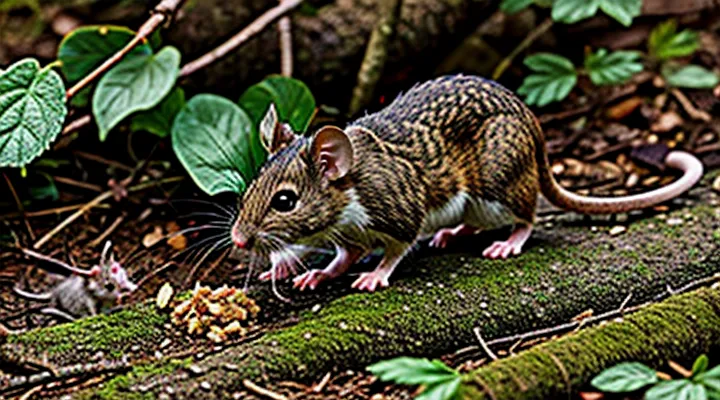
Understanding the Wild Mouse Diet
The Omnivorous Nature of Wild Mice
Wild mice in forest ecosystems exhibit true omnivory, consuming both plant and animal matter to satisfy their high metabolic demands. Their diet reflects the availability of resources across seasons, allowing them to maintain energy balance and reproductive success.
Typical plant components include seeds from grasses, herbs, and trees; fallen nuts such as acorns and hazelnuts; berries and other fleshy fruits; and tender shoots. These items provide carbohydrates, lipids, and essential micronutrients.
Animal-derived foods consist of insects (beetles, caterpillars, larvae), arachnids, and occasional invertebrate carcasses. Small vertebrate remains, fungal fruiting bodies, and decaying organic matter also supplement protein intake.
Key dietary categories:
- Seeds and nuts
- Fresh fruits and berries
- Green vegetation and shoots
- Insects and other arthropods
- Fungi and decaying material
- Scavenged animal tissue
Seasonal shifts dictate proportionate consumption; spring favors fresh greens and insects, summer increases fruit intake, while autumn emphasizes seeds and nuts. This flexibility enables wild mice to exploit fluctuating resource pools, contributing to seed dispersal and insect population regulation within the forest.
Seasonal Variations in Food Availability
Spring Foraging
During spring, forest-dwelling mice shift their diet to exploit newly available resources. Bud break and leaf emergence produce a surge of edible material, prompting rapid adjustment in foraging patterns.
Key spring food items include:
- Fresh green shoots of herbaceous plants such as dandelion, chickweed, and plantain.
- Emerging seeds from early‑flowering trees and shrubs, notably birch, alder, and hazel.
- Invertebrates that become active in warm, moist conditions, including beetle larvae, springtails, and small arachnids.
- Soft bark and cambium of young saplings, especially from willow and poplar.
Mice increase foraging frequency to meet heightened metabolic demands associated with reproduction and growth. They collect and cache surplus seeds and insects in underground burrows, creating reserves for later scarcity. Foraging routes expand outward from established nests, with individuals displaying territorial patrols to protect stored supplies.
The spring diet contributes to seed dispersal and influences plant regeneration dynamics. Consumption of insect larvae assists in regulating invertebrate populations, while selective feeding on tender shoots can affect vegetation composition. These interactions underscore the integral role of seasonal foraging behavior in forest ecosystem balance.
Summer Abundance
During the summer months, forest-dwelling wild mice encounter a pronounced increase in food availability. The abundance of seeds, fruits, and invertebrates shapes their short‑term foraging strategy and supports rapid reproductive cycles.
Key components of the summer diet include:
- Seeds from herbaceous plants (e.g., grass, sedge, and annual wildflowers) that mature early in the season.
- Fresh berries and small fruits such as bilberries, raspberries, and honeysuckle, which provide sugars and vitamins.
- Juvenile leaves and tender shoots of shrubs and low‑lying trees, offering protein and moisture.
- Soft-bodied arthropods—primarily springtails, aphids, and beetle larvae—supplementing protein intake.
- Sporophore clusters of saprophytic fungi that appear after the first rains, delivering lipids and minerals.
The elevated caloric density of these items enables mice to accumulate fat reserves, essential for the upcoming autumn decline in resources. Seasonal fluctuations in plant phenology dictate the timing of each food class, prompting mice to shift preferences as the canopy closes and ground cover dries. Consequently, summer abundance drives a flexible, high‑energy diet that maximizes growth and reproductive output.
Autumn Preparations
Wild mice intensify foraging activity as autumn approaches, targeting energy‑dense resources that support thermoregulation and reproductive effort. Seeds from mast‑producing trees—oak, beech, and hazel—constitute the primary carbohydrate source. In addition, fallen nuts, such as acorns and hazelnuts, provide fats essential for body‑heat maintenance.
- Grain kernels (e.g., wheat, barley) remaining on the forest floor
- Insect larvae uncovered by leaf litter decay
- Fruit remnants (berries, small pomes) that retain sugars late in the season
- Fungal sporocarps, especially mycorrhizal species, offering protein and micronutrients
Mice exhibit caching behavior, transporting selected items to concealed burrow chambers. Caches are organized by size and perishability, allowing periodic retrieval as ambient temperatures decline. This strategy reduces exposure to predators and mitigates seasonal scarcity.
Winter Scarcity
During winter, the quantity of edible material in forest habitats declines sharply, forcing wild mice to modify their intake. Primary food items that persist through cold months include:
- Seed remnants that have fallen and escaped rot
- Bark strips from young saplings
- Decaying fungal fruit bodies
- Invertebrates that remain active under leaf litter or in the soil
Mice expand their foraging area to locate these scarce resources, often traveling farther from established nests. They also increase reliance on stored provisions collected during the preceding autumn, selecting cache sites that remain insulated from frost.
Metabolic rates drop as ambient temperatures fall, allowing individuals to conserve energy while digesting low‑quality matter. Body fat accumulated in the fall is metabolized gradually, extending survival when external supplies are insufficient.
Reduced food availability intensifies competition among sympatric rodent species, prompting aggressive encounters and territorial shifts. Predators such as owls and foxes exploit the concentrated activity of mice, heightening mortality risk during the season.
Overall, winter scarcity dictates a shift from a diverse, opportunistic diet to a constrained regimen centered on durable seeds, bark, and residual fungi, supported by behavioral and physiological adaptations that sustain forest mouse populations until spring replenishment.
Primary Food Sources
Seeds and Grains
Types of Seeds Consumed
Wild mice inhabiting forested areas depend on seeds for the majority of their caloric intake, especially during periods when insects are scarce. Their foraging behavior reflects the seasonal abundance and nutritional quality of available seed types.
- Oak acorns – large, lipid‑rich seeds that provide sustained energy; collected primarily in autumn.
- Beech nuts – high‑fat content similar to acorns, favored for their sturdy shells and late‑season availability.
- Hazelnuts – compact, protein‑dense seeds harvested in late summer to early autumn.
- Pine seeds – small, carbohydrate‑rich kernels extracted from cones; abundant throughout the growing season.
- Spruce and fir seeds – minute, oil‑laden seeds released from cones in early spring.
- Birch catkins – elongated structures containing numerous tiny seeds rich in sugars; consumed during early summer.
- Maple samaras – winged seeds with modest carbohydrate reserves, utilized when other resources dwindle.
- Herbaceous plant seeds – includes grasses, thistles, and other low‑lying species; provide quick‑digesting carbohydrates and are accessible year‑round.
The selection of these seed categories reflects a balance between energy density, digestibility, and temporal availability, enabling wild mice to maintain body condition throughout the fluctuating forest environment.
Seed Dispersal and Mouse Impact
Wild mice inhabiting forest ecosystems consume a variety of seeds, including those of hardwoods, herbaceous plants, and conifers. Their foraging behavior targets mature, fallen, or partially buried seeds that are readily accessible on the forest floor.
During consumption, mice often transport seeds away from the original drop site. This movement creates micro‑dispersal events that reduce seed predation density and increase the probability of germination in favorable microsites. The process involves:
- Carrying whole seeds in the mouth to temporary caches.
- Removing seed coats and discarding husks in adjacent litter.
- Abandoning partially eaten seeds that retain viability.
These actions modify seed distribution patterns, influencing plant recruitment dynamics. By relocating seeds, mice contribute to spatial heterogeneity of seedling establishment, which can enhance forest regeneration and maintain species diversity.
The net impact on vegetation depends on the balance between seed predation and successful dispersal. When consumption exceeds the number of viable seeds left after handling, mouse activity suppresses regeneration of certain species. Conversely, when caching behavior predominates, mice act as inadvertent agents of seed spread, facilitating colonization of gaps and disturbed patches.
Overall, the interaction between forest-dwelling rodents and seed resources shapes both the composition of the understory and the long‑term structure of the forest canopy.
Insects and Other Invertebrates
Larvae and Pupae
Wild mice frequently supplement plant material with animal protein, and larvae and pupae represent a substantial portion of this animal component.
Typical insects harvested by forest-dwelling mice include:
- Beetle larvae (Carabidae, Scarabaeidae) found in decaying wood and leaf litter.
- Lepidopteran caterpillars inhabiting herbaceous understory and shrubs.
- Fly larvae and pupae (Diptera) present in moist soil and rotting organic matter.
- Moth pupae concealed in leaf crowns and moss layers.
These developmental stages provide high concentrations of protein (15–30 % dry weight) and lipids (5–12 % dry weight), delivering essential amino acids and energy in a readily digestible form. Moisture content, often exceeding 70 % in fresh specimens, reduces the need for additional water intake.
Seasonal availability peaks during spring and early summer when insects complete metamorphosis, then declines as temperatures drop and adult emergence reduces the larval pool. Consequently, mice increase foraging intensity during periods of maximal insect abundance, adjusting diet composition to maintain nutritional balance.
Foraging behavior relies on tactile and olfactory cues; mice probe the forest floor, overturn leaf litter, and exploit microhabitats where immobile stages accumulate. Rapid consumption of larvae and pupae minimizes exposure to predators and competition.
Incorporating these insect stages into their diet supports growth, reproduction, and survival, while simultaneously exerting predation pressure on insect populations and contributing to the turnover of organic material within the forest ecosystem.
Adult Insects
Adult insects constitute a significant protein source for forest-dwelling mice. Species most frequently captured include beetles (Coleoptera), moth and butterfly larvae (Lepidoptera), true bugs (Hemiptera), and flies (Diptera). These insects provide essential amino acids, lipids, and micronutrients that supplement the predominantly seed‑based diet.
- Beetles: Hard‑bodied adults are captured opportunistically near the forest floor; they supply chitin and high‑quality protein.
- Lepidopteran adults: Night‑active moths are attracted to light sources and are taken when mice forage along clearings; they contribute fatty acids.
- Hemipterans: Soft‑bodied bugs are abundant on herbaceous understory plants; they offer readily digestible protein.
- Dipterans: Small flies are captured in flight or from leaf litter; they provide a rapid source of energy.
Seasonal fluctuations affect insect availability. Spring and early summer see a surge in beetle and fly populations, while late summer favors moths and bugs. Mice adjust foraging intensity accordingly, increasing capture rates during peak abundance.
Nutritional analysis shows that a single adult insect can deliver up to 30 % of the daily protein requirement for a 20‑gram mouse, reducing the need for extensive seed consumption. Ingested chitin also stimulates gut microbiota, enhancing digestion of fibrous plant material.
Predation risk influences capture behavior. Mice typically hunt insects from concealed positions, using whisker‑guided tactile detection to locate prey within leaf litter. This minimizes exposure to aerial predators while maximizing intake of high‑quality animal matter.
Fruits and Berries
Ripeness and Availability
Ripeness and availability dictate the items that wild mice select while foraging in wooded environments. When seeds, fruits, or fungi reach peak maturity, their nutritional value and palatability increase, prompting mice to prioritize those resources over less mature alternatives.
Seasonal fluctuations create predictable windows of abundance:
- Spring: freshly ripened herbaceous seeds (e.g., Plantago spp.), early‑season berries, tender shoots.
- Summer: fully mature acorns, beechnuts, high‑sugar fruits such as wild strawberries, sporocarps of edible mushrooms.
- Autumn: softened pine nuts, late‑ripening hazelnuts, fallen fruit husks, decaying leaf litter rich in micro‑invertebrates.
- Winter: scarce fresh produce; mice rely on stored seeds, cached nuts, and arthropods hidden under bark or in leaf litter.
The timing of ripeness influences caching behavior. Mice often harvest and hoard food during peak availability, creating reserves that sustain them through periods of scarcity. Availability also shapes micro‑habitat selection; dense understory with abundant ripened fruit receives higher mouse activity, while open canopy areas with limited mature resources see reduced foraging traffic.
Overall, the intersection of ripeness and seasonal supply determines the composition of the forest diet, driving both immediate consumption and long‑term storage strategies.
Nutritional Value
Wild mice inhabiting forest ecosystems obtain most of their calories from seeds, fruits, and insects. Seeds such as acorns, pine nuts, and grass kernels supply high concentrations of carbohydrates and lipids, delivering 3–5 kcal g⁻¹. Fruit pulp contributes simple sugars and modest amounts of organic acids, while arthropods provide protein-rich biomass with essential amino acids and trace minerals.
The nutritional profile of these food items can be summarized as follows:
- Carbohydrates – 40–60 % of dry weight in seeds; rapid energy source for sustained activity.
- Lipids – 10–20 % of dry weight in nuts; dense energy reserve and source of essential fatty acids.
- Proteins – 15–30 % of dry weight in insects; supply of lysine, methionine, and tryptophan required for growth.
- Vitamins – Vitamin C from berries, B‑complex vitamins from plant tissues, and vitamin E from nuts support metabolic functions.
- Minerals – Calcium and phosphorus from bone fragments in carrion, potassium and magnesium from leaf litter, and iron from insect hemolymph.
Balancing these macronutrients allows forest-dwelling mice to meet basal metabolic demands, support reproductive cycles, and maintain thermoregulation during seasonal temperature fluctuations. The diversity of available resources reduces reliance on any single food type, ensuring consistent intake of essential nutrients throughout the year.
Fungi and Mushrooms
Identifying Edible Fungi
Edible fungi constitute a reliable protein source for forest‑dwelling mice, supplementing seeds and insects during periods of scarcity. Mice locate fruiting bodies by scent and visual cues, favoring species that mature early and persist on the forest floor.
Key characteristics for distinguishing edible mushrooms include:
- Cap texture: smooth, dry to slightly moist, without a slimy layer.
- Gills or pores: white to pale cream, not blackened or bleeding.
- Stipe (stem): firm, solid, lacking a ring or volva that suggests toxicity.
- Spore print: white, cream, or pale yellow; darker prints often indicate poisonous taxa.
- Habitat specificity: growth in deciduous leaf litter, coniferous duff, or near specific tree species (e.g., birch, oak) correlates with edibility for small mammals.
Common edible fungi regularly consumed by wild mice are:
- Agaricus bisporus (field mushroom) – white to light brown cap, pinkish‑brown spore print.
- Suillus luteus (slippery jack) – sticky brown cap, yellow pores, mild odor.
- Lactarius deliciosus (saffron milkcap) – orange‑red cap, orange latex, white spore print.
- Cantharellus cibarius (chanterelle) – funnel‑shaped, apricot‑yellow, ridged underside.
- Hypholoma fasciculare (sulphur tuft) – bright yellow cap, white spores, grows in dense clusters.
Accurate identification prevents ingestion of toxic species such as Amanita or Galerina. Field verification should combine macroscopic assessment with spore‑print analysis; when uncertainty persists, laboratory microscopy or DNA barcoding offers definitive confirmation.
Seasonal Growth
Wild mice in forest ecosystems adjust their diet to the seasonal availability of plant material, seeds, fungi, and invertebrates. Their foraging behavior mirrors the phenological cycle of vegetation, ensuring sufficient nutrient intake throughout the year.
Spring brings rapid herbaceous growth and the emergence of tender shoots. Mice exploit these resources, consuming young leaves, sprouts, and newly formed flower buds. Concurrently, early‑season insects such as aphids and caterpillars appear, providing additional protein.
Summer offers abundant seed production from grasses, herbaceous plants, and understory shrubs. Mice prioritize high‑energy seeds, supplementing them with mature leaves and the fruiting bodies of opportunistic fungi that develop in moist, shaded microhabitats. Insects remain a secondary protein source, especially beetle larvae found in decaying wood.
Autumn marks the peak of nut and berry maturation. Acorns, beech mast, and hazelnuts dominate the diet, delivering fats essential for overwinter survival. Fungal fruiting bodies, particularly mushrooms that fruit after leaf fall, become a prominent component. Mice also increase consumption of fallen leaf litter, extracting nutrients from decomposing organic matter.
Winter limits fresh plant material; mice rely on stored seeds, nuts, and cached food items. They also forage under bark and within snow‑covered soil for dormant insects and fungal hyphae. The scarcity of high‑quality resources drives a shift toward higher reliance on stored energy reserves.
- Seasonal diet summary:
- Spring – tender shoots, buds, early insects.
- Summer – seeds, mature leaves, mushrooms, insects.
- Autumn – nuts, berries, mushrooms, leaf litter.
- Winter – cached seeds, nuts, bark insects, fungal hyphae.
Secondary and Opportunistic Food Sources
Nuts and Acorns
Hoarding Behavior
Wild mice in forest ecosystems regularly collect and conceal food items to survive periods of scarcity. This behavior, known as hoarding, involves gathering seeds, nuts, insects, and fungal spores, then storing them in concealed caches beneath leaf litter, in burrow chambers, or within crevices of fallen logs. By concentrating resources in discrete locations, mice reduce exposure to predators while ensuring a reliable supply during winter or drought.
Key characteristics of their hoarding strategy include:
- Preference for high‑energy items such as acorns, beechnuts, and pine seeds.
- Inclusion of protein‑rich prey like beetles and larvae when available.
- Seasonal adjustment: spring and summer caches contain abundant seeds; autumn caches incorporate more nuts; winter caches rely heavily on stored insects and fungal material.
- Spatial distribution: multiple small caches dispersed across a territory rather than a single large stockpile, minimizing loss from pilferage by other rodents or invertebrates.
Hoarding influences forest dynamics by affecting seed dispersal patterns, altering germination success, and modulating insect populations. The selective retrieval of stored food also reflects mice’s ability to assess nutritional needs and environmental conditions, reinforcing their role as adaptable foragers within the forest food web.
Nutritional Content
Wild mice inhabiting temperate forests obtain most of their energy from a diet dominated by seeds, nuts, and fruits. These plant items supply high levels of carbohydrates and moderate protein, supporting rapid growth and reproductive cycles. In addition, insects and arachnids contribute essential lipids and micronutrients that are scarce in vegetation.
- Seeds and nuts – average protein 15–20 % of dry weight, fat 10–25 %, carbohydrates 45–55 %; rich in vitamin E, magnesium, and zinc.
- Berries and fruits – carbohydrate content 60–80 % of dry weight, low protein (2–5 %) and fat (<1 %); provide vitamin C, potassium, and antioxidants such as anthocyanins.
- Invertebrates (beetles, larvae, spiders) – protein 45–55 % of dry weight, fat 15–30 %, carbohydrates 5–10 %; supply B‑complex vitamins, iron, and essential fatty acids (omega‑3 and omega‑6).
- Fungal mycelium and sporocarps – protein 10–15 % of dry weight, fat 2–5 %, carbohydrates 70–80 %; contain selenium, vitamin D2, and chitin, which may influence gut microbiota.
The combined intake yields an approximate macronutrient profile of 30 % protein, 15 % fat, and 55 % carbohydrates on a dry‑matter basis. Micronutrient analysis shows consistent availability of calcium (150–200 mg kg⁻¹), phosphorus (300–350 mg kg⁻¹), and trace elements such as copper (5–8 mg kg⁻¹) and manganese (10–12 mg kg⁻¹). Seasonal shifts—greater seed consumption in autumn and increased insect intake in spring—adjust these ratios, ensuring that wild mice meet the fluctuating nutritional demands of growth, lactation, and thermoregulation.
Plant Matter
Leaves and Stems
Wild mice inhabiting forest ecosystems frequently incorporate foliage and woody shoots into their daily intake. Their foraging behavior targets readily accessible plant material on the forest floor and low vegetation, allowing rapid energy acquisition without extensive travel.
Leaves provide a source of soluble carbohydrates, modest protein, and essential micronutrients. Species such as maple, oak, birch, and understory shrubs like blueberry yield tender, young leaves that are high in water content and easily digestible. Mice preferentially select leaf tissue that is soft, unblemished, and low in defensive chemicals, often during early growth stages when lignin concentrations are minimal.
Stems contribute dietary fiber, structural carbohydrates, and minerals. Young shoots of herbaceous plants, reed stems, and the tender portions of saplings supply cellulose and hemicellulose that support gut motility. Seasonal emergence of fresh stems aligns with periods of increased mouse activity, offering a reliable supplement when seed availability declines.
Typical foliage and shoot items consumed include:
- Young maple and oak leaves
- Birch and aspen leaflets
- Blueberry and raspberry shrub leaves
- Fresh herbaceous shoots (e.g., sedge, grass)
- Tender reed and cattail stems
- Early‑season sapling twigs
Consumption of these plant parts balances macronutrient intake, mitigates dehydration risk, and sustains population density throughout fluctuating seasonal resource cycles.
Roots and Tubers
Wild mice inhabiting forest ecosystems incorporate underground plant parts into their diet, with roots and tubers representing a reliable source of energy when above‑ground resources decline.
Commonly consumed underground structures include dandelion taproots, plantain rhizomes, wild carrot roots, burdock tubers, and the fleshy bases of violets and other low‑lying forbs. These items are readily accessible in moist, loamy soils and often persist through winter months.
Roots and tubers supply carbohydrates, storage sugars, dietary fiber, and essential minerals such as potassium and phosphorus. The high caloric density compensates for the limited availability of seeds and insects during colder periods.
Foraging behavior relies on tactile and olfactory cues; mice excavate shallow chambers with their forepaws, use whisker sensitivity to locate soft tissue, and gnaw through soil layers during nocturnal activity. Seasonal patterns show increased digging effort in autumn and winter, when seed caches diminish.
Consumption involves brief gnawing to expose the edible portion, followed by mastication and ingestion. Saliva enzymes begin carbohydrate breakdown, and excess material is cached near burrow entrances for later use.
Ecologically, root and tuber exploitation contributes to soil turnover, influences plant regeneration by selective feeding, and creates competition with other small mammals such as voles and shrews that target similar resources.
Carrion and Scavenging
Limited Instances
Wild mice occupying woodland habitats rely primarily on seeds, nuts, and arthropods, which together supply the bulk of their caloric intake. Seasonal fluctuations shift the proportion of each component, but the overall pattern remains consistent across temperate regions.
Occasionally, individuals incorporate food items that appear only under specific ecological conditions. These limited instances include:
- Mushroom spores: consumed when fruiting bodies emerge after heavy rainfall.
- Bark cambium: gnawed during periods of severe seed scarcity.
- Insect larvae inside decaying wood: accessed when the substrate softens in late autumn.
- Fallen fruit pulp: ingested in small quantities when ripened berries reach the forest floor.
Such atypical consumptions are documented in less than five percent of observational studies and typically correlate with extreme resource shortages. Their contribution to overall nutrition is marginal, yet they demonstrate the species’ capacity for opportunistic foraging when conventional supplies dwindle.
Importance in Scarcity
When food availability declines in forest ecosystems, the foraging behavior of wild mice becomes a decisive factor for individual survival and population stability. Limited resources force these rodents to expand their dietary breadth, shift feeding times, and increase reliance on alternative nutritional sources.
Adaptations observed under scarcity include:
- Consumption of seed husks and woody debris that are typically ignored when abundant resources are present.
- Increased ingestion of fungi, particularly mycorrhizal spores, which provide essential carbohydrates and micronutrients.
- Utilization of insect larvae and arthropod remnants, supplying protein when plant matter is insufficient.
- Temporal adjustment of activity patterns to exploit brief windows of resource abundance, such as early‑morning seed drops.
These dietary shifts directly affect the forest’s nutrient cycling. By processing tougher plant material and decomposing fungal tissue, mice accelerate the breakdown of organic matter, returning nitrogen and phosphorus to the soil. Their opportunistic predation on invertebrates moderates pest populations, reducing herbivory pressure on young vegetation.
From a management perspective, recognizing the significance of mouse diet during lean periods informs conservation strategies. Maintaining a heterogeneous understory and preserving deadwood ensures the presence of fallback food items, supporting mouse resilience and, consequently, the broader ecological balance of the forest.
Factors Influencing Dietary Choices
Habitat and Geographical Location
Wild mice that inhabit forest ecosystems occupy a range of microhabitats defined by vegetation structure, ground cover, and moisture levels. Typical settings include leaf litter layers, decaying logs, dense understory shrubs, and the margins of clearings where seed and insect abundance is high. These environments provide shelter from predators and access to diverse food resources such as seeds, nuts, arthropods, and fungal fruiting bodies.
Geographically, forest‑dwelling wild mice are distributed across temperate and boreal zones of the Northern Hemisphere. Their range extends from the eastern United States and southern Canada through Europe’s mixed woodlands to the vast coniferous forests of Siberia and northern Japan. Altitudinal occupancy varies from sea level up to approximately 2,500 m, with populations favoring regions where seasonal temperature fluctuations support year‑round foraging opportunities.
Key habitat attributes influencing dietary options include:
- Presence of mature trees producing mast (acorns, beechnuts, hazelnuts)
- Abundant ground‑level herbaceous plants yielding seeds and grasses
- High density of invertebrate prey in moist leaf litter
- Availability of fungal mycelium and fruiting bodies in decaying wood
These environmental factors collectively shape the foraging behavior and nutritional intake of wild mice living in forested landscapes.
Competition with Other Animals
Wild mice living in forest ecosystems encounter constant competition for food resources from a variety of sympatric species. Overlap in diet composition forces mice to adjust foraging tactics, select less contested items, and exploit temporal niches.
Primary competitors include:
- Small insectivorous mammals such as shrews and voles that consume insects, larvae, and soft-bodied invertebrates.
- Seed‑eating rodents like chipmunks and other mouse species that target the same fallen nuts and grains.
- Ground‑foraging birds, for example thrushes and sparrows, which harvest seeds and berries.
- Arthropods such as beetles and ants that scavenge detritus and plant material.
Competition influences mouse dietary habits in several ways. When preferred seeds are depleted by larger rodents, mice increase consumption of alternative foods such as fungi, bark flakes, and arthropods. Temporal segregation reduces direct encounters; mice often forage during twilight hours when diurnal birds are inactive, while nocturnal shrews may be avoided through microhabitat selection. Spatial partitioning occurs in the litter layer versus the upper soil strata, allowing mice to exploit resources inaccessible to larger competitors.
The pressure exerted by other animals also drives opportunistic behavior. Mice readily raid bird nests for eggs or chicks when other food sources are scarce, and they may cache surplus seeds to mitigate future scarcity caused by rival foragers. These adaptive responses maintain energy balance despite fluctuating competitive intensity across seasons.
Predation Risk and Foraging Behavior
Wild mice adjust their diet in forest ecosystems to balance nutritional needs with exposure to predators. When visual or olfactory cues indicate a high likelihood of attack, individuals prioritize low‑visibility food items such as seeds concealed beneath leaf litter over conspicuous insects. This shift reduces movement distance and time spent in open microhabitats, directly lowering detection probability.
Temporal segregation further mitigates risk. Activity peaks during crepuscular and nocturnal periods correspond with reduced predator hunting efficiency. Consequently, foraging bouts concentrate in dim light, and mice increase bite frequency to compensate for shorter exposure windows. Energy intake per minute declines, but overall caloric balance remains within survival thresholds.
Behavioral adaptations manifest in three observable patterns:
- Microhabitat selection: Preference for dense understory, fallen logs, and burrow entrances that provide immediate refuge.
- Vigilance bursts: Short pauses for scanning, often accompanied by ear twitches and whisker movements, interrupt feeding cycles.
- Cache utilization: Temporary storage of surplus seeds in concealed caches, allowing retrieval during safer intervals.
These strategies illustrate a consistent trade‑off: the need to acquire sufficient nutrients while minimizing encounter rates with avian and mammalian predators. The resulting foraging profile reflects a dynamic equilibrium shaped by predator density, habitat complexity, and seasonal food availability.
Environmental Changes and Human Impact
Deforestation and Habitat Loss
Deforestation reduces the availability of seeds, nuts, and insects that wild mice depend on for nutrition. Removal of mature trees eliminates canopy cover, limiting the growth of understory plants that produce edible fruits and arthropod habitats. Consequently, mouse populations encounter fewer high‑energy food sources and must travel farther to locate suitable foraging sites.
Habitat loss also alters microclimate conditions. Open areas experience higher temperature fluctuations and lower humidity, which affect the activity patterns of invertebrates and the moisture content of plant material. These changes decrease the quality and quantity of edible resources, forcing mice to shift their diet toward less nutritious items such as detritus or opportunistic carrion.
Key ecological consequences include:
- Decline in seed dispersal efficiency because fewer mice consume and transport seeds.
- Increased competition with other small mammals that exploit the same limited food supplies.
- Heightened predation risk as mice forage in exposed environments lacking protective cover.
Long‑term impacts involve reduced reproductive success and lower population densities, which can cascade into broader forest ecosystem disruptions. Effective forest management must prioritize the preservation of mature stands and the restoration of understory diversity to maintain the food base essential for wild mouse survival.
Availability of Human-Related Food Sources
Human-derived food sources appear in forest habitats through several pathways, increasing the nutritional options available to wild mice. These sources emerge from:
- Improperly sealed waste containers left at forest edges or recreation areas.
- Discarded food packaging and remnants from picnics, campsites, and trail stations.
- Spilled or abandoned agricultural feed near forest margins.
- Bird feeders and supplemental feeding stations that attract rodents unintentionally.
The presence of such items depends on proximity to human activity, seasonal visitor volume, and the effectiveness of waste management practices. When accessible, these foods often contain higher caloric density and protein content than native seeds or insects, prompting mice to incorporate them into their diet. However, reliance on anthropogenic resources can expose populations to toxins, pathogens, and increased predation risk due to heightened visibility. Management strategies that secure waste, limit feeding stations, and maintain buffer zones reduce the influx of human-related nutrients, preserving natural foraging behavior and ecosystem balance.