
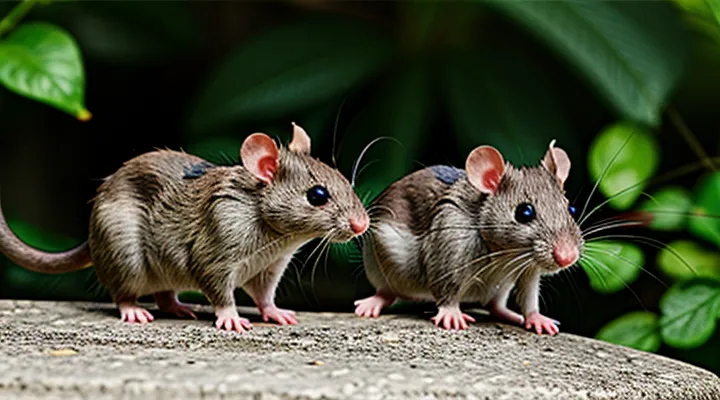
Understanding Small Rats' Dietary Needs
Why Diet Matters for Young Rats
A proper diet is essential for the growth and survival of juvenile rats. Their rapid development demands a precise balance of protein, fat, carbohydrates, vitamins, and minerals. Insufficient protein limits muscle formation, while inadequate calcium and phosphorus impair skeletal maturation. Deficiencies in essential fatty acids affect brain development and immune competence.
Energy intake must match the high metabolic rate of young rats; under‑feeding leads to stunted growth, whereas over‑feeding predisposes them to obesity and related health issues. Both extremes disrupt gut microbiota, increasing susceptibility to digestive disorders and infections.
Consistent nutrition also supports the formation of robust teeth. Early exposure to appropriate chewable materials encourages proper incisor wear, preventing malocclusion that can cause pain and feeding difficulties.
Recommended food items for young rats include:
- High‑quality rodent pellets formulated for juveniles (minimum 18 % protein, enriched with calcium and vitamin D)
- Fresh vegetables such as carrots, broccoli, and leafy greens (providing fiber, antioxidants, and micronutrients)
- Small portions of fruits like apples or berries (source of natural sugars and vitamins, offered in moderation)
- Soft protein sources: boiled egg whites, cooked chicken breast, or low‑fat cottage cheese
- Unlimited access to clean, fresh water
Supplementation with a balanced vitamin‑mineral mix may be necessary when the diet lacks specific nutrients, but excess supplementation can be harmful. Monitoring body weight and coat condition provides practical indicators of dietary adequacy. Adjustments should be made promptly if growth rates deviate from species‑specific benchmarks.
In summary, the nutritional regime of young rats directly influences skeletal integrity, muscular development, neurological function, and immune resilience. Careful selection of appropriate foods, regular health assessments, and avoidance of dietary extremes ensure optimal development and long‑term wellbeing.
The Role of Mother's Milk
Nutritional Benefits
Small rodents consume a varied diet that supplies essential macro‑ and micronutrients required for growth, reproduction, and disease resistance. Understanding the nutritional profile of typical feed items enables precise formulation of balanced rations.
- Whole grains (e.g., oats, wheat, barley) – provide complex carbohydrates, B‑vitamins, and dietary fiber that support steady energy release and gastrointestinal health.
- Legumes (e.g., lentils, peas) – rich in plant protein, lysine, and iron, promoting muscle development and hemoglobin synthesis.
- Fresh vegetables (e.g., carrots, leafy greens) – deliver vitamin A, vitamin K, potassium, and antioxidants that protect cellular membranes and enhance immune function.
- Fruit pieces (e.g., apple, berries) – supply simple sugars for rapid energy, vitamin C for collagen formation, and phytonutrients that mitigate oxidative stress.
- Nuts and seeds (e.g., sunflower seeds, almonds) – contain healthy fats, vitamin E, and zinc, contributing to neural development and skin integrity.
- Calcium sources (e.g., cuttlebone, fortified pellets) – ensure skeletal mineralization and proper neuromuscular signaling.
The combined intake of these components yields a diet high in protein, balanced fatty acids, and a spectrum of vitamins and minerals. Adequate protein supports tissue repair; calcium and phosphorus maintain bone density; antioxidants reduce inflammation; and fiber regulates digestion. Properly calibrated nutrition reduces morbidity, improves reproductive performance, and extends lifespan in captive populations.
Duration of Nursing
Small rats remain attached to their mother for a defined nursing period that directly influences the transition to solid food. The typical duration of nursing lasts between 21 and 28 days, after which pups begin to consume the same diet as adult conspecifics.
- Early nursing (days 0‑7): pups receive only maternal milk, which supplies all essential nutrients.
- Mid‑stage nursing (days 8‑14): milk composition gradually changes, providing increased protein and fat to support rapid growth.
- Late nursing (days 15‑21/28): introduction of solid food occurs gradually; pups start nibbling on the mother’s diet, which consists primarily of grains, seeds, and occasional protein sources such as insects or soy‑based pellets.
Completion of the nursing phase coincides with full weaning, at which point the young rats adopt the same feeding regimen as mature individuals, ensuring continuity of nutrient intake throughout development.
Solid Food Introduction
When to Start Weaning
Weaning marks the transition from mother’s milk to solid foods and determines the health trajectory of juvenile rats. The optimal window opens shortly after the pups reach 3 weeks of age. By this stage, the digestive system produces sufficient lactase and enzymes to process grains, fruits, and protein sources, while the incisors have emerged enough to bite and chew.
Key indicators that a litter is ready for independent feeding include:
- Weight gain of at least 30 g per pup, indicating adequate growth.
- Visible fur development and active grooming behavior.
- Ability to crawl away from the nest and explore the cage environment.
- Increased interest in the food provided to the dam, such as nibbling on pellets.
Introduce a balanced diet gradually. Offer a small amount of high‑quality rat pellets softened with warm water or a low‑fat soy mash. Replace the softened feed with dry pellets over 48 hours, monitoring consumption. Supplement with fresh vegetables (e.g., carrot, broccoli) and occasional fruit (e.g., apple) in limited quantities to prevent digestive upset.
Maintain the mother’s presence until the pups consume the full portion of solid food for two consecutive days. During this period, continue to provide nest material and ensure the cage remains clean to reduce stress. Early weaning, before 21 days, can compromise immunity and growth; delayed weaning beyond 28 days may prolong dependence on milk and hinder the development of proper chewing mechanics.
Appropriate First Foods
Soft and Easily Digestible Options
Small rats require foods that are gentle on their delicate digestive systems. Soft, moisture‑rich items supply necessary nutrients while minimizing the risk of gastrointestinal distress.
- Cooked plain oatmeal, cooled to room temperature, provides carbohydrates and fiber without harsh texture.
- Mashed ripe banana offers natural sugars, potassium, and a smooth consistency suitable for nibbling.
- Plain, unsweetened yogurt delivers protein and probiotics; serve in a thin layer to prevent choking.
- Soft boiled eggs, chopped finely, supply high‑quality protein and essential amino acids.
- Canned pumpkin (unsweetened, pure) offers fiber and beta‑carotene; a spoonful mixed with other foods aids digestion.
- Soft, shredded cooked chicken (no seasoning) gives lean protein and is easy to swallow.
These options should be introduced gradually, monitoring for any signs of intolerance. Fresh water must be available at all times, and portions should be adjusted to maintain a healthy body weight.
Avoiding Choking Hazards
Small rats require diets that are both nutritionally adequate and safe from airway obstruction. Hard, oversized pieces of food can become lodged in a rat’s throat, leading to rapid respiratory distress. To prevent choking, select items that can be easily broken down by the animal’s incisors and molars.
- Fresh vegetables such as carrot, cucumber, and broccoli should be cut into ¼‑inch cubes or thin strips.
- Small fruits like apple, pear, and berries must be sliced into bite‑size pieces, removing pits and cores.
- Commercial rodent pellets are formulated to disintegrate quickly; offer them whole rather than crushing them into larger chunks.
- Nuts and seeds should be limited to halves or quarters, and always softened by soaking for several minutes.
- Whole grains (oats, barley) are safe when presented as loose, dry flakes rather than compact blocks.
Liquid foods, including diluted fruit juices or low‑fat yogurt, can be provided in shallow dishes to eliminate the need for chewing. Avoid offering hard cheeses, whole grapes, large chunks of raw potato, or any object that exceeds the rat’s mouth width. Regularly inspect food for foreign objects such as plastic fragments or broken cage accessories, which can present additional choking risks.
Monitoring each feeding session allows owners to detect early signs of obstruction—gasping, wheezing, or inability to swallow. Immediate veterinary intervention is required if these symptoms appear. By consistently providing appropriately sized, soft, and well‑prepared foods, the likelihood of choking incidents in small rats is greatly reduced.
Staple Diet for Growing Rats
Commercial Rat Pellets
Choosing the Right Brand
Small rats require a diet that supplies protein, fiber, fats, vitamins, and minerals in proportions that support rapid growth and high activity levels. Selecting an appropriate commercial brand ensures those needs are met without the risk of nutritional gaps or harmful substances.
Key factors when evaluating a brand:
- Ingredient quality – prioritize products that list whole grains, legumes, or animal‑derived proteins as primary components; avoid meals with excessive filler such as corn gluten or soy isolates.
- Nutrient balance – verify that the formulation provides at least 18‑20 % protein, 4‑6 % fat, and adequate fiber (minimum 5 %) to promote digestive health.
- Additive profile – choose brands free from artificial colors, flavors, and preservatives; natural antioxidants are acceptable.
- Brand reputation – research manufacturer certifications, recall history, and consumer reviews to gauge reliability.
- Packaging integrity – opt for airtight containers that preserve freshness and prevent contamination.
- Cost efficiency – compare price per kilogram against nutrient density; the lowest price does not guarantee quality.
Testing a small batch before committing to a larger supply helps confirm acceptance and digestibility. Regularly monitor the rats’ weight, coat condition, and fecal consistency to assess the suitability of the chosen product. Adjust the brand or supplement with fresh vegetables and occasional protein treats if deficiencies appear.
Importance of Balanced Nutrition
Small rats require a diet that supplies protein, fat, carbohydrates, vitamins, and minerals in proportions that support rapid growth, high metabolic rate, and immune competence. Protein sources such as cooked egg, lean meat, or high‑quality rodent pellets provide amino acids essential for tissue repair and enzyme synthesis. Adequate fat, from seeds or fish oil, supplies energy and assists in the absorption of fat‑soluble vitamins. Complex carbohydrates from whole grains and vegetables deliver sustained glucose for activity and brain function. Vitamins A, D, E, and B‑complex, together with minerals calcium, phosphorus, and zinc, prevent deficiencies that can impair bone development, vision, and wound healing.
Imbalanced nutrition produces observable problems:
- Excessive fat leads to obesity, reduced mobility, and cardiovascular stress.
- Protein deficiency slows growth, weakens musculature, and increases susceptibility to infection.
- Lack of calcium or excess phosphorus disrupts skeletal formation, causing deformities.
- Inadequate vitamin intake results in dermatitis, poor coat condition, and impaired reproduction.
To maintain equilibrium, feed small rats a varied diet that includes:
- Commercial rodent feed formulated for juvenile or adult stages, meeting established nutrient profiles.
- Fresh vegetables (e.g., carrots, broccoli) offered daily in limited quantities to avoid excess water content.
- Occasional protein treats (e.g., boiled egg white, low‑fat cheese) no more than 10 % of total caloric intake.
- Clean water available at all times.
Monitoring body condition, coat quality, and activity levels provides early indicators of nutritional issues. Adjustments should be made promptly, guided by veterinary recommendations or reputable rodent nutrition guidelines. Consistent provision of a balanced diet safeguards health, promotes normal development, and enhances longevity in small rats.
Fresh Produce and Vegetables
Safe Fruits and Vegetables
Small rats require a diet that includes fresh produce to obtain vitamins, minerals, and fiber. Fruits and vegetables must be offered in moderation, washed thoroughly, and cut into bite‑size pieces to prevent choking.
-
Apples (core removed, no seeds)
-
Blueberries
-
Strawberries (hull removed)
-
Raspberries
-
Bananas (small slice)
-
Pears (seedless, skin thin)
-
Kiwi (peeled)
-
Carrots (raw or lightly steamed)
-
Broccoli florets
-
Spinach (fresh, not wilted)
-
Peas (fresh or frozen, thawed)
-
Zucchini (raw or lightly cooked)
-
Bell peppers (any color, seeded)
-
Cucumber (skin removed if thick)
Serve each new item in a limited amount to observe tolerance. Introduce one fruit or vegetable at a time, waiting 24 hours before adding another. Remove any uneaten portions after a few hours to avoid spoilage.
Avoid citrus fruits, grapes, raisins, onions, and raw potatoes, as these can cause toxicity. Ensure produce is pesticide‑free; organic options reduce risk of chemical exposure. Consistent inclusion of the listed safe items supports overall health without displacing the primary grain‑based diet.
Foods to Avoid
Small rats need a diet that supplies protein, fiber, and essential nutrients while avoiding items that can cause illness or nutritional imbalance. Certain foods present health risks and should never be offered.
- Citrus fruits (oranges, lemons, limes) – high acidity can irritate the digestive tract and lead to stomach upset.
- Chocolate and caffeine‑containing products – contain theobromine and caffeine, both toxic to rodents and capable of causing seizures or cardiac failure.
- Raw or undercooked beans – contain lectins that damage the intestinal lining and may cause vomiting or diarrhea.
- Processed meats (bacon, salami, hot dogs) – high salt and fat content can lead to kidney strain and obesity.
- Sticky or sugary foods (candies, honey, syrups) – promote dental decay, contribute to weight gain, and interfere with normal gut flora.
- Dairy products (milk, cheese, yogurt) – many rats lack sufficient lactase, resulting in lactose intolerance and gastrointestinal distress.
- Onions, garlic, and related alliums – contain compounds that can damage red blood cells, leading to anemia.
- Avocado (especially the skin and pit) – contains persin, a toxin that can cause respiratory distress and heart damage.
- Fruit seeds and pits (apple seeds, peach pits, cherry stones) – harbor cyanogenic glycosides that release cyanide when metabolized.
- Moldy or spoiled foods – introduce mycotoxins and harmful bacteria, increasing the risk of infection.
Providing only safe, nutritionally balanced foods protects small rats from preventable health problems and supports long‑term vitality.
Protein Sources
Small Amounts of Cooked Meats
Small rats require protein for growth, tissue repair, and immune function. Cooked meats can supply this nutrient when offered in limited quantities.
Cooked meats must be unseasoned, free of sauces, and thoroughly cooled before presentation. Excess fat or salt can cause digestive upset, so only lean portions are appropriate. A serving size of 0.5 – 1 gram per 10 grams of body weight satisfies protein needs without exceeding caloric limits.
- Chicken breast, skinless, boiled or baked
- Turkey, white meat, boiled or baked
- Lean beef, boiled or grilled, trimmed of visible fat
- Pork tenderloin, boiled or baked, without added seasoning
Frequency should not exceed two to three times per week. Meals should be spaced by at least 48 hours to prevent nutrient imbalance. Monitor the rat for signs of intolerance, such as diarrhea or reduced appetite, and discontinue the food if adverse reactions occur.
Other Protein-Rich Options
Small rats require protein for growth, tissue repair, and immune function. In addition to standard lab chow, several alternative sources provide high-quality protein without excessive fat or additives.
- Cooked eggs, scrambled or boiled, offer 12 g of protein per 100 g; remove shell and any seasoning before serving.
- Plain, low‑fat Greek yogurt supplies 10 g of protein per 100 g and introduces beneficial probiotics; serve in small, unsweetened portions.
- Cooked, unseasoned chicken breast delivers 31 g of protein per 100 g; ensure it is boneless and cut into bite‑size pieces.
- Canned tuna in water, drained, provides 25 g of protein per 100 g; limit to occasional treats due to sodium content.
- Soft tofu, plain and unflavored, contains 8 g of protein per 100 g; crumble into manageable pieces for easy ingestion.
- Low‑fat cottage cheese offers 11 g of protein per 100 g; serve cold in modest amounts to avoid spoilage.
These items should be introduced gradually, monitored for digestive tolerance, and offered in quantities that complement, not replace, the primary diet. Regular rotation prevents nutrient imbalances and maintains palate variety.
Foods to Absolutely Avoid
Harmful Human Foods
Sugary and Processed Items
Small rats frequently encounter sweet and manufactured foods, particularly when kept as pets or when foraging near human waste. Their natural preference for high‑energy carbohydrates drives them toward these items, but the nutritional profile differs markedly from their wild diet.
- Fruit‑based candies (e.g., gummy bears, jelly beans)
- Commercially produced sweetened cereals
- Honey‑glazed treats (e.g., glazed nuts, honey‑drizzled biscuits)
- Sugar‑coated pellets or feed supplements
Processed foods commonly consumed by small rats include:
- Packaged snack chips (potato, corn, or cheese varieties)
- Pre‑flavored rodent pellets containing added sugars or fats
- Baked goods with refined flour and added sweeteners (e.g., mini muffins, biscuits)
- Processed meat products (e.g., jerky strips, cooked sausage pieces)
Excessive intake of these items elevates blood glucose, accelerates weight gain, and predisposes rats to dental decay, obesity, and metabolic disorders. High sugar concentrations can also disrupt gut microbiota, reducing digestive efficiency and immune competence.
Optimal feeding regimens limit sugary and processed components to occasional treats, not exceeding 5 % of total caloric intake. Primary nutrition should derive from balanced grain‑based pellets, fresh vegetables, and occasional protein sources. Monitoring body condition and dental health ensures that occasional indulgences do not compromise overall well‑being.
Toxic Substances
Small rats obtain most of their nutrition from grains, seeds, fruits, and insects, yet their foraging behavior frequently brings them into contact with hazardous chemicals. Exposure to toxic substances can occur when rats ingest contaminated food, gnaw on treated surfaces, or scavenge waste containing poisons. Understanding which agents pose the greatest risk is essential for preventing illness and mortality in these animals.
Common toxic substances encountered by small rats include:
- Rodenticides (e.g., anticoagulant baits such as bromadiolone, brodifacoum) – cause internal bleeding and organ failure.
- Heavy metals (lead, zinc, copper) – accumulate in tissues, impair neurological function, and damage kidneys.
- Pesticides (organophosphates, carbamates) – inhibit acetylcholinesterase, leading to seizures and respiratory collapse.
- Mycotoxins (aflatoxin, ochratoxin) – produced by moldy grains, result in liver toxicity and immunosuppression.
- Household chemicals (cleaning agents, solvents) – ingestion produces gastrointestinal irritation, metabolic acidosis, and central nervous system depression.
Symptoms of poisoning often appear rapidly: loss of appetite, lethargy, tremors, abnormal gait, vomiting, and bloody stools. Laboratory analysis can confirm exposure by detecting elevated levels of specific toxins or metabolic disturbances. Prompt veterinary intervention, including decontamination, antidote administration, and supportive care, improves survival chances.
Preventive measures focus on eliminating sources of contamination. Secure storage of food, proper disposal of waste, and the use of non‑chemical pest control reduce accidental ingestion. Regular inspection of habitats for mold growth or damaged infrastructure helps identify hidden hazards before they affect the rats’ health.
Unsafe Plant Materials
Small rats can ingest a variety of plant matter, yet many common greens and flowers contain compounds that are hazardous to their health. Toxicity often results from alkaloids, oxalates, glycosides, or saponins that interfere with neurological, renal, or gastrointestinal function. Exposure may produce tremors, seizures, vomiting, or sudden death, depending on the species and amount consumed.
Typical garden and houseplants that should never be offered to tiny rodents include:
- Nightshade family (Solanaceae): tomatoes, potatoes, eggplant, and bell peppers contain solanine and tomatine.
- Lilies (Lilium spp.) and tulips (Tulipa spp.): bulbs store lycorine and other irritants.
- Rhododendron and azalea: high levels of grayanotoxins cause cardiac arrhythmia.
- Oleander (Nerium oleander): cardiac glycosides produce fatal heart block.
- Castor bean (Ricinus communis): ricin is a potent protein toxin.
- Poinsettia (Euphorbia pulcherrima): milky sap contains diterpene esters that irritate mucous membranes.
- Foxglove (Digitalis purpurea): cardiac glycosides lead to arrhythmias.
- Yew (Taxus spp.): taxine alkaloids depress cardiac function.
Preventing accidental ingestion requires removing these plants from cages and surrounding areas, storing safe forage such as fresh lettuce, carrots, and bran in sealed containers, and supervising any outdoor exploration. Regularly monitoring a rat’s behavior and health can detect early signs of plant poisoning, enabling prompt veterinary intervention.
Hydration: A Crucial Element
Providing Fresh Water
Fresh, uncontaminated water is a non‑negotiable component of a small rat’s diet. Dehydration impairs digestion, kidney function, and overall vitality; therefore water provision must meet daily physiological demands.
Rats typically consume 5–10 ml of water per 100 g of body weight. Provide at least this amount each day, adjusting for ambient temperature, activity level, and diet composition. Monitor intake; a sudden decrease signals potential health issues.
Delivery options:
- Water bottle with sipper tube: Prevents spillage, maintains cleanliness, limits bacterial growth. Choose a bottle made of BPA‑free plastic or glass; ensure the tube is narrow enough for the rat’s teeth but wide enough to allow unobstructed flow.
- Shallow ceramic or stainless‑steel dish: Allows easy access for young or infirm rats. Clean after every use to avoid biofilm formation.
Maintenance protocol:
- Empty and rinse the container daily with warm, unscented soap.
- Rinse thoroughly to remove soap residue.
- Disinfect weekly with a 1 % diluted bleach solution or a veterinary‑approved sanitizer; rinse well afterward.
- Inspect sipper tubes for cracks or blockages; replace as soon as damage is evident.
Health monitoring:
- Observe water levels; a consistently low bottle indicates reduced consumption.
- Check for signs of dehydration: sunken eyes, dry skin, lethargy, or reduced urine output.
- Test urine for concentration; overly dark urine suggests insufficient hydration.
Consistent delivery of fresh water, coupled with rigorous hygiene, sustains optimal health for small rats and supports the broader nutritional framework.
Water Bottle vs. Bowl
Small rats require constant access to clean water to support metabolism, kidney function, and overall health. Two delivery systems dominate pet‑care: sealed water bottles and open water bowls.
Water bottles provide a protected reservoir that minimizes spillage and contamination. The sipper tube delivers water only when the rat applies pressure, reducing waste. Plastic or glass bottles are easy to clean when detached from the cage. However, tubes can become clogged with bedding or saliva, requiring regular inspection. Rats unfamiliar with the mechanism may hesitate to drink, especially juveniles.
Water bowls present water at ground level, mirroring natural drinking behavior. Bowls allow unrestricted access, encouraging frequent intake. They are simple to fill and inspect for cleanliness. Conversely, open surfaces attract bedding, droppings, and food debris, fostering bacterial growth. Spillage can soak bedding, increasing humidity and the risk of respiratory issues. Small cages may lack sufficient space to place a bowl without encouraging mess.
Choosing between the two depends on several factors:
- Cage size – limited space favors bottles; larger enclosures accommodate bowls.
- Age of rats – juveniles often adapt more readily to bowls; adults may prefer bottles.
- Maintenance routine – frequent cleaning supports bowl use; occasional checks suit bottles.
- Health considerations – compromised immunity benefits from the sterility of bottles.
In practice, many experienced keepers alternate both methods: a bottle for baseline hydration and a shallow bowl for occasional free drinking, ensuring redundancy if one system fails. Regular monitoring of water quality and equipment integrity remains essential regardless of the chosen format.
Dietary Considerations for Specific Situations
Underweight or Malnourished Rats
Underweight or malnourished small rats require a diet that supplies adequate protein, essential fatty acids, vitamins, and minerals to restore healthy body condition. Commercially formulated rat chow, labeled as “high‑protein” or “growth‑support,” should form the foundation of daily intake. These pellets deliver a balanced nutrient profile and eliminate the risk of nutritional gaps.
Supplementary foods can accelerate recovery when offered in controlled portions:
- Cooked lean meats (chicken breast, turkey) – 1–2 g per 10 g body weight, providing high‑quality protein.
- Hard‑boiled eggs – a source of essential amino acids and choline; limit to one small egg weekly.
- Low‑fat cottage cheese – calcium and protein; 0.5 g per 10 g body weight.
- Cooked vegetables (carrots, peas, broccoli) – vitamins A, C, and fiber; introduce gradually to avoid digestive upset.
- Fruit purees (apple, pear) – quick energy; restrict to 5 % of total calories.
Hydration is critical; fresh water must be available at all times. Electrolyte solutions designed for small mammals can be administered for short periods if dehydration is evident.
Monitoring progress involves weekly weighing and assessment of coat quality, activity level, and gastrointestinal health. Adjust caloric density upward by 10–15 % if weight gain stalls, but avoid overfeeding, which can lead to obesity and related disorders.
If the rat shows persistent weight loss, lethargy, or signs of nutrient deficiency despite dietary adjustments, veterinary intervention is necessary. Professional treatment may include injectable vitamins, mineral supplements, or prescription diets formulated for recovery.
Rats with Health Issues
Rats suffering from health problems require diets that address specific physiological deficits while avoiding aggravating factors. Nutrient composition, texture, and portion size influence recovery, immune function, and long‑term stability.
Common conditions and corresponding dietary adjustments:
- Diarrhea or gastrointestinal upset – offer low‑fiber, easily digestible foods such as boiled chicken, plain oatmeal, and steamed carrots; limit raw vegetables and high‑fat treats.
- Dental disease – provide soft, calcium‑rich foods like plain yogurt, mashed sweet potato, and finely ground hard‑boiled egg; continue offering small amounts of chewable items to stimulate tooth wear without causing pain.
- Obesity – reduce caloric density by substituting high‑fat seeds with measured portions of lean protein (e.g., turkey), leafy greens, and limited fresh fruit; monitor weight weekly.
- Respiratory infections – increase moisture intake through broth‑based meals and fresh cucumber slices; maintain adequate vitamin C from bell peppers and kale to support mucosal health.
- Kidney dysfunction – limit protein to moderate levels, choose low‑phosphorus sources such as boiled white fish, and ensure constant access to fresh water; avoid dairy and processed foods high in sodium.
Feeding practices should include daily observation of stool consistency, body condition, and activity level. Portion sizes must be tailored to individual metabolic rates; split meals into two to three small servings to reduce stress on the digestive system. Any dietary change requires a gradual transition over 5‑7 days to prevent shock. Veterinary consultation is essential for diagnosing underlying issues and confirming that the chosen diet meets all micronutrient requirements.