
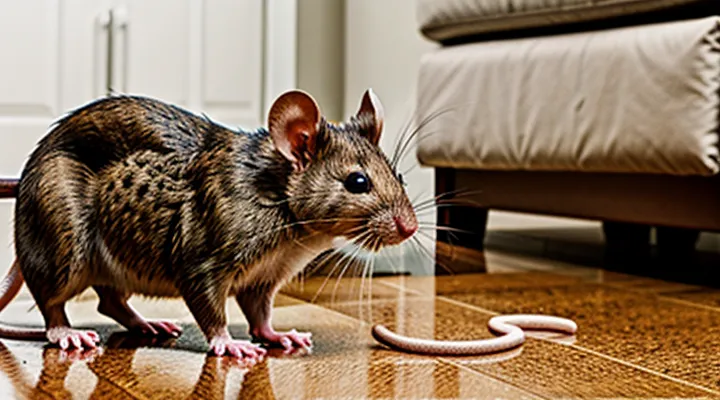
Understanding Rodent Behavior
Natural Predators
Cats and Dogs
Cats are natural predators of rodents; their presence triggers a stress response that reduces activity and foraging. Scent marks left by a cat—urine, feces, and facial pheromones—remain detectable for weeks, creating a persistent deterrent. Visual cues, such as a cat’s silhouette or movement, also cause immediate avoidance. In homes where a cat roams regularly, mice and rats exhibit decreased nesting attempts and limited exploration of concealed areas.
Dogs contribute to rodent aversion through audible and olfactory signals. Barking and sudden movements generate alarm that interrupts rodent patterns. Dogs that have been trained to track or chase small animals emit a distinctive scent that rodents associate with danger. Even untrained dogs leave a lingering odor that rodents recognize as a threat.
Key effects of these pets on rodent behavior:
- Reduced foraging distance
- Lowered nesting frequency
- Increased use of escape routes
- Shortened occupancy of hidden spaces
Effective deterrence combines both species: cats provide continuous visual and scent cues, while dogs add intermittent auditory disturbances. Maintaining regular access for the pets ensures the deterrent signals remain active.
Birds of Prey (simulated threats)
Rodents inside residences react strongly to visual and auditory cues that mimic natural predators such as hawks, owls, and falcons. The presence of these simulated threats triggers instinctive avoidance behaviors, reducing activity in areas where the devices are deployed.
Key mechanisms of predator simulation:
- Motion‑activated silhouettes: Shadows that flutter across walls or ceilings imitate a bird’s wingbeat, causing immediate retreat.
- Ultrasonic wing‑flap sounds: Frequencies beyond human hearing replicate the rapid wing movements of raptors, unsettling rodents that rely on vibration detection.
- Predator vocalizations: Recorded calls of hawks and owls broadcast at irregular intervals create a perception of an active hunter nearby.
- Reflective surfaces: Shiny, moving objects mimic the glint of feathers, prompting rodents to avoid exposed pathways.
Effectiveness depends on placement and variability. Devices should be positioned near entry points, food storage areas, and along established runways. Regularly altering patterns—changing sound files, adjusting motion timing, or rotating visual units—prevents habituation, ensuring sustained deterrence.
When integrated with sanitation measures and exclusion techniques, simulated birds of prey constitute a reliable component of a comprehensive rodent‑control strategy for indoor environments.
Human Presence and Activity
Loud Noises and Vibrations
Mice and rats react strongly to sudden, high‑intensity sounds. Acoustic levels above 70 dB trigger escape behavior, rapid movement toward concealed routes, and increased heart rate. Repeated exposure to such noise conditions leads to heightened stress hormones, reduced feeding, and impaired reproduction.
Vibrations transmitted through floors, walls, or appliances produce similar distress. Frequencies between 10 Hz and 500 Hz, especially when coupled with amplitude spikes, cause the rodents to freeze, scramble, or seek deeper burrows. Persistent low‑frequency rumble from HVAC systems or washing machines can disrupt nesting activity and provoke abandonment of established hideouts.
Key effects of loud noises and vibrations:
- Immediate flight response to abrupt peaks in sound pressure.
- Elevated cortisol and adrenaline levels.
- Decreased food intake and weight loss.
- Disruption of breeding cycles and reduced litter size.
- Abandonment of preferred shelter areas.
Mitigation strategies include installing sound‑absorbing panels, placing appliances on vibration‑isolating pads, and scheduling noisy activities during periods when rodents are less active. These measures reduce auditory and tactile stimuli that most often provoke fear in household rodents.
Direct Encounters
Mice and rats react sharply to immediate threats inside houses. Their survival instincts trigger rapid avoidance when they encounter stimuli that signal danger.
- Sudden movements: rapid hand gestures or foot traffic startle rodents, causing them to flee to concealed areas.
- Loud noises: shouts, slamming doors, or appliance alarms generate acute stress, prompting escape behavior.
- Bright lights: sudden illumination disrupts their nocturnal activity, leading to retreat into dark crevices.
- Predatory scents: cat urine, ferret odor, or synthetic predator pheromones activate innate fear responses.
- Physical contact: being touched, grabbed, or brushed against elicits immediate withdrawal and increased vigilance.
- Traps and bait stations: visual cues of snap or glue mechanisms, as well as chemical attractants paired with danger signals, induce avoidance after a single exposure.
Direct confrontation reduces the likelihood of repeated incursions. Persistent exposure to these stressors conditions rodents to avoid specific entry points, reinforcing the effectiveness of targeted control measures.
Sensory Deterrents
Strong Scents
Peppermint Oil
Peppermint oil is a volatile essential oil whose strong menthol scent disrupts the olfactory system of rodents. The compound activates sensory receptors that rodents find unpleasant, prompting avoidance of treated areas.
When applied correctly, peppermint oil can reduce rodent activity in kitchens, pantry shelves, and entry points. Effectiveness depends on concentration, frequency of re‑application, and coverage of potential travel routes.
- Dilute 10–15 mL of pure oil in one liter of water; add a few drops of mild detergent to improve surface tension.
- Soak cotton balls in the solution and place them behind appliances, under sinks, and near cracks.
- Replace soaked materials every 3–5 days, or sooner if the scent fades.
- Combine with physical barriers such as steel wool or door sweeps for maximum deterrence.
Safety considerations include keeping the oil away from children, pets, and food preparation surfaces. Direct contact may cause skin irritation; use gloves when handling concentrated oil. Excessive ventilation mitigates respiratory irritation for occupants.
Limitations: peppermint oil does not eradicate established infestations; it merely discourages entry and movement. Persistent problems require integrated pest management, including trapping, sanitation, and sealing of entry points.
Ammonia
Ammonia is a volatile, alkaline compound that produces a sharp, irritating odor detectable at low concentrations. In residential settings it originates from cleaning products, pet waste, and decomposition of organic matter. Rodents possess a highly sensitive olfactory system; the pungent scent of ammonia triggers a rapid avoidance response, interrupting foraging and nesting activities.
Exposure to ammonia concentrations above 25 ppm causes respiratory irritation in mice and rats, leading to increased heart rate, decreased activity, and, at higher levels, loss of consciousness. The aversive effect occurs well before toxic thresholds are reached, making the odor itself an effective deterrent without harming the animals.
Effective deterrence requires sustained release of ammonia at concentrations between 10 and 30 ppm in targeted areas such as entry points, cabinets, and storage rooms. Concentrations above 50 ppm may pose health risks to humans and pets, necessitating careful placement and limited exposure time.
Practical use involves:
- Soaking cotton balls or small fabric pieces in a diluted ammonia solution (approximately 5 % household ammonia).
- Placing the material in concealed locations where rodent activity is observed.
- Replacing soaked material every 24–48 hours to maintain odor potency.
- Monitoring indoor air quality to ensure concentrations remain below safety limits for occupants.
Ammonia’s strong odor, respiratory irritancy, and low toxicity at controlled levels make it a reliable agent for discouraging mice and rats from inhabiting domestic environments.
Predator Urine (synthetic)
Synthetic predator urine mimics the scent markers left by natural carnivores such as foxes, coyotes, and feral cats. Rodents detect these chemicals through their highly developed olfactory system, interpreting them as indicators of imminent danger.
The product typically contains a blend of volatile compounds—including felinine, 2‑methoxy‑3‑butanone, and various sulfides—reproduced in a laboratory setting to ensure consistency. Because the formulation is artificial, it avoids the variability and contamination associated with real urine.
Key characteristics
- Mode of action: Disrupts foraging and nesting behavior by triggering avoidance responses.
- Application methods: Spray directly onto entry points, baseboards, and suspected travel routes; reapply every 7–10 days or after cleaning.
- Efficacy: Field studies report a 40–70 % reduction in rodent activity when used in conjunction with exclusion measures.
- Safety: Non‑toxic to humans and pets; odor dissipates within 24 hours for occupants but remains detectable to rodents.
Limitations include reduced potency in highly ventilated areas and possible habituation after prolonged exposure. To maintain effectiveness, rotate synthetic urine with alternative repellents—such as peppermint oil or ultrasonic devices—and combine with physical barriers like sealing cracks and installing traps.
Overall, synthetic predator urine offers a chemically reliable, low‑risk option for discouraging mice and rats from inhabiting residential spaces, provided it is integrated into a comprehensive pest‑management strategy.
Bright Lights
Sudden Illumination
Sudden bursts of light disrupt the natural activity patterns of house mice and Norway rats. These nocturnal mammals rely on low‑light environments to navigate, locate food, and avoid predators. A rapid increase in illumination triggers a startle response, causing immediate retreat to concealed areas and interruption of foraging behavior.
The reaction is mediated by the visual system’s sensitivity to abrupt changes in luminance. When a light source is switched on, rats and mice experience a sudden overload of retinal input, which the brain interprets as a potential threat. This leads to:
- Immediate cessation of movement
- Rapid retreat into burrows, wall voids, or deep nesting material
- Suppression of exploratory behavior for several minutes after the light is extinguished
- Increased cortisol‑like hormone release, indicating stress
Consequently, homeowners seeking to deter these pests can employ timed or motion‑activated lighting in kitchens, pantries, and entry points. Consistent exposure to brief, high‑intensity flashes reduces the likelihood of rodents establishing a presence, as the environment becomes perceived as unsafe for nocturnal activity.
Strobe Lights
Strobe lights create rapid, high‑intensity flashes that overwhelm the visual processing of rodents. Mice and rats rely on steady illumination for navigation; sudden changes trigger a startle response that can halt movement and induce avoidance of the illuminated area.
The physiological impact includes:
- Disruption of retinal adaptation, causing temporary blindness.
- Activation of the sympathetic nervous system, leading to increased heart rate and stress hormone release.
- Interference with nocturnal foraging patterns, prompting relocation to darker zones.
Practical application in residential settings involves installing battery‑operated strobe units near entry points, pantry shelves, and concealed gaps. Devices should emit flashes at frequencies between 10 and 20 Hz, a range proven to produce maximal aversion without posing a fire hazard.
Long‑term effectiveness depends on consistent operation. Rodents quickly habituate to static obstacles; the unpredictable nature of strobe illumination prevents habituation, maintaining deterrent efficacy over weeks or months.
Ultrasonic Devices (effectiveness debate)
Ultrasonic emitters generate sound waves above 20 kHz, a frequency range that rodents can hear but humans cannot. The devices claim to create an uncomfortable acoustic environment, prompting mice and rats to vacate treated areas.
Evidence from laboratory studies shows mixed results. Controlled experiments report that some rodent strains exhibit reduced activity when exposed to continuous ultrasonic bursts, while other trials find no statistically significant avoidance. Field observations in residential settings reveal occasional short‑term displacement, followed by rapid habituation as animals acclimate to the constant tone.
Key points in the effectiveness debate:
- Frequency selection: optimal deterrence reported between 30 kHz and 50 kHz; frequencies outside this band often fail to elicit a response.
- Sound intensity: levels below 80 dB SPL rarely produce measurable effects; higher intensities may cause hearing damage to non‑target pets.
- Exposure pattern: intermittent pulses (e.g., 5 seconds on, 30 seconds off) appear more disruptive than steady emission, yet still allow habituation over weeks.
- Environmental factors: cluttered interiors, open doors, and ceiling height diminish sound propagation, reducing device reach.
- Species variability: house mice (Mus musculus) generally react more strongly than Norway rats (Rattus norvegicus), which possess broader auditory tolerance.
Manufacturers recommend integrating ultrasonic units with complementary control methods—such as sealing entry points, eliminating food sources, and employing snap traps—to achieve reliable rodent management. Independent reviews conclude that ultrasonic technology alone cannot guarantee permanent exclusion, but it may serve as a supplemental deterrent when applied under optimal conditions.
Environmental Factors
Lack of Food and Water
Cleanliness and Sanitation
Rodents are highly sensitive to the presence of food residues, moisture, and clutter. When a dwelling is kept free of crumbs, spills, and standing water, the environment becomes unattractive to mice and rats because it eliminates the resources they require for survival and reproduction.
Key sanitation practices that reduce rodent attraction:
- Immediate removal of food waste and sealing of trash containers.
- Regular cleaning of kitchen surfaces, floors, and appliances to erase scent trails.
- Prompt repair of leaks and drying of damp areas to deny water sources.
- Proper storage of dry goods in airtight containers.
- Elimination of clutter that offers hiding places and nesting material.
Evidence from pest‑management studies shows a direct correlation between low‑level sanitation scores and decreased rodent activity. In homes where these measures are consistently applied, monitoring traps record fewer captures, and visual signs such as gnaw marks and droppings diminish sharply.
Conversely, neglecting cleanliness allows odor cues to accumulate, signaling abundant food and shelter. Even minor oversights—such as an unemptied pet bowl overnight or a puddle under a refrigerator—can trigger exploratory behavior, leading to infestation.
Maintaining rigorous hygiene therefore functions as a primary deterrent, shaping the risk profile of a residence and limiting the likelihood that mice or rats will consider it a viable habitat.
Secure Food Storage
Rodents locate homes primarily by detecting food odors and by finding easily accessed supplies. When food is sealed in containers that prevent scent escape and physical entry, the attraction diminishes sharply, reducing the likelihood of infestation.
Effective containers share three attributes: airtight closure, robust construction, and material resistant to gnawing. Metal tins with screw‑top lids, heavy‑wall plastic buckets equipped with lockable lids, and laminated glass jars meet these criteria. Each barrier blocks volatile compounds and withstands the bite force of common house rodents.
- Store dry goods (cereals, grains, pet food) in metal or thick‑wall plastic containers with silicone gaskets.
- Keep sugary items (candies, syrups) in glass jars sealed with screw caps.
- Place bulk purchases in sealed, labeled bins placed on shelves rather than on the floor.
- Use pantry doors that close tightly; install magnetic catches if necessary.
- Inspect containers weekly for cracks, loose lids, or signs of gnaw marks.
Regular inspection reinforces security. Replace damaged containers promptly, rotate stock to avoid prolonged exposure, and clean spills immediately. Maintaining a sealed food environment removes the primary incentive for rodents, compelling them to seek alternative habitats outside the residence.
Absence of Shelter
Sealing Entry Points
Sealing entry points eliminates the primary avenue rodents use to invade a residence. By removing gaps, cracks, and openings, you deprive mice and rats of the access they seek, effectively reducing the likelihood of infestation.
Inspect the building envelope for common breach locations:
- Gaps around foundation walls and basement floors
- Openings around utility lines, such as water, gas, and electrical conduits
- Unscreened vent openings and exhaust fans
- Gaps beneath doors and windows, including worn door sweeps
- Holes in interior walls where pipes or wiring pass through
- Cracks in siding, trim, and roof eaves
Apply appropriate sealing materials for each type of opening:
- Steel wool or copper mesh packed into small holes, then covered with caulk
- Expanding polyurethane foam for larger gaps, followed by a layer of hardware cloth to prevent chewing
- Silicone or acrylic caulk for narrow seams around windows, baseboards, and trim
- Weatherstripping or door sweeps to block the space beneath exterior doors
- Rigid metal flashing or sheet metal over vent openings, secured with screws and sealed with caulk
Maintain the sealed envelope by periodically checking for new cracks, damage from weather, or wear from pest activity. Prompt repair of any deterioration preserves the barrier and continues to deter rodent intrusion.
Eliminating Hiding Spots
Rodents thrive in cluttered environments where concealed passages protect them from predators and disturbances. Removing these refuges forces mice and rats to confront open spaces, increasing their exposure to control measures and natural aversion to bright, unobstructed areas.
Key actions to eradicate concealed areas include:
- Declutter storage spaces; keep boxes, papers, and fabric off the floor.
- Seal cracks, gaps, and holes larger than ¼ inch in walls, floors, and foundations.
- Install tight-fitting lids on trash cans and compost bins.
- Trim vegetation and eliminate dense ground cover near entry points.
- Maintain a tidy kitchen: store food in sealed containers and wipe crumbs promptly.
By systematically eliminating shelters, homeowners diminish the sense of security that rodents rely on, prompting them to vacate the premises or become more vulnerable to traps and baits. Continuous monitoring and prompt repair of new openings sustain the hostile environment that deters infestation.
Trapping and Extermination Methods
Mechanical Traps (fear of capture)
Snap Traps
Snap traps are the most direct method for deterring rodents inside a residence. The device relies on a spring‑loaded bar that releases instantly when a mouse or rat contacts a baited trigger. The rapid closure delivers a lethal force to the animal’s neck or spine, causing immediate death and eliminating the source of fear for the homeowner.
Effectiveness stems from three factors:
- Immediate impact – the sudden motion startles the rodent and prevents escape.
- Mechanical reliability – no electricity or chemicals are required; the trap functions as long as the spring remains tensioned.
- Low maintenance – after a capture, the trap can be reset with a simple pull‑back of the bar.
Optimal placement maximizes encounters while minimizing accidental activation:
- Position traps along walls, behind appliances, and near known runways.
- Set traps perpendicular to the wall, with the trigger facing the expected travel direction.
- Use a small amount of high‑protein bait (e.g., peanut butter) to attract both mice and rats.
- Keep traps away from children and pets; consider protective covers or spring‑locked models.
Safety considerations include wearing gloves when handling captured rodents, disposing of carcasses in sealed bags, and checking traps daily to prevent decomposition and odor buildup. Regular inspection of entry points—cracks, gaps, and openings—complements trap use by reducing reinfestation risk.
When snap traps are employed correctly, they provide a swift, humane solution that aligns with the primary objective of reducing rodent presence and the associated anxiety within a household.
Live Traps
Live traps rely on rodents’ instinct to avoid sudden confinement. When a mouse or rat encounters a concealed entryway that snaps shut, the animal experiences a rapid loss of escape routes, triggering a fear response that prevents further exploration of the area.
The devices operate through several sensory cues. Vibrations from the trigger mechanism alert the rodent to movement. A visible opening suggests an accessible passage, while the scent of preferred food draws the animal toward the trap. The abrupt closure of the door creates a shock that the creature instinctively avoids, reinforcing the trap’s deterrent effect.
- Position traps along walls, behind appliances, and near known gnawing sites.
- Use bait that matches the species’ diet: peanut butter, dried fruit, or small pieces of meat.
- Select a trap size that fully encloses the animal without allowing escape.
- Check traps at least twice daily to prevent stress and maintain hygiene.
- Release captured rodents at least five miles from the residence, following local regulations.
Live traps achieve high capture rates when placed correctly and baited appropriately. Their effectiveness diminishes with trap‑shy individuals that have learned to recognize the mechanism. Regular monitoring and proper sanitation are essential to sustain performance and prevent secondary infestations.
Baits and Poisons (fear of illness/death)
Anticoagulants
Anticoagulant rodenticides are chemical agents that interfere with blood clotting, causing internal hemorrhage in mice and rats after ingestion. The active compounds—warfarin, bromadiolone, difenacoum, brodifacoum, and chlorophacinone—bind to vitamin K epoxide reductase, preventing the regeneration of vitamin K‑dependent clotting factors. Without functional clotting, rodents experience fatal bleeding within 2–7 days.
These substances deter rodents in residential settings for several reasons. First, the delayed onset of symptoms allows the bait to be consumed unnoticed, reducing immediate aversion. Second, the lethal effect eliminates individuals that have entered the home, decreasing the likelihood of subsequent infestations. Third, the presence of anticoagulant bait can create a learned avoidance in surviving rodents, limiting re‑entry.
Key considerations for household application:
- Formulation: Baits are available as pellets, blocks, or liquid concentrates, often flavored to attract specific species.
- Dosage: Concentrations range from 0.005 % (low‑dose, for susceptible populations) to 0.05 % (high‑dose, for resistant strains).
- Resistance: Repeated exposure can select for genetic mutations in the target enzyme, rendering low‑dose products ineffective; rotating active ingredients mitigates this risk.
- Safety: Non‑target exposure is a concern; placing bait in tamper‑proof stations protects children, pets, and wildlife.
- Regulation: Many jurisdictions require licensure or professional application for second‑generation anticoagulants due to higher toxicity.
Effective control integrates anticoagulant bait with sanitation, exclusion of entry points, and monitoring of rodent activity. Proper placement, regular replenishment, and adherence to label instructions maximize lethality while minimizing environmental impact.
Other Rodenticides
Other rodenticides provide alternatives to conventional anticoagulant baits when dealing with house-dwelling mice and rats. They function through distinct toxic mechanisms, allowing pest managers to address resistance, reduce non‑target exposure, and comply with local regulations.
Anticoagulants such as bromadiolone and brodifacoum disrupt blood clotting, leading to internal hemorrhage after a single lethal dose. Second‑generation compounds require lower application rates but persist longer in the environment, demanding careful placement to avoid wildlife contact.
Zinc phosphide releases phosphine gas when ingested, causing rapid respiratory failure. Its high toxicity limits use to sealed bait stations and professional application; accidental exposure to pets or children can be fatal.
Cholecalciferol (vitamin D₃) induces hypercalcemia, resulting in kidney failure and cardiac arrest. The delayed onset of symptoms reduces bait shyness, yet sub‑lethal doses may cause prolonged suffering, prompting strict dosage control.
Bromethalin interferes with neuronal energy production, leading to paralysis and death within hours. It is effective against anticoagulant‑resistant populations but requires precise bait formulation to maintain potency.
Sodium fluoroacetate (1080) disrupts the citric acid cycle, producing fatal metabolic collapse. Its use is heavily regulated due to high toxicity to mammals and birds; deployment is limited to certified professionals.
Key considerations for selecting alternative rodenticides:
- Target species susceptibility and known resistance patterns.
- Potential for secondary poisoning of pets, wildlife, or humans.
- Legal restrictions and required licensing in the jurisdiction.
- Application method (sealed stations, bait blocks, granules) suited to indoor environments.
- Environmental persistence and disposal requirements.
Integrating these chemicals with mechanical traps, exclusion techniques, and sanitation measures enhances overall control efficacy while minimizing reliance on a single toxic agent.