
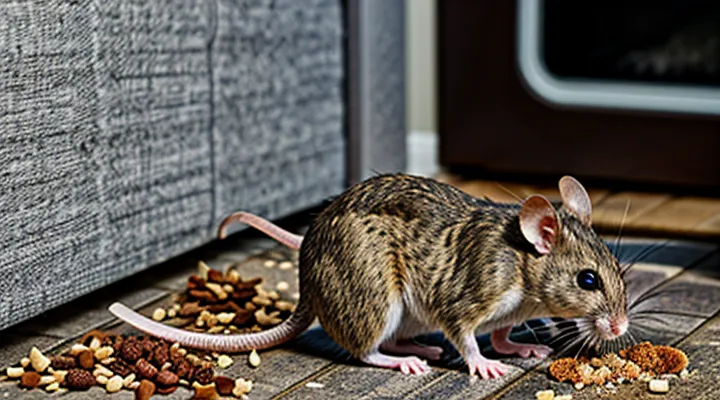
The Natural Diet of Wild Mice
Grains and Seeds
Domestic mice rely heavily on plant‑based carbohydrates, with grains and seeds forming a core component of their regular intake. These foods supply readily digestible starches, essential fatty acids, and micronutrients needed for growth, reproduction, and sustained activity.
Common grains accepted by pet mice include:
- Wheat kernels and cracked wheat
- Oats, rolled or whole
- Barley, hulled or malted
- Rice, cooked and cooled
- Cornmeal and cracked corn
Typical seeds offered to house mice consist of:
- Sunflower seeds (de‑hulled)
- Flaxseed
- Millet
- Chia seeds
- Pumpkin seeds (unsalted, unroasted)
Both categories provide energy dense calories; however, excessive consumption can lead to obesity and digestive disturbances. Balanced portions should not exceed 10 % of the total daily ration, with the remainder supplied by protein sources, fresh vegetables, and clean water. Whole grains retain fiber that aids gut motility, while seeds contribute omega‑3 fatty acids beneficial for coat quality and immune function. Monitoring for mold or rancidity prevents exposure to mycotoxins and oxidative damage.
Fruits and Vegetables
Domestic mice readily consume fresh plant material, which supplies vitamins, minerals, and fiber essential for health.
-
Apples (core removed, skin optional) – source of vitamin C and fiber.
-
Blueberries – rich in antioxidants, offered in small quantities.
-
Bananas – provide potassium; limit to thin slices due to high sugar.
-
Strawberries – deliver vitamin C; remove stems and tops.
-
Grapes – safe in moderation; avoid seeds.
-
Carrots – high in beta‑carotene; offer raw or lightly steamed pieces.
-
Broccoli – contains vitamin C and calcium; give florets in small bites.
-
Spinach – source of iron and folate; provide sparingly because of oxalates.
-
Peas – supply protein and fiber; serve cooked or fresh.
-
Zucchini – low‑calorie vegetable; serve raw or steamed.
Acidic fruits such as oranges and citrus peels may irritate the digestive tract and should be excluded. Seeds of many fruits (e.g., apple, peach) contain cyanogenic compounds and must be removed. Nightshade family members—tomatoes, potatoes, eggplant—are potentially toxic and are not recommended.
Portion sizes should not exceed a few bite‑sized pieces per day, combined with a balanced staple diet of commercial mouse pellets. Rotate items to maintain variety and monitor for signs of digestive upset. Clean any uneaten produce after 24 hours to prevent spoilage.
Insects and Other Invertebrates
Domestic mice supplement their grain‑based diet with animal protein when insects or other invertebrates are accessible. Small beetles, moth larvae, houseflies, and their pupae provide readily digestible protein and essential amino acids. Ground beetles, darkling beetles, and carpet beetle larvae are frequently captured during nocturnal foraging. Mice also consume soft‑bodied prey such as earthworms, slugs, and centipedes, especially in moist environments where these organisms are abundant.
The nutritional contribution of invertebrates includes:
- High‑quality protein (15‑20 % of dry mass)
- Lipids rich in omega‑3 and omega‑6 fatty acids
- Trace minerals (zinc, iron, copper)
- Chitin, which may stimulate gut immunity
Invertebrate consumption is opportunistic. Seasonal spikes in insect activity increase intake, while indoor environments limit exposure to only those species that infiltrate homes—primarily pantry pests and damp‑area arthropods. Mice display rapid prey capture: they locate movement with whisker‑mediated tactile sensing, seize with forepaws, and kill with a bite to the neck. After ingestion, digestive enzymes break down chitin, though excessive chitin can impair nutrient absorption.
Potential risks accompany this protein source. Parasites such as nematodes and protozoa can be transmitted through contaminated insects. Heavy‑metal accumulation may occur in predatory arthropods from contaminated substrates. Proper sanitation reduces the presence of pest insects, limiting both nutritional benefit and health hazard.
Overall, insects and other invertebrates represent a valuable, though variable, protein supplement in the diet of house mice, contributing essential nutrients while exposing the rodents to specific ecological and health considerations.
Opportunistic Feeding Habits
Domestic mice exhibit highly flexible foraging strategies, consuming any accessible organic material that meets their nutritional requirements. Their diet is not limited to traditional rodent staples; instead, they exploit a wide range of resources within human dwellings.
- Commercial pet food (dry kibble, wet canned formulas)
- Grain products (bread crumbs, cereal, rice, pasta)
- Processed snacks (crackers, chips, cheese remnants)
- Fresh produce (fruit peels, vegetable scraps, leafy greens)
- Invertebrates (housefly larvae, beetles, occasional arthropods)
- Organic waste (compost, garbage, spilled liquids)
Mice assess food availability on a moment‑to‑moment basis, shifting consumption patterns according to seasonal changes, household routines, and the presence of competitors. When high‑energy items such as fats or sugars appear, they are preferentially ingested, while low‑quality matter is tolerated only when alternatives are scarce. This opportunistic approach enables rapid population growth and sustains mice in environments where food supply fluctuates.
Behavioral observations confirm that mice explore concealed spaces, gnaw through packaging, and transport small food particles to hidden caches. Their ability to metabolize diverse macronutrients reduces reliance on any single source, making them resilient occupants of domestic settings.
Dietary Needs of Domesticated Mice
Commercial Mouse Food
Nutritional Requirements
Domestic mice require a balanced intake of protein, carbohydrates, fats, fiber, vitamins, minerals, and water to maintain growth, reproduction, and immune function. Protein supplies essential amino acids for tissue synthesis; a diet containing 14–20 % protein by weight meets the needs of most adult pet mice and supports the higher demands of pregnant or lactating females. Carbohydrates provide the primary energy source; grain‑based ingredients such as wheat, corn, and oats should supply 45–55 % of the diet. Fats, contributing 4–6 % of calories, furnish essential fatty acids and aid in the absorption of fat‑soluble vitamins.
Key micronutrients include:
- Vitamin A (retinol) – supports vision and epithelial health.
- Vitamin D3 – regulates calcium metabolism.
- Vitamin E – protects cell membranes from oxidative damage.
- B‑complex vitamins – facilitate energy metabolism.
- Calcium – required for bone formation; optimal Ca:P ratio is approximately 1.5:1.
- Phosphorus – works with calcium in skeletal development.
- Magnesium, potassium, and sodium – maintain electrolyte balance.
- Trace elements (zinc, copper, iron, manganese, selenium) – essential for enzymatic functions.
Water is indispensable; mice consume 5–10 ml of fresh water per 100 g body weight daily. Deprivation leads to rapid dehydration and impaired renal function.
Commercial mouse pellets are formulated to meet these requirements, offering consistent nutrient levels and minimal variability. When supplementing with fresh foods, ensure that added items do not exceed 10 % of total intake to avoid nutrient imbalances. Monitoring body condition and adjusting portions according to life stage, activity level, and health status helps maintain optimal nutritional status.
Types of Pellets and Blocks
Commercial mouse diets are offered primarily as pellets or blocks, each designed to deliver complete nutrition in a convenient format.
Pellets provide a uniform, bite‑size portion that limits selective feeding. Common varieties include:
- Standard laboratory‑grade pellets formulated with balanced protein, fat, carbohydrate, vitamin, and mineral levels.
- High‑fiber pellets containing added cellulose or oat bran to promote digestive health.
- Low‑fat pellets intended for weight‑management programs.
- Seed‑enhanced pellets that incorporate small amounts of sunflower or millet for flavor without compromising nutrient balance.
Blocks serve as a compact source of nutrients, often used when space is limited or when mice prefer gnawing on a solid mass. Typical block types are:
- Hard nutrient blocks composed of dense mash that resists rapid deterioration and reduces waste.
- Soft nutrient blocks with a pliable texture that eases consumption for young or dental‑impaired mice.
- Fortified blocks enriched with calcium, vitamin D, or specific amino acids to address particular health needs.
Choosing between pellets and blocks depends on cage setup, feeding habits, and specific dietary requirements. Both formats should be stored in airtight containers to preserve freshness and prevent contamination.
Supplementary Foods
Safe Fruits and Vegetables
Domestic mice thrive on a diet that includes a variety of fruits and vegetables, provided the selections are safe and offered in moderation.
Fresh fruits suitable for pet mice include apple (seedless, thinly sliced), banana (small pieces), blueberries, strawberries, grapes (seedless), and kiwi. These items supply natural sugars and vitamins; however, they should not exceed 10 % of the overall diet to prevent digestive upset.
Vegetables that are well‑tolerated comprise carrots (shredded), cucumber, bell pepper, broccoli florets, spinach (limited amount), and zucchini. Leafy greens such as lettuce (romaine) are acceptable, while iceberg lettuce should be avoided due to low nutritional value.
When introducing any new produce, observe the mouse for signs of intolerance, such as loose stools or reduced activity. Wash all items thoroughly to remove pesticides, and remove any uneaten portions after a few hours to prevent spoilage. Rotate the selection regularly to ensure a balanced intake of nutrients.
Protein Sources
Domestic mice require protein to support growth, tissue repair, and reproductive function. Adult individuals typically obtain 14‑18 % of their caloric intake from protein, while juveniles may need up to 20 % for rapid development.
Common protein sources suitable for pet mice include:
- Commercially formulated mouse pellets or blocks, formulated to deliver balanced amino‑acid profiles.
- Dried insects such as mealworms, crickets, or black soldier fly larvae, offering high‑quality animal protein.
- Soy‑based products (e.g., soy protein isolate, tofu) that provide plant‑derived protein with acceptable digestibility.
- Fish meal or freeze‑dried fish, supplying essential omega‑3 fatty acids alongside protein.
- Egg whites, boiled and finely chopped, delivering a low‑fat protein option.
When selecting protein sources, consider digestibility, potential allergens, and the need for complementary nutrients. Incomplete protein sources (e.g., single‑ingredient legumes) should be combined with other foods to ensure a full amino‑acid spectrum. Excess protein can lead to kidney strain; therefore, portion sizes must align with the mouse’s size and activity level.
Optimal feeding practice prioritizes a nutritionally complete commercial diet as the staple, supplemented occasionally with the listed protein treats. This approach maintains consistent protein intake while providing variety and enrichment.
Grains and Seeds for Enrichment
Grains and seeds serve as valuable enrichment components in the diet of captive mice, supplying carbohydrates, fiber, and essential fatty acids while encouraging natural foraging behavior. Their inclusion should complement a nutritionally complete base diet, not replace it.
Suitable options include:
- Whole oats, rolled or steel‑cut, providing sustained energy and soluble fiber.
- Brown rice, cooked without salt or oil, offering complex carbs and B‑vitamins.
- Millet, raw or lightly toasted, rich in magnesium and antioxidants.
- Sunflower seeds, shelled, delivering healthy fats and vitamin E; limit to a few seeds per day due to high caloric density.
- Flaxseed, ground, contributing omega‑3 fatty acids and lignans; store in a cool, airtight container to prevent rancidity.
Guidelines for safe use:
- Offer grains and seeds in small, measured portions (approximately ½ teaspoon per mouse per day) to avoid overconsumption.
- Present them in a separate dish or scatter lightly among bedding to stimulate exploratory activity.
- Replace leftovers daily to prevent spoilage and mold growth.
- Monitor each animal for signs of digestive upset; discontinue any ingredient that provokes diarrhea or weight loss.
When selected and administered correctly, these plant‑based foods enhance mental stimulation, promote dental wear, and contribute to a balanced nutrient profile for domestic mice.
Foods to Avoid
Toxic Substances
Domestic mice readily sample items found in human habitats, exposing them to substances that can cause acute or chronic poisoning. Recognizing these hazards is essential for safe husbandry.
Common foods that are toxic to pet mice include:
- Chocolate and cocoa products, which contain theobromine;
- Caffeinated beverages and snacks, due to caffeine;
- Raw onions, garlic, and related alliums, which contain thiosulfates;
- Avocado flesh, rich in persin;
- Citrus peels, high in essential oils that irritate rodents’ gastrointestinal tracts.
Household chemicals that pose a risk:
- Rodenticide baits, especially anticoagulant types;
- Cleaning agents containing ammonia, bleach, or phenols;
- Insecticides and flea powders with pyrethroids or organophosphates;
- Paints, solvents, and adhesives releasing volatile organic compounds.
Preventive measures:
- Store all human food in sealed containers away from cages;
- Keep cleaning supplies and pest control products in locked cabinets;
- Use mouse‑specific, non‑toxic enrichment items such as untreated wood blocks;
- Regularly inspect the enclosure for gnawed wires or leaking containers.
By eliminating access to these toxic substances, caretakers ensure that the dietary intake of domestic mice remains nutritionally adequate and free from harmful agents.
High-Fat and Sugary Foods
Domestic mice readily consume foods that are rich in fats and sugars. Their natural foraging behavior drives them toward calorie‑dense items, which provide rapid energy and stimulate reward pathways in the brain.
Common high‑fat and sugary products found in household settings include:
- Commercial mouse treats formulated with peanut butter or cheese flavorings, often containing added sugars and vegetable oils.
- Small pieces of processed snack foods such as crackers, pretzels, or cereal, which combine refined carbohydrates with added fats.
- Human leftovers like pizza crust, fried potatoes, or bits of cake, offering both lipid and simple sugar content.
- Sweetened nut butters and spreads, providing a blend of saturated fats and sucrose or high‑fructose corn syrup.
Laboratory studies demonstrate that regular access to these items leads to increased body weight, elevated blood glucose, and altered lipid metabolism in pet mice. Short‑term exposure can cause hyperphagia, while prolonged consumption predisposes animals to obesity‑related disorders similar to those observed in humans.
Nutritional guidelines for captive rodents recommend limiting high‑fat and sugary foods to less than 5 % of total caloric intake. Substituting them with fiber‑rich vegetables, whole‑grain seeds, and protein sources maintains energy balance and supports normal physiological function.
Processed Human Foods
Domestic mice readily accept a range of processed human foods, often because of their high palatability and soft texture. These items can supplement a standard rodent diet but require careful selection to avoid health complications.
- Small pieces of cheese, particularly mild varieties, provide protein and calcium but should be limited due to high fat content.
- Cooked pasta or rice, plain and unseasoned, offers carbohydrates that supply quick energy; excessive portions may lead to obesity.
- Bread crusts, especially whole‑grain, deliver fiber and nutrients but contain added sugars and salts that can be detrimental in large amounts.
- Plain, unsweetened cereal flakes serve as a source of grains; avoid those coated with chocolate or sugary glazes.
- Small amounts of processed meat, such as boiled chicken or lean turkey, contribute lean protein; cured or smoked products are unsuitable because of high sodium and preservatives.
Processed foods often contain additives, excessive sodium, sugars, or fats that can disrupt a mouse’s digestive system, cause dental wear, or promote metabolic disorders. Nutrient imbalances may arise when these items replace a balanced commercial rodent pellet, which is formulated to meet specific dietary requirements.
Owners should treat processed human foods as occasional treats, not staples. Portion sizes must remain minimal—no larger than a pea for solid items and a few milliliters for soft foods. Monitoring weight, coat condition, and stool consistency helps detect adverse effects promptly. When in doubt, consult a veterinarian experienced in small‑animal nutrition.
Providing Water for Domestic Mice
Water Bottles vs. Bowls
Providing water to pet mice requires a delivery method that maintains freshness, limits contamination, and matches the animals’ natural drinking behavior. Two common options are suspended water bottles equipped with sipper tubes and shallow water bowls placed on the cage floor. Each system influences water availability, hygiene, and cage maintenance differently.
- Bottles protect water from bedding debris, reduce spillage, and allow precise monitoring of consumption because volume can be read through the graduated tube. The sipper mechanism encourages mice to sip in short bursts, mirroring their wild drinking pattern. Regular cleaning of the bottle, tube, and cap prevents biofilm formation; the sealed design also minimizes evaporation in warm environments.
- Bowls offer unrestricted access, enabling multiple mice to drink simultaneously without competition for a single tip. The open surface facilitates observation of water level and immediate detection of contamination. However, bowls collect droppings, bedding particles, and spills, increasing the risk of bacterial growth and requiring daily replacement. Evaporation rates are higher, especially in low‑humidity rooms, leading to frequent refilling.
Choosing between the two depends on cage size, the number of occupants, and the keeper’s cleaning routine. Bottles excel in hygiene and consumption tracking, while bowls provide ease of access and visual monitoring. Balancing these factors ensures that domestic mice receive a reliable water source alongside their diet.
Importance of Fresh Water
Fresh water is a non‑negotiable component of a pet mouse’s diet. Without adequate hydration, the animal cannot efficiently process the nutrients obtained from grains, seeds, and protein sources, leading to reduced energy extraction and impaired growth.
Key physiological functions that depend on continuous water intake include:
- Regulation of body temperature through evaporative cooling.
- Maintenance of blood volume, which supports nutrient transport.
- Proper kidney operation to eliminate metabolic waste.
- Facilitation of digestive enzyme activity for breakdown of carbohydrates and proteins.
Dehydration manifests quickly in small rodents; signs such as lethargy, weight loss, and concentrated urine indicate insufficient water supply. Providing a clean, easily accessible water source at all times safeguards health, promotes optimal nutrient utilization, and prevents the cascade of complications associated with fluid deficit.