
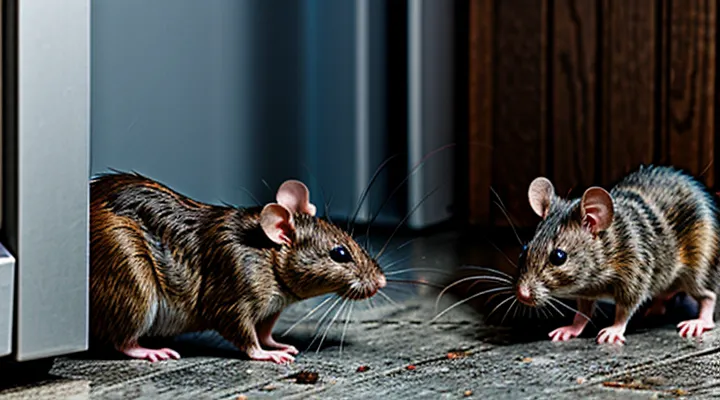
Understanding Rodent-Borne Diseases
Modes of Transmission
Direct Contact
Rats and mice transmit several pathogens when they are handled, bite, scratch, or when their bodily fluids contact broken skin. Direct contact bypasses environmental barriers, allowing immediate inoculation of the host.
Common infections spread through this route include:
- Leptospirosis – caused by Leptospira spp.; enters the body via cuts or abrasions exposed to contaminated urine.
- Rat‑bite fever – bacterial infection (Streptobacillus moniliformis or Spirillum minus) introduced through bite wounds.
- Lymphocytic choriomeningitis virus (LCMV) – transferred when infected rodent secretions contact mucous membranes or compromised skin.
- Hantavirus pulmonary syndrome – rare transmission through direct contact with infected rodent saliva or blood.
- Salmonellosis – Salmonella species may be transferred from fur or droppings to open lesions.
- Plague – Yersinia pestis can be introduced by a bite from an infected flea residing on the rodent or directly from a rodent bite.
Prevention relies on protective gloves, proper wound care, and avoidance of direct handling without barriers. Immediate washing of any exposed area with soap and water reduces infection risk.
Indirect Contact
Rats and mice can spread several infections without direct physical interaction. Pathogens survive on fur, droppings, urine, or contaminated objects and reach humans through food, water, surfaces, or inhaled particles.
- Leptospirosis – bacteria released in urine, persisting in moist environments and entering the body via cuts or mucous membranes.
- Hantavirus pulmonary syndrome – virus shed in droppings and urine, aerosolized when dust is disturbed.
- Salmonellosis – bacteria transferred from feces to food or kitchen utensils, causing gastrointestinal illness.
- Lymphocytic choriomeningitis virus (LCMV) – virus present in rodent secretions, contaminating bedding or laboratory supplies, leading to febrile illness after inhalation or ingestion.
- Streptobacillus moniliformis (rat‑bite fever) – organism may be spread indirectly through contaminated food or water, producing fever and rash.
Transmission routes rely on environmental contamination. Urine and feces deposit pathogens on countertops, cutting boards, stored grains, and water sources. Dry droppings become airborne when disturbed, allowing inhalation of viral particles. Food preparation areas that lack proper sanitation provide a conduit for bacterial transfer from rodent excreta to meals.
Control strategies focus on eliminating rodent presence, sealing entry points, and maintaining rigorous cleaning protocols. Disinfection of surfaces with appropriate agents, safe storage of food, and regular inspection of water systems reduce the risk of indirect infection. Monitoring for rodent activity and promptly addressing infestations are essential components of disease prevention.
Vector-Borne Transmission
Rats and mice serve as reservoirs for several pathogens that reach humans through arthropod vectors. Fleas, ticks, and mites acquire infectious agents while feeding on infested rodents and subsequently transmit them during subsequent blood meals.
- Plague – caused by Yersinia pestis; transmitted by the Oriental rat flea (Xenopsylla cheopis); prevalent in Africa, Asia, and the western United States.
- Murine typhus – caused by Rickettsia typhi; spread by the rat flea and the cat flea (Ctenocephalides felis); common in coastal regions worldwide.
- Rickettsialpox – caused by Rickettsia akari; vectored by the house mouse mite (Liponyssoides sanguineus); reported in urban settings across Europe and North America.
- Bartonellosis – caused by various Bartonella species (e.g., B. tribocorum); transmitted by rodent fleas; documented in laboratory and wild rodent populations worldwide.
Control of rodent infestations, regular treatment of domestic animals against ectoparasites, and sanitation measures that reduce flea and mite habitats limit the risk of vector-borne transmission from these mammals.
Key Diseases Transmitted by Rodents
Bacterial Infections
Leptospirosis
Leptospirosis is a zoonotic bacterial disease caused by pathogenic Leptospira spp. Rodents, especially rats and mice, serve as primary reservoirs, shedding organisms in urine that contaminates water, soil, and food sources. Human exposure occurs through direct contact with contaminated material or via cuts, mucous membranes, and inhalation of aerosolized urine.
Clinical manifestations range from mild flu‑like illness to severe multisystem involvement. Typical signs include:
- High fever
- Headache
- Muscle pain, especially in calves
- Conjunctival suffusion
- Jaundice
- Renal impairment
- Hemorrhagic complications in severe cases
Diagnosis relies on serologic testing (microscopic agglutination test) and molecular methods such as PCR. Early antimicrobial therapy with doxycycline or penicillin reduces disease duration and prevents complications. Supportive care addresses organ dysfunction when severe disease develops.
Prevention focuses on rodent control, avoiding contact with potentially contaminated water, and protective equipment for high‑risk occupations. Vaccines exist for animals and, in limited contexts, for humans in endemic regions. Public health measures include sanitation improvements and education about safe water practices.
Salmonellosis
Rats and mice are common reservoirs of Salmonellosis, a bacterial infection caused by Salmonella species. The bacteria colonize the gastrointestinal tracts of these rodents and are shed in feces, contaminating food, water, and surfaces that come into contact with human environments.
Human exposure occurs through ingestion of contaminated items or direct contact with rodent droppings. The infection manifests after an incubation period of 12–72 hours, producing gastrointestinal symptoms that may include:
- Diarrhea, often watery or bloody
- Abdominal cramping
- Fever and chills
- Nausea and vomiting
Severe cases can lead to dehydration, bacteremia, or focal infections such as osteomyelitis, particularly in immunocompromised individuals. Diagnosis relies on stool culture or molecular detection of Salmonella DNA. Treatment typically involves supportive care; antibiotics are reserved for high‑risk patients or invasive disease.
Preventive measures focus on rodent control and hygiene:
- Seal entry points and eliminate food sources to deter infestation
- Store food in rodent‑proof containers
- Clean and disinfect areas with evidence of droppings using a bleach solution (1 part bleach to 9 parts water)
- Wear gloves and masks when handling contaminated materials
Understanding the role of rodents in transmitting Salmonella informs public‑health strategies aimed at reducing incidence of Salmonellosis in both community and laboratory settings.
Plague
Plague, caused by the bacterium Yersinia pestis, remains the most historically significant zoonosis associated with rodents such as rats and mice. The pathogen persists in wild rodent populations and is transmitted to humans primarily through the bite of infected fleas that have fed on these mammals. In rare cases, direct contact with contaminated rodent tissues or inhalation of aerosolized bacteria can lead to infection.
Three clinical presentations dominate human disease:
- Bubonic plague – painful, swollen lymph nodes (buboes) develop near the site of the flea bite; fever and chills accompany the swelling.
- Septicemic plague – bacteria multiply in the bloodstream, causing sudden onset of fever, abdominal pain, shock, and often rapid death without preceding buboes.
- Pneumonic plague – infection spreads to the lungs, producing severe pneumonia, cough with bloody sputum, and high mortality if untreated.
Laboratory confirmation relies on culture, polymerase chain reaction, or rapid antigen detection from blood, sputum, or lymph node aspirates. First‑line therapy consists of streptomycin or gentamicin; alternatives include doxycycline and ciprofloxacin. Early administration dramatically reduces fatality rates.
Control measures focus on reducing rodent habitats, maintaining sanitation, and applying insecticides to limit flea populations. Surveillance of rodent reservoirs and prompt reporting of suspected cases are essential components of public‑health strategies aimed at preventing outbreaks.
Rat-Bite Fever
Rat‑Bite Fever is a bacterial infection transmitted through the bite or scratch of infected rodents, most commonly rats. The causative agents are Streptobacillus moniliformis in North America and Spirillum minus in Asia. Human infection follows direct contact with contaminated saliva, urine, or feces, especially when a wound is exposed.
Typical clinical presentation emerges 2–10 days after exposure and includes abrupt fever, chills, and headache. Additional manifestations often appear as:
- Red‑pink rash on the extremities
- Joint pain or migratory polyarthralgia
- Nausea, vomiting, and abdominal pain
- Myocarditis or endocarditis in severe cases
Laboratory evaluation reveals leukocytosis and elevated inflammatory markers. Definitive diagnosis relies on culture of the organism from blood, wound exudate, or synovial fluid; polymerase chain reaction assays provide rapid confirmation when available.
Effective therapy consists of a 10‑day course of penicillin G or ampicillin. For patients allergic to β‑lactams, doxycycline or azithromycin serve as alternatives. Early treatment prevents complications such as septic arthritis, cardiac involvement, and renal dysfunction.
Prevention emphasizes rodent control, proper handling of laboratory animals, and immediate wound cleansing with soap and water. Protective gloves and needle‑free equipment reduce occupational risk for veterinarians, pest‑control workers, and researchers. Post‑exposure prophylaxis with a single dose of oral amoxicillin may be considered for high‑risk bites.
Incidence is highest in urban settings with dense rat populations and among individuals with frequent rodent exposure. Surveillance data indicate sporadic cases worldwide, with occasional outbreaks linked to contaminated food or water sources.
Tularemia
Rats and mice act as reservoirs for Francisella tularensis, the bacterium that causes tularemia. Human infection arises when people encounter contaminated rodent tissues, excreta, or aerosols generated by these animals.
- Direct contact with infected skin or fur
- Bites or scratches from rodents
- Ingestion of food or water contaminated with rodent urine or feces
- Inhalation of aerosolized bacteria from rodent nests or carcasses
Clinical manifestations vary according to the entry route:
- Ulceroglandular: skin ulcer with regional lymphadenopathy
- Glandular: lymph node enlargement without cutaneous lesion
- Oculoglandular: conjunctivitis with nearby lymph node swelling
- Pneumonic: respiratory symptoms, potentially severe
- Typhoidal: systemic fever, chills, and malaise without localized signs
Diagnosis relies on culture, polymerase chain reaction, or serology. Early antimicrobial therapy with streptomycin, gentamicin, or doxycycline reduces mortality and accelerates recovery. Preventive measures include rodent control, protective equipment for laboratory and field workers, and avoidance of handling wild rodents without gloves.
Viral Infections
Hantavirus Pulmonary Syndrome
Hantavirus Pulmonary Syndrome (HPS) is a severe respiratory illness caused by hantaviruses carried primarily by wild rodents such as the deer mouse (Peromyscus maniculatus) and certain rat species. Human infection occurs after inhaling aerosolized particles from rodent urine, feces, or saliva. The disease progresses rapidly, often resulting in respiratory failure and a mortality rate of 30–40 %.
The incubation period ranges from 1 to 5 weeks. Early manifestations include fever, chills, myalgia, and gastrointestinal discomfort. Within 48–72 hours, patients develop:
- Dyspnea with rapid, shallow breathing
- Non‑cardiogenic pulmonary edema evident on chest imaging
- Hypotension and tachycardia
- Elevated hematocrit and low platelet count
Laboratory confirmation relies on serologic detection of IgM antibodies or reverse‑transcription polymerase chain reaction (RT‑PCR) of viral RNA. Early supportive care in an intensive‑care setting, particularly mechanical ventilation and careful fluid management, improves survival. No specific antiviral therapy is approved; ribavirin shows inconsistent benefit.
Prevention focuses on minimizing exposure to rodent excreta:
- Seal entry points to homes and storage facilities
- Use protective equipment (gloves, masks) when cleaning areas contaminated by rodents
- Wet down dust before vacuuming or sweeping to reduce aerosolization
Public‑health surveillance monitors rodent populations and educates at‑risk communities, thereby reducing the incidence of HPS linked to rodent‑borne transmission.
Lymphocytic Choriomeningitis (LCMV)
Lymphocytic choriomeningitis virus (LCMV) is an arenavirus carried primarily by the common house mouse (Mus musculus) and, less frequently, by rats. Infected rodents shed the virus in urine, feces, saliva, and nasopharyngeal secretions, contaminating food, bedding, and surfaces. Human exposure occurs through inhalation of aerosolized particles, direct contact with rodent excreta, or bites; laboratory personnel handling infected animals are also at risk.
The virus causes an acute febrile illness that may progress to meningitis or encephalitis. Typical manifestations include:
- Sudden onset of fever, headache, and malaise
- Neck stiffness and photophobia indicating meningeal irritation
- Myalgia and arthralgia
- Nausea, vomiting, and, in severe cases, seizures or coma
Immunocompetent individuals usually recover within two weeks; however, immunosuppressed patients can develop persistent infection with neurologic sequelae. Congenital transmission from a pregnant woman to the fetus leads to severe developmental abnormalities, intrauterine loss, or neonatal death.
Diagnosis relies on serologic detection of LCMV‑specific IgM and IgG antibodies, polymerase‑chain‑reaction (PCR) testing of blood or cerebrospinal fluid, and, when necessary, virus isolation in cell culture. No specific antiviral therapy exists; supportive care—hydration, analgesia, and monitoring of neurologic status—remains the mainstay of treatment. Antiviral agents such as ribavirin have shown limited efficacy in experimental settings but are not standard practice.
Prevention focuses on rodent control and hygiene:
- Seal entry points and eliminate food sources to deter infestations
- Use protective gloves and masks when cleaning areas contaminated with rodent droppings
- Apply disinfectants (e.g., bleach solution) to surfaces with visible contamination
- Screen laboratory animal colonies for LCMV and quarantine positive stocks
Public health surveillance tracks LCMV cases to identify outbreak clusters and inform risk‑reduction strategies. Awareness of rodent‑borne transmission routes is essential for clinicians evaluating unexplained febrile or neurologic syndromes, especially in settings with known rodent exposure.
Seoul Virus
Seoul virus is a hantavirus primarily associated with the brown rat (Rattus norvegicus). Human infection occurs through inhalation of aerosolized rodent urine, feces, or saliva, and occasionally through direct contact with contaminated materials.
The disease caused by Seoul virus is hemorrhagic fever with renal syndrome (HFRS). Clinical presentation includes sudden fever, headache, myalgia, and gastrointestinal distress, followed by hypotension, oliguria, and potential renal failure. Laboratory findings often reveal thrombocytopenia, elevated serum creatinine, and proteinuria. Mortality rates are lower than those of other hantaviruses, yet severe cases may require intensive care.
Key epidemiological facts:
- Worldwide distribution mirrors that of the brown rat, with documented outbreaks in urban and rural settings across Asia, Europe, and the Americas.
- Sporadic cases dominate; clusters arise when rodent populations increase or sanitation deteriorates.
- Occupational exposure affects laboratory workers, pest control personnel, and individuals handling rodents.
Diagnostic approach relies on:
- Serologic testing for IgM and IgG antibodies.
- Reverse‑transcription polymerase chain reaction (RT‑PCR) to detect viral RNA in blood or tissue samples.
- Exclusion of other causes of acute renal syndrome.
Treatment is supportive: fluid management, blood pressure control, and renal replacement therapy when necessary. No specific antiviral medication has proven efficacy; ribavirin shows limited benefit in early stages.
Prevention strategies focus on rodent control and hygiene:
- Seal entry points to buildings and store food in rodent‑proof containers.
- Use protective equipment when cleaning areas with rodent droppings.
- Conduct regular pest‑management programs in residential and occupational environments.
Awareness of Seoul virus contributes to a comprehensive understanding of illnesses transmitted by commensal rodents and informs public‑health measures aimed at reducing infection risk.
Lassa Fever
Lassa fever is an acute viral hemorrhagic illness endemic to West Africa. The causative agent, Lassa virus, belongs to the Arenaviridae family and is maintained in nature by the multimammate rat (Mastomys natalensis). Human infection occurs primarily through exposure to rodent urine or feces, ingestion of contaminated food or water, and, less frequently, via direct contact with infected bodily fluids.
Key epidemiological points:
- Geographic focus: Sierra Leone, Liberia, Guinea, and Nigeria, with sporadic cases elsewhere linked to travel.
- Transmission vectors: Mastomys natalensis; secondary spread through person‑to‑person contact, especially in health‑care settings lacking proper barrier precautions.
- Incubation period: 6–21 days.
- Clinical presentation: fever, malaise, sore throat, cough, vomiting, diarrhea, and in severe cases, hemorrhage, shock, and multi‑organ failure.
- Case‑fatality rate: approximately 1 % overall, rising to 15–20 % among hospitalized patients with severe disease.
Diagnosis relies on reverse‑transcription polymerase chain reaction (RT‑PCR) or antigen detection from blood samples; serology assists in later stages. Ribavirin, administered early, reduces mortality, while supportive care addresses fluid balance, electrolyte disturbances, and complications.
Prevention strategies focus on rodent control, safe food storage, and hygiene measures to limit human–rodent interaction. In health‑care environments, strict isolation, use of personal protective equipment, and careful handling of specimens are essential to curb secondary transmission. No licensed vaccine is currently available; research on candidate vaccines continues.
Parasitic Infections
Toxoplasmosis
Rats and mice serve as intermediate hosts for Toxoplasma gondii, the protozoan responsible for toxoplasmosis. Infected rodents acquire the parasite by ingesting oocysts shed in cat feces that contaminate soil, water, or feed. The parasite forms tissue cysts primarily in the brain and skeletal muscles of these animals.
Humans become exposed through two principal pathways: consumption of undercooked meat from infected livestock that have previously fed on contaminated rodents, and accidental ingestion of oocysts from environments where rodent urine or feces have introduced the parasite. Direct handling of live or dead rodents poses an additional occupational risk for laboratory and pest‑control personnel.
Clinical manifestations range from silent infection to severe disease. Typical signs include:
- Flu‑like symptoms (fever, malaise, muscle aches)
- Lymphadenopathy
- Ocular inflammation leading to visual impairment
- Congenital infection causing miscarriage, stillbirth, or neurological deficits in newborns
- Progressive encephalitis in immunocompromised individuals
Prevention focuses on limiting rodent access to food preparation areas, practicing proper hand hygiene after handling rodents or cleaning cages, and cooking meat to safe internal temperatures. Controlling stray and domestic cat populations reduces environmental oocyst load, indirectly lowering the risk of rodent infection and subsequent human exposure.
Trichinellosis
Trichinellosis, caused by the nematode Trichinella spp., is a zoonotic infection that can be acquired from rodents such as rats and mice. These animals serve as natural reservoirs, maintaining the parasite’s life cycle in sylvatic environments and occasionally contaminating food sources.
Transmission occurs when infected rodents are consumed, either directly or indirectly, through contaminated meat, carrion, or food prepared with rodent tissue. Humans become infected by ingesting encysted larvae present in undercooked meat derived from rodents or from domestic animals that have fed on infected rodents.
Key clinical aspects include:
- Incubation period: 1–2 weeks after ingestion.
- Early phase: Gastrointestinal symptoms—nausea, vomiting, diarrhea, abdominal pain.
- Later phase: Muscular involvement—myalgia, facial edema, fever, eosinophilia.
- Severe complications: Myocarditis, encephalitis, respiratory failure in untreated cases.
Diagnosis relies on:
- Serological testing for Trichinella-specific antibodies.
- Muscle biopsy demonstrating encysted larvae.
- Elevated eosinophil count and creatine kinase levels.
Treatment recommendations:
- Albendazole 400 mg twice daily for 8–10 days, or mebendazole 500 mg three times daily for the same duration.
- Corticosteroids for severe inflammatory manifestations.
Preventive measures focus on:
- Proper cooking of all meat, reaching an internal temperature of at least 71 °C (160 °F).
- Controlling rodent populations in food production and storage areas.
- Avoiding consumption of wild game or meat from unknown sources without thorough inspection.
Understanding the rodent link in the Trichinella life cycle informs public‑health strategies aimed at reducing human cases of trichinellosis.
Hymenolepiasis
Hymenolepiasis is a parasitic infection caused by the tapeworms Hymenolepis nana (dwarf tapeworm) and, less frequently, Hymenolepis diminuta. Rodents, especially rats and mice, serve as natural hosts and reservoirs, facilitating transmission to humans through contaminated food, water, or direct ingestion of infected arthropod intermediate hosts.
The life cycle involves eggs shed in rodent feces, which become infectious after a brief development period. Humans acquire infection by ingesting eggs directly or by consuming insects (e.g., beetles) that have ingested the eggs and now contain cysticercoid larvae. Autoinfection is possible with H. nana, allowing rapid increase in parasite burden without external exposure.
Typical clinical manifestations include:
- Abdominal discomfort
- Diarrhea, sometimes greasy or malodorous
- Weight loss
- Irritability, particularly in children
- Occasionally eosinophilia in blood tests
Diagnosis relies on microscopic identification of characteristic eggs in stool specimens. Repeated examinations increase detection sensitivity because egg shedding may be intermittent.
Effective control measures consist of:
- Rigorous sanitation to prevent rodent infestation
- Proper storage and handling of food to avoid contamination
- Cooking or freezing foods that might contain insects
- Regular deworming of domestic animals in close contact with rodents
- Administration of praziquantel or niclosamide for infected individuals, following established dosing regimens
Public health strategies targeting rodent populations and improving hygiene standards reduce the incidence of Hymenolepiasis, limiting its impact on vulnerable groups such as children in densely populated or low‑income environments.
Prevention and Control Measures
Rodent Exclusion and Sanitation
Sealing Entry Points
Sealing entry points is a critical control measure for preventing the spread of rodent‑borne illnesses. Rodents can infiltrate homes and businesses through gaps as small as a quarter‑inch, providing direct pathways for pathogens such as hantavirus, leptospirosis, salmonella, and Lassa fever. By eliminating these openings, exposure risk drops dramatically.
Effective sealing involves the following actions:
- Inspect the building exterior for cracks in foundations, walls, and around utility penetrations; repair with cement, steel wool, or expanding foam.
- Install weather‑stripping on doors and windows; ensure tight closure without gaps.
- Cover vents and exhaust fans with metal mesh of at least ¼‑inch aperture.
- Seal gaps around pipes, cables, and HVAC ducts using metal conduit or rigid sealants resistant to gnawing.
- Maintain roof integrity by fixing missing shingles, repairing soffits, and securing eaves with metal flashing.
Regular audits of the sealed areas confirm durability and identify new vulnerabilities. Prompt remediation of any breach sustains the barrier against disease‑carrying rodents.
Proper Food Storage
Proper food storage directly reduces the risk of infection from pathogens that rodents can carry. Contaminated supplies provide a medium for bacteria, viruses, and parasites that rodents transmit to proliferate, leading to foodborne illness.
Secure containers, temperature control, and regular inspection form the core of an effective strategy.
- Use airtight, rodent‑proof containers made of metal or thick plastic.
- Store dry goods on shelves away from walls and floor, leaving a gap for monitoring.
- Keep refrigerated and frozen items at 4 °C (40 °F) or below; freeze for at least 48 hours to eliminate most parasites.
- Rotate stock based on first‑in, first‑out principle; discard items past their expiration date.
- Inspect packaging for holes, tears, or gnaw marks before placement in storage areas.
- Maintain a clean environment: sweep crumbs, clean spills promptly, and avoid leaving pet food uncovered.
Implementing these measures creates a barrier that limits rodent access, thereby preventing the transmission of diseases associated with mice and rats.
Waste Management
Effective waste handling reduces the likelihood that rodents encounter food sources, thereby limiting the spread of rodent-borne pathogens. Properly sealed containers prevent rats and mice from accessing organic waste, which otherwise serves as a breeding ground for bacteria, viruses, and parasites. Regular collection schedules eliminate accumulations that attract infestations and impede disease transmission cycles.
Key waste‑management practices that mitigate health risks include:
- Use of rodent‑proof lids on dumpsters and trash cans.
- Placement of containers on raised platforms to deter climbing.
- Immediate removal of spilled food and packaging debris.
- Routine cleaning of collection areas with disinfectants.
- Monitoring and repairing gaps in facility walls and doors.
Implementing these measures lowers the population density of disease‑carrying rodents in urban and industrial settings, directly decreasing exposure to agents such as hantavirus, leptospira, and salmonella. Consequently, systematic waste control forms a critical component of public‑health strategies aimed at preventing rodent‑related infections.
Personal Protection
Hand Hygiene
Hand hygiene is the primary barrier against the transfer of pathogens that rodents can carry. Direct contact with contaminated fur, urine, feces, or saliva introduces microorganisms to the skin, and inadequate cleaning allows them to enter the body through mucous membranes or minor cuts.
Common rodent‑associated illnesses include:
- Leptospirosis – bacteria shed in urine.
- Hantavirus pulmonary syndrome – virus present in droppings and urine.
- Salmonellosis – bacteria found in feces.
- Plague – Yersinia pestis transmitted through bites or contaminated material.
- Rat‑bite fever – Streptobacillus moniliformis introduced by bites or scratches.
Effective hand hygiene consists of:
- Wet hands with clean, running water.
- Apply enough soap to cover all surfaces.
- Scrub palms, backs of hands, between fingers, and under nails for at least 20 seconds.
- Rinse thoroughly under running water.
- Dry with a disposable towel or air dryer.
- If soap and water are unavailable, use an alcohol‑based rub containing ≥60 % ethanol or isopropanol; cover hands completely and rub until dry.
Perform the procedure after any of the following actions: handling live or dead rodents, cleaning cages or nesting material, disposing of droppings, washing contaminated clothing, and before eating, drinking, or touching the face. Complement hand washing with disposable gloves when dealing with large volumes of waste, and ensure surfaces that come into contact with rodents are regularly disinfected.
Consistent application of these practices markedly reduces the risk of acquiring infections linked to rats and mice.
Protective Gear
Rats and mice are vectors for bacterial, viral, and parasitic agents that can enter the body through skin breaches, inhalation, or ingestion. Direct contact with rodent excreta, saliva, or contaminated surfaces creates exposure pathways that protective equipment is designed to block.
- Disposable nitrile or latex gloves resistant to puncture and chemical penetration.
- Fluid‑resistant gowns or coveralls with sealed seams to prevent skin contact.
- N95 or higher‑efficiency respirators equipped with particulate filters for aerosolized pathogens.
- Eye protection such as goggles or full‑face shields to guard against splashes.
- Footwear covers or dedicated boots that can be decontaminated after use.
Each item must be inspected for integrity before each use, worn correctly, and disposed of or sanitized according to biosafety protocols. Failure to employ the full ensemble increases the likelihood of infection from rodent‑borne diseases.
Public Health Interventions
Surveillance and Monitoring
Surveillance of rodent-borne illnesses requires systematic collection of data on pathogen presence, host populations, and environmental conditions. Programs combine field capture of rats and mice with laboratory testing for bacterial, viral, and parasitic agents. Results feed into risk assessments that guide public‑health interventions.
Key components of monitoring include:
- Active trapping: scheduled placement of live traps in residential, agricultural, and urban settings; specimens examined for serologic markers and molecular signatures of infection.
- Passive reporting: health‑care facilities submit confirmed cases of leptospirosis, hantavirus, plague, and other rodent‑associated diseases to regional databases.
- Environmental sampling: collection of droppings, urine, and nesting material for PCR analysis to detect pathogen DNA in situ.
- Sentinel surveillance: placement of indicator species or laboratory rodents in high‑risk zones to detect emerging pathogens before human exposure.
Data integration relies on geographic information systems that map trap locations, prevalence rates, and demographic variables. Real‑time dashboards enable health authorities to identify hotspots, allocate resources, and evaluate the effectiveness of rodent‑control measures. Regular review cycles—monthly for high‑incidence areas, quarterly elsewhere—ensure timely updates and adaptive response strategies.
Rodent Population Control
Rodent population control is essential for reducing the spread of pathogens carried by rats and mice. These mammals transmit bacterial, viral, and parasitic agents that cause severe health problems in humans and animals.
Common illnesses associated with rodent carriers include:
- Leptospirosis
- Hantavirus pulmonary syndrome
- Salmonellosis
- Plague (Yersinia pestis)
- Lymphocytic choriomeningitis virus (LCMV)
- Rat‑bite fever (Streptobacillus moniliformis)
Effective control relies on an integrated approach that combines several tactics:
- Sanitation: Eliminate food sources, secure waste containers, and remove clutter that provides shelter.
- Exclusion: Seal entry points with metal flashing, concrete, or steel mesh to prevent ingress.
- Trapping: Deploy snap or live traps in high‑activity zones; check and reset devices daily.
- Baiting: Use rodenticides according to label instructions and local regulations; monitor for non‑target exposure.
- Biological agents: Introduce natural predators or employ bacterial toxins (e.g., Bacillus thuringiensis) where appropriate.
- Monitoring: Conduct regular inspections, maintain records of sightings, and adjust tactics based on population trends.
Implementation demands compliance with safety standards, proper training for personnel handling toxicants, and coordination with public health authorities. Consistent application of these measures lowers rodent densities, thereby diminishing the incidence of disease transmission.