
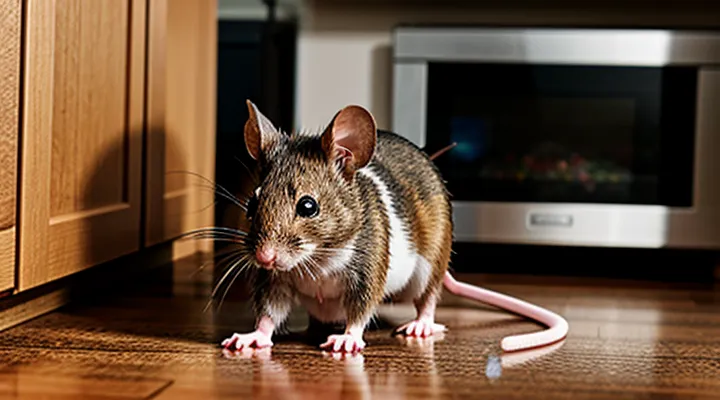
Introduction to Rodent-Borne Diseases
Understanding the Threat: Why Mice in Your Home Are Dangerous
Mice living inside residential spaces pose a direct health hazard. Their constant contact with food, waste, and structural components creates pathways for pathogens to reach humans.
- Hantavirus – causes severe respiratory illness and can be fatal.
- Salmonella – induces gastrointestinal infection with fever, diarrhea, and abdominal cramps.
- Lymphocytic choriomeningitis virus (LCMV) – leads to meningitis, encephalitis, or flu‑like symptoms.
- Leptospira bacteria – produces leptospirosis, characterized by kidney damage and liver dysfunction.
- Streptobacillus moniliformis – responsible for rat‑bite fever, presenting with fever, rash, and joint pain.
Pathways of transmission include contaminated urine and feces that become aerosolized, direct bites, and food contamination through gnawed packaging. Inhalation of dust carrying dried droppings or saliva can deliver viral particles deep into the respiratory tract. Surface contact with contaminated areas allows bacteria to enter through skin abrasions or be ingested when hands touch food.
The threat intensifies when infestations remain undetected, allowing populations to expand and increase environmental contamination. Regular inspection of concealed areas—behind appliances, within wall cavities, and under storage—reduces the likelihood of hidden colonies. Prompt removal of droppings using protective equipment and disinfectants eliminates reservoirs for disease agents.
Effective control relies on sealing entry points, employing mechanical traps, and maintaining strict sanitation standards. Reducing attractants such as accessible food and water deprives mice of resources needed to survive, thereby limiting exposure risk to the diseases listed above.
Common Misconceptions About Mice and Disease
Mice are often blamed for a wide range of illnesses, yet many of the claims lack scientific support. Clarifying false beliefs helps focus control efforts on genuine health risks.
- Mice cause plague in every household. Plague occurs rarely and requires specific bacterial infection (Yersinia pestis) transmitted by flea bites, not by mouse droppings alone.
- All mouse droppings are highly infectious. Only fresh droppings, urine, or saliva that contain pathogens such as hantavirus, salmonella, or leptospira pose a measurable threat; older, dried material loses viability.
- Mice spread COVID‑19. SARS‑CoV‑2 has not been documented in common house mice; the virus primarily circulates among humans and certain animal species with confirmed susceptibility.
- Mice are the sole source of allergic reactions. Allergies arise from proteins in mouse dander, urine, and saliva, but similar reactions can result from other rodents, pets, or dust mites; eliminating mice alone does not guarantee relief.
- A single mouse can contaminate an entire home. Pathogen spread depends on population density, sanitation, and environmental conditions; low‑level infestations may present minimal risk.
Accurate information directs preventive measures toward proven hazards. Regular inspection for signs of infestation, sealing entry points, and maintaining clean storage areas reduce contact with fresh droppings and urine. When rodents are detected, prompt removal followed by proper disinfection—using a bleach solution (1 part bleach to 10 parts water) on contaminated surfaces—limits pathogen exposure. Protective equipment such as gloves and masks should be worn during cleanup to avoid inhalation of aerosolized particles.
Understanding what is and isn’t a health danger eliminates unnecessary panic and allocates resources to interventions that truly lower disease transmission risk.
Diseases Transmitted by Mice
Hantavirus Pulmonary Syndrome (HPS)
Transmission Routes
Mice introduce pathogens into residential environments through several distinct pathways. Direct contact occurs when residents handle rodents or their nests, allowing bacteria, viruses, and parasites to transfer to skin or mucous membranes. Inhalation of aerosolized particles results from disturbed droppings, urine, or nesting material, delivering agents such as hantavirus and lymphocytic choriomeningitis virus. Contamination of food and water supplies happens when droppings or urine fall onto stored items, creating a route for Salmonella, E. coli, and Leptospira. Bite wounds provide a portal for Streptobacillus moniliformis, the cause of rat‑bite fever, while scratches can introduce similar organisms. External ectoparasites—fleas, mites, and ticks—acquire blood meals from mice and subsequently infest humans, transmitting plague, rickettsial diseases, and other infections. Each route demands targeted control measures: sealing entry points eliminates contact; regular cleaning with disinfectants reduces aerosol risk; proper storage of food prevents contamination; prompt wound care limits infection after bites; and routine pest‑management programs curb ectoparasite populations.
Symptoms and Diagnosis
Mice living inside residences can spread several infectious agents; early recognition of clinical signs and appropriate laboratory confirmation are essential for effective treatment and containment.
-
Hantavirus pulmonary syndrome
- Symptoms: sudden fever, muscle aches, headache, nausea, followed by rapid onset of coughing, shortness of breath, and low blood pressure.
- Diagnosis: reverse‑transcription polymerase chain reaction (RT‑PCR) on blood or respiratory samples, serologic testing for IgM and IgG antibodies, chest radiography to assess pulmonary edema.
-
Salmonella enterica (often acquired from contaminated mouse droppings)
-
Leptospira interrogans (transmitted through urine‑contaminated water or surfaces)
-
Lymphocytic choriomeningitis virus (LCMV)
- Symptoms: fever, malaise, headache, stiff neck, photophobia; severe cases may progress to encephalitis or meningitis.
- Diagnosis: serum IgM/IgG ELISA, RT‑PCR on cerebrospinal fluid, viral isolation in cell culture.
-
Plague (Yersinia pestis)
- Symptoms: sudden fever, chills, swollen painful lymph nodes (buboes), weakness, possible pneumonic involvement with cough and hemoptysis.
- Diagnosis: blood or lymph node aspirate culture, rapid antigen detection tests, PCR, serology for rising antibody titers.
-
Hepatitis B and C (possible transmission through mouse‑induced injuries)
- Symptoms: fatigue, jaundice, dark urine, abdominal pain; many infections remain asymptomatic.
- Diagnosis: serologic panels for HBsAg, anti‑HBc, anti‑HCV antibodies, nucleic acid testing for viral load.
Each disease demands a specific diagnostic algorithm; clinicians should obtain a detailed exposure history, request targeted laboratory studies, and, when necessary, employ imaging to evaluate organ involvement. Prompt identification of the pathogen guides antimicrobial or antiviral therapy and informs public‑health interventions to limit further spread within the household.
Prevention of HPS Exposure
Mice can contaminate domestic environments with the virus that causes Hantavirus Pulmonary Syndrome (HPS). Preventing exposure requires eliminating contact with rodent urine, droppings, and saliva.
- Seal all entry points: Install metal or copper mesh around vents, pipes, and foundation cracks; use weather‑stripping on doors and windows.
- Maintain a clean interior: Vacuum with a HEPA filter, mop floors, and disinfect surfaces after any rodent activity. Avoid sweeping dry debris, which can aerosolize viral particles.
- Store food securely: Keep pantry items in airtight containers; discard waste promptly in sealed bags.
- Manage outdoor attractants: Remove leaf litter, tall grass, and debris within 30 feet of the house; keep compost bins covered.
- Set traps responsibly: Use snap traps or electronic devices; position them away from food preparation areas; wear gloves and dispose of carcasses in sealed bags.
- Conduct regular inspections: Check basements, attics, and crawl spaces for signs of nesting; replace damaged insulation that may harbor droppings.
If rodent droppings are discovered, follow decontamination protocol: ventilate the area, dampen material with a 1 % bleach solution, wait 5 minutes, then clean with disinfectant. Wear protective gloves, N95 respirator, and eye protection throughout the process.
Educating household members about these measures reduces the likelihood of inhaling aerosolized virus and safeguards occupants from severe respiratory illness.
Salmonella
How Mice Spread Salmonella
Mice become carriers of Salmonella when they ingest contaminated food, water, or feces. The bacteria survive in the rodent’s gastrointestinal tract and are shed in droppings, urine, and saliva. As mice move through walls, ceilings, and stored provisions, they deposit these infectious materials on surfaces that later contact human food or kitchen utensils. Consumption of food contaminated by mouse droppings or direct contact with their secretions introduces Salmonella into the human body, leading to gastrointestinal illness.
Key pathways of transmission include:
- Dropping feces on pantry items, countertops, and cooking equipment.
- Chewing and contaminating packaging, grain bins, and pet food containers.
- Contaminating water sources such as leaky pipes, pet water bowls, or kitchen sinks.
- Transferring bacteria via their fur when they crawl over food preparation areas.
Preventive actions focus on eliminating access and removing contamination sources:
- Seal cracks, gaps, and openings larger than ¼ inch with steel wool, caulk, or metal flashing.
- Store dry goods in airtight, rodent‑proof containers; discard any items showing signs of gnawing or droppings.
- Maintain a clean environment: sweep and mop floors daily, wipe surfaces with a disinfectant that is effective against Salmonella, and promptly clean up any rodent droppings using gloves and a bleach solution (1 part bleach to 9 parts water).
- Reduce food and water availability by fixing leaks, removing pet food after feeding, and keeping trash cans covered with tight‑fitting lids.
- Employ traps or professional pest‑control services to reduce mouse populations before they establish a breeding foothold.
Consistent application of these measures interrupts the cycle of bacterial spread, lowers the risk of infection, and safeguards household health.
Symptoms of Salmonella Infection
Salmonella infection, often linked to rodent contamination in residential settings, presents with a recognizable pattern of clinical signs. The illness typically begins 6 to 72 hours after exposure and progresses rapidly.
- Acute fever, frequently exceeding 38.5 °C (101.3 °F).
- Gastrointestinal distress, including watery or bloody diarrhea, abdominal cramps, and nausea.
- Systemic manifestations such as chills, headache, and muscle aches.
- Dehydration signs: dry mucous membranes, reduced skin turgor, and tachycardia.
Severe cases may evolve into bacteremia, characterized by high fever, hypotension, and organ dysfunction. Prompt medical evaluation is essential when these symptoms appear, especially after known rodent activity in the home.
Food Safety Practices to Prevent Salmonella
Salmonella contamination often originates from food that has been exposed to rodent activity. Mice can introduce the bacteria onto surfaces, into stored products, and through droppings that fall onto kitchen items. Effective control of this risk requires strict adherence to food safety protocols that limit contact between food and potential sources of infection.
Implement the following practices consistently:
- Store all dry goods in sealed, rodent‑proof containers made of metal or heavy‑wall plastic.
- Keep counters, floors, and shelves free of crumbs and spills; clean immediately after meal preparation.
- Inspect pantry items regularly for signs of gnaw marks, droppings, or torn packaging; discard any compromised products.
- Use traps or exclusion methods to eliminate mouse access points, focusing on gaps around pipes, doors, and foundations.
- Wash hands with soap for at least 20 seconds before handling food, after cleaning areas where rodents have been active, and after disposing of waste.
- Sanitize food preparation surfaces with an EPA‑approved disinfectant after each use; ensure the contact time meets label specifications.
- Separate raw meats from ready‑to‑eat foods; employ dedicated cutting boards and utensils for each category.
- Maintain refrigerator temperature at or below 4 °C (40 °F) and freezer temperature at or below –18 °C (0 °F) to inhibit bacterial growth.
By limiting rodent ingress, securing storage, and enforcing rigorous cleaning and handling standards, households can significantly reduce the probability of Salmonella infection originating from mouse‑related contamination.
Lymphocytic Choriomeningitis (LCM)
LCM Virus Transmission
Mice can harbor Lymphocytic Choriomeningitis Virus (LCMV), a rodent‑borne pathogen that may cause febrile illness, meningitis, or encephalitis in humans. Transmission occurs when infected rodents shed the virus in urine, feces, saliva, or respiratory secretions; these contaminants contaminate surfaces, food, or bedding. Inhalation of aerosolized particles, direct contact with contaminated material, or bites from an infected mouse provide routes for human infection. Children, immunocompromised individuals, and pregnant women face higher risk of severe outcomes, including congenital infection.
Preventive actions focus on eliminating exposure sources and interrupting the viral life cycle within the home environment:
- Seal entry points (cracks, gaps, utility openings) to block rodent ingress.
- Install traps or bait stations in areas of known activity; remove captured mice promptly using sealed containers.
- Maintain rigorous sanitation: clean countertops, floors, and food storage areas with bleach‑based solutions; avoid sweeping dry debris that may aerosolize viral particles.
- Store food in airtight containers; discard spoiled or gnawed items.
- Use disposable gloves when handling potentially contaminated materials; wash hands thoroughly with soap afterward.
- Conduct regular inspections of attics, basements, and crawl spaces; remove clutter that offers shelter.
If a mouse infestation is confirmed, professional pest control should be engaged to apply integrated management strategies, including rodent‑proofing and targeted eradication. Post‑exposure monitoring of household members for symptoms such as fever, headache, or neurological signs enables early medical intervention.
Symptoms of LCM
Mice living inside residential buildings can carry Lymphocytic Choriomeningitis virus (LCM), a pathogen that occasionally infects humans through aerosolized rodent excreta or direct contact with contaminated materials. Early manifestation typically includes abrupt fever reaching 38‑40 °C, severe headache, and pronounced fatigue. Within 24‑48 hours, patients often develop neck stiffness and heightened sensitivity to light, indicating meningeal irritation.
Neurological involvement may progress to confusion, disorientation, or loss of consciousness. In some cases, seizures and focal neurological deficits appear, reflecting viral encephalitis. Additional signs can encompass muscle aches, nausea, vomiting, and a transient rash. Immunocompromised individuals are at risk for prolonged fever, organ dysfunction, and higher mortality rates.
Key clinical features of LCM infection are:
- Sudden high‑grade fever
- Intense headache
- Neck rigidity (stiff neck)
- Photophobia (light sensitivity)
- Generalized weakness and malaise
- Altered mental status (confusion, delirium)
- Seizures or focal neurologic signs (in severe cases)
- Nausea, vomiting, and occasional rash
Recognition of these symptoms in households with known rodent infestations should prompt immediate medical evaluation and laboratory testing for LCM. Early diagnosis enables supportive care and, when appropriate, antiviral therapy, reducing the likelihood of severe complications.
Who Is at Risk?
Mice that enter residential spaces can carry pathogens capable of infecting humans. The groups most vulnerable to these infections share common physiological or situational characteristics.
- Children, especially those under five, encounter mouse droppings and contaminated surfaces more frequently during play, and their developing immune systems respond less effectively to bacterial and viral agents.
- Elderly individuals often have weakened immune defenses and may spend extended periods indoors, increasing the likelihood of contact with mouse‑related contaminants.
- Persons with compromised immunity—such as chemotherapy patients, organ‑transplant recipients, or those with HIV/AIDS—face heightened risk of severe illness from agents like Salmonella or hantavirus.
- Pregnant women are susceptible to infections that could affect fetal development; exposure to Listeria from contaminated food stores is a particular concern.
- Individuals with chronic respiratory conditions (asthma, COPD) may experience exacerbated symptoms when inhaling aerosolized mouse urine or feces.
- Residents of densely populated or poorly maintained housing, where rodent infestations are more common, encounter greater environmental exposure.
- Pet owners who allow animals to roam freely outdoors or keep cages near food preparation areas increase the chance of cross‑contamination.
These populations share increased exposure pathways—direct contact with droppings, inhalation of dust containing urine particles, bites, and ingestion of contaminated food or water. Recognizing the specific risk factors for each group enables targeted preventive measures.
Leptospirosis
Environmental Factors and Transmission
Mice thrive in environments that provide shelter, moisture, and easy access to food. Warm temperatures and high relative humidity accelerate bacterial growth in rodent droppings, increasing the concentration of pathogens such as Salmonella and Leptospira that can be aerosolized or transferred to surfaces. Cluttered storage areas create hidden pathways, allowing mice to move undetected and deposit urine and feces near household items. Structural gaps—cracks in foundations, unsealed utility openings, and deteriorated weather‑stripping—serve as entry points, linking outdoor populations with indoor spaces where humans encounter contaminated materials.
These conditions facilitate several transmission routes. Direct contact occurs when individuals handle infested food containers or clean areas contaminated with rodent excreta. Indirect exposure arises from inhalation of dust particles that contain dried droppings or from bites of ectoparasites (fleas, mites) that feed on mice and later on humans. Contaminated surfaces transmit pathogens to hands, which can then introduce microbes to the mouth, eyes, or open wounds.
Preventive actions focus on modifying the environment to interrupt these pathways:
- Seal all openings larger than ¼ inch with steel wool, caulk, or metal flashing.
- Reduce indoor humidity to below 50 % using dehumidifiers or proper ventilation.
- Store food in airtight containers; discard expired or spoiled items promptly.
- Eliminate clutter in basements, attics, and cupboards to remove nesting sites.
- Conduct regular inspections for signs of rodent activity and repair structural damage immediately.
- Implement a routine cleaning schedule that includes wet mopping of floors and disinfecting countertops after any suspected contamination.
By maintaining dry, orderly, and well‑sealed living spaces, the likelihood of disease transmission from mice diminishes significantly. Continuous monitoring and prompt remediation of breaches ensure that rodent populations remain at a minimum, reducing exposure risk for household occupants.
Symptoms in Humans
Mice living inside residences can transmit several pathogens that produce recognizable clinical signs in people. Awareness of these manifestations enables timely medical evaluation and reduces the risk of complications.
- Hantavirus pulmonary syndrome – abrupt fever, muscle aches, dizziness, followed by rapid onset of shortness of breath, cough, and low blood pressure.
- Leptospirosis – high fever, severe headache, chills, muscle tenderness, vomiting, and, in advanced cases, jaundice, kidney failure, or meningitis.
- Salmonellosis – abdominal cramps, diarrhea (often bloody), fever, and nausea after ingestion of contaminated food or water.
- Lymphocytic choriomeningitis virus (LCMV) – fever, malaise, headache, stiff neck, and, in some patients, encephalitis with confusion or seizures.
- Rat‑bite fever (Streptobacillus moniliformis infection) – fever, rash, polyarthritis, and, occasionally, septicemia.
- Bartonella (cat‑scratch disease variant) – localized lymphadenopathy, low‑grade fever, and fatigue after a bite or scratch.
Symptoms typically appear within days to weeks after exposure, depending on the organism. Prompt identification of these patterns and communication with healthcare providers are essential for accurate diagnosis and appropriate treatment.
Protective Measures
Mice can introduce pathogens such as hantavirus, salmonella, leptospirosis, and Lymphocytic choriomeningitis virus into residential environments. Effective protection relies on eliminating access, reducing attractants, and maintaining sanitation.
- Seal all entry points: install steel wool or metal mesh in gaps around pipes, vents, and foundation cracks; repair damaged doors and windows.
- Store food securely: keep grains, pet food, and waste in airtight containers; clean crumbs and spills immediately.
- Manage waste: use covered trash bins, remove garbage regularly, and avoid compost piles near the house.
- Reduce shelter: trim vegetation, clear clutter from basements, attics, and crawl spaces; keep storage areas orderly.
- Deploy traps responsibly: place snap or electronic traps along walls and near known activity zones; monitor and replace them promptly.
- Apply rodenticides cautiously: follow label instructions, position baits in tamper‑proof stations, and keep them out of reach of children and pets.
- Conduct regular inspections: schedule quarterly checks for signs of droppings, gnaw marks, or nesting material; act swiftly on any detection.
Consistent application of these measures limits rodent presence, thereby decreasing the risk of disease transmission within the home.
Other Potential Health Risks
Allergic Reactions and Asthma Exacerbation
Mice living indoors release urine, feces, saliva and dander that contain potent allergens capable of triggering IgE‑mediated reactions and aggravating bronchial hyper‑responsiveness. Secondary infestations of storage mites on mouse carcasses increase the allergen load, extending exposure beyond the rodent itself.
Typical manifestations include nasal congestion, sneezing, watery or itchy eyes, skin rash, and, in sensitized individuals, wheezing, coughing and acute asthma attacks. Repeated inhalation of mouse‑derived particles can lower the threshold for bronchoconstriction, leading to more frequent and severe episodes.
Risk escalates in households with high mouse activity, poor sanitation, low humidity, and occupants who already suffer from allergic rhinitis or asthma. Children, the elderly and immunocompromised persons exhibit heightened susceptibility.
Preventive actions:
- Seal cracks, gaps and utility openings to block entry.
- Store food in airtight containers; remove crumbs and pet feed promptly.
- Maintain clean surfaces; vacuum with a HEPA‑equipped device and mop to eliminate settled particles.
- Use snap or electronic traps; avoid glue boards that may cause rodent mortality and subsequent allergen release.
- Conduct professional pest‑management inspections and treatments when infestations persist.
- Reduce indoor humidity below 50 % to deter mite proliferation on mouse remains.
- When cleaning droppings or nests, wear disposable gloves, a N95 mask and eye protection; wet‑wipe to prevent aerosolization.
Medical management should involve an allergist or pulmonologist: prescribe antihistamines, nasal corticosteroids, and, for asthma, short‑acting bronchodilators and inhaled corticosteroids. In confirmed mouse‑allergy cases, consider allergen immunotherapy under specialist supervision.
Secondary Infections from Bites
Mouse bites can introduce bacteria and viruses that were not transmitted through the animal’s saliva alone, creating secondary infections that complicate the primary exposure. The wound provides a portal for opportunistic pathogens present on the rodent’s fur, skin, or the surrounding environment.
Common secondary agents include:
- Staphylococcus aureus – may cause cellulitis or abscess formation.
- Streptococcus pyogenes – can lead to rapid tissue inflammation and systemic fever.
- Pseudomonas aeruginosa – associated with wound necrosis, especially in moist conditions.
- Clostridium tetani – produces tetanus if the bite penetrates deep tissue and is not promptly treated.
- Fungal spores (e.g., Candida spp.) – may colonize open wounds in immunocompromised individuals.
Typical signs of secondary infection appear within 24‑72 hours: increasing redness, swelling, warmth, pus discharge, escalating pain, fever, or chills. Persistent or worsening symptoms warrant immediate medical evaluation.
Effective mitigation relies on three actions:
- Immediate wound care – cleanse the bite with sterile saline, apply an antiseptic, and cover with a clean dressing. Seek professional debridement if tissue damage is extensive.
- Prompt antimicrobial therapy – initiate empiric antibiotics covering gram‑positive and gram‑negative organisms, adjusting based on culture results.
- Environmental control – eliminate rodent access points, maintain low food residue, and employ traps or professional extermination to reduce bite incidence.
Adhering to these protocols minimizes the risk of secondary complications and supports rapid recovery after a mouse bite.
Preventing Mouse Infestations and Disease Transmission
Rodent-Proofing Your Home
Sealing Entry Points
Sealing entry points blocks mouse access and cuts the pathway for pathogens they can carry in residential settings.
Mice commonly exploit:
- Gaps around utility pipes and cables
- Openings under doors and windows
- Cracks in foundations, walls, and ceilings
- Unscreened vents, dryer exhausts, and chimney flues
- Holes in siding, siding seams, and roof eaves
Effective barriers require durable, non‑chewable materials. Steel wool or copper mesh packed tightly into small gaps, followed by caulk or expanding foam, creates a permanent seal. For larger openings, install hardware cloth or sheet metal with a minimum ¼‑inch mesh, securing it with screws and sealant. Cement or mortar repairs close foundation cracks and wall fissures.
The sealing process follows a systematic sequence:
- Conduct a thorough visual inspection of the building envelope, both interior and exterior.
- Measure each opening to determine the appropriate material size.
- Remove debris, loose material, and any existing mouse droppings from the site.
- Apply the chosen barrier—pack steel wool, attach hardware cloth, or fill with foam—ensuring a tight fit.
- Seal the perimeter of the barrier with caulk or mortar to eliminate residual gaps.
- Verify the repair by checking for drafts or visible openings after completion.
Regularly repeat the inspection, especially after seasonal weather changes, to maintain an airtight barrier and minimize disease risk associated with rodent intrusion.
Securing Food and Water Sources
Mice contaminate food and water with pathogens such as Salmonella, Listeria, Hantavirus, and Leptospira. Their droppings, urine, and saliva introduce these agents into stored provisions and drinking sources, creating a direct route for infection.
Preventing contamination requires eliminating access and protecting supplies. Effective actions include:
- Seal cracks, gaps, and openings larger than ¼ inch with steel wool, caulk, or metal flashing.
- Store dry goods in airtight, rodent‑proof containers made of glass, metal, or heavy‑wall plastic.
- Keep pantry shelves free of crumbs and spills; wipe surfaces with a disinfectant after each use.
- Place water dispensers on elevated platforms, cover with tight‑fitting lids, and refill from sealed sources.
- Install metal or heavy‑duty traps near suspected activity zones; remove captured rodents promptly.
- Remove food waste nightly, using sealed bags and a trash container with a tight lid.
- Conduct regular inspections of storage areas for signs of gnawing, droppings, or urine stains.
Consistent application of these measures reduces the likelihood that mice will encounter, contaminate, or consume household food and water, thereby lowering the risk of disease transmission.
Maintaining a Clean Environment
Mice harbor bacteria, viruses, and parasites that can contaminate food, surfaces, and air. A rigorously clean household interrupts the transmission pathways for these agents.
- Store all food in airtight containers; eliminate exposed crumbs and spills.
- Dispose of garbage daily in sealed bins; keep outdoor dumpsters away from building openings.
- Sweep, vacuum, and mop floors at least once a day; focus on kitchens, pantries, and entryways.
- Wipe countertops, cutting boards, and appliance exteriors with an EPA‑approved disinfectant after each use.
- Remove clutter that offers nesting material; keep storage areas organized and elevated.
- Seal gaps, cracks, and openings around pipes, vents, and doors to prevent entry.
Each practice reduces attractants, eliminates reservoirs, and removes pathogens before they can be transferred to humans. Consistent execution—daily cleaning of high‑risk zones, weekly deep sanitation of hidden areas, and monthly inspection of structural integrity—maintains an environment hostile to rodent infestation and disease spread.
Safe Mouse Removal and Cleanup
Trapping Methods
Effective control of rodent‑borne health risks relies on proper trapping techniques. Selecting the appropriate device, positioning it strategically, and handling captured animals correctly reduce the likelihood of disease exposure.
- Snap traps: metal spring mechanisms deliver instantaneous lethal force. Ideal for high‑traffic areas such as kitchens and pantry shelves. Use peanut butter, chocolate, or dried fruit as bait; place traps perpendicular to walls, with the trigger end facing the rodent’s entry point.
- Live‑catch traps: wire cages with a trigger plate allow capture without killing. Suitable for households that prefer humane removal. Bait similarly, and check traps at least twice daily to prevent stress‑induced pathogen shedding.
- Electronic traps: battery‑powered plates emit a high‑voltage shock that kills instantly. Benefits include minimal mess and reduced risk of secondary contamination. Position as with snap traps; ensure power source is secure.
- Glue boards: adhesive surfaces immobilize rodents. Effective for monitoring but not recommended as a primary control method because prolonged suffering can increase bacterial release. Use only in concealed locations and dispose promptly.
Placement guidelines enhance success. Target walls, baseboards, and concealed pathways; rodents prefer routes within 2–3 inches of surfaces. Deploy multiple traps spaced 10–12 feet apart to cover entire infestation zones. Rotate bait types weekly to maintain attraction.
After capture, wear gloves and a mask, seal the animal in a plastic bag, and dispose of it in an outdoor trash container. Clean trap surfaces with a bleach solution (1 part bleach to 9 parts water) to inactivate any pathogens. Replace bait regularly to sustain effectiveness.
Integrating traps with sanitation measures—sealing entry points, storing food in airtight containers, and removing clutter—creates a comprehensive barrier against disease‑carrying rodents.
Disinfection Procedures After Infestation
After confirming mouse activity, remove all carcasses, droppings, and nesting material before any disinfection. Clean surfaces with hot, soapy water to eliminate organic residues that can inactivate disinfectants.
Proceed with the following disinfection protocol:
- Choose an EPA‑registered broad‑spectrum disinfectant (e.g., quaternary ammonium compounds, hydrogen peroxide, or bleach solutions).
- Prepare the solution according to label instructions; for bleach, use a 1 % (10 mL bleach per liter water) mixture.
- Apply the disinfectant to all exposed surfaces, including floors, countertops, cabinets, walls, and any equipment that may have contacted mouse waste.
- Ensure the recommended contact time (usually 5–10 minutes) is observed before wiping or rinsing.
- Repeat the application on high‑traffic areas after a minimum of 24 hours.
Safety measures:
- Wear disposable gloves, eye protection, and a mask resistant to aerosolized particles.
- Work in a well‑ventilated area; open windows or use exhaust fans to disperse fumes.
- Store remaining disinfectant in a sealed container away from children and pets.
Verification:
- After the contact period, inspect surfaces for residual stains or odors.
- If any contamination remains, repeat the disinfection cycle.
- Conduct a final visual check 48 hours later to confirm that no new droppings or gnaw marks have appeared.
Following this systematic approach eliminates pathogens left by rodents and reduces the risk of disease transmission within the home.
Personal Protective Equipment (PPE) Recommendations
Mice in residential environments can carry pathogens such as hantavirus, salmonella, and leptospirosis. Direct contact with urine, droppings, or contaminated surfaces poses the greatest risk. Personal protective equipment (PPE) reduces exposure during inspection, cleaning, and control activities.
- Gloves: Nitrile or latex gloves, thickness ≥ 0.1 mm, worn throughout handling of traps, droppings, and contaminated materials. Replace immediately if torn or after contact with bodily fluids.
- Respiratory protection: N95 or higher‑efficiency particulate respirator when sweeping, vacuuming, or disinfecting areas with visible mouse debris. Ensure proper seal and perform fit check before each use.
- Eye protection: Safety goggles or face shields to guard against splashes of cleaning solutions and aerosolized particles.
- Protective clothing: Disposable coveralls or long‑sleeved shirts with cuffs sealed by elastic bands; use boot covers when entering infested rooms. Change clothing before leaving the area to prevent transport of contaminants.
- Footwear: Closed, non‑porous shoes with shoe covers; avoid sandals or open‑toe footwear.
Application guidelines
- Don full PPE before entering any zone where mouse activity is suspected.
- Perform a wet‑cleaning method (spray disinfectant on droppings, wait 5 minutes) before sweeping to minimize aerosol generation.
- Remove gloves and respirator in a designated decontamination area; dispose of single‑use items in sealed biohazard bags.
- Wash hands thoroughly with soap and water after PPE removal, even when gloves were used.
- Store reusable respirators and goggles in a clean, dry container; inspect for damage before each use.
Regular inspection of PPE integrity, proper fit, and adherence to manufacturer‑specified replacement intervals are essential for maintaining protection. Implementing these measures during mouse‑related cleanup dramatically lowers the likelihood of disease transmission.
Professional Pest Control Services
When to Call an Expert
Mice can introduce pathogens such as hantavirus, salmonella, and leptospirosis into residential spaces. When symptoms appear—fever, respiratory distress, gastrointestinal upset, or unexplained skin lesions—prompt professional evaluation is essential. Delayed action increases the risk of severe illness and complicates containment.
Call a certified pest‑management specialist if you observe any of the following:
- Live or dead rodents inside walls, attics, or crawl spaces
- Evidence of gnaw marks on wiring, insulation, or food containers
- Large droppings clusters or urine stains in concealed areas
- Persistent odor of rodent urine or feces despite cleaning
Engage a medical professional (physician or infectious‑disease specialist) when household members develop:
- High‑grade fever with chills and muscle aches
- Persistent cough, shortness of breath, or chest pain
- Severe diarrhea, vomiting, or abdominal pain
- Unexplained kidney or liver dysfunction indicated by lab results
If the infestation is extensive, or if structural damage threatens electrical systems or fire safety, a licensed building inspector or contractor should assess the property. Their expertise ensures proper sealing of entry points, safe removal of contaminated materials, and compliance with local health regulations. Prompt collaboration with these experts limits disease spread, protects occupants, and restores a safe living environment.
Integrated Pest Management (IPM) Strategies
Integrated Pest Management (IPM) provides a systematic framework for reducing the health hazards posed by rodents in residential settings. By combining precise observation with targeted interventions, IPM minimizes the likelihood that mice will serve as vectors for pathogens such as hantavirus, leptospirosis, salmonellosis, and bacterial infections that may contaminate food or surfaces.
Effective IPM relies on four interrelated elements. First, continuous monitoring identifies activity levels and species presence. Second, accurate identification distinguishes mice from other pests, ensuring appropriate response measures. Third, established action thresholds define the point at which control actions become necessary, preventing unnecessary treatment. Fourth, a hierarchy of control tactics prioritizes non‑chemical methods and reserves pesticides for situations where lower‑risk options have failed.
Typical IPM tactics for rodent disease prevention include:
- Sanitation: Eliminate food residues, store groceries in sealed containers, and promptly clean spills.
- Exclusion: Seal entry points larger than ¼ inch with steel wool, cement, or metal flashing; install door sweeps and vent covers.
- Mechanical control: Deploy snap traps or electronic devices in high‑activity zones; position bait stations away from children and pets.
- Chemical control: Apply rodenticides only after thorough assessment, following label instructions and safety protocols.
- Biological control: Encourage natural predators, such as owls, by providing nesting boxes where permissible.
Implementation proceeds through a documented cycle. An initial inspection records structural vulnerabilities, waste accumulation, and signs of infestation. Data are entered into a tracking system that logs trap counts, bait consumption, and environmental conditions. Results are reviewed weekly; if activity exceeds the predetermined threshold, the selected control measures are deployed. Post‑intervention monitoring verifies reduction in mouse presence, and the cycle repeats to sustain low‑risk conditions.
By adhering to these IPM principles, homeowners can systematically diminish the probability of rodent‑borne disease transmission while limiting reliance on hazardous chemicals.
Health and Safety Protocols
What to Do If You Suspect Exposure
If you notice signs that suggest you have been exposed to pathogens carried by house mice, act immediately to reduce health risks.
First, separate yourself and any vulnerable individuals (children, elderly, immunocompromised) from the area where exposure may have occurred. Close doors and windows to limit further contact with rodent droppings, urine, or contaminated surfaces.
Second, clean the suspected zone thoroughly. Wear disposable gloves and a mask rated at least N95. Do not sweep or vacuum dry debris, as this can aerosolize infectious particles. Instead, dampen droppings with a disinfectant solution (e.g., a 1:10 bleach‑water mix) and let it soak for at least five minutes before wiping away with disposable wipes. Dispose of all cleaning materials in sealed bags.
Third, seek professional medical advice promptly. Contact your healthcare provider, describe the situation, and request evaluation for diseases commonly associated with rodents, such as hantavirus, leptospirosis, salmonellosis, and rat‑bite fever. Follow any prescribed testing, treatment, or prophylactic measures without delay.
Fourth, address the source of the infestation to prevent recurrence. Seal entry points larger than a quarter inch, eliminate food sources, and set up traps or enlist pest‑control services. After eradication, repeat the cleaning protocol in all affected rooms.
Finally, monitor for symptoms over the next two weeks. Typical indicators include fever, headache, muscle aches, gastrointestinal upset, or respiratory distress. Report any development to a medical professional immediately.
Action checklist
- Isolate the area and protect vulnerable persons.
- Clean with dampened disinfectant; avoid dry sweeping.
- Wear gloves and N95 mask during cleanup.
- Contact a healthcare provider for assessment.
- Seal entry points and remove attractants.
- Observe for illness signs and seek urgent care if they appear.
Educating Family Members on Risks
Mice living in residential spaces harbor pathogens that can cause serious illness in humans. Common agents include hantavirus, which spreads through inhalation of contaminated dust; Salmonella, transmitted by contact with rodent droppings; Leptospira, present in urine and capable of entering the body through skin abrasions; and Lymphocytic choriomeningitis virus, which may be contracted via direct contact with infected rodents or their secretions. Understanding these risks enables families to adopt targeted safeguards.
Effective education of household members requires clear, actionable information:
- Identify signs of mouse activity: droppings, gnaw marks, nests, and audible scurrying.
- Explain transmission routes: airborne particles from dried droppings, direct contact with urine or saliva, and accidental ingestion of contaminated food.
- Emphasize personal protection: wear disposable gloves and masks when cleaning, use sealed bags for waste, and wash hands thoroughly after any contact with potential contaminants.
- Outline preventive habits: store food in airtight containers, seal entry points larger than a quarter inch, maintain low humidity, and dispose of garbage regularly.
- Provide step‑by‑step cleaning protocol: ventilate the area, dampen droppings to prevent aerosolization, remove with disposable tools, disinfect surfaces with a bleach solution (1 part bleach to 10 parts water), and discard materials in sealed bags.
Regular briefings, such as monthly safety meetings or posted reminders in kitchens and basements, reinforce knowledge and encourage compliance. Visual aids—photos of droppings, diagrams of entry points, and checklists for cleaning—enhance retention, especially for children and elderly members. By delivering concise facts and practical procedures, families reduce exposure to rodent‑borne diseases and protect overall health.
Regular Home Inspections
Regular home inspections are a primary defense against rodent‑borne illnesses in residential environments. Systematic checks identify entry points, nesting sites, and contamination before mice establish populations that can spread pathogens.
Key inspection actions include:
- Examine exterior walls, foundations, and roof eaves for gaps larger than ¼ inch; seal openings with steel wool, caulk, or hardware cloth.
- Inspect utility penetrations—pipes, cables, vents—for damage; apply expanding foam or metal flashing to block access.
- Verify integrity of doors and windows; install tight‑fitting screens and weather stripping.
- Look for droppings, urine stains, gnaw marks, or shredded material in attics, basements, kitchens, and pantry shelves.
- Check food storage areas; ensure containers are sealed and floors are free of crumbs or spills.
- Assess drainage and landscaping; trim vegetation away from the building, and keep gutters clear to prevent moisture accumulation.
- Review waste management practices; use lidded trash bins and remove compost piles from the property perimeter.
Frequency guidelines:
- Conduct a thorough exterior assessment quarterly, focusing on structural vulnerabilities that develop with seasonal weather changes.
- Perform interior checks monthly in high‑risk rooms such as kitchens, pantries, and laundry areas.
- Schedule professional pest‑control inspections annually to validate homeowner findings and receive targeted recommendations.
Document findings after each inspection. Record location, type of evidence, and corrective actions taken. Maintaining a log enables trend analysis, ensures timely remediation, and supports compliance with health‑safety standards.
Conclusion: A Proactive Approach to a Healthy Home
A proactive stance safeguards the household from rodent‑borne illnesses. Regular inspection of walls, foundations, and utility penetrations identifies entry points before infestations develop. Seal all gaps with durable materials such as steel wool, caulk, or cement, and maintain a clutter‑free environment to eliminate hiding places.
Implement an integrated pest‑management plan that combines physical barriers, sanitation, and targeted control measures. Monitor activity with snap traps or electronic sensors, and replace baits according to manufacturer guidelines to prevent resistance.
Key preventive actions:
- Conduct monthly visual checks of storage areas, pantry shelves, and garbage containers.
- Store food in airtight containers; dispose of waste in sealed bins and remove it from the premises regularly.
- Keep vegetation trimmed at least 12 inches from the building envelope to reduce shelter.
- Schedule professional rodent inspections twice yearly, especially before seasonal peaks.
- Educate household members on proper waste handling and the importance of reporting sightings promptly.
Consistent application of these measures reduces exposure risk, preserves indoor air quality, and promotes long‑term health for all occupants.