
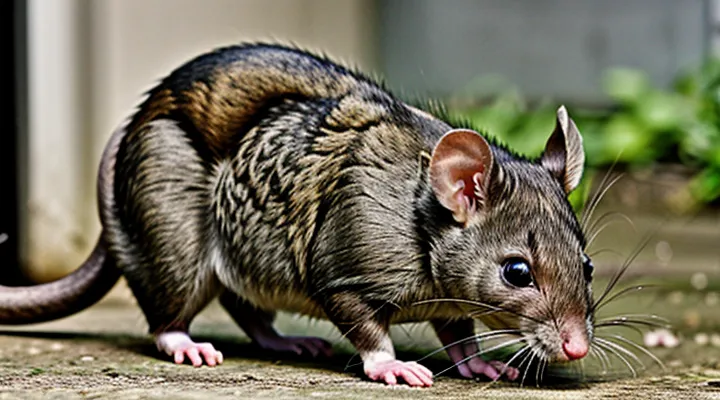
Common Causes of Sneezing
Environmental Irritants
Environmental irritants provoke sneezing in rats by directly stimulating the nasal mucosa. Particulate matter, volatile chemicals, and microbial spores contact the respiratory epithelium, activating sensory nerves and initiating the sneeze reflex.
- Dust and fine particulate debris
- Ammonia vapors from urine or cleaning agents
- Essential oil components (e.g., eucalyptus, peppermint)
- Tobacco smoke and nicotine aerosols
- Mold spores and fungal fragments
- Pesticide residues and insect‑repellent sprays
The irritant binds to receptors on the trigeminal nerve endings within the nasal cavity. Signal transmission to the brainstem triggers a rapid, coordinated muscular contraction that expels air through the nostrils, producing a sneeze. Repeated exposure amplifies the response, leading to frequent sneezing episodes.
Allergens
Allergens are a primary trigger of nasal irritation and sneezing in laboratory and pet rats. Exposure to airborne particles that provoke an immune response leads to rapid contraction of the nasal mucosa and expulsion of air through the nostrils.
Common rat allergens include:
- Dust mite feces and body fragments, prevalent in soft‑bedding environments.
- Mold spores, especially Aspergillus and Penicillium species, which proliferate in humid cages.
- Pollen grains that infiltrate the animal room via ventilation systems.
- Protein‑rich feed components such as soy, wheat, and fish meal, which can sensitize the respiratory tract.
- Bedding materials containing aromatic oils, notably cedar and pine shavings, that act as irritants.
- Chemical residues from disinfectants, aerosols, and laboratory reagents.
Allergen exposure initiates an IgE‑mediated cascade in susceptible rats. Mast cells in the nasal epithelium release histamine, leukotrienes, and prostaglandins, causing vasodilation, increased mucus production, and heightened sensory nerve activity. The resulting reflex is a sneeze, which clears the nasal passages but may also spread pathogens if the animal is infected.
Mitigation strategies focus on reducing airborne allergen load:
- Use low‑dust, hypoallergenic bedding such as paper or aspen.
- Maintain relative humidity below 60 % to suppress mold growth.
- Implement HEPA filtration on cage racks and room ventilation.
- Rotate feed formulations to minimize repetitive protein exposure.
- Apply fragrance‑free, non‑ionic disinfectants and allow thorough drying before cage access.
Monitoring rat behavior for frequent sneezing, nasal discharge, or respiratory distress provides early indication of allergen‑related irritation. Prompt adjustment of environmental conditions can prevent chronic inflammation and preserve animal welfare.
Respiratory Infections
Respiratory infections are a primary source of sneezing in laboratory and pet rats. Pathogens that target the upper airway provoke irritation of the nasal mucosa, triggering the sneeze reflex.
Common infectious agents include:
- Mycoplasma pulmonis – a bacterial organism that colonizes the trachea and nasal passages.
- Streptococcus pneumoniae – a Gram‑positive bacterium associated with purulent nasal discharge.
- Pasteurella pneumotropica – a facultative anaerobe that frequently causes rhinitis.
- Rat coronavirus (RCV) – a viral agent that induces inflammation of the nasal epithelium.
- Bordetella spp. – less frequent but capable of producing severe sneezing episodes.
Affected rats typically present with:
- Repetitive sneezing bouts.
- Nasal discharge ranging from serous to purulent.
- Labored breathing or audible wheezes.
- Reduced appetite and weight loss in severe cases.
Diagnosis relies on clinical observation supplemented by:
- Nasal swab culture for bacterial identification.
- PCR assays for viral detection.
- Radiographic imaging to assess sinus involvement.
Control measures focus on hygiene, quarantine, and targeted therapy:
- Isolation of symptomatic individuals prevents spread.
- Antibiotic regimens, such as doxycycline for Mycoplasma, treat bacterial infections.
- Antiviral support and supportive care address viral etiologies.
- Regular cage cleaning and adequate ventilation reduce pathogen load.
Effective management of respiratory infections eliminates a major trigger of sneezing, improves animal welfare, and maintains experimental reliability.
Stress and Excitement
Stress and excitement trigger sneezing in rats through autonomic and hormonal pathways. Acute stress activates the sympathetic nervous system, causing rapid respiration and increased airflow through the nasal passages. The surge in airflow can dislodge particulate matter or irritate the nasal mucosa, initiating the sneeze reflex.
Excitement, often associated with heightened arousal, produces similar sympathetic activation. Elevated catecholamine levels raise heart rate and breathing frequency, creating conditions that favor nasal irritation. In addition, emotional arousal can stimulate the release of neuropeptides that sensitize trigeminal nerve endings, lowering the threshold for sneeze initiation.
Key physiological mechanisms include:
- Sympathetic surge → increased nasal airflow
- Catecholamine elevation → heightened respiratory rate
- Neuropeptide release → trigeminal sensitization
- Rapid airflow → mechanical irritation of nasal epithelium
These mechanisms operate independently of external allergens, demonstrating that internal emotional states alone can provoke sneezing episodes in laboratory rats.
Identifying the Cause of Sneezing
Observing Accompanying Symptoms
Sneezing in rats rarely occurs in isolation; concurrent signs provide essential clues about the underlying trigger. Careful observation of these signs narrows differential diagnoses and guides appropriate interventions.
- Nasal discharge: clear, serous fluid suggests irritation or allergy; purulent material indicates bacterial infection.
- Ocular discharge: watery exudate often accompanies allergic reactions; thick, colored secretion points to conjunctival involvement in infectious processes.
- Respiratory rate: tachypnea or labored breathing accompanies lower‑airway inflammation; normal rate with sneezing may reflect upper‑airway irritation only.
- Activity level: lethargy or reduced grooming signals systemic illness; hyperactivity can accompany irritant exposure.
- Body temperature: fever supports infectious etiology; normal temperature favors non‑infectious causes.
- Skin condition: erythema or pruritus around the snout hints at dermatitis or allergen contact.
Each symptom aligns with specific categories of causative agents. Irritants such as dust, strong odors, or chemical vapors typically produce clear nasal discharge, mild ocular tearing, and transient respiratory changes without fever. Allergic responses generate watery secretions, pruritic skin lesions, and occasional sneezing bursts. Bacterial or viral infections present with purulent discharge, fever, reduced activity, and possible weight loss.
Systematic recording improves diagnostic accuracy. Document the onset time, frequency of sneezes, duration of each episode, and environmental conditions (e.g., recent cage cleaning, introduction of new bedding). Correlate symptom clusters with any recent changes in diet, housing, or handling. Use a standardized form to capture temperature, respiratory rate, and discharge characteristics at regular intervals.
Integrating these observations with laboratory tests—such as nasal swabs, blood work, or radiography—enables precise identification of the sneeze trigger. Accurate symptom profiling reduces unnecessary treatments and supports targeted therapeutic strategies.
Environmental Assessment
Environmental assessment is essential for identifying the conditions that trigger nasal reflexes in laboratory and pet rats. Systematic evaluation of the habitat reveals specific factors that provoke sneezing and helps mitigate health risks.
Key environmental variables influencing rat sneezing include:
- Airborne particulates – dust, wood shavings, and bedding fibers act as mechanical irritants.
- Ammonia concentration – breakdown of urine and feces produces ammonia; levels above 25 ppm irritate the respiratory mucosa.
- Humidity – relative humidity below 30 % dries nasal passages, while excess moisture (>70 %) encourages mold growth.
- Temperature fluctuations – rapid changes stress the mucociliary system, increasing reflexive expulsions.
- Chemical vapors – cleaning agents, disinfectants, and pesticides release volatile compounds that provoke nasal irritation.
- Biological agents – spores of fungi, bacterial endotoxins, and parasitic larvae present in contaminated bedding can elicit sneezing.
- Ventilation efficiency – inadequate air exchange allows accumulation of irritants; a minimum of 15 air changes per hour is recommended for rodent facilities.
A thorough assessment follows a structured protocol:
- Measure airborne contaminant levels using calibrated sensors.
- Record humidity and temperature at regular intervals.
- Sample bedding and cage surfaces for microbial load.
- Verify ventilation rates against design specifications.
- Document chemical usage and ensure proper storage.
By integrating these measurements, researchers and caretakers can pinpoint the primary irritants responsible for sneezing episodes and implement corrective actions such as improved filtration, bedding substitution, or environmental control adjustments.
Veterinary Consultation
A veterinary consultation for a sneezing rat focuses on identifying the underlying trigger, assessing the animal’s overall health, and implementing an appropriate treatment plan. The veterinarian conducts a physical examination, observes nasal discharge, respiratory rate, and checks for signs of systemic illness. Diagnostic tools may include otoscopic inspection, radiography, or laboratory analysis of secretions to detect infectious agents or irritants.
Common factors that provoke sneezing in rats include:
- Respiratory infections: viral (e.g., Sendai virus), bacterial (e.g., Streptococcus, Mycoplasma) or fungal pathogens.
- Allergic reactions: exposure to dust, bedding material, or strong odors.
- Environmental irritants: poor ventilation, high ammonia levels, or aerosolized chemicals.
- Dental disease: overgrown incisors or malocclusion that impinges on nasal passages.
- Foreign bodies: inhaled particles or debris lodged in the nasal cavity.
The veterinarian formulates a treatment strategy based on the identified cause. For infectious diseases, antibiotics or antiviral agents are prescribed according to sensitivity testing. Allergic or irritant-induced sneezing is managed by improving housing conditions, switching to low‑dust bedding, and, if necessary, administering antihistamines or anti‑inflammatory medication. Dental problems require corrective trimming or extraction under anesthesia. Supportive care—hydration, nutrition, and stress reduction—enhances recovery.
Follow‑up appointments verify therapeutic efficacy and monitor for recurrence. Adjustments to medication dosage, environmental modifications, or preventive vaccinations are made as needed to maintain respiratory health and prevent future episodes.
Preventing and Managing Sneezing
Optimizing Cage Environment
Optimizing the cage environment directly influences the frequency of sneezing episodes in laboratory rats by reducing airborne irritants and stabilizing microclimatic conditions.
Dust accumulation from bedding, feed particles, and shed fur creates particulate matter that irritates the nasal mucosa. Elevated ammonia levels, produced by urine breakdown, damage respiratory epithelium. Inconsistent humidity and temperature compromise mucociliary clearance, while poor ventilation allows contaminants to linger. Each factor contributes to the physiological triggers of sneezing.
Effective environmental control includes:
- Selecting low‑dust, absorbent bedding such as paper or wood pulp; replace weekly to prevent buildup.
- Implementing a structured cleaning schedule: spot clean daily, full cage change every 2–3 days, and sanitize with non‑irritant disinfectants.
- Maintaining ammonia concentration below 25 ppm by using appropriate cage liners, frequent spot cleaning, and monitoring with portable sensors.
- Regulating relative humidity between 40 % and 60 % with humidifiers or dehumidifiers; avoid rapid fluctuations.
- Keeping ambient temperature within the species‑specific thermoneutral zone (20–26 °C) to support stable respiration.
- Ensuring at least 10–15 air changes per hour through filtered ventilation; verify filter integrity regularly.
Continuous observation of respiratory signs, combined with periodic measurement of ammonia, humidity, and temperature, confirms that the environmental parameters remain within safe limits. Prompt correction of deviations prevents the onset of sneezing and promotes overall respiratory health.
Diet and Nutrition
Dietary components can directly trigger nasal irritation in rats. Powdered grain formulations generate fine particles that settle in the nasal passages, stimulating mechanoreceptors and leading to sneezing. Moist feed stored improperly promotes mold growth; inhalation of fungal spores provokes an immune response that manifests as repeated sneezes.
Nutritional imbalances affect mucosal health. Deficiencies in vitamin A or essential fatty acids weaken epithelial integrity, making the nasal lining more susceptible to irritants. Excessive dietary fat increases systemic inflammation, which can exacerbate nasal congestion and reflex sneezing.
Common dietary sources of irritants include:
- Low‑grade seed mixes with high dust content.
- Pelleted chow containing artificial flavorings or preservatives that release volatile compounds.
- Fresh produce with residual pesticide residues that act as chemical irritants.
- Sprouted grains that develop fungal colonies if kept humid.
Management strategies focus on feed quality and storage:
- Choose low‑dust, high‑fiber laboratory chow.
- Store dry feed in sealed containers at cool, dry temperatures to prevent mold.
- Rinse fresh vegetables thoroughly and limit pesticide exposure.
- Monitor body condition; adjust fat content to maintain a healthy weight and reduce inflammatory load.
Regular observation of sneezing frequency, combined with dietary assessment, allows rapid identification of nutrition‑related triggers and supports effective mitigation.
Reducing Stressors
Reducing stressors directly influences the frequency of sneezing episodes in laboratory and pet rats. Stress elevates respiratory irritation by increasing nasal mucus production and sensitizing airway receptors. Minimizing environmental and handling stress therefore lowers the incidence of sneezing.
Key stressors and practical reductions:
- Housing density: Overcrowding raises cortisol levels. Maintain a maximum of two adult rats per standard cage, providing ample floor space.
- Noise exposure: Sudden or loud sounds trigger autonomic responses. Use sound‑attenuating enclosures and limit proximity to equipment such as ventilators.
- Lighting cycles: Irregular light periods disrupt circadian rhythms. Implement a consistent 12‑hour light/12‑hour dark schedule.
- Handling techniques: Rough restraint induces acute stress. Employ gentle scruffing or tunnel transfer, allowing the animal to move voluntarily.
- Social isolation: Lack of companionship elevates anxiety. Pair compatible individuals or provide visual contact with conspecifics.
- Temperature fluctuations: Rapid changes cause physiological stress. Keep ambient temperature within 20‑24 °C and avoid drafts.
Implementing these measures creates a stable environment, reduces neuroendocrine stress responses, and consequently diminishes respiratory irritation that leads to sneezing. Continuous monitoring of behavior and nasal health confirms the effectiveness of stress reduction protocols.
When to Seek Veterinary Care
Sneezing in rats may indicate irritation, infection, allergy, or systemic illness. Distinguishing harmless irritation from serious pathology requires timely veterinary assessment. Seek professional care if any of the following occur:
- Sneezing persists for more than 24 hours or recurs frequently.
- Nasal discharge is thick, colored, or contains blood.
- The animal shows reduced appetite, weight loss, or lethargy.
- Breathing is labored, wheezing, or accompanied by open‑mouth respiration.
- Eyes are watery, crusted, or display abnormal discharge.
- Facial swelling, crusting around the nose, or ulcerated lesions appear.
- Fever, trembling, or signs of pain are evident.
Immediate evaluation is also warranted after exposure to known respiratory toxins, such as dust, strong fragrances, or chemicals, especially if symptoms develop rapidly. Early diagnosis and treatment improve outcomes and reduce the risk of complications such as pneumonia or systemic infection.