
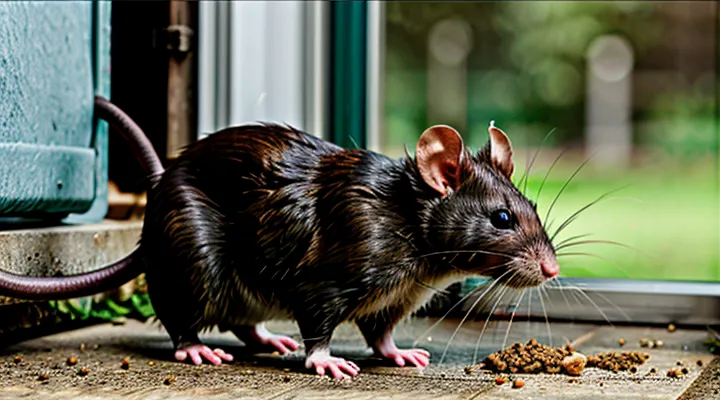
«Introduction to a Varied Rat Diet»
«Why Diversify a Rat's Diet?»
«Nutritional Benefits»
Rats can receive a variety of foods that complement commercial pellets and provide specific nutrients essential for growth, reproduction, and disease resistance.
- Fresh vegetables such as carrots, broccoli, and spinach supply vitamins A, C, and K, as well as dietary fiber that supports gastrointestinal health.
- Fruits like apples, berries, and melons offer natural sugars, antioxidants, and potassium, contributing to energy balance and cellular protection.
- Lean proteins from cooked chicken, boiled eggs, or low‑fat cottage cheese deliver amino acids necessary for muscle development and immune function.
- Whole grains, including oatmeal, quinoa, and brown rice, furnish complex carbohydrates, B‑vitamins, and magnesium, promoting steady blood glucose levels and nerve signaling.
- Nuts and seeds (in limited quantities) provide essential fatty acids, vitamin E, and zinc, which aid skin integrity and hormone regulation.
Incorporating these items in moderate amounts enhances the overall nutrient profile of a rat’s diet, reduces the risk of micronutrient deficiencies, and can improve coat condition, dental health, and reproductive performance. Regular rotation of fresh ingredients prevents monotony and encourages natural foraging behavior, further supporting mental well‑being.
«Enrichment and Mental Stimulation»
Rats thrive when their environment offers challenges that engage their innate curiosity and problem‑solving abilities. Providing items that stimulate exploration, manipulation, and sensory perception complements their nutritional intake and promotes overall well‑being.
- Chewable objects such as untreated wood blocks, natural branches, and sisal ropes satisfy gnawing instincts and maintain dental health.
- Vertical structures, including climbing ladders, cork walls, and hammocks, encourage locomotor activity and spatial awareness.
- Concealed foraging puzzles—plastic tubes, paper roll mazes, or treat‑filled cardboard—require rats to locate and extract food, reinforcing natural hunting behavior.
- Scent enrichment using herbs (e.g., mint, rosemary) or essential‑oil‑free cotton swabs introduces novel olfactory cues that stimulate investigation.
- Nesting materials like shredded paper, tissue, or cotton batting allow construction of complex burrows, supporting comfort and territorial expression.
- Interactive toys with moving parts or detachable sections provide tactile feedback and foster repeated engagement.
Effective implementation follows a rotation schedule: introduce a new item every few days, observe individual preferences, and remove damaged objects promptly. Combine multiple enrichment forms within a single enclosure to create layered challenges, ensuring that each component is safe, non‑toxic, and appropriately sized for the rat’s stature.
Consistent mental stimulation reduces stereotypic behaviors, enhances cognitive function, and aligns captive care with the species’ natural repertoire. Integrating these enrichment strategies alongside regular feeding yields a more balanced and health‑conscious environment for pet rats.
«Preventing Picky Eating Habits»
Rats quickly develop selective eating when presented with a monotonous diet, which can lead to nutritional deficiencies and reduced overall health.
Providing a diverse array of safe, nutrient‑dense foods reduces the risk of picky habits. Introduce new items gradually, mixing them with familiar staples to encourage acceptance without causing stress. Maintain a consistent feeding schedule; irregular intervals increase the likelihood of refusal of unfamiliar options.
- Fresh vegetables (e.g., carrots, broccoli, kale) chopped into bite‑size pieces.
- Fruits with low sugar content (e.g., apple slices, blueberries, pear).
- Protein sources such as cooked chicken breast, boiled egg, or low‑fat cheese.
- Whole‑grain treats like small pieces of oats, barley, or whole‑wheat pasta.
- Safe nuts and seeds in limited quantities (e.g., unsalted sunflower seeds, pumpkin seeds).
Rotate selections weekly, observe preferences, and adjust portions to ensure balanced intake of vitamins, minerals, and protein. Regular monitoring of body weight and coat condition confirms that the diet remains adequate while preventing the development of finicky eating patterns.
«Safe and Recommended Food Options»
«Fruits and Vegetables»
«Daily Staples»
Rats thrive when their diet includes a range of fresh, nutrient‑dense foods in addition to commercial pellets. Regular inclusion of these items supports dental health, digestive function, and overall vitality.
- Vegetables: leafy greens (kale, romaine lettuce), carrots, broccoli, bell peppers, cucumber. Offer 1–2 teaspoons per day, chopped into bite‑size pieces.
- Fruits: apple (seedless), banana, berries, melon. Provide no more than ½ teaspoon daily to avoid excess sugar.
- Whole grains: cooked brown rice, oatmeal, whole‑wheat pasta. Serve 1 teaspoon, cooled to room temperature.
- Protein sources: boiled egg whites, plain cooked chicken, low‑fat cottage cheese, mealworms. Limit to ½ teaspoon per day, ensuring no added seasoning.
- Fiber supplements: small amounts of shredded wheat or plain popcorn (unsalted, unbuttered) to promote gut motility.
- Hydration: fresh water refreshed daily; occasional offering of diluted unsweetened fruit juice (max 5 % concentration) as a supplemental fluid source.
Rotate items to prevent monotony and monitor for adverse reactions. Adjust portions based on the animal’s size, activity level, and health status.
«Occasional Treats»
Occasional treats provide variety and enrichment beyond a rat’s basic diet.
Safe options include:
- Fresh fruit: apple (seed‑free), banana, berries, melon.
- Fresh vegetables: carrot, broccoli, peas, cucumber, leafy greens such as kale or romaine.
- Protein sources: cooked egg (plain, no seasoning), cooked chicken breast, mealworms, crickets.
- Whole grains: oatmeal, quinoa, brown rice, whole‑grain pasta.
- Nuts and seeds: unsalted almonds, pumpkin seeds, sunflower seeds (small quantities).
Treats should not exceed 5 % of total daily caloric intake. High‑sugar items, fatty foods, and those containing artificial additives are unsuitable.
Preparation guidelines: wash produce thoroughly, remove pits and seeds, cut into bite‑size pieces, serve plain, and store leftovers in the refrigerator for no more than 24 hours.
Prohibited foods: chocolate, caffeine, alcohol, avocado, raw beans, onion, garlic, citrus peel, and processed snacks containing salt, sugar, or preservatives.
Monitor each rat after introducing a new treat; signs of diarrhea, loss of appetite, or lethargy indicate intolerance and require immediate removal of the offending item.
«Fruits to Avoid or Limit»
Rats may accept fruit as an occasional treat, but several varieties pose health risks and should be either excluded or offered only in minimal quantities.
- Citrus fruits (orange, lemon, lime, grapefruit): high acidity can irritate the gastrointestinal tract and cause dehydration.
- Grapes and raisins: contain compounds linked to renal failure in rodents; even small amounts may be toxic.
- Stone fruits with pits (peaches, plums, cherries): pits are choking hazards and contain cyanogenic glycosides; flesh should be limited to a few bites, pit removal mandatory.
- Fruit with high sugar content (banana, mango, pineapple): excess sugars can lead to obesity, dental disease, and dysbiosis; serve only as a rare supplement.
- Unripe or overripe fruit: unpredictable toxin levels and bacterial growth increase risk of digestive upset.
When offering fruit, present only a small piece (no more than a teaspoon per rat) and monitor for adverse reactions. Regularly rotate options to prevent nutrient imbalances.
«Vegetables to Avoid or Limit»
Rats may accept a variety of vegetables as supplementary food, yet certain plant foods pose health risks and should be excluded from their diet.
-
Toxic or highly irritating vegetables
-
Vegetables that require strict limitation
- Citrus fruits (e.g., oranges, lemons) – high acidity may cause digestive upset; occasional small pieces are permissible.
- Cruciferous varieties (broccoli, cauliflower, cabbage) – can produce gas and interfere with thyroid function; offer no more than a few bites weekly.
- High‑sugar vegetables (carrots, sweet peas) – excess sugar contributes to obesity; limit to occasional treats.
When introducing any vegetable, wash thoroughly, remove seeds and skins that may be indigestible, and serve in bite‑size pieces. Observe the rat for changes in stool, appetite, or behavior for at least 24 hours; discontinue the food if adverse effects appear. Consistent monitoring ensures that supplemental vegetables enhance nutrition without compromising health.
«Proteins and Grains»
«Lean Protein Sources»
Providing rats with lean protein supplements enhances growth, tissue repair, and metabolic health while keeping fat intake low. Suitable options include:
- Skinless chicken breast, cooked without seasoning
- Turkey breast, boiled or baked
- White fish such as cod or tilapia, steamed
- Egg whites, hard‑boiled or scrambled without oil
- Low‑fat cottage cheese, plain
- Plain Greek yogurt, non‑fat
- Soybeans, boiled and unsalted
- Cooked lentils, rinsed and drained
- Lean rabbit meat, boneless and cooked
Each source should be offered in small, bite‑size portions and introduced gradually to avoid digestive upset. Preparation must exclude salt, spices, sauces, and added fats. Fresh water should be available at all times. Rotating protein types prevents monotony and supplies a broader amino acid profile.
«Whole Grains and Pasta»
Whole grains and pasta provide rats with carbohydrates, fiber, and small amounts of protein and micronutrients that complement a balanced diet.
Suitable grains include oats, brown rice, quinoa, barley, and whole‑wheat flour. These should be offered in dry form, lightly toasted, or cooked without added salt, butter, or seasoning. Cooked grains must be cooled to room temperature before presentation to prevent burns.
Pasta, preferably whole‑wheat or legume‑based, supplies complex carbohydrates and additional fiber. Small pieces (¼‑inch cubes) can be boiled until al dente, rinsed, and cooled. Avoid sauces, cheese, or oil, as they introduce excess fat and sodium.
Feeding guidelines:
- Introduce new items gradually, monitoring for digestive upset.
- Limit whole grains and pasta to no more than 10 % of the total daily intake by weight.
- Provide fresh water at all times to aid digestion of dry grains.
Potential concerns:
- Excessive carbohydrates may lead to obesity or gastrointestinal disturbances.
- Uncooked grains contain antinutrients that can impair mineral absorption; always cook or soak when appropriate.
When incorporated responsibly, whole grains and pasta enrich a rat’s diet with diverse textures and nutrients, supporting overall health while reducing reliance on standard pelleted feed.
«Seeds and Nuts (in Moderation)»
Seeds and nuts can serve as supplemental treats for pet rats when offered sparingly. They provide essential fatty acids, protein, and micronutrients that complement a balanced pellet or grain diet.
Suitable options include:
- Sunflower seeds (unshelled, low‑salt)
- Pumpkin seeds (raw, unseasoned)
- Flaxseeds (ground for easier digestion)
- Almonds (unsalted, small pieces)
- Hazelnuts (raw, chopped)
Guidelines for safe inclusion:
- Limit portions to no more than 5 % of the daily caloric intake.
- Offer only a few seeds or a single nut fragment per day.
- Avoid roasted, salted, or flavored varieties, which contain additives harmful to rodents.
- Monitor for signs of gastrointestinal upset or weight gain; adjust or discontinue if necessary.
- Store seeds and nuts in airtight containers to prevent mold and rancidity.
When integrated correctly, these foods enrich the diet without displacing the nutritional foundation provided by standard feed.
«Dairy and Other Treats»
«Dairy Products for Rats»
Rats can tolerate small amounts of dairy when it is introduced gradually and offered in moderation. Milk, cheese, yogurt, and cottage cheese provide calcium, protein, and fats that complement a grain‑based diet, but they also contain lactose, which many adult rats digest poorly.
- Milk – Offer a few teaspoons of low‑fat cow’s milk or goat’s milk no more than once per week. Observe for signs of digestive upset; if diarrhea occurs, discontinue.
- Cheese – Hard cheeses such as cheddar, Swiss, or Parmesan are low in moisture and easier to portion. Provide a bite‑size piece (approximately 0.5 g) once or twice weekly. Soft cheeses carry higher moisture and may spoil quickly.
- Yogurt – Plain, unsweetened yogurt supplies probiotic cultures that can benefit gut health. Serve a teaspoon of full‑fat or low‑fat yogurt two to three times a month. Avoid flavored varieties that contain added sugars.
- Cottage cheese – Soft and high in protein, cottage cheese can be given in a small spoonful (about 1 g) once weekly. Ensure fresh preparation and discard leftovers after a few hours.
Safety considerations:
- Lactose intolerance – Adult rats often lack sufficient lactase enzymes. Monitor for bloating, gas, or watery stools after dairy exposure.
- Fat content – Excessive fat contributes to obesity and liver strain. Stick to the recommended portion sizes and limit frequency.
- Salt and additives – Choose plain, unseasoned products. Processed cheeses with high sodium or flavorings increase the risk of hypertension and kidney stress.
- Storage – Keep dairy refrigerated at 4 °C (39 °F) or lower. Discard any product that has been left out for more than two hours to prevent bacterial growth.
When dairy is incorporated correctly, it adds variety and supplemental nutrients without compromising health. Regular observation of the rat’s behavior and stool quality will confirm tolerance and guide adjustments to the feeding schedule.
«Baked Goods (Unsweetened)»
Unsweetened baked items can serve as occasional dietary supplements for pet rats when offered in small portions. These foods provide texture variety and modest amounts of protein, fiber, and minerals without the risks associated with added sugars.
Suitable options include:
- Plain whole‑grain bread crusts, cut into ½‑inch cubes.
- Unflavored oat or rice biscuits, broken into bite‑size pieces.
- Simple yeast‑free flatbreads made from wheat or spelt flour, baked until firm.
- Unsweetened corn muffins, crumbled to avoid choking hazards.
- Plain whole‑grain crackers, limited to one or two per week.
When integrating these foods, observe the following guidelines:
- Offer only a few pieces per feeding session; the primary diet remains a balanced commercial rat pellet.
- Ensure the baked product is free of salt, butter, oils, or artificial additives.
- Store items in airtight containers to maintain freshness and prevent mold growth.
- Monitor the rat’s weight and health; discontinue any item that triggers gastrointestinal upset.
Properly selected unsweetened baked goods complement the regular diet, adding sensory enrichment without compromising nutritional balance.
«Herbs and Spices (Safe Options)»
Rats can safely enjoy a variety of culinary herbs and spices when offered in moderation. These plant-derived flavorings provide enrichment, stimulate natural foraging behavior, and can contribute minor nutritional benefits without replacing a balanced pellet diet.
- Basil: fresh leaves, finely chopped, 1–2 mm pieces, 2–3 g per week. Rich in antioxidants and mild anti‑inflammatory compounds.
- Parsley: flat‑leaf variety, chopped, up to 3 g weekly. Supplies vitamin C and calcium; avoid excessive amounts to prevent kidney strain.
- Dill: fronds, shredded, 1–2 g weekly. Offers flavonoids that support digestion.
- Mint (peppermint or spearmint): small leaves, crumbled, 1 g weekly. Provides a refreshing scent that can reduce stress; monitor for over‑stimulation.
- Oregano: dried, crushed, 0.5 g weekly. Contains carvacrol, a natural antimicrobial; use sparingly to avoid irritation.
- Thyme: fresh or dried, 0.5–1 g weekly. Supplies thymol, which may aid respiratory health in low doses.
- Rosemary: fresh needles, finely chopped, 1 g weekly. Delivers rosmarinic acid with antioxidant properties; limit to prevent excessive oil intake.
- Sage: fresh leaves, minced, 1 g weekly. Offers essential oils that can act as mild antiseptics; avoid large quantities due to potential toxicity.
When introducing any herb or spice, present a small amount for a few days to observe tolerance. Signs of adverse reaction include reduced appetite, diarrhea, or lethargy; discontinue the ingredient immediately if symptoms appear. Always wash fresh herbs thoroughly to remove pesticide residues, and prefer organic sources when possible.
Combining a limited selection of these safe options with the regular feed enhances dietary variety while maintaining the nutritional foundation required for healthy growth and reproduction.
«Foods to Strictly Avoid»
«Harmful Human Foods»
«Toxic to Rats»
Rats are highly sensitive to a range of substances that can cause acute or chronic toxicity. When considering alternatives to their regular diet, it is essential to recognize items that must be excluded to prevent poisoning.
Common toxic agents include:
- Chocolate and caffeine – contain theobromine and caffeine, which disrupt cardiac rhythm and can be fatal at low doses.
- Raw onions, garlic, and leeks – introduce organosulfur compounds that damage red blood cells, leading to hemolytic anemia.
- Avocado (especially the pit and skin) – contain persin, a toxin that can cause respiratory distress and cardiac failure.
- Alcohol and fermented beverages – depress the central nervous system, resulting in hypothermia, respiratory depression, and death.
- Xylitol – a sugar substitute that triggers rapid insulin release, causing hypoglycemia and hepatic failure.
- Rodenticide baits (anticoagulants, bromethalin, zinc phosphide) – designed to interfere with blood clotting or mitochondrial function, resulting in internal bleeding or neurotoxicity.
- Heavy metals (lead, mercury, cadmium) – accumulate in tissues, impairing neurological and renal function.
- Household cleaning agents (bleach, ammonia, phenols) – corrosive chemicals that cause mucosal damage and systemic toxicity when ingested.
- Certain plants (e.g., oleander, foxglove, nightshade, castor bean) – contain cardiac glycosides or ricin, leading to arrhythmias or organ failure.
Avoiding these items ensures that supplementary feeding does not compromise rat health.
«High in Sugar or Fat»
Rats can safely receive occasional treats that are rich in sugars or fats, provided the foods are fresh, unseasoned, and offered in limited quantities. High‑sugar options include small pieces of fresh fruit such as apple (core removed), banana, or berries; a few drops of natural fruit puree; and a pinch of unsweetened dried fruit like raisins or apricots. High‑fat choices consist of tiny portions of nuts (unsalted almonds, peanuts, or walnuts), a thin slice of hard‑boiled egg, or a smear of natural nut butter (peanut or almond) spread on a cracker.
When incorporating these items, follow these guidelines:
- Limit total treat calories to no more than 5 % of the rat’s daily energy intake.
- Introduce each new food individually, observing the animal for signs of digestive upset or allergic reaction.
- Avoid processed sweets, chocolate, candy, or products containing artificial sweeteners, as they are toxic to rodents.
- Store fresh treats in a refrigerator and discard any that become moldy or soft.
Regular monitoring of body weight and coat condition will indicate whether the supplemental items are tolerated. Adjust portions or discontinue use if weight gain, diarrhea, or skin issues arise.
«Choking Hazards»
Supplementing a rat’s diet with non‑standard foods introduces the risk of choking. Small, hard, or irregularly shaped items can become lodged in the oral cavity or esophagus, leading to rapid health decline or death.
- Whole nuts (e.g., almonds, peanuts) larger than a pea
- Uncooked seeds with hard shells (sunflower, pumpkin)
- Raw vegetables with fibrous stalks (celery, carrots) cut into long strips
- Large pieces of fruit skin or pits (apple cores, peach pits)
- Chewing toys made of dense plastic or metal
- Small bones from meat or fish
- Dried insects or beetles with exoskeletons
Mitigation measures include: cutting foods into bite‑size cubes no larger than ½ cm, removing pits and shells, selecting soft‑textured treats, supervising feeding sessions, and providing only approved chew objects designed for rodents. Regular observation for signs of distress—gagging, labored breathing, or drooling—should prompt immediate veterinary intervention.
«Processed Foods and Junk Food»
«Empty Calories»
Empty calories refer to foods that supply energy without providing essential nutrients such as protein, vitamins, or minerals. In the context of supplemental rat nutrition, these items can be introduced as occasional treats but do not replace a balanced diet.
Common sources of empty calories for rats include:
- Refined sugars (e.g., glucose syrup, honey)
- Processed grains (white bread, crackers)
- Fat‑rich snacks (vegetable oil, butter, margarine)
- Sweetened beverages (fruit juice, soda)
When rats consume empty‑calorie foods regularly, they exhibit increased body weight, elevated blood glucose levels, and reduced overall nutrient absorption. Excessive intake may accelerate the development of metabolic disorders, dental problems, and shortened lifespan.
Guidelines for offering empty‑calorie items:
- Limit to no more than 5 % of total daily caloric intake.
- Provide only as brief, infrequent rewards.
- Monitor body condition and adjust portions accordingly.
- Prefer nutrient‑dense alternatives for regular enrichment.
Adhering to these parameters ensures that empty‑calorie treats do not compromise the health objectives of a rat’s primary feeding regimen.
«Artificial Ingredients»
Artificial ingredients expand the nutritional options available for laboratory and pet rats beyond conventional pellets. They provide precise control over specific nutrients, allowing researchers and owners to address deficiencies, test metabolic responses, or enhance palatability without altering the base diet.
Common categories include:
- Synthetic vitamins (A, D3, E, K, B‑complex) formulated for rodent absorption rates.
- Crystalline amino acids such as L‑lysine, L‑methionine, and taurine, supplied in powder form for targeted supplementation.
- Mineral chelates (zinc‑methionine, copper‑glycinate) that improve bioavailability compared to inorganic salts.
- Protein isolates derived from soy or whey, processed to eliminate antinutrients.
- Flavor additives (vanilla, fruit extracts) created through controlled synthesis to ensure consistency.
Effective use requires accurate dosing. Measure the ingredient per kilogram of body weight, incorporate it uniformly into the feed, and record intake daily. Adjust concentrations based on observed growth rates, coat condition, and biochemical markers. Maintain a log of any adverse reactions, such as reduced consumption or gastrointestinal upset.
Potential hazards arise from excessive concentrations, contamination, or incompatibility with existing feed components. Over‑supplementation of fat‑soluble vitamins can cause toxicity; certain amino acids may disrupt nitrogen balance if not balanced with complementary nutrients. Verify product purity through certificates of analysis and store ingredients under recommended conditions to prevent degradation.
Best practices recommend sourcing from manufacturers with rodent‑specific certifications, conducting a pilot trial with a small cohort, and consulting veterinary or laboratory nutrition guidelines before implementing widespread changes. Continuous monitoring ensures that artificial additions achieve the intended nutritional objectives without compromising health.
«Preparing and Serving Food Safely»
«Washing and Preparation»
Alternative dietary items for rats require thorough cleaning and proper preparation to prevent contamination and ensure nutritional value. Raw produce, cooked proteins, and fortified treats must be processed according to strict hygiene standards.
First, inspect all items for spoilage, bruises, or mold. Discard any material that shows signs of decay. Rinse each piece under running water, using a clean brush for firm vegetables such as carrots or broccoli to remove soil and pesticide residues. For leafy greens, submerge in a bowl of cold water, agitate gently, then repeat with fresh water to eliminate dust.
After washing, trim excess portions that rats are unlikely to consume, such as stems, seeds, or pits that may pose choking hazards. Cut produce into bite‑size cubes (approximately 0.5 cm) to facilitate handling and reduce waste. For protein sources—boiled eggs, lean meat, or cooked legumes—ensure they are fully cooked, then cool to room temperature before chopping.
Finally, store prepared items in airtight containers, separate from standard feed, and keep refrigerated at 4 °C or lower. Use within 24 hours for perishable foods; otherwise, freeze in single‑serve portions to maintain freshness.
Preparation checklist
- Inspect for spoilage; discard compromised pieces.
- Rinse under running water; scrub firm items, soak leafy greens.
- Remove inedible parts (stems, seeds, pits).
- Cut into ≤0.5 cm cubes or appropriate strips.
- Cook proteins thoroughly; cool before chopping.
- Package in airtight containers; refrigerate or freeze promptly.
Adhering to these steps minimizes pathogen risk and preserves the nutritional integrity of non‑standard rat foods.
«Portion Control»
Portion control is essential when offering rats foods beyond their regular pellets. Precise amounts prevent weight gain, digestive upset, and nutrient imbalance.
Measure each supplement by weight rather than volume. A digital kitchen scale calibrated to grams provides the most reliable data. Limit treats to no more than 10 % of the animal’s total daily caloric intake; for an adult laboratory rat, this equals roughly 2–3 g of mixed vegetables, fruits, or protein sources.
Schedule supplemental feedings at consistent times to maintain metabolic rhythm. Rotate food types weekly to supply a broader spectrum of vitamins and minerals while keeping total calories within the established limit.
- Use a calibrated spoon or scoop to deliver the exact gram amount.
- Record daily intake in a log to track trends and adjust portions.
- Exclude high‑fat or high‑sugar items from the regular allowance; reserve them for occasional enrichment sessions.
- Monitor body condition scores weekly; reduce portions if a rat shows signs of excess fat deposition.
By adhering to these quantitative guidelines, caretakers can enrich rats’ diets safely while preserving health and experimental integrity.
«Frequency of Treats»
Treats should complement, not replace, a balanced diet. Offer them sparingly to prevent obesity and nutritional imbalance. A typical schedule limits treats to 5 %–10 % of total caloric intake, distributed over 2–3 sessions per week.
- Small pieces of fruit (e.g., apple, blueberries) – 1–2 g per session.
- Vegetables (e.g., carrot, cucumber) – 1–2 g per session.
- Protein snacks (e.g., boiled egg, cooked chicken) – 0.5 g per session, no more than twice weekly.
- Commercial rat treats – follow manufacturer’s serving size, usually 1–2 g, limited to once weekly.
Monitor body condition regularly; weight gain or loss indicates the need to adjust frequency. Replace treats with fresh water and bedding changes if a rat shows reduced appetite or signs of digestive upset. Consistency in timing helps rats anticipate rewards without developing dependency.
«Monitoring Your Rat's Health»
«Observing Reactions to New Foods»
Introducing novel dietary items to rats requires systematic observation to determine acceptance and safety. Researchers begin with a control period during which animals consume their usual chow, establishing baseline consumption and behavior. After a short acclimation phase, a test food is presented in a separate container, ensuring that the only variable is the new item.
Observation focuses on measurable responses:
- Amount consumed: recorded in grams within a fixed interval (e.g., 30 minutes).
- Latency to approach: time from food placement to first bite.
- Behavioral indicators: grooming, whisker movement, exploratory sniffing, signs of aversion such as rapid retreat.
- Physiological signs: stool consistency, respiratory rate, and any immediate signs of distress.
Data are compared against the control period. Increased intake and reduced latency suggest palatability; lack of adverse behaviors and stable physiological parameters indicate tolerance. Repeated trials with varied quantities confirm consistency. Results guide the selection of supplemental items—such as fresh vegetables, fruits, protein gels, or nutritionally fortified treats—for inclusion alongside standard feed.
«Signs of Dietary Issues»
Rats receiving inappropriate or imbalanced nutrition often display distinct physical and behavioral changes. Recognizing these signs enables timely dietary adjustments and prevents long‑term health complications.
Common indicators of nutritional problems include:
- Weight loss or failure to gain weight despite adequate food intake.
- Dull, flaky, or hairless patches on the coat, especially around the tail and hindquarters.
- Skin lesions, scabs, or excessive scratching.
- Lethargy, reduced activity, and reluctance to explore the enclosure.
- Abnormal stool: loose, watery, or unusually hard feces, sometimes with blood.
- Dental overgrowth or misalignment, leading to difficulty chewing and visible malocclusion.
- Increased respiratory noises or wheezing, often linked to nutrient‑related immune suppression.
- Aggressive or unusually timid behavior, which may reflect discomfort or pain.
If several of these symptoms appear simultaneously, the diet likely lacks essential nutrients, contains excess fat or protein, or includes toxic ingredients. Immediate evaluation of the rat’s food sources, supplementation, and veterinary consultation are recommended to restore optimal health.