
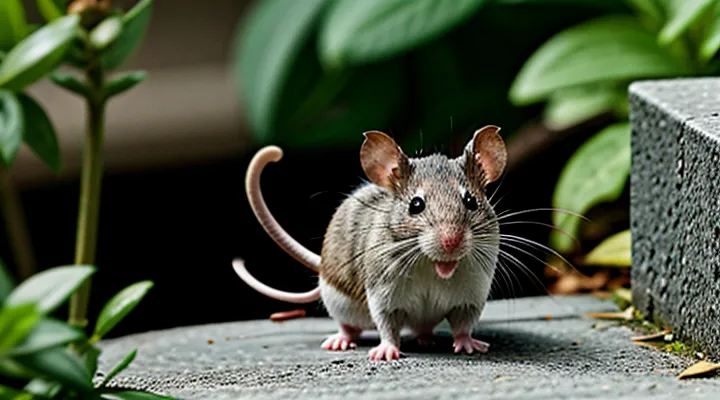
What Attracts Mice
Food Sources
Accessible Food Storage
Accessible food storage provides mice with a reliable source of nutrients, making it one of the most effective lures. Open containers, cracked pantry doors, and uncovered trash bins allow scent molecules to reach rodent sensory organs, prompting investigation and entry.
Factors that increase vulnerability include:
- Loose-fitting lids or plastic wraps that can be torn
- Gaps around shelves, drawers, or cabinets larger than ¼ inch
- Moisture accumulation that softens packaging
- Food items with strong aromas, such as grains, nuts, and pet feed
Mitigation requires eliminating entry routes and sealing contents. Recommended actions:
- Use metal or heavy‑glass jars with screw‑top lids for dry goods.
- Install tight‑closing pantry doors and reinforce hinges.
- Place trash cans on raised platforms and fit them with snap‑tight lids.
- Clean spills immediately and store pet food in sealed containers.
- Inspect storage areas weekly for cracks or worn seals and repair them promptly.
When food is inaccessible, mice lose a primary incentive to explore a space. Reducing scent release and physical access transforms the environment from an attractive foraging zone to a neutral or hostile area, decreasing the likelihood of infestation.
Leftover Food Scraps
Leftover food scraps provide a strong olfactory cue that draws rodents into homes and storage areas. The scent of decomposing protein, carbohydrates, and fats signals an abundant energy source, prompting mice to explore and establish foraging routes. Moisture in the debris enhances volatilization of aromatic compounds, increasing detection distance.
Key characteristics that make food remnants attractive:
- High protein content (e.g., meat, dairy) releases amino‑acid odors.
- Simple sugars and starches (bread, fruit) generate rapid fermentation smells.
- Fat residues produce long‑lasting volatile fatty acids.
- Warm, damp conditions accelerate microbial activity, intensifying odor.
Mice exhibit avoidance behaviors when food scraps are associated with threats. Exposure to predator scents, sudden vibrations, or chemical repellents linked to the waste reduces their willingness to approach. Additionally, the presence of traps or barrier devices near the debris creates a learned fear response, causing rodents to bypass the area.
Effective management strategies:
- Remove all edible waste promptly; seal containers with airtight lids.
- Clean surfaces to eliminate residue that could sustain odor.
- Store compost or garbage in insulated, lockable bins away from entry points.
- Apply non‑toxic repellents (e.g., peppermint oil) around disposal sites.
- Install physical barriers such as metal screens to block entry to waste zones.
By eliminating the sensory triggers and pairing waste zones with deterrent cues, the likelihood of rodent incursions decreases markedly.
Pet Food
Pet food presents a potent attractant for rodents because it supplies readily available calories, moisture, and aromatic compounds. The high protein and fat content creates a strong olfactory signal that mice can detect from considerable distances. Residual crumbs, spilled kibble, and open containers increase exposure, allowing scent molecules to diffuse through walls and flooring.
Factors that increase the likelihood of mouse intrusion:
- Open or loosely sealed bags and cans
- Food left on the floor or countertops
- Moist environments near feeding stations
- Frequent replenishment without cleaning residual debris
Mice exhibit avoidance behaviors when confronted with stimuli associated with danger. Strong odors such as citrus, peppermint oil, or ammonia can trigger a fear response, prompting rodents to retreat from the area. Additionally, the presence of predators—cats, owls, or even mechanical traps—produces auditory and visual cues that deter foraging near pet food supplies.
Measures that exploit mouse aversion:
- Store pet food in airtight, metal containers
- Apply natural repellents (e.g., citrus peels, peppermint oil) around storage areas
- Keep feeding zones clean, removing all crumbs after each meal
- Install predator-shaped decoys or ultrasonic devices to create a hostile environment
By limiting scent dispersal and introducing fear-inducing cues, owners can reduce the probability that pet food will serve as a magnet for mice while maintaining a safe feeding routine for their animals.
Grains and Seeds
Grains and seeds constitute a primary energy source for mice, offering high carbohydrate content and readily accessible nutrients. The strong aroma released during storage or handling signals a reliable food supply, prompting rodents to investigate and consume the material. Moisture levels that exceed 12 % enhance palatability, while broken kernels expose interior starch, further increasing appeal.
- Wheat, corn, rye, and barley kernels attract mice within seconds of exposure.
- Sunflower and millet seeds, due to their thin hulls, are quickly consumed.
- Processed products such as flour, oatmeal, and cereal pellets provide easy‑to‑digest material, accelerating intake.
Mice exhibit avoidance behaviors when grain stores present threats. Chemical deterrents, including powdered repellents or rodenticides mixed with feed, create an aversive taste that interrupts feeding patterns. Visual cues of predator activity—such as the presence of barn owls or feral cats near storage areas—trigger heightened vigilance and retreat. Contamination with mold or mycotoxins produces physiological discomfort, leading rodents to abandon affected batches.
Effective management therefore relies on limiting scent diffusion, maintaining low humidity, sealing containers, and applying non‑toxic repellents that exploit mice’s innate wariness of unfamiliar substances.
Fruits and Vegetables
Mice constantly search for energy‑rich food, and fruits and vegetables provide both sugar and moisture. Items with high soluble carbohydrate content, strong aromatic profiles, and soft tissue are most likely to be selected by rodents.
- Apples, especially when bruised or overripe
- Grapes and berries, due to high fructose levels
- Bananas, because of soft pulp and sweet scent
- Tomatoes, when ripe, emit volatile compounds that attract rodents
- Sweet corn kernels, exposed or discarded, offer readily digestible starch
Conversely, certain produce discourages mouse activity. Compounds that produce sharp odors, bitterness, or low palatability trigger avoidance behavior.
- Citrus fruits (lemons, oranges, grapefruits), whose essential oils are repellent
- Strong‑smelling herbs such as mint, rosemary, and thyme, which contain menthol and thymol
- Eggplant and bitter melon, containing alkaloids and cucurbitacins that are unpalatable
- Raw onions and garlic, whose sulfur compounds irritate olfactory receptors
- Unripe or very dry vegetables, offering minimal moisture and sugars
Understanding these preferences allows targeted sanitation and strategic placement of deterrents. Removing attractant waste and incorporating repellent produce into storage areas reduces the likelihood of mouse incursions.
Sweet and Fatty Foods
Sweet and fatty foods are among the most potent lures for house mice. Their olfactory receptors are highly tuned to volatile compounds released by sugars and lipids, allowing mice to locate caloric resources from a distance. The combination of simple carbohydrates and animal fats satisfies immediate energy needs and supports storage of body fat, which is critical for survival during periods of scarcity.
Key characteristics that make these foods attractive:
- High sugar concentration creates a strong scent plume detectable at low levels.
- Fatty acids produce long‑lasting odor trails that persist after the food is removed.
- Texture that is easy to gnaw reduces handling time, encouraging rapid consumption.
- Nutrient density provides both quick glucose and sustained energy from lipids.
Mice also exhibit learned preferences. Repeated exposure to sweet or fatty items reinforces neural pathways associated with reward, increasing the likelihood of revisiting the same source. This conditioning can occur within a single foraging session, as the brain registers the caloric payoff.
Conversely, rodents display aversion to environments where these foods are associated with negative stimuli. If a sweet or fatty bait is coupled with a strong deterrent—such as a predator scent, loud noise, or a mechanical trap—mice quickly develop avoidance behavior. The presence of such cues can override the innate attraction, causing the animal to seek alternative, less risky nourishment.
Understanding the dual influence of palatable nutrients and perceived threats enables effective pest management. By isolating the odor profile of sweet and fatty substances and pairing it with appropriate repellents, control measures can exploit the mouse’s natural preferences while minimizing the risk of habituation.
Shelter and Nesting
Warm and Dark Spaces
Mice seek environments that provide consistent warmth and limited illumination. Heat reduces metabolic demand, allowing rodents to conserve energy while foraging. Darkness offers concealment from predators and minimizes exposure to abrupt visual cues that trigger flight responses.
Key attributes of warm, dim locations that attract mice:
- Stable temperatures between 20 °C and 30 °C, often found near appliances, heating vents, or insulated crawl spaces.
- Low light levels that hinder visual detection by birds, cats, and humans.
- Soft, cluttered substrates that facilitate nesting and movement without generating vibrations.
Conversely, mice exhibit aversion to conditions that compromise the safety of warm, dark refuges:
- Sudden bright illumination, which disrupts circadian rhythm and signals exposure.
- Rapid temperature fluctuations that increase thermoregulatory stress.
- Strong airflow or drafts that can reveal scent trails to predators.
Understanding these preferences enables effective management strategies, such as sealing entry points, reducing localized heat sources, and maintaining regular illumination in vulnerable areas.
Clutter and Debris
Clutter creates a network of concealed pathways that mice can navigate without exposure. Stacked cardboard boxes, piles of newspapers, and loose fabric provide immediate shelter, reducing the need for the animal to seek natural burrows. The irregular surfaces hold crumbs, spilled grain, and other food residues, turning the mess into a readily accessible buffet.
Debris also influences mouse behavior by generating sensory cues that trigger avoidance. Sudden movement of loose items, such as shifting piles of rubbish, produces vibrations detectable by the rodent’s whiskers, signaling potential danger. Sharp edges or abrasive materials can cause injury, prompting mice to steer clear of heavily littered zones.
Key effects of disorder on rodent activity:
- Provides hidden nesting sites and protection from predators.
- Accumulates food particles and water sources.
- Emits vibrations and tactile disturbances that signal threat.
- Introduces hazardous objects that discourage prolonged occupation.
Wall Voids and Attics
Mice exploit wall cavities and attic spaces because these areas provide shelter, stable temperature, and easy access to food sources. The structures are often interconnected with the interior of a building, allowing rodents to move unseen between rooms and exterior walls.
Typical attractants in these zones include:
- Stored grains, pet food, or spilled crumbs that drift into gaps.
- Insulation material that offers soft nesting sites.
- Warmth generated by HVAC ducts, solar gain through roof vents, or residual heat from appliances.
- Moisture from leaks, condensation, or poorly ventilated attic spaces.
Mice exhibit aversion to several stimuli within wall voids and attics:
- Predatory odors such as those from cats, foxes, or commercially available rodent repellents.
- Sudden vibrations or noises caused by construction work, heavy foot traffic, or mechanical equipment.
- Bright, fluctuating light that penetrates through attic windows or skylights.
- Chemical deterrents, including ammonia, peppermint oil, or rodenticides placed in concealed locations.
- Physical barriers like steel mesh, sealed openings, or tight-fitting foam insulation that restrict movement.
Effective control measures focus on eliminating attractants and reinforcing barriers: seal entry points with steel wool and caulk, repair leaks, store food in airtight containers, and maintain consistent attic ventilation. Deploying predator scent products or ultrasonic devices can increase perceived risk, prompting rodents to avoid the area altogether.
Basements and Crawl Spaces
Basements and crawl spaces provide an environment that naturally appeals to rodents because they are cool, dark, and rarely disturbed. The combination of stable temperature, limited human traffic, and easy access points creates a refuge that supports nesting and foraging.
Attractive features include:
- Cracks in foundation walls or gaps around utility penetrations that allow entry.
- Accumulated debris, insulation, or stored cardboard that offers nesting material.
- Moisture from leaks, condensation, or poor ventilation that supplies water sources.
- Food residues such as spilled grain, pet food, or garbage left in storage areas.
Rodents also perceive threats in these subterranean zones. Elements that discourage their presence are:
- Strong, metallic or ultrasonic deterrents that generate uncomfortable vibrations.
- Regular inspections that seal entry points and remove clutter.
- Traps or bait stations placed in concealed corners, creating a hostile foraging zone.
- Chemical repellents applied to structural joints, producing an aversive odor.
Effective management of basements and crawl spaces hinges on eliminating entry routes, reducing moisture, and removing potential nesting materials while deploying proven deterrent methods. This dual approach limits attraction and increases the likelihood that rodents will avoid these areas altogether.
Garden Sheds and Outbuildings
Garden sheds and outbuildings present a combination of shelter, food sources, and access points that readily draw rodents. Unsealed doors, gaps around windows, and cracked foundations allow entry; stacked firewood, stored grain, and pet feed provide nourishment; and cluttered interiors create hiding places that protect mice from predators and weather.
Factors that increase the likelihood of infestation include:
- Accumulated organic debris such as fallen leaves or compost piles near the structure.
- Improperly stored food items, especially grains, seeds, and dried fruits.
- Moisture problems, including leaking roofs or damp basements, which attract insects that serve as secondary food for mice.
- Lack of regular cleaning, permitting buildup of nesting material like shredded paper or fabric.
Mice exhibit aversion to conditions that threaten survival or expose them to predators. Effective deterrents are:
- Tight sealing of all openings larger than a quarter inch; steel wool or mesh can block small gaps.
- Installation of predator-friendly lighting, such as motion‑activated LEDs, which disrupt nocturnal activity.
- Use of strong, non‑toxic repellents (e.g., peppermint oil, crushed peppermint leaves) applied to entry points.
- Removal of standing water and prompt repair of leaks to eliminate humid microhabitats.
Maintaining a tidy, sealed, and dry outbuilding reduces attractants while amplifying elements that mice avoid, thereby minimizing the risk of infestation.
Water Sources
Leaky Pipes and Faucets
Leaking pipes and dripping faucets provide a reliable water source that draws mice into residential and commercial structures. The constant moisture softens building materials, creating pathways that mice can exploit to enter walls, ceilings, and crawl spaces. Water accumulation near fixtures also supports insects and fungi, which serve as additional food items for rodents, reinforcing the attraction.
Mice avoid environments where water flow is turbulent or where surfaces become slick and unsafe for movement. Rapidly moving streams from a burst pipe or a high‑pressure faucet can deter rodents because they cannot maintain footing. Additionally, dry areas lacking any moisture source are less appealing, prompting mice to seek alternative locations.
Key indicators of a rodent‑friendly leak:
- Persistent drip or hiss from a pipe or faucet
- Moist stains or discoloration on walls, ceilings, or floors
- Visible droplet trails leading to concealed spaces
- Unusual odors from mold or bacterial growth associated with standing water
Addressing leaks promptly eliminates the primary incentive for mice, reduces shelter options, and lowers the risk of infestation. Regular inspection of plumbing fixtures and immediate repair of any detected seepage are essential preventive measures.
Pet Water Bowls
Pet water bowls often become a focal point for rodent activity because they provide a reliable source of moisture, a critical need for mice in dry indoor environments. Open containers expose water to the air, allowing scent molecules to travel and signal availability. Spills or condensation create damp surfaces that mice can explore without entering the bowl itself, reducing the perceived risk of exposure to predators.
Factors that increase the likelihood of mouse visitation include:
- Uncovered openings that allow scent diffusion.
- Placement near walls, cabinets, or other concealed routes.
- Frequent overflows that leave puddles on the floor.
- Materials that retain heat, making the water more appealing.
Conversely, design elements that discourage rodents focus on eliminating access and reducing detectable cues:
- Tight‑fitting lids or silicone seals that block entry.
- Smooth, non‑porous surfaces such as stainless steel or glass.
- Positioning on elevated stands away from structural gaps.
- Daily removal of standing water and thorough cleaning of the bowl’s exterior.
Implementing these measures transforms a pet water bowl from a potential lure into a barrier that aligns with mice’s aversion to open water sources and exposed pathways.
Condensation
Condensation creates localized moisture that directly influences rodent behavior. Moist areas supply drinking water, support the growth of insects and mold, and soften stored food, all of which increase the likelihood of mouse activity. At the same time, the presence of damp surfaces can lower ambient temperature, making some spots less attractive for nesting.
- Water droplets on walls or ceilings provide an immediate source of hydration.
- Elevated humidity encourages fungal growth, which supplies additional food.
- Damp insulation or cardboard becomes softer, facilitating burrowing and nest construction.
- Cold, wet surfaces may deter mice from establishing long‑term nests, prompting them to seek drier zones.
Understanding how condensation alters the microenvironment helps predict where mice are most likely to appear and where they may avoid setting up a home. Managing moisture through ventilation, dehumidification, and prompt repair of leaks reduces both the attractants and the potential refuges that condensation creates.
Standing Water
Standing water serves as a magnet for mice because it satisfies a basic physiological need. A readily accessible pool of water reduces the energy mice expend searching for moisture, especially in dry environments. It also creates a humid microhabitat that supports the growth of insects, seeds, and mold, providing supplementary food sources that mice readily exploit.
Mice exhibit aversion to standing water under certain conditions. Open pools increase the likelihood of accidental drowning, particularly for juvenile rodents. Stagnant water often harbors pathogens such as leptospires and parasites, posing health risks that mice instinctively avoid. Moreover, surface ripples and reflections can alert predatory birds and mammals, prompting mice to steer clear of exposed water sources.
Key considerations for managing standing water in mouse‑prone areas:
- Eliminate leaks, puddles, and pet water dishes left uncovered.
- Ensure drainage systems direct moisture away from walls and foundations.
- Replace standing water with sealed containers or automatic dispensers that limit exposure.
- Regularly clean areas prone to condensation to reduce humidity and prevent mold growth.
Entry Points
Gaps in Foundations
Mice exploit any discontinuity in a building’s base structure. Small cracks, gaps around utility penetrations, and open joist spaces provide direct routes to interior habitats. These openings allow rodents to move between the outdoors and concealed nesting areas without exposure to predators or environmental extremes.
- Cracks wider than ¼ inch grant easy passage.
- Unsealed pipe sleeves connect ground level to interior walls.
- Gaps beneath floorboards create concealed travel corridors.
- Deteriorated concrete joints expose soil and moisture, both attractive to rodents.
Conversely, mice avoid foundation features that increase the risk of detection or loss of cover. Open voids that lack surrounding material, gaps that transmit light, and cracks that produce audible vibrations are deterrents.
- Openings exposing bright daylight reduce perceived safety.
- Gaps that transmit footfall or machinery vibrations alert rodents to activity.
- Gaps adjacent to predator pathways (e.g., cat access points) are avoided.
- Gaps lacking insulation or humidity create unsuitable microclimates.
Effective rodent management therefore requires sealing all structural discontinuities. Use steel wool, caulking, or concrete repair to eliminate passageways. Reinforce utility penetrations with metal collars. Regular inspection of foundation integrity prevents new gaps from forming and removes existing attractors, while maintaining conditions that discourage rodent presence.
Unsealed Vents
Unsealed vents provide direct access to building interiors, allowing mice to travel from exterior spaces to food storage areas, nesting sites, and water sources. Gaps as small as a quarter‑inch enable entry, and the temperature gradient inside ducts often draws rodents seeking warmth in colder months. The smooth interior of metal or plastic ducts offers a protected pathway free from predators, increasing the likelihood that mice will exploit these openings.
Mice tend to avoid conditions that signal danger or discomfort. They retreat from vents that emit strong odors such as ammonia, peppermint oil, or commercial rodent repellents. Rapid airflow or loud mechanical noise from ventilation fans also discourages activity, as the resulting turbulence can impede movement and increase exposure to predators. To reduce infestation risk, seal openings with steel wool, caulk, or mesh, and maintain low‑odor, low‑noise environments within vent systems.
Damaged Screens
Damaged screens create openings that match the size of a mouse’s body, allowing easy passage into homes or storage areas. The gaps serve as concealed routes to food sources, nesting material, and warm spaces, making the screens an effective entry point for rodents.
Mice are drawn to these flaws because they:
- Provide unobstructed access to interior environments.
- Hide movement from visual predators.
- Offer immediate shelter without the need to gnaw through intact barriers.
Conversely, a compromised screen can also generate risk for the animal. Visible tears expose mice to external threats, such as cats, birds of prey, or human activity. When a screen is partially broken but still functional, mice may:
- Avoid the area if the damage creates a direct line of sight for predators.
- Refrain from using a hole that leads to a brightly lit or noisy interior.
- Seek alternative entry points that maintain concealment.
Effective management of damaged screens reduces both attraction and exposure. Repairing or replacing screens eliminates the physical passageway, while sealing remaining gaps with steel wool or caulk removes potential hiding spots. Maintaining intact barriers therefore limits rodent ingress and diminishes the likelihood that mice will encounter predation risks associated with compromised screens.
Open Doors and Windows
Open doors and windows provide direct pathways for rodents to move from exterior environments into indoor spaces. Small gaps around frames, loose screens, or hinges allow entry without the need for gnawing through solid material. The presence of fresh air carries food odors and pheromones that signal a viable habitat, increasing the likelihood that a mouse will approach an opening.
Mice also perceive open openings as zones of heightened risk. Exposure to light, sudden airflow, and the possibility of predators such as birds or cats makes these areas unattractive for prolonged activity. The following points summarize the dual impact of unrestricted openings:
-
Attraction factors
-
Fear factors
- Increased visibility to predators.
- Rapid temperature fluctuations and drafts.
- Lack of cover, making escape more difficult.
Securing doors and windows with weather stripping, tight-fitting screens, and self‑closing mechanisms eliminates the primary entry route and simultaneously removes the environmental cues that draw rodents indoors.
Utility Line Openings
Utility line openings provide rodents with direct access to interior spaces, making them a frequent conduit for mouse intrusion. The openings combine size, location, and environmental conditions that meet the basic needs of small mammals.
- Gaps exceeding 1 cm allow entry without obstruction.
- Proximity to water pipes supplies a reliable moisture source.
- Heat generated by electrical currents creates a warm micro‑climate.
- Insulation material offers nesting sites and concealment.
- Accumulated debris supplies incidental food particles.
Mice avoid these pathways when they encounter barriers or sensory cues that signal danger. Effective deterrents exploit physical, chemical, or acoustic signals that trigger innate avoidance behavior.
- Metal or steel plates fitted tightly over openings eliminate passage.
- Rigid conduit sleeves with no gaps prevent entry.
- Rodent‑resistant conduit materials (e.g., rigid PVC) lack chewable surfaces.
- Predator scent products (fox, coyote) create an olfactory threat.
- Ultrasonic emitters produce frequencies beyond human hearing that rodents find uncomfortable.
Implementing sealed, non‑chewable coverings and integrating deterrent agents reduces the likelihood of mouse ingress through utility line openings.
What Mice Fear
Predators
Cats
Cats influence rodent behavior through both attraction and deterrence. Mice encounter environments where cats are present because of food residues, warm resting spots, and shelter that often accompany human households keeping felines. These factors increase the likelihood that mice will explore areas associated with cats.
- Food scraps left after feeding a cat
- Heat generated by cat bedding or nearby heaters
- Structural gaps created for cat access that also serve as mouse entry points
- Scents from cat grooming products that do not repel rodents
Mice exhibit innate avoidance of several feline cues. Predator odor, urine markings, and fecal deposits trigger a stress response that reduces foraging activity. Rapid movements, hissing, and tail‑flicking sounds further reinforce the perception of danger.
- Urine and feces containing cat pheromones
- Freshly deposited scent from a cat’s fur
- Audible vocalizations such as hisses or growls
- Sudden, agile motion characteristic of hunting behavior
Understanding these dynamics allows effective rodent management. Introducing cat‑related deterrents—such as synthetic urine or fur extracts—can suppress mouse activity, while careful placement of food sources prevents inadvertent attraction. Balancing attractant removal with targeted fear stimuli maximizes control outcomes without relying on live predators.
Dogs
Dogs influence rodent behavior through two primary mechanisms. Their presence generates strong olfactory and auditory cues that rodents associate with danger, leading to avoidance of areas where dogs are active. The scent of canine urine and fur, as well as sudden noises such as barking, trigger innate fear responses in mice, reducing their foraging activity and nesting near dog‑occupied zones.
Conversely, dogs can unintentionally become attractants when owners provide food waste, leave pet treats accessible, or fail to secure garbage. Mice exploit these resources, especially in households where dog food is left unattended. Managing canine environments therefore requires:
- Regular removal of food remnants and secure storage of dog feed.
- Prompt cleaning of areas where dogs shed hair or urine.
- Limiting unsupervised outdoor access during peak rodent activity periods.
By controlling both the threatening signals dogs emit and the inadvertent food sources they may create, the likelihood of mouse incursions can be significantly reduced.
Birds of Prey
Birds of prey represent a primary source of danger for mice, influencing both their habitat selection and foraging behavior. Their keen vision, silent flight, and rapid attack speed create an environment where rodents must constantly evaluate risk. When a raptor is detected, mice typically retreat to concealed burrows, reduce movement, and limit activity to periods of low predator visibility.
Key attributes of birds of prey that affect rodent behavior include:
- Visual acuity – detects small mammals from great distances, prompting early avoidance.
- Aerial surveillance – covers large foraging areas, limiting safe ground space.
- Rapid descent – forces immediate flight response, reducing time spent on exposed surfaces.
- Territorial calls – signal predator presence to surrounding rodents, reinforcing fear.
Conversely, elements that attract mice, such as abundant seed stores, grain spillage, and shelter, become less effective when raptor activity is high. Mice adjust by:
- Selecting storage sites under dense vegetation or underground.
- Shifting feeding times to twilight or night when avian hunters are less active.
- Utilizing complex tunnel networks to obscure movement.
The presence of birds of prey thus serves as a decisive factor in mouse population dynamics, shaping where food is gathered and how risk is managed.
Snakes
Snakes serve as a primary threat to mice, influencing rodent behavior and habitat selection. Their presence triggers avoidance responses that reduce foraging activity and limit nesting sites.
Mice detect snakes through several sensory channels:
- Heat detection: Pit organs in many snakes sense the infrared radiation emitted by a mouse’s body, while mice perceive the temperature gradient created by a predator’s proximity.
- Chemical cues: Urine, feces, and shed skin contain pheromones that mice recognize as predator signatures.
- Vibrational cues: Ground vibrations generated by a snake’s movement alert mice to nearby danger.
These cues prompt immediate flight or concealment, often causing mice to abandon otherwise suitable shelters. Consequently, areas with documented snake activity exhibit lower mouse densities compared to snake‑free zones.
Conversely, snakes are drawn to environments where mouse populations thrive. Abundant prey supplies increase the likelihood of successful hunting, encouraging snakes to occupy the same microhabitats. The reciprocal relationship—mouse aversion and snake attraction—creates a dynamic equilibrium that shapes the spatial distribution of both species.
Foxes
Foxes are a primary predator for mice, and their presence shapes mouse activity patterns. The scent of fox urine, feces, and fur triggers a robust avoidance response in rodents, reducing foraging and nesting near fox territories. Visual detection of a fox silhouette or movement also initiates immediate escape behavior, reinforcing the fear response.
Mice may be indirectly drawn to areas occupied by foxes for three reasons:
- Food remnants left after a fox feeds, such as insects, carrion, or discarded plant material, provide a temporary nutrient source.
- Fox burrows offer stable microclimates; abandoned tunnels can serve as shelter for mice seeking protection from weather or other predators.
- Disturbance of vegetation by fox movement creates fresh ground cover, exposing seeds and arthropods that attract foraging mice.
Overall, foxes function simultaneously as a deterrent through predator cues and as a focal point for opportunistic resources, influencing where mice choose to feed, hide, and reproduce.
Natural Deterrents
Strong Scents
Strong scents influence rodent behavior by interacting with their highly developed olfactory system. Mice locate food, nesting material, and potential threats primarily through smell; therefore, volatile compounds can serve as powerful attractants or deterrents.
Attractive odors typically originate from natural or processed foods that emit rich, fatty, or sugary vapors. Common examples include:
- Peanut butter, cheese, and other high‑protein spreads
- Fresh fruit, especially berries and citrus peel
- Grain‑based products such as cereal, bread crusts, and pet kibble
- Meat drippings and cooked oils
These substances release aromatic molecules that travel quickly through air and porous surfaces, guiding mice toward the source.
Conversely, certain strong odors trigger avoidance responses because they signal toxicity or predation risk. Effective repellents are:
- Peppermint oil and other menthol‑based extracts
- Ammonia or concentrated vinegar fumes
- Rubbing alcohol (isopropyl) vapors
- Capsaicin‑rich chili extracts
- Commercial rodent‑deterrent sprays containing phenols or pyrethrins
The repellent effect relies on the intensity of the scent and its perceived unpleasantness. Continuous exposure can condition mice to steer clear of treated areas, reducing the likelihood of infestation.
Implementing these insights requires strategic placement of attractants in traps and consistent application of repellents around entry points, storage zones, and potential nesting sites. Proper management of strong odors therefore shapes both the draw and the deterrence mechanisms that govern mouse activity.
Peppermint Oil
Peppermint oil is widely recognized as a deterrent for rodents. The strong menthol scent overwhelms the olfactory receptors that mice rely on for navigation and foraging, causing avoidance behavior. Studies indicate that concentrations of 0.5–1 mL of pure oil per 100 mL of water create a volatile barrier effective for several days, after which reapplication is required to maintain potency.
Key characteristics that make peppermint oil repellent include:
- High volatility, dispersing rapidly through air and porous surfaces.
- Irritant properties that stimulate nasal and oral mucosa, leading to discomfort.
- Lack of nutritional value, offering no attraction for feeding.
Practical application guidelines:
- Mix the oil with water or a carrier (e.g., cotton balls) and place the solution in areas where mouse activity is observed—near entry points, along walls, and in concealed corners.
- Reapply every 3–5 days or after cleaning, as the scent diminishes with exposure to air and humidity.
- Avoid direct contact with food storage or surfaces where humans handle food, to prevent inadvertent ingestion of the oil.
When used correctly, peppermint oil reduces mouse presence without introducing toxic chemicals, making it a preferred option for integrated pest‑management strategies.
Ammonia
Ammonia emits a sharp, pungent vapor that rodents detect through their highly sensitive olfactory system. The odor triggers an aversive response, causing mice to avoid areas where ammonia concentration exceeds their tolerance threshold.
Typical concentrations that discourage mouse activity range from 5 % to 10 % ammonia solution applied to surfaces or dispersed in enclosed spaces. Below this level, the scent may be insufficient to produce avoidance; above it, the risk of respiratory irritation to humans and pets increases markedly.
Practical application guidelines:
- Dilute household ammonia (approx. 5 % NH₃) with water to achieve a 2 %–3 % working solution.
- Soak cotton balls or cloth strips, place them in corners, under appliances, and near entry points.
- Replace saturated materials every 48 hours to maintain effective vapor release.
- Ensure adequate ventilation; avoid direct contact with skin and eyes.
- Store unused ammonia in sealed containers away from heat sources.
Safety considerations: prolonged exposure to high ammonia levels can cause mucous membrane irritation, coughing, and eye damage. Use protective gloves and goggles during preparation. Children and animals should not access treated zones.
Research indicates that ammonia’s repellent effect diminishes when mice become habituated to low-level exposure. Rotating ammonia with alternative deterrents—such as peppermint oil or ultrasonic devices—prevents adaptation and sustains avoidance behavior.
Dryer Sheets
Dryer sheets contain fragrance compounds and softening agents that can influence rodent behavior. The strong scents, often derived from synthetic musks, floral extracts, or citrus oils, are detectable by a mouse’s sensitive olfactory system. In many cases, these odors act as a lure, drawing mice toward areas where the sheets have been placed or discarded.
Conversely, some dryer sheet formulations include chemicals such as quaternary ammonium compounds or essential oils with repellent properties. When these ingredients are present in sufficient concentration, they can create an environment that mice avoid. The effectiveness of such deterrents depends on:
- Concentration of repellent agents
- Persistence of the scent after the sheet is used
- Frequency of replacement to maintain potency
Research indicates that the attraction potential of dryer sheets outweighs their repellent effect for most commercially available products. The primary fragrance, intended to mask laundry odors, aligns with the scent profile that mice find appealing. Only specialized sheets marketed explicitly as pest deterrents contain the necessary concentrations of aversive compounds.
Practical implications for pest management include:
- Avoid placing used dryer sheets in areas where mice travel, such as behind appliances or in storage closets.
- If a deterrent is desired, select products labeled for rodent control and follow manufacturer guidelines for placement and replacement.
- Combine dryer sheet use with other integrated strategies—sealed food sources, trap deployment, and exclusion of entry points—to reduce reliance on scent alone.
In summary, standard dryer sheets generally attract mice due to their aromatic composition, while formulations designed with repellent chemicals may discourage rodent activity when applied correctly.
Ultrasonic Devices
Ultrasonic emitters generate high‑frequency sound waves beyond human hearing, typically between 20 kHz and 65 kHz. Rodents perceive these frequencies as uncomfortable, prompting avoidance behavior. The devices are marketed as a non‑chemical method for deterring mice from entering structures or nesting.
Effectiveness depends on several variables:
- Frequency range: Mice detect sounds up to about 90 kHz; devices limited to lower frequencies may produce limited discomfort.
- Coverage area: Sound intensity diminishes rapidly with distance; a single unit rarely protects more than a 100‑square‑foot zone.
- Environmental factors: Soft furnishings, walls, and open doors absorb or reflect ultrasound, creating blind spots.
- Habituation: Repeated exposure can lead to desensitization, reducing the repellent effect after weeks.
Advantages of ultrasonic deterrents include:
- No residue or toxic chemicals.
- Easy installation—plug‑in or battery‑powered units.
- Minimal maintenance; occasional battery replacement or power‑outlet check.
Limitations are notable:
- Inability to penetrate solid barriers; rodents can circumvent the field by moving around obstacles.
- Lack of standardized testing; efficacy claims often rely on manufacturer data rather than independent studies.
- Potential interference with pet hearing; some dogs and cats perceive frequencies near the ultrasonic range.
For practical implementation, combine ultrasonic units with complementary measures:
- Seal entry points using steel wool, caulk, or hardware cloth.
- Eliminate food sources by storing grains in airtight containers and cleaning spills promptly.
- Deploy traps or bait stations in conjunction with the sound devices to increase overall control.
Overall, ultrasonic technology offers a convenient, chemical‑free option for reducing mouse activity, but its success is contingent on proper placement, environmental suitability, and integration with broader pest‑management practices.
Human Intervention
Traps
Mice respond to traps according to two primary sensory cues: attraction and aversion. Effective devices exploit the former while minimizing exposure to the latter.
Attractive elements include:
- Food odors such as grain, peanut butter, or dried fruit, which stimulate the rodent’s olfactory receptors.
- Textured surfaces that mimic natural foraging substrates, encouraging exploration.
- Warmth and darkness, replicating concealed burrow conditions.
Aversion triggers consist of:
- Sudden movements or vibrations that signal predator presence.
- Loud or high‑frequency noises, which exceed the mouse’s hearing threshold.
- Strong visual stimuli, such as bright lights or rapid flashes, which induce flight responses.
Trap designs integrate these principles:
- Snap traps: baited with potent scent attractants; a spring mechanism delivers a rapid, silent strike, limiting the mouse’s chance to perceive danger.
- Glue boards: coated with a pheromone lure; the adhesive surface immobilizes the animal, but placement must avoid areas with high foot traffic to reduce disturbance.
- Live‑catch cages: feature a funnel entry and a concealed chamber; bait placed inside draws the mouse, while the cage’s opaque walls block visual threats.
- Electronic traps: emit a low‑frequency pulse that lures rodents toward a conductive grid; an immediate voltage discharge kills the target before escape behavior can activate.
Placement strategy enhances performance. Position traps along established runways, near walls, and close to food storage sites. Avoid clutter that could mask bait scent or create visual obstacles. Regular inspection ensures that bait remains fresh and that trap mechanisms function without obstruction.
Understanding the balance between sensory attraction and fear response allows precise selection and deployment of traps, increasing capture rates while reducing unnecessary stress on non‑target species.
Baits
Baits serve as the primary means of influencing rodent behavior, offering both attraction and avoidance cues that can be leveraged for control or protection.
Effective attractants share common characteristics: high palatability, strong odor, and nutritional value that align with mouse dietary preferences. Typical formulations include:
- Grain‑based mixes (wheat, corn, rice) combined with peanut butter or vegetable oil.
- Protein‑rich pastes containing dried fish, meat extracts, or soy.
- Sweetened gels incorporating honey, molasses, or fruit concentrates.
- Aromatic additives such as cinnamon, anise, or vanilla that stimulate olfactory receptors.
Deterrent baits exploit sensory aversion or toxicity to discourage feeding. Substances that mice consistently reject or find irritating comprise:
- Bitter compounds like denatonium benzoate, which trigger taste receptors that signal poison.
- Strong irritants such as capsaicin, mustard oil, or concentrated peppermint oil that produce nasal and oral discomfort.
- Low‑nutrient carriers (e.g., chalk, sand) mixed with mild toxins, reducing incentive to consume.
- Chemical repellents (e.g., naphthalene, ammonia) that create an unfavorable volatile environment.
Successful deployment requires placement near known activity paths, protection from weather to preserve scent, and rotation of formulations to prevent habituation. Safety protocols dictate that baits be secured from non‑target species and that toxicity levels comply with regulatory standards.
Professional Pest Control
Professional pest control relies on precise knowledge of the elements that lure rodents and the stimuli that repel them. Accurate identification of these factors enables targeted interventions that reduce infestation risk and limit damage.
-
Food residues left on surfaces, especially grains, nuts, seeds, and sugary spills, create strong attraction.
-
Unsealed entry points such as gaps around pipes, vents, and foundation cracks provide easy access.
-
Cluttered storage areas offer shelter and concealment.
-
Warm, humid environments support nesting and breeding.
-
Strong odors from peppermint oil, ammonia, or citrus serve as effective deterrents.
-
Ultrasonic devices emitting high‑frequency sound cause discomfort and avoidance.
-
Rapid temperature fluctuations, particularly sudden cold, trigger aversion.
-
Predatory cues, including synthetic ferret or owl scent, provoke escape behavior.
Pest‑control practitioners apply this information through a systematic process: conduct thorough inspections, eliminate food sources, seal structural openings, install bait stations calibrated to local rodent activity, and deploy traps designed for swift capture. Chemical treatments are reserved for confirmed infestations and applied according to regulatory standards.
Property owners should maintain cleanliness, store food in sealed containers, manage waste promptly, and schedule regular professional assessments. Consistent adherence to these practices minimizes attractants and reinforces fear responses, thereby sustaining a rodent‑free environment.
Exclusion Techniques
Mice are drawn to accessible food, water, and shelter, yet they instinctively avoid environments that present barriers or threats. Exclusion techniques focus on eliminating entry points and creating conditions that mice perceive as unsafe, thereby reducing the likelihood of infestation.
Effective exclusion relies on sealing structural gaps, reinforcing vulnerable areas, and maintaining a hostile interior. Common measures include:
- Inspecting foundation, walls, and roof for cracks larger than ¼ inch; filling them with steel wool, copper mesh, or expanding foam.
- Installing door sweeps and weatherstripping on all exterior doors to block gaps under thresholds.
- Applying caulk or concrete around pipe penetrations, utility openings, and vent shafts.
- Adding metal flashing around windows, vents, and crawl‑space access points to prevent gnawing.
- Removing clutter, debris, and overgrown vegetation that provide hiding places near the building envelope.
- Securing exterior lighting to deter nocturnal activity; bright, continuous illumination discourages rodents.
- Conducting regular inspections after extreme weather or construction work to identify new openings promptly.
These actions create a continuous, impermeable barrier that exploits mice’s aversion to smooth, hard surfaces and restricted pathways. Consistent application and periodic review sustain the protective effect, limiting both attraction and exposure to potential threats.
Environmental Factors
Bright Lights
Bright illumination constitutes a significant environmental cue for rodents. Mice possess a highly developed visual system that detects changes in light intensity, allowing them to assess exposure risk.
Intense light functions as a deterrent. The sudden increase in luminance triggers a flight response, reducing the likelihood of entry into well‑lit zones. Photoreceptor activation signals potential predators, prompting avoidance behavior. Consequently, bright areas are less frequently occupied by mice during active periods.
In specific contexts, illumination can draw mice toward a location. Light sources often coincide with human activity, providing access to food residues and shelter. Warm surfaces generated by lamps create microhabitats favorable for nesting. When food is present near a light, mice may tolerate illumination to reach the resource.
Key observations:
- High‑intensity light suppresses exploratory movement.
- Sudden light changes elicit rapid retreat.
- Continuous low‑level light may be tolerated if food or shelter is available.
- Heat emitted by lamps can increase local attractiveness.
Loud Noises
Loud noises significantly influence mouse behavior. Mice possess acute auditory systems; frequencies above 1 kHz trigger rapid startle responses, while sustained sounds above 80 dB can cause disorientation.
Exposure to abrupt, high‑intensity sounds activates the animal’s sympathetic nervous system, leading to increased heart rate, heightened alertness, and avoidance of the sound source. Repeated exposure reinforces aversion, making noisy environments unattractive for nesting or foraging.
Effective acoustic deterrents share common characteristics:
- Frequency range: 2 kHz – 20 kHz (covers most of the mouse hearing spectrum)
- Sound pressure level: 80 dB – 100 dB at the source
- Pattern: intermittent bursts (e.g., 5 seconds on, 30 seconds off) to prevent habituation
- Duration: minimum 30 minutes per session, repeated daily for at least one week
Practical use includes ultrasonic repellent devices, electronic alarms, and periodic playback of recorded predator calls. Limitations arise when barriers block sound propagation, when devices operate below the required intensity, or when mice become acclimated to constant tones. Integrating loud noise with additional deterrents—such as scent repellents or physical exclusion—enhances overall effectiveness.
Open Spaces
Open spaces refer to areas lacking dense vegetation, structural clutter, or enclosed shelters, presenting a landscape of limited cover for small rodents. In environments such as cleared fields, attic floors, or industrial warehouses, the absence of intricate refuges alters the balance between attraction and avoidance for mice.
Mice are drawn to open spaces when these areas contain accessible food, water, or nesting material. The following conditions increase the likelihood of occupation:
- Presence of stored grains, crumbs, or waste that can be harvested without extensive foraging.
- Warm surfaces or insulated zones that reduce energy expenditure for thermoregulation.
- Pathways connecting multiple resource zones, allowing efficient movement across the site.
Conversely, mice exhibit aversion to open spaces that expose them to predators or environmental stressors. Factors that trigger avoidance include:
- Direct line of sight from above, enabling birds of prey or domestic cats to detect movement.
- Bright illumination, which hampers nocturnal activity and heightens vulnerability.
- Absence of hiding spots, forcing continuous motion and increasing detection risk.