
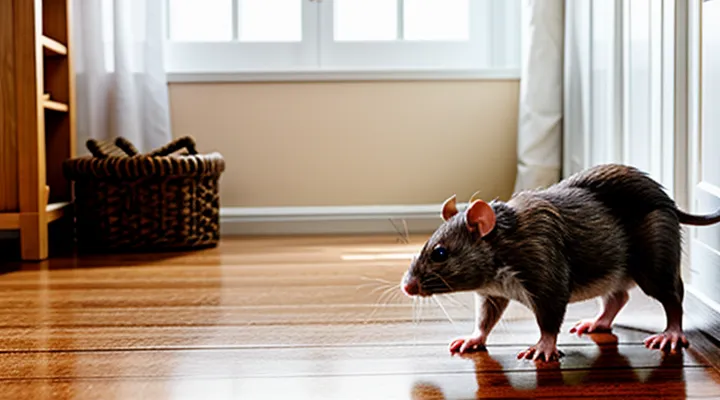
Understanding the Rat Problem
Identifying Signs of a Rat Infestation
Droppings and Urine Stains
Droppings and urine stains are reliable indicators of a rodent presence inside a building. Fresh droppings appear as dark, rice‑shaped pellets about one centimeter in length; older deposits darken and may crumble. Urine stains manifest as discolored, often yellowish patches on surfaces such as flooring, walls, or fabric. Both waste products carry pathogens that can cause respiratory illnesses, allergies, and food contamination.
Identifying the extent of contamination is the first step in remediation. Follow these procedures:
- Wear disposable gloves and a N95 respirator before entering the affected area.
- Use a UV flashlight to locate invisible urine residues; the light causes contaminated spots to fluoresce.
- Collect droppings with a sealed plastic bag; avoid crushing them to reduce aerosolization.
- Mark stained areas with a non‑permanent marker for targeted cleaning.
Cleaning methods must eliminate biological hazards and prevent re‑infestation:
- Apply an enzymatic cleaner specifically formulated for rodent waste to each marked spot. Enzymes break down proteins and neutralize odors that attract rodents.
- Allow the solution to dwell for the manufacturer‑recommended time, typically 10–15 minutes.
- Scrub the surface with a stiff brush, then rinse with hot water.
- Disinfect the area using a 10% bleach solution (one part bleach to nine parts water). Let it sit for five minutes before wiping dry.
- Dispose of all cleaning materials in sealed bags; treat them as biohazard waste according to local regulations.
After removal, inspect adjacent cavities, insulation, and storage spaces for hidden deposits. Seal cracks, gaps, and entry points to block future access. Regularly monitor for new droppings or stains as part of an ongoing rodent control program.
Gnaw Marks and Damage
Rats leave unmistakable gnaw marks on wood, plastic, wiring, and insulation. The bite pattern is clean, V‑shaped, and typically ¼‑inch deep. Fresh gnawing shows bright, white teeth impressions; older damage darkens as material ages. Identifying these signs early helps locate active pathways and prevents further intrusion.
Typical damage caused by indoor rodents includes:
- Severed electrical cords, increasing fire risk
- Compromised structural beams, weakening support
- Chewed plumbing, leading to leaks and water damage
- Tattered fabric and upholstery, creating nesting material
- Corroded metal components, affecting appliances and fixtures
Recognizing gnaw marks and associated damage is a prerequisite for any effective eradication strategy. Prompt repair of compromised items removes food sources and shelter, reducing the likelihood of a persistent infestation.
Unusual Noises
Rats generate sounds that differ from typical house creaks. The most common unusual noises include:
- Scratching in walls, ceilings, or under floors, especially at night.
- Rapid, high‑pitched squeaks when they move through ducts or insulation.
- Light thumping as they drop from elevated surfaces.
- Soft rustling caused by nesting material being shifted.
These noises often indicate active burrowing or the presence of a nest. Detecting them early allows swift intervention before the population expands.
To respond effectively:
- Locate the source by tracing the sound to a specific wall cavity, attic space, or basement vent.
- Seal entry points larger than a quarter‑inch with steel wool, caulk, or hardware cloth to prevent further ingress.
- Place snap traps or electronic devices directly adjacent to the identified activity zone; use bait that matches the local diet, such as peanut butter or dried fruit.
- Deploy a few motion‑activated ultrasonic emitters in the affected area; these disrupt communication and deter movement.
- Conduct a thorough cleanup of any droppings, urine stains, or nesting material, wearing protective gloves and a mask to avoid health hazards.
- Schedule a follow‑up inspection within 48 hours to confirm that the noises have ceased and no new activity appears.
Persistent or intermittent sounds after these steps suggest hidden colonies. In such cases, professional pest control should be engaged to apply bait stations and conduct comprehensive structural assessments. Eliminating the auditory signs of infestation confirms that the rodent problem is under control.
Sightings of Live or Dead Rats
Observing a live rat or discovering a dead specimen provides immediate evidence of an infestation and guides the selection of control measures. Live sightings indicate active movement, breeding potential, and ongoing access to food and shelter, while dead rats confirm that the population has been exposed to traps, poisons, or environmental stressors.
Typical indicators accompanying a sighting include:
- Fresh droppings near food storage, along walls, or in hidden corners
- Gnaw marks on wood, plastic, or wiring
- Grease or urine stains that darken over time
- Nests constructed from shredded paper, fabric, or insulation
When a live rat is seen, immediate actions should focus on containment and rapid elimination. Seal entry points, remove accessible food sources, and deploy snap traps or electronic devices positioned along established runways. If a dead rat is found, inspect the surrounding area for additional signs, clean the site with a disinfectant solution, and evaluate whether existing traps or bait stations require replacement or repositioning.
Documenting each encounter—date, location, condition of the animal, and associated signs—creates a record that helps track population trends, assess the effectiveness of interventions, and adjust the eradication strategy accordingly.
Common Entry Points for Rats
Cracks and Holes in Foundations
Rats enter homes through structural openings; cracks and holes in foundations provide direct pathways. Identifying and sealing these gaps stops new ingress and limits the movement of existing rodents.
- Inspect the perimeter for visible fissures, gaps around utility penetrations, and deteriorated sealants.
- Use a flashlight and mirror to locate hidden cracks behind siding, under decks, and near crawl‑space entry points.
- Clean debris from each opening; moisture and food residues attract rodents and impede adhesion of repair materials.
- Apply appropriate filler:
- Small cracks (≤¼ in.) – hydraulic cement or epoxy sealant.
- Larger gaps – expanding polyurethane foam, followed by a layer of concrete or metal flashing.
- Reinforce joint areas with metal mesh or steel wool before sealing to prevent future tearing.
- Install a continuous perimeter barrier such as stainless‑steel mesh (¼‑inch gauge) extending at least 6 in. above the ground and buried 12 in. below grade.
After repairs, monitor for signs of activity—droppings, gnaw marks, or fresh gnawing near repaired sites. Promptly address any new openings to maintain a rat‑free interior environment.
Gaps Around Pipes and Vents
Gaps surrounding plumbing and ventilation systems provide direct routes for rodents to infiltrate indoor spaces. Even openings as small as a quarter‑inch allow entry, making these areas priority points for pest control.
To locate vulnerable points, conduct a visual inspection of all exposed pipework, vent shafts, and utility penetrations. Use a flashlight to reveal dark crevices, and feel for drafts that indicate gaps. In addition, run a thin piece of rigid wire or a flexible inspection camera through openings to confirm the size of the space.
Seal identified gaps with materials that resist gnawing and weathering. Recommended options include:
- Steel‑wool backing wrapped in expanding foam
- Stainless‑steel mesh or hardware cloth (¼‑inch or smaller mesh)
- Silicone‑based sealant for small cracks
- Mortar or concrete patch for larger voids around concrete walls
Apply the chosen material after cleaning the area of dust, debris, and moisture. For expanding foam, insert a steel‑wool core first to deter chewing, then fill the remaining space with foam. Press mesh against the pipe or vent, securing it with construction adhesive or metal clamps.
Regularly inspect sealed areas during seasonal maintenance. Look for signs of new damage, such as frayed mesh or cracked foam, and repair promptly. Maintaining a tight envelope around all conduits reduces the likelihood of indoor rodent activity and supports long‑term prevention.
Open Doors and Windows
Opening doors and windows creates a direct pathway for rodents to leave a building and reduces indoor shelter. When doors and windows are left open for a sufficient period, rats can locate the exit and escape, especially if interior conditions become unfavorable.
Key actions:
- Ensure all exterior doors are fully opened for at least 30 minutes each day.
- Keep windows uncovered or use screens that allow passage while preventing other pests.
- Remove obstacles near exits, such as furniture or stacks of boxes, to provide unobstructed routes.
- Combine open exits with reduced food sources and water to motivate rodents to seek the outside.
Monitoring is essential. Observe activity around openings; if rats congregate near a specific door, adjust its position or increase ventilation to encourage movement toward the exit. Maintaining regular airflow also lowers humidity, making the interior less attractive to rodents.
Closing the openings after rats have vacated the premises prevents re‑entry. Seal gaps around frames with weather‑stripping or caulk to block future intrusion.
Roof and Attic Access Points
Rats gain entry to homes through openings in the roof structure and attic. Gaps around vents, skylights, chimneys, and eaves provide direct pathways from the exterior to nesting sites above ceiling joists. Unsealed penetrations also allow rodents to travel between the attic and interior rooms, increasing the likelihood of infestation.
To eliminate these routes, follow a systematic inspection and sealing process:
- Inspect all roof‑line components from the exterior. Look for cracked or missing flashing, damaged soffit vents, and loose roofing material.
- Examine attic interior for holes around pipe penetrations, wiring conduits, and light fixtures. Use a flashlight to reveal small openings near the top of the framing.
- Measure each gap and select a sealing material appropriate to the size and location: steel wool wrapped in caulk for rodent‑resistant filler, expanding spray foam for larger voids, and metal flashing or mesh for vent covers.
- Apply sealant or install physical barriers, ensuring a tight fit that prevents future movement of the roof sheathing.
- Verify the integrity of the seal by checking for fresh gnaw marks or droppings after a week of monitoring.
Regular maintenance of roof and attic access points reduces the probability of new rat activity and supports long‑term control of indoor rodent populations.
Eradicating Rats from Your Home
Non-Lethal Rat Control Methods
Exclusion and Sealing Entry Points
Effective exclusion begins with a systematic inspection of the building envelope. Locate any openings larger than ¼ inch, including gaps around pipes, vents, doors, windows, and foundation cracks. Document each opening before proceeding to seal it.
- Seal gaps around utility penetrations with steel wool followed by high‑grade silicone or expanding polyurethane foam.
- Install stainless‑steel mesh or metal flashing over larger cracks in foundations and walls.
- Fit door sweeps and weatherstripping on all exterior doors; replace damaged thresholds.
- Cover vent openings with wire mesh of ¼‑inch or smaller apertures; secure with rust‑resistant screws.
- Repair damaged soffits and eaves, ensuring they are tightly fitted with metal flashing.
Select materials that resist gnawing; rodents can chew through soft caulking, plastic, and wood. Use steel wool, copper mesh, or hardened concrete for high‑risk areas. Apply sealants in multiple layers when necessary, allowing each layer to cure fully before adding the next.
After sealing, conduct a follow‑up inspection within 48 hours to verify integrity. Monitor for new activity signs—droppings, gnaw marks, or tracks—for at least two weeks. If evidence persists, repeat the inspection cycle and address any missed openings.
Consistent maintenance, such as clearing vegetation from building perimeters and repairing weather damage promptly, sustains the exclusion barrier and prevents future infestations.
Trapping with Live Traps
Live traps provide a humane solution for removing rats from indoor environments while allowing for precise capture and relocation.
Choosing an effective trap involves several factors: size sufficient for adult rats, sturdy construction to prevent escape, a secure latch mechanism, and a design that permits easy cleaning. Prefer traps made of metal or heavy-duty plastic; avoid flimsy models that may collapse under weight.
Procedure for deploying live traps
- Place traps along established runways, near walls, behind appliances, and close to food sources.
- Bait each trap with high‑protein items such as peanut butter, bacon bits, or dried fruit; apply a small amount to the trigger area to encourage entry.
- Set the latch so that a rat entering the chamber triggers closure without excessive force.
- Check traps at least twice daily; remove captured rodents promptly to reduce stress.
After capture, wear thick gloves and transport the animal in a secure container to a location at least two miles from the residence, preferably a wooded area with adequate shelter. Release should occur during daylight to improve survival chances.
Maintain a clean interior by sealing entry points, storing food in airtight containers, and disposing of waste regularly. Continuous sanitation reduces attractants and prevents new infestations, complementing the effectiveness of live trapping.
Natural Repellents
Natural repellents offer a chemical‑free approach to discouraging rodents inside residential spaces. They rely on odors, textures, or substances that rats find unappealing, creating an environment that reduces the likelihood of infestation.
- Peppermint oil: Concentrated oil applied to cotton balls or cloth strips placed near entry points and nesting sites. The strong menthol scent interferes with rats’ olfactory cues.
- Ammonia: Small open containers of diluted ammonia positioned in hidden corners emit a pungent vapor that rats avoid.
- Citronella: Sprays or sachets containing citronella oil create a citrus aroma that repels rodents.
- Garlic and onion: Crushed cloves or slices left in problem areas release sulfur compounds unattractive to rats.
- Hot pepper flakes: Sprinkled around baseboards and cabinets, capsaicin irritates the nasal passages of rodents.
Application must follow safety guidelines: use food‑grade essential oils, keep containers out of reach of children and pets, ventilate rooms after placing ammonia, and avoid direct contact with skin. Reapply volatile substances every few days, as the scent diminishes with exposure to air.
Effectiveness varies with infestation level and environmental conditions. Natural repellents work best as a preventive measure or in conjunction with trapping and sealing entry points. Continuous monitoring, such as checking for fresh droppings or gnaw marks, confirms whether the chosen deterrents maintain pressure on the rodent population. If signs persist, augment the strategy with mechanical controls while maintaining the non‑chemical repellents to sustain a hostile environment for rats.
Lethal Rat Control Methods
Snap Traps
Snap traps provide a rapid, humane solution for indoor rodent control. The device consists of a spring‑loaded bar that releases with a single bite, delivering a lethal force to the animal’s neck. Proper use eliminates rats quickly and prevents further damage to structures and food supplies.
Effective deployment requires several steps:
- Choose a size rated for rats (typically 1‑2 lb capacity).
- Bait the trigger with high‑protein attractants such as peanut butter, bacon grease, or dried fruit.
- Position traps perpendicular to walls, with the trigger end facing the rodent’s travel path.
- Place traps along established runways, behind appliances, in dark corners, and near entry points.
- Check traps at least twice daily; remove captured rats promptly to avoid odor buildup.
- Reset or replace traps after each capture to maintain pressure on the infestation.
Safety considerations include wearing disposable gloves when handling traps and ensuring that children and pets cannot access them. Disposal of dead rodents should follow local regulations, typically by sealing in a plastic bag and discarding in a trash container with a tight lid.
Advantages of snap traps over glue boards or poison include immediate results, no secondary poisoning risk, and ease of inspection. Limitations involve the need for regular monitoring and the possibility of missed rats if placement is inaccurate. Integrating snap traps with exclusion measures—sealing gaps, maintaining cleanliness, and removing food sources—maximizes success in eradicating indoor rat populations.
Electric Traps
Electric traps provide a rapid, humane solution for indoor rodent control. The device delivers a high‑voltage shock that kills the animal instantly, eliminating the need for poison or manual handling.
When choosing a model, consider the following factors:
- Voltage rating (minimum 2,000 V for guaranteed lethality)
- Size of the capture chamber (large enough for adult rats)
- Power source (corded or battery‑operated)
- Safety features such as insulated housing and automatic shut‑off when the trap is empty
Effective placement follows a simple pattern: locate traps along walls, behind appliances, and in areas where droppings or gnaw marks are visible. Position the device perpendicular to the wall, with the entry side facing the rodent’s typical travel route. Space multiple units at 10‑ to 15‑foot intervals in heavily infested zones.
Safety protocols are essential. Disconnect the trap before cleaning, wear insulated gloves, and keep the unit out of reach of children and pets. Dispose of dead rodents in sealed bags, then sanitize the chamber with a mild disinfectant.
Advantages of electric traps include immediate results, no risk of secondary poisoning, and minimal odor. Limitations consist of higher upfront cost compared to snap traps and the requirement for an electrical outlet or battery replacement.
Integrating electric traps with complementary measures—such as sealing entry points, removing food sources, and maintaining proper sanitation—maximizes long‑term success in eliminating indoor rat populations.
Poison Baits and Their Risks
Poison baits are a common tool for indoor rat control, delivering anticoagulant or neurotoxic compounds that cause death after ingestion. They are effective when placed in concealed locations where rodents travel, but their use carries several hazards that must be managed.
- Direct toxicity to children, pets, and non‑target species when baits are accessed unintentionally.
- Secondary poisoning of predators or scavengers that consume dead rodents containing residual poison.
- Development of bait resistance, reducing long‑term efficacy and prompting higher dosage applications.
- Legal restrictions in many jurisdictions requiring specific labeling, storage, and disposal procedures.
- Environmental contamination from improper disposal, leading to soil and water pollution.
Safe deployment demands sealed bait stations, placement out of reach of non‑target animals, regular inspection, and adherence to label instructions. Protective gloves and hand‑washing reduce occupational exposure. If a poisoning incident occurs, immediate veterinary or medical consultation is essential, followed by thorough decontamination of the area. Alternative methods—such as traps, exclusion, and sanitation—should be incorporated to minimize reliance on chemical baits and lower overall risk.
Professional Pest Control Services
When to Call an Exterminator
Rats that have established a presence inside a building often outpace DIY traps and baits; at that point, professional intervention becomes necessary.
Typical indicators that a licensed exterminator should be engaged include:
- Continuous droppings in multiple rooms, especially near food storage or waste areas.
- Gnaw marks on structural components, wiring, or furniture that appear despite regular trap placement.
- Persistent odors of urine or nesting material that do not dissipate after a short cleaning cycle.
- Evidence of disease vectors, such as fleas or mites, associated with the rodent activity.
- Damage to electrical wiring or insulation that poses fire or safety hazards.
Delaying professional treatment when these signs appear increases the risk of rapid population growth, structural damage, and potential health violations. Early engagement limits the infestation’s spread and reduces remediation costs.
When selecting a service provider, verify state licensing, request a written inspection report, and confirm that the company employs integrated pest management practices rather than solely relying on chemical applications. A documented follow‑up schedule ensures that the problem remains resolved after the initial eradication.
What to Expect from Professionals
Professional rat‑removal services begin with a thorough on‑site inspection. Technicians locate entry points, assess the severity of the infestation, and identify species to determine the most effective approach. Expect a written report that outlines findings and recommends specific actions.
The treatment plan typically includes:
- Sealing gaps, cracks, and holes that provide access to the interior.
- Deploying traps or bait stations positioned according to the rodents’ pathways.
- Applying rodenticides only when necessary, with strict adherence to safety regulations.
- Installing monitoring devices to track activity after initial intervention.
All personnel should hold valid licenses and certifications for pest control. They must follow local health and safety standards, use personal protective equipment, and keep documentation of chemicals applied.
After the initial treatment, a follow‑up visit is standard. During this appointment, the team evaluates trap results, removes captured rodents, and adjusts the strategy if activity persists. Many providers offer a warranty period during which additional visits are included at no extra charge.
Transparent pricing is another hallmark of reputable services. A detailed quote should break down labor, materials, and any optional services, allowing you to compare offers without hidden fees.
Communication is ongoing. Professionals typically provide a contact number for urgent concerns and will inform you of any schedule changes or required homeowner actions, such as removing food sources or rearranging furniture for better access.
Overall, hiring trained experts ensures a systematic, legally compliant, and accountable process that reduces the likelihood of recurrence and minimizes health risks associated with indoor rodent infestations.
Preventing Future Rat Infestations
Maintaining a Clean Environment
Proper Food Storage
Proper food storage eliminates the primary attraction for rodents inside a building. When food is sealed, inaccessible, and kept at appropriate temperatures, rats lose a critical resource and are forced to seek alternatives, reducing their presence.
- Store dry goods in airtight containers made of metal or heavy‑wall plastic.
- Keep pet food in sealed bins and place them on a countertop, not on the floor.
- Refrigerate perishable items promptly; discard leftovers within 24 hours.
- Clean spills immediately; sweep crumbs from countertops and floors.
- Use trash cans with tight‑fitting lids and empty them daily.
- Position food storage areas away from walls and concealed spaces where rodents can hide.
Consistent application of these measures removes food sources, discourages infestation, and supports long‑term rodent management.
Regular Waste Disposal
Proper waste management removes a primary food source that draws rats into residential spaces. When garbage is stored in open or unsealed containers, rodents can locate and exploit it with ease, leading to rapid population growth.
- Use containers with tight-fitting lids; ensure lids remain sealed after each use.
- Empty waste bins at least once daily; schedule extra pickups during holidays or events that generate more refuse.
- Keep collection areas clean; wipe spills, sweep crumbs, and rinse containers before disposal.
- Store outdoor bins away from building walls, on a non‑porous surface, and elevate them if possible to hinder climbing.
Regularly inspect bins for damage, replace cracked lids, and rotate supplies to prevent lingering odors. Dispose of food waste in separate, sealed bags before placing it in the main trash to limit scent diffusion.
Consistent application of these practices deprives rats of nourishment, discourages entry, and supports broader pest‑control efforts within the home.
Decluttering and Organization
Removing rodents from a residence begins with eliminating the conditions that attract them. Excess clutter provides hiding places, nesting material, and easy routes to food sources. By reducing unnecessary items, you directly diminish the habitats rats can exploit.
- Remove items stored under sinks, in closets, and on floor surfaces.
- Discard or recycle broken furniture, cardboard boxes, and worn textiles.
- Store remaining belongings in sealed containers made of plastic or metal.
- Keep storage areas elevated off the floor when possible, using shelves or pallets.
Organizing the remaining items creates clear pathways for inspection and cleaning. Group similar objects, label containers, and maintain a logical layout that allows regular access to potential problem zones such as pantry corners and utility rooms. A well‑ordered environment makes it easier to spot droppings, gnaw marks, or chew damage before infestations expand.
Routine upkeep sustains the benefits of decluttering. Perform weekly visual checks of storage spaces, promptly repair any structural gaps, and dispose of waste promptly. By integrating these practices into daily house‑keeping, you prevent rats from reestablishing a foothold.
Securing Your Home's Exterior
Sealing Gaps and Cracks
Sealing gaps and cracks blocks the most common routes rats use to enter a building. Even small openings around pipes, vents, and foundation walls provide access to food and shelter. By eliminating these pathways, you remove the primary attraction for indoor rodents.
- Inspect exterior walls, floors, and ceilings for visible openings.
- Check around utility penetrations, such as water lines, electrical conduits, and HVAC ducts.
- Use steel wool or copper mesh to fill gaps larger than ¼ inch before applying sealant.
- Apply a durable, rodent‑resistant caulk or expanding foam to cover remaining spaces.
- Install metal flashing or cement board over vulnerable areas like soffits and crawl‑space vents.
- Perform a follow‑up inspection after sealing to verify that no new gaps have formed.
Regular maintenance of the building envelope prevents re‑entry. Replace damaged sealant promptly, and keep vegetation trimmed away from the structure to reduce pressure on walls. Consistent attention to these measures sustains a rat‑free interior environment.
Trimming Vegetation Away from the House
Keeping shrubs, trees, and ground cover at a distance from the building creates a physical barrier that discourages rats from approaching the structure. Dense vegetation offers shelter, climbing routes, and direct access to roof eaves, soffits, and foundations. By removing this habitat, you limit the pathways rats can use to reach interior entry points.
Maintain a clear perimeter of at least three feet between the house and any plant material. Cut back overgrown bushes, prune low-hanging branches, and eliminate vines that touch the siding. Remove leaf litter, mulch, and compost piles from the immediate vicinity, as these attract rodents and provide cover.
- Trim shrubs to a height no higher than two feet above ground level.
- Cut tree branches that overhang windows, doors, or vents.
- Keep lawn edges free of tall grass and weeds.
- Dispose of trimmed vegetation away from the property; do not pile debris near the foundation.
- Inspect the trimmed area regularly for new growth and re‑trim as needed.
A well‑maintained, vegetation‑free zone reduces the likelihood that rats will find a route onto the roof or into crawl spaces, thereby supporting broader efforts to eradicate indoor infestations.
Repairing Damaged Screens and Vents
Repairing damaged screens and vents eliminates entry points that rats exploit to infiltrate indoor spaces. A solid barrier prevents repeated infestations and reduces the need for chemical controls.
Inspect every opening. Look for tears, gaps, rust, or loose hardware in window screens, attic vents, dryer exhausts, and utility openings. Mark compromised areas with a visible tag.
Replace or mend screens. Use fiberglass or aluminum mesh with a fine weave; cut to size, secure with spline and a heavy‑duty roller. For small tears, apply a screen patch kit that includes adhesive backing and reinforcing tape.
Seal vent openings. Remove damaged vent covers, clean the frame, and install new metal or plastic grilles that feature mesh of at least ¼‑inch opening. Apply silicone caulk around the perimeter to block hidden cracks.
Reinforce surrounding structures. Install steel wool or copper mesh behind repair material where rodents can gnaw. Fasten with stainless‑steel screws to resist corrosion.
Perform a final test. Close windows and operate ventilation systems while observing for drafts or rattling. Verify that all repairs hold under normal airflow pressure.
Regular maintenance. Schedule quarterly checks of screens and vents, tightening loose fittings and replacing worn components before damage becomes severe. This proactive approach sustains a rat‑free interior environment.
Monitoring and Ongoing Vigilance
Regular Inspections for Rat Activity
Regular inspections are essential for identifying rat presence before infestations become severe. Inspectors should focus on areas where food, water, and shelter are likely, such as kitchens, pantries, basements, and attics. Look for droppings, gnaw marks, urine stains, and nesting material; these signs confirm activity and guide targeted treatment.
Key inspection actions include:
- Examine walls, ceilings, and floor joists for fresh gnaw holes and fresh droppings.
- Check behind appliances, under sinks, and inside cabinets for food residues and nesting debris.
- Survey exterior entry points; seal cracks, gaps around pipes, and openings larger than a quarter inch.
- Use flashlights and mirrors to explore dark, concealed spaces where rodents travel.
- Record findings with dates and locations to track patterns and assess the effectiveness of control measures.
Conduct inspections weekly in high‑risk seasons and monthly during cooler periods. Promptly address any evidence of activity by cleaning contaminated areas, removing food sources, and implementing exclusion or baiting strategies. Consistent monitoring reduces the likelihood of a full‑scale infestation and supports long‑term pest management.
Addressing Potential Attractants
Addressing potential attractants is a prerequisite for any effective indoor rat control effort. Rats locate food, water, shelter, and entry points; removing these incentives cuts off the reasons they enter homes.
Common indoor attractants include:
- Accessible food residues or improperly stored pantry items
- Leaking pipes, condensate trays, or standing water
- Cluttered storage areas, piles of cardboard, and unused appliances
- Gaps around utility penetrations, vents, and foundation cracks
Eliminate food sources by sealing containers with airtight lids, promptly cleaning crumbs and spills, and restricting pet food to rigid feeders that cannot be accessed when empty.
Remove water by repairing leaks, installing drip‑free fixtures, and ensuring basements and crawl spaces stay dry through proper ventilation and dehumidification.
Reduce shelter by decluttering rooms, storing items on shelves rather than the floor, and trimming vegetation that contacts the building exterior.
Seal entry points using steel wool or copper mesh backed with caulk, installing door sweeps, and reinforcing screens around vents and exhaust fans.
Maintain rigorous hygiene: schedule regular cleaning of kitchens and dining areas, dispose of waste in sealed bins, and conduct periodic inspections to catch new attractants before they become established.
Systematically eliminating these incentives creates an environment where rats cannot thrive, allowing trapping, baiting, or exclusion measures to achieve lasting results.