
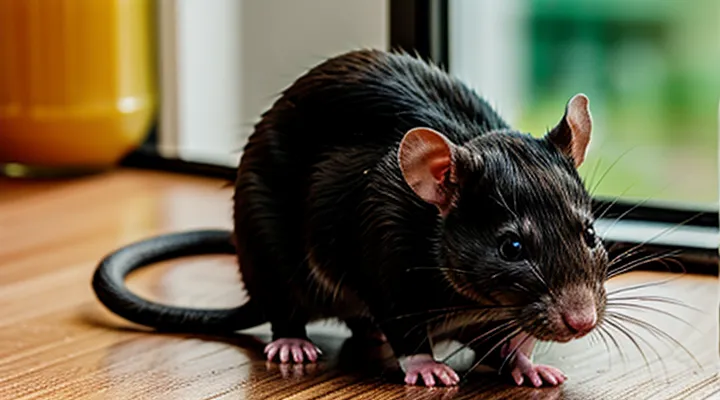
Doxycycline: An Overview
«Mechanism of Action»
Doxycycline, a tetracycline-class antibiotic, inhibits bacterial protein synthesis by binding to the 30S ribosomal subunit. The binding prevents the attachment of aminoacyl‑tRNA to the acceptor site, halting elongation of the nascent peptide chain. This action is bacteriostatic, maintaining bacterial populations at levels that allow host immune clearance.
In rodents, the drug penetrates tissues and fluids, reaching concentrations comparable to those observed in humans. Distribution occurs via passive diffusion and active transport mechanisms, allowing effective levels in plasma, liver, kidney, and lung tissue. The compound’s affinity for calcium ions leads to accumulation in bone and teeth, which must be considered when designing long‑term studies.
Metabolic processing in rats involves hepatic oxidation and conjugation, producing inactive metabolites that are excreted primarily through the kidneys. The half‑life ranges from 12 to 18 hours, supporting once‑daily or twice‑daily dosing regimens depending on the therapeutic target.
Key pharmacodynamic features:
- Reversible binding to the 30S subunit ensures rapid recovery of bacterial growth after drug clearance.
- Bacteriostatic effect reduces selective pressure for resistance compared with bactericidal agents.
- Broad-spectrum activity includes Gram‑positive, Gram‑negative, and atypical organisms, relevant for experimental infection models.
Understanding these mechanisms guides dosage selection, minimizes toxicity, and supports reproducible outcomes in rat studies.
«Pharmacokinetics in Rats»
«Absorption»
Doxycycline administered orally to rats is absorbed primarily through the gastrointestinal tract, with peak plasma concentrations occurring within 30–60 minutes after dosing. The drug’s lipophilic structure facilitates passive diffusion across the intestinal epithelium, while its chelation with divalent cations (e.g., calcium, magnesium) markedly reduces bioavailability. Consequently, formulations should avoid concurrent intake of mineral-rich feed or water.
Key factors influencing absorption:
- Fasting state: Food deprivation for 2 hours before dosing increases plasma levels by 15–20 % compared to fed conditions.
- pH of the gastric environment: Acidic pH enhances dissolution; antacids or alkaline diets can lower systemic exposure.
- Formulation type: Liquid suspensions achieve higher and more consistent absorption than powdered or tablet forms, which may exhibit variable disintegration.
- Dose volume: Volumes exceeding 1 mL per 100 g body weight can slow gastric emptying, modestly delaying peak concentrations.
Recommended practices to optimize absorption:
- Deliver doxycycline in a clear aqueous suspension at a concentration that permits a dosing volume of ≤ 0.5 mL per 100 g rat.
- Administer the dose after a brief fasting period (12 hours for adult rats, 8 hours for juveniles) and provide water ad libitum but without mineral supplements for at least 4 hours post‑dose.
- Verify the pH of the suspension (target pH 5–6) to ensure adequate solubility.
- Avoid co‑administration with calcium or magnesium supplements; separate such agents by a minimum of 6 hours.
Monitoring plasma doxycycline levels 1 hour after dosing confirms successful absorption and guides any necessary adjustments to the dosing regimen.
«Distribution»
Doxycycline administered orally to rats exhibits rapid absorption, reaching peak plasma concentrations within 30–60 minutes. Bioavailability exceeds 80 % in most formulations, allowing reliable systemic exposure after a single dose.
Key distribution parameters:
- Plasma protein binding: approximately 80–90 % to albumin and α‑1‑acid glycoprotein, limiting free drug fraction.
- Volume of distribution (Vd): 1.2–1.6 L/kg, reflecting extensive tissue penetration beyond the vascular compartment.
- Tissue concentrations: liver, kidney, and lung tissues attain levels 2–3 times higher than plasma within 2 hours; brain penetration is limited, with cerebrospinal fluid concentrations <10 % of plasma.
- Half‑life: 12–18 hours, supporting twice‑daily dosing to maintain therapeutic concentrations.
Distribution is influenced by age, sex, and disease state. Younger rats display slightly higher Vd due to lower plasma protein levels, while inflammatory conditions increase tissue sequestration through enhanced vascular permeability.
Dosage recommendations must account for the high protein binding and moderate Vd. For systemic infections, a regimen of 10 mg/kg administered orally twice daily achieves steady‑state plasma concentrations within the therapeutic window (0.5–2 µg/mL). Adjustments to 5 mg/kg once daily are appropriate for chronic low‑grade infections, given the prolonged half‑life and sustained tissue levels.
Monitoring plasma concentrations is advisable when co‑administering agents that displace doxycycline from binding sites, as this can raise free drug levels and alter distribution dynamics.
«Metabolism»
Doxycycline is absorbed rapidly after oral administration in rats, reaching peak plasma concentrations within 30–60 minutes. Hepatic biotransformation accounts for the majority of drug clearance; cytochrome P450 enzymes, particularly CYP3A2, catalyze oxidative demethylation, producing inactive metabolites that are excreted primarily via bile. Renal elimination contributes a smaller fraction, with unchanged drug filtered and secreted in the urine.
Key factors influencing metabolic rate include:
- Age: younger rats exhibit higher hepatic enzyme activity, resulting in faster clearance.
- Sex: males display slightly elevated CYP3A2 expression compared to females, leading to modestly lower plasma exposure.
- Strain: Sprague‑Dawley rats metabolize doxycycline more efficiently than Wistar rats, reflecting genetic variability in enzyme levels.
- Co‑administered substances: inducers such as phenobarbital accelerate metabolism, whereas inhibitors like ketoconazole reduce clearance.
These variables affect dosage selection. For standard therapeutic regimens aimed at bacterial infection control, a daily oral dose of 10–20 mg/kg is sufficient in adult rats with normal hepatic function. When metabolic capacity is reduced—due to age, liver impairment, or enzyme inhibition—dose reduction to 5–10 mg/kg may be required to avoid toxicity. Conversely, enzyme induction may necessitate an increase to 15–25 mg/kg to maintain effective plasma concentrations.
Monitoring plasma doxycycline levels after the first 24 hours provides an empirical basis for adjusting the regimen. Target trough concentrations should remain above 1 µg/mL to ensure antibacterial efficacy while staying below 5 µg/mL to limit adverse effects. Regular assessment of liver enzyme activity, especially CYP3A2, supports precise dose optimization across different experimental groups.
«Excretion»
Doxycycline administered to rats is eliminated primarily through biliary secretion, with a smaller fraction excreted unchanged in urine. Hepatic excretion accounts for approximately 70‑80 % of the dose, while renal clearance contributes roughly 15‑20 %. The remaining 5‑10 % is metabolized to inactive compounds that are also eliminated via bile.
The elimination half‑life in adult rats ranges from 7 to 12 hours, depending on dose and formulation. Higher oral doses (≥50 mg kg⁻¹) extend the half‑life modestly, reflecting saturation of biliary transport mechanisms. Intraperitoneal injection yields a slightly shorter half‑life (≈6 hours) because of rapid systemic distribution before hepatic processing.
Key considerations for experimental design:
- Collect feces and urine separately to quantify total recovery; expect a combined excretion efficiency of 90‑95 % of the administered amount.
- Schedule sampling intervals at 2, 4, 8, and 24 hours post‑dose to capture the peak biliary output and the descending urinary phase.
- Adjust dosing frequency to maintain therapeutic plasma concentrations; a twice‑daily regimen compensates for the 12‑hour half‑life and prevents sub‑therapeutic troughs.
- Monitor liver enzymes when doses exceed 100 mg kg⁻¹, as hepatic overload may alter excretory capacity and affect tissue distribution.
For chronic studies, rotate collection cages every 24 hours to avoid accumulation of fecal material, which can obscure accurate measurement of biliary excretion. Maintain water intake at 10‑12 mL day⁻¹ to ensure consistent urinary output and reliable concentration calculations.
Therapeutic Applications and Dosage in Rats
«Common Indications»
«Bacterial Infections»
Doxycycline is a broad‑spectrum tetracycline antibiotic employed to treat bacterial infections in laboratory rats. Common pathogens addressed include Pasteurella multocida, Streptococcus pneumoniae, Mycoplasma pulmonis, and Escherichia coli. The drug penetrates respiratory, urinary, and gastrointestinal tissues, achieving therapeutic concentrations that inhibit protein synthesis in susceptible bacteria.
Pharmacokinetic data indicate rapid oral absorption, peak plasma levels within 30–60 minutes, and a half‑life of approximately 12 hours in adult rats. Intraperitoneal injection yields comparable systemic exposure with slightly higher peak concentrations. Bioavailability exceeds 80 % for both routes, supporting flexible administration strategies.
Dosage recommendations:
- Oral administration: 5–10 mg kg⁻¹ once daily for mild to moderate infections.
- Intraperitoneal injection: 2–5 mg kg⁻¹ twice daily for severe or rapidly progressing infections.
- Severe systemic infections: consider 10 mg kg⁻¹ once daily orally or 5 mg kg⁻¹ twice daily intraperitoneally, adjusting based on clinical response.
- Renal impairment: reduce dose by 25–50 % and extend dosing interval to maintain safe plasma levels.
Safety monitoring includes observation for gastrointestinal upset, hepatotoxicity (elevated ALT/AST), and signs of photosensitivity. Routine blood chemistry should be performed before and during prolonged therapy. Resistance development warrants periodic susceptibility testing of isolates, especially when treatment exceeds 14 days.
Effective doxycycline therapy in rats relies on accurate dosing, route selection, and vigilant monitoring to ensure bacterial clearance while minimizing adverse effects.
«Inflammation Models»
Doxycycline is frequently employed to modulate inflammatory responses in rodent experiments. Selecting an appropriate disease model determines the required dosing regimen and influences the interpretation of therapeutic outcomes.
Common inflammation models in rats include:
- Carrageenan‑induced paw edema – acute, neutrophil‑driven swelling; suitable for short‑term dosing.
- Complete Freund’s adjuvant (CFA) arthritis – chronic, macrophage‑mediated joint inflammation; permits evaluation of prolonged treatment.
- Lipopolysaccharide (LPS) systemic challenge – endotoxin‑induced cytokine surge; useful for assessing systemic anti‑inflammatory effects.
- Collagen‑induced arthritis (CIA) – autoimmune joint disease; models chronic autoimmune inflammation.
Dosage guidelines derived from peer‑reviewed studies:
- Acute models (e.g., carrageenan): 10–20 mg kg⁻¹ administered intraperitoneally or orally once daily for 1–3 days.
- Chronic models (e.g., CFA, CIA): 30–50 mg kg⁻¹ orally or subcutaneously once daily; treatment duration typically 7–21 days, adjusted to disease progression.
- Systemic LPS challenge: 5–10 mg kg⁻¹ intraperitoneally, given 30 minutes before LPS exposure; repeat dosing every 24 hours for multi‑day protocols.
Key considerations:
- Adjust dose for animal weight and age; younger rats exhibit faster clearance.
- Verify plasma concentrations (≈2–4 µg ml⁻¹) to ensure target tissue exposure.
- Monitor hepatic enzymes, as prolonged high‑dose therapy can induce hepatotoxicity.
- Combine doxycycline with appropriate control groups (vehicle, untreated) to isolate drug‑specific effects.
Applying these dosing strategies within established inflammation models yields reproducible data on doxycycline’s anti‑inflammatory efficacy and supports translational insights for therapeutic development.
«Experimental Research»
Experimental investigations involving doxycycline in rodent models require precise dosing regimens to achieve reproducible outcomes. Researchers typically select concentrations that balance antimicrobial efficacy with minimal toxicity, guided by pharmacokinetic data specific to the species.
- Low-dose protocol: 5–10 mg kg⁻¹ day⁻¹, administered orally or via drinking water, suitable for chronic exposure studies.
- Moderate-dose protocol: 20–30 mg kg⁻¹ day⁻¹, delivered by oral gavage, appropriate for short‑term efficacy trials.
- High-dose protocol: 50–75 mg kg⁻¹ day⁻¹, employed in acute toxicity assessments, administered intraperitoneally.
Selection of the administration route influences absorption kinetics. Oral gavage provides accurate dose delivery but may induce stress; incorporation into drinking water offers continuous exposure but requires monitoring of fluid intake. Intraperitoneal injection ensures rapid systemic availability but carries a risk of peritoneal irritation.
Monitoring parameters include body weight, food and water consumption, hematological indices, and serum doxycycline concentrations. Serial blood sampling at 0, 2, 6, and 24 hours post‑dose establishes the drug’s half‑life and peak plasma level in each dosing group. Behavioral observations and organ histopathology support safety assessments.
Ethical compliance mandates adherence to institutional animal care guidelines, justification of group sizes through power analysis, and implementation of humane endpoints. Documentation of dosing schedules, preparation methods, and adverse events ensures transparency and facilitates replication across laboratories.
«Dosage Recommendations»
«Oral Administration»
Oral doxycycline delivery in rats requires precise preparation, accurate dosing, and consistent administration to achieve reliable therapeutic outcomes.
The drug is typically formulated as a suspension or solution in sterile water or a suitable vehicle such as 0.5 % methylcellulose. Ensure complete dissolution or uniform suspension before each dose. Adjust the pH to 6.5–7.5 to improve stability and reduce gastrointestinal irritation.
Key dosage parameters:
- Standard therapeutic range: 5–10 mg kg⁻¹ day⁻¹, divided into two equal oral doses.
- Maximum tolerated dose: up to 20 mg kg⁻¹ day⁻¹ for short‑term studies; monitor for signs of toxicity.
- Administration volume: limit to 10 mL kg⁻¹ to avoid gastric overload.
- Frequency: twice daily (approximately 12 h interval) for steady plasma concentrations; alternative once‑daily regimens may be employed for specific pharmacokinetic profiles.
Practical considerations:
- Fast the animals for 2 h before dosing to reduce variability in absorption.
- Use calibrated oral gavage needles (20–22 G) appropriate for the animal’s size.
- Deliver the dose slowly to prevent aspiration; observe the animal for regurgitation.
- Record the exact volume administered and the animal’s weight at each dosing event.
- Store prepared suspensions at 4 °C and use within 24 h to maintain potency.
Monitoring guidelines:
- Collect blood samples 1–2 h post‑dose to verify peak concentrations.
- Assess renal and hepatic function weekly during prolonged treatment.
- Document any adverse reactions, including weight loss, reduced food intake, or behavioral changes.
Adhering to these protocols ensures reproducible oral doxycycline exposure in rat models, supporting valid interpretation of efficacy and safety data.
«Parenteral Administration»
Parenteral delivery of doxycycline in laboratory rats provides reliable systemic exposure when oral absorption is limited or when rapid therapeutic levels are required. Intraperitoneal (IP) injection is the most common route, offering ease of administration and consistent plasma concentrations. Intravenous (IV) administration, typically via the tail vein, yields immediate bioavailability but demands skilled technique to avoid vascular injury.
Dose selection depends on the intended pharmacological effect and the duration of therapy. For acute antibacterial action, a single IP dose of 10 mg kg⁻¹ produces peak plasma concentrations comparable to oral dosing in humans. For chronic anti-inflammatory studies, repeated IP injections of 5 mg kg⁻¹ administered once daily maintain therapeutic levels without excessive accumulation. IV bolus dosing of 2 mg kg⁻¹ achieves rapid peak concentrations suitable for short‑term interventions; follow‑up maintenance doses of 1 mg kg⁻¹ may be given every 12 hours to sustain exposure.
Key administration practices include:
- Use sterile, pyrogen‑free saline as the diluent; final concentration should not exceed 10 mg mL⁻¹ to prevent precipitation.
- Filter solutions through a 0.22 µm membrane before injection.
- Warm rats to 37 °C prior to IP injection to reduce peritoneal irritation.
- Observe animals for at least 30 minutes post‑injection for signs of distress or injection site reactions.
Monitoring recommendations involve measuring plasma doxycycline concentrations at 0.5, 2, and 6 hours after the first dose to confirm target exposure. Adjust subsequent dosing based on observed pharmacokinetic profiles and the specific experimental endpoint.
«Dosage Adjustment Based on Weight and Age»
Doxycycline dosing in rats must reflect individual body mass and developmental stage to achieve therapeutic concentrations while minimizing toxicity. Weight‑based calculations provide the primary framework; age‑related metabolic changes require additional adjustments.
-
Weight calculation: Multiply the target milligrams per kilogram (mg/kg) by the animal’s exact weight in kilograms. For example, a 250‑gram rat (0.25 kg) receiving 5 mg/kg requires 1.25 mg of doxycycline per dose.
-
Age considerations:
- Neonates (≤21 days): Reduced hepatic and renal clearance; apply a 20–30 % lower dose than the standard adult recommendation.
- Juveniles (22–60 days): Clearance approaching adult levels; use 85–95 % of the adult dose.
- Adults (>60 days): Standard dosing applies, subject to weight‑based calculation.
-
Frequency: Maintain consistent intervals (typically every 12 hours) to sustain plasma levels. Adjust interval length for younger animals with slower elimination, extending to 24 hours when severe reduction in clearance is documented.
-
Formulation: Use aqueous solutions for oral gavage or drinking water. When administered via water, calculate daily intake based on average consumption (approximately 30 ml/100 g body weight) and adjust concentration to deliver the intended mg/kg dose.
-
Monitoring: Record body weight weekly; recalculate dose whenever a ≥5 % change occurs. Observe clinical signs of toxicity (e.g., reduced appetite, lethargy) and adjust downward if adverse effects appear.
Implementing these weight‑ and age‑specific modifications ensures reliable doxycycline exposure across the lifespan of laboratory rats.
«Duration of Treatment»
Doxycycline treatment in rats requires careful planning of the exposure period to achieve therapeutic effect while minimizing toxicity. The drug’s half‑life in rodents ranges from 6 to 12 hours, resulting in steady‑state concentrations after 2–3 days of twice‑daily dosing. Consequently, most protocols maintain administration for a minimum of 5 days to ensure full antimicrobial activity.
Typical durations differ by experimental goal:
- Acute infection models: 5–7 days of therapy, sufficient to eradicate bacterial load and observe clinical resolution.
- Chronic infection or biofilm studies: 14–21 days, allowing assessment of long‑term suppression and host response.
- Prophylactic regimens: 3–5 days preceding pathogen exposure, followed by 3–5 days post‑challenge to cover the incubation window.
Adjustments depend on pathogen virulence, inoculum size, and target tissue. Studies involving bone or joint infection often extend treatment to 28 days to reflect clinical practice. When dosing for immunomodulatory effects, a continuous 7‑day course is common, after which drug withdrawal assesses rebound inflammation.
Monitoring parameters include daily weight, food intake, and clinical signs; blood serum doxycycline levels should be measured at days 3, 7, and weekly thereafter. Treatment termination criteria are: completion of the predetermined schedule, emergence of severe adverse reactions, or achievement of predefined microbiological endpoints.
In summary, the duration of doxycycline administration in rat experiments must align with the pharmacokinetic profile, disease model, and desired outcome, ranging from short‑term (3–5 days) for prophylaxis to extended courses (14–28 days) for chronic infection studies.
Administration and Preparation
«Routes of Administration»
«Oral Gavage»
Oral gavage provides a reliable route for delivering doxycycline to laboratory rats when precise dosing is required. The technique involves inserting a flexible, curved feeding needle into the esophagus, allowing direct deposition of the drug solution into the stomach. Proper placement minimizes the risk of aspiration and ensures consistent absorption.
When preparing a doxycycline suspension for gavage, consider the following parameters:
- Concentration: 10 mg mL⁻¹ in sterile water or buffered saline, adjusted for solubility limits.
- Volume: 1 mL kg⁻¹ body weight; typical adult rat (250 g) receives 0.25 mL.
- pH: 6.5–7.5 to maintain drug stability and reduce gastric irritation.
- Light protection: wrap the container in aluminum foil to prevent photodegradation.
Dosage recommendations for adult rats range from 5 to 20 mg kg⁻¹ per day, depending on the experimental model and therapeutic goal. Initiate treatment at the lower end of the range, monitor plasma concentrations, and adjust incrementally. Administer the dose at a consistent time each day to reduce circadian variation in drug metabolism.
Critical procedural steps include confirming needle patency, verifying correct gavage depth by gently aspirating a small amount of stomach contents, and observing the animal for signs of distress post‑administration. Regular training and adherence to aseptic technique maintain animal welfare and data integrity.
«Medicated Feed/Water»
Doxycycline can be delivered to laboratory rats through medicated feed or water, providing a practical alternative to oral gavage. Incorporating the antibiotic into the diet ensures continuous exposure, reduces handling stress, and simplifies long‑term treatment protocols.
When using feed, the concentration must be calculated on a per‑kilogram basis, accounting for average daily food intake (approximately 15–20 g kg⁻¹). For water administration, the dosage depends on average daily fluid consumption (about 30–40 ml kg⁻¹). Precise preparation prevents under‑ or overdosing, which could compromise experimental outcomes.
Key recommendations for medicated feed/water:
- Determine target dose (e.g., 5 mg kg⁻¹ day⁻¹) and convert to mg per gram of feed or mg per liter of water.
- Verify homogenous mixing; use a vortex mixer or stir bar for liquids, and a feed blender for pellets.
- Conduct stability testing; doxycycline degrades in light and at high pH, so protect solutions from illumination and maintain pH ≈ 6.5–7.0.
- Monitor consumption daily; adjust concentrations if intake deviates by more than 10 % from expected values.
- Replace prepared feed or water every 24 h to maintain potency.
Document the preparation method, batch numbers, and consumption records in the study log. This practice supports reproducibility and ensures compliance with veterinary and institutional guidelines.
«Injectable Forms»
Injectable doxycycline preparations are available as sterile lyophilized powders reconstituted in suitable diluents, and as ready‑to‑use aqueous solutions. When selecting an injectable form for rodent studies, consider stability, concentration limits, and the intended route (intraperitoneal, subcutaneous, or intravenous).
The lyophilized powder typically requires reconstitution with sterile water for injection (SWFI) or 0.9 % saline to achieve concentrations of 10–20 mg mL⁻¹. Higher concentrations risk precipitation and may irritate tissue. After reconstitution, solutions should be used within 24 h if stored at 2–8 °C, or within 4 h at room temperature. Protect from light to prevent degradation.
Ready‑to‑use solutions are supplied at 5 mg mL⁻¹ or 10 mg mL⁻¹. They are stable for up to 7 days when refrigerated and for 48 h at ambient temperature. These formulations eliminate the need for on‑site reconstitution, reducing preparation errors.
Key dosing parameters for injectable doxycycline in rats:
- Dosage range: 5–30 mg kg⁻¹ day⁻¹, adjusted for study objectives and infection severity.
- Injection volume: ≤0.5 mL kg⁻¹ for intraperitoneal and subcutaneous routes; ≤0.2 mL kg⁻¹ for intravenous administration.
- Frequency: Single daily injection for most protocols; twice‑daily dosing may be required for high‑risk infections.
- Site selection: Intraperitoneal injection into the lower right quadrant avoids major organs; subcutaneous injection into the dorsal neck region minimizes discomfort; intravenous injection performed via the lateral tail vein using a 27‑30 G needle.
Preparation steps for lyophilized powder:
- Draw the required volume of diluent into a sterile syringe.
- Add the powder, swirl gently until fully dissolved; avoid vigorous shaking.
- Inspect for particulate matter; filter through a 0.22 µm sterile filter if necessary.
- Label with concentration, preparation time, and expiration.
Monitoring after injection includes observation for signs of local irritation (redness, swelling), systemic reactions (lethargy, respiratory distress), and confirmation of therapeutic serum levels when pharmacokinetic data are required.
Choosing between lyophilized and ready‑to‑use injectable forms depends on the balance between flexibility in concentration and convenience in handling. Both formats provide reliable systemic exposure when administered according to the outlined dosage and preparation guidelines.
«Formulation Considerations»
«Solubility»
Doxycycline hydrochloride exhibits limited solubility in neutral aqueous solutions, typically 0.1 g L⁻¹ at 25 °C. Solubility increases markedly under acidic conditions; at pH 2–3, concentrations up to 50 g L⁻¹ are achievable. For rodent dosing, the preferred preparation involves dissolving the drug in sterile water adjusted to pH 2.5–3.0 with dilute hydrochloric acid, followed by filtration to remove undissolved particles.
When oral gavage is required, a final concentration of 10–20 mg mL⁻¹ provides sufficient dosing volume (0.5–1 mL per 200 g rat) without exceeding the animal’s fluid capacity. For intraperitoneal injection, a sterile isotonic solution at 5 mg mL⁻¹, buffered to pH 5.5–6.0 with sodium bicarbonate, ensures compatibility with the peritoneal cavity and reduces irritation.
Key considerations for maintaining solubility and stability:
- Prepare solutions immediately before use; doxycycline degrades rapidly in light and at neutral pH.
- Protect the preparation with amber vials or aluminum foil.
- Store short‑term (≤ 2 h) on ice; longer storage (> 24 h) requires freezing at –20 °C, with thawing only once.
- Verify concentration by spectrophotometric measurement at 350 nm after appropriate dilution.
If water solubility limits the desired dose, alternative vehicles such as 5 % dextrose, 0.9 % saline, or a 10 % polyethylene glycol 400 solution can be employed, provided pH adjustment maintains ≥ 90 % drug dissolution. Mixing with a minimal amount of dimethyl sulfoxide (≤ 2 % v/v) is acceptable for injectable formulations but must be verified for tolerability in the specific strain.
«Stability»
Doxycycline stability determines the reliability of dosing regimens in rodent studies. The compound retains full potency when stored as a dry powder at –20 °C, protected from moisture and light. Exposure to humid conditions accelerates hydrolysis, reducing antimicrobial activity within 48 hours. For aqueous preparations, use sterile water or saline at a pH of 6.5–7.0; solutions remain stable for up to 24 hours at 4 °C but degrade rapidly at room temperature, especially when exposed to ambient light. Aliquoting stock solutions into amber vials minimizes photodegradation and prevents repeated freeze‑thaw cycles that compromise integrity.
Recommendations for maintaining doxycycline stability in rat experiments:
- Store bulk powder in airtight containers with desiccant, away from direct sunlight.
- Prepare fresh working solutions daily; if storage is required, keep at 4 °C in amber vials and use within 24 hours.
- Adjust solution pH to 6.5–7.0; avoid alkaline buffers that accelerate degradation.
- Limit exposure to temperatures above 25 °C; discard any solution that has been left at room temperature for more than 4 hours.
- Validate potency periodically by high‑performance liquid chromatography or microbiological assay to confirm concentration before administration.
Adhering to these practices ensures consistent drug exposure, reduces variability in pharmacokinetic measurements, and supports reproducible outcomes in rat models.
«Storage and Handling»
Proper storage of doxycycline for rodent studies requires a controlled environment to maintain potency and prevent degradation. Keep the powder or solution in airtight containers, protected from light, at temperatures not exceeding 25 °C (77 °F). Refrigerate liquid formulations at 2–8 °C (35–46 °F) and avoid repeated freeze‑thaw cycles. Label each container with concentration, preparation date, and expiration date; discard any material that shows discoloration, precipitation, or odor changes.
Handling procedures must ensure consistent dosing and animal safety. Prepare solutions immediately before use, employing sterile technique and calibrated pipettes or syringes. Verify concentration with appropriate analytical methods prior to administration. Use disposable gloves and protective eyewear to prevent skin contact and inhalation of dust. Dispose of unused material according to institutional hazardous waste protocols.
Key storage and handling points:
- Store powder in a desiccated, amber‑colored vial; keep at ≤25 °C, away from moisture.
- Refrigerate liquid preparations; do not exceed 8 °C; avoid light exposure.
- Label all containers with date, concentration, and lot number.
- Prepare dosing solutions fresh; confirm concentration before each use.
- Employ aseptic technique; use calibrated delivery devices.
- Wear gloves and eye protection during preparation and administration.
- Follow institutional guidelines for waste disposal of doxycycline residues.
Potential Side Effects and Adverse Reactions
«Gastrointestinal Disturbances»
Doxycycline administered to rats frequently induces gastrointestinal upset, manifesting as reduced feed intake, soft feces, and occasional vomiting. The incidence correlates with dose intensity; higher concentrations (≥10 mg kg⁻¹ day⁻¹) produce more pronounced signs, while lower regimens (≤5 mg kg⁻¹ day⁻¹) tend to be better tolerated.
Common disturbances include:
- Diarrhea or watery stools
- Decreased appetite leading to weight loss
- Gastric irritation evident by pica behavior
- Transient abdominal distension
Mitigation strategies focus on dosing schedule and formulation adjustments. Split dosing (e.g., two 2.5 mg kg⁻¹ doses 12 h apart) reduces peak plasma levels, lowering the risk of irritation. Incorporating doxycycline into a palatable vehicle such as a flavored gel or mixing with a small amount of corn oil improves acceptance and minimizes gastric exposure. Co‑administration of a proton‑pump inhibitor (e.g., omeprazole 1 mg kg⁻¹) or an antacid suspension can further protect the mucosa.
Monitoring protocols require daily assessment of stool consistency, body weight, and food consumption. Any persistent diarrhea (>48 h) warrants dose reduction by 25 % or temporary suspension until normal gastrointestinal function resumes. Re‑initiation should follow a gradual titration, beginning at the lowest effective dose.
Overall, careful dose selection, divided administration, and supportive gastrointestinal care are essential to maintain therapeutic efficacy while minimizing digestive complications in rodent studies.
«Photosensitivity»
Photosensitivity is a recognized adverse effect of doxycycline in laboratory rats. The drug absorbs ultraviolet (UV) light, generating reactive oxygen species that damage cutaneous cells. Manifestations include erythema, edema, and ulceration after exposure to ambient or artificial light sources.
Incidence correlates with systemic exposure. Doses exceeding 30 mg kg⁻¹ day⁻¹ increase the likelihood of cutaneous lesions, particularly when animals are housed under high‑intensity lighting. Younger rats and those with compromised hepatic function exhibit heightened sensitivity.
Management strategies focus on dose adjustment, environmental control, and monitoring:
- Limit oral or subcutaneous doses to ≤ 20 mg kg⁻¹ day⁻¹ for long‑term studies; reduce to ≤ 10 mg kg⁻¹ day⁻¹ when daily exposure exceeds 8 hours.
- Provide low‑intensity, broad‑spectrum lighting (≤ 150 lux) in cages; use UV‑blocking filters on overhead lamps.
- Conduct daily skin inspections; record erythema scores and intervene with topical barrier creams at the first sign of irritation.
- Schedule dosing during the dark phase of the light cycle to minimize simultaneous drug presence and peak light exposure.
- When higher doses are unavoidable, supplement with systemic antioxidants (e.g., vitamin E, 100 IU kg⁻¹) to mitigate oxidative damage.
Documentation of photosensitivity events should include dose level, lighting conditions, and time to onset. Data enable refinement of dosing regimens and improve animal welfare while preserving the pharmacological objectives of doxycycline studies in rats.
«Renal and Hepatic Effects»
Doxycycline administered to laboratory rats can induce measurable changes in kidney function. Repeated oral doses of 10–30 mg kg⁻¹ day⁻¹ for periods exceeding two weeks have been associated with:
- Elevated serum creatinine and blood urea nitrogen, indicating reduced glomerular filtration.
- Histopathological findings of tubular epithelial degeneration and interstitial inflammation.
- Dose‑dependent increase in urinary N‑acetyl‑β‑D‑glucosaminidase activity, reflecting proximal tubule injury.
Hepatic responses to the same dosing regimens include:
- Mild to moderate elevations in alanine aminotransferase and aspartate aminotransferase, typically returning to baseline after a drug‑free interval.
- Hepatocellular vacuolization and focal necrosis observed in sections stained with hematoxylin‑eosin after four weeks of continuous exposure.
- Induction of cytochrome P450 enzymes (CYP3A4 homologues) leading to altered metabolism of co‑administered compounds.
Safety thresholds derived from these observations suggest that doses not exceeding 20 mg kg⁻¹ day⁻¹ for a maximum of 14 days minimize renal and hepatic toxicity while maintaining antimicrobial efficacy. When longer treatment is required, intermittent dosing schedules (e.g., 5 days on, 2 days off) or dose reduction to 5 mg kg⁻¹ day⁻¹ are recommended to allow organ recovery. Monitoring of serum creatinine, transaminases, and urine biomarkers should be incorporated into any experimental protocol involving doxycycline in rats.
«Interactions with Other Medications»
Doxycycline administered to rats can alter the pharmacokinetic profile of co‑administered drugs, and reciprocal effects may modify doxycycline efficacy. Enzyme‑inducing agents such as phenobarbital accelerate hepatic metabolism, reducing doxycycline plasma concentrations and potentially compromising antimicrobial activity. Conversely, enzyme inhibitors like ketoconazole increase doxycycline exposure, raising the risk of toxicity.
Absorption interactions arise with cation‑containing compounds. Oral supplementation with calcium, magnesium, or iron forms insoluble complexes, markedly decreasing doxycycline bioavailability. Separate dosing intervals of at least two hours mitigate this effect.
Renal excretion may be affected by drugs that compete for tubular secretion. Non‑steroidal anti‑inflammatory drugs (e.g., meloxicam) can diminish renal clearance of doxycycline, leading to elevated systemic levels. Monitoring renal function and adjusting dosage accordingly is advisable.
Potential pharmacodynamic antagonism occurs with bacteriostatic agents such as chloramphenicol. Simultaneous use may reduce doxycycline’s bactericidal action against susceptible pathogens.
Key interaction considerations:
- Enzyme inducers (phenobarbital, carbamazepine): decrease doxycycline levels → consider dose increase or alternative antibiotic.
- Enzyme inhibitors (ketoconazole, erythromycin): increase doxycycline levels → evaluate dose reduction.
- Metal ions (Ca²⁺, Mg²⁺, Fe³⁺): impair oral absorption → stagger administration by ≥2 h.
- Renal competitors (NSAIDs, aminoglycosides): reduce clearance → monitor plasma concentration, adjust dose.
- Bacteriostatic drugs (chloramphenicol, tetracycline): antagonize effect → avoid concurrent use.
When designing dosing regimens, integrate these interaction data to preserve therapeutic efficacy while minimizing adverse outcomes. Regular plasma monitoring and appropriate interval scheduling are essential components of a safe protocol.
Monitoring and Management
«Clinical Signs to Monitor»
When doxycycline is administered to laboratory rats, systematic observation of physiological and behavioral parameters is essential for detecting adverse effects and confirming therapeutic efficacy.
- Decrease in body weight exceeding 5 % of baseline within a 48‑hour period.
- Reduced food or water consumption, especially when intake falls below 70 % of normal levels.
- Alterations in coat condition: piloerection, loss of gloss, or localized alopecia.
- Gastrointestinal disturbances: soft stools, diarrhea, or signs of abdominal discomfort such as hunched posture.
- Lethargy or diminished spontaneous activity, including prolonged periods of immobility in the cage.
- Respiratory changes: increased respiratory rate, audible wheezing, or nasal discharge.
- Ocular or nasal irritation: excessive tearing, crust formation, or mucous discharge.
- Neurological signs: tremors, ataxia, or seizures.
Observations should be recorded at least twice daily, with immediate veterinary consultation triggered by any of the listed signs. Adjustments to the dosing schedule, reduction of the dose, or discontinuation of the drug are warranted when severe or progressive manifestations are identified. Continuous monitoring ensures that the antibiotic regimen remains within the safety margin while achieving the intended antimicrobial outcome.
«Laboratory Monitoring»
Effective laboratory monitoring is essential when administering doxycycline to rodents to ensure therapeutic efficacy and minimize adverse effects. Baseline data should be collected before treatment initiation, including body weight, complete blood count, serum biochemistry, and organ function markers. Throughout the dosing period, the following parameters require regular assessment:
- Body weight measured daily; deviations exceeding 10 % of baseline indicate potential toxicity or disease progression.
- Clinical observations recorded twice daily: activity level, grooming behavior, respiratory pattern, and signs of gastrointestinal distress.
- Hematology performed on days 0, 7, and weekly thereafter: white‑blood‑cell count, hemoglobin, and platelet count to detect marrow suppression or inflammatory responses.
- Serum chemistry on the same schedule: alanine aminotransferase, aspartate aminotransferase, creatinine, and blood urea nitrogen to monitor hepatic and renal function.
- Plasma doxycycline concentration measured at steady state (typically after 48 h of dosing) using high‑performance liquid chromatography; target trough levels should remain within the therapeutic window established for rodent models.
- Microbiological cultures from fecal samples weekly to evaluate shifts in gut flora and emergence of resistant organisms.
- Post‑mortem histopathology of liver, kidney, and gastrointestinal tract at study termination to identify subclinical tissue alterations.
Any abnormal finding warrants immediate review of the dosing regimen, possible adjustment of the administration route, or cessation of therapy. Documentation of all observations in a centralized data log facilitates statistical analysis and comparison across experimental groups.
«Management of Adverse Reactions»
Effective handling of adverse reactions to doxycycline in laboratory rats requires systematic observation, prompt intervention, and dose optimization. Continuous monitoring of clinical signs, such as reduced activity, piloerection, or gastrointestinal disturbances, should begin within the first 24 hours after administration and continue daily throughout the treatment period. Record body weight, food and water intake, and any behavioral changes to identify trends that may indicate toxicity.
When mild reactions appear, adjust the dosing regimen before escalating to pharmacological measures. Reduce the dose by 10‑20 % or increase the interval between administrations, then reassess the animal’s condition after 48 hours. If symptoms persist or worsen, implement supportive care:
- Provide warmed, palatable electrolyte solution to counter dehydration.
- Administer anti‑emetic agents (e.g., metoclopramide) to alleviate nausea.
- Use gastro‑protective compounds (e.g., sucralfate) for ulceration risk.
- Offer soft, nutrient‑dense food to maintain caloric intake.
Severe reactions, such as marked lethargy, respiratory distress, or sudden weight loss exceeding 15 % of baseline, necessitate immediate cessation of doxycycline and veterinary consultation. Intravenous fluid therapy, corticosteroids, or antibiotics targeting secondary infections may be indicated based on clinical judgment. Document all interventions and outcomes to refine future dosing protocols.
Post‑treatment follow‑up is essential. Conduct a final health assessment at least one week after drug withdrawal, confirming the resolution of adverse effects and restoration of normal physiological parameters. Incorporate the gathered data into standard operating procedures to enhance safety and reproducibility in subsequent experiments.
Ethical Considerations and Regulatory Guidelines
«Animal Welfare»
When administering doxycycline to rats, welfare considerations must guide every step of the protocol. Proper handling, dosing accuracy, and monitoring reduce stress and prevent adverse outcomes.
Accurate dosing requires calculation based on individual body weight. Use calibrated syringes or gavage needles to deliver the exact volume. Verify the dose before each administration to avoid under‑ or overdosing.
Environmental factors influence animal comfort. Maintain ambient temperature between 20 °C and 26 °C, humidity at 45‑55 %, and provide nesting material. Limit handling time and perform procedures in a quiet area to minimize disturbance.
Health monitoring should include:
- Daily observation for signs of pain, lethargy, or abnormal behavior.
- Weekly weight measurement to detect unexpected loss or gain.
- Periodic clinical assessment (e.g., coat condition, eye discharge).
If any adverse reaction occurs, suspend treatment and consult veterinary staff. Analgesics may be required for procedures that cause discomfort, following institutional guidelines.
Record keeping is essential. Document each dose, time of administration, animal identifier, and any observed reactions. Comprehensive records support reproducibility and ethical review.
Adherence to institutional animal care and use committee (IACUC) standards ensures compliance with legal and ethical requirements. Regular training for personnel reinforces proper technique and reinforces a culture of responsibility.
«Regulatory Compliance»
Regulatory compliance for doxycycline administration in rodent research requires adherence to national and institutional guidelines that govern animal experimentation, drug handling, and data integrity. Researchers must obtain approval from an Institutional Animal Care and Use Committee (IACUC) before initiating any dosing regimen. The committee review includes justification of species selection, dose justification, route of administration, and humane endpoints. Documentation of the approval number and date should accompany study protocols and be retained for inspection.
Compliance with Good Laboratory Practice (GLP) standards mandates that all dosing calculations, preparation procedures, and record‑keeping follow validated standard operating procedures (SOPs). SOPs must specify:
- Source and certificate of analysis for doxycycline material.
- Sterile preparation methods, including solvent selection and filtration.
- Accurate calculation of dose based on animal weight, with verification steps.
- Administration technique (e.g., oral gavage, subcutaneous injection) and equipment calibration.
- Monitoring schedule for adverse effects and criteria for intervention.
If the study involves a drug that may be used in future human clinical trials, the protocol must align with Food and Drug Administration (FDA) or equivalent agency requirements for Investigational New Drug (IND) applications. This includes maintaining a drug accountability log, reporting any deviations from the approved dosing plan, and submitting periodic safety updates.
Export or import of doxycycline for research purposes is subject to customs regulations and may require a material transfer agreement (MTA) that outlines permitted use, confidentiality, and disposal requirements. Proper disposal of unused drug and contaminated waste must comply with Environmental Protection Agency (EPA) or local hazardous waste regulations.
Failure to meet these regulatory obligations can result in suspension of the research project, loss of funding, or legal penalties. Continuous training of personnel in compliance procedures and routine internal audits help ensure that all aspects of doxycycline dosing in rats remain within the defined legal and ethical framework.
«Reporting Adverse Events»
Accurate documentation of adverse events is essential for any study involving doxycycline administration in rats. Researchers must record each deviation from expected health status, regardless of perceived severity, to ensure reliable interpretation of dosage effects.
Adverse events include, but are not limited to, sudden mortality, pronounced weight loss, altered grooming behavior, respiratory distress, and any laboratory parameter that exceeds predefined reference ranges. Each occurrence requires a timestamp, dose level, route of administration, and animal identifier.
Reporting procedure:
- Record event immediately in a dedicated log sheet or electronic system.
- Assign severity grade (mild, moderate, severe, lethal) based on objective criteria.
- Notify the principal investigator and institutional animal care committee within 24 hours.
- Submit a summary report at study completion, including incidence rates per dose group and statistical analysis of correlation with dosage.
Maintaining a complete adverse‑event dataset supports compliance with institutional guidelines, facilitates peer review, and enables replication of findings across laboratories.