
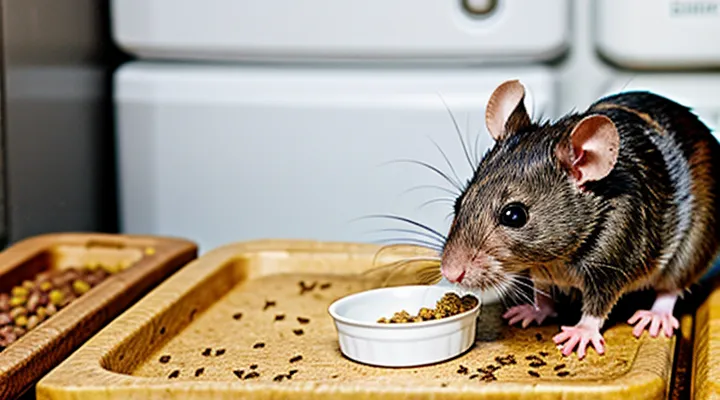
The Importance of a Balanced Rat Diet
Nutritional Needs of Rats
Essential Macronutrients
Rats require a precise balance of macronutrients to sustain growth, reproduction, and immune function. When conventional rodent feed is unavailable, the diet must still deliver adequate amounts of protein, fat, and carbohydrate within established ranges.
Protein supplies amino acids for tissue repair and enzyme synthesis. Acceptable levels for adult laboratory rats range from 14 % to 20 % of total caloric intake; growing animals may need up to 25 %. Fat provides essential fatty acids and concentrates energy, typically contributing 4 % to 7 % of calories. Carbohydrate supplies glucose for immediate energy and should represent the remaining 70 % to 80 % of the diet.
Alternative foods that meet these criteria include:
- Cooked chicken breast (lean protein, low fat, minimal carbohydrate)
- Scrambled eggs (high‑quality protein, moderate fat, negligible carbohydrate)
- Plain low‑fat Greek yogurt (protein source, modest fat, low carbohydrate)
- Cooked white rice (digestible carbohydrate, negligible protein and fat)
- Cooked sweet potato (complex carbohydrate, small protein, low fat)
- Sunflower seeds (fat‑rich, moderate protein, low carbohydrate)
- Oats (balanced carbohydrate, moderate protein, low fat)
To construct a nutritionally adequate substitute, combine items so that the final mixture approximates the target macronutrient profile. For example, a blend of 40 % cooked chicken, 20 % Greek yogurt, 30 % cooked rice, and 10 % sunflower seeds yields roughly 18 % protein, 5 % fat, and 77 % carbohydrate by caloric contribution.
Regular observation of body condition, weight, and activity level informs necessary adjustments. If rats exhibit weight loss or reduced vigor, increase protein or fat components; if excess weight accumulates, reduce calorie‑dense fats and monitor carbohydrate portions.
Crucial Micronutrients
Rats require a precise profile of micronutrients to maintain metabolic function, immune competence, and skeletal integrity. Any dietary substitute must deliver this profile in quantities comparable to standard rodent chow.
-
Vitamin A – supports retinal health and epithelial maintenance.
-
Vitamin D – regulates calcium absorption and bone remodeling.
-
Vitamin E – protects cell membranes from oxidative damage.
-
Vitamin K – essential for blood coagulation.
-
B‑complex (B1, B2, B3, B5, B6, B7, B9, B12) – involved in energy metabolism, nerve function, and red blood cell formation.
-
Vitamin C – antioxidant and collagen synthesis.
-
Calcium – primary component of bone matrix.
-
Phosphorus – works with calcium for skeletal development.
-
Magnesium – cofactor for enzymatic reactions and neuromuscular transmission.
-
Potassium – maintains cellular electrolyte balance.
-
Sodium – required for nerve impulse propagation.
-
Zinc – critical for DNA synthesis and immune response.
-
Iron – integral to hemoglobin and oxygen transport.
-
Copper – participates in iron metabolism and antioxidant enzymes.
-
Manganese – supports bone formation and carbohydrate metabolism.
-
Selenium – component of glutathione peroxidase, protecting cells from oxidative stress.
Alternative feeds that meet these requirements include:
- High‑quality cat or small‑animal kibble formulated for omnivores, providing balanced vitamins and minerals.
- Nutrient‑dense birdseed mixes enriched with calcium, phosphorus, and vitamin D.
- Fresh produce such as carrots, kale, broccoli, and bell peppers, supplying vitamins A, C, K, and folate.
- Commercial rodent supplements (gelatin capsules or powdered blends) that add missing micronutrients to a base diet.
When assessing a replacement, verify the label for complete vitamin and mineral spectra, compare each nutrient level to the National Research Council recommendations for rats, and ensure bioavailability by selecting products with chelated minerals or fortified vitamins. Avoid ingredients high in phytates or oxalates, which can impair mineral absorption. Regularly monitor animal health indicators—weight, coat condition, and activity—to confirm the alternative sustains nutritional adequacy.
Safe and Nutritious Food Alternatives
Fresh Produce
Leafy Greens
Leafy greens serve as a practical substitute for conventional rat feed, delivering a spectrum of vitamins, minerals, and fiber essential for rodent health. Their high water content supports hydration, while low calorie density helps maintain appropriate body weight.
Key nutrients supplied by common greens include:
- Vitamin A (beta‑carotene) for vision and immune function
- Vitamin C for antioxidant protection
- Calcium and phosphorus for bone development
- Folate for cellular replication
- Dietary fiber to promote gastrointestinal motility
Safe varieties for laboratory or pet rats comprise romaine lettuce, kale, spinach, Swiss chard, arugula, and mustard greens. Avoid bitter or oxalic‑rich leaves such as beet tops and excessive amounts of raw cabbage, which can cause digestive upset.
Preparation steps:
- Rinse thoroughly under running water to eliminate pesticide residues and soil particles.
- Remove wilted or damaged portions.
- Chop into bite‑size pieces to facilitate ingestion and reduce choking risk.
- Offer fresh portions daily; discard uneaten material after 24 hours to prevent spoilage.
For optimal storage, place washed greens in a perforated plastic bag or container lined with paper towels, and keep them in the refrigerator’s crisper drawer at 1–4 °C. Consume within three to five days to preserve nutrient integrity.
Root Vegetables
Root vegetables provide a dense source of carbohydrates, fiber, and essential micronutrients that can supplement or replace conventional rodent feed. Their high water content supports hydration, while the complex sugars supply sustained energy without causing rapid spikes in blood glucose.
Carrots, sweet potatoes, turnips, and beets each contain beta‑carotene, vitamin C, potassium, and phytonutrients that contribute to immune function and ocular health. The fibrous structure promotes gastrointestinal motility, reducing the risk of constipation common in captive rats.
Preparation guidelines ensure safety and palatability:
- Wash thoroughly to remove soil and pesticide residues.
- Peel only when the skin is thick or waxed; many varieties retain valuable nutrients in the peel.
- Cut into bite‑size pieces (approximately 1‑2 cm) to accommodate the animal’s oral capacity.
- Serve raw or lightly steamed; excessive cooking degrades heat‑sensitive vitamins.
Storage recommendations prolong freshness:
- Refrigerate in airtight containers for up to five days.
- Freeze portions of sweet potato or beet in single‑serve bags for longer-term use; thaw before offering.
Potential limitations include high sugar content in carrots and beets, which may necessitate moderation in diabetic‑prone specimens. Incorporating a variety of root vegetables prevents nutritional imbalances and maintains interest. When combined with protein sources such as legumes or insect meal, root vegetables form a balanced diet that meets the caloric and nutrient demands of pet rats.
Fruits in Moderation
Fruits can serve as a supplemental component when seeking alternatives to traditional rodent feed. Their natural sugars provide quick energy, while vitamins such as C, A, and K support immune function and vision. Fiber content aids digestive regularity, but excessive amounts may cause loose stools.
Suitable options include:
- Apple (core removed, thin slices)
- Blueberries (handful, fresh or frozen)
- Pear (seedless, diced)
- Strawberries (quartered)
- Kiwi (peeled, sliced)
Each fruit should be offered in quantities not exceeding 10 % of the daily caloric intake, typically one to two small pieces per rat. Introduce new varieties gradually to monitor tolerance and prevent gastrointestinal upset.
Limitations arise from high fructose levels, which can lead to obesity or dental issues if overused. Seeds, pits, and skins of certain fruits contain toxins (e.g., apple seeds, grape skins) and must be excluded. Balance fruit supplementation with a base diet rich in protein, grains, and vegetables to meet the full nutritional profile required for healthy rodents.
Whole Grains and Legumes
Cooked Grains
Cooked grains provide a reliable source of carbohydrates, protein, and essential micronutrients for pet rats, making them a practical substitute for commercial feed. The cooking process enhances digestibility, reduces antinutritional factors, and eliminates pathogens that may be present in raw cereals.
Commonly used grains include:
- White rice: high in starch, low in fiber; suitable for short‑term supplementation.
- Brown rice: retains bran and germ, offering additional B‑vitamins and minerals.
- Oats: soluble fiber supports gastrointestinal health; moderate protein content.
- Quinoa: complete protein profile, contains all nine essential amino acids.
- Barley: rich in beta‑glucan, beneficial for immune function.
Preparation guidelines:
- Rinse grains thoroughly to remove dust and residual pesticides.
- Use a 2:1 water‑to‑grain ratio for most cereals; adjust for quinoa to 1.5:1.
- Bring water to a boil, add grains, reduce heat, and simmer until water is absorbed (typically 15–20 minutes for rice, 5–10 minutes for quinoa).
- Cool to room temperature before serving; discard any leftovers after 24 hours to prevent spoilage.
Nutritional considerations:
- Carbohydrate content supplies the primary energy needed for active rodents.
- Protein levels vary; combine grains with a modest amount of animal‑derived protein (e.g., boiled egg or cooked lean meat) to meet rats’ amino acid requirements.
- Fiber from whole‑grain varieties aids in stool formation and prevents constipation.
- Micronutrients such as iron, magnesium, and zinc are present in measurable quantities, though supplementation may be required for a fully balanced diet.
Safety precautions:
- Avoid adding salt, butter, oil, or sugary sauces, which can cause renal strain and obesity.
- Do not feed grains that have been seasoned with spices, garlic, or onion, as these are toxic to rats.
- Ensure grains are fully cooked; undercooked cereals retain lectins that may irritate the intestinal lining.
Storage recommendations:
- Store uncooked grains in airtight containers at room temperature, protected from moisture.
- Refrigerate cooked portions in sealed containers; use within one day to maintain freshness and prevent bacterial growth.
Incorporating cooked grains as part of a varied diet reduces reliance on specialized rat feed while delivering essential nutrients in a controllable, economical format. Regular monitoring of body condition and health indicators will confirm suitability and allow adjustments as needed.
Cooked Legumes
Cooked legumes provide a protein‑rich, fiber‑dense option for laboratory or pet rats when traditional grain‑based feeds are unavailable. The cooking process eliminates anti‑nutritional factors such as lectins, making the beans safe for regular consumption.
Nutritional profile per 100 g of boiled beans (e.g., lentils, chickpeas, black beans):
- Protein: 7–9 g
- Complex carbohydrates: 20–25 g
- Dietary fiber: 5–8 g
- Essential minerals (iron, zinc, magnesium): 1–3 mg
- Low fat content (0.5–1 g)
Advantages for rats:
- Supports muscle maintenance and growth.
- Promotes healthy gut motility through soluble fiber.
- Supplies micronutrients often lacking in grain‑only diets.
Preparation guidelines:
- Rinse beans thoroughly to remove debris.
- Soak for 4–8 hours, discard soaking water.
- Boil in plain water for 20–30 minutes, until soft.
- Cool to room temperature; avoid adding salt, spices, or oil.
Storage recommendations:
- Refrigerate in airtight containers for up to three days.
- Freeze in portioned bags for longer periods; thaw before serving.
Safety considerations:
- Do not feed raw legumes; uncooked seeds contain toxins that can cause gastrointestinal distress.
- Monitor intake to prevent excess calories, which may lead to obesity.
- Introduce gradually, observing for any signs of intolerance.
Incorporating cooked legumes alongside a balanced pellet diet can diversify nutrient sources and reduce reliance on conventional rat feed formulations.
Protein Sources
Cooked Meats
Cooked meats provide a protein‑rich alternative for laboratory or pet rats when commercial feed is unavailable. The cooking process eliminates most pathogens, making the product safer than raw meat. Nutrient density, digestibility, and palatability align with the dietary requirements of omnivorous rodents.
Key nutritional components of cooked meat include:
- High‑quality animal protein (approximately 20‑30 % of dry matter)
- Essential amino acids such as lysine, methionine, and tryptophan
- Bioavailable iron, zinc, and vitamin B12
- Low carbohydrate content, reducing the risk of obesity
Preparation guidelines ensure consistency and safety. Use lean cuts to limit excess fat, which can cause gastrointestinal upset. Boil, steam, or bake meat to an internal temperature of at least 75 °C, then cool to room temperature before offering. Remove bones, skin, and visible fat; both can cause choking or digestive complications.
Feeding protocols recommend offering small portions (5–10 % of the animal’s body weight per day) alongside a balanced pellet or grain base to supply fiber and vitamins absent from meat alone. Monitor intake and body condition regularly; abrupt dietary shifts may lead to nutrient imbalances or reduced stool quality.
Overall, cooked meats serve as a viable, nutritionally complete supplement for rats, provided that preparation follows hygienic standards and the diet remains diversified with appropriate carbohydrate and fiber sources.
Eggs and Dairy
Eggs and dairy products provide high‑quality protein, essential fats, and a range of micronutrients that can satisfy the dietary requirements of laboratory rats when formulated correctly. Whole eggs contain all nine essential amino acids, choline for neural development, and vitamins A, D, E, and B‑complex. Dairy items such as whole milk, yogurt, and cheese supply calcium, phosphorus, riboflavin, and lactose, which can serve as an energy source for young rodents.
Key nutritional contributions of these foods include:
- Complete protein with balanced amino‑acid profile (eggs, cheese)
- Lipid content rich in omega‑3 and omega‑6 fatty acids (egg yolk, full‑fat dairy)
- Calcium and vitamin D for bone mineralization (milk, yogurt, cheese)
- B‑vitamins for metabolic processes (egg whites, dairy)
- Probiotic cultures in fermented dairy that support gut health (yogurt)
Practical considerations involve controlling moisture to prevent spoilage, limiting sodium in processed cheese, and monitoring for lactose intolerance in individual animals. Portion sizes must be calculated to match the caloric density of standard rodent chow, typically 3–4 kcal g⁻¹ for eggs and 1.5–2 kcal g⁻¹ for dairy. Proper storage at refrigeration temperatures and regular replacement of fresh portions ensure nutritional integrity and reduce the risk of bacterial contamination.
Plant-Based Proteins
Plant‑based proteins provide viable substitutes for traditional rodent feed when animal‑derived ingredients are unavailable or undesirable. Their inclusion can meet the protein requirements of rats while reducing reliance on meat products.
- Soy protein isolate: high digestibility, complete amino‑acid profile, low cost.
- Pea protein concentrate: rich in lysine, moderate in methionine, minimal allergenicity.
- Lentil flour: balanced lysine and threonine levels, high fiber content.
- Chickpea meal: good source of arginine and glutamine, suitable for mixed diets.
- Quinoa protein: contains all essential amino acids, low antinutrient load.
- Hemp seed protein: high in arginine and polyunsaturated fatty acids, offers additional micronutrients.
Plant proteins often lack one or more essential amino acids, notably methionine or tryptophan. Combining complementary sources—such as soy with pea or quinoa with lentil—restores a full amino‑acid spectrum. Digestibility scores for processed isolates approach those of animal proteins, but raw legumes may retain antinutritional factors that impair absorption. Heat treatment, fermentation, or enzymatic processing mitigate these effects.
Practical considerations include particle size, moisture content, and flavor enhancers to ensure acceptance by rats. Storage must prevent oxidation, especially for oil‑rich hemp protein. Regular analysis of crude protein, fiber, and mineral content guarantees compliance with nutritional standards for laboratory or pet rodents.
Integrating a balanced blend of plant‑derived proteins, supplemented with limited animal‑based amino acids when necessary, yields a complete, cost‑effective diet capable of replacing conventional rat feed.
Healthy Fats
Seeds and Nuts
Seeds and nuts provide a dense source of calories, protein, and essential fatty acids that can meet the energy demands of laboratory or pet rats. Compared with standard grain‑based pellets, these foods deliver higher levels of vitamin E, magnesium, and zinc, which support coat health and reproductive function. The natural texture encourages gnawing, helping to maintain dental wear and prevent overgrowth.
When selecting seeds and nuts for rat diets, consider the following criteria:
- Low‑sodium varieties; excessive salt can cause renal stress.
- Unsalted, unroasted options; added oils or flavorings may introduce unwanted fats and chemicals.
- Small, easily chewable pieces to reduce choking risk.
- Freshness; rancid fats diminish nutrient value and may induce gastrointestinal upset.
Commonly used items include sunflower seeds, pumpkin seeds, flaxseeds, almond slivers, walnuts, and hazelnuts. Each offers a distinct nutrient profile: sunflower seeds are rich in linoleic acid, pumpkin seeds supply zinc, flaxseeds provide omega‑3 fatty acids, while almonds contribute calcium and vitamin B2. Mixing several types creates a balanced supplement that offsets the occasional deficiency of a single ingredient.
Storage practices affect safety and potency. Keep seeds and nuts in airtight containers, refrigerated or frozen for long‑term preservation, and discard any that show signs of mold or off‑odors. Portion control is essential; a daily allotment of 5–10 % of total intake prevents excessive fat accumulation and maintains a stable body weight.
Integrating seeds and nuts alongside a base diet of high‑fiber pellets yields a nutritionally complete regimen, reduces monotony, and aligns with the natural foraging behavior of rats. Regular monitoring of body condition and health markers ensures the supplement remains beneficial without adverse effects.
Healthy Oils
Healthy oils provide concentrated energy and essential fatty acids that can supplement or replace traditional rodent feed in controlled dietary regimens. Their high caloric density allows precise adjustment of nutrient intake without the bulk of grain‑based formulas.
- Olive oil: Rich in monounsaturated oleic acid, supports cardiovascular health and reduces oxidative stress. Suitable for short‑term supplementation at 1–2 % of total diet weight.
- Flaxseed oil: Primary source of alpha‑linolenic acid (ALA), a precursor to omega‑3 fatty acids. Effective for enhancing neural development when administered at 0.5–1 % of diet.
- Coconut oil: Contains medium‑chain triglycerides that are rapidly metabolized for energy. Useful for boosting metabolic rate; recommended inclusion does not exceed 2 % to avoid excessive saturated fat.
- Fish oil: Provides eicosapentaenoic acid (EPA) and docosahexaenoic acid (DHA), critical for brain and retinal function. Dosage typically ranges from 0.2 to 0.5 % of total feed.
- Sunflower oil: High in linoleic acid (omega‑6) and vitamin E, contributes to skin integrity and immune response. Optimal inclusion level is 1–2 % of diet mass.
When integrating oils, ensure thorough mixing to prevent separation and monitor for signs of gastrointestinal upset. Regular analysis of feed composition confirms that fatty acid ratios remain within physiological limits for rodents. Properly formulated oil‑based diets can maintain body condition, support organ function, and reduce reliance on conventional grain pellets.
Foods to Avoid and Precautions
Harmful Human Foods
Toxic Substances
Toxic compounds frequently appear in discussions about alternative nutrition for laboratory rodents, yet their inclusion jeopardizes animal welfare and experimental integrity. Toxicity manifests through acute organ failure, behavioral impairment, and mortality, which invalidate data and breach ethical standards. Consequently, any candidate meant to supplant conventional rodent diet must be screened for harmful constituents before adoption.
Common hazardous substances that might be mistakenly proposed as substitutes include:
- Heavy metals (lead, mercury, cadmium) – accumulate in tissues, disrupt enzymatic activity.
- Mycotoxins (aflatoxin, ochratoxin) – cause immunosuppression, liver damage.
- Pesticide residues (organophosphates, carbamates) – interfere with nervous system function.
- Industrial solvents (benzene, toluene) – induce hematological disorders, neurotoxicity.
- Synthetic sweeteners (saccharin, aspartame) – provoke metabolic disturbances at high concentrations.
Regulatory frameworks require quantitative limits for each toxin in animal feed. Analytical methods such as atomic absorption spectroscopy for metals, high‑performance liquid chromatography for mycotoxins, and gas chromatography‑mass spectrometry for solvents provide reliable detection. Verification against established thresholds ensures that alternative formulations remain non‑toxic.
When evaluating non‑traditional feed sources, prioritize items with documented safety profiles, minimal contaminant load, and nutritional adequacy. Excluding toxic agents preserves the validity of research outcomes and complies with institutional animal care guidelines.
High-Sugar and High-Fat Items
High‑sugar and high‑fat foods can serve as supplemental options when conventional rodent feed is unavailable. Their energy density makes them attractive for short‑term use, but they must be integrated with caution to avoid metabolic disturbances.
- Fruit pieces (apple, banana, berries)
- Honey or syrup drizzles (limited to teaspoons)
- Dried fruit strips (unsulphured raisins, apricots)
- Sweetened cereal flakes (low‑fiber, plain varieties)
These items deliver rapid glucose, supporting immediate energy needs. Overreliance can lead to obesity, dental issues, and altered gut flora.
- Mixed nuts (almonds, peanuts, walnuts)
- Sunflower or pumpkin seeds (unsalted)
- Soft cheeses (cheddar, mozzarella)
- Peanut butter (thin spread)
Fat‑rich foods provide essential fatty acids and caloric concentration. Excessive fat intake may cause hepatic steatosis and interfere with nutrient absorption.
Balanced incorporation requires limiting sugary items to no more than 10 % of total caloric intake and restricting fat sources to 15–20 % of the diet. Monitor body weight, coat condition, and activity levels regularly. Replace supplemental foods with a complete rodent chow as soon as feasible to maintain nutritional adequacy.
Preparing and Serving Alternative Foods
Proper Washing and Cutting
When selecting non‑traditional foods for pet rats, the safety of each item depends heavily on how it is prepared. Proper washing removes soil, pesticide residues, and microbial contaminants that could cause gastrointestinal upset. Use running water to rinse fruits and vegetables, then soak leafy greens in a bowl of cold water for two minutes, agitating gently before a final rinse. For produce with thick skins, scrub with a clean brush to dislodge stubborn particles.
Cutting techniques affect both digestibility and the risk of choking. Slice larger items into bite‑size pieces no larger than a rat’s head, aiming for uniform dimensions to promote even chewing. For soft foods such as cooked beans or tofu, dice into cubes roughly 0.5 cm on each side. For harder vegetables like carrots, shave thin strips using a mandoline or a sharp chef’s knife, ensuring the edges are smooth to prevent injury.
Key preparation steps:
- Rinse under running water; for leafy items, soak briefly and rinse again.
- Inspect each piece for bruises, mold, or insect damage; discard compromised portions.
- Pat dry with a clean paper towel to reduce surface moisture that can accelerate spoilage.
- Cut according to size guidelines; keep tools sanitized before each use.
Adhering to these washing and cutting protocols minimizes contamination and ensures that alternative dietary options remain nutritionally beneficial and safe for rats.
Portion Control
When offering substitute feeds for rodents, precise portion sizing ensures nutritional adequacy while preventing waste and health issues. Measure each serving by weight rather than volume, because ingredients such as seeds, dried insects, or vegetable mash vary in density. Use a digital kitchen scale calibrated to grams; record the amount offered for each individual to track intake over time.
Key factors in determining appropriate portions include:
- Species‑specific caloric requirements, expressed in kilocalories per gram of body weight.
- Activity level and life stage; juveniles and breeding adults need higher energy density than sedentary adults.
- Moisture content of the alternative feed; higher water content reduces dry matter intake, requiring adjustments in dry ingredient amounts.
- Fiber and protein ratios; maintain a balance that mimics the original diet’s macronutrient profile.
Adjust portions gradually when introducing a new food source. Begin with 75 % of the established amount, observe consumption patterns for 48‑72 hours, then increase to the target level if the animal accepts the feed without excess leftovers. Document any refusals or spillage, as they indicate mismatched portion size or palatability.
Consistent portion control supports optimal growth, reproductive performance, and long‑term health, while minimizing the risk of obesity, nutrient deficiencies, and unnecessary cost associated with over‑feeding alternative diets.
Introducing New Foods
Introducing new foods for laboratory or pet rodents requires a clear assessment of nutritional completeness, palatability, and safety. A suitable substitute must supply protein, fat, carbohydrate, fiber, vitamins, and minerals in ratios comparable to standard rodent chow. Formulations that combine natural ingredients with fortified supplements achieve this balance while reducing reliance on commercial pellets.
Common categories for alternative diets include:
- Legume‑based mash – cooked beans, lentils, and peas provide high‑quality protein and fiber; supplementation with calcium carbonate and vitamin premix corrects typical deficits.
- Whole‑grain blend – oats, barley, and quinoa deliver complex carbohydrates and essential fatty acids; adding powdered egg or fish meal supplies additional amino acids.
- Fresh produce mix – carrots, apples, and leafy greens introduce antioxidants and moisture; a measured portion of low‑fat cheese or yogurt contributes calcium and probiotic benefits.
- Insect protein – dried cricket or mealworm powder offers a sustainable source of protein and chitin, which can improve gut health when incorporated at 5‑10 % of the diet.
Implementation steps are straightforward. First, calculate daily energy requirements based on body weight and activity level. Second, formulate the diet to meet those requirements, using nutrient analysis software or established rodent diet tables. Third, prepare the mixture under hygienic conditions, store it in airtight containers, and monitor consumption daily. Finally, conduct periodic health checks—including weight, coat condition, and fecal analysis—to confirm that the new regimen maintains physiological parameters within normal ranges.
Transitioning to these alternatives reduces dependency on proprietary feeds and allows customization for specific research or husbandry goals. Proper formulation and consistent monitoring ensure that the dietary change supports growth, reproduction, and overall well‑being without compromising experimental integrity.
Supplementation and Veterinary Consultation
When Supplements are Necessary
When pet rodents cannot obtain a balanced diet from commercial feed or natural foraging, targeted supplementation becomes essential. Nutrient gaps arise in situations such as:
- Exclusive reliance on raw vegetables that lack sufficient protein or essential fatty acids.
- Transition to grain‑free or low‑calorie diets for weight management, which may omit vitamins A, D, and E.
- Health conditions that increase metabolic demand, including growth phases, pregnancy, lactation, or recovery from illness.
In these contexts, supplements should address specific deficiencies rather than replace the entire diet. Protein powders derived from soy, whey, or insect meal provide the amino acid profile missing from plant‑only menus. Calcium carbonate or powdered bone meal correct low calcium intake, crucial for skeletal integrity and dental health. Vitamin D3 drops ensure adequate absorption of calcium, especially for rodents kept indoors with limited ultraviolet exposure. Omega‑3 fatty acid capsules, preferably fish‑oil based, support neural development and reduce inflammation.
Dosage must reflect the animal’s body weight and species‑specific requirements. For a typical laboratory rat weighing 250 g, recommended daily intakes are approximately 0.5 g of protein supplement, 0.1 g of calcium source, and 0.02 ml of vitamin D3 solution. Over‑supplementation can cause toxicity; for instance, excess vitamin D leads to hypercalcemia, while surplus calcium interferes with phosphorus balance. Monitoring blood parameters and adjusting quantities based on veterinary guidance prevents adverse outcomes.
Implementation involves mixing powdered supplements into fresh food or offering liquid drops on the feed surface. Consistency ensures the animal consumes the full dose each day. Recording intake and observing behavior provide practical feedback on efficacy. When dietary alternatives are otherwise adequate, supplementation should remain limited to identified needs, preserving the natural balance of the rodent’s nutrition.
The Role of a Veterinarian
Veterinarians assess the nutritional suitability of any substitute feed for pet rats. They evaluate ingredient composition, calculate caloric and protein requirements, and compare these values with the species‑specific needs. This analysis prevents deficiencies and excesses that could compromise growth, reproduction, or immune function.
During the transition to a new diet, veterinarians monitor health indicators such as body condition, coat quality, and stool consistency. Regular examinations detect early signs of malnutrition or intolerance, allowing prompt adjustments. They also advise owners on proper storage, preparation, and feeding schedules to maintain feed integrity.
Key responsibilities include:
- Analyzing label information and laboratory test results for alternative products.
- Recommending supplementation when essential nutrients are lacking.
- Providing guidance on gradual diet changes to minimize digestive upset.
- Documenting outcomes to refine future recommendations.
By applying clinical expertise, veterinarians ensure that any replacement feed sustains the physiological well‑being of rats and supports long‑term health.