
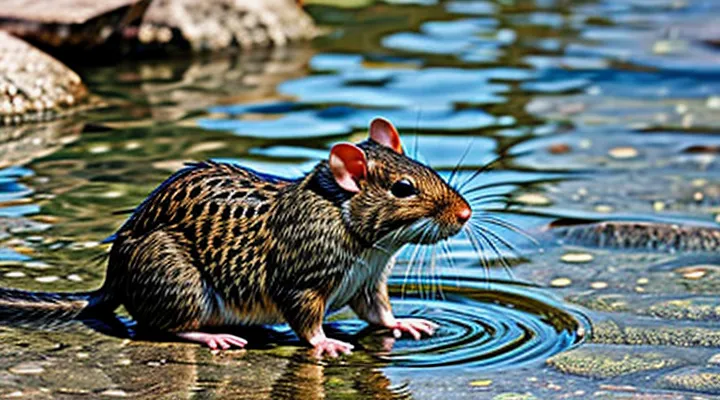
Understanding the Water Rat
General Overview
Classification and Taxonomy
Aquatic rodents commonly called water rats belong to the order Rodentia and are placed within the family Muridae, subfamily Murinae. Their classification reflects adaptations to semi‑aquatic habitats and a distinct evolutionary lineage among murine mammals.
- Kingdom: Animalia
- Phylum: Chordata
- Class: Mammalia
- Order: Rodentia
- Family: Muridae
- Subfamily: Murinae
- Genera: Nectomys, Neusticomys, Rattus (selected species)
- Representative species: Nectomys squamipes, Neusticomys monticolus, Rattus argentiventer
Phylogenetic analyses based on mitochondrial and nuclear DNA place these genera in a clade separate from terrestrial murines, indicating a single transition to aquatic environments. Within the clade, Nectomys and Neusticomys form sister groups, while Rattus species exhibiting semi‑aquatic behavior represent independent colonizations of water‑linked niches.
Recent molecular work has refined species boundaries, revealing cryptic diversity in Amazonian populations and prompting revisions of subspecies designations. Genetic markers support the recognition of at least three distinct lineages, each corresponding to specific river basins and ecological conditions.
Global Distribution and Habitats
The semi‑aquatic rodent known as the water rat occupies a broad latitudinal range across the Southern Hemisphere, extending into temperate zones of the Northern Hemisphere where suitable wet habitats exist. Populations are documented on multiple continents, reflecting both historical dispersal events and contemporary ecological flexibility.
- Australia: coastal rivers, estuaries, and inland floodplains.
- New Zealand: lowland streams, swamps, and lake margins.
- Southeast Asia: mangrove forests, tidal creeks, and peatlands.
- South America: Andean foothills, Amazonian tributaries, and Patagonian wetlands.
- Southern Africa: riverine corridors, marshes, and high‑altitude wetlands.
Habitat selection centers on freshwater systems that provide continuous access to water, abundant macroinvertebrate prey, and dense riparian vegetation for shelter and nesting. Preferred microhabitats include submerged root systems, bank burrows, and floating debris, which facilitate foraging while minimizing exposure to terrestrial predators.
The species tolerates a range of climatic conditions, from subtropical humidity to temperate coolness, yet exhibits a marked preference for stable water levels and moderate to high water quality. Seasonal flooding expands available foraging territory, whereas drought periods trigger localized population contractions or temporary migration to permanent water bodies.
Overall, the water rat’s distribution reflects a combination of physiological adaptation to aquatic environments and opportunistic exploitation of diverse wetland ecosystems worldwide.
Physical Adaptations for Aquatic Life
External Features
Fur and Waterproofing
The semi‑aquatic rodent commonly called the water rat possesses a dense, double‑layered coat. The outer guard hairs are long, stiff, and coated with a lipid-rich secretion that reduces surface tension. Beneath this layer, a soft underfur traps air, providing thermal insulation while the animal remains submerged.
Key attributes of the fur system include:
- High hair density (up to 150 hairs mm⁻²) that minimizes water penetration.
- Specialized sebaceous glands that continuously spread waterproof oil across the guard hairs.
- A hydrophobic microstructure that causes water droplets to bead and roll off the surface.
These adaptations allow the animal to maintain body temperature in cold streams, to dive for extended periods without excessive heat loss, and to remain buoyant while navigating vegetation and rocky substrates. The combination of structural density and chemical repellency ensures that the coat remains functional even after prolonged exposure to flowing water.
Webbed Feet and Tail
Webbed feet are a defining morphological adaptation for semi‑aquatic rodents, providing increased surface area that distributes weight during swimming and enhances propulsion through water. The interdigital membranes are reinforced by dense keratinous tissue, allowing the digits to spread widely when submerged while retracting for terrestrial locomotion. Vascularization of the webbing supports rapid heat exchange, aiding thermoregulation in cold aquatic environments.
The tail functions as a versatile rudder and stabilizer. Muscular extensions are elongated and laterally flattened, creating a paddle‑like surface that generates thrust when moved laterally. The caudal vertebrae exhibit expanded transverse processes, permitting powerful lateral bends. In many species, the tail surface is covered with a dense layer of waterproof fur, reducing drag and preventing water absorption.
Key functional aspects:
- Propulsion: Webbed hind feet generate forward thrust; the tail provides additional thrust and directional control.
- Maneuverability: Independent movement of each foot enables precise turns; the tail’s rapid oscillations allow quick changes in heading.
- Thermal regulation: Blood flow through the webbed membranes and tail assists in dissipating excess heat during intense activity.
- Habitat exploitation: Combined foot‑webbing and tail morphology enable efficient foraging in shallow streams, marshes, and flooded vegetation.
Comparative studies show that species inhabiting faster currents possess larger webbing ratios and longer, more muscular tails than those confined to still water, reflecting selective pressure for enhanced swimming performance.
Internal Systems
Respiratory Adaptations
The semi‑aquatic rodent known as the water rat exhibits several specialized respiratory traits that enable prolonged submersion and efficient gas exchange in humid environments. Morphological modifications include a flattened snout that reduces water resistance, enlarged nostrils capable of sealing tightly, and a highly vascularized nasal cavity that functions as a secondary respiratory surface. These features collectively minimize water ingress while maintaining oxygen uptake.
Key physiological adaptations are:
- Elevated hemoglobin affinity for oxygen, allowing blood to retain dissolved O₂ at lower partial pressures.
- Increased myoglobin concentrations in skeletal muscles, providing an internal oxygen reserve during dives.
- Enhanced lung compliance and a reduced alveolar surface area, which lowers the risk of pulmonary collapse under hydrostatic pressure.
- Reflexive bradycardia triggered by facial immersion, conserving oxygen by reducing cardiac output.
Behavioral strategies complement the anatomical and physiological mechanisms. The animal initiates shallow, rapid breaths before entering water, then relies on the nasal cavity’s capillary network to extract dissolved oxygen while submerged. Periodic surfacing intervals are timed to replenish depleted blood oxygen stores, ensuring sustained activity in aquatic habitats.
Circulatory Efficiency
Aquatic rodents that inhabit rivers and wetlands display a cardiovascular system optimized for prolonged submersion and rapid surface recovery. Their hearts are proportionally larger than those of terrestrial relatives, providing increased stroke volume that maintains cardiac output despite reduced heart rates during dives. Myocardial tissue exhibits a high density of mitochondria, supporting sustained aerobic metabolism under hypoxic conditions.
Blood composition contributes directly to oxygen transport efficiency. Hemoglobin concentration exceeds that of non‑aquatic species by 15–20 %, while the affinity for oxygen shifts toward lower partial pressures, facilitating uptake in water‑saturated lungs. Elevated myoglobin stores within skeletal muscle preserve intracellular oxygen reserves, extending aerobic activity during underwater foraging.
Vascular architecture adapts to fluctuating thermal and pressure environments. Peripheral vessels constrict selectively, shunting blood toward vital organs and the respiratory tract. Capillary networks in the limbs display reduced lumen diameter, minimizing heat loss while preserving sufficient perfusion for locomotion. Endothelial nitric oxide synthase activity is up‑regulated, allowing rapid vasodilation upon surfacing and accelerating re‑oxygenation.
These physiological traits enable the species to:
- Dive for up to 30 seconds without compromising arterial oxygen saturation.
- Maintain stable core temperature in cold freshwater currents.
- Recover cardiac rhythm within seconds of surfacing, preventing arrhythmia.
Collectively, heart morphology, hemoglobin dynamics, and vascular regulation constitute a circulatory system capable of meeting the energetic demands of an amphibious lifestyle.
Behavioral Traits
Diet and Foraging
Herbivorous Habits
The semi‑aquatic rodent commonly referred to as the water rat exhibits a predominantly herbivorous diet, supplemented occasionally by small invertebrates. Primary plant sources include freshwater algae, submerged macrophytes, and riparian grasses. Seasonal shifts favor higher consumption of tender shoots in spring and mature seeds in autumn.
Key aspects of its herbivorous behavior:
- Foraging technique: Uses whisker‑sensitive snouts to locate vegetation beneath the water surface; employs dexterous forepaws to grasp and trim stems.
- Digestive adaptation: Possesses an enlarged cecum housing cellulolytic bacteria that break down cellulose, enabling efficient extraction of nutrients from fibrous material.
- Water intake: Extracts moisture directly from consumed plants, reducing reliance on open water drinking and minimizing exposure to predators.
- Ecological impact: Grazing regulates aquatic plant growth, maintaining open channels for water flow and supporting biodiversity among fish and amphibian species.
These traits collectively define the water rat’s role as a specialized herbivore within its freshwater habitats.
Opportunistic Feeding
Aquatic rodents commonly referred to as water rats exhibit opportunistic feeding, consuming a wide range of prey and plant material whenever it becomes available. Their diet reflects the fluctuating resources of riparian and wetland habitats, allowing rapid adjustment to seasonal and stochastic changes in food supply.
Typical food items include:
- Aquatic insects and larvae
- Small fish and amphibian juveniles
- Crustaceans such as crayfish
- Mollusks and their eggs
- Freshwater vegetation and seeds
- Detritus and carrion when other sources are scarce
Opportunistic behavior reduces reliance on any single trophic source, enhancing survival during droughts, floods, or habitat disturbance. Flexible foraging strategies also promote coexistence with sympatric species by minimizing direct competition for specific prey. The ability to exploit both animal and plant resources contributes to the species’ resilience across diverse freshwater ecosystems.
Social Structure
Solitary or Colonial Living
Aquatic rodents that inhabit freshwater and coastal environments exhibit two primary social strategies: solitary existence and colony formation. Species such as the Eurasian water vole (Arvicola amphibius) typically maintain individual territories, defending them against conspecific intruders. Territorial boundaries are marked by scent deposits and frequent patrols along bank and submerged pathways. Solitary individuals allocate most of their foraging effort to nearby vegetation and submerged roots, minimizing exposure to predators by limiting movement to established cover.
Conversely, several semi-aquatic murids, including the Australian water rat (Hydromys chrysogaster), organize into colonies that occupy extensive riparian zones or mangrove stands. Colony members share burrow systems, coordinate foraging trips, and engage in communal vigilance. The advantages of this arrangement include:
- Enhanced detection of aerial and aquatic predators through collective alarm signaling.
- Shared maintenance of burrow infrastructure, reducing individual energy expenditure.
- Increased breeding opportunities as multiple females and males reside in close proximity, facilitating multiple mating events within a single season.
Colonial living also imposes constraints. High population density can elevate competition for food resources, leading to seasonal fluctuations in body condition. Disease transmission rates rise in densely packed burrow networks, demanding robust immune responses. Within colonies, hierarchical structures emerge, with dominant individuals monopolizing prime foraging routes and preferred nesting sites.
Environmental factors influence the prevalence of each strategy. Stable water levels and abundant vegetation favor colony establishment, whereas fluctuating hydrology, limited shelter, and high predation pressure tend to select for solitary territoriality. Seasonal shifts may trigger temporary aggregation during breeding peaks, after which individuals revert to independent territories.
Overall, the choice between solitary and colonial living reflects a balance between resource availability, predation risk, and reproductive imperatives, shaping the adaptive landscape of these semi-aquatic mammals.
Communication Methods
Aquatic rodent species known as water rats employ a multimodal communication system adapted to semi‑aquatic environments. Vocalizations dominate underwater exchanges; low‑frequency clicks and chirps travel efficiently through water, allowing individuals to maintain group cohesion while foraging or evading predators. Above the surface, higher‑pitched squeaks and whistles convey alarm or territorial intent, with acoustic signatures differing between sexes and age classes.
Chemical signaling supplements acoustic cues. Specialized scent glands release volatile compounds onto vegetation and nest sites, creating persistent markers of individual identity and reproductive status. Water rats frequently rub their bodies against substrate to deposit these chemicals, reinforcing social hierarchies and facilitating mate recognition.
Visual displays supplement auditory and olfactory channels during close‑range interactions. Body posturing—such as tail elevation, ear flattening, and fur puffing—conveys aggression, submission, or readiness to mate. Rapid darting movements across the water surface generate ripples that can be interpreted by conspecifics as warning signals.
Tactile communication occurs during grooming and nest‑building activities. Direct contact transfers information about health and social bonds, strengthening group stability. These combined modalities enable water rats to coordinate complex behaviors despite the challenges of a partially submerged habitat.
Ecological Role and Conservation
Ecosystem Impact
Role as a Primary Consumer
The water rat, an amphibious rodent, occupies the second trophic level by consuming primarily aquatic vegetation, algae, and small invertebrates. Its diet converts primary production into animal biomass, providing a substantial energy source for higher predators.
Feeding behavior contributes to ecosystem dynamics in several measurable ways:
- Consumes macrophytes, reducing excessive plant growth and maintaining open water habitats.
- Harvests benthic invertebrates, regulating their populations and preventing overgrazing of periphyton.
- Transforms plant-derived carbon into protein, which is subsequently transferred to piscivorous birds, fish, and larger mammals.
By converting photosynthetic output into accessible prey, the water rat sustains the flow of energy from producers to secondary consumers, reinforcing the stability of freshwater food webs.
Burrowing Effects
Burrowing behavior of semi‑aquatic rodents significantly reshapes riparian and wetland environments. Excavation creates tunnels and chambers that alter soil structure, increase aeration, and promote water infiltration. These modifications enhance nutrient cycling by exposing organic matter to microbial activity and facilitating the transport of dissolved minerals downstream.
Key ecological impacts include:
- Sediment redistribution – displaced soil stabilizes banks, reduces erosion, and forms micro‑deposits that support plant colonization.
- Hydrological changes – burrow networks improve groundwater recharge, modify surface runoff patterns, and create localized wet patches that serve as breeding sites for amphibians.
- Habitat complexity – tunnels provide refuge for invertebrates and small fish, increasing species richness and fostering predator–prey interactions.
- Vegetation dynamics – disturbed ground stimulates seed germination, while burrow openings allow root penetration, influencing plant community composition.
Physiological advantages for the rodents involve thermoregulation, protection from aerial predators, and access to food caches stored underground. The cumulative effect of these activities generates feedback loops that sustain productive, heterogeneous wetland ecosystems.
Threats and Conservation Status
Predation and Habitat Loss
Aquatic rodents commonly referred to as water rats face intense predation pressure from both terrestrial and aquatic predators. Birds of prey, such as herons and osprey, capture individuals during surface foraging, while larger mammals, including otters and mustelids, hunt them in shallow waterways. Fish species like pike and bass may seize juveniles that venture too deep. Predation intensity fluctuates with seasonal changes in water levels, which alter visibility and escape routes.
Habitat loss compounds these pressures. Primary drivers include:
- Drainage of wetlands for agriculture, reducing available foraging and nesting sites.
- Urban expansion that fragments riparian corridors, limiting movement between feeding grounds.
- Pollution and sedimentation that degrade water quality, impairing the vegetation cover essential for shelter.
- Climate‑induced alterations in precipitation patterns, causing prolonged droughts that shrink aquatic habitats.
The combined effect of elevated predator encounters and shrinking, degraded environments leads to measurable declines in population density. Conservation measures that protect wetland integrity, maintain connectivity of riverbanks, and control invasive predator species are essential to sustain viable water‑rat populations.
Conservation Efforts
Conservation programs target aquatic rodents threatened by habitat loss, water pollution, and invasive predators. Agencies coordinate habitat restoration, water quality monitoring, and legal protection to sustain viable populations.
- Restoration of riparian vegetation stabilizes banks, reduces sedimentation, and provides shelter.
- Installation of predator-exclusion fences around key breeding sites limits predation by introduced mammals.
- Enforcement of water-quality standards curtails contaminant levels that impair rodent health.
- Community outreach educates local stakeholders on the ecological significance of semi‑aquatic mammals and promotes responsible land use.
Long‑term surveys assess population trends, informing adaptive management. Success indicators include increased breeding pair counts, expanded occupied range, and reduced mortality from pollutants. Continued funding and cross‑jurisdictional collaboration remain essential for maintaining these measures.