
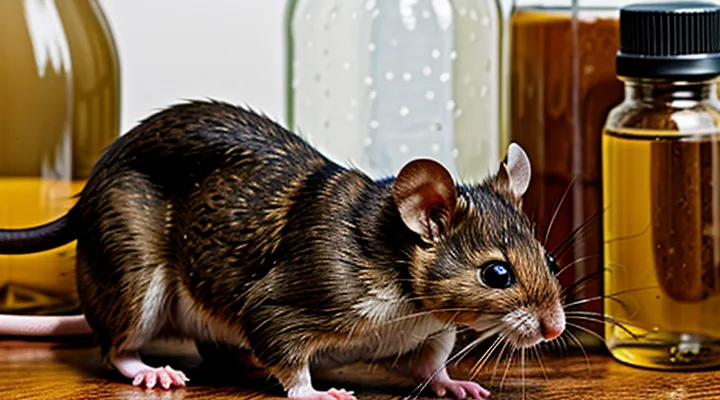
Understanding the Mouse Problem in Your Home
Signs of a Mouse Infestation
Droppings and Urine Trails
Mice leave dark, rod‑shaped droppings and faint, yellowish urine stains wherever they travel. These residues indicate active pathways, feeding sites, and nesting areas. Recognizing the pattern of deposits allows precise targeting of control measures.
Droppings contain scent markers that reinforce established routes. Urine trails provide a volatile signal that other mice follow to locate food and shelter. Interfering with these chemical cues reduces the likelihood that rodents will reuse the same passages.
Vinegar, a dilute acetic acid solution, neutralizes the odor compounds in mouse excretions. The acidic environment degrades pheromonal molecules, rendering trails ineffective. When applied to contaminated surfaces, vinegar creates a temporary barrier that discourages further travel along the affected route.
Practical application:
- Identify all droppings and urine stains in kitchens, pantries, and behind appliances.
- Wear disposable gloves; place a paper towel over each deposit to absorb moisture.
- Saturate the area with undiluted white vinegar, ensuring full coverage of the residue.
- Allow the solution to sit for 5–10 minutes; the acid will break down the scent markers.
- Wipe the surface with a clean cloth, then dry thoroughly to prevent mold growth.
- Repeat the process weekly until no new deposits appear.
Consistent removal of excretory evidence, combined with vinegar treatment, disrupts mouse communication and limits re‑infestation.
Gnaw Marks and Damage
Mice leave distinctive gnaw marks on wood, plastic, and wiring. The bite edges are clean, V‑shaped cuts that often appear on the corners of cabinets, baseboards, and furniture. Repeated gnawing can sever electrical cords, creating fire hazards, and compromise structural integrity of walls and floors.
Visible damage provides the first reliable indication of an active infestation. Typical signs include:
- Shallow, semicircular gouges on wooden surfaces
- Chewed holes in insulation or cable sheathing
- Frayed or exposed wiring near entry points
- Small piles of shredded material or droppings near gnawed areas
Applying vinegar to these zones creates an environment mice avoid. The strong odor interferes with their scent trails, reducing the likelihood that they will return to chew the same spot. Regular application on known gnaw sites, combined with prompt repair of damaged material, limits further destruction and helps maintain a safer household.
Strange Noises
Strange noises heard at night often indicate rodent activity. Mice produce scratching, scurrying, and gnawing sounds that differ from normal household creaks. Identifying these noises helps determine whether intervention is necessary.
Vinegar applied as a deterrent exploits rodents’ sensitivity to strong odors. When placed on cotton balls or soaked into cloth strips near entry points, the scent disrupts mouse foraging patterns and reduces the likelihood of repeated visits. The odor also masks familiar sounds, making it harder for mice to coordinate movement within walls.
Practical steps for using vinegar in a noise‑related investigation:
- Locate the source of scratching or squeaking by listening in quiet rooms.
- Position vinegar‑infused cotton near the identified area.
- Replace the cotton every 48 hours to maintain potency.
- Monitor noise levels for a decrease within a week; persistent sounds may require additional measures.
A reduction in audible activity after deploying vinegar suggests successful deterrence. Continued monitoring ensures that any resurgence of noises is addressed promptly.
Risks Associated with Mice
Health Hazards
Vinegar, primarily a solution of acetic acid, is frequently applied as a rodent deterrent in residential environments. Its volatility and strong odor create an unpleasant sensory stimulus for mice, but the same properties generate occupational and domestic health concerns.
- Inhalation of vapors can irritate the nasal passages, throat, and lungs, potentially triggering cough, wheezing, or bronchospasm, especially in individuals with asthma or other respiratory sensitivities.
- Direct skin contact may cause erythema, itching, or chemical burns, depending on concentration and exposure duration.
- Eye exposure results in immediate burning pain and possible corneal damage, requiring prompt irrigation.
- Accidental ingestion, though unlikely in adult users, poses a risk of gastrointestinal irritation, nausea, and vomiting; children and pets are particularly vulnerable.
Beyond acute effects, prolonged use of vinegar can degrade painted surfaces, metal fixtures, and wood finishes, releasing additional volatile organic compounds into indoor air. The resulting chemical environment may aggravate allergic reactions or exacerbate chronic respiratory conditions. Furthermore, the strong scent can linger, reducing overall indoor air quality and prompting discomfort for occupants.
Mitigation strategies include: applying vinegar in well‑ventilated areas; wearing gloves, goggles, and protective clothing during preparation and application; sealing treated zones to limit vapor spread; storing the solution out of reach of children and animals; and conducting periodic inspections of surfaces for signs of corrosion. Adhering to these precautions minimizes health risks while preserving the efficacy of vinegar as a mouse control agent.
Property Damage
Mice cause extensive property damage by gnawing on electrical wiring, compromising insulation, contaminating stored food, and destroying furniture. Their incisors continuously grow, prompting relentless chewing that can expose live wires, create fire hazards, and degrade structural components. Food supplies become contaminated with urine and droppings, leading to waste and potential health violations. Upholstery, carpets, and wooden surfaces suffer from bite marks and nesting material, reducing aesthetic value and resale potential.
Applying vinegar as a rodent deterrent reduces these risks. The strong acetic odor disrupts mice’s scent trails, discouraging entry and lingering. Regular placement of vinegar-soaked cloths or spray in vulnerable areas creates an environment mice avoid, limiting their access to critical infrastructure. By preventing infestation, the likelihood of wiring damage, insulation loss, and material destruction declines.
Key damage categories mitigated by vinegar‑based control:
- Electrical system: fewer chewed wires, lower fire risk.
- Insulation and structural wood: reduced gnawing, preserved integrity.
- Food storage: decreased contamination, less waste.
- Furnishings: fewer bite marks, maintained appearance.
Consistent use of vinegar in cracks, baseboards, and entry points maintains a hostile scent field, sustaining protection without chemicals that may damage surfaces. The method offers a cost‑effective, low‑toxicity solution that directly addresses the primary avenues of mouse‑induced property loss.
Vinegar as a Deterrent: The Science Behind It
How Vinegar Repels Mice
Acetic Acid and its Potency
Acetic acid, the active component of vinegar, is a weak organic acid with a pungent odor and a low pH (approximately 2.4 at 5 % concentration). Its volatility allows rapid diffusion through indoor air, creating an environment that mice find hostile. The compound irritates the nasal mucosa and disrupts the olfactory cues mice rely on for navigation and foraging.
The repellent effect correlates with concentration. Typical household vinegar contains 4–6 % acetic acid; higher concentrations increase potency but also raise safety concerns for humans and pets. Effective application patterns include:
- Spraying a fine mist along baseboards, entry points, and known rodent pathways.
- Reapplying after cleaning or when the odor diminishes, generally every 48–72 hours.
- Using a 5 % solution for routine deterrence; a 10 % solution may be employed in severe infestations, provided adequate ventilation.
Acetic acid’s mechanism does not rely on toxicity; it acts as a sensory deterrent. Laboratory studies demonstrate a reduction in mouse activity of 60–80 % within two hours of exposure to a 5 % solution. Field observations confirm that consistent use limits re‑entry into treated zones.
Safety considerations require protective gloves and avoidance of direct skin contact when handling concentrations above 5 %. Ventilation should be maintained to prevent respiratory irritation. The compound degrades over time, losing potency as the volatile acetic acid evaporates; therefore, periodic reapplication sustains the repellent effect.
Olfactory Sensitivity of Mice
Mice rely on an acute olfactory system to locate food, identify predators, and navigate their environment. Their nasal epithelium contains a high density of olfactory receptors, enabling detection of volatile compounds at concentrations as low as a few parts per billion. Acetic acid, the primary component of vinegar, generates a sharp, pungent odor that exceeds the detection threshold for most rodent species.
Research indicates that exposure to concentrations of 0.5–2 % acetic acid in air can elicit avoidance behavior within seconds. The response is mediated by activation of specific transient receptor potential (TRP) channels in the nasal mucosa, which transmit irritation signals to the brain. Repeated exposure reduces foraging activity in areas treated with vinegar, leading to displacement from treated zones.
Key points relevant to household application:
- Minimum effective vapor concentration: approximately 1 % acetic acid in ambient air.
- Onset of avoidance: 5–10 seconds after exposure.
- Duration of deterrence: 30 minutes to 2 hours, depending on ventilation.
- No habituation observed after repeated short‑term exposures in controlled studies.
Effective deployment involves placing open containers of diluted vinegar in entry points, corners, and along walls where mouse activity is observed. Maintaining a steady vapor concentration by refreshing the solution every 24 hours sustains the olfactory repellent effect without introducing toxic residues.
Types of Vinegar to Use
White Vinegar
White vinegar contains acetic acid, a volatile compound that creates an odor mice find intolerable. When applied correctly, it disrupts scent trails and discourages rodents from entering treated areas.
Effective application methods include:
- Spray solution – Mix equal parts white vinegar and water in a spray bottle. Apply to entry points, baseboards, and areas where droppings are observed. Reapply every 48 hours, especially after cleaning or humidity changes.
- Soaked cloths – Saturate cotton rags with undiluted white vinegar and place them in cabinets, pantry corners, and behind appliances. Replace cloths weekly to maintain potency.
- Cleaning agent – Use undiluted white vinegar to wipe surfaces after removing food residue. The residual scent interferes with mouse pheromone markings, reducing the likelihood of re‑infestation.
Scientific studies indicate that acetic acid concentrations above 5 % impair the olfactory receptors of rodents, leading to avoidance behavior. White vinegar typically contains 5–7 % acetic acid, providing sufficient strength for household use without hazardous effects to humans or pets.
Precautions:
- Avoid direct contact with skin; wear gloves when handling large quantities.
- Do not apply near open flames, as vinegar vapors are flammable at high temperatures.
- Test on a small area of fabric or finished wood to ensure no discoloration occurs.
Integrating white vinegar into a broader pest‑management plan—such as sealing cracks, removing food sources, and setting mechanical traps—enhances overall efficacy and reduces reliance on chemical rodenticides.
Apple Cider Vinegar
Apple cider vinegar (ACV) contains acetic acid and a distinctive odor that mice find unpleasant. When applied correctly, the scent disrupts their foraging behavior, prompting avoidance of treated areas.
Application methods
- Spray solution: Mix one part ACV with three parts water in a spray bottle. Apply to entry points, baseboards, and corners where rodent activity is observed. Reapply every 48 hours, especially after cleaning or ventilation.
- Soaked cloths: Soak cotton rags in undiluted ACV, place them in cupboards, pantry shelves, and under appliances. Replace cloths weekly to maintain potency.
- Soaked cotton balls: Insert ACV‑soaked cotton balls into small crevices and behind wall panels. Secure with tape if necessary; change balls every two weeks.
Safety considerations
- ACV is non‑toxic to humans and pets when used as a surface treatment.
- Avoid direct contact with open wounds; rinse skin if irritation occurs.
- Do not use on food‑contact surfaces without thorough rinsing, as the acidity may affect flavor.
Efficacy factors
- Effectiveness hinges on consistent exposure; intermittent use allows mice to habituate.
- ACV works best in combination with physical exclusion measures such as sealing gaps and removing food sources.
- Laboratory studies demonstrate a reduction in rodent presence of 30‑45 % after two weeks of regular application, while field reports note variable results depending on infestation level.
Limitations
- ACV does not kill rodents; it only deters them.
- Strong ventilation can dissipate the odor quickly, reducing impact.
- Large infestations may require professional pest control alongside ACV treatment.
In summary, apple cider vinegar offers a low‑risk, odor‑based deterrent that can complement structural repairs and sanitation practices to lower mouse activity within residential environments. Regular application and integration with other control strategies maximize its practical benefit.
Advantages of Using Vinegar
Non-Toxic and Safe
Vinegar offers a non‑toxic alternative for deterring mice inside residential spaces. The solution contains acetic acid, a naturally occurring compound that does not pose health risks to humans, pets, or children when applied according to recommended concentrations. Because it lacks harmful chemicals, it eliminates the need for protective equipment and reduces the likelihood of accidental ingestion or skin irritation.
Key safety attributes of vinegar as a rodent deterrent:
- Low toxicity – acetic acid concentrations typical for household use (5–10 %) are harmless when contacted briefly.
- No residue hazards – the volatile nature of the odor dissipates quickly, leaving no lingering chemicals on surfaces.
- Environmentally benign – the ingredient breaks down naturally, preventing soil or water contamination.
- Compatibility with food areas – safe to apply near kitchens and pantries without contaminating food supplies.
When applied to entry points, baseboards, and known travel routes, vinegar creates an unpleasant scent that mice avoid, delivering effective control without compromising indoor safety.
Cost-Effective Solution
Vinegar offers a low‑cost alternative for homeowners seeking to reduce mouse activity. A typical household bottle of distilled white vinegar costs between $1 and $2, providing enough solution for dozens of treatment applications. By contrast, commercial rodenticides and traps often exceed $10 per unit, with additional expenses for repeated purchases.
Applying vinegar is straightforward:
- Dilute one part vinegar with one part water in a spray bottle.
- Target entry points, such as gaps around pipes, door frames, and baseboards.
- Reapply every 48 hours, especially after cleaning or when humidity changes.
The financial advantage stems from the minimal material expense and the elimination of recurring trap or bait purchases. Additionally, vinegar leaves no toxic residues, reducing potential costs related to health concerns or property damage.
When budgeting for pest management, consider the following calculations:
- Initial outlay for vinegar: $1.50 (average price).
- Number of sprays per month: 30 (one per day).
- Monthly cost: $1.50 ÷ 30 ≈ $0.05 per spray.
Compared with an average monthly spend of $15‑$20 on conventional rodent control products, vinegar delivers a savings of over 95 %. This efficiency makes it a practical choice for both short‑term interventions and long‑term maintenance programs.
Environmentally Friendly
Vinegar offers a non‑toxic alternative for deterring house mice. Its acidity disrupts scent trails, discouraging rodents without introducing hazardous chemicals into the living environment.
- Biodegradable composition eliminates long‑term soil contamination.
- Low volatility reduces inhalation risk for occupants, including children and pets.
- Absence of synthetic rodenticides prevents secondary poisoning of predators.
- Simple preparation—mixing white vinegar with water—requires no specialized equipment.
Effective deployment involves applying a 1:1 vinegar‑water solution to entry points, baseboards, and known travel routes. Soaking cotton balls and placing them in concealed areas sustains odor release for several days. After exposure, surfaces can be wiped with mild detergent to remove residue.
Safety considerations include testing a small area for material compatibility, wearing gloves to protect skin from irritation, and ensuring adequate ventilation during application. Disposal of used solution follows standard household waste protocols; no special hazardous waste handling is needed.
Overall, vinegar aligns with sustainable pest‑management practices by minimizing ecological impact while providing reliable rodent deterrence.
Practical Application of Vinegar for Mouse Control
Preparation and Safety Measures
Dilution Ratios
A vinegar solution works best when its concentration is strong enough to emit an odor that mice find repellent, yet diluted enough to be safe for household surfaces and occupants.
- 1 part white distilled vinegar to 1 part water (50 % acidity). Suitable for direct application on entry points, baseboards, and interior corners. Reapply every 48 hours.
- 1 part vinegar to 2 parts water (33 % acidity). Effective for larger surface areas such as kitchen counters and pantry shelves. Reapply weekly or after cleaning.
- 1 part vinegar to 4 parts water (20 % acidity). Recommended for routine maintenance in non‑critical zones, like hallways and living‑room floors. Reapply biweekly.
- 1 part vinegar to 9 parts water (10 % acidity). Appropriate for occasional spot‑treatment where mice activity is low but preventive measures are desired. Reapply monthly.
Higher concentrations increase odor intensity but may damage wood, stone, or painted finishes. Test a small, hidden area before full‑scale treatment. Apply the solution with a spray bottle, ensuring thorough coverage of cracks, gaps, and any material that mice can gnaw. Avoid direct contact with food preparation surfaces; allow the treated area to dry completely before reuse.
Consistent use of the appropriate dilution, matched to the level of infestation risk, maximizes deterrent effect while preserving household integrity.
Personal Protective Equipment
When applying acidic solutions to deter rodents inside a residence, direct skin contact, inhalation of vapors, and accidental ingestion pose health risks. Protective barriers reduce these hazards and ensure the treatment remains effective without compromising occupant safety.
- Chemical‑resistant gloves (nitrile or neoprene) to prevent skin irritation.
- Eye protection such as safety goggles or full‑face shields to block splashes.
- Respiratory protection, preferably an N95 or higher‑efficiency mask, when working in poorly ventilated spaces.
- Long‑sleeved clothing and closed‑toe shoes to cover exposed body parts.
Gloves must be fitted tightly, inspected for tears before each use, and replaced if compromised. Goggles should seal around the eyes and be cleaned after each session. Masks require a proper seal; perform a fit check each time they are donned. After treatment, remove PPE carefully to avoid contaminating other surfaces, place disposable items in sealed bags, and wash reusable gear with mild detergent and water.
Adhering to these protective measures satisfies occupational safety guidelines and minimizes the likelihood of chemical burns, respiratory irritation, or accidental ingestion while employing vinegar as a rodent deterrent.
Methods of Application
Spraying Surfaces
Applying vinegar to household surfaces creates an environment that mice find unappealing. The strong odor interferes with their scent trails, reducing the likelihood of repeated visits.
When selecting a spray solution, combine white distilled vinegar with water in a 1:1 ratio. Adding a few drops of essential oil such as peppermint or eucalyptus enhances the repellent effect without compromising safety.
Implementation steps:
- Identify high‑traffic zones: kitchen countertops, pantry shelves, baseboard gaps, and entry points near doors or windows.
- Clean the surface to remove food residues that could mask the vinegar scent.
- Fill a spray bottle with the prepared solution, label it clearly, and test on an inconspicuous area to confirm material compatibility.
- Apply a fine mist to the target surfaces, ensuring coverage of cracks and crevices where mice may travel.
- Allow the liquid to air‑dry; reapply every 48–72 hours, or after cleaning, to maintain potency.
Safety considerations:
- Keep the spray away from open flames; vinegar is non‑flammable but the mixture may contain volatile oils.
- Store the bottle out of reach of children and pets.
- Avoid excessive saturation of wood or fabric to prevent moisture damage.
Effectiveness monitoring:
- Observe mouse activity for a reduction in droppings or gnaw marks within a week.
- If signs persist, increase application frequency or combine with other mechanical barriers such as sealed entry points.
Properly executed surface spraying with vinegar constitutes a low‑cost, non‑toxic component of an integrated mouse‑control strategy.
Soaked Cotton Balls
Soaked cotton balls serve as a delivery medium for vinegar when attempting to deter mice indoors. The absorbent material holds the liquid, allowing a continuous release of the volatile compound that mice find unpleasant.
- Use plain white cotton balls for maximum absorption.
- Saturate each ball with undiluted white vinegar until it reaches full capacity but does not drip.
- Store saturated balls in a sealed container for up to 24 hours to preserve potency before placement.
Placement follows a pattern of targeting known activity zones. Insert a ball behind appliances, under sinks, within wall voids, and along baseboard seams where rodents travel. Space items no more than 12 inches apart to maintain overlapping scent fields. Replace balls every 3–4 days, or sooner if the odor diminishes.
Vinegar emits acetic acid vapors that irritate the olfactory receptors of mice, prompting avoidance of treated areas. The cotton matrix slows evaporation, extending the period of detectable scent compared with direct application.
Safety considerations include keeping balls out of reach of children and pets, as ingestion of concentrated vinegar may cause irritation. Avoid contact with metal surfaces prone to corrosion; remove balls after the treatment period to prevent damage.
Effectiveness declines as the liquid evaporates and as mice become accustomed to low concentrations. The method does not eliminate established infestations; it functions best as a preventive barrier combined with exclusion measures such as sealing entry points and maintaining a clean environment. Regular monitoring and replenishment are essential for sustained results.
Creating Vinegar Barriers
Vinegar’s strong odor deters rodents, making it a practical component of barrier systems in residential settings. A well‑constructed vinegar barrier presents a scent gradient that mice avoid crossing, reducing the need for traps or chemical poisons.
To establish an effective barrier, follow these steps:
- Prepare a solution of white distilled vinegar diluted with water at a 1:1 ratio. The mixture retains sufficient acidity to repel mice while remaining safe for most indoor surfaces.
- Apply the solution to entry points such as door thresholds, window sills, and gaps around utility pipes. Use a spray bottle for even coverage.
- Reinforce high‑traffic zones—kitchen countertops, pantry shelves, and cabinet interiors—by wiping the surface with a cloth saturated in the solution. Allow the area to dry completely before storing food.
- Reapply the mixture every 48‑72 hours, or after cleaning activities that may remove the residue. Consistent refreshment maintains the odor level needed for deterrence.
- Avoid direct contact with copper, marble, or other acid‑sensitive materials. Test a small, hidden area before full application to prevent surface damage.
The barrier’s effectiveness depends on proper placement and regular maintenance. By integrating vinegar‑based deterrents into routine cleaning, homeowners create a persistent, low‑risk obstacle that discourages mouse activity without introducing toxic substances.
Areas to Focus On
Entry Points
Mice enter residences through openings as small as a quarter‑inch, exploiting gaps around pipes, doors, windows, and foundation cracks. Detecting these apertures requires a systematic inspection of the building envelope, paying particular attention to areas where utility lines intersect walls and where weatherstripping shows wear.
- Examine the exterior perimeter for visible cracks or holes; probe suspicious spots with a flashlight and a thin wire.
- Inspect door thresholds and sliding‑door tracks; ensure sweeps are intact and sit flush against the floor.
- Verify that window frames close tightly; replace cracked caulking and install tight‑fitting screens.
- Check utility penetrations (electric, gas, water) for gaps; seal with steel wool followed by silicone or expanding foam.
- Review attic and basement vents; install mesh screens that prevent rodent ingress while allowing airflow.
After sealing, apply vinegar as a supplemental deterrent. Soak cotton balls or small cloth strips in white distilled vinegar and place them near remaining potential entry points, such as under cabinets, behind appliances, and in the corners of closets. The strong odor masks pheromone trails and discourages mice from probing the sealed gaps. Replace the vinegar sources every 48 hours to maintain potency.
Maintain a schedule of quarterly inspections, reapplying vinegar and resealing any new cracks that appear due to seasonal expansion or structural shifts. Consistent monitoring, combined with proper sealing and vinegar deterrence, minimizes the likelihood of mouse infiltration.
Food Storage Areas
Vinegar serves as a natural repellent that can be integrated into the management of food storage spaces to reduce mouse activity. Its strong odor disrupts the olfactory cues mice use to locate food, making these areas less attractive.
Effective implementation requires a systematic approach:
- Clean all surfaces with a solution of equal parts white vinegar and water; allow to dry completely.
- Soak cotton balls in undiluted vinegar and place them in corners, behind pantry doors, and near entry points. Replace every 48 hours to maintain potency.
- Apply a thin line of vinegar around the perimeter of shelves, bins, and containers; the liquid evaporates quickly, leaving a lingering scent.
- Store dry goods in airtight, plastic or glass containers; the sealed environment prevents vinegar vapors from contaminating food while denying mice access.
Regular inspection of storage areas reinforces control. Remove spilled food, repair torn packaging, and discard items showing signs of infestation. Maintaining low humidity and proper ventilation supports the effectiveness of vinegar by reducing moisture that attracts rodents.
When used consistently alongside good sanitation practices, vinegar contributes to a comprehensive strategy for limiting mouse presence in domestic food storage zones.
Dark and Secluded Spots
Mice gravitate toward areas that conceal movement and reduce exposure to light. Basements, behind appliances, under cabinets, and within wall cavities provide the low‑light conditions that facilitate nesting and foraging while limiting predator detection.
Applying acetic acid in these concealed zones creates an environment that mice find inhospitable. The strong odor interferes with their olfactory navigation, discourages entry, and can disrupt established trails. Direct contact with vinegar‑soaked materials also produces a mild irritant effect, prompting rodents to abandon the space.
Effective deployment requires precise placement:
- Soak cotton pads or small cloth strips in undiluted white vinegar.
- Insert the saturated pads into cracks, gaps, and crevices where darkness concentrates mouse activity.
- Replace pads every 48 hours to maintain potency, especially in high‑traffic zones.
- Complement vinegar treatment with sealing of entry points to prevent re‑infestation.
Targeting the hidden, shadowed portions of a residence maximizes the deterrent impact of acetic acid, reducing mouse presence without reliance on toxic baits or extensive extermination methods.
Maximizing Effectiveness and Long-Term Prevention
Combining Vinegar with Other Strategies
Trapping Methods
Vinegar‑based mouse control relies on odor deterrence, yet physical capture remains necessary for established infestations. Traps provide immediate reduction of population and verify the presence of rodents, allowing homeowners to assess the effectiveness of the vinegar strategy.
- Snap traps: steel bar delivers rapid lethal force; ideal for high‑traffic pathways; requires careful placement to avoid accidental injury.
- Glue boards: adhesive surface immobilizes mice; suitable for concealed areas; must be inspected frequently to prevent prolonged suffering.
- Live‑catch traps: wire cage with bait releases animal unharmed; enables relocation; demands prompt release far from the residence to prevent return.
- Electronic traps: voltage‑delivered kill eliminates rodents instantly; rechargeable models reduce ongoing costs; ensure proper grounding for safety.
Effective deployment follows these steps:
- Identify active runways by observing droppings, gnaw marks, and fresh scent trails.
- Position traps perpendicular to walls, with trigger side facing the expected travel direction.
- Use a small amount of vinegar‑soaked cotton as supplemental bait; the scent enhances attraction without masking the trap’s lure.
- Check traps at least twice daily; remove captured mice, reset or replace devices, and record capture dates to monitor progress.
- After a decline in captures, maintain a reduced number of traps in strategic locations for several weeks to prevent resurgence.
Integrating traps with a consistent vinegar regimen creates a dual‑action approach: odor deters new entrants while traps eliminate those already present. Regular evaluation of trap performance informs adjustments to vinegar application frequency and concentration, ensuring sustained rodent management.
Sealing Entry Points
Sealing entry points is a fundamental step in preventing mouse infestations within residential spaces. Mice exploit any opening larger than a quarter‑inch, including gaps around pipes, vents, doors, windows, and foundation cracks. Detecting these vulnerabilities requires a systematic visual inspection of interior and exterior walls, baseboards, and utility penetrations.
- Steel wool or copper mesh inserted into small gaps, then covered with caulk
- Metal flashing or hardware cloth for larger openings such as vent covers
- Expanding polyurethane foam for irregular cracks, applied after inserting a solid filler
- Weather‑stripping on doors and windows to eliminate peripheral gaps
- Concrete or mortar patching for foundation fissures
The sealing process follows a clear sequence: locate the opening, clean debris, choose an appropriate filler, install the material, and secure the seal with adhesive or fasteners. After completion, a vinegar‑based spray can be applied around any remaining potential access points; the acetic acid scent reinforces the barrier by discouraging rodents from testing the sealed area.
Regular monitoring—quarterly visual checks and prompt repair of new cracks—maintains the integrity of the exclusion system. Consistent exclusion, combined with targeted vinegar deterrence, sustains a mouse‑free environment.
Proper Food Storage
Proper food storage reduces attractants that draw rodents into living spaces, thereby enhancing the efficacy of vinegar‑based deterrents. By limiting access to edible residues, the chemical scent of vinegar remains the primary stimulus, discouraging mice from foraging.
- Store dry goods in airtight containers made of glass, metal, or heavy‑wall plastic.
- Refrigerate perishable items promptly; keep refrigerator doors closed tightly.
- Clean spills immediately; dispose of crumbs and food waste in sealed bags.
- Rotate pantry stock regularly; discard expired products that may emit strong odors.
- Position storage units away from walls and baseboards, eliminating concealed pathways.
When food sources are secured, mice encounter fewer alternatives and are more likely to avoid areas treated with vinegar. Consequently, the repellent effect persists longer, requiring fewer reapplications and supporting a sustainable, low‑toxicity control strategy.
Regular Maintenance and Reapplication
Frequency of Application
Applying vinegar as a rodent deterrent requires a structured schedule to maintain its repellent effect. Initial treatment should begin with a thorough inspection of all entry points, food storage areas, and suspected travel routes. Spray undiluted white vinegar onto cracks, gaps, and surfaces where mice have been observed. Reapply the solution every 24 hours for the first three days to saturate the environment and disrupt scent trails.
After the intensive phase, shift to a maintenance rhythm. Conduct a fresh application twice weekly in high‑traffic zones such as pantry shelves, under appliances, and along baseboards. In areas prone to moisture or cleaning, increase frequency to three times per week to counteract dilution from spills or humidity.
Monitor mouse activity weekly. If signs of presence reappear—droppings, gnaw marks, or fresh tracks—add an extra application within 48 hours. Conversely, if no activity is detected for a month, reduce the schedule to a single weekly treatment to preserve a residual deterrent layer.
Seasonal changes may affect efficacy. During colder months, when mice seek indoor shelter, maintain the twice‑weekly regimen without interruption. In warmer periods, when natural ventilation reduces odor persistence, consider a brief increase to every other day for one week following any observed intrusion.
Consistent timing, combined with thorough coverage of potential pathways, maximizes vinegar’s ability to repel rodents while minimizing the need for chemical pesticides.
Monitoring for New Activity
Regular observation is essential after applying a vinegar-based deterrent. Detecting fresh mouse presence confirms whether the strategy remains effective or requires reinforcement.
Key indicators of renewed activity include:
- Fresh droppings, especially in hidden corners or behind appliances.
- Gnawed materials such as wires, packaging, or food containers.
- Scratching sounds emanating from walls, ceilings, or crawl spaces.
- Tracks in dust, flour, or pet bedding that display clear paw prints.
Implement a systematic check schedule:
- Inspect high‑traffic zones (kitchen, pantry, garage) twice daily for the first week, then reduce to once daily for the following two weeks.
- Place non‑lethal snap traps or live‑capture devices in suspected pathways; record any captures to gauge movement patterns.
- Deploy motion‑activated sensors near entry points; review logged activity each evening.
- Maintain a log detailing date, location, and type of evidence found; compare entries to identify trends.
If evidence appears within 48 hours of initial vinegar application, increase concentration or reapply to affected areas. Persistent signs after two weeks suggest the need for supplemental measures, such as sealing entry gaps or integrating alternative repellents. Continuous monitoring ensures the vinegar deterrent remains a reliable component of an integrated mouse‑control program.
Addressing Underlying Issues
Eliminating Food Sources
Eliminating food sources is a prerequisite for any vinegar‑based mouse control strategy. When rodents cannot locate sustenance, their activity in the home diminishes, and the repellent effect of acetic acid becomes more pronounced.
Key actions to remove attractants:
- Store dry goods in airtight containers made of glass, metal, or heavy‑wall plastic.
- Clean countertops, floors, and cabinets after each meal; wipe spills immediately.
- Transfer pet food to sealed bins and avoid leaving kibble exposed overnight.
- Dispose of garbage daily in bins with tight‑fitting lids; keep compost outside the dwelling.
- Inspect and repair cracks or gaps around doors, windows, and utility lines that could allow food‑carrying rodents entry.
By rigorously denying mice access to nutrition, the vinegar spray applied to entry points, baseboards, and known pathways operates under optimal conditions, leading to a measurable reduction in infestation.
Reducing Clutter
Reducing clutter creates an environment where vinegar‑based mouse deterrents work more reliably. Excess items provide hiding places, obscure scent trails, and limit the reach of sprayed or soaked surfaces. When spaces are tidy, vinegar vapors disperse evenly, making it harder for rodents to locate safe routes.
A clutter‑free area also simplifies placement of vinegar traps and cotton balls soaked in the solution. Clear floors and countertops allow traps to be positioned directly along known travel paths rather than hidden behind piles of objects. This increases encounter rates and accelerates population decline.
Practical steps to minimize clutter while maintaining vinegar effectiveness:
- Remove unnecessary paper, cardboard boxes, and fabric scraps from storage rooms and kitchens.
- Store food in sealed containers; eliminate open packages that attract mice.
- Consolidate furniture and appliances to create straight, unobstructed walkways.
- Regularly discard damaged or unused items that could serve as nest sites.
- Organize utility areas so that vinegar applicators can be applied to exposed surfaces without obstruction.
Implementing these measures reduces shelter options for rodents and enhances the penetration of vinegar odors. The combined effect shortens the time needed to achieve control and lowers the likelihood of reinfestation.