
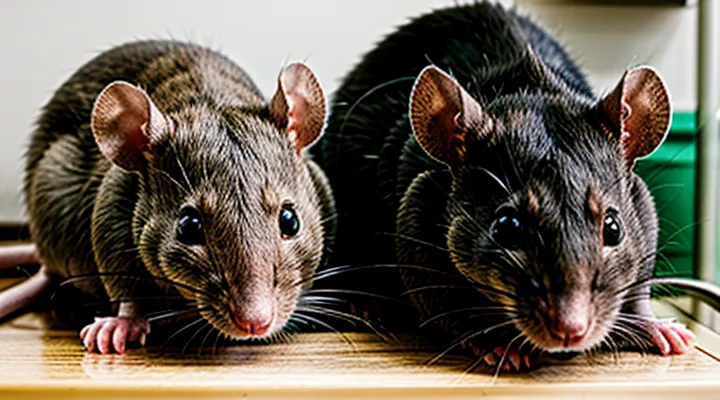
Why Rats Require Specialized Veterinary Care
Anatomical and Physiological Peculiarities
Rats possess a compact skeletal framework that supports rapid, agile movement. The axial skeleton includes a flexible lumbar region, allowing the animal to curl tightly when stressed. The scapular girdle is highly mobile, facilitating climbing and burrowing. Long, delicate forelimb bones accommodate precise manipulation of food and nesting material.
The cardiovascular system operates at a high basal rate; a typical adult rat’s heart beats 350–500 times per minute. Small coronary arteries deliver oxygen efficiently to the myocardium, while a robust capillary network sustains metabolic demands during prolonged activity. Blood volume averages 6 % of body weight, necessitating careful fluid management during anesthesia and surgery.
Respiratory anatomy features a relatively large nasal cavity lined with turbinates that condition inhaled air. The lung parenchyma consists of numerous alveolar sacs, providing a large surface area for gas exchange despite the animal’s diminutive size. Rats are obligate nasal breathers; obstruction of the nasal passages rapidly impairs oxygen intake.
Digestive physiology relies on a simple, herbivorous–omnivorous tract. The stomach is monogastric, secreting acid to break down protein-rich diets. The cecum houses a dense microbial population that ferments fiber, producing short‑chain fatty acids essential for energy. Rapid gastrointestinal transit—approximately 12–24 hours—requires vigilant monitoring for ileus or obstruction.
Reproductive anatomy includes a bicornuate uterus with two distinct uterine horns, each capable of supporting independent gestation. Ovulation is induced by copulation, and estrous cycles last 4–5 days. Hormonal fluctuations influence behavior and susceptibility to stress‑related disorders, informing breeding and health‑maintenance protocols.
Neurological characteristics include a highly developed olfactory bulb, accounting for up to 20 % of brain mass. This region processes scent cues essential for social interaction and environmental assessment. The somatosensory cortex contains an enlarged representation of the whisker pad, reflecting the animal’s reliance on tactile exploration.
Key considerations for rat‑focused veterinary practice:
- Precise dosing: drug calculations must account for high metabolic rate and small body mass.
- Anesthetic management: inhalant agents are preferred; rapid induction and emergence reduce hypoxia risk.
- Thermoregulation: rats lose heat quickly; warming devices are mandatory during procedures.
- Fluid therapy: isotonic solutions administered at 10 ml/kg/hour maintain circulatory volume without overload.
Understanding these anatomical and physiological traits enables accurate diagnosis, effective treatment, and optimal preventive care for laboratory and pet rats.
Common Health Issues in Rats
Rats presented to specialist veterinary practices frequently exhibit a limited set of clinical problems that require prompt diagnosis and targeted therapy. Respiratory disease dominates presentations; Mycoplasma pulmonis infection produces nasal discharge, sneezing, and labored breathing, while secondary bacterial pneumonia may accompany it. Early sputum culture and radiographic assessment guide antimicrobial selection and supportive care.
Gastrointestinal disturbances rank second among common complaints. Acute diarrhea, often linked to bacterial overgrowth or stress, can progress to dehydration and electrolyte imbalance. “Wet tail” (colibacillosis) manifests as watery feces with perianal staining and demands immediate fluid therapy and broad‑spectrum antibiotics. Gastric stasis and bloat, though less frequent, necessitate decompression and prokinetic agents.
Dental pathology appears in a substantial proportion of adult rats. Continuous incisor growth predisposes to malocclusion, resulting in weight loss, facial swelling, and difficulty eating. Regular oral examination and trimming under anesthesia prevent secondary infection and maintain adequate nutrition.
Additional concerns include:
- Neoplastic growths, particularly fibrosarcomas and mammary adenocarcinomas, presenting as subcutaneous masses.
- Skin infestations by mites or fungal organisms, identified by pruritus and alopecia.
- Metabolic disorders such as obesity, diabetes mellitus, and cardiovascular disease, detectable through body condition scoring and laboratory panels.
Effective management relies on thorough physical examination, appropriate imaging, and laboratory diagnostics performed by clinics dedicated to rat health. Early intervention improves outcomes and reduces morbidity across these common conditions.
Behavioral Considerations in a Clinical Setting
Rat‑focused veterinary practices encounter distinct behavioral patterns that influence diagnostic accuracy, treatment efficacy, and animal welfare. Recognizing these patterns enables clinicians to minimize stress, prevent injury, and obtain reliable clinical data.
- Rats display heightened sensitivity to sudden movements; slow, deliberate handling reduces adrenal activation.
- Social hierarchy affects cooperation; dominant individuals may mask pain, while subordinates may exhibit exaggerated fear responses.
- Habitat familiarity mitigates anxiety; exposing patients to a cage environment similar to their home cage eases transition to the examination table.
- Enrichment objects, such as nesting material, can be used during restraint to occupy natural foraging behavior and lower tension.
- Prior handling experience predicts compliance; animals accustomed to human contact tolerate procedures more readily than naïve specimens.
Implementing these considerations requires standardized protocols: pre‑examination acclimation periods, use of tunnel or cup restraints instead of direct hand grip, and observation of ear and whisker position as immediate stress indicators. Documentation of each animal’s social status, previous handling history, and enrichment preferences should accompany the medical record.
Consistent application of behavior‑aware techniques improves patient outcomes, reduces procedural complications, and supports ethical standards within rat‑specialized veterinary settings.
Finding the Right Veterinary Clinic for Your Rat
Identifying a Rat-Friendly Veterinarian
Finding a veterinarian who understands rat anatomy, behavior, and common ailments is essential for proper care. Professionals with dedicated experience can diagnose quickly, apply appropriate anesthesia protocols, and provide nutrition guidance tailored to small rodents.
Key indicators of a rat‑friendly practice include:
- Board‑certified or licensed veterinarians with documented work on rodents.
- Demonstrated history of treating rats, reflected in case studies or client testimonials.
- Facility equipped with appropriately sized examination tables, cages, and surgical instruments.
- Use of anesthesia and analgesia protocols specifically validated for rats.
- Transparent communication about preventive care, disease signs, and emergency procedures.
To verify these indicators, follow a systematic approach:
- Contact the clinic and request details about the veterinarian’s training and the number of rat patients handled annually.
- Ask for references from current rat owners and review online feedback focusing on treatment outcomes.
- Arrange a site visit to assess hygiene standards, equipment size, and staff familiarity with handling rats.
- Discuss a potential health plan, noting whether the veterinarian explains dosage calculations, dietary requirements, and monitoring schedules clearly.
By confirming credentials, reviewing practical experience, inspecting the environment, and evaluating communication, pet owners can select a veterinarian capable of delivering competent, compassionate care for their rats.
Questions to Ask a Prospective Clinic
When selecting a rat‑focused veterinary practice, precise information determines the quality of care your pet will receive.
- Does the clinic have a veterinarian with specific training or certification in exotic small‑animal medicine, particularly rodents?
- What is the clinic’s experience with common rat health issues such as respiratory disease, gastrointestinal problems, and tumor screening?
- How frequently are routine examinations, vaccinations, and preventive treatments scheduled for adult and juvenile rats?
- Are diagnostic tools such as digital radiography, ultrasound, and laboratory testing available on‑site?
- What are the clinic’s policies regarding emergency care, after‑hours contact, and referral to specialists if needed?
- Can the practice provide a written treatment plan that includes medication dosages, administration methods, and expected outcomes?
- How does the clinic handle client education on diet, housing, enrichment, and behavioral health for rats?
- What are the costs for standard services, procedures, and any advanced diagnostics, and are payment options or insurance accepted?
- Is there a protocol for handling deceased pets, including necropsy services and respectful disposal?
- Does the clinic maintain records in a secure, accessible system that allows owners to review medical histories online?
Collecting clear answers to these points enables an informed decision and promotes optimal health management for your rat.
Red Flags to Watch Out For
Rat‑focused veterinary practices require owners to recognize warning signs that may indicate substandard care or health risks. Identifying these indicators early protects the animal and prevents costly complications.
- Unexplained delays in appointment scheduling or frequent cancellations.
- Lack of written protocols for common procedures such as dental cleaning, anesthesia monitoring, or post‑operative pain management.
- Absence of a dedicated rat enclosure or quarantine area, suggesting inadequate infection control.
- Staff unfamiliarity with rat‑specific anatomy, behavior, or disease presentations.
- No visible licensing information, accreditation, or recent continuing‑education records displayed in the facility.
- Pricing that is substantially lower than comparable clinics without a clear explanation.
- Inconsistent or vague communication about diagnostic results, treatment options, or medication dosages.
Each bullet reflects a potential red flag. Delays and cancellations may hide staffing shortages or overbooked schedules, compromising timely care. Missing protocols indicate a lack of standardization, increasing procedural risk. Without proper housing, rats are exposed to stress and cross‑contamination. Inadequate staff knowledge leads to misdiagnosis or ineffective treatment. Transparency about credentials and pricing demonstrates professional accountability; their absence suggests possible shortcuts. Clear, detailed communication is essential for informed consent and optimal outcomes. Vigilance toward these signs helps owners select competent, rat‑specialized veterinary services.
Services Offered by Specialized Rat Veterinarians
Preventive Care and Wellness Checks
Rat‑focused veterinary practices provide targeted preventive programs that address the unique physiology and behavior of pet rats. Regular wellness examinations establish baseline health data, allow early detection of common conditions such as respiratory infections, tumors, and dental disease, and guide individualized care plans.
Core components of preventive care include:
- Comprehensive physical exam covering coat, eyes, ears, teeth, and abdomen.
- Weight measurement and body condition scoring to assess nutritional status.
- Vaccination assessment; while routine vaccinations are uncommon for rats, clinics evaluate exposure risk and advise on appropriate immunizations when available.
- Dental evaluation and prophylactic trimming to prevent malocclusion and associated pain.
- Parasite screening for ectoparasites (mites, fleas) and endoparasites (coccidia, pinworms).
- Nutritional counseling that emphasizes a balanced diet of high‑quality pellets, fresh vegetables, and limited treats.
- Environmental enrichment recommendations to reduce stress and promote natural foraging behavior.
- Laboratory testing (blood work, urinalysis) when indicated by clinical findings or age‑related risk factors.
Scheduling wellness checks every three to six months aligns with the rapid life cycle of rats and ensures timely intervention. Owners should maintain detailed health records, report any changes in behavior or appetite promptly, and follow clinic‑provided grooming and housing guidelines. Consistent preventive measures reduce morbidity, extend lifespan, and improve overall quality of life for companion rats.
Diagnostic Procedures for Rats
Veterinary facilities that concentrate on rat health employ a systematic approach to diagnosis, beginning with a thorough physical examination. Practitioners assess weight, coat condition, ocular and nasal discharge, and palpate the abdomen for organ enlargement or tenderness. Baseline data from this exam guide subsequent testing.
- Radiographic imaging: lateral and ventrodorsal views identify skeletal fractures, dental overgrowth, and thoracic abnormalities.
- Blood sampling: microvascular collection from the tail vein or saphenous vein yields complete blood counts and biochemical panels, revealing anemia, infection, renal or hepatic dysfunction.
- Fecal analysis: microscopic examination and flotation techniques detect parasites, bacterial overgrowth, and dysbiosis.
- Urinalysis: cystocentesis provides specimens for chemical strips and microscopy, supporting evaluation of renal health and urinary tract infection.
- Abdominal ultrasonography: high‑frequency probes visualize organ architecture, detect masses, fluid accumulation, and reproductive status without invasive surgery.
- Endoscopic inspection: miniature endoscopes permit direct visualization of the gastrointestinal tract, enabling biopsy of suspicious lesions.
- Microbiological culture: swabs from wounds, respiratory secretions, or internal samples identify bacterial or fungal pathogens and determine antimicrobial susceptibility.
- Genetic screening: PCR‑based tests identify hereditary conditions such as progressive myoclonic epilepsy or specific metabolic disorders.
Interpretation of test results follows established reference ranges for laboratory‑bred and pet rats, allowing clinicians to differentiate between normal physiological variation and disease. Integration of clinical signs with laboratory data forms the basis for targeted treatment plans, monitoring protocols, and preventive recommendations in rat‑focused veterinary practice.
Surgical Interventions and Anesthesia Protocols
Surgical care for pet rats demands precise techniques and anesthesia regimens tailored to their small size and high metabolic rate. Pre‑operative evaluation includes physical examination, body condition scoring, and baseline hematology to identify anemia, infection, or organ dysfunction that could affect drug metabolism. Temperature maintenance, fluid therapy, and analgesia begin before incision to reduce peri‑operative stress.
Common surgical procedures performed in rat‑focused veterinary practices are:
- Excision of subcutaneous masses or neoplasms
- Ovariohysterectomy and orchiectomy for population control
- Tail amputation and soft‑tissue repair after injury
- Orthopedic fixation of femoral or tibial fractures using miniature plates or intramedullary pins
All surgeries employ aseptic preparation with chlorhexidine or povidone‑iodine, microsurgical instruments, and magnification loupes to enhance visualization of delicate structures.
Anesthetic protocols emphasize rapid induction, stable maintenance, and swift recovery. Preferred induction agents include isoflurane delivered via a calibrated vaporizer, or injectable combinations of ketamine (30‑50 mg/kg) and midazolam (1‑2 mg/kg). For maintenance, isoflurane at 1‑2 % in oxygen provides adjustable depth while allowing real‑time assessment of reflexes and respiratory rate. Supplemental analgesia consists of buprenorphine (0.05 mg/kg) or meloxicam (0.2 mg/kg) administered pre‑emptively and continued post‑operatively.
Monitoring throughout the procedure requires a pulse oximeter probe on the tail or paw, rectal temperature measurement, and capnography when feasible. End‑tidal CO₂ values between 35‑45 mmHg indicate adequate ventilation; adjustments to respiratory rate are made by modifying anesthetic depth or providing supplemental oxygen at 0.5‑1 L/min.
Post‑operative care includes warm recovery cages, continued analgesia for 48‑72 hours, and daily wound inspection. Early return to normal feeding patterns signals successful pain control and stable physiologic status.
Nutritional Counseling and Environmental Enrichment
Veterinary practices that focus exclusively on rat patients incorporate comprehensive nutritional counseling as a core component of preventive care. Diet plans are tailored to each animal’s age, weight, activity level, and health status. Professionals assess body condition scores, evaluate laboratory results, and adjust macronutrient ratios to maintain optimal lean mass while preventing obesity‑related disorders. Recommended feed includes high‑quality commercial pellets fortified with essential vitamins and minerals, supplemented with measured portions of fresh vegetables such as kale, bell pepper, and carrot. Treats are limited to low‑sugar, low‑fat options; sugary fruits and processed snacks are excluded to reduce the risk of dental disease and metabolic imbalance.
Environmental enrichment strategies are prescribed alongside dietary guidance to promote natural foraging, exploration, and social interaction. Enrichment protocols consist of:
- Multi‑level cage structures that provide climbing surfaces, tunnels, and hideaways.
- Rotating toy sets that stimulate chewing and tactile engagement, refreshed weekly to prevent habituation.
- Foraging opportunities created by scattering small food pellets within bedding or puzzle feeders.
- Scheduled social sessions with compatible conspecifics, monitored for aggression and stress indicators.
- Daily handling routines that encourage human‑rat bonding while minimizing fear responses.
Clinicians monitor progress through regular physical examinations and behavioral assessments. Adjustments to diet or enrichment are documented in the medical record, ensuring continuity of care. By integrating precise nutritional advice with structured environmental stimulation, rat‑specialized veterinary services enhance longevity, reduce disease incidence, and improve overall welfare.
Preparing Your Rat for a Veterinary Visit
Transportation Tips and Stress Reduction
Transporting pet rats to a rat‑focused veterinary practice demands secure containment, temperature control, and minimal handling. Use a well‑ventilated carrier with a solid base, line it with soft, absorbent material, and secure the door with a latch that prevents accidental opening. Keep the carrier away from direct sunlight, drafts, and extreme temperatures; a room‑temperature environment (18‑22 °C) is optimal. Place the carrier on a stable surface during vehicle travel and avoid sudden stops or sharp turns that could jostle the animal. Limit travel time; if the journey exceeds one hour, provide a brief pause in a quiet, low‑light area to assess the rat’s condition.
Stress reduction begins before departure. Acclimate the rat to its carrier by allowing short, supervised sessions in the home environment; this familiarization lowers fear responses. Apply a small amount of unscented, veterinary‑approved calming spray to the carrier’s interior, ensuring no residue contacts the animal’s skin. Maintain a quiet atmosphere by silencing phone alerts and playing low‑volume, soothing sounds. During the ride, keep the carrier upright and avoid placing it under direct airflow from vents or windows.
After arrival, handle the rat gently, supporting its body with both hands to prevent limb injury. Offer a familiar treat immediately to reinforce a positive association with the clinic visit. Allow the animal a brief period of quiet observation before any examination, giving it time to adjust to new scents and sounds. These measures collectively minimize physiological stress, improve cooperation during veterinary assessment, and support overall health outcomes for rats receiving specialized care.
What to Expect During the Examination
When you bring a pet rat to a veterinary practice that focuses on small rodents, the examination follows a predictable sequence designed to assess health quickly and safely.
- Reception staff verify identification, record weight, and confirm recent diet or medication changes.
- The veterinarian gently restrains the rat, examines the eyes, ears, and nose for discharge or lesions.
- Teeth are inspected for overgrowth or misalignment; a dental probe may be used.
- The abdomen is palpated to detect masses, organ enlargement, or gastrointestinal blockage.
- Heart and respiratory rates are counted; a stethoscope evaluates heart sounds and lung clarity.
- Skin and fur are checked for parasites, wounds, or alopecia.
- If necessary, a small blood sample is drawn from the tail vein for laboratory analysis.
Following the physical assessment, the clinician discusses findings, recommends treatments or preventive measures, and may schedule follow‑up visits. Documentation includes weight, vital signs, and any diagnostic results, providing a baseline for future health monitoring.
Post-Visit Care and Follow-Up
After a rat’s appointment, owners must implement immediate measures to protect the animal’s recovery. Clean any surgical sites with sterile saline, apply veterinarian‑prescribed ointments, and keep the dressing intact for the recommended duration. Observe the wound for swelling, discharge, or odor; any deviation from normal healing requires prompt contact with the clinic.
Maintain the prescribed medication schedule without deviation. Administer oral drugs at the exact times indicated, using a calibrated syringe to ensure accurate dosing. If the rat refuses a dose, record the incident and inform the practice before attempting a repeat administration. Adjust the diet according to the veterinarian’s guidelines—typically a high‑fiber, low‑fat regimen supplemented with specific vitamins or probiotics—to support gastrointestinal health and immune function.
Schedule a follow‑up consultation within the timeframe suggested by the clinician, usually 7–14 days post‑procedure. Confirm the appointment through the clinic’s preferred communication channel and note any concerns raised during the recovery period. Document temperature, appetite, stool consistency, and activity level daily; share this log with the veterinary team to facilitate timely intervention if complications arise.
Cost Considerations and Financial Planning
Understanding Veterinary Expenses for Rats
Veterinary care for pet rats incurs costs that differ from those of larger animals because of specialized equipment, dosing precision, and the need for clinicians experienced with small‑mammal physiology.
Typical expense categories include:
- Initial health examination
- Laboratory diagnostics (blood work, fecal analysis, radiographs)
- Treatment of common conditions (respiratory infections, dental disease)
- Surgical procedures (tumor removal, spay/neuter)
- Prescription medications and supplements
- Follow‑up visits and chronic disease monitoring
- Emergency or after‑hours services
- Short‑term boarding for post‑operative care
Factors that modify these amounts are clinic location, the practitioner’s expertise in rodent medicine, the complexity of the condition, and whether the owner has pet health insurance or a preventive‑care plan. Clinics that focus exclusively on rats often charge higher fees for diagnostic imaging and anesthesia because of the miniature equipment required.
To manage financial expectations, owners should:
- Request a detailed price list before the first appointment.
- Ask whether bundled packages exist for routine exams, vaccinations, and dental checks.
- Inquire about payment options such as installment plans or credit‑card financing.
- Compare estimates from several qualified practices to identify reasonable market rates.
- Prioritize preventive measures—regular examinations and a balanced diet—to reduce the likelihood of costly emergencies.
Understanding each component of the bill enables owners to allocate resources effectively and maintain the health of their small‑mammal companions.
Pet Insurance Options for Exotic Animals
Veterinary practices that concentrate on rodent care often encounter owners seeking coverage for their unconventional companions. Insurance products tailored for exotic pets differ from standard canine‑or feline‑focused plans in eligibility criteria, cost structure, and covered procedures.
Typical coverage categories include:
- Comprehensive exotic pet policies – offered by insurers specializing in non‑traditional animals; they cover accidents, illnesses, diagnostic imaging, and surgery specific to small mammals.
- Accident‑only riders – add‑on options that supplement a general pet policy, limiting reimbursement to trauma‑related treatment such as fractures or bite wounds.
- Wellness add‑ons – reimburse routine preventive care, vaccinations, and dental cleaning, which are often excluded from basic exotic coverage.
- Self‑funded health accounts – tax‑advantaged savings plans that owners can allocate for veterinary expenses, useful when insurance eligibility is restricted.
Key considerations when selecting a plan:
- Species eligibility – verify that the insurer explicitly lists rats or similar rodents among covered species.
- Maximum reimbursement limits – exotic veterinary care can involve high‑cost diagnostics; policies with higher caps reduce out‑of‑pocket exposure.
- Exclusions and waiting periods – common exclusions include hereditary conditions and pre‑existing illnesses; waiting periods typically range from 14 to 30 days.
- Network of approved clinics – some policies require treatment at designated facilities; confirm that rat‑focused veterinary clinics are included or that out‑of‑network reimbursement is available.
Owners should compare premium rates, deductible amounts, and claim processing timelines. Policies with annual deductibles and per‑incident caps often provide more predictable budgeting for routine and emergency care. Selecting a plan that aligns with the unique health risks of small mammals ensures that veterinary services remain financially sustainable while maintaining high standards of care.
Budgeting for Routine and Emergency Care
Effective financial planning is essential for facilities that treat rats, ensuring both regular health maintenance and readiness for urgent situations.
Routine care budgeting must cover predictable expenses. Typical line items include:
- Annual physical examinations and weight assessments.
- Vaccinations appropriate for rodent species.
- Parasite control products (fleas, mites, intestinal worms).
- Laboratory diagnostics such as blood panels and fecal examinations performed on a scheduled basis.
- Nutritional counseling and specialized diet formulations.
- Maintenance of sterilization equipment and disposable consumables (gloves, syringes, gauze).
Emergency care budgeting addresses unpredictable, high‑cost events. Core components consist of:
- 24‑hour on‑call staffing premiums.
- Advanced imaging and diagnostic services (radiography, ultrasound, CT) required for acute trauma or internal disease.
- Surgical supplies for emergent procedures, including anesthesia machines and monitoring devices.
- Intensive care unit (ICU) resources: oxygen therapy, intravenous fluids, and critical care medications.
- Emergency medication stockpiles (antibiotics, analgesics, antidotes).
- Rapid laboratory turnaround fees for urgent testing.
Cost‑containment strategies rely on preventive measures and financial safeguards. Regular health checks reduce the incidence of severe illness, lowering emergency expenditures. Establishing a dedicated emergency fund or obtaining pet‑specific insurance provides a buffer for unexpected charges. Bulk purchasing agreements with suppliers can decrease unit costs for consumables. Periodic review of expense reports identifies trends and opportunities for reallocating resources to maintain service quality without compromising fiscal stability.
The Future of Rat Veterinary Medicine
Advancements in Diagnostic Tools
Veterinary practices dedicated to rat health require diagnostic precision because rodents present subtle clinical signs that can mask serious disease. Recent technological progress delivers tools capable of detecting pathology at earlier stages and with greater specificity.
High‑resolution imaging now includes micro‑computed tomography and specialized ultrasound probes calibrated for the small body cavity of rats. These modalities generate detailed cross‑sectional images, allowing clinicians to assess organ structure, skeletal abnormalities, and tumor development without invasive procedures.
Molecular diagnostics have expanded through multiplex polymerase chain reaction panels that simultaneously identify bacterial, viral, and parasitic agents common in rat populations. Metabolomic profiling, performed on minimal blood or urine samples, reveals metabolic disturbances associated with endocrine disorders and neoplasia.
Point‑of‑care devices bring laboratory‑grade analysis to the examination room. Handheld blood gas analyzers measure pH, oxygen, and carbon dioxide levels within seconds, while rapid antigen kits detect pathogens such as Sendai virus and Mycoplasma spp. without the need for external laboratory support.
Key advancements include:
- Micro‑CT and high‑frequency ultrasound for non‑invasive imaging.
- Multiplex PCR panels covering a broad spectrum of infectious agents.
- Metabolomic assays for early detection of systemic disease.
- Portable analyzers delivering immediate blood chemistry and gas results.
New Treatment Modalities
Rat‑focused veterinary practices are integrating several advanced therapeutic approaches to improve health outcomes for pet rodents. These modalities address common ailments such as respiratory infections, gastrointestinal dysbiosis, and neoplasia while minimizing stress associated with conventional treatment.
- Targeted gene therapy delivering CRISPR‑based corrections for hereditary disorders.
- Nanocarrier systems that encapsulate antibiotics, ensuring controlled release and reduced systemic toxicity.
- Probiotic formulations designed to restore microbiome balance after antibiotic courses.
- Photodynamic antimicrobial treatment using light‑activated compounds to eradicate resistant skin pathogens.
- Telemetry‑enabled analgesia pumps that adjust opioid dosing in real time based on physiological parameters.
Implementation requires sterile compounding facilities, staff training in molecular techniques, and compliance with veterinary drug regulations. Clinics that adopt these methods report faster recovery times, lower recurrence rates, and enhanced owner satisfaction.
Collectively, the adoption of these novel treatments elevates the standard of care in rat‑specialized veterinary settings, positioning them at the forefront of small‑animal medicine.
The Role of Research and Education
Rat‑focused veterinary practices depend on systematic investigation to refine diagnostic tools, therapeutic protocols, and preventive measures. Each study generates data that directly informs clinical decision‑making, reduces reliance on anecdotal treatment, and accelerates adoption of evidence‑based standards.
Research activities within these facilities include:
- Controlled trials of analgesics and antibiotics specific to rodent physiology.
- Longitudinal monitoring of zoonotic pathogens prevalent in laboratory and pet rat populations.
- Pharmacokinetic analyses that adjust dosing regimens for small‑body‑mass patients.
- Genetic screening programs that identify hereditary disorders and guide breeding recommendations.
Education functions on two complementary levels. First, professional development programs equip veterinarians with specialized skills in rodent anatomy, anesthesia, and surgery. Structured curricula, mentorship arrangements, and certification courses maintain competency across staff members. Second, client outreach initiatives provide owners with accurate information on nutrition, housing, and early disease detection, thereby enhancing preventive care and compliance.
The combined effect of rigorous research and targeted education manifests in higher treatment success rates, reduced complication frequencies, and stronger collaborations between veterinary clinics, academic institutions, and industry partners.