
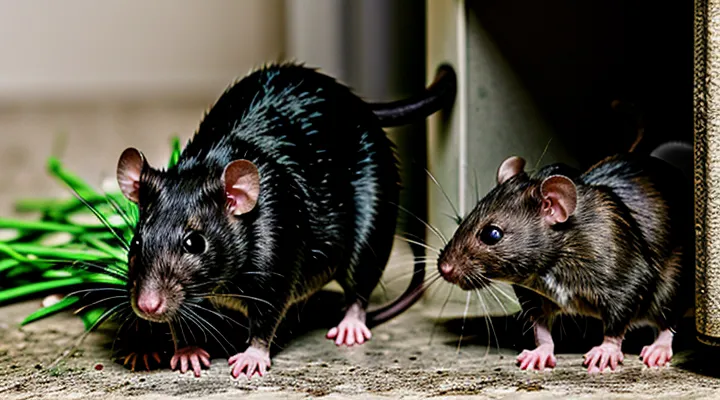
Understanding the Need for Rat Vaccines
The Impact of Rodent-Borne Diseases
Zoonotic Risks to Humans
The development of a rat immunization strategy directly impacts public health because rodents serve as reservoirs for pathogens that can cross species barriers. When a vaccine reduces viral load in rat populations, the probability of spillover events to humans declines. This effect is measurable through reduced incidence of diseases such as hantavirus pulmonary syndrome, leptospirosis, and rat‑borne hemorrhagic fevers.
Key mechanisms linking rodent vaccination to human safety include:
- Lowered environmental contamination – immunized rats shed fewer infectious particles in urine, feces, and saliva, decreasing exposure for occupants of urban and agricultural settings.
- Interrupted transmission cycles – reduced pathogen prevalence in rats limits the opportunity for ectoparasites (fleas, mites) to acquire and transmit agents to people.
- Enhanced surveillance accuracy – vaccine‑induced immunity creates a predictable baseline, allowing health authorities to detect anomalous outbreaks more rapidly.
Risk assessment must consider:
- Pathogen diversity – multiple agents coexist in rat colonies; a single‑antigen vaccine may not address all zoonotic threats.
- Vaccine escape – selective pressure can drive viral mutation; continuous monitoring of genetic drift is essential.
- Human‑animal interaction intensity – dense urban environments amplify contact rates, requiring higher vaccination coverage to achieve herd immunity among rats.
Effective mitigation combines mass rat vaccination with complementary measures: strict waste management, rodent‑proof infrastructure, and public education on avoiding direct contact. By integrating these actions, the likelihood of zoonotic transmission to humans can be substantially reduced.
Economic Losses in Agriculture
Rats transmit pathogens that directly diminish crop yields, contaminate stored produce, and increase labor for pest control. Outbreaks of rodent‑borne diseases can reduce harvest output by up to 15 % in affected fields, translating into millions of dollars of lost revenue for large‑scale farms.
Economic damage manifests in three primary forms: (1) decreased marketable produce, (2) elevated expenses for decontamination and post‑harvest handling, (3) higher insurance premiums and regulatory compliance costs. Each component compounds the financial strain on producers and can jeopardize supply‑chain contracts.
Immunizing rat populations interrupts disease cycles, lowering infection rates among both wild and commensal rodents. Vaccination programs reduce pathogen prevalence in fields, consequently curbing crop loss and limiting the need for intensive chemical rodenticide regimes.
Cost‑benefit calculations demonstrate that a targeted rat vaccine initiative, priced at $0.10 per animal, yields a return on investment exceeding 4 : 1 when compared with avoided yield reductions and ancillary expenses. The savings accrue rapidly, especially in regions where rodent density exceeds 200 individuals per hectare.
Key cost categories to monitor include:
- Vaccine production and distribution
- Field administration labor
- Monitoring and surveillance of rodent immunity levels
- Residual pest management adjustments
Implementing a systematic vaccination strategy therefore mitigates direct agricultural losses and stabilizes financial performance across the sector.
Current Rodent Control Methods and Their Limitations
Chemical Rodenticides: Efficacy and Environmental Concerns
Chemical rodenticides remain a primary tool for reducing rat populations that threaten the effectiveness of immunization programs. First‑generation anticoagulants, such as warfarin, disrupt vitamin K recycling, leading to fatal hemorrhage after a single ingestion. Second‑generation compounds, including brodifacoum and difenacoum, exhibit higher potency, allowing lower application rates and reduced bait consumption. Field studies report mortality rates of 70‑90 % in targeted cohorts when bait density reaches 2 kg per hectare and exposure periods extend beyond 14 days. Resistance development correlates with repeated use of a single active ingredient; rotating anticoagulants or integrating bromadiolone reduces selection pressure.
Environmental considerations constrain rodenticide deployment. Non‑target mammals, birds, and scavengers experience secondary poisoning through consumption of poisoned carcasses. Bioaccumulation studies demonstrate measurable residues in predatory raptors after exposure to second‑generation anticoagulants, prompting restrictions on bait placement near nesting sites. Soil leaching potential varies with compound solubility; brodifacoum persists for months, increasing groundwater contamination risk in sandy substrates. Regulatory frameworks in many jurisdictions require certified applicators, bait stations with limited access, and post‑application monitoring to mitigate ecological impact.
Alternatives and mitigation strategies include:
- Integrated pest management (IPM) that combines habitat modification, sanitation, and biological control.
- Use of bait stations equipped with one‑way entry devices to limit non‑target access.
- Deployment of biodegradable baits formulated with reduced persistence agents.
- Implementation of resistance‑management plans that alternate chemical classes annually.
Balancing efficacy with ecological safety demands precise dosage calculations, strict adherence to application guidelines, and ongoing assessment of wildlife exposure. Effective rodent control supports broader rat‑health initiatives by limiting disease vectors and enhancing the reliability of vaccination efforts.
Trapping and Physical Barriers: Practicality and Scalability
Trapping and physical barriers represent the most immediate methods for reducing rat populations and limiting disease transmission before a vaccination campaign can achieve herd immunity.
Effective traps must combine durability, ease of deployment, and low maintenance costs. Snap traps, live‑catch cages, and electronic devices each meet these criteria when constructed from corrosion‑resistant materials and equipped with standardized bait stations. Modular designs allow rapid replacement of components, minimizing downtime during large‑scale operations.
Physical barriers prevent rats from accessing food sources, shelter, and nesting sites. Key elements include:
- Sealed entry points: steel mesh or concrete caps over utility openings, vent ducts, and crawl spaces.
- Elevated storage: platforms and shelving that keep feed and waste at least 12 inches above the floor, coupled with smooth surfaces that deter climbing.
- Perimeter fencing: buried, reinforced mesh extending 6 inches underground to block burrowing and extending 18 inches above ground to stop climbing.
Scalability hinges on standardization. Prefabricated barrier kits can be mass‑produced and distributed to municipal pest‑control units, enabling simultaneous installation across multiple districts. Centralized inventory management tracks kit usage, ensuring that replacement parts are available without delay.
Cost analysis shows that a combined trap‑and‑barrier program reduces the need for repeated vaccine dosing by decreasing the overall rat density. When deployed in densely populated urban blocks, the initial investment in barriers is offset within 12 months by lower vaccine procurement and reduced rodent‑related infrastructure damage.
Integration with vaccination efforts requires coordination: traps should be placed in zones scheduled for immunization, and barrier installation should precede vaccine distribution to maximize the proportion of the remaining rat population that receives the antigen. This sequential approach enhances overall immunity while conserving resources.
Developing a Rat Vaccine
Types of Vaccine Approaches
Live Attenuated Vaccines
Live attenuated vaccines contain rat‑adapted pathogens that have been weakened through serial passage or genetic modification, preserving the ability to replicate without causing severe disease. This replication stimulates a robust immune response that mirrors natural infection, leading to durable protection.
The attenuation process typically involves:
- Repeated inoculation of the target pathogen in non‑target cell lines to accumulate harmless mutations.
- Targeted deletion of virulence genes using CRISPR‑Cas or homologous recombination.
- Verification of reduced pathogenicity through in‑vivo challenge studies in laboratory rats.
Because the vaccine strain replicates, it presents antigens in their native conformation, inducing both humoral and cellular immunity. Protective efficacy is often measured by seroconversion rates and reduction in pathogen load after experimental exposure.
Safety considerations include:
- Confirmation that reversion to virulence is statistically improbable.
- Monitoring for shedding that could affect co‑habiting animals.
- Implementation of quarantine periods post‑vaccination to detect adverse events.
Administration protocols recommend subcutaneous injection of 0.1 ml per adult rat, with a booster at four weeks for optimal memory response. Neonatal rats receive a reduced dose (0.05 ml) to avoid overstimulation of the immature immune system.
Cold‑chain requirements demand storage at –20 °C for up to twelve months; thawing should occur on ice, and the vaccine must be used within eight hours of reconstitution to preserve viability.
Post‑vaccination surveillance involves periodic blood sampling to quantify IgG titers and interferon‑γ release assays to assess cellular activity. A decline below protective thresholds triggers a repeat immunization cycle.
Collectively, live attenuated formulations provide a practical solution for establishing herd immunity in rat colonies, provided that attenuation, dosing, and monitoring protocols are rigorously applied.
Subunit Vaccines
Subunit vaccines for rats consist of purified pathogen components—typically proteins or polysaccharides—that trigger protective immunity without introducing whole organisms. Production relies on recombinant expression systems (bacterial, yeast, insect, or mammalian cells) to generate antigenic fragments in large quantities. Purification steps remove extraneous proteins, reducing the risk of adverse reactions and simplifying quality control.
Effective subunit formulations incorporate adjuvants to amplify the immune response. Common choices include aluminum salts, oil‑in‑water emulsions, and Toll‑like receptor agonists. The adjuvant‑antigen complex is often administered intramuscularly or subcutaneously, with a primary dose followed by one or two boosters spaced 2–4 weeks apart. This schedule establishes a robust IgG response and memory B‑cell populations capable of rapid activation upon exposure.
Key advantages
- High safety profile; no live pathogen present.
- Precise antigen selection minimizes off‑target immunity.
- Scalable manufacturing suitable for consistent batch production.
- Compatibility with multiplex vaccine strategies.
Limitations
- Limited innate immunogenicity; reliance on adjuvants.
- Potential for antigenic variability if target pathogen mutates.
- May require multiple administrations to achieve lasting protection.
Regulatory assessment focuses on antigen purity, adjuvant safety, and demonstrated efficacy in rodent challenge models. Validation includes seroconversion rates, neutralizing antibody titers, and clinical observations of disease resistance. Properly designed subunit vaccines provide a reliable tool for safeguarding rat colonies against viral, bacterial, or parasitic threats.
DNA Vaccines
DNA vaccines represent a practical option for inducing protective immunity in rodent populations. The approach involves delivering plasmid DNA that encodes specific viral or bacterial antigens directly into rat muscle tissue. Cellular uptake of the plasmid triggers endogenous antigen production, stimulating both humoral and cellular immune responses without the need for live pathogens.
Key operational considerations include:
- Selection of a promoter that ensures high transcriptional activity in rodent cells.
- Optimization of codon usage for rat-specific translation efficiency.
- Incorporation of a signal peptide to enhance antigen secretion when required.
- Use of a delivery method such as electroporation or needle-free jet injection to improve cellular uptake.
Safety profile advantages are evident: plasmid DNA lacks replicative capacity, eliminating the risk of reversion to virulence. Immunogenicity can be modulated by adjusting dose, injection site, and number of administrations. Monitoring of antibody titers and T‑cell activation provides quantitative measures of vaccine efficacy.
Implementation in laboratory or pest‑control settings requires validation of plasmid stability under storage conditions, compliance with biosafety regulations, and establishment of a standardized protocol for repeat dosing. When these parameters are controlled, DNA vaccines deliver a reliable, scalable solution for safeguarding rat colonies against infectious threats.
mRNA Vaccines
mRNA vaccines for rodents employ synthetic messenger RNA that encodes a viral antigen, prompting a cellular response without using live pathogen. The RNA strand is packaged in lipid nanoparticles to protect it from degradation and to facilitate entry into rat cells. Once inside, host ribosomes translate the sequence, producing the antigen that is displayed on the cell surface, triggering both antibody production and T‑cell activation.
Key considerations for a successful rat immunization program include:
- Sequence selection: Choose a conserved region of the target virus to maximize cross‑protective immunity.
- Formulation stability: Optimize lipid composition to maintain particle integrity at 2‑8 °C for at least three months.
- Dose determination: Conduct a dose‑response study to identify the minimal amount that yields seroconversion in 90 % of subjects.
- Administration route: Intramuscular injection provides reliable uptake; intradermal delivery may reduce volume requirements.
- Safety monitoring: Record local reactogenicity and systemic signs for 48 hours post‑vaccination; perform histopathology on a subset of animals after the study period.
Efficacy assessment relies on quantitative serology and challenge trials. Neutralizing antibody titers measured by plaque‑reduction assays should exceed the protective threshold established for the pathogen. Cellular immunity can be verified through interferon‑γ ELISpot assays on splenocytes. Repeated immunizations at 4‑week intervals sustain protective levels throughout the lifespan of laboratory colonies.
Regulatory compliance demands documentation of manufacturing processes, batch release criteria, and adverse event reporting. Implementing a traceable inventory system for each vaccine lot ensures rapid identification of any deviation and supports reproducibility across facilities.
Target Antigens for Rat Immunity
Pathogen-Specific Antigens
Pathogen‑specific antigens are molecular structures uniquely recognized by the immune system of rats when they encounter a disease‑causing organism. These antigens can be proteins, polysaccharides, or lipids that trigger B‑cell and T‑cell activation, leading to the generation of protective antibodies and memory cells.
Effective antigen selection follows several practical criteria:
- Demonstrated surface exposure on the target pathogen.
- Conservation across multiple strains to broaden coverage.
- Ability to induce neutralizing antibodies in rodent models.
- Minimal cross‑reactivity with host tissues to avoid autoimmunity.
- Compatibility with manufacturing processes and adjuvant systems.
Production typically employs recombinant expression in bacterial, yeast, or mammalian cells, followed by purification steps such as affinity chromatography and endotoxin removal. Quality control includes verification of protein folding, post‑translational modifications, and batch‑to‑batch consistency.
Formulation for rat immunization integrates the chosen antigen with an adjuvant that enhances antigen presentation, stabilizes the protein, and prolongs release. Common adjuvants include aluminum hydroxide, oil‑in‑water emulsions, and Toll‑like receptor agonists. The final vaccine is sterile, isotonic, and packaged in volumes suitable for subcutaneous or intramuscular injection in laboratory rodents.
Immunogenicity assessment involves measuring specific IgG titers, neutralization capacity, and cellular responses after a primary dose and one or two boosters. Challenge studies confirm protection by exposing vaccinated rats to the live pathogen and monitoring clinical signs, pathogen load, and survival rates. Data from these assays guide dosage optimization and schedule refinement, ensuring reliable immunity in rat colonies.
Fertility Control Antigens
Fertility control antigens are reproductive‑specific proteins engineered to provoke an immune response that impairs gamete production or function in rats. By targeting molecules such as zona pellucida glycoproteins, gonadotropin‑releasing hormone, or sperm‑associated antigens, the vaccine reduces the ability of adult rodents to generate viable offspring without affecting overall health.
The immune mechanism involves antibody binding to the chosen reproductive protein, blocking its normal activity. Antibody‑mediated interference with zona pellucida formation prevents fertilization, while neutralization of gonadotropin‑releasing hormone suppresses hormonal cascades required for spermatogenesis and ovulation. The result is a measurable decline in litter size and frequency.
Key criteria for antigen selection:
- Species‑specific expression to avoid cross‑reactivity with non‑target mammals.
- High immunogenic potential, ensuring robust antibody production after a single dose.
- Structural stability in bait matrices and under environmental conditions.
- Absence of pathogenicity or toxicity in the host.
Formulation considerations include adjuvant choice (e.g., aluminum hydroxide, oil‑in‑water emulsions) to enhance immune activation, and delivery method. Oral bait formulations permit mass distribution in urban or agricultural settings; subcutaneous injection offers precise dosing for controlled studies. Dosage regimens typically consist of a priming dose followed by a booster after 2–4 weeks to achieve sustained antibody titers.
Safety protocols mandate ecological risk assessments that verify non‑target species exposure remains negligible. Regulatory frameworks require documented absence of adverse effects on wildlife, domestic animals, and humans. Post‑deployment monitoring tracks seroconversion rates and reproductive outcomes in target populations, enabling rapid adjustment of bait density or antigen composition.
Efficacy evaluation relies on quantitative metrics: percentage of seropositive individuals, reduction in average litter size, and long‑term population decline. Field trials in controlled environments have reported seroconversion exceeding 80 % and a 60–70 % decrease in offspring production after two vaccination cycles, confirming the practical value of fertility control antigens within rat immunization programs.
Novel Immunological Targets
Recent advances in rodent immunization focus on molecular structures that provoke robust protective responses while minimizing adverse effects. Researchers prioritize antigens that are conserved across pathogenic strains, enabling a single formulation to address multiple infections. Synthetic peptide libraries and reverse‑vaccinology pipelines reveal epitopes that bind rat major histocompatibility complex class I and II molecules with high affinity, directing cytotoxic and helper T‑cell activation.
Key immunological targets include:
- Toll‑like receptors (TLR2, TLR4, TLR7/8) engaged by engineered agonists to amplify innate signaling and accelerate adaptive priming.
- STING (stimulator of interferon genes) pathway activators that trigger type I interferon production, enhancing antiviral defenses.
- NOD‑like receptors (NLRP3, NLRC4) modulated by adjuvant formulations to promote inflammasome‑driven cytokine release without excessive inflammation.
- Immune checkpoint molecules such as PD‑1 and CTLA‑4, transiently blocked during vaccination to sustain T‑cell expansion.
- Metabolic regulators (AMPK, mTOR) targeted to favor memory B‑cell differentiation and long‑lasting antibody titers.
- MicroRNA mimics or antagonists that fine‑tune gene expression in dendritic cells, improving antigen presentation efficiency.
Integration of these targets into a single vaccine platform relies on nanoparticle carriers that co‑deliver antigenic peptides and adjuvant molecules to draining lymph nodes. Controlled release kinetics ensure sustained exposure, while surface modifications direct uptake by resident macrophages and dendritic cells. Preclinical trials in laboratory rats demonstrate that formulations incorporating at least three of the listed mechanisms achieve seroconversion rates above 90 % and reduce pathogen load after challenge.
Continued refinement of target selection, guided by high‑throughput immunoprofiling and computational modeling, promises vaccines that confer durable immunity in rodent populations, supporting both research integrity and disease control initiatives.
Challenges in Vaccine Development for Wild Rodents
Delivery Mechanisms and Bait Formulations
Effective immunization of rodent populations depends on reliable delivery of the vaccine and on bait formulations that maintain potency while attracting target animals.
Oral delivery remains the primary method for large‑scale deployment. Bait packets containing a liquid or gel vaccine are placed in locations frequented by rats, such as burrow entrances, sewers, and food storage areas. The design of the packet ensures that the vaccine is released only when the animal gnaws the casing, minimizing exposure to non‑target species. Aerosolized formulations can be applied in confined environments; nebulized particles deposit on surfaces where rats groom themselves, allowing mucosal absorption. Injectable approaches are reserved for captive or high‑value colonies, using subcutaneous or intramuscular administration to guarantee precise dosing.
Key considerations for bait formulation include:
- Palatability: Incorporation of grain, peanut butter, or soy protein enhances acceptance; flavor masking agents prevent aversion to the vaccine component.
- Stability: Lyophilized vaccine particles protect against temperature fluctuations; encapsulation in polymeric microspheres extends shelf life and controls release kinetics.
- Dosage uniformity: Homogeneous mixing ensures each bait unit contains the target antigen concentration; quality control measures verify batch consistency.
- Safety: Use of biodegradable carriers reduces environmental persistence; exclusion of toxic attractants prevents accidental ingestion by wildlife or pets.
Integration of these mechanisms and formulation principles enables systematic immunization programs that achieve high coverage rates while maintaining regulatory compliance and ecological safety.
Efficacy in Diverse Wild Populations
Effective protection of wild rat populations requires rigorous evaluation of vaccine performance across varied ecological settings. Genetic heterogeneity, fluctuating pathogen exposure, and differing environmental pressures create distinct immunity challenges that must be quantified for each target cohort.
Key determinants of vaccine success in natural habitats include:
- Host genetic variation influencing antigen recognition.
- Local prevalence and strain diversity of the target pathogen.
- Seasonal changes affecting immune competence.
- Age structure and reproductive cycles that alter susceptibility.
- Population density and social behavior impacting transmission dynamics.
Assessment strategies combine field implementation with systematic data collection:
- Deploy bait‑based vaccine carriers in representative microhabitats and record uptake rates.
- Conduct serological sampling at baseline, post‑vaccination, and at regular intervals to measure antibody titres.
- Monitor morbidity and mortality trends within treated versus untreated groups over multiple breeding seasons.
- Apply mixed‑effects statistical models to isolate vaccine effect from confounding environmental variables.
Recommendations for maintaining high efficacy:
- Tailor antigen formulations to reflect regional pathogen genotypes.
- Adjust bait dosage according to observed consumption patterns and body mass distribution.
- Integrate continuous surveillance to detect waning immunity and trigger booster distribution.
- Coordinate vaccination with habitat management practices that reduce stressors and support overall rat health.
Cost-Effectiveness and Scalability
The economic viability of a rat immunization program hinges on production expenses, delivery logistics, and the ability to maintain protective coverage across large populations. Low‑cost antigen synthesis, bulk formulation, and automated filling lines reduce unit price. Streamlined cold‑chain requirements, such as thermostable formulations, cut transportation and storage costs.
- Bulk fermentation reduces raw‑material waste.
- Single‑dose vials eliminate reconstitution steps.
- Partnerships with rodent‑control agencies share distribution overhead.
- Digital tracking of vaccination sites minimizes repeat visits.
Scalability depends on manufacturing capacity, supply‑chain resilience, and adaptable administration methods. Modular bioreactors allow rapid expansion of output without major capital investment. Decentralized dispensing points—e.g., municipal pest‑control centers—enable swift coverage of new geographic zones. Standardized dosing protocols facilitate training of non‑specialist personnel, accelerating rollout while preserving dosage accuracy.
Overall, aligning inexpensive production techniques with flexible distribution networks ensures that large‑scale rat vaccination can be sustained financially and operationally.
Ensuring Widespread Immunity
Vaccine Delivery Strategies
Oral Baits and Palatability
Oral baits are the most practical delivery system for vaccinating wild rodent populations. Successful immunization depends on bait acceptance, stable vaccine incorporation, and consistent dosing.
Formulation must balance attractant potency with vaccine integrity. Preferred attractants include grain‑based cereals, peanut butter, and flavored oils that mimic natural food sources. Additives such as sugar, amino acids, and low‑level spices increase palatability without compromising viral or subunit stability. Encapsulation in biodegradable polymers protects the antigen during storage and when exposed to ambient temperatures.
Key considerations for palatability:
- Species‑specific preferences – field studies identify the most consumed food items for target rat species; bait recipes should reflect those preferences.
- Texture – a semi‑soft matrix facilitates chewing and ingestion, reducing bait rejection.
- Moisture content – moderate humidity prevents desiccation while avoiding mold growth.
- Odor profile – volatile compounds must be attractive but not repellent to non‑target wildlife.
Uniform vaccine distribution within each bait unit ensures each animal receives the intended dose. Manufacturing processes employ precision mixing and extrusion, followed by quality checks using spectrophotometric or PCR‑based assays to confirm antigen concentration.
Deployment strategies rely on bait stations placed along established runways and feeding sites. Monitoring includes camera traps and bait consumption audits to verify uptake rates. Post‑deployment serological surveys confirm seroconversion and guide adjustments to bait composition or placement density.
Overall, optimizing attractant composition, physical properties, and dose consistency maximizes bait acceptance and drives effective rat immunization programs.
Remote Delivery Methods
Effective immunization of wild and laboratory rats demands delivery systems that reach target populations without direct handling. Remote administration exploits vectors, environmental carriers, and automated platforms to distribute vaccine formulations across diverse habitats.
- Aerosolized spray: Fine mist containing stabilized antigen is released from ground‑based dispensers or aerial drones, allowing inhalation by rats occupying burrows or surface nests. Particle size is calibrated to penetrate respiratory tracts while minimizing drift.
- Oral bait blocks: Palatable matrix infused with vaccine and adjuvant is placed in feeding stations or scattered along runways. Bait composition resists degradation from moisture and UV exposure, ensuring viable dose upon ingestion.
- Nanoparticle‑laden droplet pods: Biodegradable capsules encapsulating antigen are dropped from low‑altitude UAVs. Capsules rupture upon contact with soil moisture, releasing nanocarriers that are taken up through dermal micro‑abrasions during grooming.
- Radio‑frequency‑triggered micro‑injectors: Embedded in underground tunnels, these devices release micro‑volumes of vaccine when activated by remotely transmitted RF signals, delivering subcutaneous doses directly to passing rodents.
Critical parameters for remote schemes include:
- Stability: Formulations must retain immunogenicity under temperature fluctuations, humidity, and exposure to fecal matter. Lyophilized antigens reconstituted in protective excipients meet these demands.
- Dosage control: Precise concentration per unit (spray liter, bait gram, pod milligram) prevents sub‑therapeutic exposure and reduces risk of resistance development.
- Target specificity: Flavorants, scent cues, or habitat‑restricted deployment limit uptake by non‑target species, preserving ecological balance.
- Regulatory compliance: Remote devices must conform to wildlife protection statutes and biosafety guidelines, with traceable records of deployment coordinates and quantities.
Implementing these remote strategies enables large‑scale rat immunization while minimizing labor, stress, and direct contact, thereby strengthening overall disease control efforts.
Targeted Application in High-Risk Areas
Effective immunization of rat populations requires precise deployment of the vaccine in zones where disease transmission is most likely. High‑risk areas are defined by factors such as dense rodent activity, proximity to food storage facilities, and documented outbreaks of zoonotic pathogens. Accurate identification of these zones enables resource concentration and maximizes protective coverage.
Key actions for targeted application include:
- Conducting systematic surveys to map rodent density and movement patterns.
- Integrating environmental data (e.g., waste accumulation, water sources) to refine risk assessments.
- Prioritizing locations with documented pathogen presence or recent spill‑over events.
- Allocating vaccine doses proportionally to the estimated size of the at‑risk population.
- Implementing bait stations or oral delivery systems calibrated for local conditions.
Following deployment, continuous monitoring is essential. Data collection should focus on:
- Uptake rates measured through bait consumption records.
- Serological testing of captured individuals to confirm immune response.
- Temporal trends in disease incidence within the treated zones.
Adjustments to the vaccination plan are made based on observed efficacy, with additional doses administered in persistent hotspots. This cycle of assessment, focused delivery, and verification sustains herd immunity among rats and reduces the likelihood of pathogen spread to humans and livestock.
Monitoring Vaccine Efficacy and Impact
Serological Surveillance and Antibody Detection
Serological surveillance provides the primary means of evaluating the effectiveness of rodent vaccination programs. Regular collection of blood specimens from laboratory and wild rat populations enables quantitative assessment of specific immunoglobulin levels, confirming whether vaccine-induced protection has been achieved.
Key components of antibody detection include:
- Enzyme‑linked immunosorbent assay (ELISA) for high‑throughput measurement of IgG and IgM against target antigens.
- Virus‑neutralization tests to determine functional antibody capacity to inhibit pathogen replication.
- Multiplex bead‑based assays allowing simultaneous quantification of multiple antibody specificities.
Interpretation of results follows established thresholds: seropositive status indicates successful seroconversion, while sub‑protective titers suggest the need for booster administration or protocol adjustment. Longitudinal sampling tracks durability of the immune response, informing optimal vaccination intervals.
Data integration with epidemiological records identifies geographic hotspots of low immunity, directing targeted vaccine delivery. Automated reporting systems streamline the flow of serological findings to researchers and veterinary health authorities, ensuring rapid response to emerging gaps in protection.
Population-Level Immunization Rates
Population-level immunization rates determine the effectiveness of a rat vaccination program. Accurate assessment requires systematic sampling across colonies, habitats, and age groups. Data collection should include the number of individuals receiving the vaccine, the timing of administration, and serological confirmation of antibody presence.
Target thresholds must reflect the pathogen’s basic reproduction number (R0) within rodent communities. For highly transmissible agents, a coverage of 70‑80 % of the total population typically interrupts transmission cycles. Less contagious agents may require lower percentages, but consistent monitoring remains essential to verify sustained protection.
Effective strategies to achieve desired coverage involve:
- Coordinated deployment of bait‑based vaccine carriers in high‑density zones.
- Scheduling repeat distributions to capture new births and immigrants.
- Integrating immunization efforts with pest‑control operations to reduce population turnover.
- Employing geographic information systems (GIS) to map vaccination hotspots and identify gaps.
Continuous surveillance compares observed immunity levels against predefined benchmarks. When rates fall below optimal ranges, rapid response measures—such as intensified bait placement or targeted oral boosters—restore protection. Documentation of each intervention supports longitudinal analysis and informs future program adjustments.
Disease Prevalence Reduction
Vaccination campaigns in rodent colonies directly lower the incidence of transmissible infections. By introducing antigenic preparation to a sufficient proportion of individuals, the pathogen’s reproductive number drops below the threshold required for sustained spread, resulting in fewer clinical cases and reduced environmental contamination.
Effective prevalence reduction relies on three operational pillars:
- Achieve coverage that exceeds the calculated herd‑immunity level for the target pathogen.
- Implement a booster regimen aligned with the vaccine’s waning immunity profile.
- Conduct regular serological surveillance to verify protective antibody titers and detect breakthrough infections promptly.
Maintaining high immunization rates prevents epizootic peaks, limits pathogen reservoirs, and supports overall colony health without reliance on antimicrobial interventions. Continuous data collection and adaptive management ensure the program remains responsive to emerging strain variations and demographic shifts.
Regulatory and Ethical Considerations
Public Acceptance and Perception
Public confidence in a rodent immunization program hinges on transparent evidence, demonstrable safety, and clear regulatory oversight. Stakeholders evaluate the intervention based on measurable outcomes rather than abstract assurances.
Key determinants of acceptance include:
- Peer‑reviewed efficacy data confirming reduction of target diseases.
- Documented adverse‑event rates comparable to established veterinary vaccines.
- Cost‑effectiveness analyses showing economic advantage for pest‑control programs.
- Open access to licensing procedures and post‑market surveillance reports.
Perception is shaped by several external factors. Media narratives that emphasize sensationalism can distort risk assessments, while cultural attitudes toward rats influence willingness to support a health measure. Ethical debates focus on humane treatment of animal populations and the broader impact on ecosystems. Communities that recognize direct benefits, such as decreased zoonotic transmission, tend to view the vaccine more favorably.
To strengthen public endorsement, authorities should:
- Distribute concise briefing materials that summarize risk–benefit ratios.
- Involve veterinarians and local health officials in outreach events.
- Implement feedback mechanisms to capture concerns and adjust messaging promptly.
- Publish real‑time monitoring results to maintain credibility throughout deployment.
Non-Target Species Safety
Ensuring that a rodent immunization program does not harm unintended wildlife requires a systematic risk‑assessment framework. First, identify species that share habitats with target rats, focusing on mammals, birds, and reptiles that may encounter vaccine residues through food chains or environmental exposure. Quantify exposure pathways by measuring vaccine concentration in soil, water, and discarded bait, then compare these levels with species‑specific toxicity thresholds derived from laboratory studies.
Implement field monitoring protocols that collect biological samples from non‑target organisms at regular intervals. Data collection should include:
- Tissue analysis for vaccine antigen presence
- Serological testing for unintended immune responses
- Behavioral observations indicating adverse effects
Results guide adaptive management actions, such as adjusting bait density, modifying distribution timing, or employing species‑specific deterrents (e.g., scented repellents for birds).
Mitigation strategies must be integrated into the deployment plan:
- Use bait stations designed to limit access by larger mammals and avian species.
- Apply biodegradable carriers that degrade within a predefined period, reducing environmental persistence.
- Conduct pre‑release trials in contained ecosystems to validate safety parameters before large‑scale application.
Regulatory compliance demands documentation of all safety assessments, continuous reporting to wildlife agencies, and contingency plans for accidental exposure events. By embedding these safeguards, the vaccination effort maintains efficacy against rodent disease while preserving ecological integrity.
Environmental Impact Assessments
Environmental impact assessments (EIAs) provide the scientific basis for evaluating how a rat immunization program influences ecosystems, non‑target species, and waste streams. The assessment quantifies potential releases of vaccine constituents, predicts bioaccumulation in food webs, and identifies pathways for contaminant migration from production facilities to surrounding habitats.
Key components of an EIA for a rodent vaccine project include:
- Hazard identification of active ingredients, adjuvants, and carrier substances.
- Exposure modeling for wildlife, soil, water, and human populations.
- Baseline surveys of flora, fauna, and microbial communities in the deployment area.
- Risk characterization that integrates toxicity data with exposure estimates.
- Mitigation planning that outlines containment, disposal, and monitoring protocols.
Regulatory frameworks require documented EIA outcomes before granting permits for manufacturing, field trials, or large‑scale distribution. Agencies evaluate whether proposed controls meet prescribed thresholds for ecological safety and whether monitoring plans can detect unintended effects promptly.
Mitigation measures typically involve closed‑system production to prevent accidental discharge, biodegradable packaging, and targeted delivery methods that limit environmental contact. Post‑release monitoring employs sentinel species and environmental sampling to verify that residue levels remain below established limits.
A comprehensive EIA ensures that the immunization strategy for laboratory and urban rat populations does not compromise biodiversity, water quality, or soil health, thereby supporting responsible public‑health interventions while preserving ecological integrity.
Future Perspectives and Research Directions
Advanced Vaccine Technologies
Gene Editing and CRISPR Applications
Gene editing provides a precise method for constructing rat vaccines that directly target immune pathways. By modifying genomic sequences that control antigen expression, researchers can generate strains that elicit robust protective responses without relying on traditional attenuation processes.
CRISPR‑Cas systems introduce double‑strand breaks at predetermined loci, enabling insertion, deletion, or replacement of genetic material. Guide RNAs direct the nuclease to genes governing viral entry, replication, or immune evasion, allowing the creation of vaccine candidates that present desired epitopes while eliminating pathogenic functions.
Key applications include:
- Insertion of viral or bacterial antigen genes into harmless carrier genomes, producing recombinant vectors that stimulate specific antibody production.
- Deletion of virulence factors from live‑attenuated strains, reducing disease risk while preserving immunogenicity.
- Replacement of native promoter regions with strong, tissue‑specific promoters to enhance antigen presentation in target organs.
- Rapid generation of isogenic vaccine panels for comparative efficacy testing, accelerating preclinical evaluation.
Safety assessment focuses on off‑target activity, genomic stability, and potential recombination events. Whole‑genome sequencing verifies precise edits, while in vitro and in vivo assays confirm absence of unintended phenotypes. Regulatory frameworks require documented traceability of guide RNA designs and validation of editing efficiency before advancing to animal trials.
Integrating CRISPR‑based editing into rat vaccine pipelines shortens development cycles, improves antigen fidelity, and supports consistent immunity across populations, thereby strengthening disease control strategies in laboratory and field settings.
Nanoparticle-Based Delivery Systems
Nanoparticle-based delivery systems provide a controlled platform for presenting antigens to the rodent immune system. Polymer nanoparticles, such as poly(lactic‑co‑glycolic acid) (PLGA), encapsulate protein or peptide vaccines, protect them from enzymatic degradation, and release antigenic material over several days. Lipid‑based nanocarriers, including solid lipid nanoparticles and liposomes, fuse with cellular membranes, facilitating cytosolic entry and enhancing presentation on major histocompatibility complex molecules. Inorganic particles, for example silica or gold nanospheres, offer surface functionalization that enables attachment of multiple epitopes and adjuvants.
Key functional attributes include:
- Size range of 20–200 nm, optimizing drainage to lymph nodes and uptake by dendritic cells.
- Surface charge modulation to improve mucosal adhesion or reduce nonspecific clearance.
- Co‑encapsulation of immunostimulatory molecules (e.g., CpG oligodeoxynucleotides) that bias the response toward Th1 or Th2 pathways.
Formulation procedures rely on reproducible techniques such as nanoprecipitation, emulsification‑solvent evaporation, or microfluidic mixing. These methods generate uniform batches with defined particle‑size distribution, critical for dose consistency in laboratory rat studies. Sterile filtration and lyophilization preserve stability during storage and transport.
Safety considerations focus on biocompatibility and clearance. Biodegradable polymers degrade into lactic and glycolic acids, which are metabolized without accumulation. Lipid carriers employ naturally occurring phospholipids, minimizing inflammatory reactions. Inorganic particles require surface coating (e.g., polyethylene glycol) to prevent aggregation and reduce hepatic uptake.
Efficacy data from preclinical trials demonstrate that nanoparticle carriers increase serum antibody titers by 2–5‑fold compared with soluble antigen administration. Cellular immunity improves, as evidenced by higher frequencies of antigen‑specific CD8⁺ T cells in splenic samples. Dose‑sparing effects allow reduction of antigen quantity while maintaining protective immunity, an advantage for large‑scale rodent vaccination programs.
Challenges include scale‑up of manufacturing processes, batch‑to‑batch variability, and regulatory acceptance of novel nanomaterials. Ongoing research addresses these issues through standardized quality‑control metrics and comparative studies with conventional adjuvant systems.
Integrated Pest Management Approaches
Combining Vaccination with Traditional Methods
Vaccination of laboratory and pet rats can be strengthened by pairing immunization protocols with established husbandry practices. Conventional measures—such as quarantine, environmental sanitation, and nutritional optimization—address pathogen exposure and host resilience, creating conditions in which vaccine‑induced immunity functions more effectively.
Key traditional techniques to integrate with a rat immunization program:
- Quarantine and health screening: Isolate new arrivals for a minimum of two weeks, conduct serological tests, and treat any detected infections before vaccination.
- Environmental control: Maintain cage bedding at appropriate moisture levels, enforce regular disinfection schedules, and ensure adequate ventilation to limit aerosolized pathogens.
- Nutritional support: Provide balanced diets rich in vitamins A, D, and E, which contribute to mucosal immunity and improve vaccine response.
- Stress reduction: Minimize handling frequency, use gentle restraint methods, and provide enrichment to lower cortisol levels that can suppress antibody production.
Implementation steps:
- Perform health assessment and quarantine for each rat.
- Apply the selected vaccine according to manufacturer dosage and schedule.
- Immediately after vaccination, place the animal in a sanitized enclosure with enriched bedding and controlled temperature.
- Monitor feed intake and adjust diet to meet elevated nutrient requirements during the immune response window.
- Record physiological parameters (weight, temperature, behavior) daily for the first ten days to detect adverse reactions promptly.
Effective integration demands documentation of each component, regular review of outcome data, and adjustments based on observed seroconversion rates. By systematically aligning immunization with proven husbandry methods, overall protective immunity in rat populations can be maximized.
Data-Driven Decision Making
Data-driven decision making transforms rat immunization research by converting experimental results, field observations, and laboratory metrics into actionable insights. Continuous collection of serological data, pathogen prevalence, and vaccine batch performance enables precise identification of efficacy gaps and informs adjustments to formulation or dosing schedules.
Key components of a data-centric approach include:
- Metric definition: Establish quantitative targets for antibody titers, survival rates, and adverse event frequencies.
- Real-time monitoring: Deploy automated sampling devices and digital logs to capture longitudinal immune responses across test cohorts.
- Statistical analysis: Apply regression models and survival analysis to compare candidate vaccines against control groups, isolating variables that affect protection levels.
- Iterative optimization: Feed analytical outcomes back into the development pipeline, refining antigen concentration, adjuvant selection, and delivery method.
Effective implementation requires integration of laboratory information management systems (LIMS) with veterinary health records. Centralized dashboards present trend lines for immunity markers, allowing rapid identification of underperforming batches before large‑scale deployment.
Decision protocols grounded in empirical evidence reduce trial-and-error cycles, accelerate regulatory approval, and increase the probability that administered vaccines achieve durable immunity in rodent populations.
Global Collaboration and Public Health Initiatives
International Standards for Rodent Vaccination
International guidelines governing rodent immunization are established by several regulatory bodies to ensure vaccine safety, efficacy, and consistency across research and commercial settings. The World Organisation for Animal Health (OIE) provides a framework for the production, validation, and administration of vaccines used in laboratory rodents, requiring documented strain authentication, sterility testing, and potency assessment. The World Health Organization (WHO) supplements these requirements with recommendations on antigen preservation and cold‑chain management, emphasizing batch‑to‑batch uniformity. ISO 13485 outlines quality‑management systems applicable to vaccine manufacturers, mandating traceability of raw materials, controlled manufacturing environments, and regular internal audits.
Key compliance elements include:
- Strain verification – genetic confirmation of the target rodent species and subspecies before vaccine deployment.
- Potency testing – quantitative assays (e.g., ELISA, neutralization tests) performed on each production lot to confirm immunogenic levels.
- Safety evaluation – acute and chronic toxicity studies in a representative cohort, with monitoring for adverse reactions.
- Stability monitoring – defined storage conditions, periodic potency re‑assessment, and expiry dating based on validated degradation curves.
- Documentation – complete batch records, certificates of analysis, and a traceable chain of custody from raw material receipt to final distribution.
Compliance verification is achieved through external audits conducted by accredited agencies, which assess adherence to the aforementioned standards and issue certification for qualified products. Laboratories must maintain detailed vaccination logs, including vaccine identifier, administration route, dose, and observed outcomes, to support reproducibility and regulatory review. Failure to meet any of these criteria can result in product recall, research invalidation, or legal sanctions.
Overall, alignment with OIE, WHO, and ISO specifications creates a unified baseline that protects animal welfare, preserves experimental integrity, and facilitates international collaboration in rodent immunization programs.
Funding for Research and Implementation
Securing adequate financing is critical for advancing rodent immunization projects and translating laboratory breakthroughs into field‑ready solutions. Government health agencies typically allocate dedicated research grants that cover pre‑clinical trials, antigen optimization, and safety assessments. These funds often require detailed budgets, milestones, and progress reports, ensuring accountability and measurable outcomes.
Private sector involvement complements public resources. Biotechnology firms may provide capital in exchange for licensing agreements or co‑development rights, accelerating scale‑up and manufacturing capacity. Venture capital firms target early‑stage ventures with high‑impact potential, offering seed money that supports personnel hiring, laboratory equipment, and pilot production runs.
Non‑profit organizations and foundations contribute targeted donations to address specific gaps, such as outreach to pest‑control operators or educational campaigns for animal‑care facilities. Their grants frequently emphasize community engagement and capacity‑building, fostering adoption of vaccination protocols across diverse settings.
A structured funding plan should allocate resources across distinct phases:
- Discovery and validation: Laboratory supplies, animal housing, and personnel salaries.
- Scale‑up and formulation: Process engineering, quality‑control testing, and regulatory consulting.
- Implementation: Distribution logistics, training programs for end‑users, and post‑deployment monitoring.
- Evaluation: Data collection, efficacy analysis, and cost‑effectiveness studies.
Long‑term sustainability depends on establishing reimbursement mechanisms, such as insurance coverage for commercial breeding operations or inclusion in municipal pest‑management budgets. Transparent financial tracking and periodic audits reinforce stakeholder confidence, encouraging continued investment and facilitating expansion to additional rodent populations.