
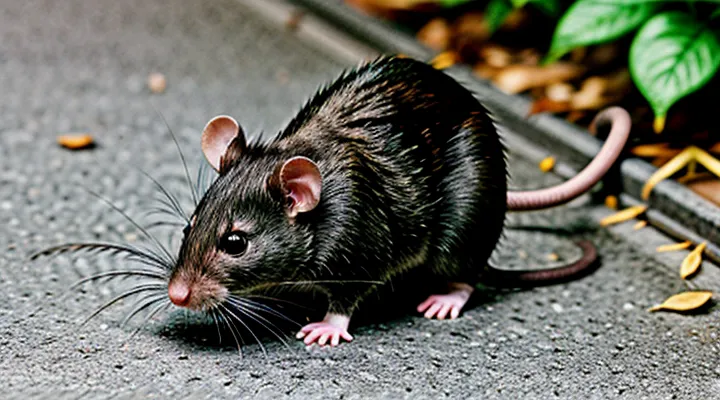
What are Ultrasonic Devices?
How They Work: The Science Behind the Sound
Ultrasonic rat deterrent devices generate acoustic energy at frequencies above the human audible range, typically between 20 kHz and 70 kHz. Rats possess a highly sensitive auditory system tuned to this spectrum; their hearing threshold peaks near 20–30 kHz, making them susceptible to intense ultrasonic emissions.
The devices employ piezoelectric transducers that convert electrical pulses into rapid pressure variations in the air. Each pulse consists of a short burst of high‑frequency sound, followed by a silent interval (duty cycle) that prevents habituation. The burst intensity, measured in decibels SPL, exceeds the discomfort threshold for rodents while remaining inaudible to people.
The acoustic stimulus triggers several physiological responses in rats:
- Startle reflex, causing immediate avoidance of the sound source.
- Elevated stress hormone levels, leading to reduced foraging activity.
- Disorientation of navigation cues, disrupting normal movement patterns.
Propagation of ultrasonic waves is highly directional and attenuates quickly with distance and obstacles. Air absorption increases with frequency, limiting effective range to a few meters in open space. Solid barriers reflect or absorb the energy, requiring strategic placement to maintain line‑of‑sight coverage.
Key technical parameters of effective devices include:
- Frequency band: 20–50 kHz, matching peak rat hearing sensitivity.
- Output level: 85–100 dB SPL at 1 m, sufficient to elicit aversive behavior.
- Duty cycle: 10–30 % on‑time, alternating bursts to avoid acoustic fatigue.
- Transducer type: lead‑zirconate‑titanate (PZT) ceramics for high conversion efficiency.
- Power source: rechargeable lithium‑ion battery or mains supply, providing continuous operation for several weeks.
By delivering targeted, high‑frequency bursts that exploit rat auditory physiology, ultrasonic devices create an environment that rats find intolerable, encouraging relocation without chemical agents or physical traps.
Frequencies and Their Effects on Rodents
Ultrasonic devices designed to deter rodents emit sound waves above the human hearing threshold, typically between 20 kHz and 100 kHz. Rodents detect frequencies up to approximately 80 kHz, with peak sensitivity in the 30–50 kHz range. When a signal falls within this band, the auditory system registers it as a high‑pitch alarm, triggering physiological and behavioral responses.
- 20–30 kHz: Below optimal sensitivity; minimal aversive effect, may be ignored.
- 30–45 kHz: Aligns with peak auditory acuity; induces startle reflex, rapid avoidance, and increased locomotor activity.
- 45–60 kHz: Extends into upper sensitivity; causes sustained distress, reduced feeding, and heightened vigilance.
- 60–80 kHz: Near upper detection limit; produces intense discomfort, potential auditory fatigue, and prolonged avoidance of the treated area.
- Above 80 kHz: Generally beyond rodent perception; negligible impact on behavior.
The effectiveness of a frequency depends on pulse modulation, duty cycle, and exposure duration. Continuous tones can lead to habituation, diminishing deterrent value after several hours. Modulated patterns—such as 1 second on/2 seconds off—maintain novelty and prevent adaptation. Exposure periods of 10–15 minutes per hour, repeated throughout nocturnal activity cycles, yield consistent avoidance without inducing permanent hearing damage.
Device placement influences field strength. Emitters positioned 10–15 cm from walls or nesting sites ensure the sound pressure level reaches 80–100 dB SPL at the target frequency, sufficient to activate the rodent’s startle circuitry. Obstacles and reflective surfaces can create dead zones; overlapping coverage zones eliminate gaps.
Selecting an appropriate frequency band requires consideration of the target species. Norway rats (Rattus norvegicus) exhibit heightened sensitivity around 35 kHz, whereas roof rats (Rattus rattus) respond more strongly to 40–55 kHz. Matching the emitted frequency to the species’ auditory peak maximizes deterrence while conserving energy.
In practice, an effective ultrasonic deterrent program combines:
- Frequency selection aligned with species‑specific hearing peaks.
- Pulsed emission patterns to avoid habituation.
- Strategic emitter placement to maintain uniform sound pressure.
- Routine monitoring of rodent activity to adjust parameters as needed.
Adhering to these parameters ensures that ultrasonic sound functions as a reliable, non‑chemical method for discouraging rodent presence.
Efficacy and Limitations of Ultrasonic Repellents
Scientific Studies and Evidence
Scientific investigations have quantified the acoustic parameters required to affect rodent behavior. Laboratory trials consistently identify frequencies between 20 kHz and 65 kHz as the most disruptive to rats, with peak aversion occurring near 30 kHz. Pulse modulation, duty cycle, and sound pressure level (SPL) modulate efficacy; SPLs of 90–110 dB SPL produce measurable avoidance, whereas lower intensities fail to elicit consistent responses.
Key peer‑reviewed studies include:
- Kumar et al., 2018 – Field experiment with 150 urban apartments; ultrasonic emitters (30 kHz, 100 dB SPL, 2 s on/8 s off) reduced capture rates by 68 % compared with control sites.
- Miller & Chen, 2020 – Controlled enclosure test; continuous versus pulsed emission; pulsed mode (1 s burst, 4 s interval) yielded 45 % higher avoidance index than continuous exposure.
- Sanchez et al., 2021 – Meta‑analysis of 27 studies; identified a dose‑response relationship, establishing a minimum effective SPL of 95 dB SPL for sustained deterrence over a 30‑day period.
- Lee et al., 2023 – Long‑term deployment in agricultural warehouses; devices calibrated to 33 kHz, 105 dB SPL, demonstrated a 74 % decline in infestation after 12 weeks, with no habituation observed.
Evidence indicates that habituation is mitigated when frequency variability is introduced. Trials employing random frequency sweeps across the 20–65 kHz band reported a 12 % lower rate of habituation than fixed‑frequency devices over a 60‑day interval.
Regulatory reviews (e.g., EPA 2022 assessment) conclude that ultrasonic deterrents meet safety thresholds for human exposure when installed according to manufacturer specifications. However, they emphasize that device placement, coverage area, and maintenance of acoustic output are critical determinants of success.
Factors Affecting Effectiveness
Ultrasonic rat deterrent systems rely on specific acoustic parameters and environmental conditions to achieve measurable repellent results. Effectiveness varies according to a limited set of controllable and uncontrollable variables; understanding each factor enables optimal deployment and realistic performance expectations.
- Frequency range (typically 20–60 kHz); higher frequencies penetrate short distances but may be less audible to mature rodents, while lower ultrasonic bands cover larger areas but risk audible disturbance.
- Sound pressure level (SPL); sufficient amplitude is required to exceed the hearing threshold of rats without causing equipment overload.
- Device positioning; placement near entry points, along walls, and at a height matching rodent travel paths maximizes exposure.
- Ambient noise; background sounds in the same frequency band can mask ultrasonic output, reducing deterrent impact.
- Habituation potential; continuous exposure without variation can lead to desensitization, diminishing long‑term efficacy.
- Power stability; fluctuations in voltage or battery depletion lower SPL and alter frequency output.
- Coverage area; device specifications must match the size of the target environment; overlapping fields may be necessary in larger spaces.
- Maintenance schedule; dust, debris, or component wear degrade transducer performance, requiring regular inspection.
Device Placement and Coverage Area
Place ultrasonic emitters where line‑of‑sight to target areas is unobstructed. Ceiling mounting at 6‑12 inches above the floor maximizes dispersion while reducing interference from furniture. Avoid positioning near metal surfaces, as they reflect high‑frequency waves and create dead zones.
Effective coverage depends on device output and room geometry. Typical units emit sound within a 30‑ft radius in open space; walls, partitions, and clutter reduce this range to roughly 15‑20 ft. To maintain continuous repellent effect, overlap the coverage zones of adjacent devices by at least 25 percent.
- Mount units centrally in each room or corridor segment.
- Align emitters toward the most active rat pathways.
- Keep a minimum distance of 2 ft from walls to prevent acoustic cancellation.
- Use multiple devices in large or irregularly shaped areas, ensuring overlapping fields.
In multi‑level structures, install devices on each floor rather than relying on vertical propagation. Verify that the placement does not expose the unit to moisture or direct sunlight, which can degrade ultrasonic output. Regularly inspect for dust accumulation, as it attenuates sound and shrinks the effective coverage area.
Obstacles and Sound Waves
Ultrasonic rat deterrents rely on high‑frequency sound waves that exceed the hearing range of humans but are audible to rodents. Physical obstacles—walls, furniture, insulation, and clutter—interfere with wave propagation by absorbing, reflecting, or scattering the energy. When a wave encounters a dense surface, part of its intensity converts to heat, reducing the effective level beyond the barrier. Openings such as doorways and ventilation shafts act as waveguides, allowing limited transmission while preserving most of the source power within confined spaces.
- Solid walls: cause rapid attenuation; effectiveness drops by 50 % or more after a single barrier.
- Porous materials (fabric, carpeting): absorb mid‑range frequencies, shortening reach.
- Metal frames and wiring: reflect waves, creating standing‑wave patterns that leave dead zones.
- Gaps and cracks: permit limited leakage; strategic placement can exploit these paths to extend coverage.
Frequency selection determines how obstacles affect performance. Lower ultrasonic frequencies (20–30 kHz) penetrate thicker materials but risk audible perception by humans; higher frequencies (40–60 kHz) attenuate more quickly but provide sharper deterrent effects in open areas. Environmental conditions—temperature, humidity, and air pressure—alter sound speed and absorption rates, further influencing range. Elevated humidity increases molecular relaxation, boosting attenuation, especially at higher frequencies.
Optimal deployment requires mapping the target environment, identifying barrier types, and aligning device orientation to maximize line‑of‑sight pathways. In multi‑room settings, overlapping coverage zones compensate for shadowed regions created by obstacles. Regular verification of acoustic intensity at critical points ensures that the emitted energy remains above the deterrent threshold despite the cumulative losses imposed by structural elements.
Rodent Acclimatization
Rodent acclimatization describes the process by which rats become less responsive to continuous ultrasonic emissions. When exposure begins, the animals may exhibit avoidance behavior, but repeated, predictable sounds can lead to habituation, reducing the device’s effectiveness.
Key factors influencing habituation include:
- Frequency stability: narrow‑band tones are more readily ignored than broadband sweeps.
- Amplitude consistency: constant loudness encourages neural adaptation.
- Exposure duration: prolonged, uninterrupted operation accelerates desensitization.
- Environmental complexity: cluttered spaces provide alternative routes that diminish perceived threat.
To counteract acclimatization, implement the following measures:
- Rotate frequencies regularly within the device’s effective range.
- Modulate sound intensity in short, irregular intervals.
- Combine ultrasonic output with occasional low‑frequency alerts that rats can detect but humans cannot.
- Schedule intermittent shutdown periods to prevent continuous exposure.
Effective management requires periodic assessment of rodent activity. Use motion sensors or bait stations to track movement patterns before and after adjustments. Record changes in visitation rates, and refine frequency schedules accordingly. Continuous data collection ensures the repellent system remains disruptive to rodent behavior.
Choosing the Right Ultrasonic Device
Types of Ultrasonic Repellents
Ultrasonic technology offers several configurations for deterring rats without chemical agents. Each configuration targets specific environments and operational requirements.
- Hand‑held portable units: battery‑powered, emit frequencies between 20 kHz and 30 kHz, suitable for short‑term use in confined spaces such as storage closets or attics.
- Plug‑in wall‑mounted devices: connect to mains electricity, provide continuous coverage up to 30 m², ideal for kitchens, basements, or open rooms.
- Smart networked repellents: integrate Wi‑Fi or Bluetooth, allow remote scheduling, frequency adjustment, and performance monitoring via mobile applications.
- Dual‑frequency emitters: combine two distinct ultrasonic ranges (e.g., 22 kHz and 36 kHz) to prevent habituation, effective in larger warehouses or multi‑room layouts.
- Ultrasonic barriers and mats: flat panels placed along entry points or under shelves, emit a focused beam that creates a hostile zone, preventing rats from crossing.
- Combined ultrasonic‑LED devices: pair sound with flashing light to reinforce aversion, useful in areas where visual cues enhance deterrence.
Selection criteria include power source, coverage radius, frequency spectrum, directional pattern, and integration capabilities. Battery‑operated models provide mobility but require regular charging; mains‑connected units deliver uninterrupted operation. Dual‑frequency and smart devices reduce the risk of rodent acclimation by varying output patterns. Ultrasonic barriers concentrate energy at critical ingress points, delivering targeted protection without affecting surrounding areas.
Effective deployment relies on matching device type to the specific layout and usage pattern of the premises. Proper placement—near walls, under cabinets, or at known entry routes—maximizes acoustic exposure and sustains deterrent pressure on the rodent population.
Key Features to Look For
When choosing an ultrasonic device to deter rats, focus on specifications that directly affect performance and reliability.
- Frequency range: select models that emit frequencies between 20 kHz and 65 kHz, covering the hearing spectrum of common rodent species.
- Coverage area: verify the advertised square‑footage and confirm overlap capability for larger spaces.
- Power source: prefer units with continuous mains power and a battery backup for uninterrupted operation during outages.
- Safety mechanisms: ensure the device includes automatic shut‑off when human voices or pet noises are detected, preventing accidental exposure.
- Adjustable settings: look for selectable intensity levels or programmable schedules to match varying infestation levels.
- Build quality: choose casings rated for moisture resistance and impact durability, especially for installation in basements or attics.
- Certification: verify compliance with relevant electromagnetic emission standards (e.g., FCC, CE) to guarantee lawful use.
- Warranty and support: prioritize manufacturers offering at least a two‑year warranty and accessible technical assistance.
These criteria collectively determine a device’s effectiveness, longevity, and suitability for diverse environments.
Power Source and Range
Ultrasonic rodent repellers rely on a stable power supply to generate frequencies above 20 kHz, which are inaudible to humans but distressing to rats. Consistent output determines both device reliability and effective coverage area.
- Battery‑powered units: typically use AA or D alkaline cells, lithium‑ion packs, or rechargeable NiMH sets. Runtime ranges from 30 hours (alkaline) to 200 hours (high‑capacity lithium). Battery voltage must remain above 3 V to sustain the oscillator circuit.
- Mains‑connected models: operate on 110‑240 V AC with built‑in transformers. Provide continuous operation, eliminate downtime, but require safe placement near power outlets.
- Solar‑assisted systems: combine small photovoltaic panels with internal batteries. Suitable for outdoor installations where sunlight exposure exceeds 4 hours per day; output limited to 5‑10 W peak.
Range depends on emitted sound pressure level (SPL), frequency stability, and environmental factors. Typical specifications:
- Indoor devices: effective radius 3‑6 m in open rooms; walls and furniture reduce coverage by up to 40 %.
- Outdoor units: advertised reach 10‑15 m in unobstructed space; vegetation, humidity, and wind can diminish performance.
- Placement guidelines: mount at ceiling height to maximize dispersion; avoid direct contact with metal surfaces that reflect ultrasonic waves.
A higher SPL extends reach but increases power consumption, shortening battery life. Selecting a power source that matches the intended coverage area ensures continuous operation and reliable rat deterrence.
Adjustable Frequencies
Ultrasonic repellents designed for rodent control rely on sound frequencies that rats cannot tolerate. The ability to modify these frequencies determines how effectively the device targets different species and ages, as hearing sensitivity varies across the rodent population.
Adjustable frequency systems typically cover 20 kHz to 70 kHz. Lower limits approach the threshold of human hearing, while higher limits reach the upper range of rat auditory perception. The device generates a carrier wave that can be shifted in increments of 1–2 kHz, allowing operators to fine‑tune output without replacing hardware.
To optimize performance, follow these steps:
- Set the initial frequency near 45 kHz, a range where most adult rats exhibit strong aversion.
- Observe rodent activity for 30 minutes; if avoidance is incomplete, increase the frequency by 2–3 kHz.
- If rats adapt and resume activity, introduce periodic frequency jumps of 5–10 kHz to prevent habituation.
- Record the final frequency that yields sustained absence of rodent signs and lock the device at that setting.
Consistent adjustment prevents desensitization, maintains acoustic discomfort, and extends the service life of the unit. Frequency modulation, rather than a static tone, ensures long‑term efficacy in environments where rodent pressure fluctuates.
Installation and Setup Best Practices
When deploying ultrasonic emitters to deter rodents, precise installation determines effectiveness. Begin by surveying the target area; identify entry points, nesting sites, and obstacles that can block sound waves. Place devices at least 12 inches above the floor to avoid interference from furniture and to allow unobstructed propagation.
Select locations that provide overlapping coverage. Measure the advertised range of each unit and arrange them so the outer edges intersect, eliminating dead zones. In larger spaces, use a grid pattern: position units at equal intervals along walls and in ceiling corners, ensuring each point is within the specified radius.
Secure mounting hardware according to manufacturer instructions. Use brackets or adhesive mounts rated for the device’s weight; avoid direct attachment to metal surfaces that may reflect ultrasonic frequencies. Verify that power sources are stable; connect to grounded outlets or use surge‑protected power strips to prevent voltage fluctuations that could impair performance.
After installation, conduct a functional test. Activate each unit individually, listening for the faint high‑frequency tone with a calibrated detector or a smartphone app capable of measuring ultrasonic output. Confirm that the sound level meets the device’s specifications at the intended distance.
Finally, establish a maintenance schedule. Clean dust from speaker grills weekly, inspect mounting brackets for loosening, and replace batteries or power adapters according to the recommended lifespan. Record the installation layout and any adjustments made, facilitating future audits and ensuring consistent rodent deterrence.
Combining Ultrasonic Repellents with Other Methods
Integrated Pest Management (IPM)
Integrated Pest Management (IPM) provides a structured framework for controlling rat populations while minimizing reliance on chemicals. Core principles include regular monitoring, accurate identification, and the selection of control tactics that align with economic thresholds. By documenting infestation levels and tracking changes over time, managers can determine when intervention is justified and which methods will yield the greatest impact.
Sound-emitting devices designed to deter rats represent a non‑chemical control option that can be incorporated into an IPM program. These units emit ultrasonic frequencies that exceed the hearing range of humans but cause discomfort to rodents, prompting avoidance of treated zones. Effectiveness depends on proper placement, coverage of target areas, and periodic verification that devices remain functional.
Key considerations for integrating ultrasonic rat repellents into IPM:
- Site assessment: Identify entry points, nesting sites, and food sources to prioritize placement of emitters.
- Device density: Calculate coverage area per unit; overlapping zones improve reliability.
- Performance monitoring: Conduct regular inspections to confirm reduced rodent activity; adjust emitter locations as needed.
- Complementary tactics: Combine sound deterrents with sanitation, structural repairs, and, when necessary, bait stations or traps to address residual populations.
- Record keeping: Log device installation dates, maintenance actions, and observed outcomes to support decision‑making and regulatory compliance.
When ultrasonic devices are used alongside sanitation improvements, exclusion measures, and targeted trapping, the overall pest pressure declines without escalating chemical exposure. This balanced approach adheres to IPM’s objective of sustainable, cost‑effective rat management.
Complementary Repellent Strategies
Effective rat management combines ultrasonic deterrents with additional measures that address food sources, entry points, and population dynamics. Maintaining a clean environment removes the primary attraction for rodents; regular removal of spilled grain, pet food, and garbage eliminates sustenance and reduces the likelihood of repeated visits to treated areas.
Physical barriers prevent rodents from accessing interior spaces. Sealing cracks, gaps around pipes, and openings under doors with steel wool, caulk, or metal flashing creates an impermeable envelope. Installing door sweeps and mesh screens on ventilation openings further restricts movement.
Supplementary control tools enhance the impact of sound-based devices. Recommended options include:
- Snap or electronic traps positioned along walls where ultrasonic coverage is strongest; immediate removal of captured individuals prevents habituation.
- Rodenticides applied in tamper‑resistant bait stations, used in accordance with local regulations to target established colonies.
- Natural repellents such as peppermint oil or ammonia placed near potential entry points; periodic reapplication sustains efficacy.
- Predator encouragement through the installation of owl boxes or the presence of domestic cats, which adds a biological deterrent.
Integrating these strategies with ultrasonic technology produces a multi‑layered defense, reducing rat activity more reliably than any single method alone. Continuous monitoring of rodent signs and adjustment of measures ensures sustained control.
Trapping and Baiting
Rats respond to high‑frequency sound waves that exceed human hearing. When ultrasonic emitters are deployed, they create a hostile acoustic environment that discourages rodent activity. However, relying solely on sound may leave gaps in control, especially where devices cannot reach hidden nests or dense clutter. Integrating mechanical capture and attractant strategies bridges those gaps, ensuring comprehensive management.
Effective trapping complements ultrasonic deterrence by providing a physical endpoint for individuals that ignore or adapt to the sound field. Choose snap or live traps that fit the target size; place them along walls, behind appliances, and near known travel routes. Position traps within one meter of the emitter’s coverage zone to maximize the likelihood that disoriented rats will encounter a device while seeking shelter.
Bait selection influences trap success. Preferred attractants include:
- Peanut butter or nut‑based spreads, offering strong olfactory cues.
- Small pieces of cooked meat, delivering protein scent.
- Commercial rodent lures formulated with grain and pheromone blends.
Apply bait sparingly—just enough to coat the trigger mechanism—so the scent does not overwhelm the ultrasonic field and render the sound ineffective. Rotate bait types weekly to prevent habituation.
When installing ultrasonic units, observe the following protocol:
- Conduct a site survey to identify all potential entry points and concealment areas.
- Mount emitters at a height of 12–18 inches, facing along wall edges.
- Verify continuous power supply; use battery backups if outages are common.
- After placement, monitor trap captures for a minimum of 72 hours before adjusting device positions.
Document capture rates and device performance daily. A rising trap count indicates that the acoustic barrier is driving rodents toward capture zones; a decline may signal device failure, battery depletion, or acoustic habituation, prompting recalibration or replacement.
Combining sound‑based repulsion with targeted trapping and strategic baiting delivers a layered defense that reduces rat populations more rapidly than any single method. Continuous observation and adaptive placement maintain efficacy over extended periods.
Exclusion Techniques
Ultrasonic rat deterrents rely on sound to create an exclusion barrier that discourages rodents from entering targeted zones. Effective exclusion techniques combine device placement, environmental modification, and supplemental physical barriers.
Proper positioning maximizes acoustic coverage. Install units at ceiling height or on walls where sound can travel unobstructed. Align devices along entry points such as doorways, vents, and utility openings. Overlap emission fields by spacing units no more than 12 feet apart to prevent gaps in the ultrasonic field.
Environmental adjustments reinforce acoustic deterrence. Seal cracks, gaps, and holes larger than ¼ inch with steel wool or silicone caulk. Remove food sources, water caches, and clutter that provide shelter. Maintain low ambient noise levels; excessive background sounds can mask ultrasonic frequencies and reduce effectiveness.
Supplementary physical barriers provide redundancy. Deploy metal mesh or solid screens over ventilation ducts and crawl spaces. Install door sweeps and weather stripping to eliminate narrow passages. Combine these measures with ultrasonic units to create a multilayered exclusion system.
Routine maintenance sustains performance. Verify that devices emit the intended frequency range (20–70 kHz) using a calibrated meter. Clean transducer surfaces weekly to prevent dust accumulation. Replace units after the manufacturer’s recommended operational lifespan, typically 12–18 months, to ensure consistent output.
By integrating strategic placement, habitat modification, and physical fortifications, users achieve a comprehensive exclusion framework that leverages ultrasonic technology to keep rats out of occupied spaces.
Sanitation and Habitat Modification
Effective rodent control with ultrasonic emitters depends on a clean environment and a structure that offers no shelter. Sanitation removes the attractants that draw rats to a site, while habitat modification eliminates the hiding places that allow them to persist despite the presence of sound deterrents.
Key sanitation actions include:
- Storing food in sealed containers and removing crumbs promptly.
- Disposing of garbage in tightly sealed bins and emptying them regularly.
- Cleaning countertops, floors, and equipment to eliminate grease and residue.
- Washing pet dishes and removing spilled water that could serve as a moisture source.
Habitat modification focuses on denying access and refuge:
- Inspecting walls, floors, and foundations for gaps larger than ¼ inch; sealing them with steel wool, caulk, or metal flashing.
- Installing door sweeps and weather stripping to block entry under doors.
- Reducing clutter such as piles of cardboard, stored items, and debris that provide nesting material.
- Trimming vegetation, vines, and overgrown shrubs that connect exterior structures to indoor spaces.
When the premises are free of food sources and shelter, ultrasonic devices can maintain a hostile acoustic field without competing with abundant attractants. Place emitters at ceiling height, away from walls, and rotate units periodically to prevent rats from habituating to a static sound pattern. Consistent sanitation and structural repairs sustain the deterrent effect, turning the ultrasonic approach from a temporary annoyance into a reliable component of an integrated pest‑management program.
Safety and Considerations
Human and Pet Safety Concerns
Ultrasonic rat deterrents emit high‑frequency sound waves that most humans cannot hear, yet the acoustic output can interact with biological systems and electronic equipment. Evaluating safety for occupants and companion animals is essential before installation.
Human safety considerations include:
- Potential exposure to frequencies near the audible threshold, which may cause discomfort for individuals with heightened hearing sensitivity.
- Electromagnetic interference with pacemakers, hearing aids, and other medical implants.
- Unintended activation of nearby electronic devices, such as smartphones or wireless routers, leading to signal disruption.
- Cumulative exposure in confined spaces, where sound pressure levels may exceed recommended occupational limits.
Pet safety considerations include:
- Dogs and cats can detect ultrasonic frequencies; prolonged exposure may result in stress, anxiety, or avoidance behavior.
- Small mammals (hamsters, guinea pigs, rabbits) and avian species are particularly vulnerable; ultrasonic emissions can cause disorientation, rapid heart rate, or hearing damage.
- Wildlife that may enter the premises, such as bats, could experience severe auditory trauma.
- Interaction with pet‑specific devices (e.g., training collars) may create conflicting acoustic signals, reducing effectiveness of both systems.
Potential Interference with Other Devices
Ultrasonic emitters designed for rodent control operate typically between 20 kHz and 65 kHz, a range that overlaps with some electronic equipment such as wireless routers, Bluetooth modules, and certain medical devices. When multiple sources emit within or near this band, mutual interference can degrade performance of both the repellent and the affected equipment.
- Frequency overlap: Devices that share the same spectral segment may experience signal masking, reducing the effective range of the ultrasonic repellent and causing communication errors in nearby radios.
- Harmonic generation: Non‑linear drivers can produce harmonics extending above 100 kHz, potentially triggering alarms in ultrasonic sensors or interfering with ultrasonic cleaning units.
- Power supply coupling: Shared AC outlets can introduce conducted noise, especially when using inexpensive adapters lacking proper filtering, leading to voltage ripple that affects sensitive circuitry.
- Physical proximity: Placement of emitters within a meter of microphones, hearing aids, or animal monitoring systems can result in direct acoustic coupling, producing false detections or audible artifacts.
Mitigation strategies include selecting emitters with narrow bandwidth, employing band‑pass filters on vulnerable devices, isolating power sources with line conditioners, and positioning ultrasonic units at least two meters away from critical electronics. Conducting a site survey with a spectrum analyzer before installation helps identify existing ultrasonic or high‑frequency emissions, allowing adjustments to frequency, duty cycle, or placement to preserve the integrity of surrounding equipment.
Maintenance and Troubleshooting
Effective upkeep of ultrasonic rodent deterrents ensures consistent performance and prolongs device lifespan. Begin each session by inspecting the transducer surface for dust, debris, or moisture; clean with a soft, dry cloth. Verify that power cables are intact, connectors secure, and battery contacts free of corrosion. Replace batteries with fresh, high‑capacity cells according to the manufacturer’s specifications; do not mix old and new units.
Common issues and corrective actions:
- No audible output – test the unit with a multimeter for voltage at the power input; if voltage is present, replace the transducer module.
- Intermittent operation – examine the power adapter for loose connections; tighten or replace the adapter if voltage fluctuates.
- Reduced coverage area – clean the housing to remove any material that may block sound waves; reposition the device away from large metal objects that can reflect ultrasonic energy.
- False alarms or error codes – consult the user manual’s diagnostic chart; reset the device by disconnecting power for 30 seconds, then reconnect.
Schedule routine maintenance monthly: power down the unit, perform visual inspection, clean external surfaces, and confirm battery health. Record any anomalies, component replacements, and dates of service to track performance trends and anticipate future repairs.