
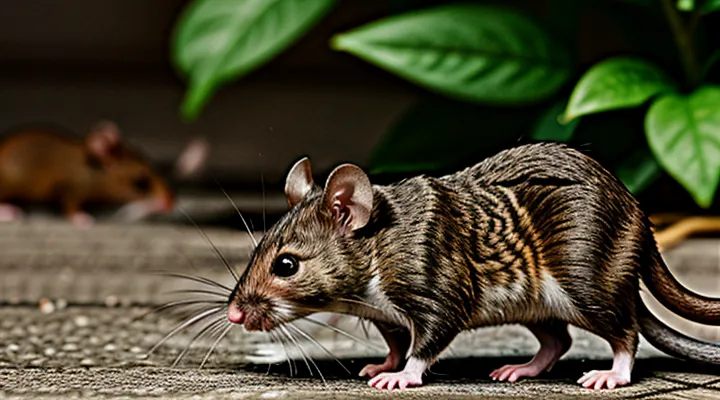
Understanding Ultrasonic Pest Repellers
How Ultrasonic Repellers Work
The Science Behind the Sound Waves
Ultrasonic devices designed to deter rodents rely on acoustic energy that exceeds the auditory threshold of mice and rats, typically above 20 kHz. The fundamental principle involves generating pressure oscillations in air that propagate as longitudinal waves. Frequency determines the pitch of the sound; higher frequencies produce shorter wavelengths, calculated by λ = c/f where c is the speed of sound (~343 m s⁻¹ at 20 °C). For a 30 kHz tone, the wavelength is roughly 1.1 cm, allowing the wave to interact with the small anatomical structures of rodent ears while remaining inaudible to humans.
Amplitude, expressed in sound pressure level (SPL), dictates the intensity of the stimulus. Effective repellers emit SPLs in the range of 90–110 dB SPL at the source, delivering sufficient energy to cause discomfort without causing permanent damage. Attenuation follows an inverse-square law, reducing SPL by approximately 6 dB each time the distance doubles. Consequently, placement of the emitter near entry points maximizes exposure while minimizing wasted energy.
Rodent auditory systems are tuned to detect rapid temporal changes. Modulation techniques—such as frequency sweeps, amplitude bursts, or random patterning—prevent habituation by presenting an unpredictable acoustic environment. This variability forces the auditory nerve to continuously process novel stimuli, increasing the likelihood of avoidance behavior.
Key technical parameters for selecting a repellent:
- Frequency: 25–45 kHz (covers the most sensitive range for mice and rats)
- SPL at 1 m: 90–110 dB
- Modulation: frequency sweep or random burst pattern
- Power source: continuous operation or timed cycles to conserve energy
- Transducer type: piezoelectric ceramic for stable output
The transducer converts electrical signals into mechanical vibrations. A driver circuit applies an alternating voltage at the target frequency, causing the piezoelectric element to expand and contract. This motion generates the pressure wave that propagates outward. Efficient designs incorporate impedance matching and shielding to reduce electromagnetic interference, ensuring consistent acoustic output.
Safety considerations focus on limiting exposure for non‑target species and humans. Ultrasonic energy above 20 kHz does not produce audible sensations in adults, but prolonged high SPL can cause physiological stress in pets. Devices should include adjustable output levels and automatic shut‑off timers to mitigate unintended effects.
Understanding these acoustic principles enables informed procurement of a device that delivers the required frequency, intensity, and modulation to reliably deter rodent intrusion.
Frequency Ranges and Their Impact
Ultrasonic pest deterrents operate within specific frequency bands that correspond to the auditory range of rodents. Mice detect sounds from roughly 1 kHz up to 100 kHz, with peak sensitivity between 20 kHz and 50 kHz. Rats share a similar range but exhibit heightened responsiveness to frequencies above 30 kHz.
- 20–30 kHz: Effective for most mouse populations; limited impact on rats, which may habituate quickly.
- 30–50 kHz: Covers the optimal hearing window for both species; provides the strongest aversive stimulus and reduces the likelihood of habituation.
- 50–70 kHz: Targets the upper limit of rodent hearing; useful for populations that have adapted to lower bands, though attenuation through barriers increases at these higher frequencies.
Higher frequencies experience greater atmospheric absorption, reducing coverage radius. Lower frequencies travel farther but risk overlapping with human‑audible sound, potentially causing discomfort for occupants. Selecting a device that emits a broad spectrum spanning 30–50 kHz balances efficacy and safety, delivering sufficient intensity to provoke avoidance without exceeding permissible exposure levels for humans and pets.
Limitations and Misconceptions
Ultrasonic rodent deterrents emit sound waves above the human hearing range, yet their practical reach is confined to a limited radius of 3–5 meters. Obstacles such as walls, furniture, and flooring absorb or reflect the signal, creating blind spots where devices lose effectiveness. Frequency bands typically range from 20 kHz to 65 kHz; many species of mice and rats detect only a portion of this spectrum, so a single device cannot guarantee coverage for all target pests.
Habituation occurs when rodents are repeatedly exposed to the same ultrasonic pattern. After several days, the animals may ignore the stimulus, reducing the repeller’s impact. Rotating frequencies or combining devices with alternative control methods mitigates this effect.
Power output is measured in decibels SPL, but higher levels do not correlate with increased deterrence. Excessive intensity can cause distress to cohabiting pets, particularly hamsters, guinea pigs, and certain dog breeds, without improving rodent response.
Regulatory guidelines restrict the use of ultrasonic emitters in environments where vulnerable populations, such as infants or individuals with heightened auditory sensitivity, might be present. Compliance with local safety standards is mandatory before deployment.
Common misconceptions
- Ultrasonic units eradicate rodents; they only discourage entry or habitation.
- The sound penetrates solid walls; it attenuates rapidly and is ineffective through dense materials.
- A single device protects an entire building; multiple units are required to cover larger spaces.
- All rodent species react identically; sensitivity varies between house mice, Norway rats, and roof rats.
- Continuous operation guarantees success; periodic assessment and adjustment are necessary.
Understanding these constraints and correcting false assumptions enables informed selection and proper placement of ultrasonic deterrents for laboratory or domestic rodent management.
Key Features to Consider When Buying
Power and Coverage Area
Repeller Strength (dB)
Repeller strength, expressed in decibels (dB), determines the acoustic pressure that reaches target rodents. Higher dB values produce louder ultrasonic pulses, increasing the likelihood that mice and rats perceive the signal as a threat.
Effective ultrasonic devices for laboratory and domestic environments typically emit 85–95 dB SPL at the transducer. At a distance of 1 meter, sound pressure drops by 6–12 dB, so a device rated at 95 dB may deliver 80–89 dB where rodents are present. Values below 80 dB generally fail to sustain aversive responses.
Key factors influencing required dB:
- Proximity to the animal: Shorter gaps between emitter and target reduce attenuation.
- Barrier material: Plastic, wood, or metal enclosures absorb ultrasonic energy, demanding higher source levels.
- Ambient noise: Background sounds above 50 dB can mask ultrasonic emissions, necessitating stronger output.
Selection criteria based on dB specifications:
- Verify the advertised SPL at the source; prefer ≥ 90 dB for larger enclosures.
- Confirm the manufacturer provides attenuation data for typical distances (e.g., 1 m, 2 m).
- Ensure the device maintains ≥ 80 dB SPL at the farthest point of the intended coverage area.
- Check for adjustable output settings to tailor strength to specific environments.
Choosing a repeller with appropriate decibel output maximizes deterrent efficacy while minimizing unnecessary power consumption.
Stated vs. Actual Coverage
Manufacturers typically list a coverage radius for ultrasonic rodent deterrents, often quoting distances such as “30 ft radius” or “50 ft square area.” These figures are derived from laboratory measurements under ideal conditions: open space, low ambient noise, and a single device placed at the center of the test zone.
In real environments, several variables reduce effective reach:
- Obstructions: walls, furniture, and insulation absorb or reflect ultrasonic waves, creating dead zones.
- Background noise: household appliances, HVAC systems, and external sounds interfere with signal propagation.
- Device placement: positioning near the floor or behind objects limits vertical dispersion.
- Frequency attenuation: higher frequencies dissipate more quickly, shrinking the usable area.
Field studies on rodent repellers consistently report actual coverage 30‑50 % lower than the advertised radius. For example, a device claimed to protect a 1,000 sq ft room often delivers reliable deterrence only within 600‑700 sq ft, with performance dropping sharply near corners and behind solid barriers.
To evaluate a product’s true reach, conduct a simple test:
- Place the unit centrally in the target area.
- Position motion‑sensing cameras at multiple distances (e.g., 5 ft, 10 ft, 15 ft) and heights.
- Record rodent activity for several nights.
- Identify the farthest point where activity declines significantly.
The discrepancy between stated and actual coverage stems from the gap between controlled test environments and the acoustic complexities of typical homes or labs. Selecting a model with a higher claimed radius may compensate for losses, but verification through on‑site testing remains essential for reliable rodent control.
Room Size and Obstacles
When selecting an ultrasonic deterrent for rodents, the dimensions of the space dictate the number of units required and their placement. Larger enclosures demand multiple devices to maintain a continuous field of high‑frequency sound, while smaller rooms can often be covered by a single unit positioned centrally.
Obstructions such as furniture, walls, and insulation panels interfere with sound waves, creating dead zones where the signal weakens or is reflected. To preserve efficacy, assess the layout and identify potential barriers before installation.
Key factors to evaluate:
- Room volume: Measure length, width, and height; calculate cubic footage to match the device’s coverage rating.
- Ceiling height: Higher ceilings increase the distance sound must travel, potentially reducing intensity at ground level.
- Partitioning: Open‑plan areas allow sound to spread, whereas closed doors or solid partitions block propagation.
- Material density: Dense surfaces (concrete, metal) reflect waves, while softer materials (carpet, curtains) absorb them.
- Furniture arrangement: Large items positioned between the emitter and target zones create shadowed areas that rodents can exploit.
Optimal placement involves mounting the emitter at a height that maximizes line‑of‑sight to the floor, orienting it toward open pathways, and avoiding direct obstruction by bulky objects. In multi‑room environments, connect devices in a staggered pattern to ensure overlapping coverage and eliminate gaps caused by walls or doors. Adjust the configuration after initial testing by monitoring rodent activity and confirming that no silent pockets remain.
Frequency Settings and Modes
Fixed vs. Variable Frequencies
Ultrasonic devices designed to deter rodents rely on frequency selection to affect hearing sensitivity in mice and rats. A fixed‑frequency unit emits a single, constant tone, typically calibrated to the peak auditory range of the target species (approximately 20–50 kHz). The constant signal simplifies circuitry and reduces power consumption, resulting in lower purchase price and longer battery life. However, rodents quickly habituate to a static tone; neurophysiological adaptation diminishes aversive response after several exposures.
Variable‑frequency models sweep through a spectrum of ultrasonic tones or alternate among discrete frequencies. This modulation prevents habituation by continuously presenting novel acoustic stimuli, maintaining a higher deterrent efficacy over extended periods. The broader frequency range also addresses inter‑individual variation in hearing thresholds, increasing the likelihood of affecting both mice and rats. The trade‑off includes higher energy use, more complex electronics, and a higher initial cost.
Key differences:
- Consistency: Fixed units deliver a single tone; variable units generate a moving or stepped spectrum.
- Habituation risk: Fixed frequency leads to rapid desensitization; variable frequency reduces this risk.
- Power demand: Fixed devices consume less power; variable devices require larger batteries or continuous mains connection.
- Cost: Fixed models are generally cheaper; variable models carry a premium for advanced circuitry.
Choosing between the two depends on the intended deployment environment. For short‑term, low‑budget applications where rodents are unlikely to develop tolerance, a fixed‑frequency repeller may suffice. In settings with persistent infestations or where long‑term effectiveness is paramount, a variable‑frequency system offers superior performance despite higher operational costs.
Single vs. Multiple Frequency Bands
Ultrasonic repellers designed for rodents operate on either a single frequency band or a combination of several bands. The choice influences coverage, habituation risk, and device complexity.
-
Single‑band units emit one fixed frequency, typically between 20 kHz and 30 kHz. Advantages include lower power consumption, simpler circuitry, and reduced manufacturing cost. Disadvantages involve higher susceptibility to auditory adaptation; rodents can become desensitized after prolonged exposure, diminishing efficacy.
-
Multi‑band devices cycle through two or more frequencies, often spanning 20 kHz to 50 kHz. This variation disrupts the auditory learning process, maintaining deterrent effect over longer periods. The trade‑off includes increased energy draw, more intricate design, and higher purchase price.
When selecting a repeller, evaluate the environment: confined spaces benefit from multi‑band models that prevent rapid habituation, while open areas with intermittent use may be adequately served by single‑band devices. Consider battery life, maintenance requirements, and the specific rodent species’ hearing range to align frequency strategy with operational goals.
Specific Modes for Different Pests
Ultrasonic repellents for laboratory rodents typically incorporate several frequency modes, each calibrated to target a specific pest class. Selecting the appropriate mode maximizes efficacy while minimizing unnecessary exposure for non‑target species.
- Fixed high‑frequency (30–45 kHz): Optimized for mice and rats; frequencies exceed the hearing range of most laboratory personnel, delivering continuous deterrence without audible disturbance.
- Sweep mode (20–45 kHz): Alternates across a broad spectrum; effective against mixed infestations of rodents and larger insects such as cockroaches, disrupting habituation.
- Mid‑frequency burst (15–25 kHz): Targets insects that perceive lower ultrasonic ranges, including beetles and moths; useful in storage areas where rodent activity is low.
- Low‑frequency pulse (10–15 kHz): Designed for larger arthropods like spiders; pulse intervals prevent adaptation and maintain a consistent repellent effect.
Adjustable timers and intensity controls allow precise scheduling, ensuring the device operates only when pest activity is expected. Compatibility with cage‑level power supplies guarantees uninterrupted performance during experimental cycles.
Power Source and Installation
Plug-in Models
Plug‑in ultrasonic devices deliver continuous high‑frequency sound directly from a wall outlet, eliminating the need for batteries or separate power packs. The constant power source ensures stable emission levels, which is critical for maintaining deterrent effectiveness over long periods.
Key specifications to evaluate when selecting a plug‑in model:
- Frequency range: 20–65 kHz covers the hearing spectrum of both mice and rats.
- Adjustable output: Enables tailoring intensity to room size and infestation severity.
- Coverage radius: Manufacturers typically state a square‑meter range; verify with independent testing data.
- Timer function: Allows scheduled operation, reducing unnecessary exposure during unoccupied hours.
- Safety certifications: Look for CE, UL, or FCC approval to confirm compliance with electromagnetic emission standards.
Device placement influences performance. Position units at least 30 cm from walls or furniture to prevent sound reflections that diminish effective coverage. In multi‑room environments, distribute units evenly to avoid blind spots.
Maintenance requirements are minimal. Periodically inspect the plug for dust accumulation, and replace the unit after the manufacturer‑specified service life—usually 3–5 years—to guarantee consistent acoustic output.
Battery-Operated Units
Battery‑operated ultrasonic deterrents provide portable, self‑contained solutions for rodent control. Their compact design eliminates the need for external power cords, allowing placement in areas without convenient outlets, such as attics, crawl spaces, and outdoor sheds.
Key performance factors include:
- Battery type – Alkaline, lithium, or rechargeable NiMH cells determine voltage stability and temperature tolerance. Lithium cells maintain output in extreme cold, while NiMH packs support longer continuous operation when recharged regularly.
- Operating life – Manufacturers typically rate devices for 30‑90 days of continuous use per set of batteries. Real‑world longevity depends on emission frequency, duty cycle, and ambient temperature.
- Power output – Effective devices emit ultrasonic waves at 20‑45 kHz with sound pressure levels of 90‑100 dB SPL at 1 m. Consistent output ensures the deterrent reaches the target zone without degradation.
- Safety features – Integrated low‑battery alerts prevent silent failure. Some models include automatic shut‑off after a predetermined runtime to conserve energy and reduce heat buildup.
Installation guidelines:
- Position the unit at least 12 inches from walls or metal surfaces to avoid sound reflection that can diminish coverage.
- Align the emitter toward open pathways used by mice or rats; direct line‑of‑sight maximizes efficacy.
- Replace batteries promptly when the low‑battery indicator activates; diminished voltage reduces ultrasonic intensity and compromises performance.
Maintenance involves periodic cleaning of the emitter grille to prevent dust accumulation, which can attenuate sound transmission. Selecting a battery‑powered ultrasonic device with verified specifications ensures reliable, continuous deterrence without reliance on building wiring.
Optimal Placement Strategies
Effective ultrasonic deterrents require precise positioning to maximize coverage and sustain efficacy against rodents. The device emits high‑frequency sound that travels in straight lines and is absorbed by solid surfaces; therefore, placement must consider line‑of‑sight, obstacles, and environmental factors.
- Install units at every known entry point: gaps under doors, ventilation shafts, and utility openings. Position the emitter facing inward, no more than 12 inches from the opening, to ensure the sound field enters the structure.
- Target high‑traffic corridors and nesting zones. Place the transducer at a height of 4–6 feet, where rodent pathways intersect with vertical space, allowing the acoustic beam to intersect their movement plane.
- Maintain a clear path between the speaker and the target area. Remove or relocate furniture, shelving, or dense insulation that could reflect or dampen the signal.
- Use overlapping zones for larger rooms. Space multiple devices 8–10 feet apart, aligning beams so that no area exceeds a 30‑degree blind spot.
- Avoid placement near large metal objects, water tanks, or thick curtains, which absorb ultrasonic energy and reduce effective range.
- Secure devices on walls rather than the floor. Wall mounting prevents vibration interference and keeps the emitter at a stable angle.
- Conduct a short trial period after installation. Observe rodent activity for 48 hours; if activity persists, shift the unit 6–12 inches laterally or adjust the angle by 15 degrees to eliminate dead zones.
Consistent adherence to these positioning guidelines ensures that the ultrasonic field encompasses the entire infestation zone, delivering a sustained deterrent effect.
Durability and Build Quality
Materials and Construction
The effectiveness of an ultrasonic rodent deterrent depends largely on the quality of its components and the robustness of its assembly. Durable housing, typically injection‑molded polycarbonate or high‑impact ABS, protects internal electronics from gnawing, moisture, and temperature fluctuations. The ultrasonic transducer, often a piezoelectric ceramic disc tuned to frequencies between 20 kHz and 65 kHz, must be mounted securely to maintain acoustic output and prevent resonance loss. Power is supplied by a sealed lithium‑ion or alkaline battery pack, with a voltage regulator ensuring stable operation across the device’s duty cycle. A compact printed circuit board integrates the oscillator, frequency controller, and safety cut‑off circuitry; conformal coating on the PCB adds an extra layer of protection against humidity.
Key construction steps include:
- Component placement: Align the transducer centrally within the housing to maximize dispersion; use silicone gaskets to isolate it from the case walls.
- Sealing: Apply ultrasonic‑grade epoxy around cable entry points and screw joints; verify IP rating (minimum IP44) through water spray testing.
- Wiring: Route insulated, heat‑resistant wires between the battery compartment and PCB; employ strain‑relief tabs to prevent breakage during handling.
- Calibration: Use a calibrated microphone to confirm output levels at target frequencies; adjust oscillator settings on the PCB to achieve the specified intensity.
- Quality control: Conduct a functional test for at least 48 hours to detect intermittent failures; reject units that exhibit frequency drift or power loss.
By selecting high‑grade polymers, reliable piezoelectric elements, and implementing rigorous sealing and testing procedures, manufacturers produce ultrasonic repellers that sustain performance in laboratory and field environments where mice and rats are present.
Weather Resistance (for outdoor units)
When selecting an ultrasonic device for rodent control that will be installed outdoors, weather resistance determines reliability and lifespan. The enclosure must shield internal components from moisture, dust, temperature extremes, and sunlight.
Key specifications to verify:
- Ingress Protection (IP) rating – an IP rating of at least IP65 guarantees protection against water jets and dust ingress; higher ratings (IP66, IP67) add resistance to stronger water pressure and temporary immersion.
- Operating temperature range – ensure the unit functions continuously within the local climate envelope, typically –20 °C to +50 °C. Devices rated beyond this range prevent performance loss during winter freezes or summer heatwaves.
- UV‑stable housing – polymer or metal casings treated with UV inhibitors resist cracking and discoloration caused by prolonged sunlight exposure.
- Corrosion‑resistant finishes – powder‑coated steel, stainless steel, or anodized aluminum prevent rust when exposed to rain, humidity, or chemicals such as de‑icing salts.
- Sealed connectors and cables – waterproof gland fittings and cable entries stop water ingress at power and signal points, reducing the risk of short circuits.
- Mounting hardware – brackets and fasteners made from rust‑proof materials secure the unit to walls, fences, or poles without degradation over time.
- Power supply protection – built‑in surge suppressors and voltage regulators guard against fluctuations caused by outdoor electrical lines or lightning strikes.
Maintenance considerations include periodic visual inspection of seals, cleaning of debris from ventilation openings, and verification that the IP rating remains intact after any impact or accidental exposure. Selecting a model that meets or exceeds these weather‑resistance criteria ensures continuous ultrasonic emission, maintaining effectiveness against mice and rats regardless of environmental conditions.
Lifespan and Warranty
When selecting an ultrasonic deterrent for rodents, the operational lifespan and warranty coverage are critical factors that affect long‑term cost efficiency.
The device’s expected service life is typically defined by the durability of its electronic components and the integrity of the ultrasonic transducer. Manufacturers often rate the lifespan in years based on continuous operation under normal laboratory conditions. A realistic expectation for a high‑quality unit ranges from three to five years before performance degradation becomes noticeable.
Warranty provisions complement the lifespan estimate by protecting the buyer against premature failures. Key elements to verify include:
- Duration: Most reputable brands offer a minimum of two years of full coverage; premium models may extend to three or four years.
- Coverage scope: Includes defects in materials, workmanship, and failure of the ultrasonic emitter; excludes damage caused by misuse, improper installation, or exposure to moisture beyond the specified IP rating.
- Service process: Requires registration within a set period, typically 30 days, and provides options for repair, replacement, or refund after evaluation.
- Exclusions: Consumable parts such as batteries or optional accessories are generally not covered; any modifications to the unit void the warranty.
Assessing these parameters together enables a clear comparison of total ownership cost. A longer warranty aligns with a longer advertised lifespan, indicating confidence in component reliability and reducing the risk of unexpected replacement expenses.
Evaluating Effectiveness and User Experience
Factors Affecting Repeller Performance
Severity of Infestation
Understanding the level of rodent activity is essential when selecting an ultrasonic deterrent. Infestation severity can be classified into three distinct categories, each demanding specific performance criteria from the device.
- Low-level presence – Occasional sightings, minimal droppings, and isolated gnaw marks. A single unit with a modest coverage radius (approximately 200 sq ft) and a basic frequency range typically suffices.
- Moderate-level presence – Frequent sightings, noticeable droppings, and damage across multiple rooms. Effective control requires multiple units or a model with an expanded coverage area (400 sq ft or more) and adjustable frequency settings to address habituation.
- High-level presence – Constant activity, extensive damage, and widespread contamination throughout the facility. The situation calls for high‑output emitters, broad‑band frequencies, and continuous operation modes, often supplemented by auxiliary traps or exclusion methods.
Severity determines the required output power, frequency diversity, and spatial distribution of the emitters. Low-level infestations allow for economical, single‑device solutions, whereas moderate and high levels necessitate greater acoustic intensity and overlapping coverage to prevent rodents from adapting to a single frequency. Selecting a repeller that matches the infestation’s intensity ensures efficient mitigation and reduces the risk of persistent or escalating rodent problems.
Environmental Conditions
Effective ultrasonic deterrents for laboratory mice and rats function within defined environmental parameters. Manufacturers specify optimal temperature ranges, typically between 20 °C and 26 °C. Deviations beyond this interval can alter transducer efficiency, reducing sound output and frequency stability.
Relative humidity influences acoustic propagation. Values from 30 % to 70 % maintain consistent wave transmission; excessive moisture may dampen ultrasonic energy, while very dry air can cause attenuation.
Ambient noise levels affect device performance. Background sounds above 40 dB SPL in the ultrasonic spectrum interfere with emitted pulses, diminishing deterrent effectiveness. Positioning units away from ventilation fans, HVAC ducts, and other high‑frequency sources mitigates this risk.
Cage construction contributes to acoustic containment. Materials such as solid plastic or metal reflect ultrasonic waves, creating a focused field inside the enclosure. Mesh or perforated panels allow energy loss, requiring higher output settings to achieve comparable coverage.
Airflow patterns modify sound distribution. Uniform, low‑velocity circulation preserves the intended field, whereas turbulent drafts disperse waves and generate blind spots.
A concise checklist of critical environmental factors:
- Temperature: 20 °C–26 °C
- Relative humidity: 30 %–70 %
- Background noise: ≤ 40 dB SPL (ultrasonic range)
- Cage material: non‑perforated, reflective surfaces
- Airflow: steady, low‑velocity, minimal turbulence
Adhering to these conditions maximizes the reliability of ultrasonic repellents and ensures consistent rodent deterrence across research facilities.
Presence of Alternative Food Sources
Alternative food sources can diminish the performance of ultrasonic rodent deterrents. When mice or rats have easy access to abundant nutrition, the aversive stimulus from ultrasonic devices becomes secondary to the reward of feeding. Consequently, devices that might otherwise drive rodents away may fail to produce a measurable reduction in activity.
Effective repeller selection should therefore account for the surrounding food environment. Key considerations include:
- Placement near areas where food residues accumulate (kitchens, pantries, storage rooms) to maximize exposure to the ultrasonic field.
- Frequency range covering 20–65 kHz, which targets the hearing sensitivity of both species.
- Adjustable intensity, allowing higher output when alternative food sources are present.
- Continuous operation with a built‑in timer to prevent habituation, especially when rodents can obtain food at any time.
Mitigating alternative food sources enhances the repeller’s impact. Strategies involve sealing containers, removing spilled crumbs, and maintaining regular cleaning schedules. By eliminating competing attractants, the ultrasonic device operates as the primary deterrent, increasing the likelihood of sustained rodent control.
Customer Reviews and Ratings
Common Praises
Ultrasonic deterrents designed for laboratory mice and rats receive consistent positive feedback from researchers and facility managers. The praise focuses on measurable outcomes, operational convenience, and compliance with animal‑care standards.
- Rapid reduction in activity: Users report noticeable declines in rodent movement within minutes of activation, confirmed by motion‑tracking software.
- Minimal maintenance: Devices operate continuously without requiring calibration or component replacement for the duration of typical study periods.
- Low acoustic impact: Measurements indicate sound levels remain below thresholds that could affect human staff, eliminating the need for additional protective equipment.
- Compatibility with cage systems: Units fit standard ventilated racks and do not interfere with temperature or humidity controls, preserving experimental conditions.
- Regulatory acceptance: Certifications from veterinary and laboratory safety authorities are frequently cited as evidence of compliance.
These attributes are repeatedly highlighted in purchase reviews and product evaluations, reinforcing the perception that ultrasonic repellers provide an effective, low‑intervention solution for rodent management in research environments.
Frequent Complaints
Frequent complaints about ultrasonic rodent deterrents focus on performance, durability, and user experience. Users report that the advertised coverage area is often overstated; devices positioned in typical cage setups reach only a fraction of the claimed distance, leaving gaps where mice and rats remain active. Many owners observe that the emitted frequencies lose potency after a few weeks, reducing efficacy and prompting premature replacement.
Common issues include:
- Inconsistent effectiveness across species; some strains of rats show little behavioral response.
- Audible high‑frequency hiss that disturbs staff or nearby animals, contrary to the promise of silent operation.
- Short battery life or high power draw, leading to frequent recharging or costly replacements.
- Plastic housings cracking after exposure to cleaning agents or cage humidity.
- Interference with other electronic equipment, causing glitches in monitoring systems.
- Lack of adjustable frequency settings, preventing customization for specific pest populations.
These recurring problems suggest that prospective buyers should verify independent range tests, examine warranty terms, and consider models with interchangeable transducers or adjustable output levels before investing.
Identifying Reputable Brands
When selecting an ultrasonic device for rodent control, the credibility of the manufacturer determines reliability and safety.
First, verify that the brand holds certifications from recognized regulatory bodies such as the U.S. Environmental Protection Agency (EPA) or European Union CE marking. These approvals confirm compliance with electromagnetic emission standards and indicate that the product has undergone formal testing.
Second, examine independent laboratory reports. Reputable companies publish peer‑reviewed studies or third‑party test results demonstrating efficacy against mice and rats at specified frequencies and power levels. Absence of such documentation often signals insufficient scientific backing.
Third, assess the company’s track record. Brands with a minimum of five years in the pest‑control market, documented product iterations, and transparent manufacturing locations tend to maintain higher quality control.
Fourth, consider consumer feedback aggregated from multiple platforms. Consistent positive ratings across specialized forums, retailer sites, and professional reviews provide a reliable gauge of real‑world performance.
Fifth, evaluate warranty and support policies. A minimum two‑year warranty, clear return procedures, and accessible technical assistance reflect confidence in product durability.
Finally, compare price against feature sets. Excessively low cost frequently correlates with reduced power output, limited frequency range, or substandard components, while premium pricing without supporting evidence offers no added benefit.
By applying these criteria—certifications, independent validation, company longevity, aggregated user reviews, robust warranty, and justified pricing—buyers can reliably identify reputable manufacturers and secure effective ultrasonic solutions for rodent management.
Combining with Other Pest Control Methods
Integrated Pest Management (IPM)
Integrated Pest Management (IPM) is a systematic approach that combines biological, cultural, mechanical, and chemical tactics to reduce rodent populations to acceptable levels while minimizing environmental impact. The framework requires accurate identification, continuous monitoring, and the selection of control methods that complement one another.
Ultrasonic devices serve as a mechanical deterrent within IPM. They emit high‑frequency sound waves outside the hearing range of humans but uncomfortable for rodents. Because ultrasonic waves do not eliminate pests, they must be paired with sanitation, exclusion, and trapping to achieve reliable suppression.
Key factors when evaluating an ultrasonic repeller for laboratory or facility use include:
- Frequency spectrum: 20–45 kHz covers the most sensitive range for mice and rats.
- Coverage radius: specifications should match the size of the target area; overlapping zones improve effectiveness.
- Power source: battery‑operated units provide flexibility, while mains‑powered models ensure continuous operation.
- Safety features: automatic shut‑off if the device is tipped or obstructed prevents damage and reduces noise hazards.
- Durability: housing rated for dust and moisture extends service life in research environments.
To embed an ultrasonic unit into an IPM program, follow these steps:
- Conduct a thorough inspection to locate entry points, nesting sites, and food sources.
- Implement sanitation measures that remove attractants and reduce shelter availability.
- Seal gaps, install door sweeps, and repair structural deficiencies to block ingress.
- Position ultrasonic emitters according to the manufacturer’s coverage map, ensuring line‑of‑sight to target zones and avoiding interference from metal surfaces.
- Deploy complementary controls such as snap traps or live‑catch devices in high‑activity zones.
- Record rodent sightings, trap counts, and device performance weekly; adjust placement or supplement with additional methods if activity persists.
By treating ultrasonic repellents as one component of a layered strategy, facilities can achieve sustainable rodent management without reliance on chemical poisons. Continuous data collection validates efficacy and guides refinements, keeping the IPM program responsive and accountable.
Sanitation Practices
Effective ultrasonic deterrents require a clean environment to maintain device performance and reduce rodent attraction. Residual food, spilled water, and soiled bedding provide scent cues that can override acoustic signals, allowing mice and rats to persist despite repeller activation.
- Clean cages, tunnels, and nesting areas daily; remove uneaten food and debris.
- Store feed in sealed containers; discard expired or damp portions promptly.
- Empty and sanitize waste bins weekly; use disinfectants compatible with plastic and metal surfaces.
- Wipe device housings with a lint‑free cloth; avoid abrasive cleaners that may damage transducers.
- Inspect ventilation grilles and ducts for droppings; clear obstructions that could block ultrasonic propagation.
- Rotate bedding material to prevent buildup of urine and fecal matter; replace at least once per week.
Regular sanitation complements acoustic control by eliminating alternative attractants, ensuring the repeller operates at optimal frequency and intensity. Failure to maintain cleanliness diminishes efficacy, leading to increased pest activity and potential device failure.
Physical Barriers and Traps
Physical barriers prevent rodents from entering a space where ultrasonic deterrents operate. Seal cracks, gaps, and utility openings with steel wool, copper mesh, or silicone caulk; install door sweeps and window screens rated for 1 mm openings; use vent covers that incorporate fine mesh. These measures reduce the distance ultrasonic emitters must cover, improving device efficiency and limiting wasted energy.
Traps complement acoustic repellers by providing a direct removal method. Choose from:
- Snap traps with high‑strength springs for quick kill.
- Live‑catch cages equipped with trigger mechanisms that release without injury.
- Electronic traps delivering a lethal shock calibrated for rodents.
- Glue boards placed in concealed locations for monitoring purposes.
Integrating barriers and traps with ultrasonic devices requires coordinated placement. Position emitters at least 12 inches away from solid surfaces to avoid sound reflection; locate traps along identified travel routes near sealed entry points. Regular inspection of barriers ensures that new openings are detected promptly, while periodic trap checks maintain control effectiveness.