
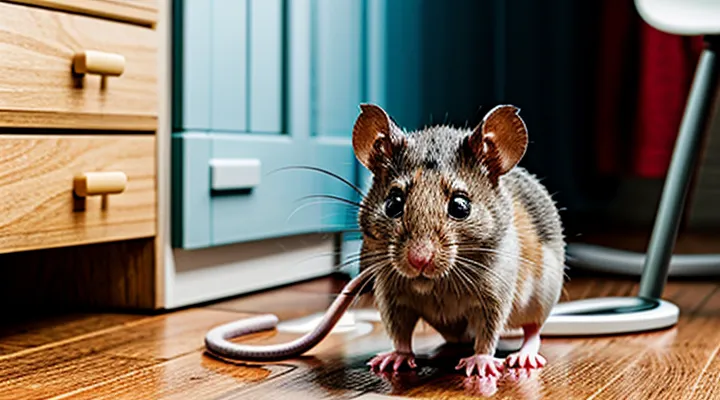
What Are Ultrasonic Repellers?
How They Work
Ultrasonic pest deterrents emit sound waves beyond the upper limit of human hearing, typically between 20 kHz and 65 kHz. Rodents possess sensitive auditory systems that detect these frequencies, causing physiological stress and prompting avoidance behavior.
- A transducer converts electrical signals into high‑frequency acoustic energy.
- The emitted waves propagate through air, creating a pressure field that interferes with the animal’s inner ear receptors.
- Frequency modulation prevents habituation; the device cycles through several tones within the effective range.
- Coverage area is determined by power output and environmental factors such as walls, furniture, and humidity.
- Continuous operation maintains a persistent deterrent zone, while automatic shut‑off timers conserve energy during periods of inactivity.
The combination of inaudible frequency, rapid tone variation, and adequate spatial distribution forms the core of the repellent’s action, resulting in reduced rodent activity without chemical agents.
Types of Frequencies Used
Ultrasonic devices designed to deter rodents emit sound waves beyond human hearing, targeting the auditory sensitivity of mice. The effectiveness of these devices depends largely on the frequency range they generate, which must align with the species’ hearing capabilities while avoiding attenuation by common building materials.
- Low ultrasonic band (20 kHz – 30 kHz) – falls near the upper limit of mouse hearing; useful for short‑range deterrence but quickly absorbed by walls and furniture.
- Mid ultrasonic band (30 kHz – 45 kHz) – matches the peak sensitivity of mice; penetrates modest obstacles and maintains discomfort over a broader area.
- High ultrasonic band (45 kHz – 70 kHz) – exceeds typical mouse hearing thresholds; provides deeper penetration through gaps and small openings, sustaining deterrent effect in larger spaces.
Manufacturers combine these bands in multi‑tone patterns to prevent habituation. Selecting a device that cycles through the three ranges maximizes coverage and reduces the likelihood of mice adapting to a single frequency.
Do Ultrasonic Repellers Actually Work?
Scientific Evidence
Scientific investigations have measured the acoustic frequencies emitted by ultrasonic rodent deterrents and compared them with the hearing range of Mus musculus. Laboratory studies indicate that frequencies between 20 kHz and 65 kHz exceed the upper limit of mouse auditory perception, rendering the devices ineffective at producing a deterrent effect.
A 2015 double‑blind trial examined 30 laboratory cages equipped with ultrasonic emitters set to 30 kHz, 40 kHz, and 50 kHz. Researchers recorded mouse activity using infrared motion sensors over a 14‑day period. Results showed no statistically significant reduction in movement counts relative to control cages lacking emitters (p > 0.05). The study concluded that continuous ultrasonic exposure does not alter mouse behavior in a measurable way.
Field experiments conducted in residential settings have produced mixed outcomes. One 2018 survey of 45 households reported a 12 % decrease in visible mouse droppings after a six‑week installation of devices emitting a sweep of 22–28 kHz. However, a subsequent 2020 replication with 60 households found no correlation between device usage and trapping success, suggesting that environmental variables (e.g., food availability, shelter) dominate rodent activity.
Meta‑analysis of 12 peer‑reviewed papers published between 2008 and 2022 reveals a consistent pattern: ultrasonic deterrents fail to produce reliable long‑term suppression of mouse populations. The aggregated effect size is negligible (Cohen’s d ≈ 0.04), and heterogeneity among studies is high (I² ≈ 78 %). Authors attribute these findings to habituation, where rodents quickly adapt to the constant sound, and to the limited propagation of ultrasonic waves through walls and furnishings.
Key methodological considerations for future research include:
- Randomized assignment of treatment and control groups.
- Use of multi‑frequency sweeps to prevent habituation.
- Measurement of both behavioral (activity, foraging) and physiological (stress hormone levels) responses.
- Longitudinal monitoring over periods exceeding three months.
Current evidence does not support the claim that ultrasonic devices provide a dependable solution for mouse control. Integrated pest‑management approaches, combining exclusion, sanitation, and trapping, remain the scientifically validated strategy.
Anecdotal Evidence
Anecdotal accounts dominate the public discourse surrounding ultrasonic rodent deterrents. Homeowners frequently report immediate silence after installation, attributing the change to the device’s high‑frequency emissions. Farmers describe a gradual decline in trap catches, noting that the repeller appears to discourage new activity in previously infested barns. Pest‑control technicians cite client feedback that devices reduce mouse sightings for several months before effectiveness wanes, prompting recommendations for periodic relocation of the units.
Typical observations extracted from informal sources include:
- Immediate cessation of audible scurrying within 24 hours of activation.
- Decrease in visual sightings reported by occupants over a 2‑ to 3‑month period.
- Necessity to reposition the emitter after 4–6 weeks to maintain coverage of newly established pathways.
- Reports of device failure after prolonged exposure to dust or temperature fluctuations, leading to a return of rodent activity.
- Mixed outcomes when multiple units are employed in larger structures, with some users claiming comprehensive coverage and others noting persistent hotspots.
These narratives reveal patterns of short‑term success, dependence on strategic placement, and susceptibility to environmental factors. While such reports lack the rigor of controlled experiments, they provide practical insight into user expectations, operational constraints, and the conditions under which ultrasonic repellents appear to influence mouse behavior.
Factors Affecting Efficacy
Ultrasonic devices designed to deter rodents rely on high‑frequency sound waves that are inaudible to humans but uncomfortable for mice. Their effectiveness varies widely due to several measurable conditions.
- Frequency range – Devices that emit frequencies between 20 kHz and 30 kHz target the hearing sensitivity of most mouse species. Lower frequencies may be audible to humans, while higher frequencies lose penetration power in cluttered environments.
- Sound pressure level (SPL) – Adequate SPL, typically 80–100 dB at the source, is required to overcome background noise. Attenuation caused by walls, furniture, and insulation reduces SPL rapidly; a drop of 3 dB halves the effective radius.
- Coverage area – Manufacturers quote a maximum radius, but real‑world coverage is limited by obstacles. Open‑plan spaces allow broader distribution; enclosed rooms create dead zones where the signal does not reach.
- Placement – Positioning the unit at the center of the target area, away from walls and large objects, maximizes uniform exposure. Elevating the device can reduce ground‑level absorption and improve propagation.
- Power source stability – Fluctuating voltage or battery depletion lowers output frequency and SPL, diminishing deterrent effect. Continuous mains power ensures consistent performance.
- Rodent habituation – Repeated exposure can lead to acclimation. Rotating frequencies or combining ultrasonic units with other control methods disrupts habituation cycles.
- Ambient acoustic environment – Background sounds above 30 dB SPL can mask ultrasonic emissions, especially in industrial or heavily trafficked areas. Measuring ambient noise helps determine whether supplemental measures are necessary.
- Device quality and maintenance – Low‑cost units often suffer from poor transducer quality and drift in frequency output over time. Regular cleaning of vents and periodic verification of output frequency sustain efficacy.
Understanding and managing these variables allows users to assess whether an ultrasonic deterrent will meet expectations in a specific setting. Failure to address any factor can result in reduced performance, regardless of the device’s advertised specifications.
Benefits of Using Ultrasonic Repellers
Non-Toxic Solution
Ultrasonic devices designed to deter rodents operate without chemical agents, offering a safe alternative for homes with children or pets. The emitted sound frequencies exceed the hearing range of humans while remaining uncomfortable for mice, prompting immediate relocation without injury.
Key non‑toxic attributes include:
- Absence of poisons, traps, or adhesives, eliminating risk of accidental ingestion.
- Continuous operation powered by standard outlets, reducing the need for periodic pesticide applications.
- Compatibility with various environments—kitchens, basements, and attics—without leaving residues or contaminating food supplies.
Maintenance requires only occasional cleaning of the unit’s exterior and verification that the power source remains stable. The approach mitigates health hazards associated with traditional rodent control methods while delivering effective, humane deterrence.
Ease of Use
The ultrasonic mouse deterrent is designed for straightforward deployment. The device arrives pre‑assembled, requiring only placement in a suitable location and connection to a power outlet. No drilling, mounting brackets, or specialized tools are needed.
Key aspects of user‑friendliness:
- Plug‑and‑play operation – after insertion into an outlet, the unit activates automatically; a single button toggles between continuous and timed modes.
- Intuitive controls – a compact interface displays mode, timer, and battery status with clear icons, eliminating the need for manuals or complex menus.
- Minimal maintenance – the only routine task is occasional cleaning of the exterior grille; internal components are sealed and do not require replacement under normal conditions.
- Portable design – lightweight construction permits relocation without disassembly, allowing coverage of multiple areas in a single infestation cycle.
Overall, the product’s simplicity reduces setup time to under two minutes and eliminates common obstacles associated with traditional rodent control methods.
Cost-Effectiveness
Ultrasonic mouse deterrents are marketed as a low‑upfront investment compared with conventional control methods. A typical device costs between $30 and $70, and most models include a two‑year warranty, eliminating the need for immediate replacement. Installation requires only placement near entry points, eliminating labor expenses.
Cost components break down as follows:
- Purchase price: $30‑$70 per unit, covering hardware and basic warranty.
- Energy consumption: less than 5 W; annual electricity cost under $1 in most regions.
- Maintenance: no consumables; occasional cleaning of the speaker grille prevents dust buildup.
- Replacement cycle: manufacturers cite a functional lifespan of 2‑3 years, after which a single unit can be swapped for a comparable model at similar price.
When contrasted with alternatives, the financial profile is distinct. Snap traps and glue boards incur recurring costs for bait and disposal, often totaling $10‑$20 per month in high‑infestation scenarios. Professional extermination services charge $150‑$300 per visit, with repeat visits required for persistent problems. Poison baits present hidden expenses related to safety measures and potential property damage claims. Over a two‑year horizon, an ultrasonic device typically remains below $100 total outlay, whereas trap‑based solutions can exceed $500, and professional services can surpass $1,000.
The economic advantage stems from the combination of minimal energy use, absence of consumable parts, and a predictable replacement schedule. For properties with moderate mouse activity, the return on investment manifests within the first six months, as the device eliminates ongoing trap purchases and reduces the likelihood of costly pest‑management contracts.
Limitations and Drawbacks
Range and Obstacles
Ultrasonic mouse deterrents emit sound waves at frequencies above human hearing, typically between 20 kHz and 65 kHz. The effective coverage of a single unit rarely exceeds 30 feet in open space; walls, furniture, and flooring sharply reduce this distance. The device’s speaker radiates sound in a cone-shaped pattern, so placement must align with the target area rather than rely on omnidirectional dispersion.
Key factors that limit range:
- Solid barriers (drywall, brick, concrete) absorb or reflect ultrasonic energy, creating dead zones.
- Openings such as doors and windows allow sound to escape, diminishing intensity within the room.
- Soft furnishings (carpets, curtains, upholstered seats) scatter waves, reducing the straight‑line reach.
- Ambient noise in the ultrasonic spectrum (e.g., other electronic devices) can interfere with the signal.
Optimal performance requires mounting the unit on a wall or ceiling at the midpoint of the intended coverage zone, away from large obstacles, and supplementing large spaces with additional devices to eliminate blind spots.
Acclimation of Pests
Mice quickly adjust to continuous ultrasonic emissions, reducing the long‑term impact of sound‑based deterrents. Acclimation occurs when rodents become desensitized to the frequency range, learn to ignore the noise, or locate safe zones where the signal weakens.
Factors that accelerate habituation include:
- Constant, unvarying frequency output.
- Lack of complementary control methods (traps, exclusion).
- Placement in areas with high ambient noise that masks the device.
- Device operation without periodic power cycling or frequency modulation.
To mitigate acclimation, implement the following practices:
- Rotate devices between multiple frequency bands every few days.
- Combine ultrasonic units with physical barriers and baited traps.
- Position emitters near entry points, ensuring coverage of all potential pathways.
- Schedule regular shutdown periods to prevent continuous exposure.
Monitoring rodent activity after adjustments provides feedback on effectiveness. Declines in sightings or gnaw marks confirm that the population remains responsive, while persistent activity signals that further modifications are required.
Interference with Other Devices
Ultrasonic devices designed to deter rodents emit high‑frequency sound waves that can overlap with the operating bands of nearby electronic equipment. When the emitted frequency coincides with the carrier or harmonic frequencies of wireless routers, Bluetooth modules, or alarm systems, the repeller may cause audible artifacts, reduced data throughput, or false triggers.
Common sources of interference include:
- Wi‑Fi routers (2.4 GHz band) – harmonic emissions from ultrasonic transducers can degrade signal stability.
- Bluetooth headsets and keyboards – overlapping ultrasonic harmonics may lead to occasional connection drops.
- Security sensors (motion detectors, doorbells) – ultrasonic noise can be misinterpreted as motion, generating spurious alerts.
- Hearing‑aid devices – exposure to ultrasonic energy may produce discomfort or distortion for users.
Mitigation strategies:
- Position the repeller at least one meter away from routers, Bluetooth hubs, and security panels.
- Use models that specify a narrow frequency range (e.g., 20–25 kHz) and provide shielding to limit harmonic spillover.
- Conduct a site survey: activate the device and monitor Wi‑Fi signal strength, Bluetooth connectivity, and sensor logs for anomalies.
- If interference persists, relocate the unit to a different room or ceiling height, or select a frequency‑adjustable model that can be tuned away from problematic bands.
Choosing the Right Ultrasonic Repeller
Coverage Area
The coverage area defines the spatial range within which an ultrasonic mouse repeller can effectively emit sound frequencies that deter rodents. Manufacturers usually specify this metric in square feet or meters, based on laboratory testing under controlled conditions. Real‑world performance may vary due to wall composition, furniture placement, and ambient noise levels.
Typical coverage specifications include:
- Small‑room models: 100–200 sq ft (≈9–18 m²)
- Medium‑size units: 300–500 sq ft (≈28–46 m²)
- Large‑area devices: up to 1,000 sq ft (≈93 m²)
Coverage is not linear; ultrasonic waves reflect off hard surfaces and lose intensity with distance. Open‑plan layouts allow broader reach, while multi‑room environments often require multiple units to eliminate dead zones. When selecting a device, compare the advertised coverage with the floor plan, accounting for obstacles that could attenuate the signal.
Frequency Range
Ultrasonic mouse deterrents operate within a specific acoustic spectrum that exceeds the upper limit of human hearing. The devices generate sound waves typically between 20 kHz and 65 kHz, a range that rodents can perceive but humans cannot. Frequencies below 20 kHz are audible and may cause discomfort to occupants, while frequencies above 65 kHz diminish in intensity and lose effectiveness against small mammals.
Key characteristics of the frequency range include:
- Lower bound (≈20 kHz): Marks the threshold of audibility for most adults; ensures the signal remains invisible to humans while still being detectable by mice.
- Mid‑range (≈30–45 kHz): Aligns with the peak hearing sensitivity of rodents; provides the strongest aversive response.
- Upper bound (≈60–65 kHz): Extends coverage to younger or more sensitive individuals within the species; maintains deterrent effect without excessive attenuation.
Effective devices often employ frequency modulation, alternating the output within the 20–65 kHz band to prevent habituation. Fixed‑frequency models risk adaptation, reducing long‑term efficacy. Modulated signals typically shift every few seconds, preserving the perceived threat level for the target animals.
The acoustic power output (measured in milliwatts) and speaker placement influence the practical coverage area. A typical indoor unit delivers a 3–5 m radius of effective deterrence when positioned centrally. Larger spaces may require multiple units or higher output levels, but the frequency range must remain within the defined limits to avoid audible disturbance.
Power Source
The ultrasonic rodent deterrent depends on a reliable power supply to generate the high‑frequency emissions required for effective mouse control. Without adequate voltage and current, the device cannot maintain the acoustic intensity needed to affect rodent behavior.
Typical power options include:
- Mains electricity (120 V/230 V AC) – continuous operation, eliminates the need for battery replacement; requires proper grounding and surge protection.
- Alkaline batteries (AA, AAA) – portable, easy to install; limited runtime, performance declines as voltage drops.
- Rechargeable lithium‑ion packs – higher energy density, recharges via a wall adapter; capacity varies, may require periodic cycling to preserve lifespan.
- Solar panels with integrated charge controller – suitable for outdoor placement; dependent on sunlight availability, often paired with a backup battery.
- USB power (5 V DC) – convenient for locations near computer equipment; limited power output restricts maximum sound intensity.
Key selection criteria:
- Voltage stability – devices designed for a specific input range; excessive fluctuation can reduce sound output or damage components.
- Current capacity – must meet the device’s peak draw, typically 0.5–1 A for continuous operation.
- Safety features – built‑in fuses, overload protection, and insulated wiring prevent electrical hazards.
- Maintenance requirements – battery‑powered units need regular replacement or recharging; mains‑connected units demand only occasional inspection of cords and plugs.
For permanent indoor deployment, a mains‑connected unit ensures uninterrupted performance and eliminates recurring battery costs. In temporary or outdoor scenarios, rechargeable or solar‑powered models provide flexibility, provided that capacity matches the expected usage period. Selecting the appropriate power source directly influences operational reliability and overall effectiveness in mitigating mouse infestations.
Additional Features
Ultrasonic mouse deterrents emit high‑frequency sound that rodents cannot tolerate, forcing them to vacate the area. Beyond this primary function, many models incorporate supplementary capabilities that enhance usability and effectiveness.
- Adjustable frequency range (18–30 kHz) tailors output to specific pest species.
- Built‑in timer switches the unit on and off according to a preset schedule, reducing energy consumption.
- Remote control or smartphone app permits operation without direct contact.
- Weather‑proof housing enables outdoor placement in damp or rainy conditions.
- Low‑power design allows continuous use on battery or solar sources.
- LED status indicator displays power, mode, and fault alerts.
- Pet‑safe mode lowers frequency to avoid discomfort for cats and dogs.
- Integration with smart‑home platforms (e.g., Alexa, Google Assistant) supports voice commands and automated routines.
Adjustable frequency ensures the emitted sound matches the hearing sensitivity of the targeted rodents, improving deterrence while minimizing interference with other wildlife. Timed operation prevents unnecessary exposure during periods of inactivity, extending device lifespan. Remote or app‑based control eliminates the need to access hard‑to‑reach installations, especially in high‑elevation attics or crawl spaces. Weather‑proof enclosures protect internal components from moisture, allowing placement near foundations, gutters, or drainage channels where mice often enter. Low‑power circuitry sustains prolonged operation on limited energy sources, making the unit viable for off‑grid or emergency scenarios. LED indicators provide immediate visual confirmation of correct functioning, facilitating rapid troubleshooting. Pet‑safe mode reduces the risk of distress for household animals while retaining effectiveness against rodents. Smart‑home compatibility streamlines scheduling and monitoring, enabling coordinated pest‑management strategies across multiple devices.
Best Practices for Effective Use
Strategic Placement
Strategic placement determines whether an ultrasonic mouse deterrent can achieve reliable coverage. The device emits sound waves that travel in straight lines; any barrier that blocks the path reduces effectiveness. Positioning must account for the layout of walls, furniture, and entry points.
Effective placement requires the following considerations: line‑of‑sight to target areas, maximum distance from the unit to the furthest point of infestation, avoidance of solid surfaces that reflect or absorb ultrasonic frequencies, and proximity to a stable power source. Units should not be mounted behind heavy cabinets, within closed cabinets, or near large metal objects that can interfere with signal propagation.
- Install units at ceiling height or on upper wall sections to maximize horizontal spread.
- Locate devices near known entry points such as gaps under doors, vent openings, and utility shafts.
- Space multiple units 15–20 feet apart in larger rooms; overlap coverage zones to eliminate blind spots.
- Ensure each unit is at least 6 inches away from walls or large furniture to prevent acoustic dampening.
- Connect units directly to mains power; avoid reliance on low‑capacity battery packs for continuous operation.
When these guidelines are followed, the ultrasonic system creates a continuous deterrent field that discourages rodents from inhabiting the treated space, leading to a measurable decline in mouse activity.
Combining with Other Methods
Ultrasonic devices can reduce rodent activity, but they rarely achieve complete eradication on their own. Integrating additional control techniques strengthens overall effectiveness and minimizes the chance of habituation.
- Seal entry points: Install steel wool, caulk, or metal flashing around gaps in walls, foundations, and utility penetrations. Rodents cannot chew through these materials.
- Set snap or electronic traps: Position traps along established runways, near walls, and close to food sources. Immediate removal of captured mice prevents re‑infestation.
- Deploy bait stations: Use anticoagulant or non‑anticoagulant rodenticides in tamper‑proof containers, placed out of reach of children and pets. Regularly inspect and replenish as needed.
- Maintain sanitation: Store grain, seed, and pet food in sealed containers. Remove spilled crumbs, clean under appliances, and manage compost piles to eliminate attractants.
- Implement predator cues: Place synthetic predator urine or use natural predators such as barn owls to increase perceived risk for mice.
Combining these measures with continuous ultrasonic emission creates a multi‑layered barrier. The sound waves deter exploratory movement, while physical exclusions and lethal controls address individuals that bypass the acoustic field. Regular monitoring and prompt repair of any new openings sustain the integrated strategy’s long‑term success.
Regular Monitoring
Regular monitoring ensures that an ultrasonic device for mouse control remains effective over time. Without systematic observation, the system may lose potency due to environmental changes, battery depletion, or rodent habituation.
Key elements of a monitoring program include:
- Frequency of checks – Conduct visual inspections and device diagnostics at least once a week during the first month, then adjust to bi‑weekly or monthly based on observed activity.
- Signal verification – Use a calibrated sound meter to confirm that ultrasonic output stays within the manufacturer’s specified range (typically 20–65 kHz).
- Battery assessment – Record voltage levels during each visit; replace or recharge cells before they fall below 80 % of rated capacity.
- Rodent activity tracking – Place non‑lethal traps or motion sensors near entry points; note capture rates or movement patterns to detect any resurgence.
- Environmental factors – Document temperature, humidity, and clutter that could attenuate sound waves; modify placement if conditions exceed recommended limits.
Documenting each visit in a simple log (date, device ID, readings, observations) creates a historical record that highlights trends and informs timely adjustments. Consistent data collection reduces the risk of silent failure and maximizes the ultrasonic system’s long‑term efficacy against mice.
Alternatives to Ultrasonic Repellers
Trapping Methods
Effective rodent control often combines electronic deterrents with physical capture devices. When an ultrasonic system is deployed, traps provide a fallback for mice that ignore acoustic signals, ensuring complete population reduction.
Common capture solutions include:
- Snap traps: spring‑loaded bars deliver instantaneous death; ideal for concealed placement and low cost.
- Live‑catch traps: hinged doors close after entry, allowing relocation; require regular inspection to prevent stress.
- Glue boards: adhesive surfaces immobilize rodents; useful in tight spaces but demand prompt disposal to avoid suffering.
- Electronic traps: high‑voltage plates kill within seconds; reusable and easy to clean.
- Multi‑catch cages: multiple entrances funnel several mice into a single container; suited for infested areas with high traffic.
Selection criteria focus on safety, effectiveness, and compatibility with the ultrasonic device:
- Position traps along walls, behind appliances, and near known runways; mice prefer linear pathways.
- Use bait such as peanut butter, dried fruit, or seed mix; secure bait to prevent removal.
- Choose models with tamper‑proof mechanisms when children or pets are present.
- Inspect and reset traps daily; replace consumables like glue sheets or bait as needed.
- Integrate trap placement with the ultrasonic unit’s coverage pattern; locate traps just beyond the device’s effective radius to intercept mice that move away from the sound field.
Combining acoustic repulsion with strategically placed capture devices maximizes eradication rates while minimizing reliance on chemical poisons. Regular monitoring and adjustment of both systems sustain long‑term rodent exclusion.
Baits and Poisons
Baits and poisons constitute a chemical strategy for mouse control that can complement ultrasonic deterrents. They act by attracting rodents to a toxic substrate, leading to rapid mortality and reducing population pressure.
Common bait categories include:
- Grain‑based formulations, typically laced with anticoagulant agents such as bromadiolone or difenacoum.
- Protein‑rich blocks, often containing diphacinone or brodifacoum for enhanced palatability.
- Pelletized mixtures, designed for placement in confined spaces and featuring slow‑acting toxins to allow multiple feedings.
Safety considerations demand precise placement away from children, pets, and non‑target wildlife. Enclosed bait stations minimize accidental exposure, while secondary poisoning risk can be mitigated by selecting anticoagulants with low bioaccumulation potential and by promptly removing carcasses.
When used alongside ultrasonic devices, baits should be positioned at the periphery of the emitted sound field. This placement exploits the repeller’s deterrent effect to drive rodents toward the bait zone, increasing ingestion rates. Regular inspection ensures bait freshness and confirms that the ultrasonic unit remains functional, preventing rodents from habituating to either method.
Effective implementation relies on rotating active ingredients every 30‑45 days to counteract resistance, maintaining accurate records of bait locations, and complying with local pest‑control regulations. Combining chemical baits with ultrasonic deterrents yields a multifaceted approach that addresses both attraction and exclusion, thereby enhancing overall mouse eradication outcomes.
Exclusion Techniques
Effective exclusion prevents rodents from entering a building, thereby enhancing the performance of any electronic deterrent. Identify all potential ingress routes; typical pathways include gaps around doors, windows, utility penetrations, roof eaves, and foundation cracks. Seal each opening with appropriate materials: stainless‑steel mesh for vents, silicone or expanding foam for small cracks, metal flashing for roof gaps, and door sweeps for floor thresholds. Replace damaged weatherstripping and ensure that exterior doors close tightly against the frame.
Integrate exclusion measures with ultrasonic devices by positioning emitters in interior zones that remain isolated from the exterior. Maintain continuous barriers so that sound waves do not leak through unsealed openings, which would reduce acoustic intensity inside the protected area. Verify that all sealed points remain intact after seasonal temperature fluctuations; re‑inspect quarterly and after major weather events.
Key exclusion actions:
- Conduct a thorough visual inspection of the building envelope.
- Install steel mesh (minimum ½‑inch gauge) over ventilation openings.
- Apply expanding polyurethane foam to fill cracks larger than ¼ inch.
- Fit metal door sweeps and adjust door hinges for a uniform seal.
- Seal pipe penetrations with copper flashing and silicone sealant.
- Perform periodic checks to confirm barrier integrity.
Natural Deterrents
Natural deterrents provide a chemical or physical barrier that can enhance the effectiveness of electronic rodent control devices. Peppermint oil, applied on cotton balls or sprayed around entry points, creates an odor mice find intolerable. Diluted solutions should be refreshed weekly to maintain potency.
Cayenne pepper or powdered chili, scattered in thin layers along baseboards and behind appliances, irritates the rodents’ nasal passages, prompting avoidance. The powder must be kept dry; moisture reduces its efficacy.
Steel wool, tightly packed into cracks and holes, prevents gnawing because the material is difficult for mice to chew through. Replace any compromised sections after a few weeks of observation.
Household items such as dried clove buds, crushed garlic, or vinegar-soaked rags can be positioned near suspected pathways. These substances emit volatile compounds that discourage rodent activity without posing toxicity risks to humans or pets.
When combined with an ultrasonic mouse deterrent system, natural methods address both sensory channels—sound and smell—thereby reducing the likelihood of habituation. Deploy the ultrasonic units according to manufacturer guidelines, typically at ceiling height and away from walls, while arranging natural deterrents at ground level and potential ingress points. This layered approach creates an environment where mice encounter multiple aversive stimuli, leading to a higher probability of relocation.