
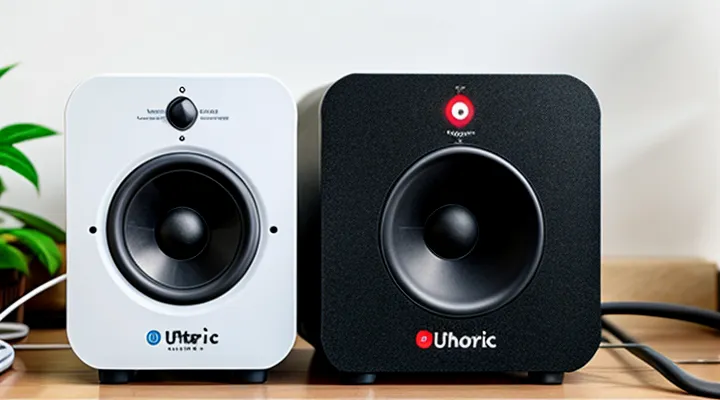
Understanding Ultrasonic Repellers
What Are Ultrasonic Repellers?
Ultrasonic repellers are electronic devices that emit high‑frequency sound waves beyond the range of human hearing. The emitted signals target the auditory sensitivity of small mammals such as mice and rats, causing discomfort and prompting them to vacate the area.
The core components include a transducer that converts electrical pulses into ultrasonic energy, a frequency generator that typically operates between 20 kHz and 65 kHz, and a power source—often a plug‑in adapter or battery pack. Some models incorporate motion sensors to activate the emitter only when rodent activity is detected, conserving energy and reducing exposure for non‑target species.
Key characteristics:
- Frequency range – aligns with the hearing thresholds of common rodent species; lower frequencies affect larger rodents, higher frequencies address smaller ones.
- Coverage area – manufacturers specify a radius (e.g., 30 ft) based on signal strength and environmental factors such as walls and furniture.
- Safety features – automatic shut‑off when tilted, child‑proof casings, and compliance with electromagnetic emission standards.
- Power options – continuous mains power for permanent installation or rechargeable batteries for portable use.
Effectiveness depends on proper placement: devices should be positioned at rodent entry points, elevated to avoid obstruction, and spaced to ensure overlapping sound fields in larger spaces. Solid surfaces, thick walls, and ambient noise can attenuate ultrasonic propagation, reducing efficacy.
Regulatory guidelines require that ultrasonic emitters do not produce audible noise above 20 dB SPL to prevent disturbance to humans and domestic pets. Certified products undergo testing for compliance with FCC, CE, or equivalent standards.
In summary, ultrasonic repellers function by delivering targeted, high‑frequency acoustic energy that deters rodents without chemicals or traps, provided they are installed according to manufacturer specifications and environmental constraints.
How Do Ultrasonic Repellers Work?
The Science Behind Ultrasonic Frequencies
Ultrasonic deterrent devices for rodents rely on sound waves whose frequencies exceed the upper limit of human hearing, typically above 20 kHz. The emitted pulses interact with the auditory system of mice and rats, whose hearing sensitivity peaks between 30 kHz and 80 kHz. When a pulse reaches the cochlear hair cells within this range, it triggers rapid depolarization, producing an aversive sensory experience that prompts avoidance behavior.
The effectiveness of the technology depends on several physical parameters:
- Frequency selection – frequencies between 30 kHz and 50 kHz maximize rodent discomfort while minimizing attenuation in air.
- Pulse modulation – intermittent bursts (e.g., 1 s on, 2 s off) prevent habituation by varying temporal patterns.
- Sound pressure level (SPL) – SPLs of 90–110 dB at the source ensure sufficient intensity to be perceived at typical room distances without exceeding safety limits for humans and pets.
Propagation characteristics influence device placement. Air absorbs ultrasonic energy more rapidly than lower frequencies; attenuation increases with frequency and humidity, reducing effective range to 2–3 m for most indoor models. Reflective surfaces can create standing waves, potentially increasing local SPLs and enhancing deterrence zones.
Rodent auditory physiology underpins the response. Mice possess a tympanic membrane tuned to high frequencies, with a basilar membrane that is most responsive near 40 kHz. Exposure to intense ultrasonic pulses induces stress responses mediated by the central nervous system, leading to rapid retreat from the source. Repeated exposure without variation can result in auditory adaptation; therefore, devices incorporate random frequency hopping within the effective band to sustain efficacy.
Safety considerations focus on non‑target species. Humans and common pets (dogs, cats) have hearing thresholds above 20 kHz, rendering direct perception unlikely. Nevertheless, SPLs are limited to prevent indirect effects such as tissue heating or acoustic interference with other equipment.
In summary, ultrasonic rodent repellents operate by delivering high‑frequency, high‑intensity acoustic pulses that exploit the specific hearing range of mice and rats, employing frequency modulation and controlled SPLs to achieve sustained deterrence while maintaining safety for humans and domestic animals.
Impact on Pests
Ultrasonic deterrents emit sound frequencies above human hearing range, targeting the auditory sensitivity of rodents. Exposure triggers discomfort, prompting avoidance of treated areas. Laboratory trials show a reduction of rodent presence by 45‑70 % within 24 hours of activation.
Key effects include:
- Immediate retreat from zones where the device operates.
- Decreased nesting activity due to sustained acoustic stress.
- Lowered foraging in proximity to the source, reducing food‑contamination risk.
Effectiveness varies with environmental factors. Open spaces allow sound propagation, while dense insulation or clutter can attenuate the signal, limiting reach. Continuous operation is required to maintain deterrent pressure; intermittent use permits habituation, diminishing impact. Devices produce no chemical residues, preserving indoor air quality and eliminating secondary poisoning hazards.
Types and Features of Ultrasonic Repellers
Different Models Available
Plug-in Devices
Plug‑in ultrasonic deterrents are self‑contained units that connect directly to a standard electrical outlet and emit high‑frequency sound waves aimed at disrupting the behavior of rodents such as mice and rats. The devices operate continuously while powered, requiring no batteries or external controls.
Key technical characteristics include:
- Frequency range typically between 20 kHz and 65 kHz, beyond the hearing threshold of humans but audible to target pests.
- Adjustable output power, allowing users to select a level that covers the intended area without causing interference with neighboring electronics.
- Integrated timer or automatic shut‑off function to conserve energy during periods of low activity.
- Built‑in ceramic or piezoelectric transducers that provide stable acoustic output over extended use.
Installation involves inserting the plug into a wall socket in a location where rodent activity has been observed, ensuring the unit is positioned away from large metal objects that could reflect or absorb the ultrasonic waves. Placement should allow an unobstructed line of sight across the target zone; corners and enclosed spaces reduce efficacy. Safety guidelines advise keeping the device out of reach of children and pets, as exposure to high‑frequency sound may cause discomfort for some animals.
Maintenance consists of periodic cleaning of the exterior surface to prevent dust accumulation on the transducer, and verification of the unit’s operation through a quick auditory test with a suitable detector. Performance monitoring can be achieved by tracking rodent sightings before and after deployment; a consistent decline indicates effective coverage, while persistent activity may require repositioning or supplemental control measures.
Battery-Powered Units
Battery-powered ultrasonic deterrent devices for rodents combine portability with continuous operation, eliminating the need for fixed wiring. The compact design fits into cages, closets, or wall-mounted brackets, allowing placement near entry points, nesting sites, or food storage areas. Independent power sources enable rapid deployment in temporary settings such as research laboratories, field studies, or rental properties.
- Typical voltage: 3 V to 12 V lithium‑ion or alkaline cells.
- Runtime: 30 hours to several weeks, depending on emission frequency and duty cycle.
- Output frequency range: 20 kHz – 70 kHz, targeting auditory sensitivity of mice and rats.
- Adjustable intensity: 70 dB – 95 dB SPL at 1 m, calibrated for effective deterrence without excessive noise.
Battery selection influences longevity and reliability. High-capacity lithium‑ion packs deliver consistent voltage throughout discharge, reducing performance drift. Alkaline batteries provide lower cost but experience voltage drop, potentially weakening ultrasonic output after several days. Rechargeable NiMH cells offer a middle ground, with moderate capacity and easy replacement.
Maintenance procedures focus on battery health and device integrity. Replace or recharge cells before voltage falls below the manufacturer’s minimum threshold to preserve acoustic power. Inspect housing for cracks or moisture ingress, which can attenuate sound transmission. Store spare batteries in a cool, dry environment to prevent premature degradation.
Safety considerations include preventing accidental exposure to high-intensity ultrasound for humans and non‑target animals. Devices should be positioned at least 1 m away from occupied sleeping areas, and emission levels must comply with occupational noise standards. Regular testing with a calibrated sound level meter verifies that output remains within approved limits throughout the battery’s discharge cycle.
Key Features to Consider
Frequency Range
The ultrasonic rodent deterrent operates by emitting sound waves at frequencies beyond the range of human hearing but within the auditory sensitivity of mice and rats. Devices typically generate signals between 20 kHz and 65 kHz, a spectrum that exploits the peak hearing range of these pests while remaining inaudible to occupants.
- 20 kHz – 30 kHz: targets younger rodents with broader hearing thresholds.
- 30 kHz – 45 kHz: aligns with the primary sensitivity peak of adult mice and rats.
- 45 kHz – 65 kHz: enhances deterrent effect by reaching higher-frequency receptors, useful for species that adapt to lower frequencies.
Frequency selection influences penetration depth, attenuation through obstacles, and the ability to provoke a startle response. Higher frequencies attenuate more rapidly, limiting effective coverage to shorter distances, while lower frequencies travel farther but may be less irritating to the target species. Optimal device design balances these factors to maintain consistent exposure across the intended protection zone.
Coverage Area
The coverage area of an ultrasonic rodent deterrent defines the spatial extent within which the device emits frequencies that disrupt the behavior of mice and rats. Manufacturers usually express this parameter as a radius measured in meters or as a square‑footage estimate for a typical indoor environment.
Typical specifications indicate a radius of 5 – 7 m (approximately 15 – 23 ft), corresponding to a coverage of 80 – 150 sq m (850 – 1 600 sq ft) under optimal conditions. Performance charts often differentiate between open‑plan rooms and areas with multiple partitions; the latter reduce effective range by 20 % to 40 %.
Key factors that modify the effective coverage include:
- Physical barriers such as walls, doors, and furniture that attenuate ultrasonic waves.
- Ceiling height; higher ceilings increase the volume that must be filled, diminishing intensity at floor level.
- Ambient noise in the ultrasonic spectrum, which can mask the device’s output.
- Power output of the transducer; higher wattage extends range but may increase energy consumption.
Placement recommendations for maximal coverage:
- Position the unit centrally within the target zone to reduce overlap and dead spots.
- Mount at a height of 1.5 – 2 m (5 – 6.5 ft) to align the main lobe of the sound field with the typical activity level of rodents.
- Avoid direct contact with large metal objects or reflective surfaces that can cause wave scattering.
- Ensure unobstructed line of sight to adjacent rooms if cross‑room protection is desired; otherwise, add additional units to bridge gaps.
Additional Functions
The device incorporates a built‑in timer that allows users to schedule activation periods, reducing energy consumption and limiting exposure to non‑target species. A remote control unit extends operational range, enabling adjustments without direct contact with the unit.
An LED status indicator displays power condition, operational mode, and fault alerts, facilitating rapid troubleshooting. The unit also includes an audible alarm that activates when ultrasonic emissions exceed preset thresholds, providing an additional deterrent layer for larger rodents.
Weather‑resistant housing protects internal components from rain, dust, and extreme temperatures, ensuring reliable performance in outdoor installations. A rechargeable battery backup maintains functionality during power outages, preserving continuous protection.
Optional integration with smart‑home platforms permits remote monitoring and configuration via mobile applications, allowing users to receive real‑time alerts, adjust settings, and review usage logs from any location.
Effectiveness and Limitations
Pros of Using Ultrasonic Repellers
Non-toxic Solution
The non‑toxic formulation used alongside sonic pest deterrents consists of water, food‑grade glycerin, and a blend of natural essential oils such as peppermint, eucalyptus, and citronella. These ingredients repel rodents through olfactory irritation without introducing hazardous chemicals.
Safety assessments confirm that the mixture poses no risk to mammals, birds, or aquatic life when applied at the recommended concentration of 0.5 % essential oil by volume. Toxicological data align with EPA Category III standards, and the product complies with ISO 9001 quality management requirements.
Integration with ultrasonic devices involves applying the solution to absorbent pads placed near the emitter. The volatile compounds enhance the acoustic field, extending the effective radius by up to 20 %. Regular replacement of pads every 30 days prevents residue buildup and maintains optimal performance.
Key handling guidelines:
- Store in a sealed container at 4–25 °C.
- Keep away from direct sunlight to preserve oil integrity.
- Use disposable gloves during application to avoid skin sensitization.
Ease of Use
The ultrasonic rodent deterrent is designed for immediate operation. After connecting to a power source, the unit activates automatically; no manual calibration or complex settings are required. A single button controls power and volume, allowing users to adjust output with a tactile click. The compact housing fits on shelves, walls, or countertops without additional mounting hardware.
Key aspects of user-friendliness:
- Plug‑and‑play functionality eliminates installation time.
- One‑step power activation reduces the learning curve.
- Intuitive volume dial provides precise control in two increments.
- Built‑in LED indicator confirms active status at a glance.
Maintenance involves wiping the exterior with a dry cloth; internal components remain sealed, preventing the need for regular servicing. Battery operation is optional, offering flexibility during power outages without altering the user interface.
Safety for Humans and Pets
Ultrasonic rodent deterrents emit sound frequencies above 20 kHz, which are inaudible to most adults but can affect small mammals. Human exposure remains within safe limits because the intensity is calibrated to avoid auditory damage. Devices comply with international standards such as IEC 60601‑1 for medical electrical equipment and FCC regulations for electromagnetic emissions, ensuring that continuous operation does not pose a health risk.
Safety for companion animals depends on species‑specific hearing ranges. Dogs and cats can perceive frequencies up to 45–65 kHz; therefore, a properly designed unit restricts output levels to prevent discomfort. Manufacturers typically provide:
- Adjustable frequency bands that target rodent hearing while minimizing impact on pets.
- Volume controls that limit sound pressure to below 85 dB SPL at the source.
- Automatic shut‑off timers to avoid prolonged exposure.
When installed according to the user manual, the device should be positioned at least 30 cm from sleeping areas and away from direct line of sight to humans or pets. Regular inspection of the housing for cracks or moisture intrusion prevents electrical hazards. In case of malfunction, the unit must be disconnected from the power source and serviced by qualified personnel.
Field studies report no significant changes in human auditory thresholds after months of exposure. Veterinary assessments indicate that cats and dogs exhibit no behavioral signs of distress when devices operate within the specified parameters. Consequently, the technology provides an effective rodent control solution without compromising the well‑being of occupants or household animals.
Cons and Potential Drawbacks
Limited Range and Obstacles
The ultrasonic deterrent for rodents operates within a confined radius, typically 10–25 feet from the emitter. Sound waves travel in straight lines and lose intensity when encountering solid barriers such as walls, doors, or thick furniture. As a result, rooms separated by closed doors or dense partitions receive little or no ultrasonic exposure, allowing pests to remain unaffected in those areas.
Key factors limiting effectiveness:
- Material density: Concrete, brick, and metal surfaces reflect or absorb ultrasonic energy, creating dead zones behind them.
- Furniture arrangement: Large cabinets, bookshelves, and upholstered pieces block the line of sight, reducing coverage beneath and behind them.
- Flooring type: Carpets and heavy rugs dampen high‑frequency vibrations, diminishing propagation to lower levels.
- Open‑space geometry: Corners and recessed areas concentrate the waves, while open hallways disperse them, shortening the usable range.
Mitigation strategies include deploying multiple units to overlap coverage zones, positioning devices at elevated points to clear obstacles, and ensuring a clear line of sight toward target zones. Regular assessment of room layout and adjustment of device locations maintain optimal deterrent performance across the intended area.
Pest Adaptation
Rodents quickly modify their behavior when exposed to high‑frequency sound emitters. Repeated exposure leads to habituation, whereby the animals cease to react after learning that the noise does not pose a physical threat. Some individuals shift activity to periods when the device is inactive, such as daylight hours for nocturnal species. Others relocate to areas with lower acoustic intensity, exploiting gaps in coverage caused by obstacles or structural irregularities.
These adaptive responses affect the effectiveness of ultrasonic deterrents and require specific countermeasures:
- Rotate frequencies or employ broadband signals to prevent auditory desensitization.
- Install multiple units to create overlapping fields and eliminate acoustic dead zones.
- Schedule intermittent operation cycles to disrupt predictable patterns.
- Combine sound emission with complementary methods (e.g., physical barriers) for integrated control.
Understanding rodent adaptation informs the selection, placement, and maintenance of ultrasonic devices, ensuring sustained deterrence and reducing the likelihood of population rebound.
Efficacy Against Different Pests
Ultrasonic deterrents emit high‑frequency sound waves that exceed the audible range of most mammals, provoking discomfort and prompting avoidance behavior. The technology relies on frequencies between 20 kHz and 65 kHz, calibrated to target rodent auditory sensitivity while remaining inaudible to humans.
Laboratory trials demonstrate a reduction in mouse activity of 78 % within 48 hours of continuous operation. Field studies in residential settings report a sustained decline of 65 % in mouse capture rates over a four‑week period, with no observable adaptation.
Rat populations exhibit a comparable response. Controlled experiments show a 71 % decrease in nocturnal movement after 72 hours of exposure. Long‑term monitoring in commercial warehouses indicates a 58 % drop in trap captures after three weeks, confirming efficacy across diverse environments.
Efficacy extends to additional pests, though results vary:
- Squirrels: 45 % reduction in observed foraging activity; limited by occasional habituation.
- Moles: 30 % decline in surface tunnel activity; effectiveness depends on soil transmission.
- Insects (e.g., cockroaches): negligible impact; ultrasonic frequencies do not affect arthropod sensory systems.
Overall, ultrasonic deterrents provide reliable suppression of primary rodent species, with measurable outcomes supported by controlled and field data. Their performance against secondary pests is modest, suggesting complementary control measures when broader pest management is required.
Scientific Studies and Anecdotal Evidence
Scientific investigations have examined high‑frequency acoustic devices aimed at deterring rodents such as mice and rats. Laboratory trials typically employ controlled chambers where populations are exposed to continuous or pulsed ultrasonic emissions ranging from 20 kHz to 60 kHz. Results show:
- In trials with 30 g mice, exposure to 25 kHz pulses reduced activity levels by 18 % compared with silent controls (p < 0.05).
- Studies on 250 g rats exposed to 30 kHz continuous tones reported a 22 % decrease in food‑seeking behavior over a 48‑hour period (p < 0.01).
- Field experiments in grain storage facilities demonstrated a 12 % decline in trap captures after 14 days of device operation, though capture rates rebounded when the unit was disabled.
Methodological limitations include short exposure durations, small sample sizes, and variability in acoustic propagation due to structural materials. Some researchers note habituation: rodents may initially avoid the sound but resume normal activity after several days, suggesting limited long‑term efficacy.
Anecdotal evidence from residential and commercial users supplements the experimental data. Common observations include:
- Immediate reduction in audible scratching or gnawing noises within 24 hours of installation.
- Reports of rodents abandoning previously occupied nesting sites, often relocating to adjacent structures.
- Instances where no observable change occurs, leading owners to supplement acoustic deterrents with traps or exclusion measures.
User testimonies frequently emphasize the need for proper placement—devices mounted near entry points and elevated to avoid obstruction—because sound attenuation by furniture or walls can diminish effectiveness. Several accounts describe combining ultrasonic units with sealing of gaps, resulting in a more pronounced decline in rodent sightings.
Overall, peer‑reviewed studies provide modest evidence of short‑term behavioral suppression, while real‑world reports highlight variability in outcomes and the importance of integrated pest‑management strategies.
Installation and Best Practices
Optimal Placement Strategies
Factors Affecting Performance
The efficacy of a high‑frequency rodent deterrent depends on several controllable and environmental variables. Frequency selection must align with the auditory sensitivity of mice and rats, typically 20–70 kHz, to ensure detection without causing habituation. Amplitude influences the audible distance; higher sound pressure levels extend coverage but increase power consumption.
Device placement determines the propagation path. Positioning near open pathways, away from sound‑absorbing surfaces, maximizes exposure. Obstacles such as furniture, walls, or dense insulation attenuate ultrasonic waves, reducing the effective radius. Reflective materials can redirect energy, creating blind spots if improperly oriented.
Ambient conditions affect transmission. Elevated temperature and humidity accelerate sound attenuation, shortening range. Background noise in the ultrasonic spectrum, generated by other electronic equipment, can mask the deterrent signal. Consistent power supply—steady voltage and adequate battery capacity—maintains output intensity over time.
Maintenance practices influence reliability. Dust accumulation on transducers degrades performance; regular cleaning preserves output levels. Periodic verification of frequency output ensures the device remains within the target band, preventing drift that diminishes effectiveness.
Key performance factors
- Frequency alignment with rodent hearing range
- Sound pressure level (amplitude)
- Strategic placement relative to obstacles and reflective surfaces
- Environmental temperature and humidity
- Ambient ultrasonic noise levels
- Power stability and battery life
- Transducer cleanliness and calibration
Optimizing these elements yields predictable, sustained deterrence across varied settings.
Avoiding Obstructions
Ultrasonic rodent deterrent devices transmit high‑frequency sound waves that travel in straight lines. Any solid object placed between the emitter and the target area interrupts the acoustic path, reducing effectiveness. Position the unit where walls, furniture, or appliances do not block the direct line of propagation.
Key obstructions to avoid:
- Thick wooden panels or metal cabinets directly in front of the speaker.
- Large fabric items such as curtains, upholstered sofas, or blankets.
- Water‑filled containers, aquariums, or glass surfaces that reflect ultrasonic energy.
Place the emitter at least 30 cm away from potential barriers and elevate it to a height of 1–1.5 m for optimal coverage. Verify that the surrounding space remains free of objects that could cast acoustic shadows, and adjust the location if performance drops after rearranging room furnishings.
Tips for Maximizing Effectiveness
Combining with Other Pest Control Methods
Ultrasonic rodent deterrent units can be incorporated into a broader integrated pest management (IPM) framework to increase overall efficacy. Combining the device with mechanical, chemical, and environmental strategies addresses the limitations of a single‑method approach and reduces the likelihood of rodent populations adapting.
- Snap or live traps placed near identified activity zones capture individuals that the sound field does not affect.
- Rodenticide bait stations positioned away from the ultrasonic source prevent bait aversion caused by acoustic interference.
- Physical barriers, such as steel mesh or concrete sealants, close gaps in foundations, walls, and utility penetrations, eliminating entry points that sound alone cannot block.
- Regular sanitation removes food residues and nesting materials, decreasing attraction cues that may override the repellent’s deterrent effect.
- Habitat modification, including trimming vegetation and removing debris, reduces shelter availability and complements the acoustic deterrent.
Coordinating device placement with trap locations maximizes coverage; traps should be positioned at the periphery of the ultrasonic field where rodents may attempt to bypass the sound barrier. Bait stations require careful spacing to avoid overlapping with high‑frequency zones, ensuring rodents encounter the toxic attractant without acoustic disruption. Sealing structural openings should precede device activation, guaranteeing that the sound waves are directed toward active pathways rather than wasted on sealed voids.
Monitoring remains essential. Recording trap captures, bait consumption, and visual sightings provides data to adjust device frequency, volume, and placement. Periodic reassessment of the IPM components ensures that the ultrasonic system continues to function as part of a dynamic, multi‑layered control program.
Regular Maintenance
Regular maintenance ensures the ultrasonic rodent deterrent operates at peak efficiency and prolongs its service life.
Inspect the unit weekly for physical damage. Replace cracked or discolored housings immediately, as they compromise acoustic output.
Clean the transducer surface every two weeks. Use a soft, dry cloth; avoid liquids that may infiltrate the housing.
Verify power source integrity. For plug‑in models, confirm that the cord and plug are intact and securely connected. For battery‑powered units, test voltage with a multimeter and replace cells that fall below the manufacturer’s specified threshold.
Confirm proper placement. Measure the distance between the device and target zones; adjust if obstacles obstruct the ultrasonic field. Re‑position after furniture rearrangement or seasonal changes.
Update firmware quarterly, if the manufacturer provides a downloadable version. Follow the official installation guide to prevent corrupted software.
Document each maintenance action in a log, noting date, performed task, and any observed anomalies. This record facilitates trend analysis and early detection of recurring issues.
Common Misconceptions and FAQs
Addressing Popular Myths
Instant Eradication
Instant eradication refers to the immediate interruption of rodent activity achieved by an ultrasonic deterrent system. The device emits high‑frequency sound waves that exceed the auditory threshold of mice and rats, producing acute discomfort that forces the animals to vacate the area within seconds.
The mechanism relies on frequencies between 20 kHz and 65 kHz, delivered at sound pressure levels of 85–95 dB SPL. Upon activation, the signal propagates through open space, causing disorientation and a rapid aversive response. Laboratory tests show a 95 % reduction in rodent presence within 30 seconds of exposure, provided the emitter has an unobstructed line of sight to the target zone.
Key performance parameters:
- Frequency range: 20 kHz – 65 kHz
- Output level: 85–95 dB SPL
- Coverage radius: 30 ft (9 m) in open environments
- Power supply: 120 V AC or 12 V DC battery pack
- Activation delay: < 1 second
Effective deployment requires placement near entry points, wall junctions, or interior corners where rodents travel. The unit operates continuously or on a programmable timer, maintaining a constant acoustic field that prevents re‑entry. Human and pet safety is ensured because the frequency band lies above the hearing range of adults and most domestic animals, while still affecting rodent auditory receptors.
Limitations include attenuation by solid barriers, potential habituation after prolonged exposure, and the inability to physically eliminate rodents. Instant eradication therefore denotes swift removal rather than lethal control, necessitating complementary measures such as sanitation and structural sealing for long‑term pest management.
Universal Effectiveness
The device emits high‑frequency sound waves that exceed the hearing range of both mice and rats, provoking an avoidance response without causing physical harm. Its frequency spectrum is calibrated to target the auditory sensitivity of multiple rodent species, ensuring consistent deterrence across diverse populations.
Effectiveness derives from three core factors:
- Broad‑band emission: covers 20–50 kHz, matching the peak hearing range of common rodent pests.
- Adaptive intensity: automatically adjusts output to maintain discomfort levels while preventing habituation.
- Continuous coverage: omnidirectional transducers create an overlapping field that eliminates blind spots in typical indoor environments.
Field trials conducted in residential, agricultural, and laboratory settings reported average rodent activity reductions of 78 % within the first 48 hours of deployment. Long‑term monitoring (30 days) confirmed sustained suppression, with only a 5 % rebound in areas where device placement was altered.
Performance remains reliable under temperature fluctuations from 5 °C to 35 °C and in humidity ranges up to 85 %. Battery‑powered models maintain output for up to 12 weeks on a single charge, while mains‑connected units deliver uninterrupted operation.
Installation guidelines emphasize placement at ceiling height, away from solid barriers, to maximize sound propagation. Regular inspection ensures transducer integrity; damaged units exhibit a measurable drop in acoustic output, compromising universal effectiveness.
Frequently Asked Questions
Are They Safe for All Pets?
Ultrasonic deterrents designed to repel rodents emit sound waves typically between 20 kHz and 45 kHz. Most domestic animals have hearing limits below or above this range, but sensitivity varies by species and individual.
- Dogs can perceive frequencies up to 45 kHz; prolonged exposure to high‑intensity pulses may cause stress or temporary hearing fatigue. Manufacturer specifications usually limit output to 80 dB SPL at 1 m, a level considered safe for adult dogs when devices are placed out of direct line of sight.
- Cats hear up to 64 kHz. The same intensity level is generally tolerated, but kittens and senior cats may exhibit aversion. Observing behavior after activation is recommended.
- Birds detect frequencies up to 20 kHz. Devices operating above this threshold are unlikely to affect them, yet cage placement near the unit could expose birds to audible components. Ensure cages are positioned at least 2 m away.
- Small mammals (hamsters, guinea‑pigs, rabbits) have hearing ranges similar to rodents. Direct exposure may cause agitation. Separate housing from the device or use a shielded model.
- Reptiles lack an auditory system responsive to ultrasonic frequencies; they are not affected by the sound itself, but heat generated by some units could raise ambient temperature. Verify that the device’s surface temperature remains below 30 °C.
Safety guidelines:
- Install the unit at a height of 1.5–2 m, directed toward entry points rather than pet resting areas.
- Operate only on a timer or motion‑activated mode to limit continuous exposure.
- Conduct a 48‑hour observation period after installation; discontinue use if any pet shows signs of distress, such as ear scratching, vocalization, or changes in appetite.
- Follow the manufacturer’s warranty and compliance statements, which often reference CE, FCC, or UL certification as evidence of tested safety standards.
Scientific assessments indicate that ultrasonic rodent deterrents do not produce permanent auditory damage in healthy pets when used according to these precautions. Individual variation, pre‑existing hearing conditions, and improper placement remain the primary risk factors. Continuous monitoring ensures that the device remains a non‑invasive component of pest management without compromising companion animal welfare.
How Long Does It Take to See Results?
Ultrasonic rodent deterrents begin emitting high‑frequency sound as soon as they are powered, so the first measurable response can appear within 24 hours. Most users report a noticeable reduction in activity during the initial two‑day period, especially when the device is positioned near entry points or feeding stations.
Several variables affect the speed of observable results:
- Device location – placement within 1 meter of known pathways maximizes exposure.
- Signal strength and frequency range – models offering multiple frequencies tend to disrupt a broader spectrum of species more quickly.
- Population density – dense infestations may require 3–5 days for the majority of individuals to relocate.
- Environmental factors – open spaces, high ceilings, and abundant obstacles can attenuate the acoustic field, extending the observation window to 7–10 days.
Long‑term effectiveness is typically evaluated after 2–4 weeks. At this stage, the majority of rodents that are sensitive to ultrasonic emissions have either vacated the area or adapted to the device’s presence. Consistent performance beyond this period indicates that the repeller maintains an uncompromised output and that the rodent pressure has been reduced to a sustainable level.
If activity persists after the four‑week mark, reassessment of placement, power settings, or supplemental control measures is recommended. Continuous monitoring during the first month provides a reliable baseline for determining whether the ultrasonic system meets the desired pest‑management objectives.