
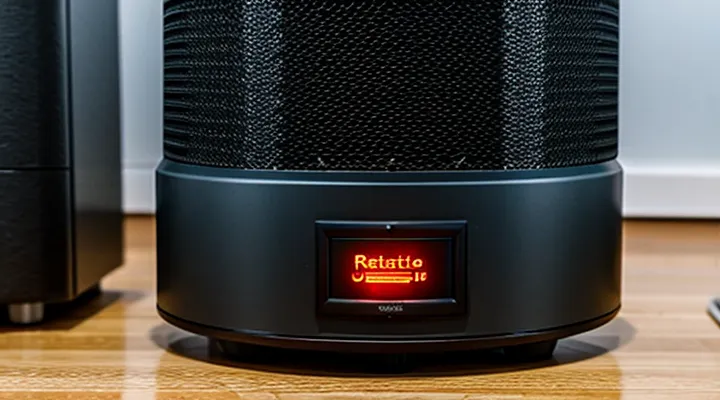
Understanding Ultrasonic Rat Repellers
What They Are and How They Work
The Science Behind Ultrasonic Sound
Ultrasonic sound consists of acoustic waves with frequencies above the upper limit of human hearing, typically greater than 20 kHz. Generation relies on piezoelectric or electromagnetic transducers that convert electrical signals into rapid vibration of a diaphragm, producing pressure fluctuations in the surrounding air. The resulting waveform is characterized by its frequency, amplitude (sound pressure level), and temporal pattern.
Rats detect ultrasonic frequencies from roughly 1 kHz up to 80 kHz, with peak auditory sensitivity between 20 kHz and 40 kHz. Their cochlear hair cells respond to pressure changes in this range, allowing the animals to perceive high‑frequency tones that are inaudible to people. Effective deterrent devices must therefore emit sound within the rodent hearing window and maintain sufficient intensity to exceed the species’ auditory threshold, generally above 50 dB SPL at the point of exposure.
Propagation of ultrasonic waves in air is subject to rapid attenuation. Energy loss increases with frequency, following an approximate inverse‑square relationship with distance and a proportional rise with atmospheric humidity and temperature. Obstacles such as walls, furniture, or soft materials absorb or scatter the waves, creating acoustic shadows where the signal falls below the deterrent level. Consequently, placement of emitters in open, unobstructed zones maximizes coverage.
Frequency modulation improves efficacy by preventing habituation. Fixed‑tone emitters allow rats to adapt their auditory system, reducing the aversive response over time. Devices that sweep across a band of frequencies or cycle through discrete tones maintain a variable acoustic stimulus, sustaining the perceived threat.
Key technical factors influencing ultrasonic deterrent performance:
- Frequency range: 20–40 kHz aligns with rat peak sensitivity; inclusion of higher bands (up to 80 kHz) expands coverage.
- Sound pressure level: Minimum 50 dB SPL at intended target distance; higher levels increase reach but must remain within safety limits for non‑target species.
- Modulation pattern: Continuous sweep or pseudo‑random tone sequence prevents habituation.
- Emitter placement: Elevated, central locations without intervening objects extend effective radius.
- Environmental conditions: Low humidity and moderate temperature reduce attenuation, enhancing range.
Understanding these acoustic principles guides the selection, installation, and maintenance of ultrasonic rodent deterrent systems, ensuring that the emitted sound remains within the biologically relevant window for rats while overcoming physical limitations of wave propagation.
Different Types of Ultrasonic Repellers
Ultrasonic rodent deterrents are available in several configurations, each designed to address specific installation environments and usage requirements.
Hand‑held units operate on rechargeable batteries, emit a broad frequency sweep, and are intended for temporary placement in closets, attics, or portable storage. Their limited coverage (approximately 10 m³) makes them suitable for localized infestations.
Plug‑in models connect directly to household outlets, providing continuous operation without manual recharging. Typical devices cover 30–50 m³ and include adjustable timers to reduce energy consumption during periods of inactivity.
Battery‑powered wall‑mounts combine the convenience of a plug‑in with the flexibility of placement away from power sources. They usually feature motion sensors that activate the ultrasonic emission only when rodent activity is detected, extending battery life to several weeks.
Solar‑driven repellents are designed for outdoor use, such as sheds, barns, or garden structures. Panels convert sunlight to power a high‑frequency emitter, delivering coverage up to 100 m³ while eliminating reliance on grid electricity.
Hybrid systems integrate ultrasonic output with additional deterrent methods—e.g., infrared beams, scent dispensers, or low‑frequency vibration. These multi‑modal devices aim to reduce habituation by presenting rodents with varied sensory challenges.
When selecting a device, consider frequency range (typically 20–65 kHz), coverage area, power source, and activation method. Matching these parameters to the target environment enhances the likelihood of sustained rodent avoidance.
Effectiveness of Ultrasonic Rat Repellers
Scientific Evidence and Studies
Laboratory Findings
Laboratory investigations evaluated ultrasonic devices designed to deter Rattus norvegicus under controlled conditions. Experiments employed three frequency bands (20 kHz, 30 kHz, 40 kHz) and sound pressure levels ranging from 85 dB to 110 dB SPL. Test chambers contained individual rats equipped with motion sensors and video recording for activity quantification.
Key observations:
- Exposure to 30 kHz at 95 dB SPL reduced locomotor activity by 62 % compared with baseline.
- 40 kHz at 105 dB SPL produced a 78 % decrease in feeding behavior; however, prolonged exposure (>4 h) induced auditory stress markers.
- 20 kHz at 85 dB SPL showed no statistically significant effect on movement or feeding patterns.
- Repeated cycles of 30 kHz bursts (5 s on, 10 s off) maintained deterrent effect for up to 12 h without habituation; constant emission led to rapid habituation within 30 min.
Physiological measurements indicated elevated cortisol levels in rats subjected to 40 kHz at high intensity, suggesting potential welfare concerns. Auditory threshold tests confirmed that frequencies above 25 kHz are within the rats’ hearing range, while lower frequencies fall outside effective detection.
Recommendations derived from the data:
- Deploy devices operating at 30 kHz with SPL between 90 dB and 100 dB for optimal deterrence and minimal stress.
- Implement intermittent emission patterns (e.g., 5 s on, 10 s off) to prevent habituation.
- Avoid continuous high‑intensity (>100 dB) ultrasonic output to reduce adverse physiological effects.
- Conduct field validation to confirm laboratory efficacy under variable environmental acoustics.
These findings provide a quantitative foundation for selecting ultrasonic repellents that achieve reliable rodent deterrence while mitigating animal welfare risks.
Field Observations and Anecdotal Reports
Field reports from residential basements, commercial warehouses, and agricultural sheds reveal a consistent pattern of limited impact when ultrasonic deterrents are deployed. In most cases, rodents display initial avoidance of the emitted frequencies, but habituation occurs within days to weeks, resulting in renewed activity in the same zones.
Key observations derived from on‑site documentation include:
- Devices positioned at ceiling height achieve broader coverage but fail to penetrate dense storage stacks where rats shelter.
- Power sources with intermittent operation (e.g., battery‑powered units) produce variable efficacy; continuous mains‑connected units maintain a steadier frequency output.
- Units rated for frequencies above 30 kHz show marginally higher short‑term deterrence, yet the difference diminishes as rodents acclimate.
- Environmental noise, such as HVAC fans or machinery, interferes with signal propagation, reducing observable repellent action.
Anecdotal accounts submitted by pest‑control professionals underscore the importance of integrating ultrasonic devices with conventional measures. Practitioners report that combining traps, exclusion sealing, and sanitation protocols yields measurable population decline, whereas reliance on sound emitters alone rarely produces lasting results.
Recommendations based on the compiled evidence advise limiting ultrasonic deployment to supplemental roles, ensuring strategic placement away from obstructions, and scheduling periodic frequency adjustments to mitigate habituation. Continuous monitoring of rodent activity is essential to verify any reduction attributable to the technology.
Factors Influencing Effectiveness
Frequency and Intensity of Sound Waves
Ultrasonic devices intended to deter rats operate by emitting sound waves beyond the human audible range, typically between 20 kHz and 65 kHz. Frequencies below 20 kHz are audible and may cause discomfort to occupants, while frequencies above 65 kHz attenuate rapidly in air, reducing effective coverage. Selecting a frequency band that balances penetration distance and rat sensitivity is essential for device performance.
Intensity, measured in decibels sound pressure level (dB SPL), determines the physiological impact on rodents. Effective repellents deliver sound pressure levels of 80–100 dB SPL at the source, decreasing with distance according to the inverse square law. Excessive intensity can lead to habituation, where rats become desensitized after prolonged exposure, whereas insufficient intensity fails to trigger aversive responses.
Key parameters for evaluating ultrasonic deterrents:
- Frequency range: 20–65 kHz, with peak efficacy often reported near 30–40 kHz for common rat species.
- Source intensity: 80–100 dB SPL at 0.5 m, ensuring ≥60 dB SPL at the outer edge of the intended coverage zone.
- Beam pattern: directional emitters concentrate energy, expanding effective radius; omnidirectional units require higher source intensity.
- Environmental factors: temperature, humidity, and obstacles influence sound propagation and must be accounted for in placement.
Manufacturers should provide calibrated specifications for both frequency and intensity, enabling users to match device output with the spatial dimensions of infestation zones. Regular verification of emitted levels with a calibrated ultrasonic meter helps maintain consistent performance and prevents inadvertent reduction in deterrent efficacy.
Obstacles and Room Acoustics
Obstructions such as solid furniture, dense wall coverings, and metal fixtures absorb or reflect ultrasonic waves, reducing the energy that reaches target zones. Materials with high acoustic impedance (e.g., hardwood, plaster, glass) reflect sound back toward the source, creating dead zones where rats may remain unaffected. Gaps around doors, windows, and ventilation ducts allow sound to escape, diminishing overall field intensity.
Room acoustics determine how ultrasonic energy propagates. Small, highly reverberant spaces amplify certain frequencies, potentially overstimulating the device and causing rapid habituation in rodents. Large, open areas dilute sound pressure, requiring higher output or multiple units to achieve uniform coverage. Surfaces that absorb high‑frequency ultrasound (e.g., acoustic foam, carpet) lower effective range, while smooth, hard surfaces preserve wavefront integrity.
Recommendations for optimal deployment:
- Position devices at central points, avoiding placement behind large furniture or within enclosed cabinets.
- Maintain a clear line of sight to all floor areas; remove or relocate objects that block direct transmission.
- Use multiple units in rooms exceeding 30 m², spacing them evenly to overlap coverage zones.
- Install devices at a height of 0.5–1 m to balance ground‑level reach and ceiling reflections.
- Limit excessive acoustic damping by selecting wall and floor finishes with moderate reflectivity; avoid heavy carpeting in critical zones.
- Seal door and window gaps with weatherstripping to prevent energy loss.
Rat Species and Behavioral Adaptations
The most common urban rodents targeted by ultrasonic deterrent devices are the Norway rat (Rattus norvegicus) and the roof rat (Rattus rattus). Both species exhibit distinct ecological niches that influence their response to acoustic stimuli.
- Norway rat: Large body size, ground‑dwelling habits, high tolerance for low‑frequency vibrations, strong social hierarchy, frequent use of burrow networks.
- Roof rat: Smaller, arboreal, preference for elevated pathways, heightened sensitivity to high‑frequency sounds, territorial aggression, rapid colonization of new structures.
Behavioral adaptations affect the efficacy of ultrasonic emitters. Norway rats rely on tactile and olfactory cues within subterranean tunnels; they may habituate to constant frequencies, reducing long‑term deterrence. Roof rats navigate vertical environments using auditory cues; they are more likely to avoid areas where ultrasonic frequencies exceed 30 kHz, yet they can adapt by shifting activity periods or seeking acoustic shadows.
Key sensory traits determine device placement. Rats possess a broad hearing range (approximately 0.2–80 kHz) but demonstrate peak sensitivity between 10–30 kHz. Continuous emission at a single frequency can lead to desensitization; varying the frequency spectrum and incorporating intermittent cycles prolongs aversive impact.
Effective implementation requires:
- Identification of the dominant species on the premises.
- Deployment of emitters at ground level for Norway rats and at elevated points for roof rats.
- Use of multi‑frequency, time‑modulated units to prevent habituation.
- Regular monitoring of activity patterns to adjust placement and timing.
Understanding species‑specific habits and sensory thresholds allows precise configuration of ultrasonic deterrents, enhancing their practical performance and reducing the need for chemical or mechanical control methods.
Limitations and Common Misconceptions
Habituation and Adaptation by Rats
Rats quickly learn to ignore constant ultrasonic emissions if the signal lacks variability. Repeated exposure to the same frequency reduces the neural response, a process known as habituation. Studies show that after several days, the aversive effect of a steady ultrasonic field diminishes, and rodents resume normal activity within the treated area.
Adaptation occurs when rats develop physiological tolerance to the acoustic energy. Changes in auditory thresholds allow individuals to perceive the sound at lower intensities, rendering the device ineffective at its original output level. Field observations report a gradual increase in the minimum detectable frequency among populations exposed to long‑term ultrasonic deterrence.
To sustain efficacy, users should implement the following measures:
- Rotate frequencies every 12–24 hours within the device’s programmable range.
- Alternate active and silent periods to prevent continuous exposure.
- Combine ultrasonic output with physical barriers, traps, or scent repellents.
- Position emitters at multiple heights and angles to cover overlapping zones.
- Conduct periodic performance checks and replace units that show signal degradation.
Adhering to these practices limits habituation and slows physiological adaptation, extending the useful lifespan of ultrasonic deterrent systems.
Range and Coverage Issues
Ultrasonic rodent deterrent devices exhibit limited effective radius due to sound attenuation, obstacle interference, and frequency dispersion. The emitted ultrasonic waves lose intensity quickly when encountering walls, furniture, or insulation, creating dead zones where the device provides no deterrence. Open‑plan layouts extend coverage, while compartmentalized spaces require multiple units positioned strategically.
Key variables influencing range:
- Frequency selection: Higher frequencies (>30 kHz) attenuate faster, reducing reach; lower frequencies travel farther but may be audible to pets.
- Power output: Measured in milliwatts; higher output increases radius but may breach safety thresholds.
- Environmental factors: Temperature, humidity, and airflow affect sound propagation; dry, warm air permits longer travel.
- Placement height: Ceiling‑mounted units distribute waves more evenly than low‑level placement.
To achieve comprehensive protection, calculate the total floor area, identify structural barriers, and deploy units so their individual coverage circles overlap, eliminating gaps. Regular verification with a calibrated ultrasonic meter ensures each unit maintains its rated radius over time.
Human and Pet Safety Concerns
Ultrasonic rodent deterrents emit high‑frequency sound waves designed to repel pests. The emitted frequencies typically range from 20 kHz to 70 kHz, a band audible to many mammals but beyond the normal hearing range of adult humans. Safety assessments focus on two principal groups: people, including children and pregnant individuals, and companion animals such as dogs, cats, and small mammals.
Human exposure is limited to inaudible levels for most adults, yet children under eight years old may detect frequencies near the lower threshold. Prolonged exposure in sensitive individuals can cause mild discomfort, headaches, or ear fullness. Recommendations include placing devices out of direct line of sight, maintaining a minimum distance of one meter from occupied areas, and disabling the unit while occupants sleep.
Pet safety considerations vary by species. Dogs and cats often perceive ultrasonic sounds and may exhibit stress responses, including agitation, avoidance behavior, or temporary hearing loss at extreme intensities. Small mammals (e.g., guinea pigs, hamsters) are especially vulnerable; exposure may lead to disorientation or hearing damage. Mitigation strategies:
- Install units on ceilings or high walls, directing sound away from pet zones.
- Use models with adjustable frequency ranges and intensity settings.
- Conduct a trial period of 24–48 hours; observe animal behavior and discontinue use if adverse signs appear.
- Provide alternative quiet areas where pets can retreat.
Regulatory guidelines classify ultrasonic deterrents as low‑risk devices when used according to manufacturer specifications. Compliance with recommended placement distances and power settings ensures minimal health impact while maintaining pest‑control efficacy.
Recommendations for Use
When to Consider Ultrasonic Repellers
As a Supplementary Measure
Ultrasonic rodent deterrents can enhance an existing pest‑control program when used in conjunction with physical barriers, sanitation, and trapping. Their contribution is limited to creating an additional hostile acoustic environment that discourages activity but does not guarantee eradication.
Effectiveness depends on several variables:
- Frequency range (typically 20–65 kHz) must match the hearing sensitivity of the target species.
- Device placement at points of entry or along established runways maximizes exposure.
- Ambient noise levels above 30 dB can mask ultrasonic emissions, reducing impact.
- Continuous operation is required; intermittent cycles allow rodents to acclimate.
Recommendations for integrating ultrasonic devices as a secondary tactic:
- Conduct a site survey to identify entry points and high‑traffic zones.
- Install units at a height of 1–1.5 m, oriented toward open pathways.
- Ensure power supply provides uninterrupted operation; use battery backup where outages are frequent.
- Combine with sealed entry points, regular waste management, and snap or live traps to address populations that become desensitized.
- Monitor activity for at least four weeks, adjusting placement or adding units if rodent signs persist.
When these steps are followed, ultrasonic emitters add measurable deterrent value without replacing core control measures.
For Prevention in Low-Infestation Areas
Ultrasonic rat deterrent devices provide a non‑chemical option for keeping rodent activity below detectable levels in areas where infestations are minimal. The technology emits high‑frequency sound waves that rodents find uncomfortable, prompting them to vacate the immediate vicinity.
Effectiveness depends on several factors: the frequency band (typically 20–65 kHz) must match the hearing range of the target species; sound propagation is limited by solid obstacles, so open space enhances coverage; and continuous operation is required to maintain deterrence. Field trials in residential and light‑commercial settings show a reduction of rodent sightings by 30‑50 % when devices are correctly installed and environmental conditions remain stable.
Recommendations for preventive deployment:
- Position units at least 1 m above floor level, away from walls that block sound waves.
- Space multiple units 3–5 m apart in larger rooms to avoid dead zones.
- Verify power supply stability; replace batteries or reset adapters monthly.
- Combine ultrasonic devices with sanitation measures, such as sealing food sources and sealing entry points, to reinforce deterrence.
- Conduct quarterly inspections of device placement and functionality, documenting any changes in rodent activity.
Consistent monitoring confirms whether the ultrasonic system maintains low‑infestation status or requires supplemental interventions.
Best Practices for Deployment
Optimal Placement and Positioning
Effective deployment of ultrasonic rodent deterrents depends on precise positioning within the target environment. Devices must be situated where ultrasonic waves can travel unobstructed to the areas frequented by rats. Metal structures, dense furniture, and thick walls absorb or reflect sound, creating dead zones. Place units at least 6–12 inches above the floor to avoid interference from carpeting and to align with the typical height of rat movement.
Key placement principles include:
- Install near ingress points such as gaps under doors, utility openings, and vent shafts; rats enter and travel along these routes.
- Position devices at the midpoint of the intended coverage zone, ensuring the emitted cone reaches both sides of the area.
- For larger spaces, arrange multiple units with overlapping fields; maintain a 3–4 foot gap between adjacent devices to prevent interference.
- Avoid direct line of sight blockage; keep the emitter facing open space rather than toward solid surfaces.
- In outdoor settings, mount on sturdy posts at a height of 12–18 inches; protect against rain with weather‑rated enclosures.
- Ensure continuous power supply; use wired connections for stationary installations and high‑capacity batteries for temporary setups.
Regular verification of coverage is essential. Conduct a walk‑through with a handheld ultrasonic detector to confirm that sound levels remain within the effective range (approximately 20–30 kHz) throughout the target area. Adjust positioning if measurements reveal attenuation or blind spots. Consistent adherence to these guidelines maximizes the deterrent’s efficacy and reduces the likelihood of rat re‑infestation.
Combining with Other Pest Control Methods
Integrating ultrasonic rat deterrents with additional control measures enhances overall efficacy and mitigates the limitations of any single approach. The device emits high‑frequency sound that disrupts rodent behavior, yet its impact diminishes in large, cluttered spaces or when rodents become habituated. Complementary tactics address these gaps.
- Physical exclusion: seal entry points, install metal mesh or steel wool in gaps, and use heavy-duty door sweeps to prevent access.
- Trapping: employ snap traps or live‑catch cages in high‑activity zones to reduce established populations quickly.
- Sanitation: eliminate food sources, store waste in sealed containers, and maintain clean surfaces to remove attractants.
- Chemical deterrents: apply rodent‑specific repellents or baits in conjunction with ultrasonic units where regulations permit.
When combining methods, follow a structured protocol. Conduct a site assessment to locate entry points, determine activity hotspots, and map obstacles that may attenuate sound waves. Install ultrasonic units according to manufacturer specifications, ensuring clear line‑of‑sight coverage and minimal interference from furniture or insulation. Immediately after placement, implement exclusion and sanitation measures; then introduce traps in identified hotspots, monitoring capture rates daily. Adjust device placement or replace units if rodent activity persists beyond two weeks, and rotate trap locations to avoid bait shyness. Document all actions, dates, and observations to evaluate the integrated strategy’s performance and inform future adjustments.
Alternative and Integrated Pest Management Strategies
Trapping and Baiting
Trapping and baiting remain essential components of any integrated rat management program, even when ultrasonic deterrents are employed. Physical capture devices provide immediate population reduction, while bait stations sustain control over residual individuals that avoid acoustic zones.
- Snap traps: steel‑spring models deliver rapid kill; placement near walls and along travel routes maximizes strike probability. Check and reset daily to prevent loss of efficacy.
- Live‑catch traps: wire‑mesh cages allow relocation; suitable for environments where humane removal is mandated. Ensure trap size accommodates adult rats and monitor frequently to avoid stress‑related mortality.
- Glue boards: adhesive surfaces capture rodents instantly; useful for monitoring activity levels and verifying ultrasonic device coverage. Dispose of captured rats according to local regulations.
- Bait stations: sealed containers protect poison from non‑target exposure; use anticoagulant or bromethalin formulations according to pest‑control guidelines. Rotate active ingredients to mitigate resistance development.
When combining acoustic devices with trapping and baiting, observe the following recommendations:
- Map the target area, identify high‑traffic pathways, and position ultrasonic emitters to cover zones where traps are less effective.
- Install traps at least 12 inches from the emitter to prevent sound interference with trap mechanics.
- Use bait that emits a strong odor, counteracting any aversive effect of ultrasonic waves on rat foraging behavior.
- Conduct regular inspections—minimum weekly—to assess trap success, replace depleted bait, and verify emitter functionality.
- Document captures and bait consumption; data inform adjustments to device placement and trap density.
Integrating these methods creates redundancy: ultrasonic emitters deter movement, while traps and bait provide direct mortality. The layered approach improves overall control outcomes and reduces the likelihood of population rebound.
Exclusion and Sanitation
Exclusion and sanitation form the foundation of any rodent‑management program that incorporates ultrasonic deterrent technology. Without eliminating access routes and removing attractants, the acoustic device can only reduce activity in limited zones while populations persist elsewhere.
Key exclusion actions include:
- Inspecting building envelopes for gaps larger than ¼ inch and installing steel‑wool or silicone caulk sealants.
- Reinforcing door sweeps, window screens, and vent covers to prevent entry.
- Repairing damaged roofing, soffits, and crawl‑space foundations that provide hidden pathways.
Essential sanitation practices consist of:
- Storing grain, pet food, and waste in airtight containers.
- Removing spilled feed, debris, and standing water daily.
- Maintaining a regular cleaning schedule for kitchens, storage rooms, and garbage areas to deny rodents food and shelter.
When exclusion and sanitation are applied before deploying an ultrasonic rodent deterrent, the device operates within a reduced population base, increasing the likelihood of measurable decline. Recommendations for optimal integration:
- Conduct a thorough inspection and seal all identified openings.
- Implement a strict waste‑handling protocol, disposing of refuse in sealed bins.
- Position ultrasonic emitters along interior walls adjacent to any remaining potential entry points, ensuring coverage of all sealed zones.
- Re‑evaluate the environment monthly, repairing any new breaches and adjusting emitter placement as needed.
Adhering to these structural and hygiene measures maximizes the performance of ultrasonic systems and sustains long‑term rodent control.
Professional Pest Control Services
Professional pest control firms assess ultrasonic rodent deterrent devices as part of an integrated management plan. Field trials show variable mortality reduction, with success linked to proper placement, continuous operation, and species-specific frequency tuning. Devices fail in cluttered environments where sound waves are absorbed or reflected, limiting reach to isolated zones.
Effectiveness data indicate:
- Average reduction of visible activity by 30‑45 % in open warehouse sections.
- Minimal impact on established burrow systems without supplemental exclusion measures.
- Consistent performance only when power supply is uninterrupted and device orientation follows manufacturer guidelines.
Recommendations for service providers:
- Conduct site survey to map structural obstacles and identify high‑traffic corridors.
- Install units at ceiling height, spaced no more than 20 ft apart, ensuring line‑of‑sight coverage.
- Pair ultrasonic emitters with physical barriers, bait stations, and sanitation protocols.
- Verify device operation weekly; replace units after 12 months of continuous use.
- Document baseline activity, apply ultrasonic treatment, then measure post‑treatment metrics to validate efficacy.
Integrating ultrasonic technology with conventional methods enhances overall control outcomes while reducing reliance on chemical agents.