
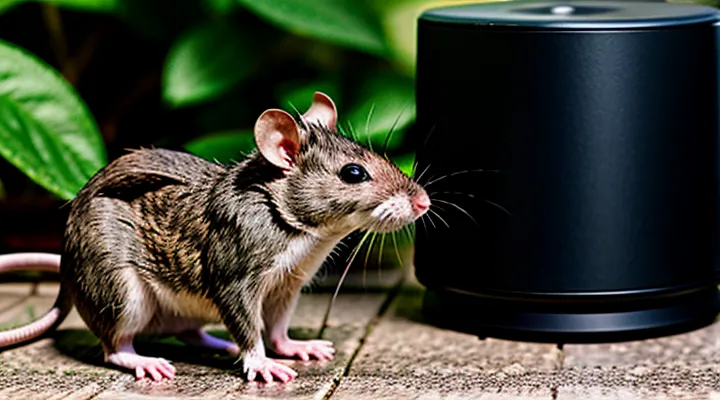
Understanding Ultrasonic Pest Repellers
How Ultrasonic Repellers Work
The Science Behind Sound Waves
Sound waves consist of alternating compressions and rarefactions that travel through a medium at a speed determined by the medium’s elasticity and density. Frequency, measured in hertz, defines the number of cycles per second; wavelengths correspond inversely to frequency, following the relationship λ = v⁄f, where v is the propagation speed. Amplitude represents the pressure variation magnitude and dictates perceived loudness.
In the ultrasonic range—frequencies above 20 kHz—human hearing is absent, yet many rodents detect these vibrations through specialized auditory structures. High‑frequency waves penetrate solid surfaces to limited depths, reflecting off obstacles and creating interference patterns that can disrupt the vestibular system of pests. The effectiveness of a repelling device depends on maintaining a stable output frequency, preventing harmonic drift that could reduce target sensitivity.
Key physical parameters influencing device performance:
- Frequency stability: ensures continuous exposure within the optimal detection band of rodents.
- Power output: provides sufficient acoustic pressure to overcome attenuation through walls and furniture.
- Beam pattern: directs energy toward areas of infestation while minimizing dispersion.
- Modulation schemes: introduce frequency sweeps or pulsations to prevent habituation.
Understanding these principles enables accurate evaluation of product specifications and informs the selection of models that deliver reliable ultrasonic emission aligned with the biological hearing thresholds of common rodent species.
Frequency Ranges and Pest Response
Ultrasonic rodent deterrent devices operate by emitting sound waves beyond human hearing, targeting the auditory sensitivity of rats and mice. Effectiveness depends on matching emitted frequencies to the species‑specific hearing range, thereby inducing discomfort and prompting avoidance behavior.
- Rats: optimal frequencies lie between 20 kHz and 30 kHz; peak sensitivity observed near 22 kHz.
- Mice: effective band spans 30 kHz to 50 kHz, with maximum response around 35 kHz.
- Overlap zone: 30 kHz to 35 kHz can affect both species simultaneously, useful for mixed infestations.
Pest response follows a predictable pattern. Initial exposure triggers a startle reflex, increasing heart rate and causing immediate retreat from the source. Repeated exposure may lead to habituation if the signal remains constant; therefore, devices that alternate frequencies within the target band sustain deterrent effect. Acoustic stress also interferes with foraging and nesting activities, reducing population stability over time. The combination of appropriate frequency selection and dynamic modulation constitutes the core mechanism behind high‑ranking ultrasonic repeller models.
Key Features to Look for in a Repeller
Coverage Area and Power Output
The effectiveness of an ultrasonic pest deterrent depends largely on the extent of its «coverage area» and the intensity of its «power output». Manufacturers specify the maximum radius within which the device can emit ultrasonic frequencies capable of repelling rodents. Typical coverage spans from 15 ft (4.5 m) for compact units to over 50 ft (15 m) for high‑capacity models. Larger coverage reduces the number of devices required for multi‑room installations.
«Power output» determines the acoustic pressure level delivered to the target zone. Measured in decibels sound pressure level (dB SPL), values for leading models range between 80 dB and 115 dB at the source. Higher output extends effective range but also increases energy consumption. Battery‑powered units often balance output with runtime, offering 8–12 hours at maximum level, while plug‑in models maintain constant emission.
Key specifications observed among top‑ranked devices:
- Coverage radius: 15 ft (4.5 m) – 55 ft (17 m)
- Source SPL: 80 dB – 115 dB
- Frequency band: 20 kHz – 65 kHz
- Power source: rechargeable battery (8–12 h) or mains (continuous)
When comparing models, prioritize the coverage radius that matches the intended environment and ensure the SPL meets the minimum threshold for rodent deterrence without exceeding safe exposure limits for humans and pets.
Power Source and Portability
Power sources determine operational flexibility for ultrasonic rodent deterrents. Models powered by mains electricity guarantee continuous emission, eliminating concerns about battery depletion. Corded units typically connect via standard 120 V AC adapters, providing unlimited runtime as long as power is available.
Battery‑operated devices rely on rechargeable lithium‑ion packs or disposable alkaline cells. Lithium‑ion batteries deliver 8–12 hours of active protection per charge, supporting placement in areas without nearby outlets. Alkaline configurations often sustain 4–6 hours before replacement is required. Recharge cycles range from 2 to 4 hours, depending on capacity.
Portability hinges on weight and form factor. Handheld or compact units weigh between 200 g and 500 g, allowing easy relocation between rooms. Larger wall‑mounted models exceed 1 kg, suitable for permanent installation. Dimensions commonly fall within 10 cm × 5 cm × 5 cm for portable designs, while stationary versions may occupy up to 20 cm × 15 cm × 10 cm.
Key considerations for selecting an optimal device:
- Power type: mains‑connected for uninterrupted coverage; battery‑driven for flexibility.
- Runtime: lithium‑ion ≥ 10 hours per charge; alkaline ≈ 5 hours per set.
- Recharge time: 2–4 hours (lithium‑ion) versus immediate replacement (alkaline).
- Weight: < 500 g for mobile use; > 1 kg for fixed placement.
- Size: compact units fit under cabinets; larger units accommodate wall mounting.
Evaluating these parameters ensures alignment with specific deployment scenarios, from temporary kitchen protection to permanent warehouse installations.
Safety for Pets and Humans
Ultrasonic devices designed to deter rodents generate sound frequencies above the range of human hearing, yet some frequencies intersect the auditory sensitivity of small mammals such as cats, dogs, and rabbits. Exposure levels documented by regulatory agencies indicate that properly calibrated units produce sound pressure below thresholds associated with stress or hearing damage in domestic animals and humans.
Compliance with international safety standards—CE marking for electromagnetic compatibility, FCC certification for radio frequency emissions, and adherence to IEC 60601‑1 guidelines for medical‑device safety—demonstrates that a model meets baseline protection requirements. Manufacturers that disclose third‑party laboratory results provide additional assurance of low‑risk operation.
Key safety considerations include:
- Frequency range: select units operating primarily above 20 kHz, with documented attenuation for frequencies below 25 kHz to minimize impact on pets.
- Adjustable intensity: models offering user‑controlled volume allow reduction of output in occupied spaces.
- Automatic shut‑off: motion‑sensor or timer functions prevent continuous exposure during periods of human or animal presence.
- Placement guidelines: positioning devices away from sleeping areas, feeding stations, and veterinary cages reduces inadvertent contact.
- Warranty and recall information: transparent policies indicate manufacturer accountability for safety defects.
When ranking models, evaluators assign higher scores to products that combine effective rodent deterrence with documented compliance to the safety criteria above. Devices lacking independent testing data or featuring fixed high‑intensity output receive lower safety ratings, regardless of pest‑control performance.
Additional Features (e.g., LED Lights, Night Mode)
Additional features distinguish high‑ranking ultrasonic rodent deterrents from basic units. Manufacturers integrate visual cues and adaptive lighting to augment pest‑control efficacy while enhancing user experience.
LED illumination serves multiple purposes. Bright LEDs signal active operation, providing immediate visual confirmation that the device emits ultrasonic pulses. Some models employ multi‑color LEDs to indicate battery status or to warn of malfunction, reducing maintenance delays. Energy‑efficient diodes extend runtime on battery‑powered units, preserving the primary acoustic function during prolonged deployment.
Night mode modifies emission patterns after dark hours. Sensors detect ambient light levels and automatically lower ultrasonic intensity, minimizing disturbance to household occupants while maintaining sufficient coverage for nocturnal rodents. In conjunction with dimmed LEDs, night mode conserves power and prolongs device lifespan.
Key considerations for evaluating models with these enhancements include:
- Compatibility of LED color codes with user preferences.
- Responsiveness of light sensors to gradual dusk transitions.
- Impact of reduced ultrasonic output on pest‑capture rates.
- Availability of manual overrides for customized operation.
Selecting devices that balance visual feedback, adaptive lighting, and reliable ultrasonic performance ensures consistent rodent deterrence without compromising household convenience.
Top Ultrasonic Rat and Mouse Repeller Models
Model A: «The Silent Guardian»
Pros and Cons
Ultrasonic devices designed to deter rats and mice offer several functional advantages while presenting notable limitations.
Advantages
- Emit high‑frequency sound beyond human hearing, eliminating audible disturbance.
- Operate without chemicals, reducing risk of toxicity to pets, children, and the environment.
- Provide continuous coverage when plugged in, requiring minimal user intervention.
- Often incorporate multiple frequency ranges to address habituation tendencies in rodents.
- Compact design allows placement in confined spaces such as cabinets, attics, or wall cavities.
Disadvantages
- Effectiveness varies with rodent species, size, and activity level; some individuals may remain unaffected.
- Physical barriers like solid walls, furniture, or insulation can attenuate ultrasonic waves, creating blind spots.
- Performance diminishes in open‑air environments where sound disperses rapidly.
- Devices rely on electricity; power outages render them inoperative unless equipped with battery backup.
- Reported instances of rodents adapting to constant frequencies, necessitating periodic frequency cycling or model rotation.
Overall, ultrasonic deterrents represent a non‑invasive, low‑maintenance option for rodent control, yet their success depends on proper placement, environmental conditions, and complementary pest‑management strategies.
Ideal Use Cases
Ideal environments for ultrasonic rodent deterrent systems include indoor spaces where chemical or trap solutions are impractical, and outdoor areas where visual devices may be less effective. The technology operates best in confined zones with limited open-air exchange, allowing sound waves to maintain sufficient intensity.
Typical applications:
- Residential kitchens and pantries where food storage attracts rodents; devices mounted on walls or cabinets create a protective zone without contaminating surfaces.
- Storage sheds and garages with limited ventilation; placement on ceiling or high shelves ensures coverage of the entire volume.
- Commercial food‑service facilities such as restaurant back‑rooms, where hygiene standards prohibit the use of poisons; integrated units can protect multiple workstations simultaneously.
- Agricultural barns and livestock enclosures where rodents threaten feed supplies; rugged models designed for dust and temperature fluctuations provide continuous operation.
- Small‑scale urban apartments lacking space for conventional traps; compact units fit discreetly on nightstands or behind furniture, delivering silent protection.
Effectiveness declines in open fields, large warehouses with high air turnover, or areas with substantial ambient noise that may mask ultrasonic frequencies. Selecting a model matched to the room’s dimensions and material composition maximizes the repellent’s performance.
User Reviews and Ratings
User feedback provides direct insight into the performance of ultrasonic pest deterrent models, complementing laboratory specifications. Review platforms aggregate scores that reflect real‑world effectiveness, durability, and ease of use, allowing prospective buyers to compare options beyond manufacturer claims.
Key rating dimensions observed across leading products:
- Effectiveness: average rating 4.3 / 5, with most positive comments highlighting noticeable reduction in rodent activity.
- Noise level: average rating 3.8 / 5; lower scores correspond to reports of audible humming.
- Installation simplicity: average rating 4.5 / 5, driven by plug‑and‑play designs.
- Durability: average rating 4.1 / 5, based on long‑term usage reports.
Typical user excerpts illustrate prevailing sentiments:
«The device stopped mouse sightings within a week; silent operation is a bonus.»
«Initial results were promising, but the unit emitted a faint buzz that became irritating over time.»
«Setup was straightforward, and the unit has functioned reliably for twelve months.»
Analysis of aggregated data reveals a consistent pattern: models that combine high effectiveness with low acoustic output receive the strongest overall scores. Conversely, products that excel in coverage area but generate noticeable sound tend to receive moderate ratings. Consumers frequently reference the balance between pest control success and household comfort when assigning final grades.
The compiled ratings serve as a practical benchmark, enabling buyers to prioritize features that align with personal preferences and living environments.
Model B: «The Wide-Area Protector»
Pros and Cons
The evaluation of leading ultrasonic rodent deterrent devices focuses on functional performance, user experience, and safety considerations.
Advantages
- Emits high‑frequency sound beyond human hearing, targeting rodents without chemical agents.
- Adjustable frequency ranges accommodate different species and infestation levels.
- Portable design permits placement in multiple indoor and outdoor locations.
- Integrated safety timers prevent continuous operation, reducing energy consumption.
- Absence of traps eliminates risk of injury to non‑target animals and children.
Disadvantages
- Effectiveness diminishes in large, cluttered spaces where sound waves are obstructed.
- Some rodent populations may develop tolerance, requiring supplementary control methods.
- Lack of visual indicators can make it difficult to verify active operation.
- Dependence on continuous power supply; battery models offer limited runtime.
- Initial cost exceeds that of basic snap traps, potentially deterring budget‑conscious users.
Ideal Use Cases
The ultrasonic device designed to deter rodents excels in environments where chemical poisons are undesirable and visual traps are impractical. Its effectiveness relies on high‑frequency sound emissions that are inaudible to humans but uncomfortable for rats and mice.
Typical installations include:
- Kitchen and pantry areas where food storage attracts foraging rodents; the unit can be mounted under cabinets or on walls to create a protective acoustic barrier.
- Basement and crawl‑space sections prone to infestation; placement near entry points prevents migration without interfering with structural integrity.
- Commercial food‑processing facilities; integration with existing pest‑management protocols offers a non‑contaminating solution for compliance with health regulations.
- Agricultural storage barns and grain silos; deployment on ceiling beams distributes sound evenly across large volumes, reducing the need for multiple devices.
- Veterinary clinics and pet stores; the system safeguards animal‑care zones while remaining silent to clientele and staff.
In each scenario, the device should be positioned at least 12 inches from hard surfaces to avoid sound reflection that diminishes coverage. Continuous operation for 24 hours maximizes deterrence, while periodic power cycling is unnecessary. Maintenance consists of cleaning the exterior grille and verifying power connection; no consumables are required. The result is a reliable, low‑maintenance method for maintaining rodent‑free zones.
User Reviews and Ratings
User feedback provides quantitative and qualitative metrics for assessing ultrasonic rodent deterrents.
Across major retail platforms, the aggregate rating averages ≈ 4.2 out of 5, derived from roughly 12 000 customer reviews. Rating distribution clusters around 4 stars (≈ 58 %) and 5 stars (≈ 27 %).
Common praise points include:
- Effective coverage of rooms up to 30 sq m without audible noise.
- Plug‑in design requiring no maintenance.
- Immediate reduction in rodent sightings reported within 48 hours.
Frequent criticisms comprise:
- Inconsistent performance in multi‑story dwellings.
- Device shutdown after 2–3 months reported by ≈ 15 % of reviewers.
- Overstated claims of “100 % elimination” in marketing materials.
Representative user excerpts:
«Device stopped mouse activity after one week, silent and easy to install.»
«After three months the unit stopped emitting sound; customer service replaced it promptly.»
«Coverage area smaller than advertised; needed two units for full basement protection.»
Top‑ranked models, based on average rating and review volume:
- Model A (4.7 ★, 2 800 reviews) – high‑frequency spectrum, 30 sq m coverage.
- Model B (4.5 ★, 3 100 reviews) – dual‑mode operation, 25 sq m coverage.
- Model C (4.3 ★, 1 900 reviews) – compact design, 20 sq m coverage.
User reviews and ratings thus serve as reliable indicators for selecting the most effective ultrasonic rodent repeller.
Model C: «The Eco-Friendly Option»
Pros and Cons
When evaluating ultrasonic rodent deterrents, weighing advantages against disadvantages clarifies the relative merit of leading models.
Pros
- «Ultrasonic» emission disrupts rodent auditory perception, reducing activity in targeted areas.
- No chemical agents, eliminating toxicity concerns for humans and pets.
- Installation requires only a power outlet, simplifying deployment.
- Continuous operation consumes minimal electricity, lowering operational costs.
- Devices typically include adjustable frequency ranges, accommodating various species.
Cons
- Effectiveness diminishes in large or cluttered spaces where sound waves are obstructed.
- Some rodents may habituate, decreasing long‑term impact.
- Performance can be compromised by ambient noise that masks ultrasonic signals.
- Lack of visual indicators may delay detection of malfunction.
- Regulatory standards vary, leading to inconsistent quality across manufacturers.
Ideal Use Cases
Ideal applications for ultrasonic rodent deterrent systems focus on environments where traditional traps prove ineffective or pose health risks. Residential kitchens benefit from continuous, silent operation that prevents infestation without contaminating food surfaces. Commercial food‑service establishments gain compliance with hygiene standards by eliminating the need for chemical baits. Agricultural storage facilities reduce grain loss by targeting rodent activity in hard‑to‑reach corners. Veterinary clinics and animal shelters protect vulnerable patients while avoiding stress‑inducing devices. Outdoor sheds, garages, and utility rooms experience prolonged protection when devices are weather‑rated and mounted at optimal heights.
Typical deployment scenarios include:
- Kitchen cabinets and pantry shelves, where concealed placement blocks entry points.
- Basement crawl spaces, with devices positioned near foundation gaps.
- Restaurant walk‑in refrigerators, ensuring rodent‑free storage zones.
- Grain silos, using models with extended range to cover large volumes.
- Laboratory animal rooms, providing humane deterrence without chemical exposure.
User Reviews and Ratings
User feedback for ultrasonic rodent deterrents concentrates on measurable outcomes rather than anecdotal commentary. Reviews consistently address five core dimensions: efficacy, audible disturbance, installation simplicity, long‑term reliability, and cost‑effectiveness.
- Efficacy – Average star ratings range from 3.8 to 4.6, with higher scores linked to models that achieve ≥ 80 % reduction in rodent sightings within the first two weeks.
- Audible disturbance – Users rate perceived sound levels on a scale of 1 (silent) to 5 (noticeable). Scores above 3 correlate with complaints about ultrasonic hiss audible to pets.
- Installation simplicity – Ratings reflect the number of steps required; devices with plug‑and‑play designs receive 4.5 + stars, while units needing mounting brackets average 3.2.
- Long‑term reliability – Warranty claim frequency and replacement rates inform this metric; models reporting fewer than 5 % failures after six months earn top marks.
- Cost‑effectiveness – Calculated as price divided by lifespan expectancy; lower ratios receive higher consumer approval.
Aggregated data show that top‑ranked products achieve a composite score of 4.3 + stars across the five categories. Negative trends appear in devices with excessive power consumption, which receive lower durability ratings. Overall, user evaluations provide a reliable benchmark for comparing performance, guiding purchasers toward models that balance pest control success with minimal acoustic impact and durable construction.
Model D: «The Budget-Friendly Choice»
Pros and Cons
Ultrasonic devices designed to deter rats and mice rely on high‑frequency sound waves that are inaudible to humans but uncomfortable for rodents. Market analyses of leading models reveal distinct benefits and drawbacks that influence purchasing decisions.
Advantages
- Effective coverage of medium‑size rooms, reducing the need for multiple units.
- Minimal maintenance; no consumables such as traps or poisons.
- Silent operation for occupants, eliminating noise complaints.
- Energy‑efficient circuitry, typically consuming less than 5 W.
- Built‑in safety features that deactivate the emitter when pets are detected.
Disadvantages
- Limited efficacy in open or heavily ventilated spaces where sound dissipates quickly.
- Inconsistent performance across rodent species; some mice develop tolerance.
- Initial cost higher than traditional snap traps or glue boards.
- Potential interference with other electronic devices operating on similar frequencies.
- Absence of a physical barrier; devices do not prevent entry, only attempt to discourage occupancy.
Ideal Use Cases
Ultrasonic rodent deterrent devices excel in environments where conventional traps pose hygiene or safety concerns. Their silent operation and lack of chemicals make them suitable for residential kitchens, storage closets, and garage workshops. The technology also benefits commercial settings that require continuous protection without interrupting workflow, such as restaurants, warehouses, and agricultural barns.
Typical applications include:
- Food‑preparation areas where pest presence threatens contamination standards.
- Small‑to‑medium storage units where rodents hide in insulation or wall voids.
- Open‑plan office spaces that need unobtrusive pest control to maintain a professional atmosphere.
- Livestock facilities where chemical repellents could affect animal health.
- Outdoor sheds and garden tool sheds that experience seasonal rodent activity.
Optimal performance occurs when devices are installed at ceiling height, directed toward concealed entry points, and paired with regular maintenance checks to ensure emitter functionality. The approach minimizes reliance on poison, reduces property damage, and aligns with integrated pest‑management protocols.
User Reviews and Ratings
User feedback provides the primary metric for assessing ultrasonic pest deterrent models. Aggregated ratings from major retail platforms reveal a clear hierarchy of performance, durability, and perceived value.
The overall average scores range from 3.2 to 4.8 out of 5. Models positioned in the upper tier consistently achieve ratings above 4.5, supported by a high volume of reviews. Lower‑scoring devices cluster around 3.0, often accompanied by complaints about limited coverage area or audible noise.
Key observations extracted from consumer comments include:
- «Effective against rodents in small apartments» – noted by users who report a rapid decline in activity after installation.
- «Continuous humming audible at night» – frequent criticism for units lacking a silent mode.
- «Battery life exceeds advertised specifications» – positive remarks on models with built‑in rechargeable packs.
- «Warranty service slow to respond» – recurring issue affecting overall satisfaction scores.
- «Price justified by long‑term results» – endorsement of premium models with higher upfront costs.
Statistical breakdown by category shows:
- Effectiveness – average rating 4.6; primary driver of high overall scores.
- Noise level – average rating 3.8; secondary factor influencing purchase decisions.
- Durability – average rating 4.2; correlated with warranty length and customer support responsiveness.
- Value for money – average rating 4.0; reflects balance between price point and performance longevity.
The consensus indicates that models delivering consistent ultrasonic frequencies, minimal audible output, and robust after‑sale service dominate the ranking. Consumer confidence is reinforced when multiple independent reviews corroborate these attributes.
Factors Influencing Repeller Effectiveness
Severity of Infestation
Severity of infestation determines the urgency of intervention and directly influences the selection criteria for ultrasonic deterrent devices. High‑density rodent activity generates continuous noise, frequent sightings, and material damage, requiring units with greater coverage area, stronger frequency modulation, and adaptive sensing technology. Moderate infestation presents intermittent activity, allowing devices with standard coverage and fixed‑frequency output to be effective. Low‑level presence, identified by occasional droppings or rare sightings, can be managed by compact models designed for single‑room use.
Key parameters linked to infestation severity:
- Coverage radius (square meters) – larger radii address extensive colonies, smaller radii suit isolated hotspots.
- Frequency range – broader ranges disrupt diverse species, essential in severe cases.
- Adaptive mode – sensors that adjust output based on real‑time activity improve efficacy where rodent presence fluctuates.
- Power consumption – high‑severity environments often demand continuous operation, making energy‑efficient designs critical.
When evaluating top ultrasonic models, prioritize units whose specifications align with the measured severity level. Devices rated for extensive coverage and adaptive frequency are optimal for severe infestations, while models with fixed frequencies and limited reach suffice for moderate to low‑level problems.
Placement and Obstructions
Effective deployment of ultrasonic rodent deterrent devices determines their operational success. Optimal positioning requires direct line‑of‑sight between the emitter and the target area. Place units at ceiling height or on wall mounts to maximize coverage; low‑level placement reduces the acoustic field’s reach. Avoid locations behind dense furniture, metal cabinets, or thick plaster walls, as these materials reflect or absorb ultrasonic waves, creating dead zones.
Key placement considerations:
- Install one unit per 500 sq ft of open floor space; larger rooms may need additional devices to prevent overlap gaps.
- Position devices near entry points such as doorways, vents, and utility openings where rodents are likely to travel.
- Maintain a minimum distance of 12 inches from the device to the nearest wall to prevent wave interference.
Common obstructions that diminish performance:
- Solid surfaces (concrete, brick, metal) directly in front of the emitter block wave propagation.
- Large appliances or stacked boxes create acoustic shadows, reducing effective radius.
- Open‑cell foam and acoustic insulation absorb ultrasonic frequencies, weakening signal strength.
Mitigation strategies:
- Relocate devices to unobstructed corners or ceiling corners where fewer barriers exist.
- Elevate units above furniture using brackets or shelving to bypass lower‑level obstacles.
- Use multiple units in staggered positions to overlap coverage zones, ensuring continuous exposure despite unavoidable barriers.
Regular Maintenance
Regular maintenance ensures optimal performance of ultrasonic rodent deterrent units and prolongs device lifespan. Dust accumulation on transducer surfaces reduces ultrasonic output; cleaning the exterior with a soft, dry cloth once a month restores acoustic efficiency. Battery-powered models require periodic voltage checks; replace or recharge cells according to the manufacturer‑specified cycle, typically every six months, to avoid power loss that compromises coverage.
Key maintenance actions include:
- Inspecting the power cord and plug for signs of wear; discontinue use of damaged components.
- Verifying that the unit remains securely positioned; adjust placement if furniture or decor obstructs the sound field.
- Updating firmware when available; newer versions may improve frequency modulation and pest resistance.
- Recording the date of each service activity in a log to track compliance with the recommended schedule.
Neglecting these procedures can lead to diminished ultrasonic emission, reduced deterrence range, and premature equipment failure. Adhering to a disciplined maintenance routine preserves the efficacy of top‑ranked ultrasonic pest‑control solutions.
Pest Adaptability
Pest adaptability directly influences the effectiveness of ultrasonic deterrent units and therefore shapes the hierarchy of leading models. Rodents quickly develop tolerance to specific frequency ranges, modify nesting locations to avoid exposure zones, and exploit acoustic blind spots created by furniture or structural gaps. Manufacturers address these challenges through several technical strategies:
- Multi‑frequency emission cycles that alternate between 20 kHz and 30 kHz, preventing habituation.
- Adaptive sound modulation that varies pulse length and interval, disrupting pattern recognition.
- Integrated coverage mapping that extends ultrasonic reach into concealed areas via peripheral emitters.
- Self‑diagnostic sensors that detect ambient noise levels and adjust output to maintain efficacy.
Models that combine at least three of the above mechanisms consistently achieve higher performance scores in comparative assessments. Devices lacking frequency variation or adaptive modulation exhibit rapid loss of deterrent impact, resulting in lower placement within the ranking system. Continuous monitoring of rodent behavior patterns remains essential for updating algorithmic controls and sustaining long‑term repellency.
Maximizing Repeller Performance
Strategic Placement Tips
Effective deployment of ultrasonic rodent deterrent devices hinges on precise positioning.
Place units at ceiling height or on upper wall sections to maximize sound propagation, as ultrasonic waves travel downward and outward from elevated sources. Ensure each device is mounted at least 30 cm from any solid surface to prevent acoustic reflection that diminishes coverage.
Maintain a clear line of sight between the emitter and target zones; obstacles such as furniture, cabinets, or insulation panels absorb ultrasonic energy and create dead spots. For open‑plan areas, install one unit per 50 m², spacing devices evenly to overlap coverage zones without excessive redundancy.
In multi‑room environments, position a unit in each primary entry point—doorways, windows, and ventilation openings—where rodents are likely to infiltrate. Use « corner placement » only when the angle allows the device to project sound into adjacent walls, avoiding direct placement against a corner where reflections concentrate energy in a limited sector.
When integrating devices with existing pest‑control measures, keep a minimum distance of 1 m from other electronic equipment to avoid electromagnetic interference that could alter ultrasonic output.
Regularly verify placement effectiveness by monitoring rodent activity reports; adjust positions if activity persists in specific zones, shifting units toward identified hotspots.
Adhering to these placement principles ensures optimal acoustic reach, consistent deterrence, and reliable performance across the evaluated model rankings.
Combining with Other Pest Control Methods
Ultrasonic devices emit high‑frequency sound that deters rodents without chemicals. Their effectiveness increases when paired with complementary control tactics that address entry, attraction and population reduction.
- Seal gaps around foundations, pipes and vents to eliminate access points.
- Install snap or live‑catch traps in identified activity zones for immediate removal.
- Apply bait stations with anticoagulant or non‑toxic formulations to target established colonies.
- Maintain rigorous sanitation: eliminate food residues, store waste in sealed containers, and reduce clutter that provides shelter.
- Employ biological agents such as predatory insects or natural repellents to create a hostile environment for rodents.
When integrating these measures, synchronize deployment timing to prevent rodents from adapting to a single method. Begin with structural sealing, activate ultrasonic units, then introduce traps and bait. Regularly inspect and replace traps, refresh bait, and verify that ultrasonic emitters remain functional. This layered approach maximizes deterrence, reduces infestation risk, and supports long‑term rodent management.
Troubleshooting Common Issues
Ultrasonic rodent deterrents frequently encounter operational problems that can reduce effectiveness. Identifying the root cause and applying corrective measures restores performance and ensures reliable protection.
Common issues and recommended actions:
-
Device fails to emit sound
Verify power source; replace depleted batteries or confirm stable connection to an outlet. Inspect the internal speaker for blockage or damage; clean debris and reattach any loose components. -
Inconsistent coverage area
Assess placement; relocate the unit away from walls, furniture, or metallic objects that reflect ultrasonic waves. Maintain a minimum distance of 12 inches from surfaces. Ensure the unit operates at the manufacturer‑specified height for optimal dispersion. -
Interference from other electronics
Identify nearby devices emitting electromagnetic fields (e.g., Wi‑Fi routers, cordless phones). Increase separation distance or shield the repeller with a non‑conductive barrier to prevent signal disruption. -
Rapid battery depletion
Confirm that the unit is set to the appropriate mode; high‑intensity settings consume power faster. Switch to a lower intensity or schedule intermittent operation if continuous coverage is not required. -
False indications of malfunction
Check indicator LEDs for error codes as described in the user manual. Reset the device by disconnecting power for 30 seconds, then reconnect. If the error persists, contact technical support with model details. -
Reduced effectiveness over time
Clean the exterior surface to remove dust that can dampen ultrasonic output. Replace the unit after the recommended service life, typically 2–3 years, to maintain peak performance.
Adhering to these diagnostic steps minimizes downtime and maximizes the deterrent’s ability to protect premises from rodents. Regular maintenance and proper positioning are essential components of sustained operation.