
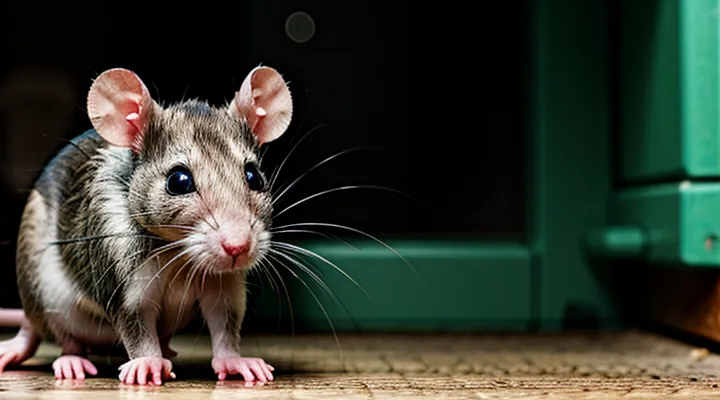
Two-Month-Old Rat: Developmental Milestones
Physical Development
Weight and Size
A rat that is eight weeks old generally weighs between 150 g and 250 g. Body length, measured from nose to the base of the tail, ranges from 12 cm to 15 cm; the tail adds an additional 13 cm to 18 cm. These dimensions represent the typical growth stage before sexual maturity.
Weight and size differ among strains, sexes, and dietary regimes. Laboratory strains such as Sprague‑Dawley tend toward the upper end of the weight range, while smaller wild‑type varieties may remain near the lower limit. Males usually exceed females by 10–20 g at this age. Adequate protein intake and regular feeding schedules promote steady growth; caloric restriction or illness can cause noticeable deviation from expected values.
Care considerations linked to size include:
- Cage dimensions: floor space should accommodate a body length of at least 20 cm plus tail extension, preventing crowding.
- Bedding depth: sufficient material (5–7 cm) supports the animal’s weight without compression.
- Health checks: daily weight monitoring detects early signs of disease; a drop of more than 5 % within 24 hours warrants veterinary evaluation.
Maintaining weight within the normal range supports musculoskeletal development, organ maturity, and overall resilience during the juvenile phase.
Fur and Coat Condition
A two‑month‑old rat should display a dense, soft coat that lies flat against the skin. The fur typically appears glossy, with uniform coloration and no bald patches. Any thinning, excessive shedding, or dullness may indicate nutritional deficiencies, parasites, or underlying health issues.
Proper grooming and environment directly influence coat quality. Routine observation of the fur’s texture, color, and cleanliness provides early detection of problems. Key care points include:
- Daily visual inspection for missing hair, scabs, or matting.
- Provision of a balanced diet rich in protein, essential fatty acids, and vitamins A and E.
- Maintenance of low humidity and clean bedding to prevent fungal growth.
- Regular gentle brushing with a soft‑bristled brush to remove loose hair and stimulate skin circulation.
Prompt veterinary consultation is advised if the rat exhibits persistent hair loss, persistent odor, or signs of skin inflammation. Maintaining optimal coat condition supports overall health and comfort during this developmental stage.
Sensory Development
At two months of age, a rat’s sensory systems approach functional maturity, yet subtle refinements continue. Visual acuity improves as retinal photoreceptor density stabilizes, allowing discrimination of fine patterns and low‑contrast objects. Auditory thresholds lower, enabling detection of higher frequencies that are critical for social communication and predator avoidance. The olfactory epithelium reaches peak receptor expression, sharpening the ability to differentiate complex scent profiles and to locate food sources. Tactile sensitivity, mediated by whisker follicles, becomes more precise; active whisking patterns develop, providing detailed spatial mapping of the environment.
Care practices that support this developmental stage include:
- Providing a varied visual environment with objects of differing shapes and colors to stimulate retinal adaptation.
- Maintaining a quiet, low‑noise habitat while occasionally introducing natural rodent vocalizations to promote auditory discrimination.
- Offering a range of scented materials (e.g., herbs, nesting substrates) to reinforce olfactory learning and enrichment.
- Supplying textured surfaces and safe objects for whisker exploration, encouraging fine‑motor coordination and cortical integration.
Monitoring behavior—such as the ability to navigate mazes, respond to novel sounds, or locate hidden food—offers practical assessment of sensory progression and helps identify any deficits requiring veterinary attention.
Vision
At two months of age, a rat’s visual system approaches adult functionality. The eyelids have been fully open for several weeks, allowing exposure to ambient light and the development of photoreceptor density. Cone and rod populations reach near‑mature ratios, providing sufficient color discrimination and low‑light sensitivity for nocturnal activity. Visual acuity, measured by optokinetic response, typically attains 0.5 cycles/degree, enabling precise navigation of complex cage environments.
Neural pathways connecting the retina to the visual cortex mature rapidly during this period. Synaptic pruning in the lateral geniculate nucleus refines signal transmission, while cortical plasticity supports integration of visual cues with whisker and auditory information. Consequently, two‑month‑old rats exhibit coordinated head and body movements when tracking moving objects, a behavior useful for assessing neurological health.
Care considerations for optimal visual development include:
- Consistent, moderate lighting (300–500 lux) to prevent retinal strain while supporting circadian rhythms.
- Avoidance of direct glare or ultraviolet exposure, which can damage photoreceptors.
- Provision of visual enrichment such as patterned tunnels, colored objects, and moving stimuli to stimulate cortical processing.
- Regular ophthalmic examinations for signs of cataract, corneal ulceration, or retinal degeneration.
- Monitoring for abnormal pupillary responses, which may indicate neurological impairment.
Environmental temperature should remain within the species‑specific range (20–24 °C) to reduce metabolic stress that could affect ocular health. Nutritional support with vitamin A–rich feed (e.g., fortified pellets) sustains retinal pigment epithelium function. Early detection of visual deficits relies on behavioral tests such as the visual cliff assay or tracking of moving grids. Implementing these practices promotes healthy visual maturation and contributes to overall developmental outcomes for juvenile rats.
Hearing
At two months of age, a rat’s auditory system has progressed beyond the neonatal stage. The cochlear hair cells are fully differentiated, and the auditory nerve fibers have established mature synaptic connections. Myelination of the auditory pathway reaches near‑adult levels, allowing rapid transmission of sound information.
Functional hearing is evident in behavioral responses to a wide frequency range, typically 2–40 kHz. Startle reflexes to sudden noises, orienting movements toward sound sources, and discrimination of tonal differences demonstrate reliable auditory perception. Auditory brainstem responses recorded at this age show latency and amplitude values comparable to mature specimens.
Care practices that support healthy hearing include:
- Maintaining ambient noise below 70 dB to prevent overstimulation.
- Avoiding abrupt high‑frequency sounds (above 30 kHz) that can cause temporary threshold shifts.
- Providing acoustic enrichment, such as soft music or natural sounds, to promote auditory processing.
- Monitoring auditory function periodically with startle reflex tests or electrophysiological recordings.
- Ensuring cage materials do not produce resonant vibrations that could stress the auditory system.
Olfaction
At two months of age, the rat’s olfactory epithelium has reached near‑adult cellular density, and the olfactory bulb exhibits mature synaptic organization. Sensory neurons respond to volatile compounds with latency under 200 ms, enabling rapid discrimination of food, conspecifics, and predators. Neurogenesis in the olfactory system continues at a reduced rate, supporting ongoing refinement of odor maps.
Effective care for a juvenile rat should address olfactory health and stimulation:
- Maintain low‑odor bedding (e.g., paper‑based) to prevent chronic exposure to irritants that can impair mucosal integrity.
- Provide daily exposure to a variety of safe scents (herbs, citrus peels) to promote neural plasticity and prevent sensory deprivation.
- Monitor nasal discharge and respiratory rhythm; any persistent rhinorrhea or labored breathing warrants veterinary assessment.
- Ensure ambient temperature remains within 22‑26 °C; extreme heat can alter odor volatility and affect perception.
- Avoid strong chemicals (e.g., ammonia, phenols) in the enclosure, as they can damage the olfactory epithelium.
Proper olfactory development contributes to feeding efficiency, social interaction, and environmental navigation, making it a central consideration in the management of adolescent rodents.
Behavioral Characteristics
Socialization
A rat that is eight weeks old is entering a critical period for establishing social competence. At this stage the animal begins to form lasting patterns of interaction that affect its response to conspecifics, humans, and novel environments.
Regular, gentle handling encourages acceptance of human contact and reduces fear responses. Consistent exposure to a variety of caregivers prevents the development of selective aggression and promotes adaptability. Interaction with cage‑mates reinforces hierarchy recognition and cooperative behaviors, leading to more stable group dynamics.
Practical steps for effective socialization:
- Hold the rat for several minutes each day, using a calm, steady grip.
- Allow brief, supervised visits from different household members; rotate participants to broaden familiarity.
- Introduce safe enrichment items (tunnels, chew blocks) that encourage exploration and shared play.
- Maintain a stable group size of 2‑4 rats; avoid overcrowding while ensuring opportunities for social contact.
- Exchange bedding or nesting material between cages to share scents and reduce territorial tension.
Observe the animal’s posture, vocalizations, and grooming patterns. Signs of stress—raised fur, rapid breathing, excessive hiding—indicate the need to reduce stimulus intensity or increase rest periods. Adjust handling frequency or group composition accordingly to maintain a balanced social environment.
Interaction with Littermates
At two months of age, a rat begins to establish stable patterns of interaction with its littermates. These interactions include reciprocal grooming, coordinated exploration of the cage, and brief bouts of play that transition into more subdued social contact. Grooming serves as a mechanism for scent exchange, reinforcing group cohesion and reducing stress responses. Coordinated exploration allows individuals to assess shared resources, such as nesting material and food, while maintaining awareness of each other’s location.
Key behaviors observed during this stage are:
- Mutual grooming lasting 10–30 seconds per session, occurring several times daily.
- Short chases that involve rapid movement but end without aggression, typically lasting under a minute.
- Quiet huddling during rest periods, with all littermates occupying a shared nest space.
- Vocalizations of low amplitude during close contact, indicating contentment.
Proper care practices support healthy social dynamics. Provide a cage size that permits at least 0.5 sq ft per animal, ensuring sufficient space for movement without crowding. Maintain a stable temperature (22–24 °C) and humidity (45–55 %) to prevent physiological stress that could alter social behavior. Supply enrichment items—such as tunnels, chew blocks, and nesting fibers—to encourage cooperative play and collective nest building. Monitor for signs of dominance, such as persistent biting or exclusion from the nest; intervene with environmental adjustments rather than direct separation unless injury occurs.
Nutrition influences social interaction as well. A balanced diet rich in protein (18–20 % of calories) and essential fatty acids promotes normal growth and reduces irritability that may trigger conflict. Offer food in multiple locations to minimize competition and allow each rat to feed simultaneously.
Overall, the two‑month developmental window marks the transition from overt play to stable affiliative behavior. Consistent environmental conditions, adequate space, and appropriate enrichment facilitate harmonious littermate relations, which in turn contribute to the animal’s long‑term welfare.
Interaction with Humans
A rat that is approximately eight weeks old exhibits increased curiosity toward people and can be safely introduced to regular handling. At this stage, tactile exposure reduces fear responses, promotes habituation, and supports normal social development.
Key considerations for human‑rat interaction include:
- Gentle grip: Use a cupped hand to support the forelimbs and torso; avoid squeezing.
- Brief sessions: Begin with 2–3 minutes, gradually extending to 10 minutes as tolerance improves.
- Consistent routine: Conduct handling at the same time each day to reinforce predictability.
- Quiet environment: Minimize sudden noises and rapid movements that may trigger stress.
- Positive reinforcement: Offer a small piece of fresh fruit or a grain pellet immediately after contact to associate handling with reward.
Observations during handling provide diagnostic value. Signs of discomfort—such as rapid breathing, vocalizations, or attempts to escape—indicate the need to reduce duration or modify technique. Conversely, relaxed posture, grooming, and exploratory sniffing suggest successful acclimation.
Regular interaction contributes to the rat’s overall well‑being, facilitating later training, health examinations, and enrichment activities. Maintaining a calm, consistent approach ensures the young rodent develops a stable relationship with caregivers while minimizing physiological stress.
Activity Levels and Play
At eight weeks of age, rats exhibit high locomotor activity and frequent exploratory bouts. Their movement patterns include rapid sprints, vertical climbing, and frequent pauses for sniffing and grooming. Energy expenditure peaks during the dark phase, when they are most active.
Typical play behaviors observed in this stage are:
- Chasing and mock fighting with cage mates, featuring quick lunges and brief wrestling.
- Object manipulation, such as pushing, rolling, or carrying small toys, tunnels, or nesting material.
- Auditory and tactile signaling, including chirps and gentle biting that serve as social cues.
- Repetitive climbing on bars or platforms, demonstrating balance development.
Providing a stimulating environment supports these natural activities. Recommended measures include:
- Installing multiple levels of climbing structures to encourage vertical movement.
- Supplying a variety of safe, chewable objects to satisfy oral exploration.
- Rotating enrichment items weekly to maintain novelty and reduce habituation.
- Monitoring group dynamics to prevent excessive aggression and ensure equitable access to resources.
Adequate nutrition, consistent lighting cycles, and regular health checks complement the physical activity regimen, promoting healthy growth and behavioral development in juvenile rats.
Exploration and Curiosity
At two months of age, rats display a marked increase in exploratory activity. This stage follows the neonatal period and precedes sexual maturity, during which the animal actively seeks novel stimuli in its surroundings.
Rapid development of the olfactory, tactile, and auditory systems fuels this curiosity. The brain’s hippocampal circuits mature, enabling spatial mapping and memory formation. Sensory whisker input becomes precise enough to differentiate textures, while scent detection reaches a level that guides foraging and social interactions.
Effective care should harness the rat’s natural drive to explore while preventing injury or stress. Recommended practices include:
- Providing a multi‑level cage with secure tunnels, platforms, and climbing structures.
- Rotating objects such as chew blocks, nesting material, and puzzle feeders weekly to maintain novelty.
- Ensuring all gaps are no larger than 0.5 cm to prevent escape or entrapment.
- Offering a variety of safe scents (e.g., herbs, citrus peels) to stimulate olfactory investigation.
- Monitoring interaction with new items for signs of anxiety, adjusting the environment accordingly.
By aligning housing conditions with the animal’s developmental trajectory, caregivers promote healthy cognitive growth and reduce the likelihood of maladaptive behaviors.
Sleeping Patterns
A two‑month‑old rat exhibits a distinct sleep architecture that reflects rapid neurodevelopment. Total sleep time averages 12–14 hours per 24‑hour period, distributed across multiple bouts rather than a single extended phase.
Sleep cycles alternate between rapid eye movement (REM) and non‑REM stages. Each cycle lasts approximately 6–8 minutes, with REM comprising 20–30 % of total sleep. The proportion of REM declines gradually as the animal approaches maturity, indicating maturation of cortical circuits.
Environmental variables heavily influence sleep quality. Constant darkness or excessive light disrupts circadian rhythm, leading to fragmented sleep. Ambient temperature between 20–24 °C supports stable thermoregulation, preventing frequent arousals. Soft, absorbent bedding reduces tactile irritation and promotes uninterrupted rest.
Practical care guidelines:
- Maintain a 12‑hour light/12‑hour dark schedule with dim lighting during the dark phase.
- Keep cage temperature within the optimal range; adjust heating pads or ventilation as needed.
- Provide a nest box filled with shredded paper or cloth to create a secure sleeping enclave.
- Monitor sleep patterns daily; note deviations such as prolonged wakefulness or excessive REM, which may signal health issues.
- Limit cage disturbances during the dark phase; perform cleaning and feeding during the light period.
Consistent application of these measures stabilizes sleep architecture, supporting overall growth and neurological development in juvenile rats.
Care and Management for a Two-Month-Old Rat
Nutritional Requirements
Diet Composition
A two‑month‑old laboratory rat requires a balanced diet that supports rapid growth, organ development, and immune function. Energy density should range from 300 to 350 kcal per kg of body weight daily, supplied primarily by digestible carbohydrates and lipids.
- Protein: 18–22 % of total calories, supplied by high‑quality sources such as casein, soy isolate, or animal‑derived meals. Amino acid profile must include adequate levels of lysine, methionine, and threonine.
- Fat: 5–7 % of calories, mainly from vegetable oils rich in linoleic acid. Essential fatty acids (omega‑3 and omega‑6) should be present in a ratio close to 1:4.
- Carbohydrate: 60–65 % of calories, typically from cornstarch, maltodextrin, or sucrose. Simple sugars are limited to prevent metabolic stress.
- Vitamins: Complete vitamin mix covering A, D₃, E, K, B‑complex (including B₁, B₂, B₆, B₁₂, niacin, folic acid, pantothenic acid) and C. Concentrations follow the National Research Council recommendations for rodents.
- Minerals: Calcium 0.6–0.8 % and phosphorus 0.5–0.7 % of diet, maintaining a Ca:P ratio of approximately 1.2:1. Additional minerals include magnesium, potassium, sodium, zinc, copper, manganese, selenium, and iron at levels prescribed for growing rodents.
- Water: Continuous access to clean, filtered water. Daily consumption averages 30–40 ml per 100 g body weight.
Feeding should occur twice daily, with portions adjusted to prevent excess weight gain. Commercial pelleted formulations designed for weanlings meet the above specifications and provide consistent nutrient density. Supplementary items—such as boiled egg white, cooked chicken, or low‑fat yogurt—can be offered in limited quantities to enhance protein diversity, provided they do not disrupt the overall nutrient balance. Fresh fruits and vegetables may be introduced sparingly for fiber and micronutrient enrichment, ensuring they are free of pesticides and presented in bite‑size pieces.
Monitoring body weight, coat condition, and activity levels validates that the diet meets physiological demands. Adjustments to macronutrient ratios or micronutrient supplementation should be based on observed growth trajectories and laboratory health assessments.
Feeding Frequency and Portions
A rat that is eight weeks old requires a feeding schedule that supports rapid growth while preventing obesity. Provide food three to four times daily, spacing meals evenly to maintain stable blood glucose levels. Offer fresh, nutritionally balanced pellets at each feeding; these should constitute the primary portion of the diet.
- Portion size per meal: 1 – 1.5 g of high‑quality rat pellets per 100 g of body weight. For a typical two‑month‑old rat weighing 80–100 g, this translates to 0.8–1.5 g per feeding.
- Supplemental foods: Add 0.2–0.3 g of fresh vegetables (e.g., broccoli, carrots) or a small piece of fruit (e.g., apple) to each meal, rotating varieties to ensure vitamin diversity.
- Treats: Limit high‑fat treats (nuts, seeds) to no more than 5 % of total caloric intake per week; distribute them across several days rather than a single session.
Monitor body condition daily. If the rat’s coat becomes glossy and activity levels remain high, the feeding regime is appropriate. Rapid weight gain, lethargy, or a dull coat indicate excess calories; adjust portion sizes downward by 10 % and reassess after 48 hours. Consistent water availability is essential; replace the supply daily to prevent contamination.
Water Access
Adequate water intake is essential for the physiological growth of a juvenile rat at eight weeks of age. Hydration supports metabolic processes, kidney function, and thermoregulation, all of which are rapidly developing at this stage.
A healthy two‑month‑old rat typically consumes 15–20 ml of water per 100 g of body weight each day. Provide continuous access to fresh water, ensuring the bottle or trough is never empty for more than a few hours. Replace water at least once daily to prevent bacterial growth.
Water quality directly influences health outcomes. Use filtered or dechlorinated water at room temperature (20–22 °C). Avoid ice cubes, which can reduce intake, and eliminate strong odors or flavors that may deter drinking.
Monitoring strategies:
- Observe the water bottle for leaks or blockages each morning.
- Check the rat’s urine output; reduced volume may indicate dehydration.
- Weigh the animal weekly; sudden weight loss can signal insufficient fluid intake.
If intake declines, introduce a shallow dish with fresh water, add a few drops of electrolyte solution, or consult a veterinarian for underlying health issues. Consistent, clean water access minimizes the risk of renal stress and supports optimal development.
Housing Considerations
Cage Size and Enrichment
A two‑month‑old rat requires a cage that accommodates rapid growth and active exploration. Minimum floor area should be 1 ft² (approximately 0.09 m²) per animal; larger enclosures reduce stress and support musculoskeletal development. Height of at least 12 in (30 cm) allows climbing and vertical movement. Solid base with a removable tray simplifies cleaning and prevents contamination.
Enrichment promotes natural behaviors, reduces stereotypies, and enhances cognitive function. Provide a rotating selection of items to maintain interest and prevent habituation.
- Chewing substrates: untreated wood blocks, hay, or safe cardboard.
- Climbing structures: PVC pipes, wooden ladders, or mesh platforms.
- Nesting material: shredded paper, tissue, or cotton fibers.
- Foraging opportunities: hidden treats in small tubes or puzzle feeders.
- Social interaction: compatible conspecifics or supervised handling sessions.
All elements must be inspected regularly for wear, contamination, or toxicity. Replace damaged parts promptly to maintain a safe environment.
Bedding Materials
Choosing suitable bedding for a two‑month‑old rat directly influences health, comfort, and growth. Ideal substrates must absorb moisture, limit ammonia buildup, remain low‑dust, and be free of toxic oils or chemicals. Rats at this developmental stage are still refining their grooming and respiratory systems, so the bedding environment should minimize irritants while providing a soft surface for nesting.
Key characteristics to evaluate:
- High absorbency to control urine and droppings.
- Minimal dust production to protect delicate airways.
- Absence of aromatic oils (e.g., pine, cedar) that can cause respiratory distress.
- Soft texture that encourages nesting and burrowing behavior.
- Easy to clean and replace without leaving residue.
Commonly recommended materials include:
- Paper‑based bedding – shredded or compressed; excellent absorbency, low dust, no scented oils.
- Aspen shavings – untreated hardwood; low dust, safe for chewing, moderate absorbency.
- Hemp fibers – natural, biodegradable; high absorbency, low dust, gentle on paws.
- Corncob pellets – compact, low dust; requires regular replacement to maintain moisture control.
- Fleece blankets – washable, reusable; provides warmth and nesting comfort but must be paired with an absorbent base layer.
Implementation guidelines:
- Allocate a layer of 1–2 inches (2.5–5 cm) of the chosen substrate across the cage floor.
- Replace the entire bedding weekly, or sooner if dampness or odor is evident.
- Spot‑clean soiled sections daily to reduce ammonia levels.
- Monitor the rat’s behavior; excessive scratching or avoidance may indicate an unsuitable material.
- Avoid mixing bedding types that could introduce incompatible textures or increase dust.
By adhering to these standards, caregivers ensure a hygienic, comfortable habitat that supports the physiological development of a young rat.
Temperature and Humidity
Temperature and humidity critically influence the physiological stability of a juvenile rat at eight weeks of age. Maintaining a stable thermal environment prevents hypothermia, which can depress metabolic rate and impair growth. Conversely, excessive heat accelerates dehydration and may trigger heat‑stroke, especially in animals with limited thermoregulatory capacity.
Ideal ambient temperature for a two‑month‑old rat lies between 20 °C and 24 °C (68 °F–75 °F). Within this range, core body temperature remains steady, feeding behavior stays consistent, and immune function operates optimally. Temperatures below 18 °C (64 °F) increase energy expenditure for heat production, while temperatures above 26 °C (79 °F) elevate respiration rate and water loss.
Humidity directly affects respiratory comfort and skin integrity. Relative humidity (RH) should be kept at 45 %–55 %. Lower RH accelerates evaporative water loss from the nasal mucosa, predisposing the animal to irritation and infection. Higher RH promotes fungal growth and compromises bedding dryness, leading to skin maceration.
Key points for environmental control:
- Monitor temperature with calibrated digital thermometers; record readings twice daily.
- Use humidifiers or dehumidifiers to adjust RH; verify with a calibrated hygrometer.
- Place cages away from direct drafts, heating vents, and direct sunlight.
- Provide nesting material that allows the rat to regulate its micro‑climate without compromising overall humidity levels.
- Adjust enclosure temperature gradually (no more than 2 °C per hour) when seasonal changes occur.
Consistent adherence to these parameters supports normal organ development, skeletal growth, and behavioral maturation in eight‑week‑old rats, reducing morbidity and enhancing experimental reliability.
Health and Veterinary Care
Common Health Issues
Two‑month‑old rats have completed weaning and are entering a phase of rapid somatic growth. Their immune systems are still developing, which makes them prone to a limited set of health problems that require early detection and targeted management.
- Respiratory infections: viral (e.g., Sendai virus) or bacterial agents cause nasal discharge, sneezing, and labored breathing. Prompt isolation and antimicrobial therapy reduce morbidity.
- Diarrheal disease: bacterial (Salmonella, Clostridium) or parasitic (Giardia) etiologies produce watery stools, dehydration, and weight loss. Fluid replacement and appropriate antimicrobial or antiparasitic treatment are essential.
- Skin parasites: mites (Radfordia) and lice infest the fur, leading to pruritus, alopecia, and secondary infections. Topical acaricides and environmental cleaning eradicate infestations.
- Dental overgrowth: incisor elongation can impair food intake and cause oral lesions. Regular inspection and trimming prevent malocclusion.
- Metabolic disturbances: excessive calorie intake may trigger obesity, while irregular feeding schedules can cause hypoglycemia. Balanced diets and controlled portion sizes maintain metabolic stability.
Maintain a clean cage, provide fresh water, and supply a high‑protein, low‑fat diet formulated for juvenile rodents. Monitor environmental temperature (20‑24 °C) and humidity (45–55 %) to discourage pathogen proliferation. Daily observation of behavior, coat condition, and stool consistency enables early identification of abnormalities.
Seek veterinary assessment if respiratory sounds become harsh, if diarrhea persists beyond 24 hours, if weight loss exceeds 5 % of expected gain, or if dental abnormalities are visible. Early intervention improves prognosis and supports normal development.
Signs of Illness
Observing a juvenile rat that is approximately two months old requires vigilance for early disease indicators. Prompt detection prevents rapid deterioration and supports effective intervention.
Typical clinical signs include:
- Reduced food or water intake
- Lethargy or difficulty moving
- Unusual respiratory sounds such as wheezing or rapid breathing
- Nasal or ocular discharge, especially if thick or colored
- Abnormal stool consistency, including diarrhea or constipation
- Visible skin lesions, hair loss, or excessive scratching
- Swelling of the abdomen or limbs
- Fever, detectable by touch of the ears or tail
Additional behavioral changes may manifest as aggression, isolation from cage mates, or loss of normal exploratory activity. Any deviation from baseline grooming, nesting, or social interaction warrants further evaluation.
When one or more of these symptoms appear, immediate steps are:
- Isolate the affected animal to prevent spread.
- Record temperature, weight, and symptom progression.
- Contact a qualified veterinarian experienced with rodents.
- Provide supportive care—fluid supplementation, temperature regulation, and stress reduction—under professional guidance.
Regular health checks, clean housing, and balanced nutrition reduce the likelihood of illness, but recognizing these warning signs remains essential for maintaining optimal welfare in young rats.
Regular Check-ups and Preventative Care
Regular veterinary examinations are essential for a rat that is eight weeks old. A systematic health assessment at this stage identifies early signs of disease, verifies proper growth, and confirms that environmental conditions support welfare.
Key components of each appointment include:
- Physical inspection of coat, eyes, ears, and tail for lesions or discoloration.
- Measurement of body weight and comparison with age‑appropriate growth charts.
- Palpation of the abdomen to detect masses, organ enlargement, or gastrointestinal blockage.
- Evaluation of dental health; incisors should be straight, evenly worn, and free of overgrowth.
- Review of feeding regimen, ensuring balanced nutrition and adequate hydration.
- Assessment of cage hygiene, ventilation, and enrichment items for safety and cleanliness.
Preventative care complements routine check-ups. Strategies that reduce health risks for a juvenile rat are:
- Vaccination is unnecessary for rats, but strict biosecurity prevents exposure to rodent‑specific pathogens.
- Parasite control involves regular inspection for ectoparasites and prompt treatment with approved topical agents when needed.
- Environmental management includes weekly cleaning of bedding, provision of chewable materials to promote dental wear, and maintaining ambient temperature between 20‑24 °C.
- Social interaction with compatible conspecifics reduces stress‑related illnesses; monitor group dynamics and separate aggressive individuals.
- Record keeping of weight, diet, and any observed abnormalities creates a baseline for future comparison and facilitates early intervention.
Adhering to these examination protocols and preventive measures sustains health, supports normal development, and minimizes the likelihood of acute or chronic conditions in a two‑month‑old rat.
Training and Enrichment
Handling and Taming
Handling a juvenile rat at two months requires consistent, gentle contact to establish trust and reduce stress. Approach the cage slowly, keep movements calm, and let the animal see your hand before reaching in. Offer a treat directly from your fingers to associate your presence with a positive reward.
- Hold the rat by cupping the hands around its torso, supporting the hindquarters with the thumb and forefinger.
- Allow brief, controlled lift; keep the duration under 15 seconds initially.
- Return the rat to the cage promptly, then repeat the session two to three times daily.
- Gradually increase handling time as the rat shows relaxed posture and steady breathing.
Taming progresses when the rat willingly climbs onto the hand, explores the palm, and accepts gentle petting. Maintain a quiet environment, avoid sudden noises, and limit handling sessions to avoid fatigue. Regular interaction, combined with consistent feeding of favored foods, reinforces a calm demeanor and prepares the animal for health checks and enrichment activities.
Toy Selection and Rotation
At two months of age, rats exhibit heightened curiosity, refined motor skills, and active exploration of their environment. Appropriate stimulation supports neural plasticity and reduces stereotypic behaviors.
Effective toy selection follows these criteria:
- Dimensions that allow safe grasping and manipulation without risk of entrapment.
- Non‑toxic, chew‑resistant materials such as untreated hardwood, natural fibers, or food‑grade plastic.
- Textures that promote tactile exploration, including smooth surfaces, ridges, and soft fabrics.
- Features that encourage problem‑solving, for example tunnels, ladders, or puzzle boxes with removable elements.
Rotation of enrichment items maintains novelty and prevents habituation. Implement a schedule that:
- Introduces a new toy every 3–4 days, removing the previous one for a brief storage period.
- Re‑introduces retired toys after a 7‑day interval, allowing the rat to rediscover familiar objects with renewed interest.
- Monitors the animal’s interaction patterns, adjusting rotation frequency if signs of boredom or over‑stimulation appear.
Consistent application of these guidelines ensures that a two‑month‑old rat receives diverse, safe, and engaging enrichment throughout its developmental phase.
Environmental Stimulation
Environmental stimulation is critical for the neurological and muscular maturation of juvenile rats at eight weeks of age. Sensory input from varied textures, odors, and visual patterns accelerates synaptic development and refines motor coordination.
Effective enrichment includes:
- Tactile surfaces: sandpaper, shredded paper, and mesh panels placed in the cage to encourage paw exploration and whisker use.
- Olfactory cues: small containers with herbal extracts (e.g., mint, rosemary) rotated weekly to prevent habituation.
- Visual complexity: patterned backgrounds or colored objects positioned at different heights to promote head movement and depth perception.
- Auditory variation: soft, low‑frequency sounds such as classical music or natural recordings played for 30‑45 minutes daily to stimulate auditory pathways.
Social interaction serves as a potent environmental driver. Pairing or grouping rats of similar age fosters hierarchical learning, reduces stress, and supports the development of social cognition. Observational studies show increased grooming and play behavior when animals have regular contact with conspecifics.
Physical activity should be structured to challenge balance and strength. Running wheels with adjustable resistance, climbing ladders, and tunnels of varying diameters compel the animal to adjust limb placement and engage core muscles. Sessions of 15‑20 minutes, three times per day, align with the natural activity pattern of young rodents.
Cognitive challenges can be introduced through simple problem‑solving tasks. Food‑reward puzzles, such as a shallow maze with hidden pellets, require spatial navigation and memory retention. Rotating the layout every few days prevents pattern learning and sustains mental engagement.
Safety considerations include:
- Secure cage design: no sharp edges, adequate ventilation, and escape‑proof lids.
- Material hygiene: replace bedding and enrichment items weekly to avoid pathogen buildup.
- Monitoring: observe for signs of over‑stimulation, such as excessive grooming or aggression, and adjust stimulus intensity accordingly.
Consistent implementation of these environmental strategies supports optimal growth, enhances sensory processing, and prepares the animal for subsequent experimental or observational phases.