
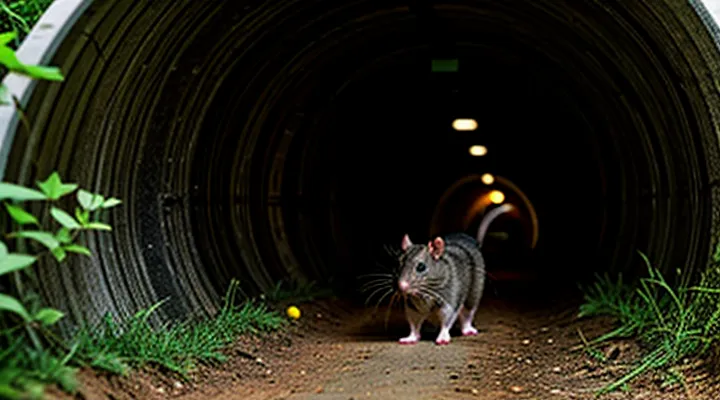
Why a Tunnel Is Essential for Your Rat
Understanding Rat Behavior
Natural Instincts
Rats rely on instinctive behaviors when selecting or constructing a refuge. Their natural drive to dig creates tunnels that are narrow enough to limit predator access while allowing swift movement. Instinctual preference for darkness leads them to favor environments with minimal light penetration, reducing stress and encouraging regular activity. The need for secure nesting prompts the creation of side chambers where bedding material can be gathered and maintained.
Key instincts influencing shelter design:
- Burrowing tendency – favors smooth, low‑friction surfaces and a gradual incline.
- Territorial marking – encourages inclusion of separate entrances for individual families.
- Social cohesion – supports interconnected chambers that enable group interaction.
- Predator avoidance – demands concealed entry points and escape routes.
- Nocturnal foraging – requires safe, dimly lit pathways that connect to external food sources.
Applying these instincts to a protective tunnel yields a structure with a main passage of 4–6 cm diameter, lined with soft, non‑abrasive material to facilitate digging motions. Side chambers, each 8–10 cm wide, provide space for nesting and temperature regulation. Dual concealed openings allow rats to retreat if a threat approaches, while a subtle gradient prevents water accumulation. Ventilation slots placed near the ceiling maintain airflow without exposing the interior to light or predators.
By aligning construction parameters with innate rat behaviors, the shelter becomes a self‑sustaining habitat that supports health, reproduction, and safety without external intervention.
Importance of Enrichment
Enrichment provides the stimuli necessary for rats to exhibit natural behaviors while occupying an underground habitat designed for safety. By integrating diverse elements, the shelter promotes physiological balance and reduces the likelihood of stress‑induced disorders.
Key categories of enrichment include:
- Physical structures – tunnels, climbing platforms, and nesting material that encourage movement and exploration.
- Sensory items – objects with varied textures, scents, and sounds to engage tactile and auditory perception.
- Cognitive challenges – puzzle feeders and hidden treats that stimulate problem‑solving abilities.
Benefits observed in enriched environments are:
- Enhanced musculoskeletal health through increased activity.
- Lower incidence of stereotypic behaviors, indicating reduced anxiety.
- Improved immune response linked to reduced chronic stress.
Effective implementation follows these guidelines:
- Rotate enrichment items regularly to prevent habituation.
- Verify that all materials are non‑toxic and free of sharp edges.
- Monitor individual rats for preferences and adjust provisions accordingly.
Consistent application of these practices sustains the well‑being of rats within a secure tunnel shelter, ensuring both physical health and behavioral vitality.
Benefits of a Well-Designed Tunnel
Physical Health
Designing a rat tunnel shelter demands attention to the animals’ physical health. Structural dimensions must match the size of adult rats, providing ample clearance to avoid compression while preventing excessive space that encourages inactivity. Smooth, non‑abrasive interior surfaces reduce the risk of skin lesions; stainless‑steel or high‑density polyethylene panels meet durability and hygiene standards.
Temperature regulation requires insulated walls and passive heat exchangers that maintain a stable range of 20‑25 °C. Humidity sensors linked to ventilation fans keep moisture below 60 % to prevent respiratory irritation. Airflow channels positioned at opposite ends of the tunnel create a continuous exchange, eliminating stale pockets.
Hygiene protocols rely on removable panels for routine cleaning. Antimicrobial coatings on surfaces inhibit bacterial growth, while sealed waste collection points prevent contamination of bedding. Regular disinfection cycles use veterinary‑approved solutions that do not harm the rodents.
Mobility support includes curved sections that encourage natural burrowing behavior and graded ramps that promote muscle development. Strategic placement of textured platforms offers climbing opportunities, enhancing skeletal strength.
Key physical‑health factors:
- Appropriate tunnel dimensions and smooth interiors
- Consistent temperature (20‑25 °C) and humidity (<60 %)
- Effective ventilation with opposing airflow paths
- Antimicrobial surfaces and accessible cleaning modules
- Layout that promotes movement, climbing, and muscular activity
Implementing these measures creates a shelter that safeguards rat health through controlled environment, injury prevention, and encouragement of natural physical activity.
Mental Stimulation
Rats living in an underground shelter require regular mental challenges to prevent boredom and reduce stress. Structured enrichment engages their natural foraging instincts, problem‑solving abilities, and social curiosity.
Providing varied stimuli supports cognitive health, promotes natural behaviors, and lowers the incidence of repetitive actions such as excessive grooming or chewing. Without mental engagement, rats may develop anxiety‑related patterns that compromise the integrity of the tunnel system.
Common enrichment strategies include:
- Puzzle feeders that release food after a series of manipulations.
- Rotating maze sections that alter the path layout.
- Suspended objects that encourage climbing and exploration.
- Scented materials (herbs, spices) that stimulate olfactory investigation.
- Interactive toys with movable parts that require dexterous handling.
When integrating these elements, ensure each device fits within the tunnel’s dimensions and does not obstruct airflow. Secure attachments prevent accidental ingestion of parts, and modular components allow quick replacement without dismantling the entire structure.
Routine checks should verify that enrichment items remain functional, clean, and free of damage. Replace worn components weekly, rotate the selection of puzzles bi‑weekly, and record rats’ interaction patterns to identify preferences and adjust the program accordingly.
Designing and Building Your Rat's Tunnel
Choosing the Right Materials
Safe and Non-Toxic Options
When constructing a tunnel shelter for rats, selecting materials that pose no health risks is essential. Non‑toxic components prevent respiratory irritation, skin reactions, and ingestion hazards, ensuring the animals remain healthy throughout the enclosure’s lifespan.
Materials that meet safety criteria include:
- Food‑grade silicone – flexible, waterproof, and free of harmful additives; suitable for joints and sealing points.
- Untreated hardwood such as birch or maple – dense, durable, and naturally resistant to rot; must be free of pesticides or varnishes.
- High‑density polyethylene (HDPE) – robust, chemical‑inert plastic that resists chewing damage and does not leach toxins.
- Natural fiber rope (cotton or hemp) – provides climbing structures; must be unbleached and free of synthetic binders.
- Stainless steel hardware – corrosion‑resistant fasteners and brackets that avoid rust and metal ion release.
Ventilation components should also be constructed from the same non‑toxic standards. Mesh made of stainless steel or food‑grade plastic allows airflow while preventing escape. Sealants must be silicone‑based, explicitly labeled as safe for animal contact.
Maintenance practices reinforce safety. Regularly inspect for wear, replace damaged sections with the same approved materials, and clean surfaces with mild, fragrance‑free detergents to avoid residue buildup. Adhering to these guidelines yields a tunnel shelter that protects rats from chemical exposure and supports long‑term well‑being.
Durable and Easy-to-Clean
A rat tunnel shelter must resist wear, moisture, and gnawing while allowing quick sanitation. Selecting materials such as high‑density polyethylene, reinforced PVC, or powder‑coated steel provides the necessary strength. These substances do not crack under repeated cleaning cycles and maintain structural integrity when rats chew or rearrange the interior.
Design elements that simplify cleaning include smooth interior surfaces, removable panels, and sealed joints. Smooth walls prevent debris accumulation; detachable sections enable access to hidden corners; sealed joints stop water ingress and eliminate mold growth. Incorporating drainage channels at low points directs liquids away from the living area, reducing the need for manual wiping.
Key considerations for durability and hygiene:
- Material hardness rating of at least 70 Shore D to resist bite marks.
- UV‑stabilized coating to prevent degradation from exposure to light.
- Non‑porous finish that repels stains and inhibits bacterial colonization.
- Quick‑release fasteners for panel removal without tools.
- Integrated drainage grooves with a detachable collection tray for waste disposal.
Regular maintenance involves flushing the tunnel with mild detergent, rinsing, and drying the drainage tray. The combination of robust materials and modular construction ensures the shelter remains functional for extended periods while requiring minimal effort to keep it clean.
Tunnel Construction Techniques
DIY Approaches
Creating a functional underground passage for rodents requires practical, low‑cost methods that can be executed with common tools.
Select durable, non‑toxic materials such as PVC pipe, untreated plywood, or corrugated cardboard reinforced with duct tape. PVC provides waterproofing and easy cleaning; plywood offers structural strength; cardboard is suitable for temporary setups.
Cut sections to the desired length, ensuring a minimum internal diameter of 4 inches to allow free movement. Join pieces with solvent cement for PVC, wood glue and screws for plywood, or overlapping seams sealed with tape for cardboard.
Secure the tunnel entrance with a hinged flap made from the same material, fitted with a simple latch to prevent escape while allowing access for cleaning. Install a removable grate at the exit to protect against predators.
Mount the tunnel on a stable frame using metal brackets or wooden cleats. Anchor the frame to a wall or floor to prevent shifting.
Maintain hygiene by:
- rinsing the interior with mild soap solution weekly,
- drying completely before reassembly,
- inspecting joints for wear and replacing worn sections promptly.
These DIY techniques produce a safe, manageable shelter that can be adapted to varying space constraints and budget limits.
Ready-Made Solutions
Ready‑made solutions simplify the construction of a secure underground passage for rodents. Commercially available PVC conduit sections connect with slip‑on couplers, creating a durable tunnel that resists moisture and gnawing. The pieces come in standard lengths, allowing rapid assembly with a simple adhesive or mechanical clamp. Pre‑drilled holes at each joint enable the insertion of ventilation caps, preserving airflow without compromising structural integrity.
Modular plastic modules provide an alternative to pipe systems. Each module features interlocking edges and a built‑in entrance hatch that locks into place. The design includes a removable interior liner for easy cleaning. Modules can be stacked vertically or arranged horizontally to adapt to varying site dimensions. The kits often include snap‑on tunnel caps that shield the opening from predators and debris.
Commercial rat burrow kits bundle all necessary components: tunnel sections, connectors, entrance doors, and anchoring stakes. The kits are sized for typical garden or laboratory environments, eliminating the need for custom cutting. Installation requires only a few tools—usually a screwdriver and a hammer—and can be completed within an hour. The kits also supply a waterproof sealant to protect joints from soil moisture.
Key considerations when selecting a ready‑made system:
- Material durability against gnawing and corrosion
- Compatibility of connectors with existing infrastructure
- Availability of ventilation and predator‑proof features
- Ease of disassembly for cleaning or relocation
By opting for pre‑fabricated components, builders reduce labor time, minimize material waste, and ensure consistent tunnel dimensions that meet safety standards. The result is a reliable shelter that supports the health and mobility of the resident rats.
Optimal Tunnel Placement
Security and Comfort
Security in a rat tunnel shelter begins with structural integrity. Use thick, non‑toxic polymer or reinforced concrete for walls and ceiling to resist collapse and external pressure. Seal all joints with rodent‑grade silicone to prevent gaps that predators could exploit. Install a lockable entry hatch made of stainless steel; the latch should be operable with a small lever that rats can manipulate without risking escape. Provide a secondary emergency exit that remains concealed but accessible from within, ensuring an escape route if the primary hatch becomes obstructed.
Comfort focuses on environmental stability and ergonomic design. Maintain interior temperature between 18 °C and 24 °C using passive insulation and, if necessary, a low‑voltage heating element regulated by a thermostatic controller. Regulate humidity at 50–60 % to avoid respiratory irritation; a small hygrometer and a moisture‑absorbing substrate can achieve this balance. Line the floor with a layer of shredded paper or natural fibers, offering a soft surface for nesting and reducing stress from hard ground.
Both security and comfort rely on regular monitoring. Implement a simple sensor array that records temperature, humidity, and entry‑point status, transmitting data to a handheld display. Schedule weekly inspections to verify seal integrity, clean debris, and replace worn bedding.
Key design elements:
- Reinforced, sealed walls and ceiling
- Lockable stainless‑steel entry hatch with secondary emergency exit
- Passive insulation plus controlled heating
- Humidity regulation with hygrometer and absorbent substrate
- Soft bedding material for nesting comfort
- Basic sensor system for environmental monitoring and hatch status.
Integration with Existing Habitats
Integrating a newly constructed rat tunnel with the surrounding environment requires careful alignment of structural design, material selection, and ecological considerations. The tunnel should intersect existing burrow networks at points where natural pathways converge, allowing seamless movement between the artificial shelter and wild habitats. Aligning entrance angles with prevailing soil gradients reduces excavation effort and preserves the integrity of surrounding tunnels.
Key integration steps include:
- Mapping current burrow systems using ground‑penetrating radar or manual inspection to identify optimal connection sites.
- Selecting biodegradable or earth‑compatible materials that match the texture and composition of native soil, preventing chemical contamination.
- Installing removable or adjustable joint sections to accommodate future shifts in burrow layouts caused by seasonal changes or population growth.
- Incorporating vegetation buffers, such as native grasses or low shrubs, around tunnel entrances to provide cover and discourage predator access.
Monitoring protocols are essential for assessing the impact of the tunnel on local rodent populations. Regular surveys of activity levels, burrow usage patterns, and health indicators help verify that the structure enhances habitat connectivity without introducing stressors. Data collected should inform iterative adjustments to tunnel placement, entrance size, or material composition, ensuring long‑term compatibility with the ecosystem.
Maintaining Your Rat's Tunnel
Regular Cleaning Procedures
Frequency and Methods
The rat shelter tunnel requires a systematic schedule to preserve structural integrity and prevent disease. Routine inspections should occur weekly to identify damage, debris buildup, or signs of infestation. A thorough cleaning cycle every two weeks removes waste and reduces pathogen risk. Seasonal deep maintenance, including seal checks and material replacement, is recommended at the start of each climatic shift (spring and autumn). Emergency checks after heavy rain or predator activity are essential to address sudden breaches.
Effective construction and upkeep rely on proven techniques.
- Use corrosion‑resistant metal mesh for walls and ceiling to deter gnawing while allowing airflow.
- Install removable panels at access points for easy cleaning and inspection.
- Apply a non‑toxic, water‑repellent coating to interior surfaces to inhibit mold growth.
- Incorporate a graduated slope toward drainage outlets to channel moisture away from the tunnel.
- Fit a low‑noise ventilation system that maintains oxygen levels without startling occupants.
Monitoring tools enhance compliance with the schedule. Digital sensors record humidity and temperature, triggering alerts when thresholds exceed safe limits. Logbooks, either physical or electronic, document inspection dates, findings, and corrective actions, creating an audit trail that supports continuous improvement.
Disinfection Practices
Effective disinfection is essential for maintaining a rat tunnel shelter that protects its inhabitants from pathogens. Select agents that are safe for rodents, non‑corrosive to tunnel materials, and capable of eliminating bacteria, viruses, and fungi.
- Use a diluted quaternary ammonium solution (0.1 %–0.2 %) for routine cleaning of interior surfaces. Apply with a spray bottle, allow a 10‑minute contact time, then wipe dry.
- For high‑risk contamination, employ a 2 % hydrogen peroxide solution. Ensure thorough coverage, maintain a 5‑minute dwell period, and rinse with clean water to prevent residue buildup.
- Incorporate steam cleaning (≥ 100 °C) for hard‑to‑reach joints and seams. Steam alone achieves > 99 % microbial reduction without chemicals.
- Rotate disinfection schedules: daily light cleaning with quaternary ammonium, weekly hydrogen peroxide treatment, and monthly steam sanitation.
Prior to any chemical application, remove all bedding, food, and water sources. Allow the tunnel to air out for at least 30 minutes after treatment to dissipate vapors. Store disinfectants in sealed containers, label with concentration and expiration date, and keep them away from direct sunlight.
Monitor the effectiveness of protocols by conducting swab tests on high‑traffic zones weekly. Record colony‑forming unit (CFU) counts and adjust concentrations if results exceed acceptable thresholds. Consistent documentation supports compliance with animal‑care standards and ensures the tunnel remains a hygienic refuge.
Ensuring Longevity
Inspecting for Wear and Tear
Regular inspection of a rodent tunnel shelter prevents structural failure and protects the animals inside. Examine the exterior surface for cracks, splits, or erosion caused by moisture. Check joints and seams for loosening or separation, which can allow predators or debris to enter. Verify that the support framework remains rigid; any bending or warping indicates compromised load‑bearing capacity.
Key inspection tasks:
- Visual scan for visible damage (cracks, holes, corrosion).
- Tactile assessment of material integrity (firmness, flexibility).
- Measurement of tunnel diameter at multiple points to detect deformation.
- Evaluation of entry and exit points for secure sealing.
- Documentation of findings with date, location, and recommended corrective action.
Schedule inspections at least once a month, increasing frequency after heavy rain or temperature extremes. Replace damaged sections promptly, using materials compatible with the original construction to maintain durability and safety. Consistent monitoring ensures the tunnel remains a reliable, protected environment for the rats.
Repair and Replacement Tips
Regular upkeep of a rodent passage prevents structural failure and protects inhabitants from predators and weather. Damage typically appears as cracks, loose joints, or worn flooring; early detection extends the tunnel’s service life.
Inspect the tunnel weekly. Look for gaps larger than a quarter inch, softened material at connection points, and signs of moisture accumulation. Record findings and prioritize repairs according to severity.
- Seal cracks with non‑toxic silicone; apply evenly and smooth before curing.
- Reinforce loose joints using stainless‑steel clips; tighten until the connection is firm but does not compress the tunnel walls.
- Replace damaged flooring sections with high‑density polyethylene sheets; cut to fit and secure with corrosion‑resistant screws.
- Clean debris from drainage channels; ensure water flows away from the tunnel base to avoid rot.
When replacement becomes necessary, follow these steps. Remove the compromised segment by unscrewing fasteners and detaching clamps. Measure the removed piece to order an exact replica. Install the new section using the same fasteners and verify alignment with a level. Test the completed tunnel for stability by applying gentle pressure along the length; any movement indicates a need for additional reinforcement.
Maintain a stock of spare parts—clips, screws, silicone, and flooring sheets—to address repairs promptly and avoid prolonged exposure to hazards.
Enhancing the Tunnel Experience
Adding Enrichment Elements
Toys and Chews
Toys and chews are essential components of a functional rat tunnel system. They provide mental stimulation, encourage natural foraging behavior, and promote dental health, which collectively enhance the overall welfare of the occupants.
Selection criteria focus on safety, durability, and suitability for confined spaces. Materials must be non‑toxic, free of small detachments, and capable of withstanding repeated gnawing. Size should allow easy placement within tunnel chambers without obstructing movement.
Common options include:
- Wooden chew blocks – dense hardwoods such as maple or beech resist rapid wear and support enamel wear.
- Natural fiber ropes – untreated sisal or hemp strands serve as climbing aids and chewing material.
- Puzzle toys – compartments that conceal treats encourage problem‑solving while offering chewable surfaces.
- Silicone tunnels – flexible, chew‑resistant tubes can be integrated into the tunnel network to create additional passages.
Implementation guidelines:
- Position chew blocks near entry points to attract rats into the tunnel and reduce stress.
- Distribute ropes and silicone sections throughout the network to maintain activity levels during extended periods inside the shelter.
- Rotate puzzle toys weekly to prevent habituation and sustain engagement.
- Inspect all items daily for signs of damage; replace compromised pieces immediately to avoid injury.
By adhering to these standards, the tunnel environment remains enriching, safe, and conducive to the health of its rat inhabitants.
Hiding Spots
Designing effective hiding spots is a fundamental element of a rat tunnel shelter. These concealed areas provide refuge from predators, reduce stress, and support natural foraging behavior.
Key considerations for constructing hiding spots:
- Location – place at the far end of each tunnel branch, away from entry points, to maximize perceived safety.
- Size – dimensions should accommodate a single adult rat (approximately 10 cm wide, 15 cm tall) while allowing easy entry and exit.
- Material – use insulated, non‑toxic substrates such as untreated wood shavings or mineral wool to maintain stable temperature and humidity.
- Ventilation – incorporate small perforations covered with mesh to ensure airflow without compromising concealment.
- Camouflage – line interior walls with natural debris (leaf litter, twigs) to blend with the surrounding environment and encourage nesting.
Integrating these features creates a network of secure retreats that enhance the overall functionality of the rat tunnel system. Properly executed hiding spots contribute directly to the health and longevity of the resident population.
Tunnel Integration with Playtime
Supervised Exploration
Supervised exploration involves guiding rats through the newly built tunnel system while monitoring their reactions, movement patterns, and stress indicators. This controlled approach provides immediate feedback on structural integrity, ventilation adequacy, and surface texture, allowing designers to adjust parameters before full deployment.
Observations focus on three measurable factors: navigation speed, frequency of pauses, and incidence of retreat behavior. Data collection uses video tracking, infrared sensors, and portable heart‑rate monitors. Consistent metrics enable comparison across different tunnel sections and material prototypes.
Key actions for implementing supervised exploration:
- Install temporary observation stations at tunnel entry and exit points.
- Equip rats with lightweight, non‑invasive sensors to record physiological responses.
- Conduct multiple short sessions (5–10 minutes) to prevent fatigue and maintain natural behavior.
- Record environmental variables (temperature, humidity, light level) during each trial.
- Analyze data after each session and modify tunnel dimensions, bedding, or lighting accordingly.
Applying this method reduces the risk of fatal entrapments, ensures compliance with animal welfare standards, and accelerates the refinement cycle for a reliable, rat‑friendly underground shelter.
Training Opportunities
Effective training programs are essential for personnel tasked with constructing and maintaining secure underground habitats for rodent populations. Mastery of design principles, material selection, and humane handling techniques reduces risk of structural failure and ensures compliance with animal welfare standards.
Key competencies include:
- Structural engineering basics for compact tunnel systems.
- Identification of safe, non‑toxic building materials.
- Installation of ventilation and drainage components.
- Protocols for humane capture, transport, and release of rats.
- Routine inspection procedures and emergency response actions.
Training delivery can be organized as:
- In‑person workshops featuring hands‑on assembly of tunnel sections.
- Online modules covering theoretical foundations, assessment quizzes, and video demonstrations.
- Field apprenticeships pairing novices with experienced technicians for real‑world practice.
- Certification courses validated by wildlife management authorities.
Available resources comprise industry guidelines published by rodent‑control agencies, technical manuals from engineering firms specializing in small‑scale burrow construction, and accredited e‑learning platforms offering modular curricula. Completion of the prescribed curriculum grants certification recognized by municipal health departments and animal‑care organizations, facilitating consistent implementation of safe shelter projects.