
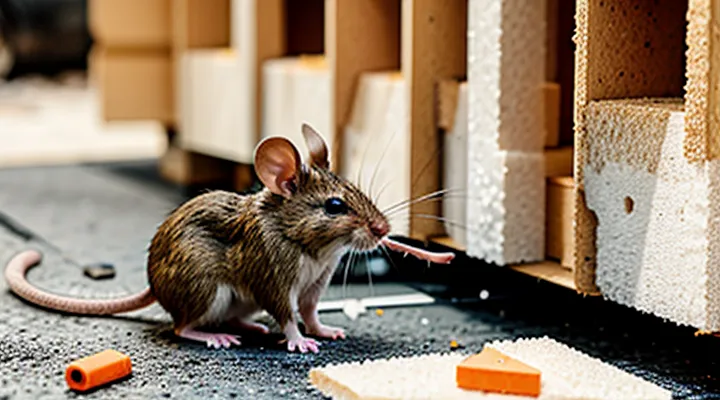
The Unexpected Threat: Mice and Expanding Foam
Why Rodents are Attracted to Expanding Foam
Material Properties and Appeal
Expanding polyurethane foam possesses a low density, typically ranging from 25 kg/m³ to 60 kg/m³, which enables rapid volume increase—often up to 30 times the original liquid volume. Its closed‑cell structure provides moisture resistance and contributes to thermal insulation values of 0.025 W/(m·K) to 0.035 W/(m·K). Adhesion to concrete, wood, and metal surfaces is achieved through chemical bonding of isocyanate components, creating a continuous seal that resists air infiltration. Fire‑rating classifications (e.g., Class A, B, C) reflect the inclusion of flame‑retardant additives that reduce heat release rates. Chemical stability remains high under typical indoor temperatures (‑20 °C to +70 °C), while exposure to ultraviolet light accelerates degradation, limiting outdoor applications.
The material’s appeal derives from several practical advantages:
- Immediate expansion eliminates the need for mechanical packing.
- One‑component formulation simplifies application, requiring only a dispensing gun.
- Minimal curing time (5–10 minutes) permits swift project progression.
- Cost per cubic foot remains lower than alternative sealants such as spray‑applied insulation boards.
- Ability to fill irregular cavities improves structural continuity and reduces thermal bridges.
Rodent activity introduces a specific hazard: mice can gnaw through the relatively soft polymer matrix, creating pathways for air leakage, moisture ingress, and pest migration. Once compromised, the foam’s insulating and sealing functions diminish, potentially leading to condensation‑related decay in adjacent structural elements. Selecting formulations with increased hardness (e.g., high‑density variants) or integrating metal mesh reinforcement can mitigate penetration risk, though complete protection requires regular inspection and maintenance.
Nesting and Shelter Instincts
Mice are driven by innate nesting and shelter instincts, which make them seek confined, insulated spaces within building cavities. Expanding polyurethane foam, applied to seal gaps, creates a warm, dry environment that mimics natural burrows. Consequently, rodents gnaw the material to enlarge access points, compromising structural integrity and creating pathways for fire spread.
Key implications for construction safety:
- Foam degradation releases volatile compounds, increasing inhalation risk for occupants and workers.
- Enlarged openings allow rodents to transport contaminants into HVAC systems, jeopardizing indoor air quality.
- Compromised seals reduce the effectiveness of fire‑resistant barriers, heightening the probability of flame propagation.
Mitigation measures focus on eliminating attractive nesting sites, using rodent‑resistant sealants, and installing physical barriers at entry points. Regular inspections should verify the integrity of foam applications and detect early signs of gnawing activity.
Damage Caused by Rodent Gnawing
Structural Integrity Compromises
Mice that gnaw on polyurethane expansion material create pathways for air and moisture to infiltrate load‑bearing cavities. The resulting loss of foam volume reduces the intended compression resistance of insulated joints, which can lead to premature deformation of steel studs and timber framing.
Compromised structural elements include:
- Reduced shear capacity of wall panels because voids weaken the bond between sheathing and framing.
- Increased likelihood of buckling in columns where foam provides lateral support.
- Accelerated corrosion of embedded fasteners due to moisture accumulation in gnawed channels.
- Diminished fire‑rating performance as foam loss exposes combustible cores and disrupts fire‑stop continuity.
Inspection protocols must prioritize detection of gnaw marks, foam displacement, and associated material degradation. Remediation actions involve removing contaminated foam, sealing entry points, and restoring filler material to original specifications.
Thermal and Moisture Barrier Breaches
Rodent activity in spray‑foam insulation creates pathways that compromise both thermal performance and moisture protection. Chewed foam loses its continuity, allowing heat transfer and water ingress that degrade building envelopes.
Key effects of barrier breaches include:
- Reduced R‑value as air channels replace sealed foam, increasing heating and cooling loads.
- Direct exposure of structural framing to condensation, fostering rot and mold growth.
- Accelerated corrosion of metal components where moisture reaches previously protected surfaces.
Mice gnawing at the foam also generate debris that can block drainage systems, further trapping moisture behind walls. The resulting saturation weakens adhesives and fasteners, potentially leading to structural displacement.
Mitigation strategies focus on preventing rodent entry and preserving foam integrity. Recommended actions are:
- Install metal mesh or sealed conduit penetrations at all access points.
- Apply rodent‑resistant coatings over foam surfaces in vulnerable zones.
- Conduct regular inspections for bite marks, foam fragmentation, and moisture accumulation.
Early detection of thermal and moisture barrier breaches limits energy loss, prevents material degradation, and maintains the intended protective function of spray‑foam insulation.
Pest Entry Points and Further Infestations
Mice capable of gnawing through expanding foam create direct pathways for additional rodent intrusion. Once a breach occurs, the compromised barrier no longer isolates the interior environment from external sources of infestation. The initial penetration often coincides with structural gaps, allowing rapid colonisation of adjacent cavities.
Typical access points include:
- Gaps around utility penetrations where foam was applied for sealing;
- Openings at wall–floor junctions left exposed after foam contraction;
- Unsealed conduit entries that were partially filled;
- Cracks in foundation or sill plates that foam failed to bridge.
Each entry point serves as a conduit for further spread. After the first breach, mice exploit the same weakened seal to enlarge tunnels, creating secondary passages that bypass remaining insulated sections. Continuous gnawing erodes the integrity of surrounding materials, leading to progressive loss of fire‑resistance and acoustic isolation.
Secondary infestations amplify risks:
- Accumulation of droppings and urine compromises indoor air quality;
- Chewed wiring raises fire hazards;
- Structural weakening may precipitate premature failure of load‑bearing elements.
Mitigation requires immediate removal of damaged foam, thorough inspection of all sealed joints, and replacement with rodent‑resistant materials. Sealing techniques should incorporate steel mesh or metal flashing beneath foam layers to prevent future gnaw‑through. Regular monitoring of identified entry zones ensures early detection of re‑infestation and preserves the intended protective functions of the sealing system.
Understanding the Risks
Health Hazards Associated with Rodent Infestations
Disease Transmission
Rodents that gnaw polyurethane sealants in building projects create a direct pathway for pathogenic microorganisms to enter occupied spaces. Saliva and fecal matter deposited on the foam become embedded in the cured material, persisting until the foam is removed or disturbed.
«Diseases frequently associated with rodent exposure»
- Hantavirus pulmonary syndrome
- Leptospirosis
- Salmonellosis
- Lymphocytic choriomeningitis virus (LCMV)
When expanding foam is cut, sanded, or otherwise disrupted, contaminated particles become airborne, increasing inhalation risk for workers and occupants. The porous structure of cured foam retains moisture, providing a favorable environment for bacterial growth and viral survival.
Effective risk reduction requires integrated measures: routine rodent monitoring, sealing of entry points, use of foam formulations resistant to chewing, and mandatory personal protective equipment during foam manipulation. Decontamination protocols should include surface disinfection of foam remnants and proper disposal of contaminated material.
Allergen Contamination
Rodent activity on expanding foam insulation creates pathways for biological particles to become embedded in the cured material. Saliva, urine, dander and fur fragments introduced during gnawing remain trapped, turning the foam into a source of airborne and surface allergens. Workers who cut, sand or demolish contaminated foam may inhale or contact these particles, increasing the risk of respiratory irritation, asthma exacerbation and allergic sensitization.
Key mechanisms of allergen introduction include:
- Direct deposition of rodent secretions on the foam surface during gnawing.
- Incorporation of fur and dander into the foam matrix as the material expands.
- Secondary growth of mold and dust mites attracted to organic residues left by rodents.
Health implications for construction personnel:
- Immediate irritation of eyes, skin and mucous membranes.
- Long‑term sensitization leading to occupational asthma.
- Potential cross‑contamination of adjacent work zones and finished spaces.
Mitigation strategies:
- Implement rigorous pest‑control programs before foam application.
- Use sealed, rodent‑resistant barriers around foam installations.
- Conduct visual inspections for gnaw marks and biological residues after curing.
- Remove and replace foam that shows evidence of contamination.
- Provide personal protective equipment rated for allergen exposure during cutting or removal.
Monitoring protocols should incorporate air‑sampling for rodent‑derived proteins and routine surface swabs in high‑risk areas. Documentation of pest‑control actions and foam integrity supports compliance with occupational health standards and reduces the likelihood of «Allergen contamination» becoming a persistent construction hazard.
Economic Implications for Property Owners and Builders
Repair and Remediation Costs
The presence of rodents that gnaw expanding polyurethane creates structural damage that triggers significant repair and remediation expenses.
Direct material costs include replacement of compromised spray‑foam insulation, affected drywall, and any corroded fasteners. Labor charges cover demolition of damaged sections, installation of new insulation, and finishing work to restore interior surfaces.
Additional expenses arise from waste disposal, especially when contaminated foam must be removed in accordance with hazardous‑material regulations. Compliance costs involve inspections, permits, and corrective measures required to meet building‑code standards after the incident.
Insurance adjustments may increase premiums or result in deductible payments when claims are filed for rodent‑induced failures. Project delays generate indirect costs through lost productivity, postponed occupancy, and potential penalties for missed milestones.
Typical cost breakdown:
- Materials: 30 % – 45 % of total outlay
- Labor: 25 % – 35 %
- Waste disposal and hazardous‑material handling: 10 % – 15 %
- Code‑compliance and permitting: 5 % – 10 %
- Insurance and deductible impacts: 5 % – 10 %
- Downtime and schedule disruption: 5 % – 15 %
Accurate estimation requires a site‑specific assessment of damage extent, local labor rates, and regulatory requirements. Early detection of rodent activity and preventive sealing of foam installations can substantially reduce these financial burdens.
Reputational Damage for Construction Companies
Rodent‑induced damage to expanding foam poses a direct threat to the public image of building firms. When foam installations fail because of gnawing activity, projects experience unplanned interruptions, safety inspections, and corrective work that become visible to clients and regulators. The resulting narrative often emphasizes negligence, prompting scrutiny from industry observers and potential partners.
Key reputational consequences include:
- Negative media coverage highlighting safety lapses and quality control failures.
- Loss of client confidence, leading to contract cancellations or reduced future orders.
- Heightened risk of legal actions, which amplify public perception of liability.
- Diminished standing in industry rankings and award considerations.
- Increased difficulty securing financing, as lenders associate poor risk management with financial instability.
Companies that respond promptly with transparent communication, independent investigations, and corrective measures can mitigate damage. Documentation of remedial actions and third‑party certifications restores credibility, while proactive pest‑control policies demonstrate commitment to preventing similar incidents. Failure to address the issue comprehensively allows negative perceptions to persist, affecting long‑term market position.
Prevention and Mitigation Strategies
Pre-Construction Rodent Control Measures
Site Assessment and Preparation
Effective site assessment precedes the application of expanding insulation where rodent activity poses a risk of material compromise. Inspectors must verify structural integrity, locate potential entry points, and record evidence of gnawing or nesting.
Key assessment actions include:
- Visual examination of walls, ceilings, and crawl spaces for holes, gaps, or damaged sheathing.
- Use of motion‑activated cameras or bait stations to confirm rodent presence.
- Sampling of debris for urine, droppings, or gnaw marks.
Preparation steps mitigate damage and protect workers:
- Seal all identified openings with steel mesh, concrete, or fire‑rated caulking.
- Install physical barriers such as rodent‑proof vent covers and conduit sleeves.
- Deploy traps or bait stations to reduce population before foam deployment.
- Implement sanitation protocols to eliminate food sources and nesting materials.
- Select foam formulations with additives that deter chewing or incorporate protective liners.
Document findings in a site‑specific risk register, update it after each mitigation action, and schedule periodic re‑inspections throughout the construction phase. Continuous monitoring ensures that newly emerging entry points are addressed promptly, maintaining the integrity of the insulation system.
Sealing Entry Points with Rodent-Resistant Materials
Rodents can breach expanding‑foam seals, creating pathways for moisture, pests, and structural degradation. Once a breach occurs, foam loses its insulating properties and may expand unevenly, increasing fire‑risk and compromising load‑bearing elements.
Effective control begins with thorough inspection of all potential ingress locations. Gaps around utility penetrations, pipe sleeves, and framing joints must be sealed with materials that resist gnawing and do not degrade under environmental stress.
- Stainless‑steel mesh (½ in. or finer) – withstands chewing, allows airflow, prevents moisture buildup.
- Cement‑bonded steel wool – adheres to concrete and wood, remains intact under repeated pressure.
- High‑density polyurethane sheets with rodent‑inhibiting additives – flexible, fills irregular voids, resists bite marks.
- Rigid metal flashing (galvanized or aluminum) – suitable for exterior seams, redirects water while blocking entry.
Installation protocol:
- Clean each opening to remove debris and loose material.
- Cut the chosen barrier to exceed the opening dimensions by at least 1 in. on all sides.
- Secure the barrier with corrosion‑resistant fasteners or construction adhesive rated for the substrate.
- Apply a compatible sealant over the barrier edges, ensuring a continuous, airtight finish.
Periodic inspection is mandatory. Visual checks should focus on signs of chew marks, displacement, or sealant deterioration. Replace compromised sections promptly to maintain an uninterrupted defensive envelope.
By integrating rodent‑resistant barriers at every entry point, construction projects reduce the likelihood of foam breach, preserve thermal performance, and uphold safety standards.
Selecting Appropriate Expanding Foam Products
Rodent-Resistant Foam Formulations
Rodent‑Resistant Foam Formulations address the risk of gnawing damage to expanding polymers used in building envelopes. The formulations incorporate additives that increase hardness, reduce palatability, and create a deterrent surface for small mammals. By modifying the polymer matrix, the foam retains its insulating properties while limiting the ability of rodents to bite through it.
Key components of the formulation include:
- High‑density filler particles such as silica or calcium carbonate, which raise the compressive strength of the cured foam.
- Bittering agents derived from natural sources, providing an unpleasant taste without compromising fire‑rating classifications.
- Ultraviolet‑stabilized polymers that maintain rigidity under prolonged exposure, preventing softening that could facilitate chewing.
Testing protocols involve exposing cured samples to laboratory‑bred mice for a fixed period, then measuring material loss and structural integrity. Results consistently show a reduction in bite marks and greater retention of thermal performance compared to standard expanding foams.
Implementation guidelines recommend applying the rodent‑resistant mix in areas prone to pest activity, such as attic voids, wall cavities, and exterior sealant joints. Proper ventilation during application ensures complete curing, while protective equipment prevents inhalation of aerosolized particles. The combined approach mitigates construction hazards associated with rodent damage and extends the service life of the insulation system.
Considerations for Application Locations
Expanding foam provides rapid insulation and sealing, yet its integrity can be compromised when rodents gnaw the material. Selecting appropriate application sites mitigates this risk and preserves structural performance.
- Install foam only in sealed cavities where entry points for mice are blocked or can be easily monitored.
- Avoid placement in attics, crawl spaces, or wall voids with a history of rodent activity.
- Prefer locations that are inaccessible without removing a finished surface, limiting direct contact with chewing surfaces.
- Use foam formulations that incorporate rodent‑resistant additives or hardened cores to deter gnawing.
- Combine foam with metal or rigid polymer barriers in high‑risk zones to create a physical deterrent.
- Ensure adequate ventilation and moisture control; damp environments attract rodents and accelerate foam degradation.
- Schedule regular inspections of foam‑filled areas to detect early signs of damage and allow prompt remediation.
Adhering to these considerations reduces the likelihood of foam failure caused by rodent interference, thereby maintaining the intended thermal and acoustic benefits.
Post-Construction Monitoring and Maintenance
Regular Inspections for Rodent Activity
Regular inspections detect rodent activity before it compromises expanding foam systems. Early identification prevents foam degradation, structural weakening, and costly rework. Inspections should follow a documented schedule and include visual surveys, trap checks, and evidence sampling.
Key components of an effective inspection program:
- Weekly visual walkthrough of all foam‑filled cavities, focusing on joints, penetrations, and access points.
- Bi‑weekly examination of bait stations and trap locations for signs of activity.
- Monthly collection of debris samples for laboratory analysis to confirm presence of gnaw marks or urine residues.
- Quarterly review of inspection records to identify trends and adjust preventive measures.
Documentation of findings supports compliance with safety regulations and informs maintenance planning. Prompt remediation—such as sealing entry points, replacing damaged foam, and enhancing pest control measures—reduces the risk of hazardous foam failure. Consistent application of these practices safeguards construction integrity and protects personnel from exposure to compromised insulation material.
Prompt Addressing of Infestations
Prompt detection of rodent activity in sprayed polyurethane insulation prevents structural degradation and health risks. Mice gnaw the foam, creating pathways for moisture infiltration and compromising fire‑resistance ratings. Immediate action limits damage and reduces costly repairs.
Effective response includes:
- Visual inspection of exposed foam surfaces for bite marks and droppings.
- Installation of sealed entry barriers at identified gaps.
- Deployment of bait stations or traps positioned away from work zones.
- Application of foam‑compatible sealing compounds after removal of compromised sections.
Documentation of infestation sites supports compliance audits and informs future design choices. Regular monitoring schedules maintain control over re‑infestation, ensuring that foam installations retain their intended performance characteristics. «Prompt remediation» safeguards both construction integrity and occupant safety.
Integrated Pest Management Approaches
Combining Physical Barriers with Other Methods
Rodents can gnaw expanding polyurethane insulation, creating gaps that compromise thermal performance and increase fire risk. Physical barriers—metal mesh, rigid steel plates, or dense concrete sleeves—prevent direct contact between foam and animal teeth.
When barriers are paired with supplementary controls, overall protection improves. Effective combinations include:
- Chemical deterrents applied to barrier surfaces, such as rodent‑repellent polymers that deter chewing without damaging foam.
- Strategically placed traps or bait stations along the perimeter of barrier installations to reduce local rodent populations.
- Regular inspection schedules using visual checks and motion‑sensor cameras to identify breaches before damage spreads.
- Sealant applications at junctions between barrier and structural elements, ensuring no gaps remain for entry.
Integrating these measures creates a multilayered defense that limits foam exposure, maintains insulation integrity, and reduces construction‑related safety hazards.
Professional Pest Control Consultation
Professional pest‑control consultation addresses the risk of rodents compromising spray‑foam insulation in new builds. Mice can gnaw through the expanding polymer, creating gaps that diminish thermal performance and expose structures to moisture intrusion. Early identification prevents costly rework and preserves fire‑rating certifications.
Consultants begin with a site‑specific assessment. Visual inspection focuses on entry points, concealed cavities, and areas where foam has been applied. Infrared thermography and acoustic emission tools detect hidden voids and active chewing. Findings are documented in a risk matrix that ranks locations by likelihood of damage and potential impact on structural integrity.
Mitigation recommendations include:
- Sealing penetrations with stainless‑steel mesh or approved gasket systems.
- Installing bait stations and monitoring traps in identified hotspots.
- Applying rodent‑resistant barrier coatings over foam surfaces.
- Scheduling periodic inspections during the construction phase and after occupancy.
Implementation of these measures reduces the probability of insulation failure and aligns projects with occupational safety standards. Engaging certified pest‑control specialists ensures compliance with building codes and maintains warranty coverage for insulation manufacturers.
Case Studies and Real-World Examples
Documented Incidents of Rodent Damage to Foam
Residential Property Examples
Mice can breach sealed cavities by gnawing expanding foam used to fill gaps around windows, doors, and utility penetrations. In older single‑family homes, foam applied during retrofitting often provides a convenient food source, leading to perforations that compromise the thermal envelope. The resulting air leakage increases heating demand and creates pathways for moisture, which accelerates rot in adjacent framing.
In multi‑unit townhouses, contractors sometimes rely on foam to fasten exterior cladding. When rodents access attic spaces, they chew through the polymer, creating channels that allow pests to travel between units. This inter‑unit migration raises health concerns and may trigger code violations related to fire‑stop integrity.
New construction of detached residences frequently incorporates foam as a primary sealant around plumbing stacks. If mice infiltrate the crawl space, their gnawing can expose wiring and plumbing, increasing the risk of short circuits or leaks. The compromised barrier also undermines acoustic isolation, leading to increased noise transmission between rooms.
Typical mitigation measures include:
- Installing metal mesh or hardware cloth over foam joints before application.
- Conducting regular rodent inspections during the curing period.
- Selecting foam formulations with additives that deter chewing.
- Designing access points with sealed metal flashing instead of foam alone.
Each example illustrates how rodent activity directly undermines the protective functions of expanding foam in residential settings, creating structural, energy‑efficiency, and safety hazards.
Commercial Building Scenarios
Mice that gnaw through polyurethane sealants create immediate safety concerns in commercial properties. The act of chewing compromises the integrity of the foam, exposing gaps that allow air, moisture, and contaminants to infiltrate building envelopes. Such breaches can accelerate corrosion of metal components, reduce thermal insulation efficiency, and create pathways for fire spread. In office towers, retail centers, and warehouse complexes, the resulting loss of fire‑resistance rating may void insurance coverage and trigger code violations.
Key hazards include:
- Structural weakening due to loss of foam support in wall cavities and roof assemblies.
- Increased fire load because exposed foam ignites more readily than intact material.
- Indoor‑air quality deterioration from mold growth in moisture‑laden gaps.
- Elevated maintenance costs for emergency repairs and code remediation.
Mitigation strategies focus on prevention and rapid response:
- Implement integrated pest‑management programs that combine regular monitoring, bait stations, and exclusion techniques.
- Select foam products formulated with rodent‑resistant additives or reinforced membranes.
- Seal all utility penetrations, cable trays, and conduit openings with metal or stainless‑steel collars before foam application.
- Conduct quarterly inspections of foam‑filled assemblies, documenting any signs of chew damage and addressing them within 48 hours.
- Train facilities‑management staff to recognize early indicators of rodent activity, such as droppings or gnaw marks, and to report findings to maintenance teams promptly.
Adhering to these practices preserves the protective functions of expanding sealants, maintains compliance with fire‑safety regulations, and reduces the financial impact of rodent‑induced damage in commercial building environments.
Lessons Learned from Past Experiences
Best Practices in Construction
Rodents that gnaw expanding polyurethane sealants compromise insulation continuity, create voids that allow moisture ingress, and increase fire‑propagation risk. Immediate recognition of this hazard prevents costly rework and protects occupational safety.
Effective mitigation begins with integrated pest‑management. Regular site surveys identify signs of activity, such as droppings or chewed foam residues. Physical barriers—steel mesh, sealed utility penetrations, and concrete sleeves—prevent entry points. Chemical deterrents applied according to manufacturer guidelines supplement mechanical controls.
Best practices include:
- Conducting pre‑construction rodent assessments for each building envelope.
- Installing rodent‑resistant foam formulations that contain bittering agents.
- Sealing all conduit, pipe, and cable openings with metal or reinforced polymer sleeves.
- Maintaining a clean work area; removing food sources and debris that attract pests.
- Scheduling quarterly inspections of foam joints and adjacent structural members.
- Documenting findings in a centralized log, enabling trend analysis and rapid response.
Continuous monitoring, combined with proactive barrier installation, ensures that expanding foam retains its intended performance without interference from rodent activity.
Evolving Industry Standards
Rodent activity that compromises spray‑foam insulation creates structural and fire‑safety risks, driving continuous revision of construction codes and product specifications.
Regulatory bodies have responded by integrating pest‑resistance criteria into material standards, mandating testing procedures that simulate chewing forces and moisture exposure. Recent publications from ASTM, ISO and NFPA include clauses that require manufacturers to certify foam formulations against rodent damage and to provide documentation of barrier performance.
Implementation guidelines focus on three core elements:
- Material composition: addition of fiberglass mesh or metal foil layers within foam panels to deter gnawing.
- Installation practices: sealing of all penetrations, use of rodent‑proof caulks, and placement of physical barriers at cavity entrances.
- Inspection regimes: mandatory visual and tactile checks at predefined intervals, with recorded results incorporated into project quality‑assurance files.
Compliance verification now involves third‑party testing laboratories accredited to assess both mechanical resistance and long‑term durability of the integrated barriers. Documentation of test outcomes forms part of the product certification package, enabling contractors to demonstrate adherence to the updated standards during plan review and final inspection.
The cumulative effect of these evolving standards is a measurable reduction in foam‑related failures, improved fire‑rating integrity, and enhanced overall building resilience against pest‑induced hazards.