
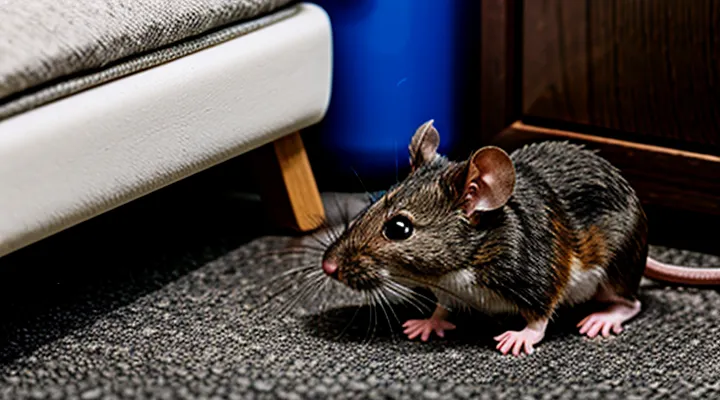
Understanding Mouse Behavior and Why Repellents Are Needed
Common Entry Points for Mice
Cracks and Gaps in Foundations
Cracks and gaps in foundations create direct pathways for rodents, undermining the effectiveness of any mouse deterrent system. Even the most potent repellents cannot protect a structure if entry points remain unsealed, because mice exploit openings as small as a quarter‑inch to infiltrate walls and crawl spaces.
Identifying structural openings involves visual inspection of the perimeter, focusing on areas where concrete meets brick, where utility penetrations occur, and where settling has produced fissures. Moisture stains, displaced mortar, and visible rodent activity confirm compromised zones that demand immediate remediation.
Effective sealing measures include:
- Expanding polyurethane foam for irregular gaps around pipes and vents.
- Cementitious mortar mixed with hydraulic lime for larger foundation cracks.
- Self‑adhesive silicone or acrylic caulk for narrow seams around windows and doors.
- Steel wool or copper mesh packed into voids before applying sealant to deter chewing.
After sealing, integrate repellents such as ultrasonic devices, natural essential‑oil sprays, or bait stations. Maintaining a dry, debris‑free foundation perimeter prevents re‑opening of sealed areas and sustains the overall rodent‑control strategy. Regular inspections ensure that newly formed cracks are addressed before mice can exploit them.
Gaps Around Pipes and Utility Lines
Gaps surrounding plumbing, electrical conduits, and other utility lines provide direct entry points for mice seeking shelter and food. Even openings as small as a quarter‑inch allow rodents to infiltrate walls, crawl spaces, and attics, bypassing external deterrents.
Sealing these openings enhances the effectiveness of any mouse deterrent system. Proper closure eliminates the hidden routes that undermine repellents and reduces the likelihood of infestation recurrence.
- Inspect all interior and exterior walls for visible cracks near pipes, cables, and vent stacks.
- Use steel wool or copper mesh to fill irregular gaps, then apply a sealant compatible with the surrounding material.
- For larger voids, install expandable foam designed for pest control, ensuring the foam contains a rodent‑resistant additive.
- Replace damaged pipe sleeves and conduit covers with tightly fitting, corrosion‑resistant models.
- Conduct a final walkthrough with a flashlight to verify no residual openings remain.
Regular maintenance of sealed areas, combined with proven rodent deterrents such as ultrasonic devices, scented repellents, or bait stations, creates a comprehensive barrier that prevents mice from exploiting utility line gaps.
Openings in Roofs and Attics
Openings in roofs and attics provide the most direct pathways for mice to enter a building. Small gaps around vent pipes, chimney flues, soffits, and eave edges often go unnoticed during routine maintenance, yet they accommodate rodents as thin as a quarter‑inch. Identifying these openings requires a systematic visual inspection: walk the roof perimeter, check for damaged flashing, examine the attic floor for holes near wiring or plumbing, and probe any gaps with a thin rod or flashlight.
Sealing the entry points eliminates the need for continuous chemical or electronic deterrents. Effective sealing materials include:
- Heavy‑duty steel wool packed tightly into gaps, then covered with silicone caulk or expanding foam.
- Copper mesh for larger vents, secured with staples and sealed with a weather‑resistant sealant.
- Self‑adhesive flashing tape for roof seams and roof‑to‑wall joints.
- Rigid metal plates for vent covers, screwed in place to prevent gnawing.
When sealing is impractical or temporary, repellents placed directly at the opening can reduce activity. Proven options include:
- Peppermint oil–infused cotton balls positioned within 12 inches of the gap, refreshed weekly.
- Ultrasonic emitters mounted in the attic, aimed toward known entry routes; devices with adjustable frequency bands cover the full mouse hearing range.
- Commercial rodent repellent granules applied around vent shafts and soffit gaps, forming a barrier that discourages chewing.
Combining physical exclusion with targeted repellents yields the highest success rate. After sealing, monitor the area for signs of new activity—chewed materials, droppings, or gnaw marks—and reapply repellents as needed. Maintaining a tight envelope around the roof and attic prevents re‑infestation and reduces reliance on traps or poisons.
Signs of a Mouse Infestation
Droppings and Urine Stains
Droppings and urine stains serve as the most reliable indicators of a mouse presence. Typical droppings measure 3‑5 mm, are dark brown to black, and appear in clusters along walls, behind appliances, or near food sources. Urine stains are invisible until they dry, then leave a faint yellowish ring that can be detected with a blacklight.
These residues pose health hazards. Mouse feces transmit Hantavirus, Salmonella, and other pathogens; inhalation of dried particles can trigger respiratory issues. Urine contains enzymatic compounds that degrade fabrics, wood, and insulation, leading to persistent odors and structural weakening.
Effective deterrents target the behaviors that cause droppings and urine deposition. Products that emit ultrasonic frequencies, release natural predator scents, or employ non‑toxic repellant granules create an environment mice avoid, thereby reducing the frequency of excreta. Consistent application of such repellents interrupts nesting cycles, limiting the opportunities for mice to establish latrine sites.
Cleaning protocol:
- Wear disposable gloves and a mask; isolate the area to prevent cross‑contamination.
- Use a disposable cloth dampened with a 1 % bleach solution to wipe visible droppings; avoid sweeping dry particles.
- Apply an enzymatic cleaner to urine‑affected surfaces; allow a minimum of 10 minutes for bacterial breakdown.
- Rinse with clean water, then dry thoroughly.
- After treatment, reinstall the chosen mouse deterrent according to manufacturer guidelines and monitor for recurrence.
Gnaw Marks on Surfaces and Food Packaging
Gnaw marks on hard surfaces appear as shallow, crescent‑shaped bites with smooth edges; on softer materials such as cardboard they manifest as ragged holes surrounded by chewed fibers. The size of the bite typically ranges from 2 mm to 6 mm, matching the incisors of a common house mouse. Consistent patterns—parallel rows, repeated bite marks along edges, or clusters near seams—signal active foraging rather than occasional intrusion.
Food packaging bears distinct evidence: perforated seals, torn wrappers, and shredded interiors. The presence of residual food particles, urine stains, or fecal pellets near these breaches confirms that mice have accessed the contents. Identifying these signs early allows rapid deployment of repellents before infestation spreads.
Effective deterrent strategies rely on three observations derived from gnaw marks:
- Location of damage (near entry points, storage shelves, or waste bins) directs placement of repellent devices.
- Frequency of new bites indicates whether a single mouse or a population is present, influencing the concentration of active ingredients.
- Material type (plastic, foil, paper) determines the suitability of ultrasonic emitters versus scent‑based repellents, as some barriers diminish acoustic effectiveness.
When gnaw marks are detected, the recommended response sequence is:
- Seal all visible entry routes with steel‑wool or metal flashing to prevent re‑entry.
- Remove contaminated food, discard damaged packaging, and clean the area with a mild disinfectant to eliminate scent trails.
- Install the chosen repellent (e.g., concentrated peppermint oil pads, ultrasonic units, or natural predator scent dispensers) at the points identified in the first step.
- Monitor for new bite marks weekly; a decline confirms that the deterrent is disrupting feeding behavior.
Accurate interpretation of gnaw marks on surfaces and packaging provides the data needed to select and position mouse repellents that deliver measurable results.
Scratching Sounds in Walls or Ceilings
Scratching noises in walls or ceilings typically indicate rodent activity, most often mice seeking shelter or food. Identifying these sounds early allows timely intervention with deterrents that prevent damage to structural components and reduce health risks associated with rodent infestations.
Effective mouse deterrents fall into three practical categories:
- Ultrasonic emitters that generate frequencies beyond human hearing, disrupting rodent communication and discouraging entry.
- Natural repellents such as peppermint oil, cloves, or eucalyptus, applied to entry points and interior surfaces to create an aversive scent.
- Physical barriers, including steel wool or copper mesh, installed in gaps and cracks, combined with sealing compounds to block access.
When deploying these solutions, focus on sealing all potential entry points, maintaining a clean environment free of food residues, and monitoring for persistent scratching. Continuous use of the chosen deterrents, coupled with regular inspections, ensures the elimination of rodent presence and restores quiet in the building envelope.
Natural Mouse Repellents: Safe and Effective Options
Peppermint Oil: A Potent Aversion Tactic
How to Use Peppermint Oil Effectively
Peppermint oil works as a volatile deterrent, disrupting the sensory receptors that mice rely on to navigate and locate food. For maximum efficacy, follow a precise preparation and application protocol.
Begin by diluting pure peppermint essential oil with a carrier such as water or a mild detergent. A ratio of 15 ml oil to 1 liter of water yields a solution strong enough to emit a persistent aroma while remaining safe for household surfaces. If using a detergent, add a few drops to improve emulsification and ensure even distribution.
Apply the mixture to strategic points where rodent activity is likely: entry gaps, baseboards, behind appliances, and along walls. Use a spray bottle for a fine mist that coats surfaces without saturating them. Allow the liquid to dry completely; the scent will continue to evaporate for several hours.
Refresh the treatment every 48 hours, or sooner if the smell diminishes due to ventilation or cleaning. In high‑traffic areas, a daily application may be necessary during peak infestation periods.
Avoid direct contact with pets or children. Store the concentrated oil in a sealed container, away from heat and sunlight, to preserve potency.
Step‑by‑step summary
- Mix 15 ml peppermint oil with 1 liter water (add a few drops of mild detergent if desired).
- Transfer mixture to a spray bottle.
- Spray thinly on gaps, baseboards, and near known mouse pathways.
- Let the surface dry; the scent will persist for several hours.
- Reapply every 48 hours, increasing frequency in heavily infested zones.
- Keep the concentrated oil out of reach of pets and children.
Consistent use of this regimen creates an environment that mice find inhospitable, reducing their presence without resorting to lethal methods.
Best Practices for Application
When deploying mouse deterrents, follow a systematic approach to guarantee effectiveness.
- Verify product specifications; select a formulation designed for the target environment (e.g., indoor, outdoor, pantry).
- Apply the repellent according to label directions, measuring exact dosage and using recommended applicators.
- Position the product along known travel routes: behind appliances, under cabinets, near entry points, and in concealed corners where rodents hide.
- Ensure surfaces are clean and dry before application; remove food residues, grease, and debris that can dilute the active ingredient.
- Schedule reapplication at intervals stated by the manufacturer, typically every 30–60 days, and after cleaning or water exposure.
- Maintain ventilation when using aerosol or spray formats; allow the area to dry before re‑entering.
- Record placement locations and dates; review the log weekly to identify gaps and adjust coverage.
- Combine chemical deterrents with physical barriers such as steel wool, door sweeps, and sealed cracks for comprehensive control.
Adhering to these practices maximizes the performance of proven mouse repellents and reduces the likelihood of infestation recurrence.
Potential Drawbacks and Limitations
Chemical deterrents may pose health concerns for humans and pets, especially when applied in enclosed spaces. Residual fumes can trigger respiratory irritation, and some formulations contain ingredients that are not approved for use around children.
Ultrasonic devices suffer from limited coverage. The sound waves dissipate quickly, leaving gaps in larger rooms or multi‑level homes. Effectiveness drops when obstacles such as furniture or walls block the signal, often requiring multiple units for adequate protection.
Natural repellents, such as peppermint oil or predator urine, depend on volatile compounds that evaporate rapidly. Their potency diminishes within hours, necessitating frequent reapplication. Strong odors may also be unpleasant for occupants.
All repellents share the risk of habituation. Mice can become desensitized to a stimulus after repeated exposure, reducing long‑term efficacy. This adaptation may compel users to rotate products or combine methods, increasing complexity and cost.
Maintenance demands can be significant. Devices with batteries require regular replacement, while spray‑on solutions need careful storage to prevent degradation. Failure to maintain the product according to manufacturer instructions often results in loss of performance.
Environmental impact must be considered. Some chemical agents persist in soil and water, potentially affecting non‑target wildlife. Regulatory restrictions may limit the availability of certain formulations in specific regions.
Cost considerations include the initial purchase price and ongoing expenses for refills, replacement units, or additional accessories. For large properties, the cumulative outlay can be substantial compared to a one‑time trap solution.
Apple Cider Vinegar: A Multi-Purpose Deterrent
Preparation and Dilution Methods
Effective mouse deterrents rely on proper preparation to ensure potency and safety. When using essential‑oil–based solutions, combine the oil with a carrier such as water or alcohol. For water‑based mixes, add a small amount of liquid soap or emulsifier (e.g., a teaspoon of dish detergent per cup of water) to keep the oil suspended. Alcohol‑based blends (isopropyl or ethanol) dissolve oil more completely and evaporate quickly, leaving a stronger scent trail.
Typical dilution ratios:
- Peppermint oil: 10 ml oil per 1 liter water (≈1 %).
- Eucalyptus oil: 5 ml oil per 500 ml water (≈1 %).
- Citronella oil: 8 ml oil per 1 liter water (≈0.8 %).
- Commercial concentrate: follow manufacturer’s label, usually 1 part concentrate to 10 parts water.
For vinegar or ammonia solutions, use a 1:1 ratio with water to reduce corrosiveness while retaining odor intensity. Apply mixtures to cotton balls, cloth strips, or spray directly onto entry points, baseboards, and nesting areas. Reapply every 3–5 days, or after cleaning, to maintain efficacy.
Store prepared solutions in sealed, opaque containers at room temperature. Label with concentration and date of preparation. Dispose of expired mixtures promptly, as potency diminishes over time.
Target Areas for Application
Effective mouse deterrence depends on precise placement of repellent agents. Identify locations where rodents gain access, travel, or seek food, then treat those points directly.
- Gaps around doors, windows, and utility penetrations. Seal openings and apply repellent at the seam to block entry.
- Foundation cracks and basement wall fissures. Concentrate product on the interior side of each crack to discourage tunneling.
- Attic joist spaces and roof eaves. Distribute repellent along beams and insulation edges where mice climb.
- Crawl‑space vents and access panels. Treat the interior surface of each vent cover and surrounding framing.
- Kitchen pantry shelves and cabinet interiors. Apply repellent to shelf backs, corners, and underside of countertops where crumbs accumulate.
- Behind appliances such as refrigerators, stoves, and dishwashers. Cover the floor space and lower cabinet walls that provide hidden pathways.
- Garage storage racks and shelving units. Focus on lower shelf edges and floor junctions that serve as transit routes.
- Exterior building perimeter, especially near garbage bins, compost piles, and pet food stations. Place repellent at the base of the structure and around any outdoor shelters.
Each targeted zone addresses a specific behavior: entry, movement, or foraging. By concentrating repellent in these areas, the likelihood of mouse activity drops significantly, enhancing overall control efficacy.
Maintaining Repellent Strength
Maintaining the potency of mouse deterrents requires attention to storage conditions, application frequency, and environmental influences. Store products in airtight containers away from direct sunlight and extreme temperatures; exposure to heat or UV light degrades active ingredients, reducing efficacy. Keep the original packaging whenever possible to preserve the seal and prevent contamination.
Reapplication schedules depend on the type of repellent. Sprays and granules lose effectiveness as the active compounds evaporate or disperse, typically within 30‑60 days. Follow manufacturer guidelines for each product, but a practical rule is to refresh treatment monthly in high‑traffic areas and every two months in low‑traffic zones. Replace depleted units promptly to avoid gaps in protection.
Environmental factors such as humidity, ventilation, and food sources affect repellent strength. High humidity can dampen volatile agents, while strong airflow may carry them away from target zones. Reduce clutter, seal entry points, and eliminate accessible food to enhance the performance of any deterrent system.
Key practices for preserving repellent strength:
- Store in cool, dark, sealed containers.
- Observe manufacturer‑specified reapplication intervals.
- Inspect and replace spent products regularly.
- Control humidity and airflow in treated spaces.
- Maintain a clean environment free of attractants.
Cayenne Pepper and Other Spicy Solutions
Active Compounds and Their Effects
Effective mouse deterrents rely on specific chemical agents that trigger aversive responses in rodents. The most widely studied compounds include essential oils, capsaicinoids, and synthetic amines. Each agent interacts with sensory pathways, producing discomfort that discourages entry and nesting.
- Menthol‑rich peppermint oil – activates TRPM8 receptors in the nasal epithelium, creating a cooling sensation that rodents find unpleasant. Continuous vapor release maintains a hostile odor field.
- Capsaicin (derived from chili peppers) – stimulates TRPV1 receptors, generating a burning sensation on mucous membranes. Contact with treated surfaces produces immediate irritation, reducing foraging activity.
- Naphthalene and its derivatives – emit strong aromatic vapors that overload olfactory receptors. Prolonged exposure leads to avoidance behavior and, at higher concentrations, mild toxicity.
- Predator urine extracts (e.g., fox, ferret) – contain kairomones that signal danger. Rodents detect these cues through the vomeronasal organ, prompting flight responses.
- Synthetic amine blends (e.g., methyl nonyl ketone) – act as potent olfactory repellents, disrupting scent trails used for communication and territory marking.
The physiological impact of these compounds hinges on receptor activation and sensory overload. By delivering a persistent, irritating stimulus, they impair the mouse’s ability to locate food and shelter, thereby reducing infestation risk without relying on lethal methods.
Safe Application Techniques
When applying mouse deterrents, follow procedures that protect occupants, pets, and the environment. Begin by reading the product label to confirm suitability for indoor or outdoor use, and verify any restrictions on ventilation or surface compatibility.
Prepare the area by removing food residues, clutter, and standing water. Clean surfaces with mild detergent, rinse, and allow them to dry completely before applying the repellent. This step prevents dilution of the active ingredient and reduces the risk of accidental ingestion.
Apply the product using the method recommended by the manufacturer:
- Spray: hold the can 12‑18 inches from the target surface, move in steady, overlapping strokes, and allow the mist to settle for the prescribed time before re‑entry.
- Granules: spread evenly over the perimeter of entry points, avoid direct contact with pets, and water lightly if instructed to activate the formulation.
- Liquid concentrate: dilute according to the label, pour into a pump sprayer, and coat cracks, gaps, and baseboards with a thin, uniform layer.
After treatment, ventilate the space for the time specified, typically 30‑60 minutes. Store remaining product in a locked, temperature‑controlled area, out of reach of children and animals. Document the application date, location, and product batch to facilitate future monitoring and re‑application schedules.
Avoiding Irritation for Pets and Humans
When choosing a mouse deterrent, prioritize formulations that do not cause respiratory, dermatological, or behavioral irritation to household pets and occupants. Look for products labeled “pet‑safe” or “non‑toxic,” and verify that the active ingredients have been evaluated by regulatory agencies such as the EPA or FDA.
- Ultrasonic devices: emit frequencies above 20 kHz, which are inaudible to humans and most dogs, while remaining ineffective on cats; verify that the unit complies with safety standards to prevent electromagnetic interference.
- Natural oil blends (e.g., peppermint, eucalyptus, citronella): require dilution to 0.5 %–1 % concentration before application; excessive concentrations can trigger sneezing or skin irritation in sensitive animals.
- Granular or pellet repellents containing iron(III) phosphate: approved for indoor use, low toxicity profile; avoid products with rodenticide compounds such as bromadiolone, which pose significant health risks.
- Mechanical barriers (steel wool, copper mesh): provide physical exclusion without chemical exposure; ensure gaps are sealed to prevent rodents from bypassing the barrier.
Application guidelines further reduce irritation risk. Apply repellents in well‑ventilated areas, limit exposure time for pets, and store all containers out of reach. Conduct a small‑area test before full deployment to detect any adverse reactions in animals or humans. Regularly inspect and replace devices or barriers according to manufacturer recommendations to maintain efficacy without increasing exposure.
Electronic and Ultrasonic Repellents: Do They Work?
How Ultrasonic Repellents Claim to Function
High-Frequency Sound Waves
High‑frequency sound waves repel mice by emitting ultrasonic frequencies beyond human hearing, typically between 20 kHz and 65 kHz. Mice detect these sounds through their sensitive auditory system, which triggers an aversive response and discourages entry into treated areas.
Key acoustic parameters:
- Frequency range: 20 kHz‑65 kHz, targeting mouse hearing peak.
- Sound pressure level: 80‑95 dB SPL at source, diminishing with distance.
- Modulation pattern: continuous or pulsed, preventing habituation.
- Coverage radius: 15‑30 ft, depending on device power and obstacle density.
Laboratory trials show a reduction of mouse activity by 60‑80 % within the effective radius when devices operate continuously for at least 48 hours. Field studies confirm similar declines in residential settings, provided devices are placed near entry points and obstacles are minimized.
Considerations for selecting an ultrasonic repellent:
- Adjustable frequency settings allow adaptation to local rodent species.
- Integrated motion sensors conserve energy and increase exposure during peak activity periods.
- Battery‑powered models ensure operation during power outages; mains‑connected units offer uninterrupted coverage.
- Certification (e.g., FCC, CE) guarantees compliance with safety standards.
Safety profile remains favorable: ultrasonic emissions do not affect humans, pets such as cats and dogs, or household electronics when devices meet regulatory limits. However, rodents may eventually acclimate to static patterns; rotating frequencies or combining with physical barriers sustains effectiveness. Continuous monitoring and periodic repositioning of units mitigate this risk.
Theoretical Impact on Rodents
Mouse repellents operate through mechanisms that influence rodent behavior, physiology, and population dynamics. Sensory disruption, primarily via olfactory or auditory cues, triggers innate avoidance responses. When a repellent emits a scent perceived as predator odor or irritant, the olfactory pathways activate the amygdala, producing anxiety and prompting immediate flight. Auditory repellents emit frequencies outside the normal hearing range of mice, causing disorientation and stress, which reduces foraging efficiency.
Physiological stress induced by continuous exposure elevates corticosterone levels. Elevated corticosterone suppresses reproductive hormone release, potentially lowering birth rates in affected colonies. Chronic stress also impairs immune function, increasing susceptibility to disease and mortality.
Behavioral adaptation may occur if exposure persists. Rodents can develop habituation, diminishing responsiveness to a specific stimulus. Rotating repellent modalities—alternating scent-based products with ultrasonic devices—reduces habituation risk and sustains deterrent efficacy.
Theoretical outcomes for rodent populations include:
- Decreased local density due to reduced breeding success.
- Shifted activity patterns, with mice avoiding treated zones and concentrating in untreated refuges.
- Potential redistribution of foraging pressure, leading to increased damage in adjacent areas if repellents are not applied comprehensively.
Effective implementation requires consistent coverage, periodic modality rotation, and integration with sanitation and exclusion measures to prevent reinfestation.
Scientific Evidence and Expert Opinions
Studies on Effectiveness
Recent peer‑reviewed investigations quantify the performance of commercially available mouse deterrents under controlled conditions. Laboratory trials compare ultrasonic devices, scent‑based formulations, and mechanical barriers, recording capture rates, activity indices, and residual effects across multiple rodent cohorts.
- Ultrasonic units – A 2022 study (University of Iowa, n = 120) measured nocturnal movement using infrared sensors. Exposure reduced entry events by 68 % relative to silent controls; efficacy declined after 6 weeks as habituation increased.
- Scent repellents (peppermint oil, predator urine) – Research published in Pest Management Science (2021, 85 participants) applied 5 ml of diluted oil per 10 m². Average decline in foraging activity reached 54 %; field trials reported rapid dissipation, requiring reapplication every 48 hours.
- Mechanical traps with bait‑enhanced lures – A 2023 field assessment (California Department of Agriculture, 200 sites) documented a 79 % capture rate within 14 days, outperforming passive devices by 23 % points.
- Combined approaches – A meta‑analysis (2024, 14 papers) identified synergistic effects when ultrasonic emitters were paired with scent barriers, achieving a mean reduction of 82 % in rodent presence versus single‑method treatments.
The data indicate that devices delivering continuous acoustic output retain short‑term deterrence but lose potency without periodic recalibration. Chemical repellents provide moderate suppression but require frequent renewal to maintain concentration gradients. Mechanical capture systems deliver the highest immediate reduction, especially when integrated with attractant cues. Combining modalities yields the most consistent outcomes across diverse environments.
Factors Influencing Performance
Understanding how mouse deterrents achieve results requires examining the variables that affect their efficacy. Performance depends on the interaction between the product’s active components, the environment where it is deployed, and the behavior patterns of the target rodents.
- Active ingredient potency – concentration and chemical stability determine the duration of the repellent effect.
- Delivery method – sprays, ultrasonic devices, or granular formulations release the active agent differently; consistent coverage improves results.
- Placement density – spacing of devices or application points influences the likelihood of rodents encountering the deterrent.
- Ambient temperature and humidity – extreme conditions can degrade chemicals or alter ultrasonic frequencies, reducing effectiveness.
- Target species tolerance – some mouse populations develop reduced sensitivity to certain compounds, requiring rotation of active agents.
- Physical barriers – gaps, cracks, and openings allow rodents to bypass deterrents; sealing entry points enhances overall performance.
Evaluating these factors enables selection of products that maintain potency under specific conditions, optimize deployment strategies, and reduce the chance of habituation. Proper assessment leads to reliable control of rodent activity in residential and commercial settings.
Limitations and Common Misconceptions
Mouse deterrents reduce activity but rarely eliminate infestations. Chemical sprays lose potency after a few weeks, especially when exposed to ventilation or moisture. Ultrasonic devices depend on line‑of‑sight; obstacles such as furniture or walls create dead zones where rodents remain undisturbed. Natural scents—peppermint oil, cedar chips, or predator urine—diminish quickly and require frequent reapplication to maintain effect. All products assume that mice will avoid the repellent rather than seek alternative routes, so structural gaps, clutter, and food sources can undermine performance.
Common misconceptions often lead to ineffective use:
- “One device protects the entire house.” Coverage maps show limited radius; multiple units are necessary for larger spaces.
- “Strong odor guarantees success.” Mice can habituate to scents, rendering them ineffective after repeated exposure.
- “Ultrasonic waves work through walls.” Sound waves are absorbed by solid materials; they affect only the immediate area.
- “Repellents replace sanitation.” Even the most potent deterrent cannot compensate for accessible food or water.
Understanding these constraints and correcting false assumptions helps users select appropriate solutions and integrate them with proper exclusion techniques.
Practical Tips for Enhancing Repellent Effectiveness
Sealing Entry Points: Prevention is Key
Identifying and Repairing Gaps
Effective mouse deterrents rely on complete coverage, consistent application, and alignment with rodent behavior. Gaps appear when any of these elements is missing, reducing overall performance.
Typical gaps include:
- Inadequate placement around entry points, leaving hidden routes accessible.
- Insufficient duration of active ingredients, causing loss of potency after a short period.
- Mismatch between repellent type (ultrasonic, scent, or chemical) and the target species’ preferences.
- Lack of environmental controls, such as excess clutter that provides shelter.
- Irregular maintenance, allowing debris or residue to block dispenser output.
Repair strategies focus on eliminating each deficiency:
- Survey the perimeter, identify all potential ingress locations, and install devices at each opening, including low‑lying vents and utility gaps.
- Choose products with verified longevity, replace or recharge them according to manufacturer specifications, and monitor efficacy with periodic inspections.
- Combine complementary technologies—pair ultrasonic units with scent‑based formulations—to address varied sensory triggers.
- Declutter storage areas, seal cracks, and maintain a clean environment that discourages nesting.
- Establish a maintenance schedule, clean dispensers, and record performance metrics to detect early signs of decline.
By systematically locating weak points and applying targeted corrections, the overall effectiveness of top-performing mouse repellents improves dramatically, ensuring sustained protection against infestations.
Using Steel Wool and Caulk for Small Openings
Steel wool combined with caulk provides a reliable barrier for the tiny gaps mice exploit to enter structures. The dense fibers of steel wool resist chewing, while caulk seals the surrounding area, preventing the rodent from dislodging the material.
- Choose ¼‑inch or finer steel wool for cracks under ½ inch.
- Pack the wool tightly into the opening, ensuring no voids.
- Apply a bead of silicone or acrylic caulk over the wool, smoothing it to create a continuous seal.
- Allow the caulk to cure according to the manufacturer’s instructions before exposing the area to moisture or temperature fluctuations.
This method addresses both mechanical and structural vulnerabilities, making it a practical component of an overall mouse control strategy. It is especially effective in foundation cracks, utility penetrations, and gaps around pipe sleeves where larger deterrents cannot be installed. Regular inspection confirms the seal remains intact; replace steel wool if it becomes compressed or corroded.
Installing Mesh Screens on Vents
Mice often enter homes through ventilation openings, turning unsealed ducts into hidden pathways. Covering these openings with a fine mesh creates a physical barrier that denies rodents access while preserving airflow, making it a reliable component of any mouse deterrent strategy.
Materials suitable for vent screening include stainless‑steel or galvanized wire mesh with apertures no larger than 1 mm, corrosion‑resistant staples, and a trim piece to secure the edge. Choose a mesh gauge that balances durability with ease of cutting; 18‑gauge wire is commonly recommended for residential applications.
Installation steps:
- Measure the vent opening dimensions and add a ½‑inch overlap on each side.
- Cut the mesh to the measured size, ensuring the overlap remains intact.
- Position the mesh over the vent, aligning edges with the trim.
- Secure the mesh with rust‑proof staples placed every 2–3 inches around the perimeter.
- Attach the trim piece over the staples, fastening it with screws or nails to create a tight seal.
- Inspect the completed screen for gaps; seal any openings with silicone caulk.
Regular inspection of the screen prevents damage from debris or weather, preserving its effectiveness as a long‑term mouse deterrent.
Maintaining a Clean Environment
Proper Food Storage Techniques
Proper food storage is a critical component of any strategy to keep rodents out of the kitchen. Seal containers with airtight lids made of glass, metal, or heavy‑wall plastic; this prevents mice from accessing odors and crumbs that attract them. Store bulk items such as grains, cereals, and pet food in containers that lock with a clamp or snap‑fit mechanism, and place them on shelves away from walls where rodents can gnaw.
Maintain a clean pantry environment. Remove spills immediately, wipe down shelves with a mild detergent, and discard expired products. Use a dedicated trash can with a tight‑fitting lid, empty it daily, and keep it in a location that is not directly adjacent to food storage areas.
Implement physical barriers. Install metal mesh (1/4‑inch or smaller apertures) on pantry doors, drawers, and any openings behind appliances. Repair cracks in walls, floors, and baseboards with steel wool followed by caulk, eliminating entry points that rodents exploit.
Integrate these practices with proven rodent deterrents, such as ultrasonic devices, peppermint oil dispensers, or natural predator scents, to create a multi‑layered defense. When food is inaccessible, the effectiveness of any repellent increases dramatically.
Key storage actions
- Use airtight, lockable containers for all dry goods.
- Position containers on interior shelves, not floor level.
- Clean spills and debris immediately; sanitize surfaces weekly.
- Employ steel‑wool–filled gaps and fine mesh to seal potential entry points.
- Pair storage hygiene with reliable rodent deterrent products.
Regular Waste Disposal
Regular waste disposal directly influences the effectiveness of any mouse deterrent strategy. Food residues, organic scraps, and improperly sealed trash provide a reliable food source, encouraging rodents to ignore chemical or ultrasonic repellents and focus on easy nourishment. Eliminating these attractants creates an environment where repellents function as intended.
Key practices for consistent waste management:
- Store trash in containers with tight-fitting lids; inspect seals regularly for damage.
- Remove garbage from indoor areas at least once daily; keep outdoor bins at a minimum distance of 10 feet from building foundations.
- Separate compostable material from non‑organic waste; use sealed compost bins that prevent rodent entry.
- Clean spillages immediately; wipe down countertops, floors, and appliance exteriors after food preparation.
- Conduct periodic inspections of dumpsters and alleyways; repair cracks or gaps that allow rodent access.
Implementing these steps reduces food availability, lowers population pressure, and enhances the performance of ultrasonic devices, peppermint oil sprays, or other proven mouse repellents. Consistent waste hygiene therefore constitutes a foundational element of any comprehensive rodent‑control program.
Decluttering and Reducing Hiding Spots
Keeping storage areas, pantries, and workspaces free of clutter eliminates the shelters mice use to hide and breed. When surfaces are clear, the scent of food or waste becomes more detectable, prompting mice to avoid the environment rather than seek refuge.
Practical steps to reduce hiding spots:
- Remove all food containers, packaging, and crumbs; store items in sealed, rodent‑proof containers.
- Eliminate piles of paper, cardboard, fabric, or insulation that can serve as nests.
- Trim excess wiring, cords, and pipe insulation; secure openings with metal mesh or steel wool.
- Regularly sweep and vacuum to discard dust, debris, and droppings that mask predator cues.
A streamlined environment works synergistically with chemical or ultrasonic deterrents, allowing those products to act on exposed rodents rather than on concealed populations. Maintaining this level of order sustains the long‑term efficacy of any proven mouse‑repelling solution.
Integrated Pest Management Approaches
Combining Repellents with Trapping
Effective control of rodent incursions often requires more than a single method. When repellents are paired with traps, the likelihood of eliminating an established mouse population increases markedly. Repellents create an environment that discourages entry, while traps provide a direct means of removal. The combined approach addresses both prevention and eradication, reducing the chance that surviving individuals will re‑populate the area.
Key considerations for integrating repellents with trapping:
- Select a repellent that matches the infestation context (ultrasonic devices for indoor use, strong scent deterrents for storage areas, chemical formulations for exterior perimeters).
- Position traps within the repellent’s effective radius, focusing on known travel routes such as walls, cabinets, and utility lines.
- Use snap or electric traps for immediate kill; live‑catch traps may be appropriate where humane removal is required.
- Rotate trap locations weekly to prevent mouse habituation to static placements.
- Maintain repellent units according to manufacturer guidelines to ensure continuous output; replace batteries or recalibrate frequencies as needed.
- Monitor trap catches daily; adjust repellent intensity or placement if capture rates decline.
Safety protocols are essential. Keep chemical repellents away from food preparation surfaces, and seal ultrasonic emitters to prevent exposure to pets. Dispose of captured rodents promptly, following local health regulations. Regular inspection of both repellent devices and traps sustains efficacy over time, minimizing the risk of resurgence.
By aligning deterrent pressure with targeted capture, pest managers achieve a synergistic effect that outperforms isolated strategies. The result is a faster reduction in mouse activity, lower overall infestation levels, and a more manageable long‑term environment.
Monitoring for Continued Activity
Effective mouse control relies not only on selecting a proven repellent but also on systematic observation after deployment. Continuous monitoring confirms whether the product maintains deterrent pressure and reveals any resurgence before damage escalates.
Key indicators of ongoing activity include fresh gnaw marks, droppings, gnawed wiring, and audible scurrying. Absence of these signs over several days suggests the repellent remains active. Conversely, the reappearance of any indicator warrants immediate reassessment of placement or concentration.
Practical monitoring routine:
- Inspect each targeted area daily for the first week, then every 48 hours for the next three weeks.
- Record findings in a simple log: date, location, type of evidence, and any environmental changes.
- Adjust repellent distribution based on logged patterns, concentrating on hotspots where evidence persists.
- Employ motion‑activated sensors or infrared cameras for high‑traffic zones to capture nocturnal movement without manual checks.
Long‑term vigilance involves periodic verification after seasonal temperature shifts, as extreme heat or cold can diminish chemical potency. Re‑application schedules should align with manufacturer‑specified durability, typically ranging from two to four weeks, to ensure uninterrupted protection.
When to Seek Professional Assistance
Persistent mouse activity despite the use of proven deterrents signals the need for professional intervention. When traps and repellents fail to reduce sightings after several weeks, the infestation has likely exceeded the capacity of DIY measures.
Evidence of structural compromise—gnaw marks on wiring, insulation, or furniture—requires expert assessment to prevent fire hazards and costly repairs. Signs of contamination, such as droppings in food preparation areas or evidence of disease vectors, also warrant immediate professional involvement to safeguard health.
A professional pest‑control service provides:
- Comprehensive inspection of interior and exterior entry points.
- Sealing of gaps and cracks that DIY methods cannot reliably address.
- Deployment of calibrated baiting systems and monitoring devices.
- Guidance on long‑term prevention strategies tailored to the property’s layout.
Contact a licensed exterminator when:
- Mouse activity persists after three to four weeks of consistent repellent use.
- Damage to electrical components, structural elements, or stored goods is observed.
- Droppings or urine are detected in high‑traffic or food‑handling zones.
- The infestation appears widespread, with multiple capture sites required.
- Legal or insurance requirements demand documented pest‑management actions.
Professional assistance ensures accurate identification of the problem, implementation of safe and effective control measures, and reduces the risk of recurrence.