
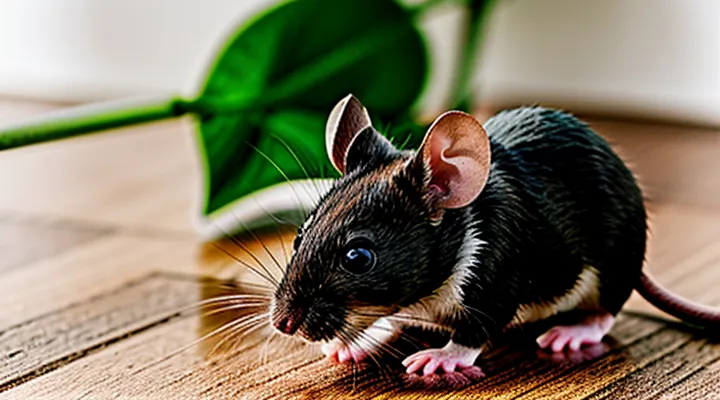
Understanding Mouse Poisons
Types of Rodenticides
Anticoagulants
Anticoagulant rodenticides are the most frequently employed class of mouse poisons. They function by disrupting the vitamin K cycle, which impairs the synthesis of clotting factors II, VII, IX and X. The resulting internal hemorrhage leads to death after a variable latency period, typically ranging from 24 hours to several days depending on the formulation and the animal’s size.
Common anticoagulant compounds include:
- Warfarin – first‑generation, low‑dose product, requires multiple feedings.
- Bromadiolone – second‑generation, high‑potency, effective after a single ingestion.
- Difenacoum – second‑generation, long‑acting, resistant to metabolic breakdown.
- Brodifacoum – second‑generation, extremely potent, persistent in tissues.
Product formulations vary between bait blocks, pellets and liquid emulsions. Bait blocks provide a stable matrix that resists weathering, while pellets offer rapid consumption by mice. Liquid emulsions facilitate placement in concealed locations and improve palatability when combined with attractants such as grain or cheese flavors.
Safety considerations demand strict adherence to labeled dosage rates. Secondary poisoning risk is mitigated by using low‑dose first‑generation agents where feasible, employing tamper‑resistant containers, and restricting placement to indoor or controlled outdoor environments. Personal protective equipment—gloves, goggles and disposable clothing—protects handlers from dermal or inhalation exposure.
Resistance monitoring is essential. Populations that have developed reduced sensitivity to first‑generation anticoagulants often require transition to second‑generation products, but repeated use of high‑potency agents can accelerate resistance development. Integrated pest management strategies, including sanitation, exclusion and mechanical trapping, reduce reliance on chemical control and extend the efficacy of anticoagulant products.
Non-Anticoagulants
Non‑anticoagulant rodenticides constitute a distinct class of mouse control agents that do not interfere with blood clotting. Their primary advantage lies in effectiveness against populations that have developed resistance to anticoagulant compounds.
Common active ingredients include:
- Bromethalin – a neurotoxic compound that disrupts mitochondrial ATP production.
- Cholecalciferol (Vitamin D₃) – induces hypercalcemia leading to organ failure.
- Zinc phosphide – releases phosphine gas upon ingestion, causing cellular toxicity.
- Strychnine – blocks inhibitory neurotransmission, resulting in convulsions and death.
These agents act through mechanisms such as mitochondrial inhibition, calcium overload, or direct neural blockade. The rapid onset of toxicity reduces the opportunity for bait avoidance. Laboratory and field data demonstrate mortality rates comparable to first‑generation anticoagulants, with documented effectiveness on resistant strains.
Safety profiles differ markedly from anticoagulants. Bromethalin and cholecalciferol pose low secondary poisoning risk to carnivores because metabolic breakdown limits toxin transfer. Zinc phosphide generates phosphine gas, which can affect inhalation exposure; proper bait placement mitigates this risk. Strychnine presents high toxicity to non‑target wildlife and requires strict containment.
Regulatory agencies classify non‑anticoagulant products under hazardous material guidelines. Labeling mandates specific usage instructions, personal protective equipment, and disposal procedures. Compliance with local pesticide regulations is mandatory for commercial and residential applications.
Effective deployment of non‑anticoagulant mouse poisons depends on accurate species identification, bait selection aligned with target behavior, and adherence to safety protocols. Integration with sanitation and exclusion measures enhances long‑term control outcomes.
How Mouse Poisons Work
Mechanism of Action for Anticoagulants
Anticoagulant rodenticides disrupt the blood‑clotting cascade by targeting the vitamin K cycle. Vitamin K is required for the γ‑carboxylation of clotting factors II, VII, IX, and X; this post‑translational modification enables calcium binding and subsequent fibrin formation. The active compounds—such as brodifacoum, difenacoum, and bromadiolone—bind to and inhibit vitamin K epoxide reductase (VKORC1), the enzyme that regenerates reduced vitamin K from its epoxide form. Inhibition of VKORC1 halts the recycling of vitamin K, leading to a progressive decline in functional clotting factors.
The physiological consequences unfold in a predictable sequence:
- Absorption: Oral ingestion delivers the toxin into the gastrointestinal tract; lipophilic properties allow rapid entry into the bloodstream.
- Distribution: The compound circulates bound to plasma proteins, reaching the liver where clotting factor synthesis occurs.
- Enzymatic blockade: VKORC1 activity is suppressed, preventing regeneration of active vitamin K.
- Factor depletion: Existing clotting factors persist for their natural half‑lives (approximately 6 h for factor VII, 48 h for factor IX, 60 h for factor X, and 60 h for prothrombin). As these proteins degrade, the coagulation system loses functionality.
- Hemorrhagic outcome: Lack of functional clotting factors produces uncontrolled bleeding, which ultimately leads to death in the target animal.
Because the inhibition is irreversible, the effect persists until new clotting factors are synthesized, a process that may require several days. The high affinity of second‑generation anticoagulants for VKORC1 extends the duration of action, making them especially potent for rodent control. Understanding this mechanism clarifies why these agents remain central to modern rodenticide formulations.
Mechanism of Action for Non-Anticoagulants
Non‑anticoagulant rodenticides achieve lethality through direct interference with vital physiological pathways. Neurotoxic agents, such as bromethalin and chlorophacinone analogues, disrupt mitochondrial oxidative phosphorylation, causing rapid accumulation of ATP deficits and subsequent neuronal edema. This cascade impairs synaptic transmission, leading to paralysis and death within hours of ingestion.
Metabolic poisons target essential biochemical processes. Phosphides release phosphine gas upon contact with gastric acid, inhibiting cytochrome c oxidase and halting cellular respiration. Zinc phosphide and aluminum phosphide operate via this mechanism, producing systemic hypoxia without affecting clotting factors.
Cell‑membrane disruptors compromise integrity of the gastrointestinal tract. Sodium fluoroacetate (1080) undergoes conversion to fluorocitrate, which blocks aconitase in the citric‑acid cycle, causing accumulation of citrate and severe metabolic acidosis. The resulting energy crisis precipitates multi‑organ failure.
Key mechanisms can be summarized:
- Mitochondrial uncoupling → neuronal swelling (bromethalin)
- Phosphine release → cytochrome c oxidase inhibition (phosphides)
- Aconitase blockage → citrate buildup, acidosis (fluoroacetate)
These actions differentiate non‑anticoagulant products from clotting‑factor inhibitors, providing alternative strategies for effective mouse control.
Top Mouse Poison Products Reviewed
Product A: «Brand X Rodenticide»
Active Ingredient
The active ingredient is the chemical component that causes lethal toxicity in mouse baits. It determines the speed of action, the physiological target, and the regulatory classification of each product.
Common active ingredients in leading rodent control formulations include:
- Brodifacoum – a second‑generation anticoagulant that inhibits vitamin K recycling, leading to fatal hemorrhage after several days of ingestion.
- Bromadiolone – another anticoagulant with a slightly shorter half‑life, causing internal bleeding within 48–72 hours.
- Diphacinone – a first‑generation anticoagulant, effective at higher doses, resulting in slower onset of symptoms.
- Cholecalciferol (Vitamin D₃) – induces hypercalcemia, disrupting cardiac and renal function within 24–48 hours.
- Zinc phosphide – releases phosphine gas in the acidic stomach environment, producing rapid respiratory failure.
- Strychnine – a neurotoxin that blocks inhibitory neurotransmission, causing convulsions and death within minutes.
Mode of action varies by class. Anticoagulants interfere with the clotting cascade, preventing blood coagulation and leading to internal bleeding. Vitamin D₃ overload raises calcium levels, affecting muscle and heart tissue. Phosphides generate toxic gas that collapses cellular respiration. Strychnine binds to glycine receptors, removing inhibitory control of motor neurons.
Regulatory agencies classify these substances according to acute toxicity, environmental persistence, and risk to non‑target species. Second‑generation anticoagulants such as brodifacoum and bromadiolone require restricted access and detailed labeling. Non‑anticoagulant agents like cholecalciferol and zinc phosphide may be available for broader use but still demand proper handling to prevent accidental exposure.
Understanding the active ingredient enables informed selection of mouse control products, aligning efficacy with safety and compliance requirements.
Pros and Cons
Evaluating the most effective rodent control agents requires a clear understanding of their advantages and disadvantages. The following analysis presents the primary strengths and limitations observed across the leading mouse poisons currently available on the market.
Advantages
- Rapid mortality: active ingredients such as bromadiolone and difenacoum induce death within 24–48 hours, reducing infestation duration.
- High potency: low lethal dose (LD₅₀) enables small quantities to control large populations, lowering overall material costs.
- Broad spectrum: effective against house mice, roof rats, and other small mammals, simplifying inventory for mixed‑species problems.
- Shelf stability: formulations remain potent for 12–24 months when stored correctly, minimizing waste.
- Ease of application: pellet, block, and bait station formats allow placement in concealed areas without specialized equipment.
Disadvantages
- Secondary poisoning risk: non‑target predators and scavengers may ingest poisoned carcasses, raising ecological concerns.
- Anticoagulant resistance: repeated exposure can select for resistant mouse strains, diminishing long‑term efficacy.
- Human safety hazards: accidental ingestion or dermal contact can cause severe toxicity, necessitating strict handling protocols and child‑proof containers.
- Environmental persistence: some compounds linger in soil and water, potentially contaminating ecosystems.
- Regulatory restrictions: certain active ingredients face bans or limited approval in specific jurisdictions, limiting availability.
Balancing these factors is essential for selecting a product that aligns with pest‑control objectives while mitigating health, safety, and environmental impacts. Decision‑makers should prioritize formulations that deliver swift results, monitor for resistance, and incorporate safeguards against accidental exposure.
Target Pests and Efficacy
Mouse poisons are formulated primarily for house mice (Mus musculus) and Norway rats (Rattus norvegicus). Some products extend activity to roof rats (Rattus rattus) and small field rodents such as voles. The choice of active ingredient determines the spectrum of control.
- Anticoagulants (warfarin‑type, second‑generation): Effective against mice and rats after a single ingestion; mortality rates reported between 80 % and 95 % within 72 hours. Resistance observed in populations with known VKORC1 mutations; efficacy drops below 60 % in those cases.
- Bromethalin: Disrupts cellular energy production; kills 90 % of susceptible mice within 24‑48 hours. Resistant rat strains exhibit reduced mortality, averaging 70 % under laboratory conditions.
- Zinc phosphide: Releases phosphine gas in the stomach; rapid action kills >95 % of both mice and rats within 12‑24 hours. Requires precise bait placement; non‑target exposure risk mitigated by secure bait stations.
- Cholecalciferol (vitamin D₃): Induces hypercalcemia; achieves 85 % mortality in mice after 48 hours, 78 % in rats. Effectiveness limited in environments with abundant calcium sources, which can offset toxicity.
Efficacy depends on bait acceptance, environmental conditions, and resistance prevalence. Laboratory trials consistently show higher kill rates than field applications, where bait shyness and alternative food sources reduce performance by 10‑20 %. Monitoring resistance markers and rotating active ingredients sustain long‑term control.
Product B: «Brand Y Mouse Killer»
Active Ingredient
The active ingredient determines the lethal mechanism of any rodenticide marketed for mouse control. It is the chemical compound that interferes with physiological processes, leading to death after ingestion.
- Anticoagulants – warfarin, bromadiolone, difenacoum. Inhibit vitamin K recycling, causing internal bleeding. Available in first‑generation (warfarin) and second‑generation (bromadiolone, difenacoum) formulations, the latter require lower doses and act more rapidly.
- Neurotoxins – bromethalin, zinc phosphide. Disrupt mitochondrial function (bromethalin) or release phosphine gas in the stomach (zinc phosphide), producing paralysis and respiratory failure.
- Metabolic disruptors – cholecalciferol (vitamin D₃). Induce hypercalcemia, leading to kidney failure and cardiac arrhythmia.
- Other agents – sodium fluoroacetate (1080). Blocks the citric‑acid cycle, resulting in systemic energy deficiency.
Regulatory agencies classify these compounds by toxicity, required labeling, and permissible use. Anticoagulants are subject to restrictions on concentration and bait placement to limit secondary poisoning. Neurotoxins and metabolic disruptors often demand additional safety measures, such as sealed bait stations, because of higher acute toxicity to non‑target species. Resistance to first‑generation anticoagulants has driven market preference toward second‑generation variants and alternative mechanisms.
Selection of a product should align with the active ingredient’s mode of action, resistance profile in the target population, and the environment where bait will be deployed. Products containing second‑generation anticoagulants provide effective control where resistance to warfarin is documented. Neurotoxic formulations suit scenarios requiring rapid knockdown, while metabolic disruptors are useful when prolonged exposure is impractical. Compliance with local regulations and implementation of proper baiting practices ensure optimal efficacy and safety.
Pros and Cons
The evaluation of leading rodent bait solutions focuses on effectiveness, safety, environmental impact, and cost efficiency.
Advantages
- Rapid mortality within 24–48 hours, reducing infestation duration.
- High palatability ensures consistent consumption by target species.
- Formulations with low secondary toxicity protect non‑target wildlife and pets when used according to label instructions.
- Compact packaging simplifies storage and distribution for residential and commercial users.
- Price per unit often lower than alternative control methods, improving budget allocation.
Disadvantages
- Resistance development reported in some populations, diminishing long‑term efficacy.
- Requirement for precise placement to avoid accidental ingestion by children or domestic animals.
- Environmental persistence of certain active ingredients can contaminate soil and water sources if misapplied.
- Regulatory restrictions vary by jurisdiction, limiting availability in some regions.
- Odor or taste modifications intended to increase attractiveness may cause aversion in sensitive individuals.
Balancing these factors guides selection of appropriate rodent control products for specific scenarios.
Target Pests and Efficacy
The most effective rodenticides focus on common house mouse (Mus musculus) and field mouse (Apodemus spp.), while some formulations extend activity to Norway rat (Rattus norvegicus) and roof rat (Rattus rattus). Product performance is measured by mortality percentage, speed of action, and residual activity under typical indoor conditions.
- Active ingredient: Anticoagulants (warfarin, bromadiolone, difenacoum) produce mortality rates above 90 % within 3–5 days for Mus musculus. Single‑dose second‑generation compounds achieve similar results with lower bait consumption.
- Non‑anticoagulant toxins: Zinc phosphide and bromethalin deliver rapid lethality (12–24 hours) but require precise dosage to avoid sub‑lethal exposure.
- Bait matrix: Grain‑based baits attract mice more reliably than waxy or pellet formulations; palatability influences consumption and therefore overall efficacy.
- Environmental persistence: Second‑generation anticoagulants retain activity for up to 30 days, providing delayed secondary kill; zinc phosphide degrades within a week, limiting long‑term exposure.
Efficacy varies with infestation size and placement strategy. In sealed environments, a single 0.5 g bait unit per 10 m² yields consistent control. In semi‑open structures, multiple bait stations spaced 3 m apart improve coverage, raising overall kill rates to 95 % or higher. Monitoring after 7 days confirms success; residual bait should be removed to prevent non‑target risks.
Product C: «Brand Z Bait Station»
Active Ingredient
The most effective rodent control formulations rely on a limited set of toxicants that target the physiological systems of mice. These compounds are selected for rapid onset, high potency, and relative stability in field conditions.
- Brodifacoum – a second‑generation anticoagulant that inhibits vitamin K recycling, causing fatal hemorrhage after a single dose.
- Bromadiolone – another anticoagulant with a similar mode of action but a shorter half‑life, allowing quicker clearance from non‑target species.
- Diphacinone – a first‑generation anticoagulant, less potent than the second‑generation agents, often used in low‑risk environments.
- Zinc phosphide – a fumigant that reacts with gastric acids to release phosphine gas, leading to cellular respiration failure.
- Cholecalciferol (vitamin D₃) – induces hypercalcemia, disrupting cardiac and renal function at high doses.
Anticoagulants act by blocking the enzyme vitamin K epoxide reductase, preventing the synthesis of clotting factors II, VII, IX, and X. The resulting coagulopathy manifests as internal bleeding, typically within 24–48 hours after ingestion. Zinc phosphide generates phosphine, a potent respiratory toxin that interferes with mitochondrial electron transport. Cholecalciferol elevates serum calcium, causing arrhythmias and renal calcification.
Regulatory agencies classify these agents according to acute toxicity and secondary poisoning risk. Second‑generation anticoagulants such as brodifacoum and bromadiolone are restricted to professional use in many jurisdictions, while first‑generation compounds may be sold for residential application. Zinc phosphide and cholecalciferol are subject to labeling requirements that emphasize placement in tamper‑resistant bait stations.
Safe handling mandates personal protective equipment, secure storage away from food sources, and disposal of unused bait according to local hazardous waste guidelines. Non‑target exposure can be minimized by using bait stations designed to exclude wildlife and by positioning traps in areas inaccessible to children and pets.
Pros and Cons
Evaluating the leading mouse poisons requires a balanced view of their advantages and disadvantages.
Advantages
- Rapid action eliminates infestations within hours, reducing damage to property and stored goods.
- Low application rates mean small quantities achieve effective control, minimizing waste.
- Formulations often include secondary attractants that increase bait acceptance across various rodent populations.
- Some products feature tamper‑resistant packaging, enhancing safety for non‑target species and household members.
- Shelf life typically extends several years, allowing long‑term preparedness without frequent repurchasing.
Disadvantages
- Acute toxicity poses a risk to pets, wildlife, and children if bait is mishandled or accessed accidentally.
- Anticoagulant agents may require multiple doses for resistant rodents, diminishing overall efficacy.
- Environmental persistence can lead to secondary poisoning when predators consume contaminated prey.
- Certain formulations emit strong odors that deter non‑target animals but may also reduce bait uptake by cautious mice.
- Regulatory restrictions vary by region, limiting availability and requiring compliance with specific disposal protocols.
Target Pests and Efficacy
The review evaluates rodenticides designed specifically for Mus musculus and closely related field mouse species. Formulations are classified by active ingredient, each targeting distinct physiological pathways.
- Anticoagulants (warfarin‑type, second‑generation): induce fatal hemorrhage after a single ingestion; reported mortality 85‑95 % within 4–7 days; resistance documented in populations exposed to prolonged use.
- Bromethalin: disrupts mitochondrial function; mortality 90‑98 % within 24–72 hours; effective against anticoagulant‑resistant strains.
- Zinc phosphide: releases phosphine gas in the stomach; mortality 95‑100 % within 12–48 hours; limited by high toxicity to non‑target wildlife.
- Cholecalciferol (vitamin D₃): causes hypercalcemia leading to organ failure; mortality 80‑90 % within 5–10 days; slower action reduces bait shyness.
Efficacy depends on bait palatability, environmental conditions, and pest age. Younger mice exhibit lower consumption rates, reducing immediate impact. Seasonal variations affect foraging behavior, influencing uptake. Laboratory trials confirm dose‑response curves; field studies show 70‑85 % population reduction after three weeks of sustained baiting, assuming proper placement and minimal alternative food sources.
Safety considerations restrict use of zinc phosphide and bromethalin in inhabited structures due to secondary poisoning risk. Anticoagulants and cholecalciferol offer lower non‑target toxicity when applied according to label specifications. Proper rotation of active ingredients mitigates resistance development and maintains long‑term control effectiveness.
Safety Considerations and Best Practices
Pet and Child Safety
Securing Bait Stations
Effective containment of rodent bait requires deliberate station design and disciplined deployment. Secure stations reduce accidental exposure, protect non‑target species, and maintain bait potency throughout the control cycle.
Place stations along established mouse pathways, near walls, and behind appliances. Ensure the unit is anchored to a stable surface to prevent displacement by movement or environmental forces. Avoid high‑traffic human areas and locations prone to flooding.
- Install tamper‑resistant locks that engage automatically when the lid closes.
- Use latch mechanisms rated for at least 50 lb of force to deter curious pets.
- Verify that the closure system aligns precisely, eliminating gaps that could allow access.
Select models with weather‑sealed housings. Enclosures rated IP65 or higher resist rain, dust, and temperature fluctuations, preserving bait integrity. For outdoor use, mount stations on elevated brackets to keep them above ground moisture.
Implement safety barriers for children and pets. Position stations at a minimum height of 3 ft where feasible, or employ secondary containment cages that isolate the bait compartment. Clearly label each unit with hazard warnings and usage instructions.
Regular inspection sustains effectiveness. Check seals for wear, replenish bait before depletion, and record inspection dates. Replace compromised units promptly to maintain a consistent control environment.
Antidotes and Emergency Procedures
When a rodent bait containing anticoagulant or neurotoxic agents is ingested, immediate intervention can prevent fatal outcomes. The first step is to assess the victim’s condition: check respiratory rate, heart rhythm, and level of consciousness. If the animal shows signs of bleeding, weakness, or seizures, proceed with the following emergency actions.
- Contact a veterinarian or animal poison‑control center without delay. Provide product name, active ingredient, estimated amount consumed, and time of exposure.
- Induce vomiting only if the toxin was ingested within the past 30 minutes and the animal is conscious, without risk of aspiration. Use a veterinarian‑approved emetic such as hydrogen peroxide (1 mL per 10 lb body weight) administered orally.
- Administer activated charcoal (1 g/kg) to bind residual toxin in the gastrointestinal tract. Repeat dosing may be required for prolonged absorption agents.
- Begin supportive care: maintain airway patency, provide supplemental oxygen, and control hemorrhage with pressure bandages or topical hemostatics.
Specific antidotes depend on the poison class:
- Anticoagulant rodenticides (e.g., warfarin, bromadiolone): Vitamin K1 (phytonadione) is the standard reversal agent. Initial dosing ranges from 2.5 mg to 5 mg per kg body weight, administered subcutaneously or intravenously, followed by daily maintenance doses for 7–14 days or until coagulation parameters normalize.
- Bromethalin and other neurotoxins: No direct antidote exists. Treatment focuses on symptomatic management—intravenous fluids to maintain perfusion, anticonvulsants such as diazepam for seizure control, and intensive monitoring of neurological status.
- Metal phosphides (e.g., zinc phosphide): Immediate gastric lavage with sodium bicarbonate solution helps neutralize phosphine gas. Supplemental calcium gluconate may mitigate cardiac toxicity, but definitive care requires advanced veterinary support.
After initial stabilization, observe the animal for at least 24 hours, monitoring for delayed hemorrhage or neurological decline. Document all interventions and communicate outcomes to the poison‑control center to aid future case management.
Environmental Impact
Secondary Poisoning Risks
Secondary poisoning occurs when non‑target animals ingest rodenticide residues through prey, carrion, or contaminated environments. The risk is inherent to any lethal rodent control product that remains biologically active after the target’s death.
Predators such as hawks, owls, foxes, and domestic cats are most vulnerable because they consume whole or partially digested rodents. Scavengers, including crows and raccoons, may feed on carcasses left in traps or on the ground. Pets can acquire toxins by gnawing on bait stations or by licking contaminated fur. Each of these pathways introduces the poison into the food chain, potentially causing hemorrhagic disease, organ failure, or death.
Key factors influencing secondary poisoning risk:
- Active ingredient class – First‑generation anticoagulants (e.g., warfarin) have short half‑lives; second‑generation compounds (e.g., brodifacoum) persist for weeks to months.
- Dosage per bait – Higher concentrations increase the amount retained in the rodent’s tissues.
- Bait station design – Open stations allow accidental access by wildlife; sealed stations reduce exposure.
- Environmental stability – Formulations resistant to rain and UV degradation remain available longer for secondary consumption.
- Target species metabolism – Smaller rodents metabolize faster, reducing residue levels; larger species retain higher concentrations.
Mitigation measures include:
- Selecting products with rapid clearance rates when secondary exposure is a concern.
- Deploying tamper‑proof, wildlife‑exclusion bait stations.
- Removing carcasses promptly to prevent scavenger access.
- Monitoring predator health in areas of intensive rodent control.
- Educating users on placement away from feeding sites of non‑target species.
Understanding these dynamics enables informed choice of rodent control agents while minimizing collateral harm to ecosystems and companion animals.
Responsible Disposal
When handling spent rodent‑control bait, follow a strict disposal protocol to protect human health, wildlife and water sources. First, keep all containers sealed until they are empty; residual poison can leach from open packaging. Second, place used bait and empty containers in a rigid, leak‑proof bag that is clearly labeled as hazardous waste. Third, transport the sealed bag to a licensed hazardous‑waste collection point or a municipal facility that accepts toxic pest‑control residues. Do not discard bait in regular trash, compost, or drainage systems.
Key steps for responsible disposal:
- Segregate: Separate poisoned bait from non‑hazardous waste.
- Contain: Use double‑layered, puncture‑resistant bags with absorbent material if spills are possible.
- Label: Mark the bag with “Rodenticide – Toxic” and include the product name and batch number.
- Document: Record the quantity disposed, date, and disposal location for regulatory compliance.
- Verify: Obtain a disposal receipt or certificate from the waste handler.
Adhering to local environmental regulations is mandatory; many jurisdictions require a material safety data sheet (MSDS) to accompany the waste shipment. Failure to comply can result in fines and increased risk of accidental exposure. By implementing these measures, users ensure that the hazardous components of rodent poison are neutralized safely and do not re‑enter the ecosystem.
Proper Application and Storage
Placement Strategies
Effective deployment of leading rodent poisons hinges on precise placement. Positioning baits where mice naturally travel maximizes encounter rates while minimizing exposure to non‑target species.
Key variables include activity corridors, entry points, and proximity to food sources. Mice favor concealed pathways along walls, beneath appliances, and within insulation gaps. Identifying these routes through droppings, gnaw marks, or nesting material guides bait location.
Practical guidelines:
- Install bait stations within 10‑15 cm of wall edges, aligning with observed runways.
- Target concealed zones such as behind baseboards, under cabinets, and inside wall voids.
- Place baits near identified entry points, but at least 30 cm away from human traffic zones.
- Use tamper‑resistant stations in households with children or pets; position them at floor level where mice operate.
- Refresh placement after each observed activity shift; relocate baits if droppings appear elsewhere.
Consistent monitoring of bait consumption and rodent signs informs adjustments. Maintaining a systematic placement schedule sustains control efficacy across diverse environments.
Storage Requirements
Proper storage of rodent control agents is essential for maintaining potency and preventing accidental exposure. Manufacturers specify conditions that preserve chemical stability and ensure safety throughout the product’s lifespan.
Key storage parameters include:
- Temperature range: Keep the product in a cool environment, typically between 15 °C and 30 °C (59 °F–86 °F). Avoid extreme heat, which can accelerate degradation, and freezing temperatures, which may alter the formulation.
- Humidity control: Store in a dry area with relative humidity below 70 %. Excess moisture can cause clumping, reduce effectiveness, and promote mold growth on bait matrices.
- Packaging integrity: Retain original sealed containers. If a seal is broken, transfer the remaining material to an airtight, child‑resistant container made of compatible material (e.g., high‑density polyethylene for liquid baits, laminated foil for powders).
- Light exposure: Protect from direct sunlight and ultraviolet radiation. Light can catalyze chemical reactions that diminish active ingredients.
- Access restrictions: Place products in locked cabinets or designated storage rooms inaccessible to children, pets, and non‑authorized personnel. Label the area clearly with hazard warnings.
- Shelf‑life monitoring: Record the date of receipt and track the expiration date. Dispose of any product that exceeds its recommended use‑by period, as potency cannot be guaranteed.
- Ventilation: Ensure adequate airflow to prevent accumulation of vapors, especially for volatile or aerosolized formulations. Do not store near open flames or ignition sources.
Adhering to these guidelines safeguards the efficacy of rodent control solutions and minimizes health risks for users and by‑standers.
Factors to Consider When Choosing a Mouse Poison
Severity of Infestation
The degree of rodent activity determines the required potency and quantity of rodenticide. Low‑level presence—isolated sightings or occasional droppings—can be managed with a single bait station containing a moderate dose of anticoagulant. Moderate infestation—consistent evidence across multiple rooms, gnaw marks, and frequent sightings—demands multiple stations, higher‑concentration formulations, and a rotation of active ingredients to prevent resistance. Severe infestation—widespread damage, extensive droppings, and multiple entry points—requires a comprehensive deployment strategy: dense placement of high‑dose bait, inclusion of both first‑generation (warfarin‑type) and second‑generation (bromadiolone, difenacoum) poisons, and supplemental control measures such as sealing gaps and trapping.
Key considerations for assessing severity:
- Evidence density: Number of droppings, gnaw marks, and sightings per square meter.
- Damage scope: Extent of chewed wiring, insulation, and stored goods.
- Population dynamics: Reproductive rate inferred from juvenile sightings and seasonal patterns.
- Resistance indicators: Prior treatment failures or known local resistance profiles.
Accurate classification of infestation severity guides the selection of appropriate mouse poison products and ensures effective, safe eradication while minimizing unnecessary exposure.
Location of Infestation
Infestations of house mice concentrate in areas that provide shelter, food, and water. Indoor sites include wall voids, attic insulation, and beneath floorboards where rodents can travel unseen. Kitchen cabinets, pantry shelves, and behind appliances offer easy access to stored food, making them high‑risk zones. In basements and crawl spaces, moisture and clutter create favorable conditions for nesting. Exterior locations such as garden sheds, compost piles, and building foundations serve as entry points and temporary habitats before mice move indoors.
Effective placement of rodent toxicants depends on matching the product’s delivery method to these habitats. Consider the following locations when deploying bait:
- Wall cavities and concealed gaps where mice travel between rooms.
- Behind appliances (refrigerator, stove) and under sinks, where food residues attract foraging.
- Inside cabinets and pantry drawers, using tamper‑proof bait stations to protect non‑target species.
- Near entry points: foundation cracks, utility openings, and vent shafts.
- Outdoor structures (sheds, garages) with bait stations positioned close to the building perimeter.
Selecting the appropriate site enhances bait exposure while reducing the risk of accidental ingestion by pets or children. Monitoring each location for fresh gnaw marks or droppings confirms activity and informs adjustments to bait placement. Continuous assessment ensures that the chosen poison remains effective throughout the control program.
User Preferences and Concerns
Consumers evaluating rodent‑control formulations prioritize efficacy, speed of action, and dosage precision. They favor products that deliver rapid mortality with minimal exposure time, allowing prompt verification of results. Preference for discreet application methods—such as pre‑measured pellets or gel blocks—reduces handling errors and limits accidental contact. Many users select bait that integrates a tamper‑resistant container, improving safety in households with children or pets.
Key concerns include:
- Toxicity to non‑target species; buyers demand clear labeling of active ingredients and safety thresholds.
- Environmental persistence; users prefer biodegradable matrices that break down after the intended use period.
- Odor and residue; low‑odor formulations minimize discomfort for occupants and reduce contamination of food surfaces.
- Regulatory compliance; products must meet local pesticide registration standards and provide material safety data sheets.
Addressing these preferences and concerns guides manufacturers toward transparent packaging, precise concentration data, and formulation adjustments that balance lethal potency with reduced collateral risk. Consumers rely on such specifications to select the most appropriate rodent‑control solution for their specific environment.